The Complete Guide to Vertical Vegetable Gardening (17 Creative Hacks)

Your garden may look small, but it probably has more room than you think. Maybe the soil feels packed, the patio feels crowded, or your raised bed already looks full before summer even starts.
That is where vertical vegetable garden ideas feel almost like a little garden cheat code.
Honestly, I love them because they turn a messy patch of vines into something neat, useful, and kind of beautiful. Tiny spaces can surprise you. You just have to grow upward.
Why Vertical Vegetable Gardens Feel So Satisfying
Growing vegetables upward gives your garden breathing room. Instead of letting cucumbers, beans, peas, or tomatoes sprawl across the soil, you guide them onto a trellis, cage, fence, arch, or wall.
Suddenly, the garden feels less like a jungle and more like a place you actually want to walk through with a cup of tea.
Space changes everything. A small raised bed can hold more food when vines climb instead of crawl.
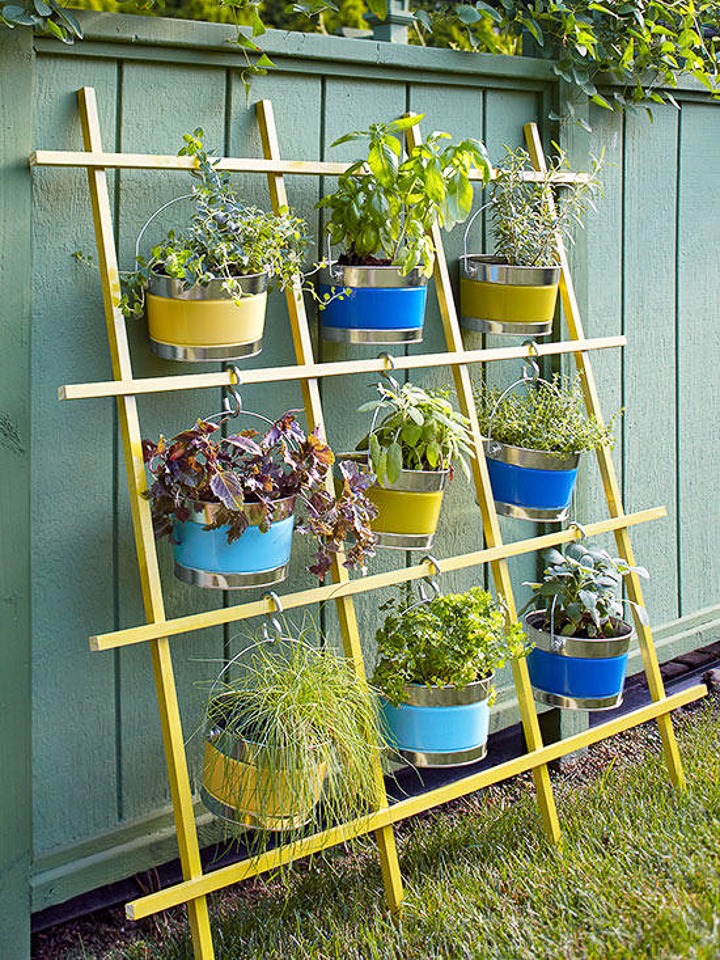
Even a sunny balcony can grow tomatoes, herbs, lettuce, strawberries, or peas when you use pots, hanging baskets, and wall planters well.
Clean harvests feel amazing. Nobody enjoys hunting under prickly leaves for one hidden cucumber that somehow turned into a baseball bat overnight.
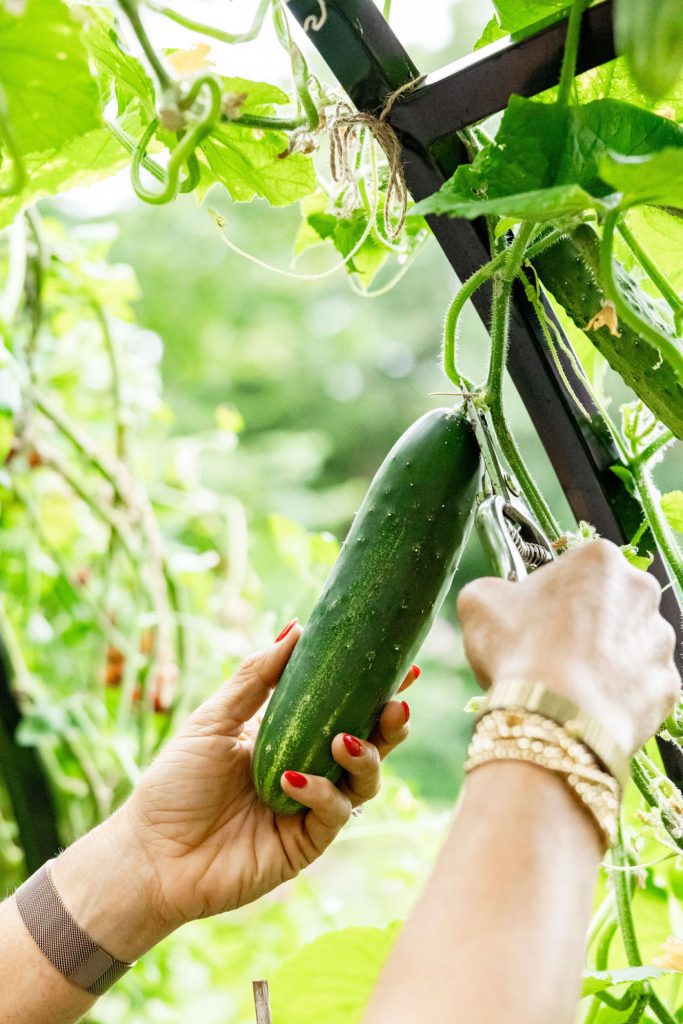
With a vertical vegetable garden, you can see more of the plant, spot problems faster, and pick food without crawling through the bed like a detective. Because of this, many gardeners now prefer planting cucumber and other veggies in vertical position.
Airflow helps too. Leaves dry faster when plants grow upward with space around them. That can help reduce some damp leaf problems, especially in tight gardens where plants sit too close together.
Beauty matters more than people admit. A wall of beans, a tomato tower, or a cucumber arch can make a plain corner feel alive. That part feels magic.
Start With a Support That Can Handle Real Plants
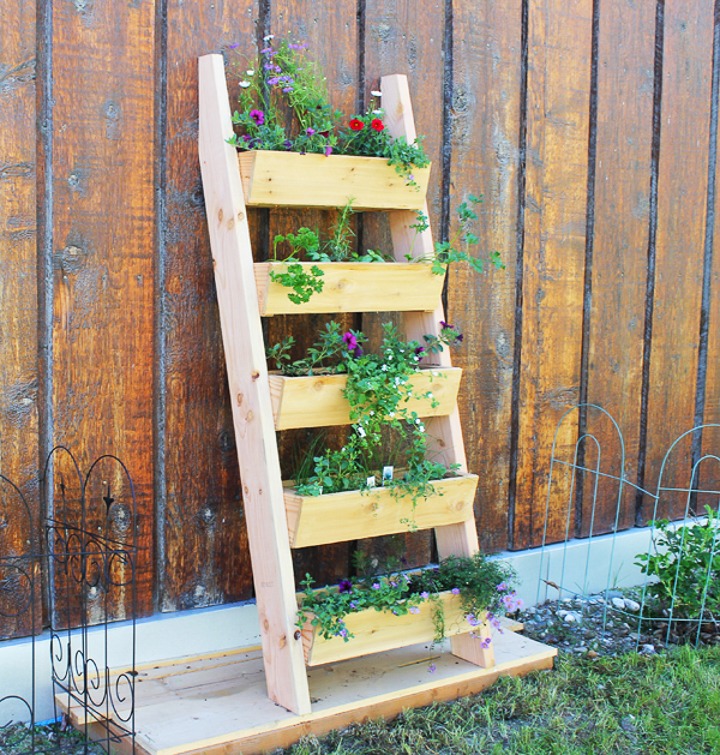
Good support matters because vegetables get heavy fast. A tiny spring plant can look sweet in April, then turn into a wild, fruit-loaded monster by midsummer. I have learned the hard way that a weak trellis does not stay cute for long.
Strong trellises make gardening less stressful. You can use wood, metal, bamboo poles, cattle panels, wire mesh, garden netting, stakes, or an obelisk.
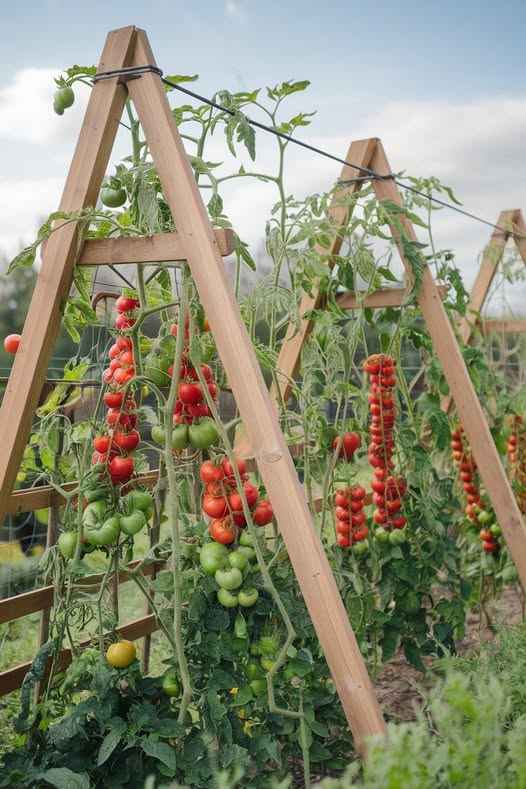
Choose the support based on the crop, because a pea vine and a melon vine do not need the same muscle.
Sun should guide your setup. Most vegetables need plenty of light, so place your vertical garden where plants can soak up sun without shading smaller crops too much.
Put tall trellises along the back or north side of a bed when you can.
Containers need support too. A deep pot with a tomato cage can grow cherry tomatoes on a patio.
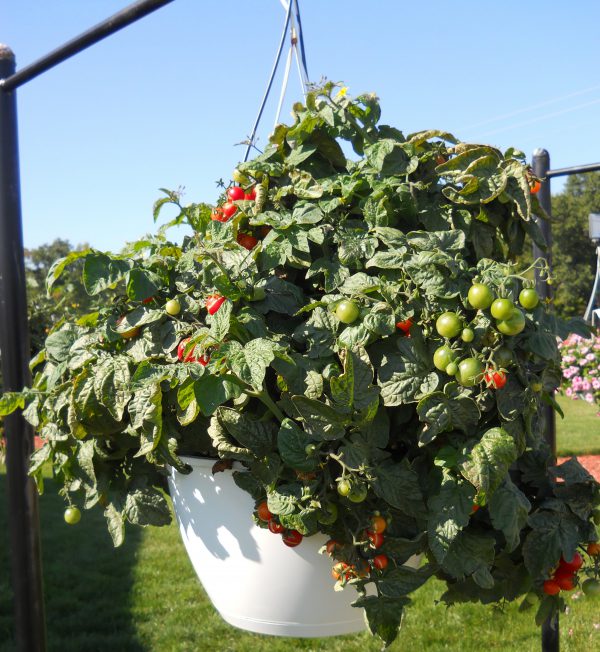
A hanging basket can hold strawberries or tumbling tomatoes. A wall planter can keep herbs close to the kitchen door, which feels very fancy when dinner needs fresh basil.
Easy Vertical Vegetable Garden Ideas for Small Spaces
Cucumber Trellis
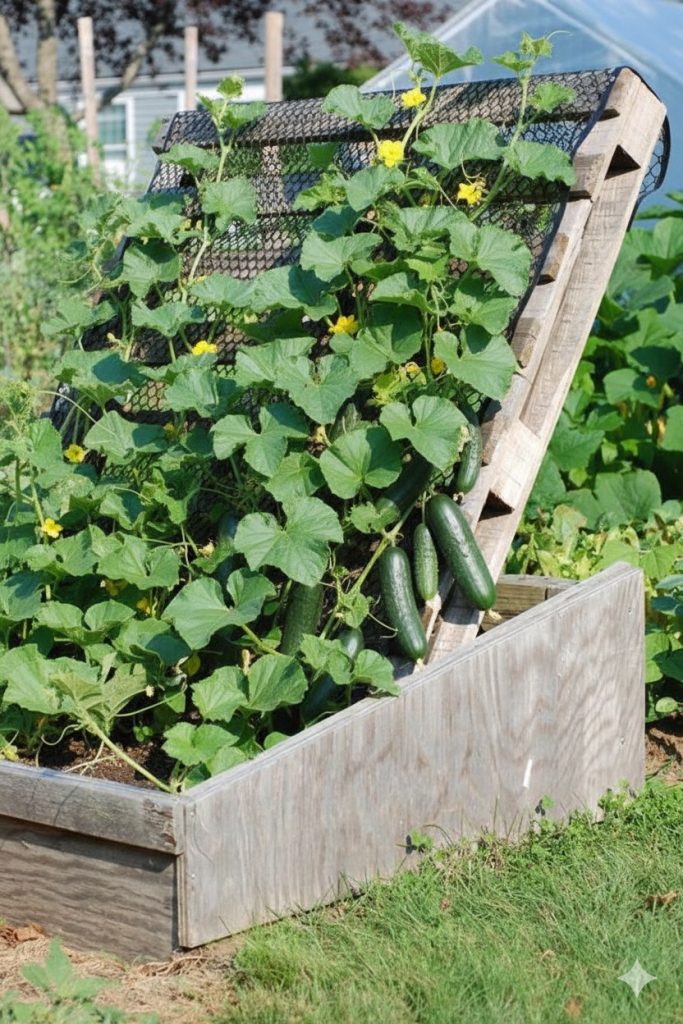
Cucumbers make it easy. Their little tendrils grab netting, string, wire, or wooden frames without much fuss. Once they start climbing, the whole plant looks happier and cleaner. You can get more cucumber trellis ideas here.
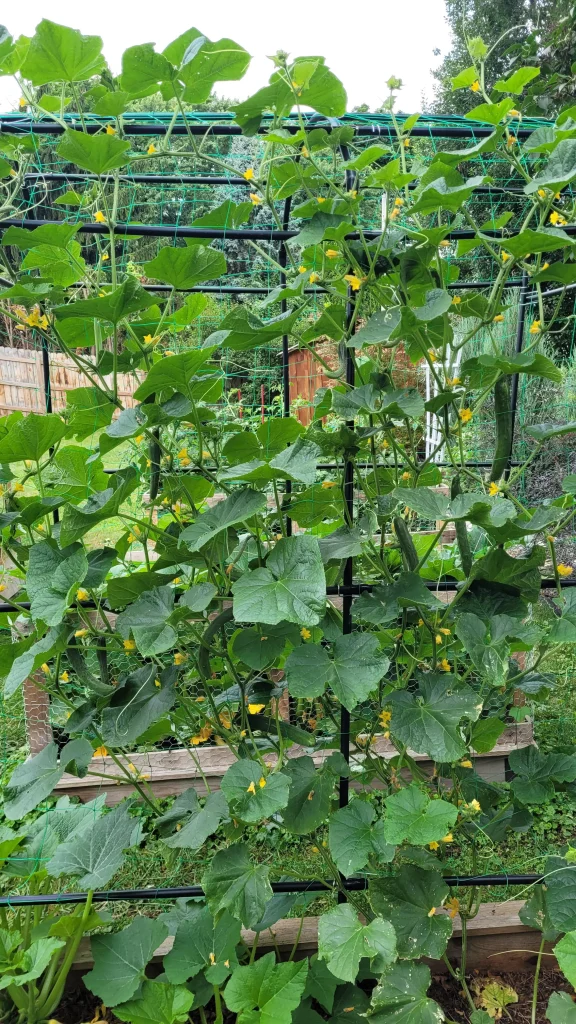
Hanging fruit often grows straighter than fruit sitting on soil. You also find cucumbers faster because they dangle in plain sight.
Wouldn’t you rather pick one at eye level than search under a leafy mess?
Pole Bean Wall
Beans are pure garden drama. They climb fast, cover support beautifully, and make even a basic fence look productive.
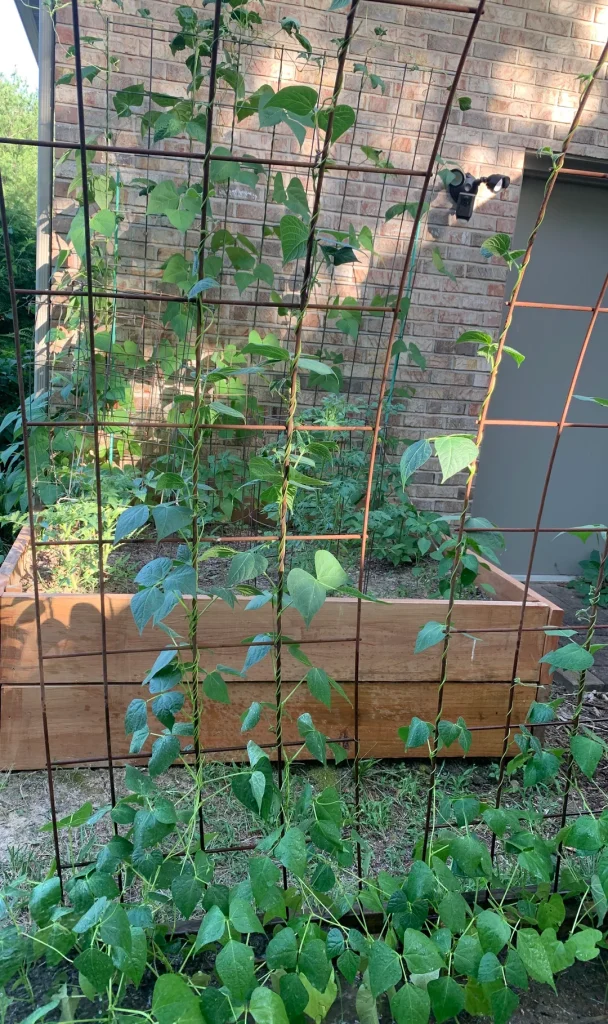
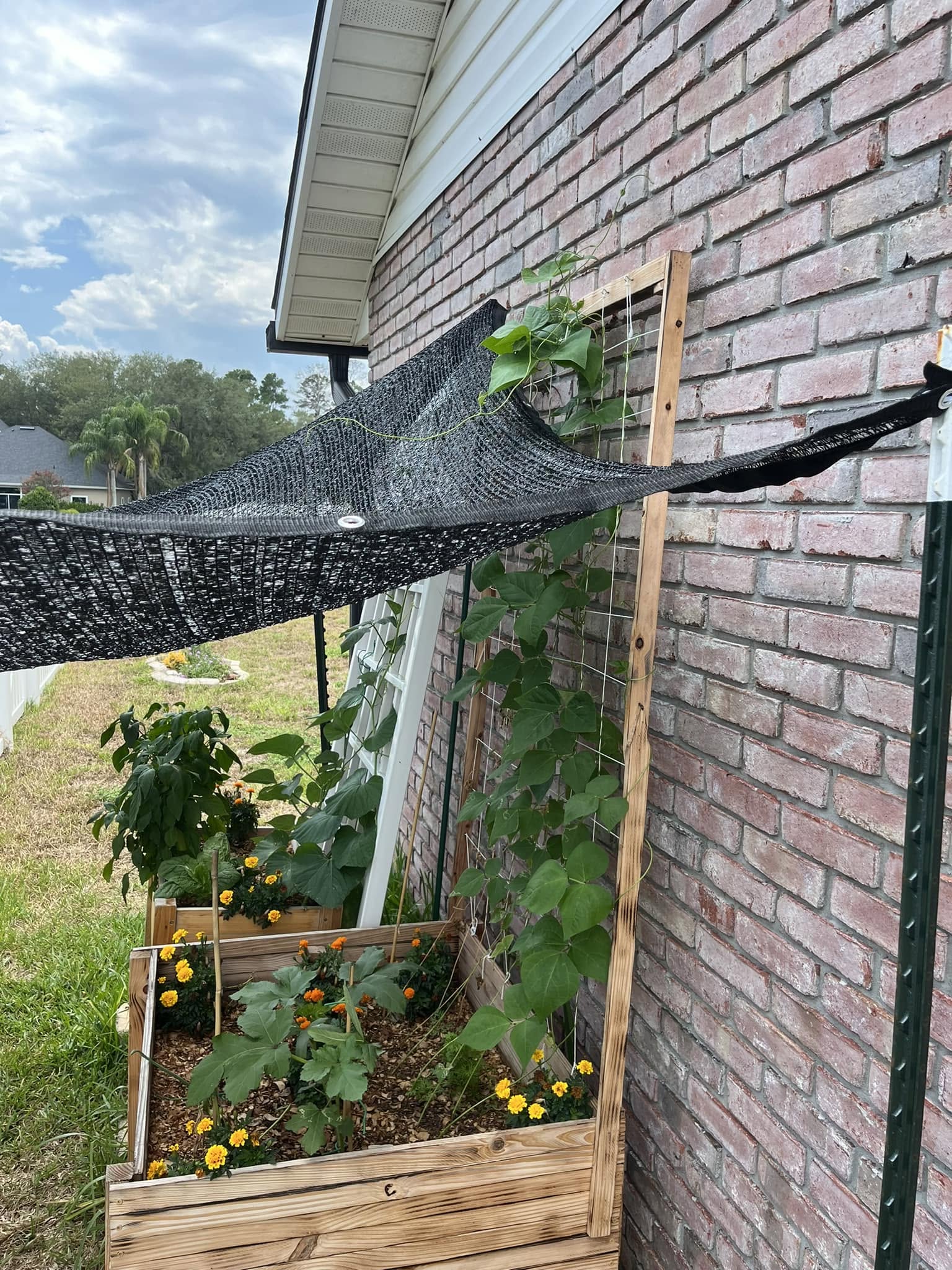
A pole bean wall can turn one narrow strip of soil into a tall green curtain.
Kids usually love this idea. The vines grow quickly enough to feel exciting, and the pods appear where little hands can reach them.
Simple projects like this can make gardening feel less like work and more like a daily check-in with something alive.
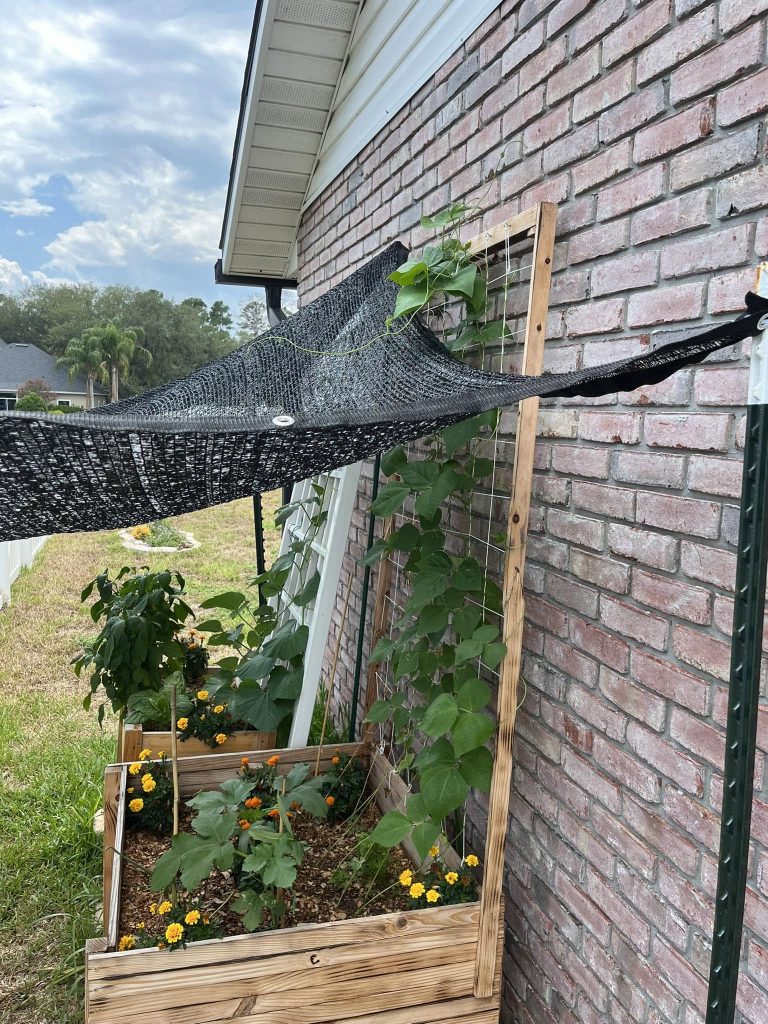
Fences work well for beans. You can add string, mesh, or a cattle panel and let the vines climb upward. Herbs or lettuce can grow near the front if the area still gets enough sun.
Pea Trellis
Peas bring early garden happiness. They like cooler weather, so they often grow before summer crops take over the bed.
Their soft vines climb well on light netting, twig frames, or small trellises.
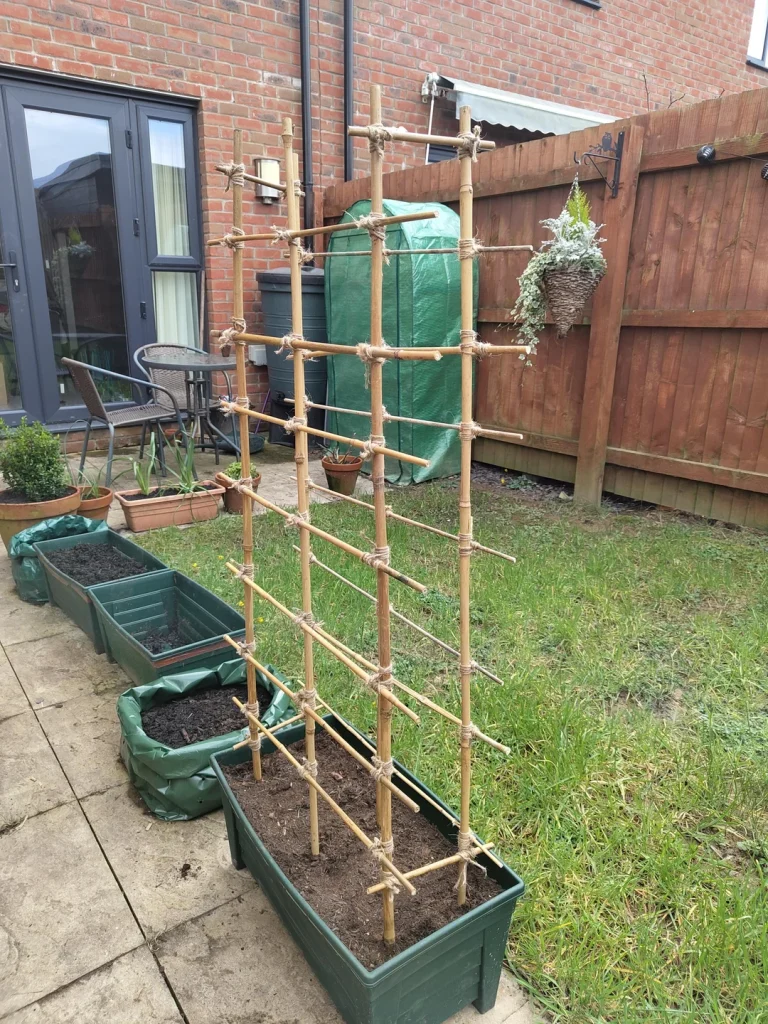
Spring gardens can feel empty at first. Peas fix that by adding green growth, little flowers, and sweet pods before tomatoes even start acting important.
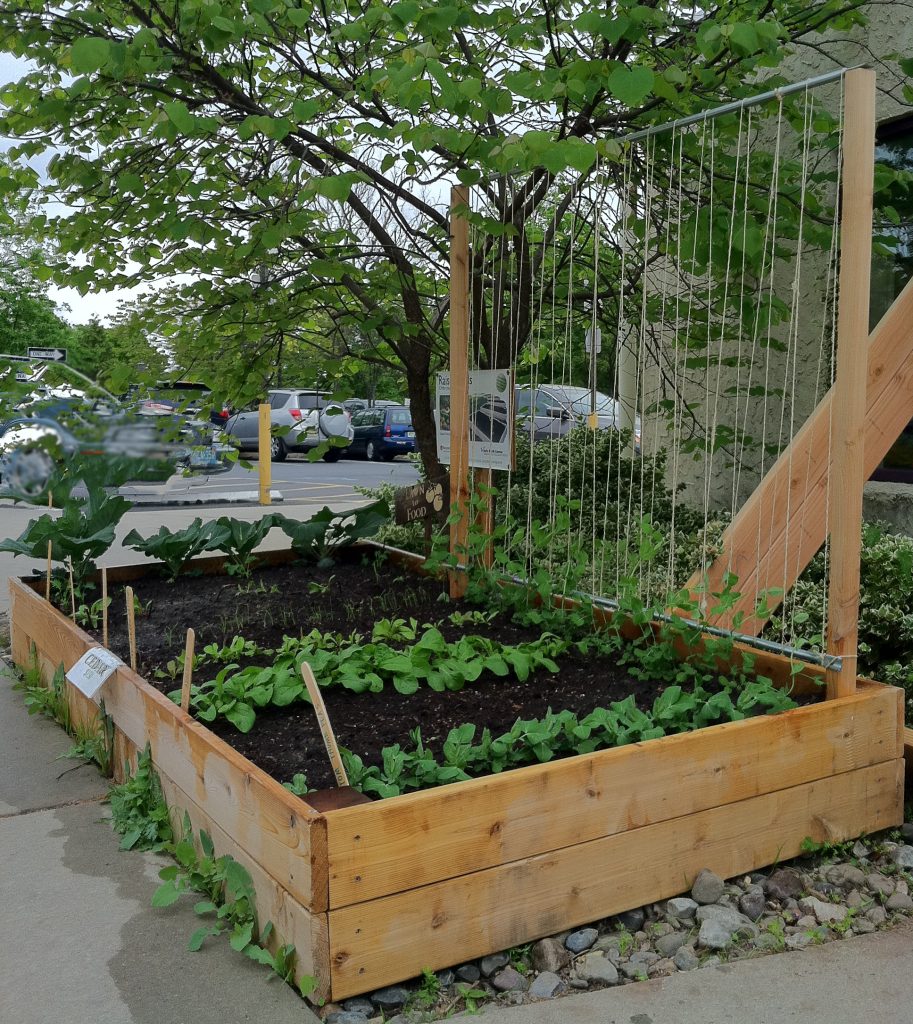
I always think peas make a garden feel awake.
Harvesting peas from a trellis feels calm and simple. You stand there, look over the vines, and pick what you need. No digging required.
Vertical Tomato Ideas That Save Space
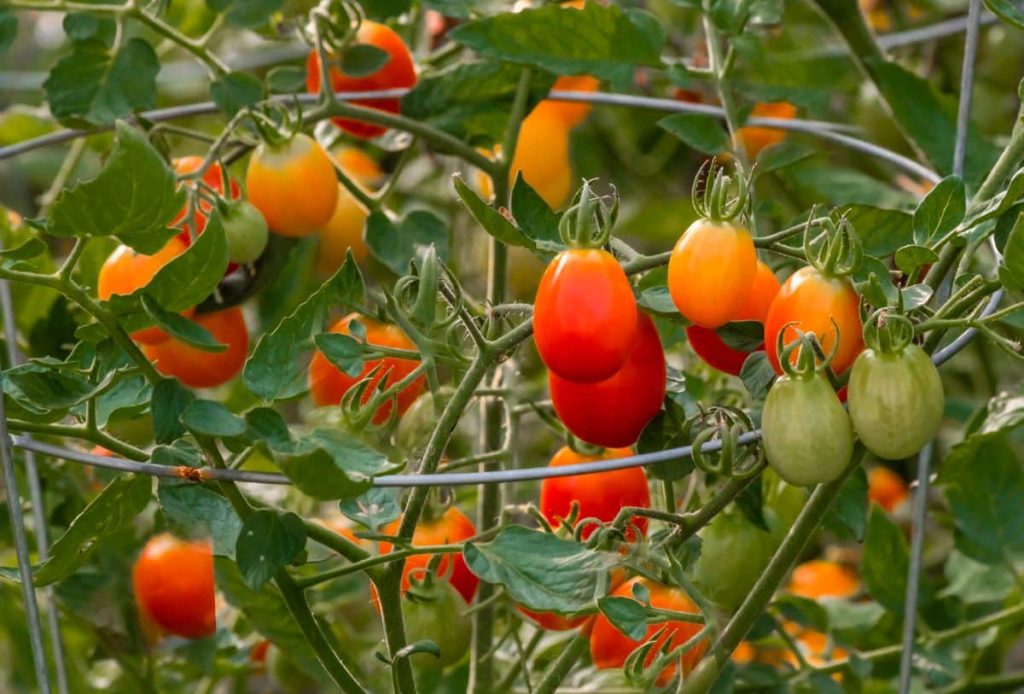
Tomatoes need support because their branches can bend under fruit. Cages, stakes, strings, and trellises all help guide the plant upward.
Indeterminate tomatoes need taller support because they keep growing through the season.
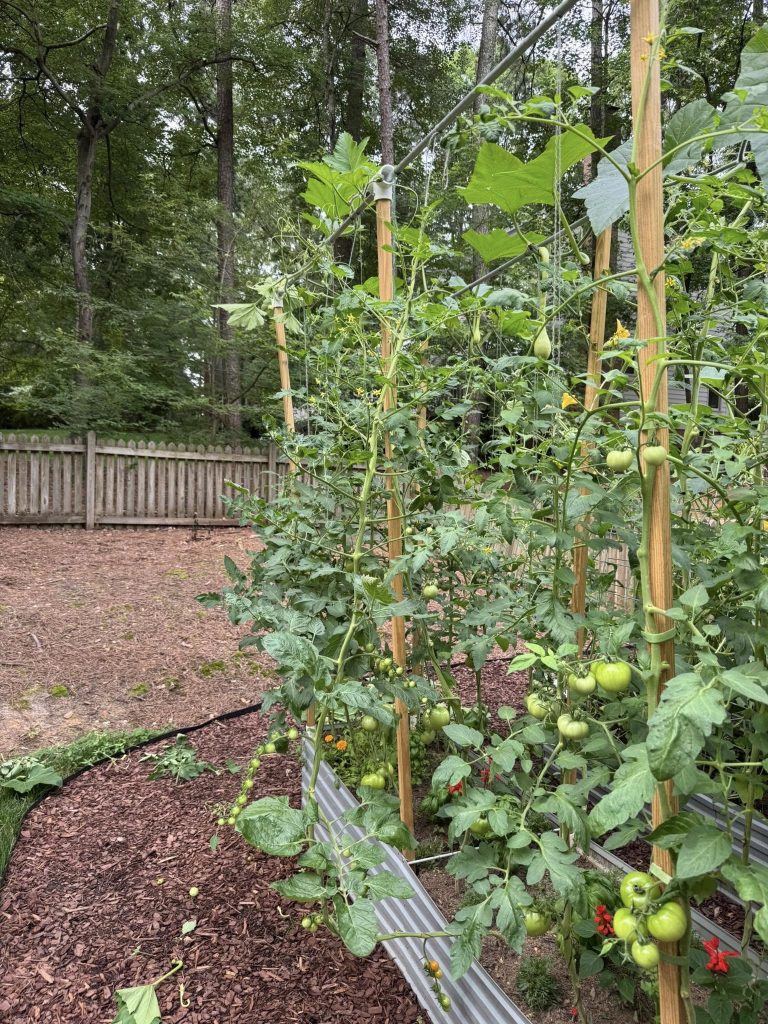
Cherry tomatoes work beautifully in small vertical gardens. They can grow in deep containers, raised beds, or sunny corners with strong cages.
One healthy plant can give you enough little tomatoes to make salads feel special.
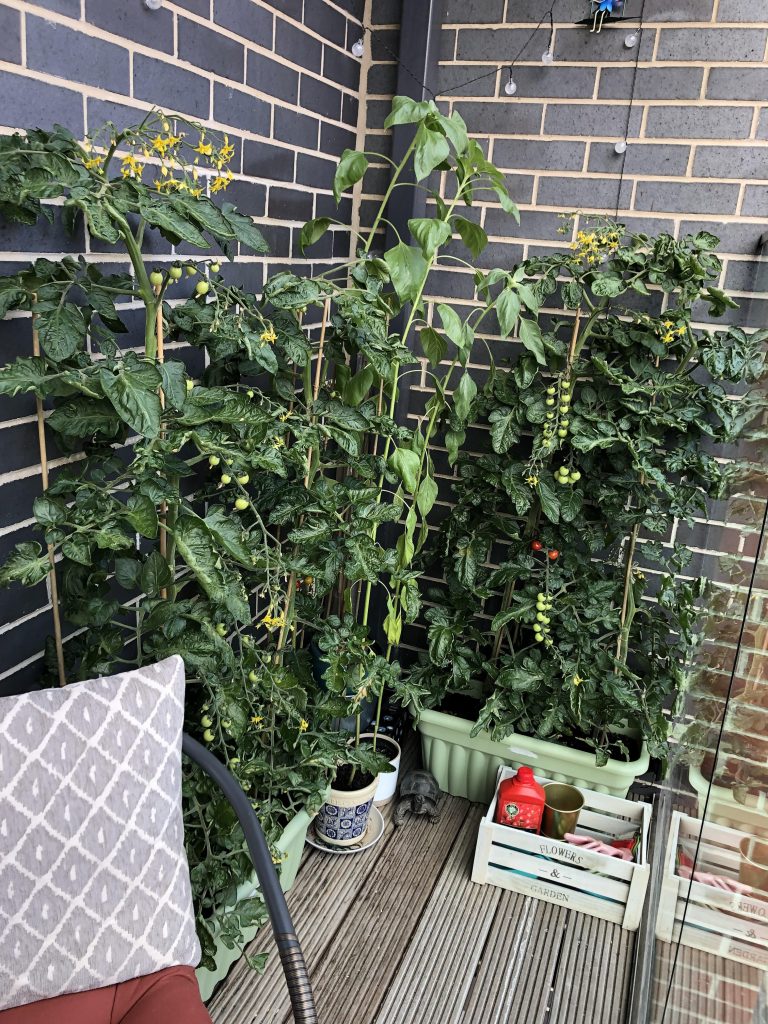
Balcony gardeners can still grow tomatoes. A large pot, good soil, steady watering, and a sturdy cage can turn a small outdoor spot into a mini tomato patch. That first homegrown tomato always feels like a tiny victory.
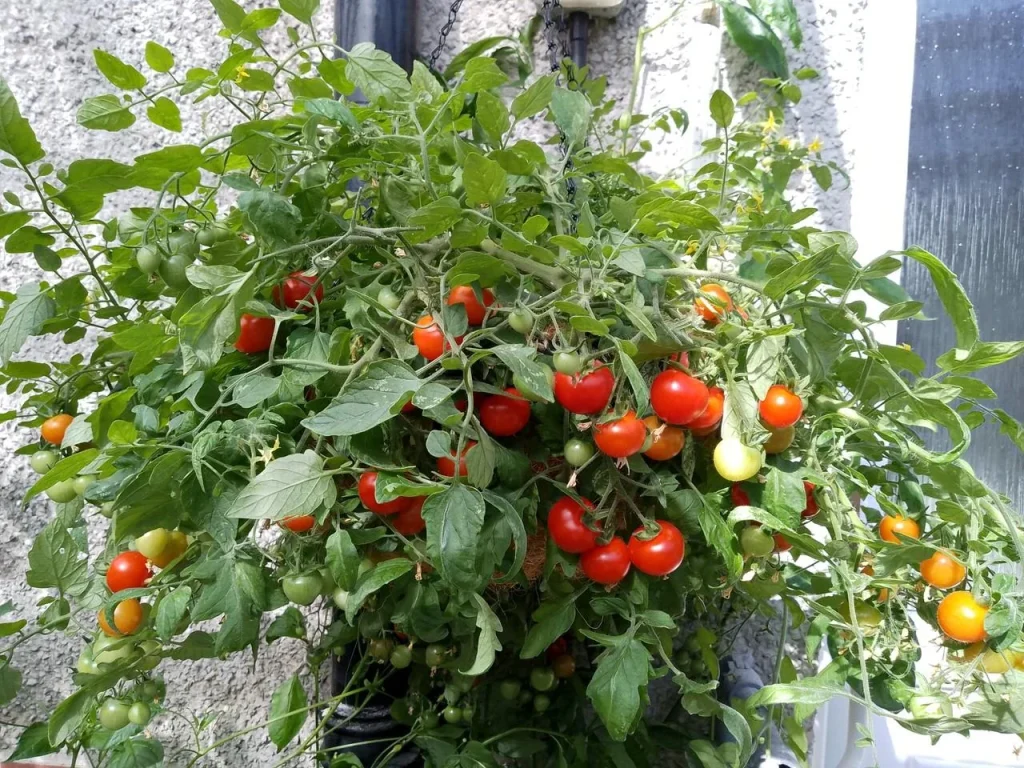
Tumbling tomatoes suit hanging baskets.
They spill over the sides instead of climbing, but they still use vertical space wisely because the basket lifts the plant off the ground.
Give them regular water, because hanging baskets dry out quickly.
Creative Vertical Vegetable Garden Ideas You Can Build
Raised beds are wonderful, but they fill up fast. One tomato, two cucumbers, a few herbs, and suddenly your tidy plan looks like a vegetable party with no walking space.
That is why I like simple vertical builds that use walls, fences, baskets, gutters, and shelves.
Reusing old items can make the garden feel personal.
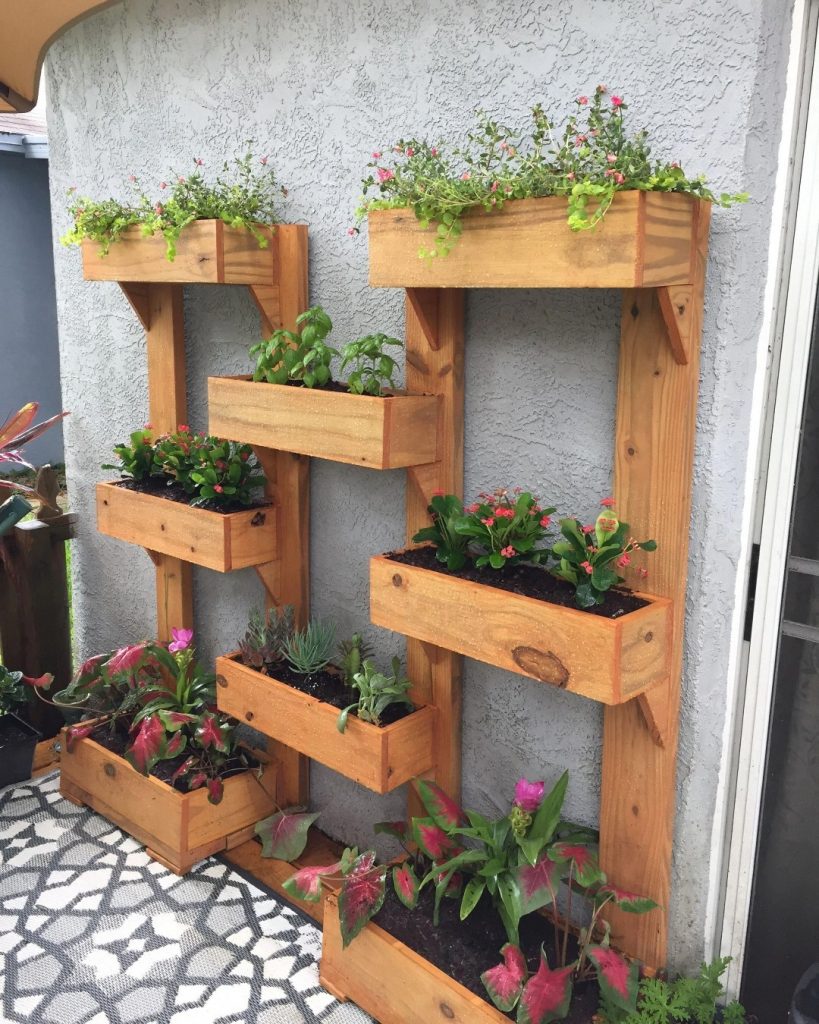
A ladder, pallet, crate, or set of buckets can turn into a useful growing spot with a little care. You do not need a perfect Pinterest garden to grow real food.
Ladder Vegetable Garden
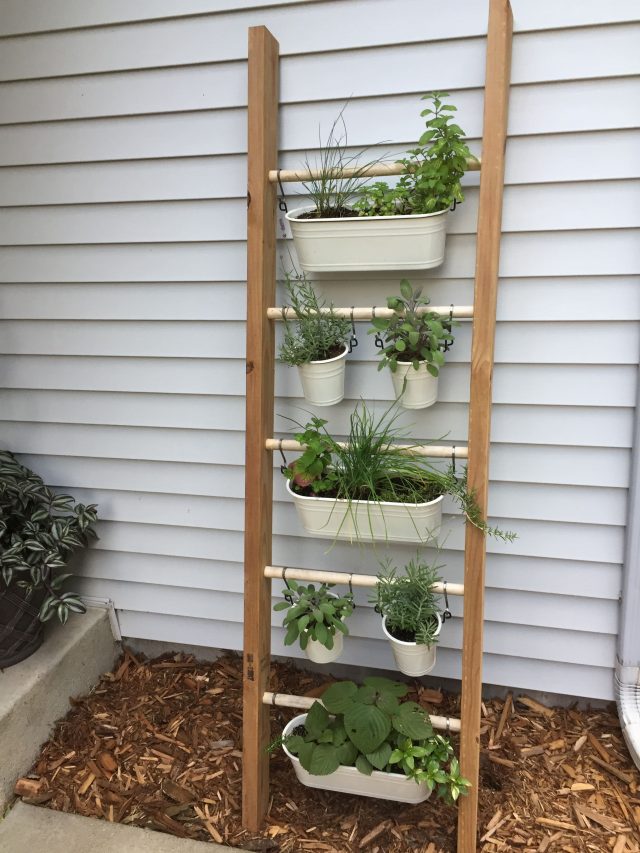
Old ladders make charming plant stands. You can place pots on each step and grow herbs, lettuce, strawberries, dwarf peas, or compact peppers. The whole setup feels casual, useful, and a bit cottage-like.
Wooden ladders look warm in garden corners. Metal ladders can feel cleaner and more modern. Either way, choose a sturdy one that does not wobble when the pots get heavy after watering.
Pallet Garden for Herbs and Greens
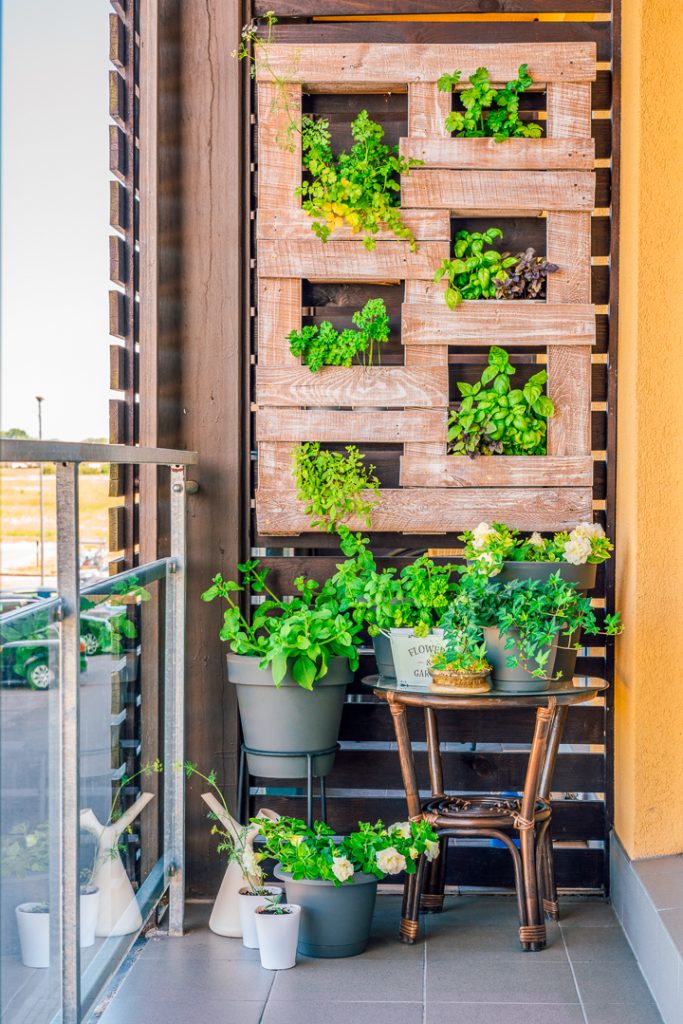
Pallet gardens suit shallow-rooted plants. Lettuce, spinach, parsley, thyme, basil, baby kale, and edible flowers can grow well in a safe pallet setup.
Always use a clean, heat-treated pallet for edible plants.
Soil needs support inside the pallet. Landscape fabric or burlap can help hold the potting mix in place. Drainage also matters because soggy roots can ruin healthy plants fast.
Placement makes a big difference. Lean the pallet against a sunny wall, fence, or balcony rail where you can water it easily. Nobody wants a garden that feels annoying to reach.
Gutter Garden for Lettuce and Strawberries
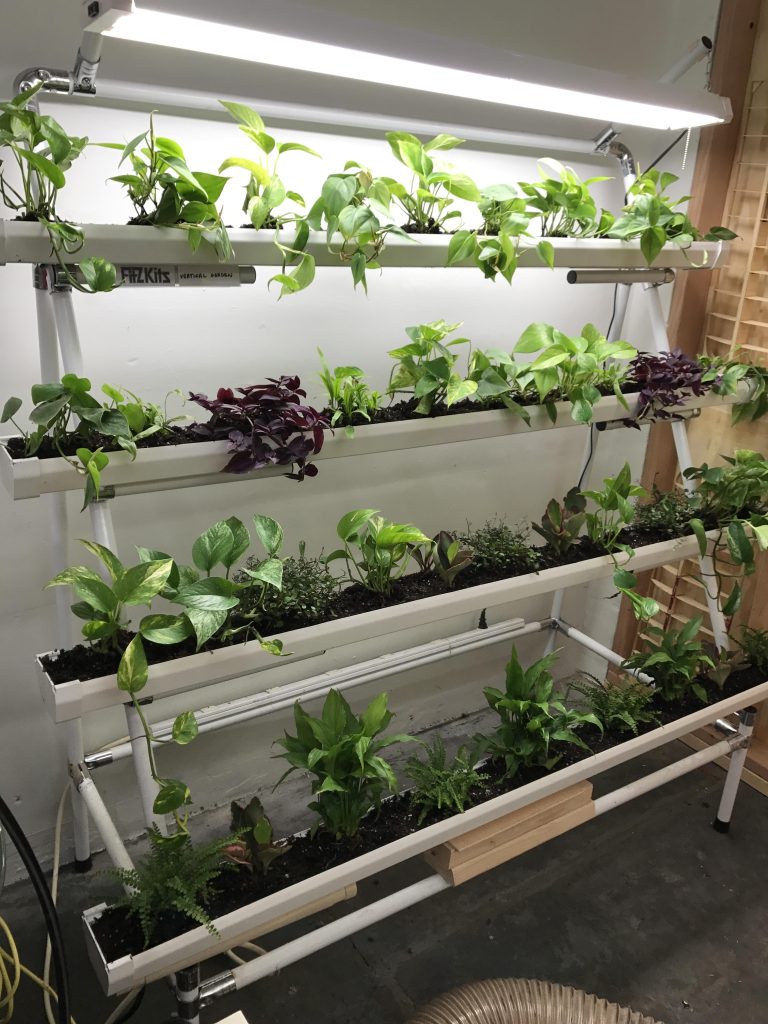
Gutters can become slim garden rows. You can attach them to a fence, hang them with chains, or mount them on a sunny wall. They work best for small crops like lettuce, spinach, parsley, alpine strawberries, and nasturtiums.
Drainage holes matter here. Without them, water can sit at the bottom and make roots unhappy. End caps also help keep soil where it belongs instead of letting it slide out like a tiny mud disaster.
Harvesting feels oddly satisfying from a gutter garden. You stand there, trim a few leaves, and dinner suddenly looks fresher. Isn’t that the whole point?
Vertical Ideas for Bigger Crops
Some vegetables need more strength than a cute wall planter can offer.
Squash, melons, pumpkins, eggplants, and large tomatoes can grow upward, but they need support that means business.
A weak frame will not forgive you when the fruit gets heavy.
Squash on a Strong Trellis
Small squash varieties can grow vertically with steady help. Summer squash and compact winter squash need a strong trellis, regular tying, and room for leaves.
Choose smaller fruits because huge squash can drag vines down.
Soft ties protect the stems. You can use garden twine, cloth strips, or plant clips to guide the vine without cutting into it. Gentle support works better than forcing the plant into place.
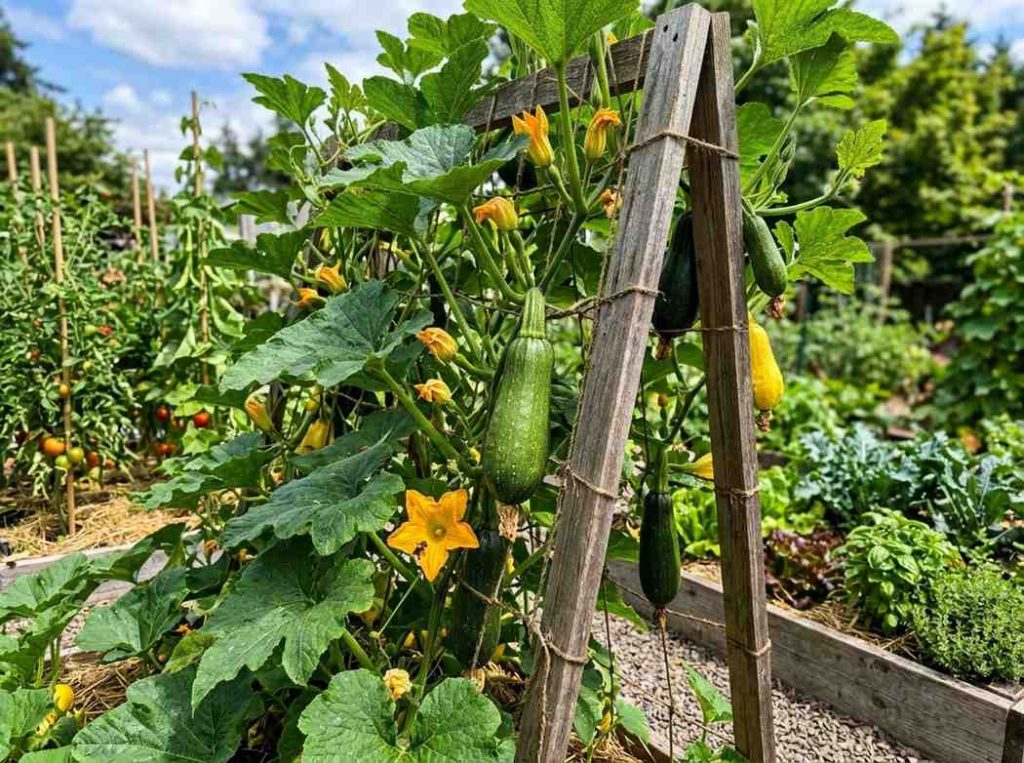
Vertical squash can save a shocking amount of ground space. Instead of letting vines wander through the bed, you guide them up and keep the soil below open for smaller crops. That feels like winning extra garden square footage from thin air.
Melons With Fruit Slings
Melons can grow vertically, but they need strong support and a little kindness. A cattle panel, arch trellis, or heavy metal frame can hold the vines better than thin bamboo. Small melon varieties make this idea much easier.
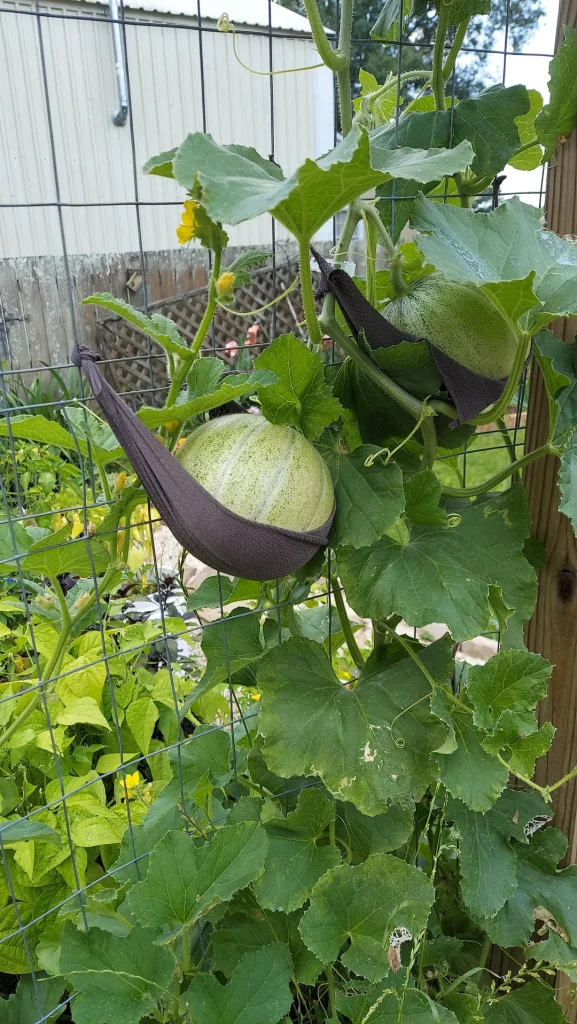
Fruit slings help carry weight. You can make them from soft cloth, old T-shirts, mesh bags, or wide fabric strips. The sling should cradle the fruit while the vine keeps growing.
Watching a melon hang from a trellis feels slightly ridiculous in the best way. You will probably check it more often than necessary. I would too.
Eggplants With Stakes or Cages
Eggplants do not climb, but they still benefit from vertical support. Heavy fruit can pull stems sideways, especially after rain or wind. A simple stake or tomato cage can keep the plant upright.
Compact varieties fit nicely in containers. Give each plant a deep pot, steady water, and plenty of sun. Purple fruit against green leaves also looks beautiful, which never hurts.
Support makes harvesting cleaner. You can see the fruit better, avoid broken stems, and keep leaves from crowding nearby plants. That small bit of structure makes the whole garden feel calmer.
Vertical Vegetable Garden Ideas for Herbs, Greens, and Strawberries
Not every vertical garden needs giant vines. Some of the most useful vertical vegetable garden ideas come from small plants that grow happily in pockets, baskets, boxes, towers, and wall planters.
Herbs, greens, and strawberries can turn a dull wall into a snack station.
Fresh herbs near the kitchen feel like a luxury, even when the setup costs very little.
You step outside, grab basil or parsley, and suddenly a simple meal tastes better. That tiny moment can make you feel like you have your life together.
Wall Herb Garden
A wall herb garden works well on patios, balconies, fences, or sunny kitchen walls.
You can use pocket planters, small pots, wooden boxes, mason jars with drainage care, or mounted rails. Basil, thyme, parsley, rosemary, mint, and chives all fit this kind of setup.
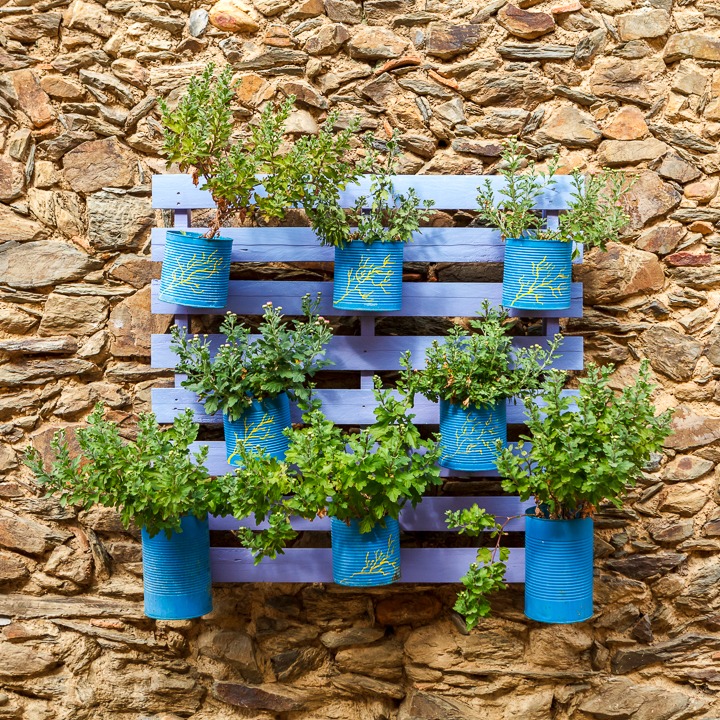
Mint needs its own container because it spreads fast. Rosemary likes good drainage. Basil loves warmth and regular picking, which gives you a great excuse to make more pasta.
Labels help more than you think. Young herbs can look similar when you first plant them, and nobody wants to confuse parsley with cilantro during dinner prep. Simple tags save your soup.
Hanging Baskets for Strawberries
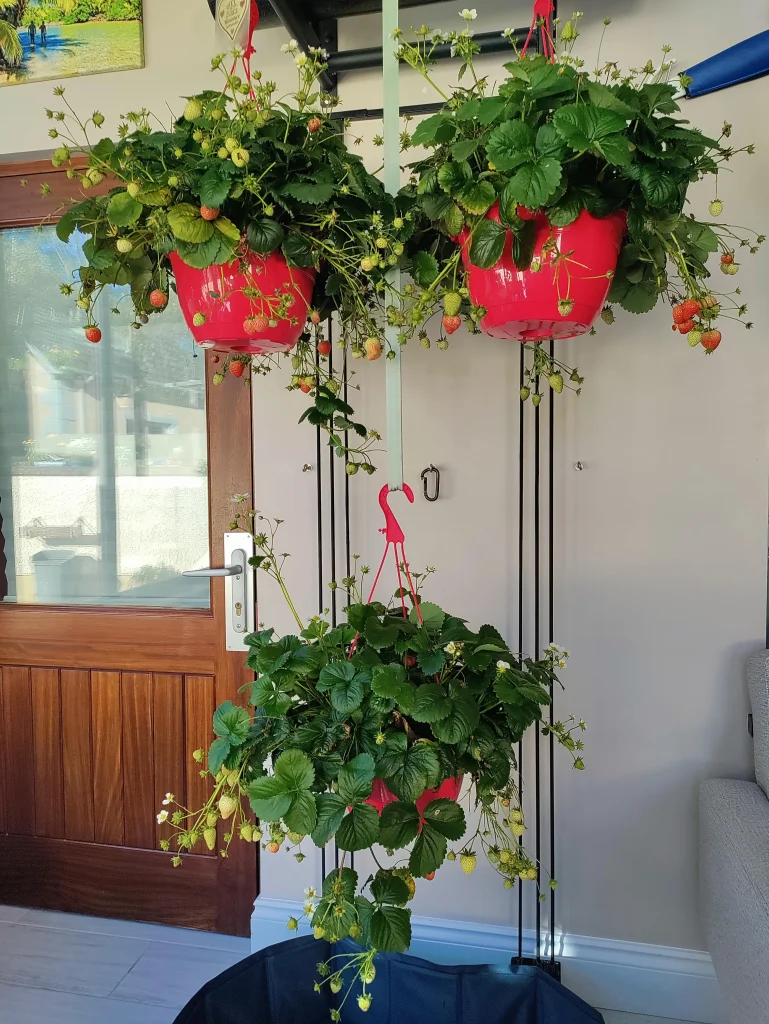
Strawberries look lovely in hanging baskets. Their leaves spill over the edge, the flowers look sweet, and the fruit stays away from the soil. That means fewer dirty berries and easier picking.
Baskets dry out faster than garden beds. Check the soil often during hot weather and water before the plants wilt. A sunny, sheltered spot usually keeps the basket happier.
Children love this setup. Adults do too, honestly. Picking one red strawberry from a basket feels more fun than it should.
Salad Tower for Leafy Greens
A salad tower gives you a lot of greens in a small footprint. You can make one from wire mesh, a liner, potting mix, and leafy plants tucked around the sides.
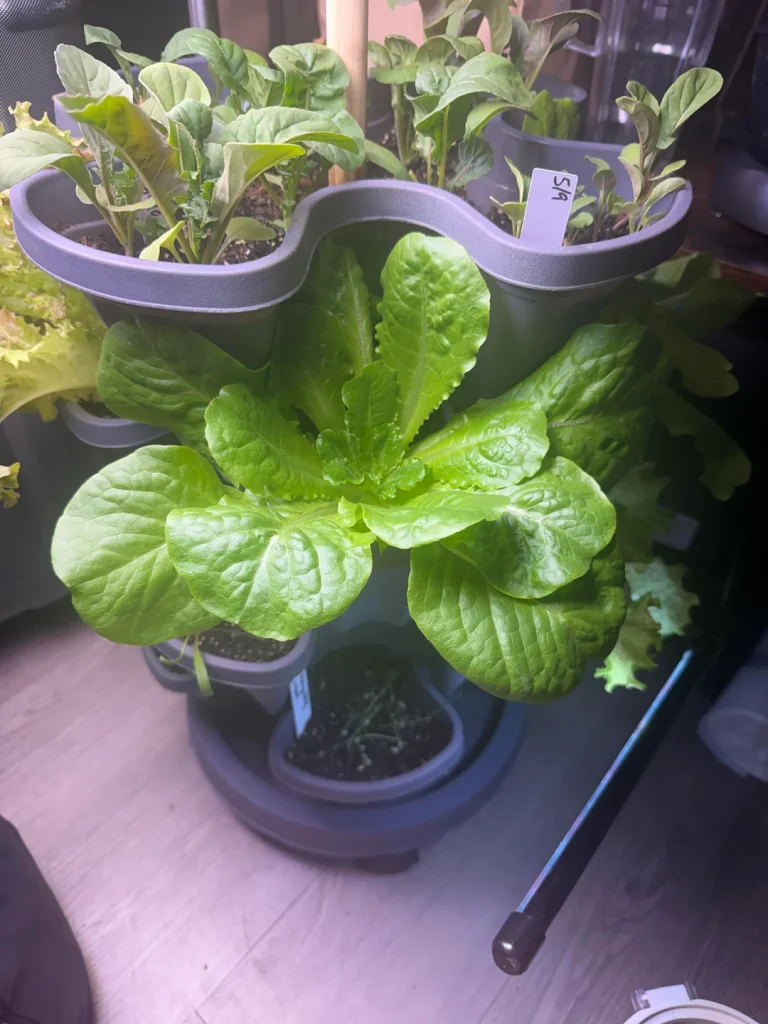
Lettuce, spinach, arugula, baby kale, and chard suit this idea well.
Watering needs care because towers can dry unevenly. Pour water slowly from the top and check the sides with your finger. Dry pockets can sneak up on you.
Dinner feels easier when greens grow close by. You can snip a few leaves, rinse them, and build a quick salad without walking to the far end of the yard. That kind of convenience keeps people gardening.
Use Fences, Walls, and Rails Like Extra Garden Space
A blank fence can do more than mark the edge of your yard. It can hold planters, support vines, carry gutter gardens, or frame a row of herbs.
Once you see walls as growing space, your garden starts looking bigger.
Vertical systems also make patios feel softer. Hard fences and bare walls can look plain, but plants add color, texture, and life. A few edible flowers can make the whole thing feel cheerful.
Window Box Wall
Window boxes work beautifully on fences and balcony rails. You can plant lettuce, parsley, thyme, strawberries, nasturtiums, and compact greens in them. Bright paint can turn basic boxes into a fun garden feature.
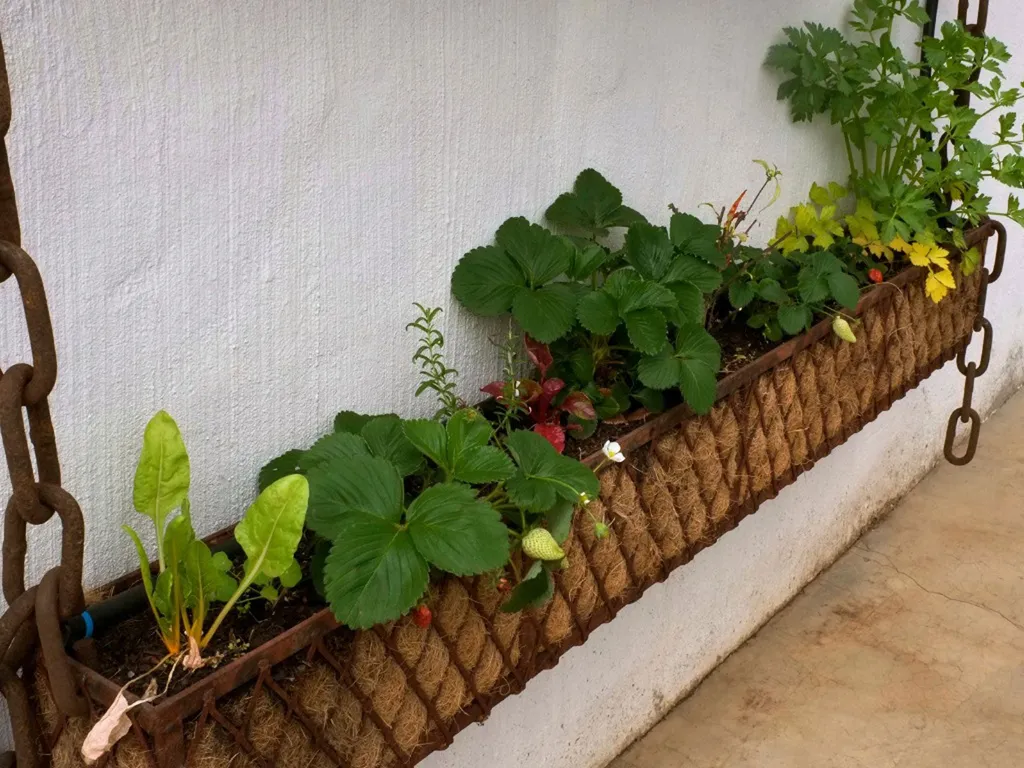
Spacing matters with wall boxes. Leave enough room between rows so plants get light and air. Crowded boxes may look full at first, but plants grow better when they can breathe.
Water can drip from upper boxes. Place thirsty plants below if you stack several levels. Clever little details like that make the setup easier to manage.
Bottle Garden for Small Edibles
Plastic bottles can become simple vertical planters. Cut openings, add drainage holes, fill with potting mix, and hang them on a frame or wall. Small herbs, lettuce, and leafy greens usually fit best.
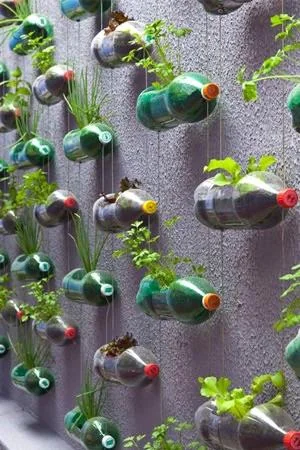
Reusing bottles gives the garden a scrappy charm. You save money, reduce waste, and create a setup that feels handmade rather than store-bought. Does it look perfect? Not always, but it works.
Sun exposure still matters. Thin containers heat up and dry quickly, so check water often. Plants forgive many things, but they do not forgive dry roots for long.
Arch Trellis for a Garden Walkway
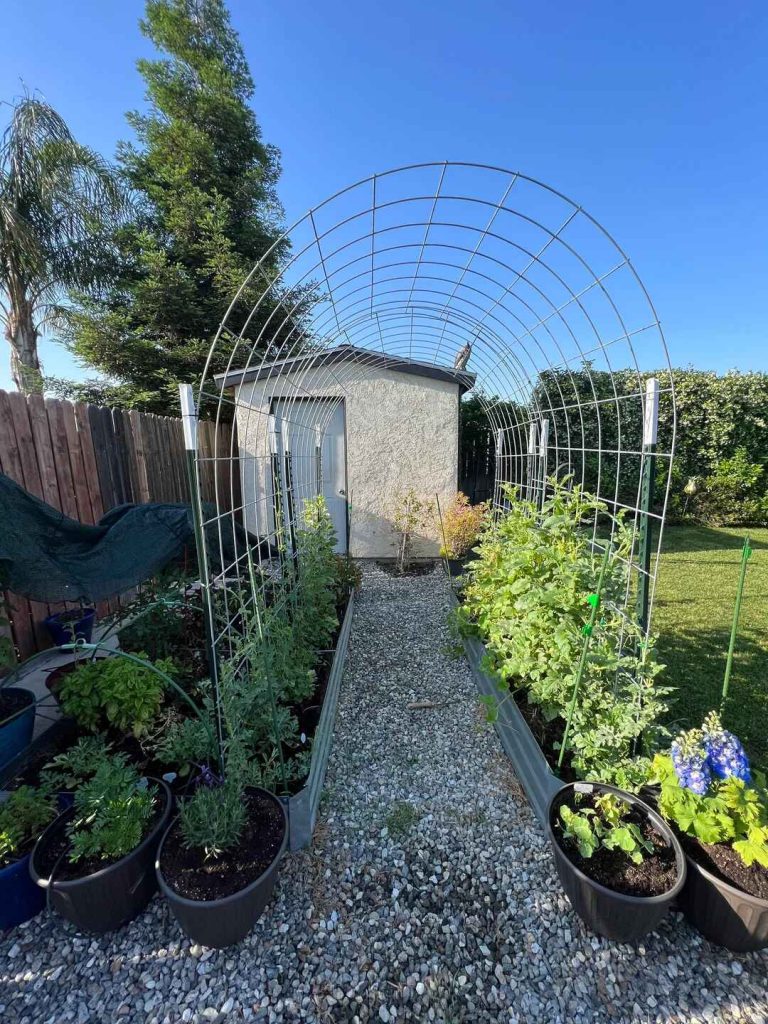
An arch trellis turns vegetables into a little garden doorway. Cucumbers, pole beans, peas, small gourds, and compact squash can climb over the top with the right support.
Walking under hanging vegetables feels ridiculously fun.
Strong arches handle weight better than flimsy frames. Cattle panels, metal arches, and solid wooden structures work well for heavier vines. Secure the base before plants grow large.
Shade below the arch can help tender greens during warm weather. You can plant lettuce or herbs near the sides if enough light still reaches them. That layered look makes the garden feel full without feeling crowded.
Match the Plant to the Right Vertical Idea
Smart pairing saves headaches. Peas and beans love light trellises, while cucumbers enjoy netting, arches, and wire panels.
Tomatoes need cages, stakes, or strings because their heavy branches need steady help.
Heavier crops ask for stronger setups. Small melons, compact squash, gourds, and pumpkins can grow upward when you give them a firm frame and soft fruit slings.
Would I hang a giant pumpkin from a weak balcony rail? Absolutely not.
Leafy crops prefer shallower homes. Lettuce, spinach, baby kale, herbs, and strawberries work well in gutters, pockets, window boxes, baskets, and pallet gardens. Those plants give you quick wins without taking over the whole garden.
Small Care Tips That Make a Big Difference
Water decides the mood of a vertical garden. Hanging baskets, wall pockets, gutters, and towers dry faster than deep beds, so check them often with your finger. Dry soil tells the truth quickly.
Feeding helps container crops keep going. Use good potting mix, add compost when you can, and give hungry plants steady care during the growing season. Tomatoes, cucumbers, and baskets full of strawberries will thank you with better growth.
Ties need a gentle touch. Soft cloth strips, twine, or plant clips can guide vines without hurting stems. Your job feels more like coaching than forcing.
Placement can save your whole setup. Put tall trellises where they will not block sun from smaller plants. Give heavy frames strong footing before the vines turn wild.
Final Thoughts
Vertical gardening changes how you see space. A fence becomes a bean wall, a basket becomes a strawberry patch, and a plain corner becomes a little food-growing station.
That shift feels exciting because it makes gardening possible in places that once looked too small.
Start with one simple project. Try a cucumber trellis, a wall herb garden, or a hanging strawberry basket before building a full garden wall. Small success builds confidence fast.