Stuck With Clay Soil? 15 Ground Covers That Actually Take to It

Clay soil turns hard as a brick in summer. After rain, it turns into a sticky mess. No wonder so many ground covers give up on it.
But some plants don’t just tolerate heavy clay. They actually thrive in it once their roots settle in.
I’ve rounded up 15 ground covers that hold their own in dense, compacted soil. You’ll find evergreen spreaders and shade-loving perennials on this list.
For each one, I’ll tell you how long it takes to fill in. I’ll also flag whether it’s safe around dogs and cats. Let’s start with what makes clay soil workable in the first place.
15 Ground Covers for Clay Soil, Side by Side
A quick way to scan every plant from the guide at once: light needs, hardiness zone, how fast it fills in, whether it’s pet-safe, and the one thing that sets it apart from the rest.
| Plant | Zones | Light | Fill-in Speedhow fast it covers ground | Pet Safetyper ASPCA, where listed | Standout Feature |
|---|---|---|---|---|---|
| 01 Creeping Juniper Juniperus horizontalis | 3–9 | Full sun | Moderate · 2–3 yrs | Mild caution | Toughest evergreen here — thrives on bare, compacted slopes nothing else touches |
| 02 Creeping Phlox Phlox subulata | 3–9 | Full sun | Moderate · 2 yrs | Non-toxic | Most dramatic bloom — a spring flower sheet so thick the leaves disappear |
| 03 Periwinkle Vinca minor | 4–9 | Part–full shade | Fast · 1–2 yrs | Toxic | Fastest shade mat on the list — but the only one to skip with grazing pets |
| 04 Bugleweed Ajuga reptans | 3–9 | Part shade–sun | Fast · 1–2 yrs | Not ASPCA-listed | Actually prefers soggy ground — the pick for low spots that stay wet |
| 05 Creeping Jenny Lysimachia nummularia | 3–9 | Sun to shade | Fastest · under 1 yr | Not ASPCA-listed | Quickest coverage of all 15 — coin-shaped leaves in chartreuse or green |
| 06 Lady’s Mantle Alchemilla mollis | 3–8 | Part sun–shade | Moderate · 2 yrs | Not ASPCA-listed | Scalloped leaves hold beads of dew and rain like tiny silver cups |
| 07 Siberian Bugloss Brunnera macrophylla | 3–8 | Part–full shade | Slow · 2–3 yrs | Not ASPCA-listed | Silver-veined, heart-shaped leaves with forget-me-not blue flowers |
| 08 Solomon’s Seal Polygonatum biflorum | 3–8 | Shade | Slow, spreads gradually | Toxic | Most architectural habit — arching stems, not a mat, dies back in winter |
| 09 Japanese Spurge Pachysandra terminalis | 4–8 | Shade | Moderate · 2–3 yrs | Not ASPCA-listed | Densest weed-blocking carpet for the darkest, driest shade under trees |
| 10 Bearberry Arctostaphylos uva-ursi | 2–6 | Full sun | Slow · 3–4 yrs | Not ASPCA-listed | Only pick built for brutal cold and salty coastal wind |
| 11 Coral Bells Heuchera spp. | 4–9 | Part sun–shade | Clumping, not spreading | Non-toxic | Boldest foliage color, all season, in amber, purple, lime, or red |
| 12 Wintercreeper Euonymus fortunei | 4–9 | Shade tolerant | Fast, aggressive | Not ASPCA-listed | Handles the deepest shade and driest clay — watch closely, it’s invasive |
| 13 Candytuft Iberis sempervirens | 3–9 | Full sun | Moderate · 2 yrs | Not ASPCA-listed | Tidiest habit here — a mounding evergreen, not a true spreader |
| 14 Creeping Rosemary Rosmarinus officinalis ‘Prostratus’ | 8–10 | Full sun | Moderate, trails as it spreads | Non-toxic | Only edible option — an herb you can actually cook with |
| 15 Liriope Liriope spp. | 4–10 | Sun to deep shade | Moderate · 1–2 yrs | Not ASPCA-listed | Widest light range of the 15 — grass-like texture, not a typical mat |
Reading this chart: Fill-in speed reflects typical spacing described in the full guide, not a guarantee, since clay density and rainfall vary by yard. Pet safety reflects the ASPCA’s toxic and non-toxic plant lists where a plant is individually listed; “not ASPCA-listed” means the organization hasn’t published a specific entry for that species, not that it’s confirmed safe. Always keep a close eye on pets around anything new in the yard.
A Note on Working With Clay Instead of Against It
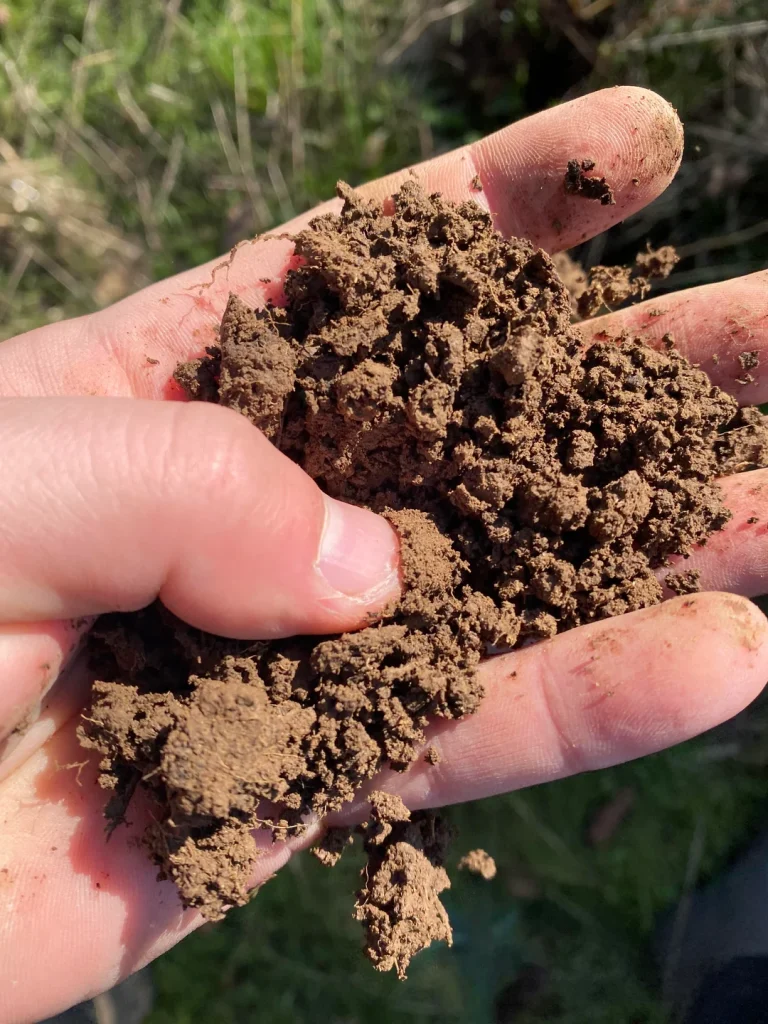
Clay gets a bad reputation. But it’s actually loaded with nutrients that sandier soils lack. The real problem is structure, not fertility.
Those tight clay particles hold water like a sponge. Then they shrink and crack as they dry out. That swing is rough on roots. Plants need to handle wet feet one week and dry cracks the next.
The fix isn’t tilling the whole bed into submission. Work in two to three inches of compost over the top instead. Let worms and roots pull it down naturally.
Disturbed clay tends to reseal itself once it’s compacted again, so digging deep rarely helps for long.
Every plant on this list can handle clay. But they’re not all handling the exact same conditions. Some want it drier. Others tolerate standing water.
A few don’t mind either extreme. Match the plant to your yard’s actual drainage, not just the word “clay” on the tag.
15 Best Ground Cover for Clay Soil
1. Creeping Juniper
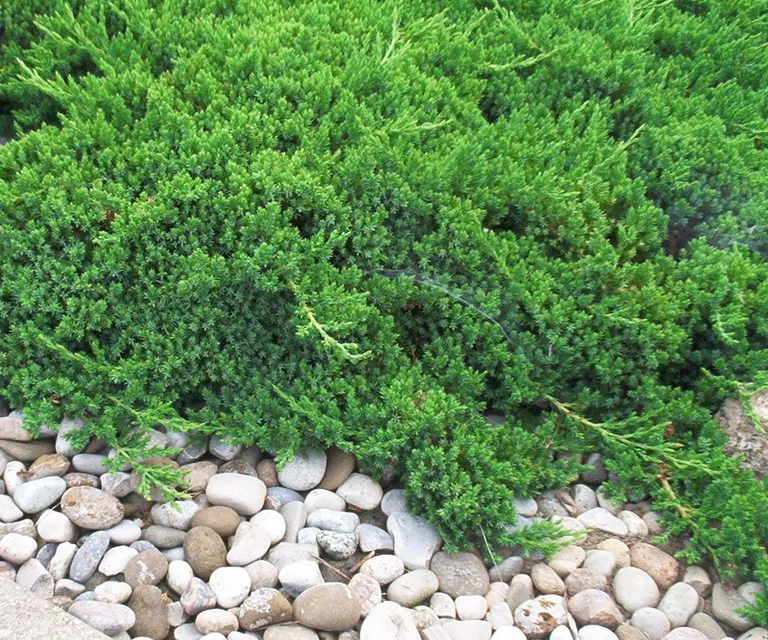
Got a bare slope where nothing else takes? Creeping juniper is usually the plant people reach for.
It hugs the ground instead of growing up, spreading by rooting along its own stems until one plant covers several feet on its own.
The needles hold a blue-green or silvery color through winter, so you get year-round structure instead of a bare patch.
Juniperus horizontalis wants full sun and shrugs off compacted clay, as long as water doesn’t sit for days at a time. It grows in zones 3 through 9 and handles heat, wind, and poor soil without much fuss.
Fill-in time: 2 to 3 years, if you space plants 3 to 4 feet apart.
Pet safety: The ASPCA doesn’t list junipers individually, but the foliage and berries can cause mild stomach upset in pets that chew on them often.
2. Creeping Phlox
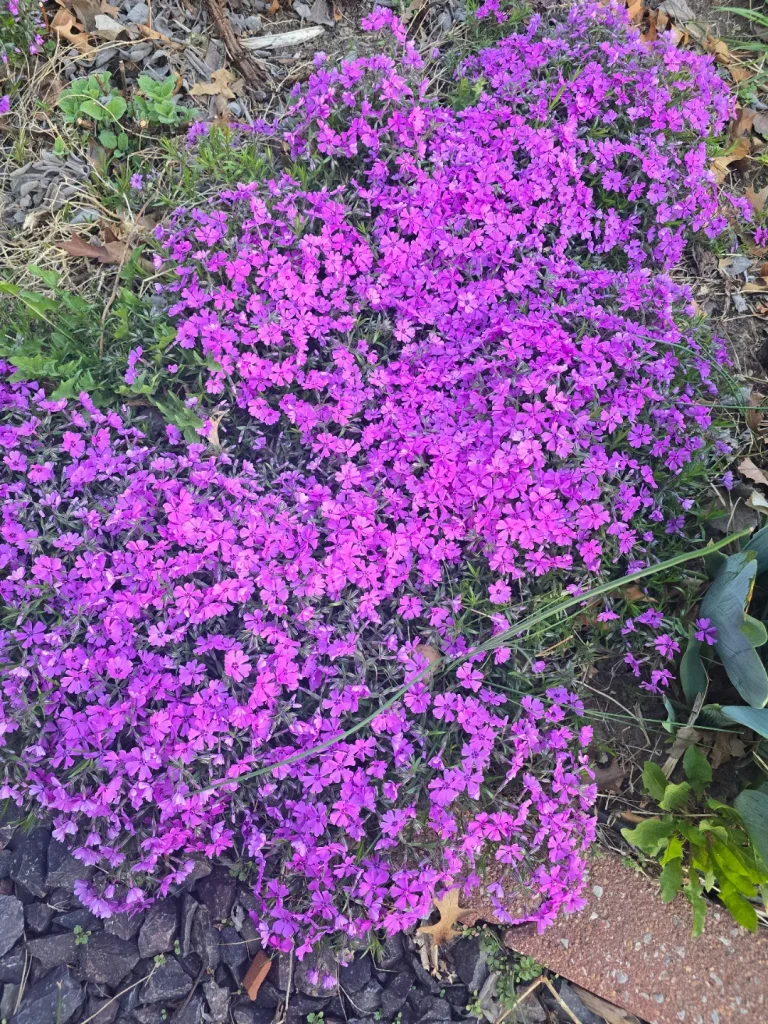
Every spring, this plant disappears under a sheet of pink, purple, or white blooms. You’ll barely spot a leaf underneath until the flowers fade and it settles back into a low, needle-like mat for the rest of the year.
Phlox subulata wants good drainage, so on heavy clay it does best on a slope or in a bed you’ve amended with compost first. It’s hardy in zones 3 through 9, tolerates full sun, and takes foot traffic better than most flowering ground covers.
Pet safety: The ASPCA confirms this one as non-toxic to dogs, cats, and horses, one of the safer picks here if you’ve got curious pets.
Fill-in time: Plant it 12 to 18 inches apart and you’ll have solid coverage within 2 years.
3. Periwinkle
This one comes with a catch.
Pet safety: The ASPCA lists periwinkle as toxic to dogs, cats, and horses. Vinca alkaloids can cause vomiting, diarrhea, and low blood pressure if a pet eats enough of it. Worth knowing before you plant it somewhere your dog likes to graze.
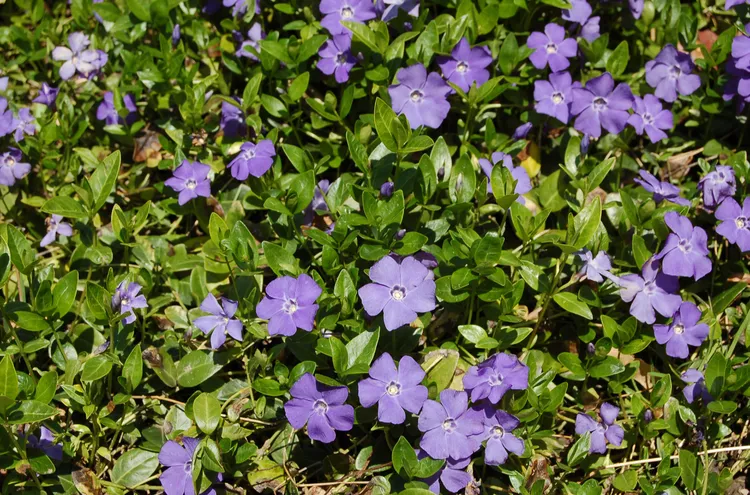
If that’s not a concern in your yard, Vinca minor is hard to beat for shady spots where grass won’t grow.
Small violet-blue flowers dot the glossy, dark green leaves, and it holds its color through winter in milder climates. It’s hardy in zones 4 through 9, tolerates clay well with some organic matter mixed in, and spreads fast, rooting wherever it touches soil.
Fill-in time: 1 to 2 years, sometimes faster given how aggressively it spreads.
4. Bugleweed
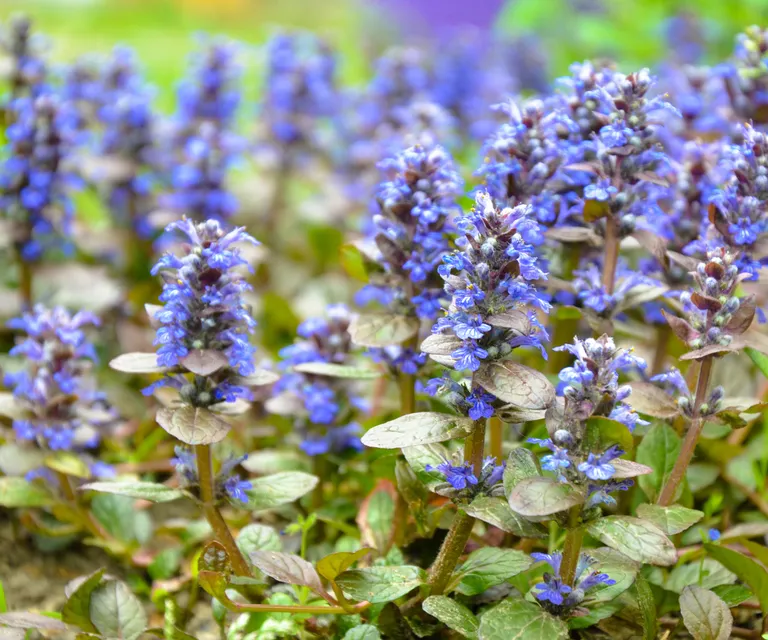
Bugleweed doesn’t mind wet feet, which sets it apart from a lot of ground covers on this list.
Ajuga reptans spreads into a dense carpet of glossy rosettes, in green, bronze, or deep purple, and chokes out weeds almost as well as mulch does.
Short spikes of blue flowers show up in late spring and pull in bees by the dozen.
It grows in zones 3 through 9, does well in part shade to full sun, and tolerates clay without complaint as long as moisture stays fairly consistent.
Fill-in time: 1 to 2 years, thanks to its fast-rooting runners.
Pet safety: Not on the ASPCA toxic list and generally considered pet-safe, though large amounts of any plant can cause mild stomach upset.
5. Creeping Jenny
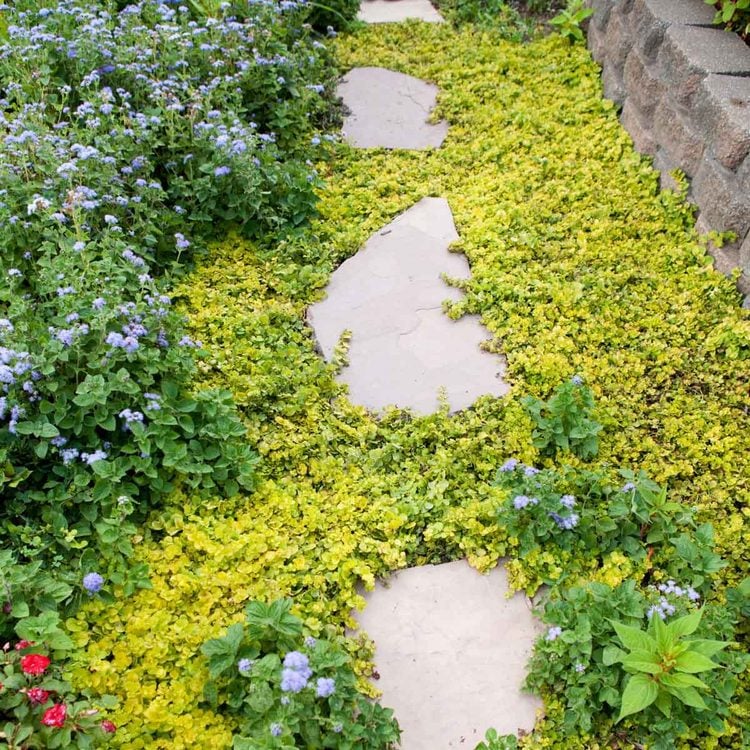
Round, coin-shaped leaves in bright chartreuse or deep green make Lysimachia nummularia stand out from the rest of this list.
Small yellow flowers show up in summer, but this plant is really about color and texture more than blooms.
It tolerates clay, and even soggy soil, better than most ground covers here, which makes it a good fit for a low spot that stays damp after rain.
This ground cover grows in zones 3 through 9, works in sun or shade, and the golden variety colors up best with a bit of direct light.
It spreads fast enough that you’ll want to give it room. Fill-in time: it can fill in within a single growing season, though it may need occasional trimming to stay in bounds.
Pet safety: Not on the ASPCA toxic list and generally regarded as pet-safe.
6. Lady’s Mantle
After a rain or heavy dew, this plant looks like it’s holding tiny beads of silver. Its soft, scalloped leaves catch water in a way few other ground covers do, which is reason enough for a lot of gardeners to grow it.
Alchemilla mollis sends up airy sprays of chartreuse flowers from early summer into fall, and bees show up for them in numbers. It tolerates heavy clay better than most ground cover perennials, prefers part sun to light shade, and grows in zones 3 through 8.
Common mistake: Skipping the midsummer haircut. Once flowers fade, the foliage can flop and brown at the edges. Shear it back by half and fresh leaves fill in within a couple of weeks.
Fill-in time: 2 years for a mature clump, spaced 18 to 24 inches apart.
7. Siberian Bugloss
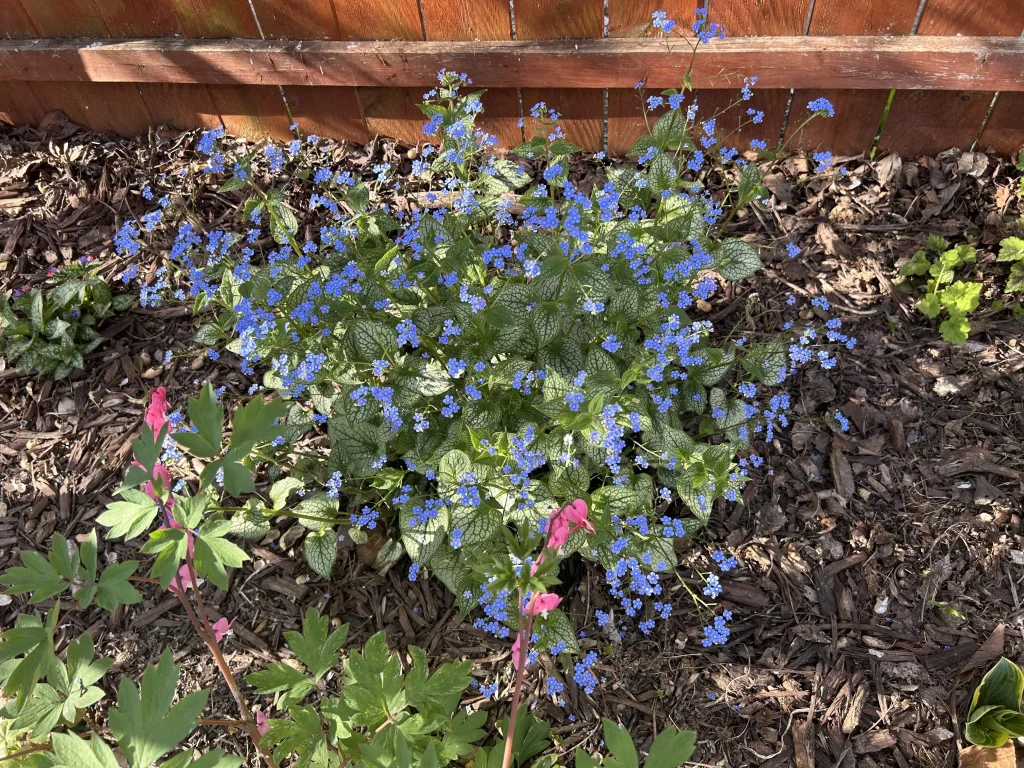
Heart-shaped leaves, sometimes brushed with silver depending on the variety, make this one of the more eye-catching shade plants on this list. Clusters of tiny blue flowers open in spring and look almost identical to forget-me-nots.
Brunnera macrophylla spreads slowly by rhizome, so it stays put instead of taking over a bed. It grows in zones 3 through 8, prefers part to full shade, and handles clay soil well as long as it gets consistent moisture.
Pairing note: It looks great planted alongside hostas and ferns, since the contrast in leaf shape and texture keeps a shade bed from looking flat.
Fill-in time: 2 to 3 years to form a full clump, given its slow, well-behaved spread.
8. Solomon’s Seal
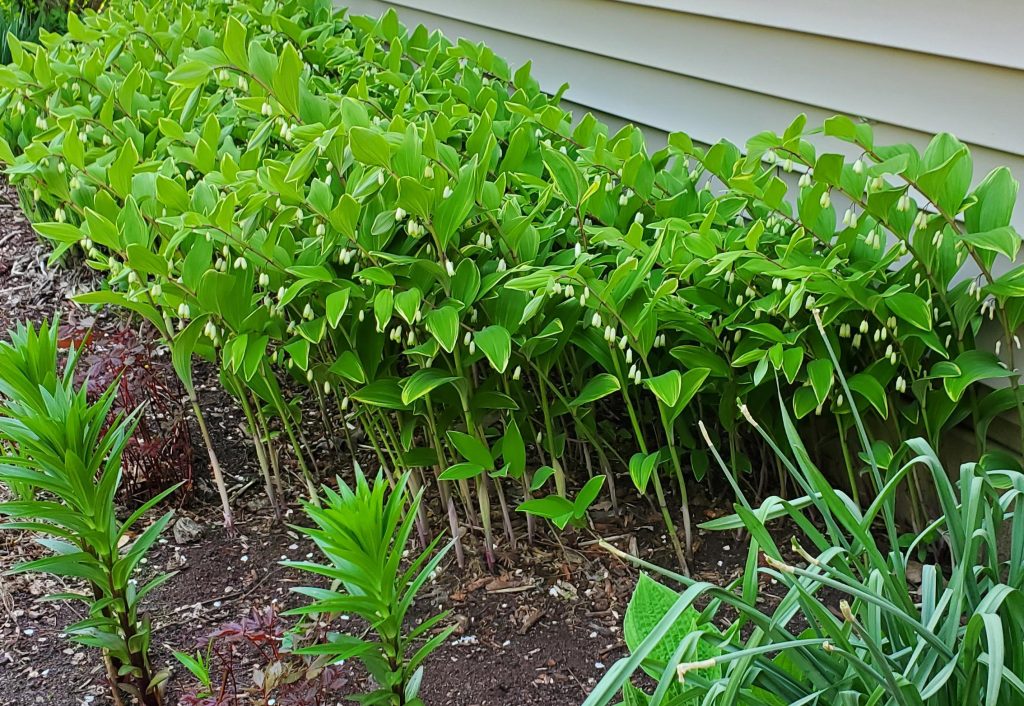
Arching stems lined with small, bell-shaped white flowers give this plant a different look than anything else on this list. It reads more architectural than most ground covers, more like a woodland accent than a mat.
Polygonatum biflorum spreads slowly by rhizome underground and tolerates clay well, especially in a shaded, humus-rich spot.
It grows in zones 3 through 8 and dies back completely in winter, so don’t expect year-round coverage from this one.
Pairing note: Bleeding heart and astilbe make good neighbors, since all three like the same shade and moisture.
Pet safety: All parts, especially the berries, are considered toxic to dogs and cats and can cause vomiting and stomach upset if eaten. Keep it away from pets that like to graze.
9. Japanese Spurge
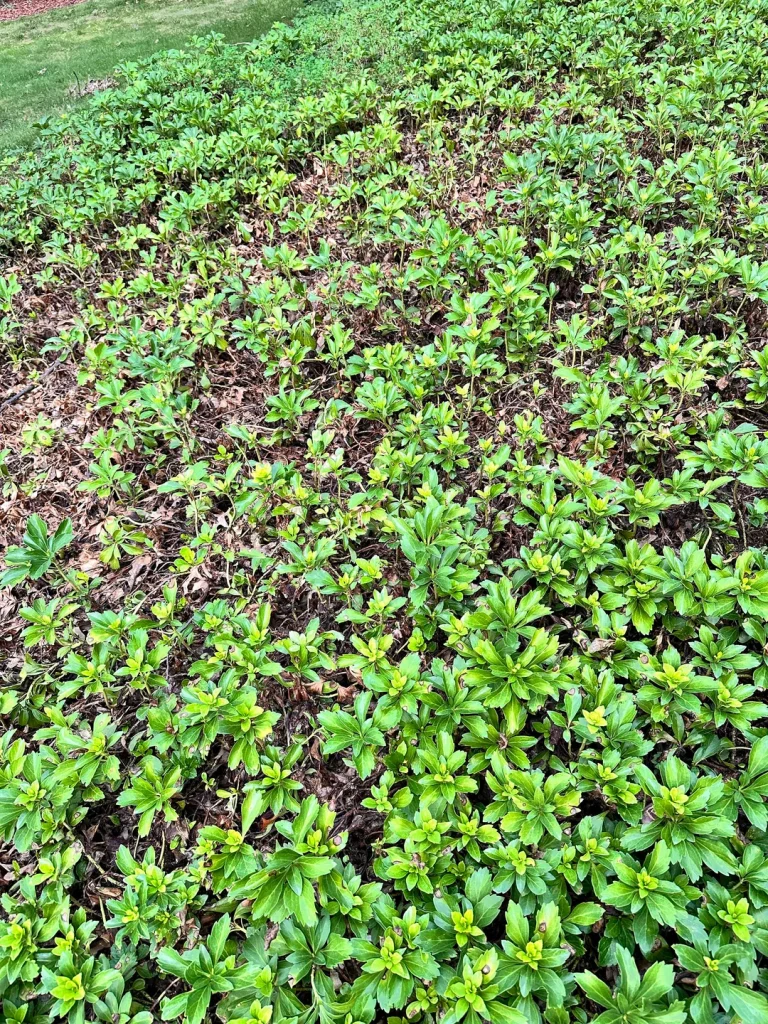
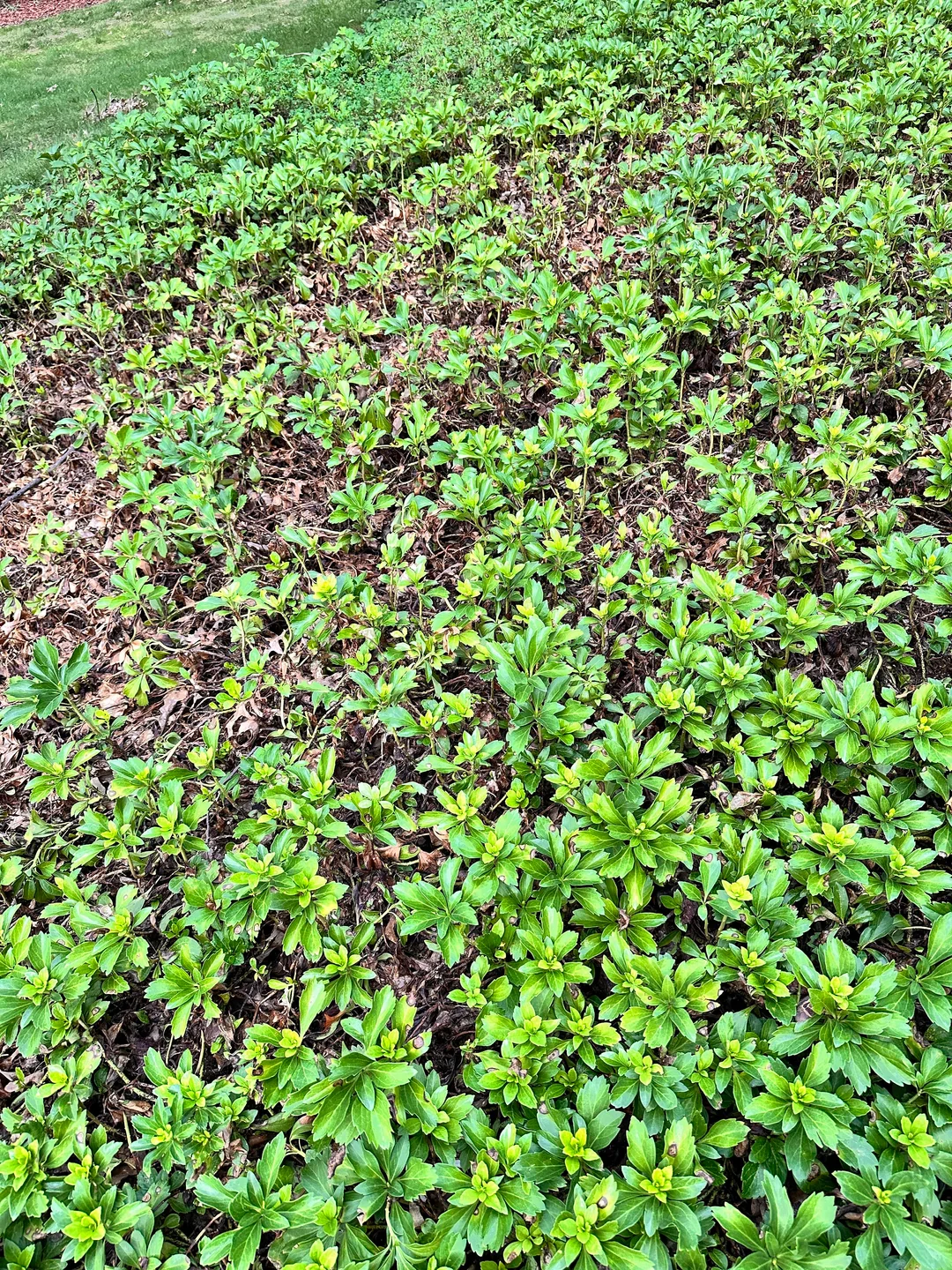
If you’ve got a spot under trees where nothing seems to grow, this is probably the plant for you. Whorls of glossy, dark green leaves form a dense, even carpet that blocks out weeds almost completely once it’s established.
Pachysandra terminalis spreads by rhizome and tolerates clay soil well, especially with a bit of compost worked in at planting time. It grows in zones 4 through 8 and stays evergreen through most winters.
Common mistake: Planting it in full sun. The leaves scorch and yellow without shade, so save this one for the parts of your yard that get by on filtered or indirect light.
Fill-in time: 2 to 3 years for full coverage, spaced 6 to 12 inches apart.
10. Bearberry
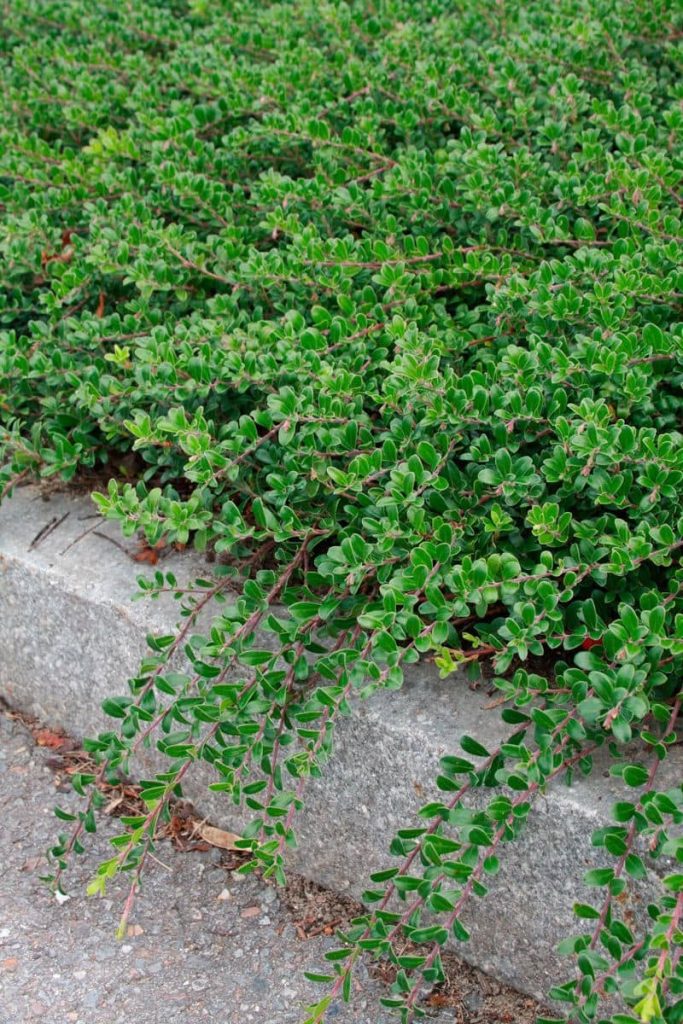
Not many evergreen ground covers handle a brutal winter and sandy, salty coastal air. Bearberry does both without much trouble, which makes it a favorite in colder, tougher climates.
Arctostaphylos uva-ursi hugs the ground with small, glossy leaves that turn bronze-red once temperatures drop. Clusters of tiny pink or white flowers appear in spring, followed by red berries that birds tend to clean up quickly.
Regional note: It’s happiest in zones 2 through 6 and struggles in hot, humid summers, so it’s a better fit for northern gardens than southern ones.
Budget tip: Bearberry is usually sold as small starts or plugs, and it’s slow to bulk up. Buying more plants up front, spaced closer together, saves you a couple of years of waiting compared to a few large specimens spread thin.
11. Coral Bells
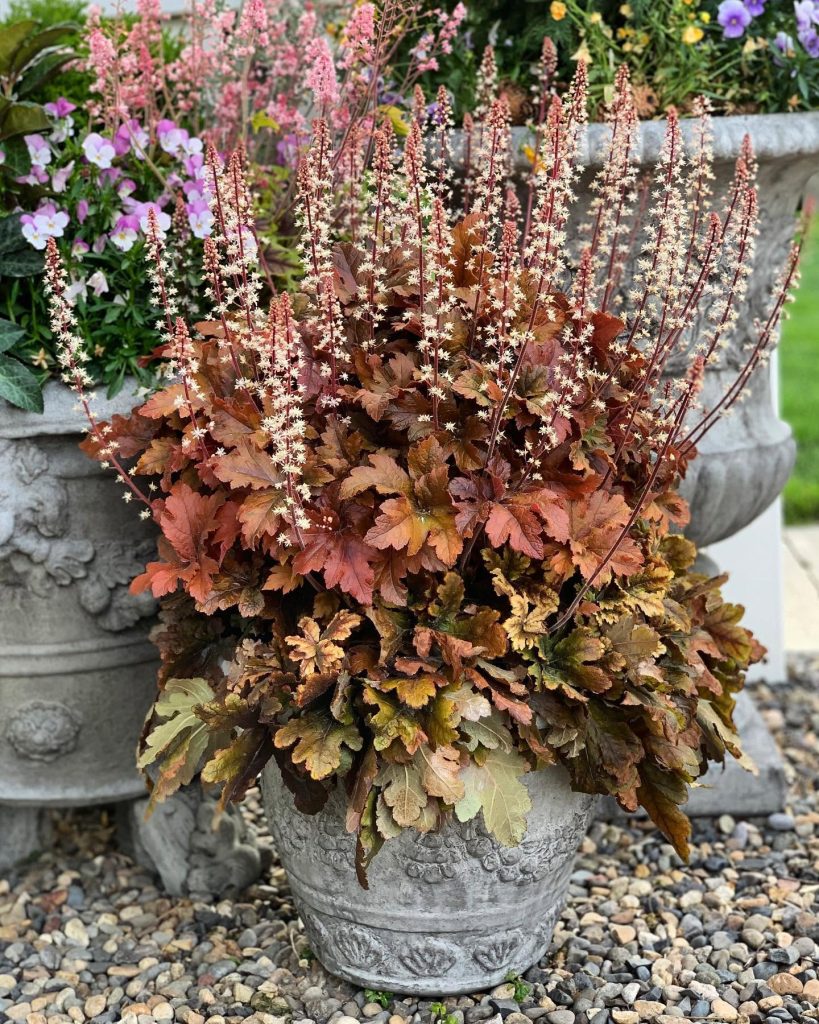
Ruffled rosettes of foliage in amber, purple, lime, or deep red make coral bells one of the showier plants on this list, and the color holds all season, not just during bloom.
Thin, wiry stems send up airy sprays of small red, pink, or white flowers that hummingbirds can’t resist.
Heuchera tolerates clay soil as long as it drains reasonably well, and a raised bed or a bit of grit worked into heavy spots helps a lot. It grows in zones 4 through 9, prefers part sun to shade, and stays evergreen or semi-evergreen through most winters.
Pairing note: Its foliage colors pair nicely with ferns and hostas, giving a shade bed some contrast beyond plain green.
Pet safety: Coral bells are considered non-toxic to dogs and cats, making this an easy, worry-free choice near pets.
12. Wintercreeper
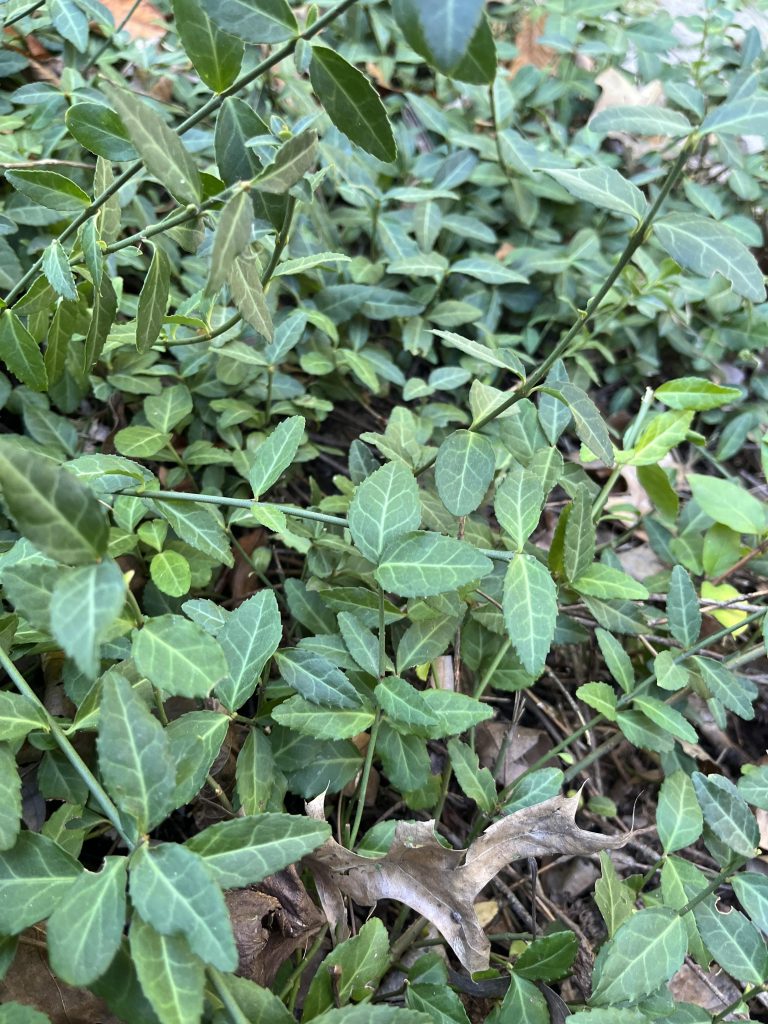
This one spreads fast, and I mean fast. Left alone, it climbs trees, fences, and walls, and it’s earned a spot on several states’ invasive plant watch lists because of how easily it escapes cultivated beds.
Euonymus fortunei still earns a place here because it tolerates clay soil better than almost anything else, including deep shade and dry spells once established.
Its glossy, sometimes variegated leaves stay green through winter, and it grows in zones 4 through 9.
Common mistake: Planting it near a tree or fence and letting it climb. Keep it trimmed flat as a groundcover, or it’ll turn into a vine that’s hard to remove later.
Regional note: Check with your local extension office before planting, since some regions restrict or discourage it due to invasive spread.
13. Candytuft
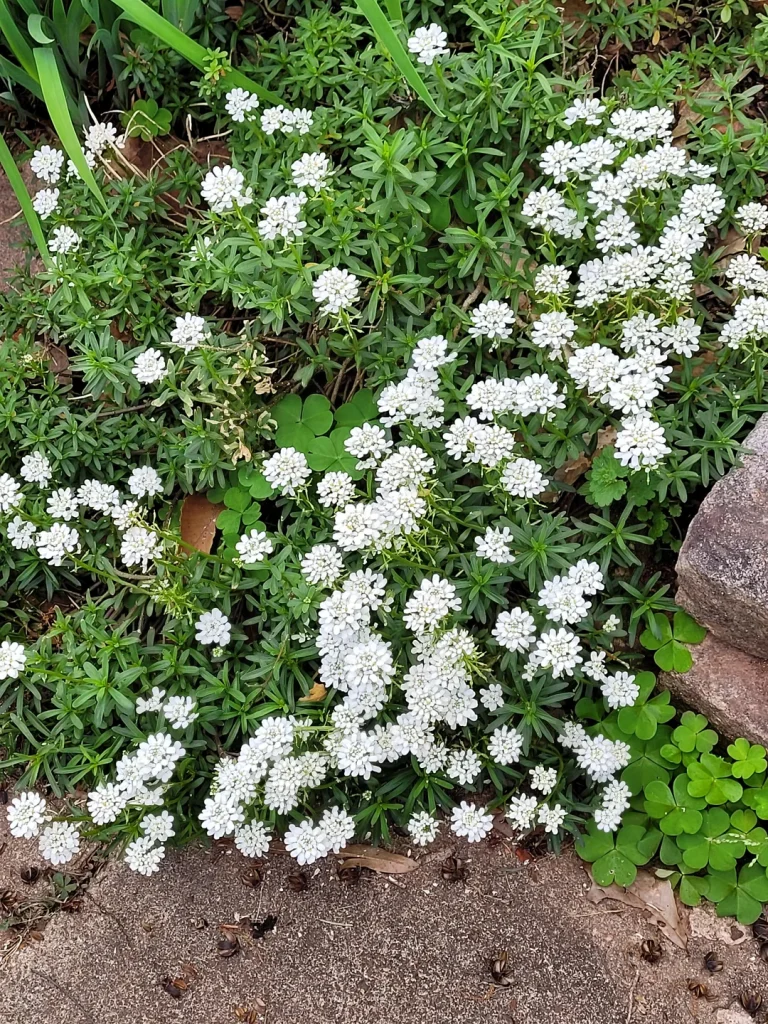
Every spring, this low, mounding evergreen disappears under a blanket of white flowers so dense it looks like leftover snow.
It’s more of a mounding subshrub than a true spreader, which gives it a tidier look than most ground covers on this list.
Iberis sempervirens needs decent drainage, so work some compost or grit into clay before planting. It grows in zones 3 through 9, prefers full sun, and keeps its dark green leaves through winter.
Pairing note: Its white spring blooms look great next to spring bulbs like daffodils or grape hyacinth, since the timing overlaps.
Fill-in time: 2 years for a full mound, spaced 12 to 18 inches apart.
14. Creeping Rosemary
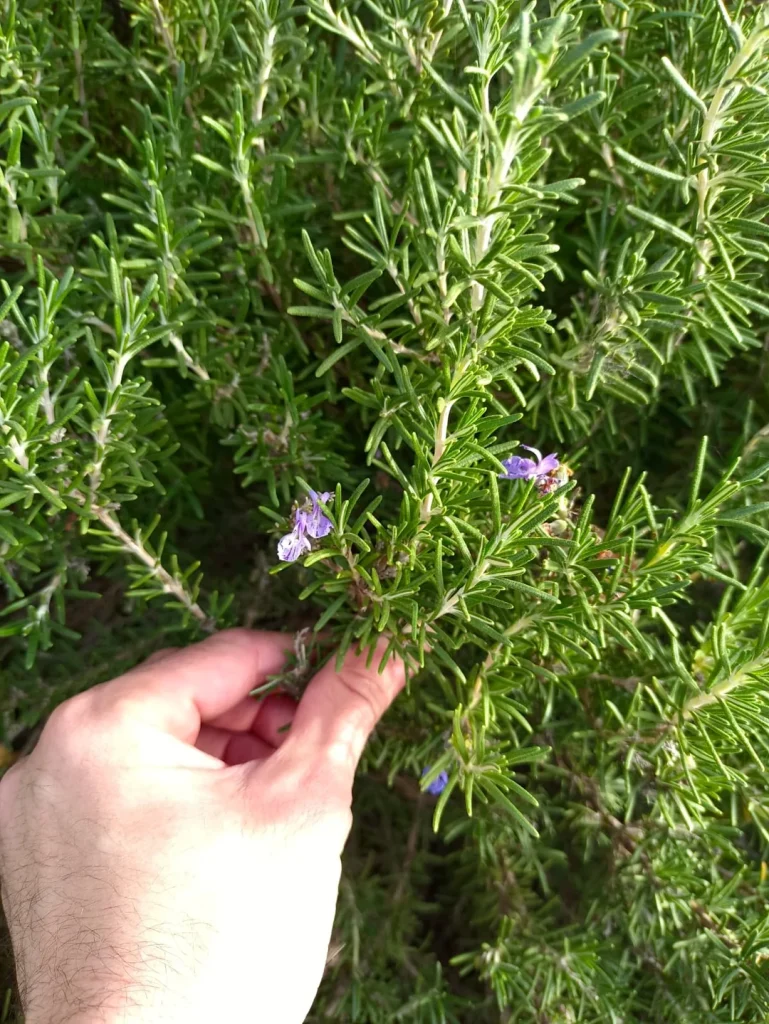
You can cook with this one, which isn’t something you can say about most ground covers. Trailing stems covered in narrow, fragrant leaves spill over walls and rock edges, and small blue flowers show up through much of the year in warm climates.
Rosmarinus officinalis ‘Prostratus’ tolerates clay as long as it isn’t waterlogged, and it actually prefers to dry out between waterings.
It’s only hardy in zones 8 through 10, so gardeners in colder climates typically grow it as an annual or a container plant they bring indoors.
Pet safety: Rosemary is a culinary herb and is considered non-toxic to dogs and cats, one of the few genuinely worry-free options here.
Regional note: Outside zones 8 through 10, plan on replanting it each year or overwintering it in a pot.
15. Liriope
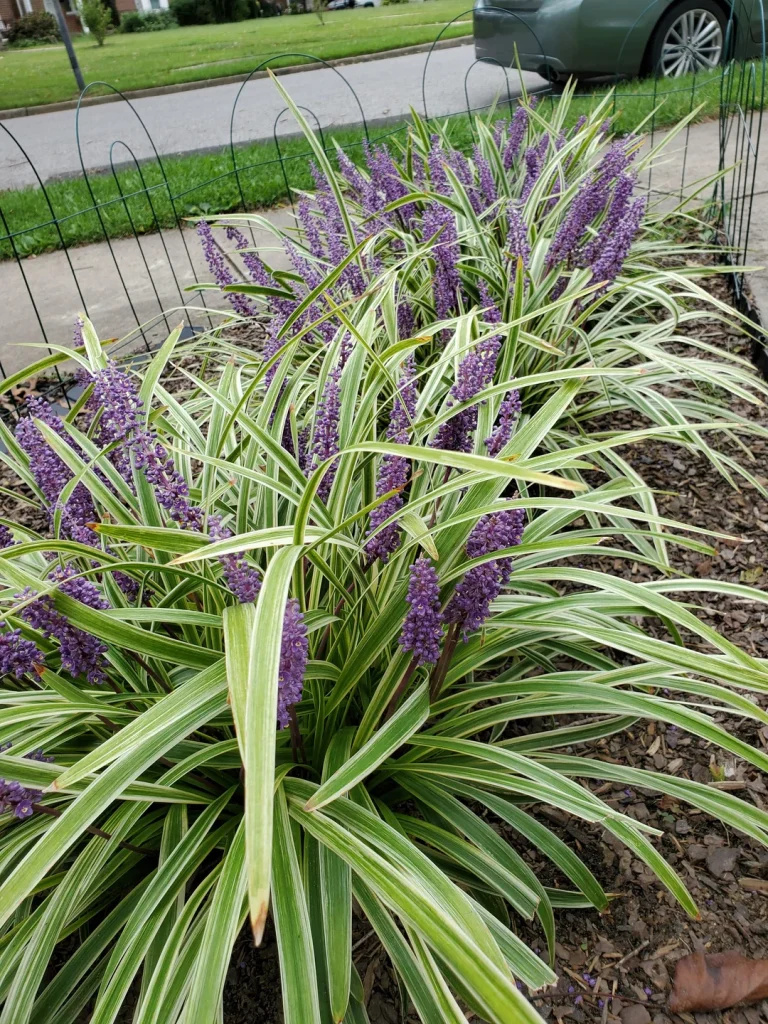
Grass-like foliage gives this plant a completely different texture than anything else on this list, more like an ornamental grass than a typical ground cover.
Spikes of purple flowers show up in late summer, followed by small black berries that add interest into fall.
Liriope tolerates clay about as well as any perennial you can plant, and it handles everything from full sun to fairly deep shade.
It grows in zones 4 through 10, and two species get sold under the same common name.
Common mistake: Grabbing spicata when you wanted muscari. Liriope spicata spreads aggressively by rhizome and can be hard to contain, while Liriope muscari stays in a tidy clump. Check the label before you buy.
Fill-in time: 1 to 2 years for muscari in a clump; spicata fills in faster but needs edging to stay put.
FAQ’s
Do I need to amend clay soil before planting ground covers?
A little prep helps. You don’t need to till the whole bed. Work two to three inches of compost into the top layer, then mulch after planting.
Can I mix different ground covers in the same bed?
Yes, as long as they share similar sun and moisture needs. Pairing an evergreen like creeping juniper with a flowering spreader like creeping phlox adds texture and keeps something blooming for more of the year.
How do I keep ground cover from spreading into the lawn?
A physical edge works best. Use metal edging, a mowed border, or a paved path. Check it once or twice a season and trim back any runners that cross over.
Will ground covers survive a hard winter in clay soil?
Most of these plants handle cold well within their listed zones. Wet clay in winter is actually harder on roots than cold alone. Good drainage matters more than the temperature does.
How much does it cost to cover a large area with ground cover?
Costs vary by plant and size. Buying smaller plugs and spacing them closer together is usually cheaper than a few mature plants spread thin, and it fills in faster too.
Closing
Clay soil narrows your options, but it doesn’t rule out a good-looking, low-maintenance yard. Pick plants suited to your actual conditions, not just what looks nice in a photo.
Start with one or two in the toughest spot in your yard. See how they settle in, then expand from there once you know what thrives.