12 Plants to Grow Under Tomatoes That Actually Earn Their Spot

If you’ve ever pruned the lower leaves off a staked tomato plant, you’ve probably noticed something. All that bare soil underneath just sits there.
It’s exposed to sun and weeds, and it’s not doing anything for you. That’s wasted real estate in a garden bed. The good news? You can put that space to work.
Tucking the right plants under your tomatoes does more than fill a gap. It shades the soil. It keeps weeds from taking over. And in some cases, it actually helps your tomato plants fend off pests on their own.
Herbs, flowers, root vegetables. Here’s which ones actually pull their weight under a tomato plant, and which ones you should leave out of the bed entirely
What Is Companion Planting, and Why Should You Bother?
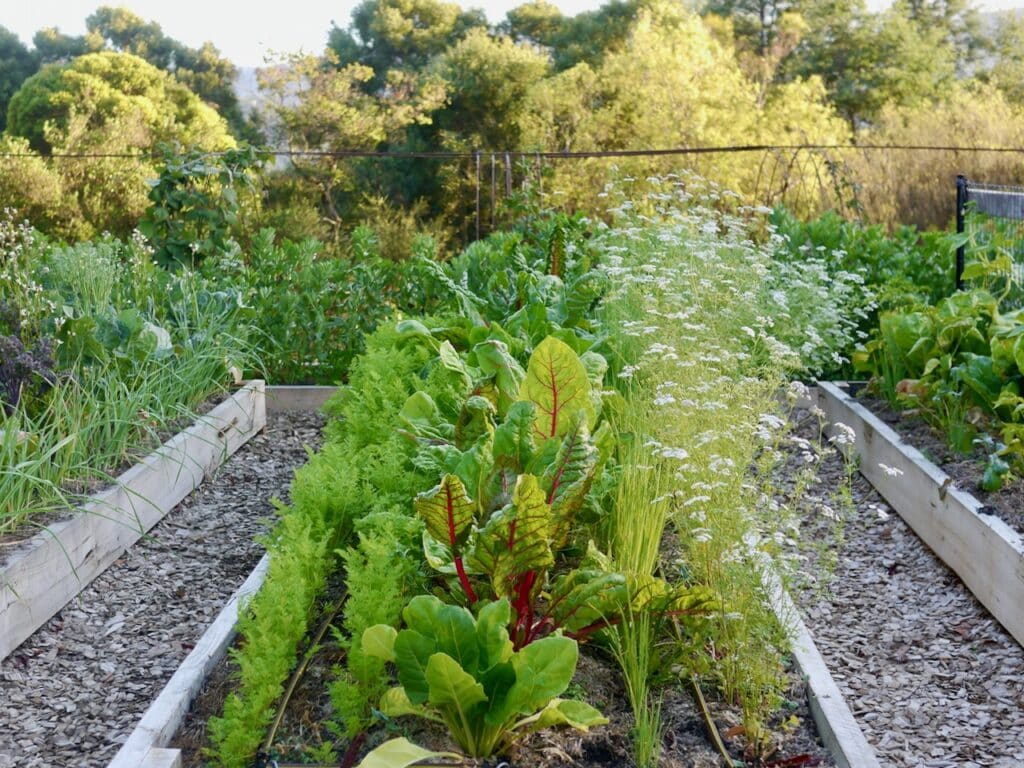
Companion planting is the practice of growing two or more plant species close together because they help each other out. Maybe one repels a pest that loves to snack on the other.
Maybe one fixes nitrogen in the soil while its neighbor happily uses it up. Sometimes it’s simpler than that.
One plant is short and shade-tolerant, so it fits neatly into the space a taller plant leaves behind.
A few benefits stand out when it comes to growing tomatoes with companion plants. Low-growing plants can form a living mulch, covering the soil and helping it stay moist while leaving less room for weeds to take over.
Some companion plants also have strong scents that can confuse pests and make it harder for them to find your tomato plants.
Others attract helpful insects, including hoverflies, parasitic wasps, and ladybugs, which feed on pests like aphids and hornworm eggs.
There’s also a numbers game at play here. Picture a tomato hornworm searching for its next meal. If it finds one plant surrounded by pungent herbs and bright flowers, it gets confused.
If it finds a long, uninterrupted row of tomatoes, it’s found paradise. Mixing things up throws off pests that rely on scent and visual patterns to find food.
None of this is magic, and I want to be upfront about that. Companion planting won’t save a tomato plant from blight. It won’t make up for bad soil either.
But stacked on top of good basic care, it gives your garden a few extra layers of defense. And it makes better use of space you’re already paying for in water and compost.
12 Best Companion Plants of Tomato
1. Sweet Alyssum
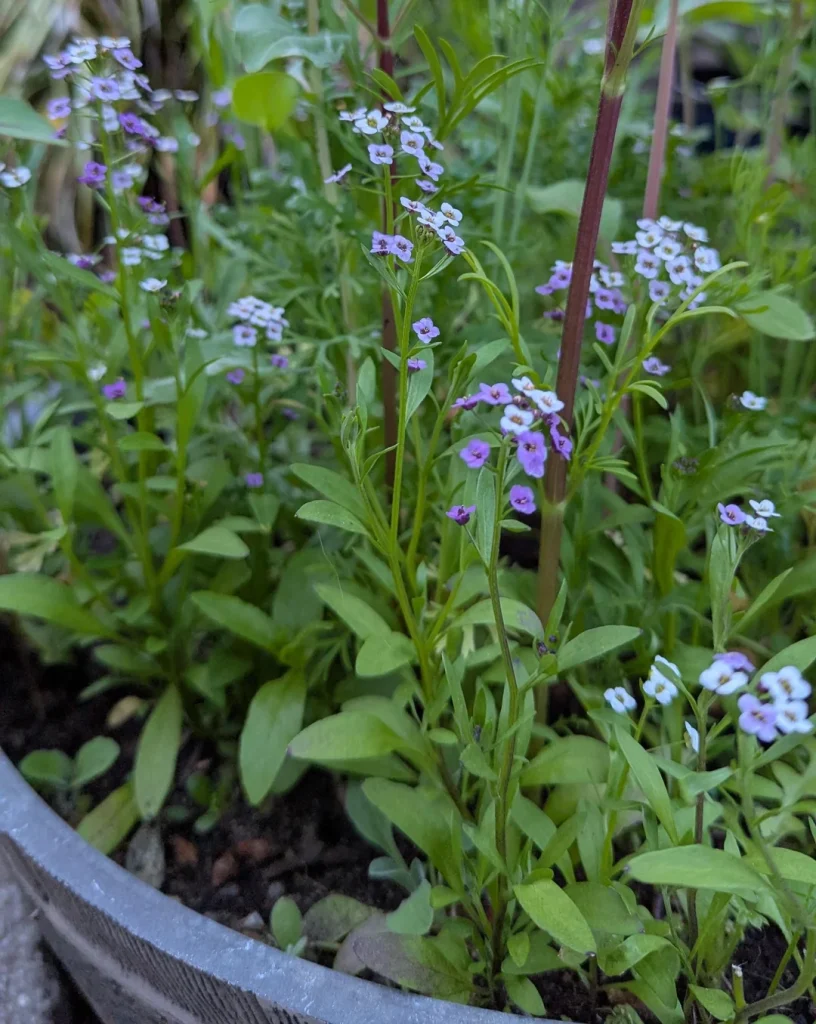
Of everything on this list, this one might work the hardest without getting much credit for it. Sweet Alyssum stays low but spreads fast. It covers soil in a carpet of tiny white or purple flowers that pollinators can’t resist.
Underneath a tomato plant, that mat of blooms becomes a living mulch. It holds moisture in the ground, and it elbows out weeds before they get started.
The real benefit comes from the insects those flowers attract. Hoverflies, lacewings, and parasitic wasps are drawn to the nectar, and all three can help control aphids and other common tomato pests.
Plant it from seed, and you won’t wait long to see results. It’s an easy first pick if you’ve never tried underplanting before.
2. Lettuce
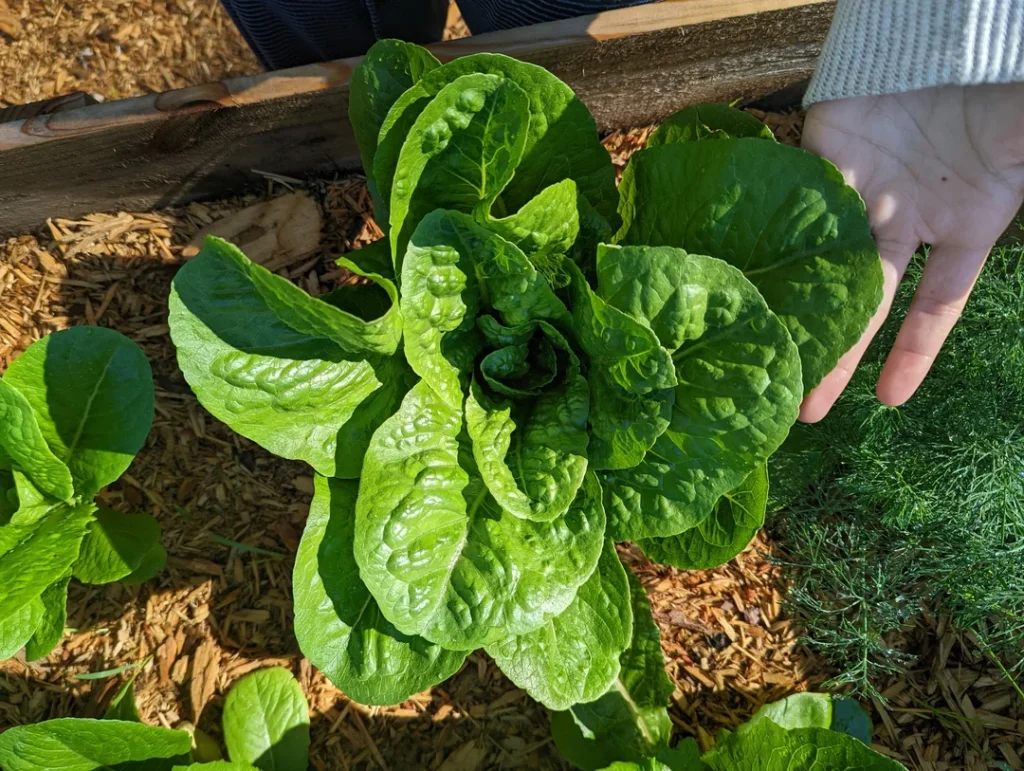
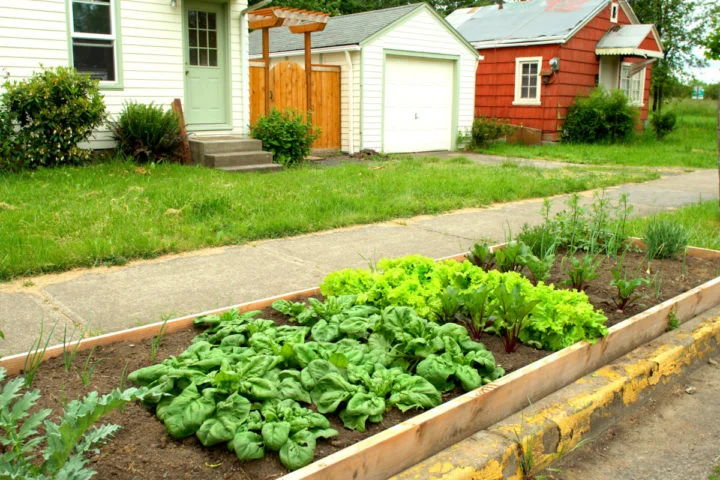
Few pairings in the vegetable garden come this easy. Lettuce wants cool soil and a break from harsh afternoon sun. A leafy tomato canopy gives it exactly that.
In exchange, lettuce’s shallow, fast-growing leaves cover the soil surface. That holds in moisture and keeps weed seeds from getting the light they need to sprout.
Timing matters more here than with most companions on this list. Plant lettuce early. Harvest it before summer heat and the tomato canopy both intensify.
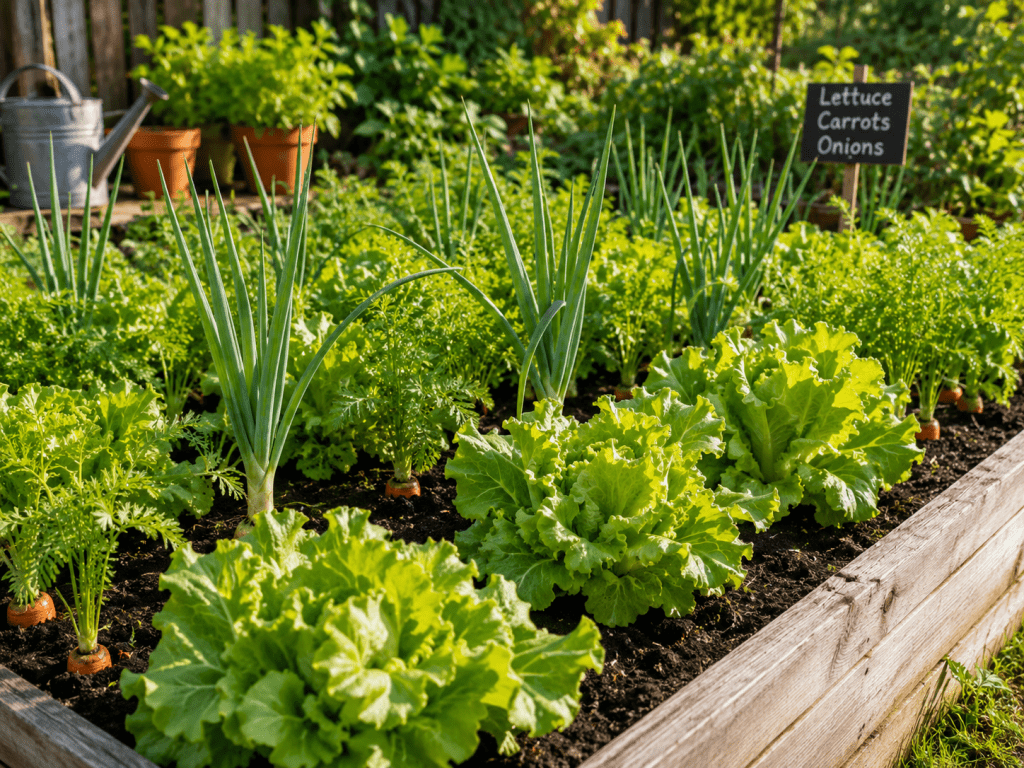
Do that, and you’ll get a full crop of greens out of ground that would otherwise sit empty. Loose-leaf and butterhead varieties tend to handle increasing shade better than head lettuce does as the season goes on.
3. Spinach
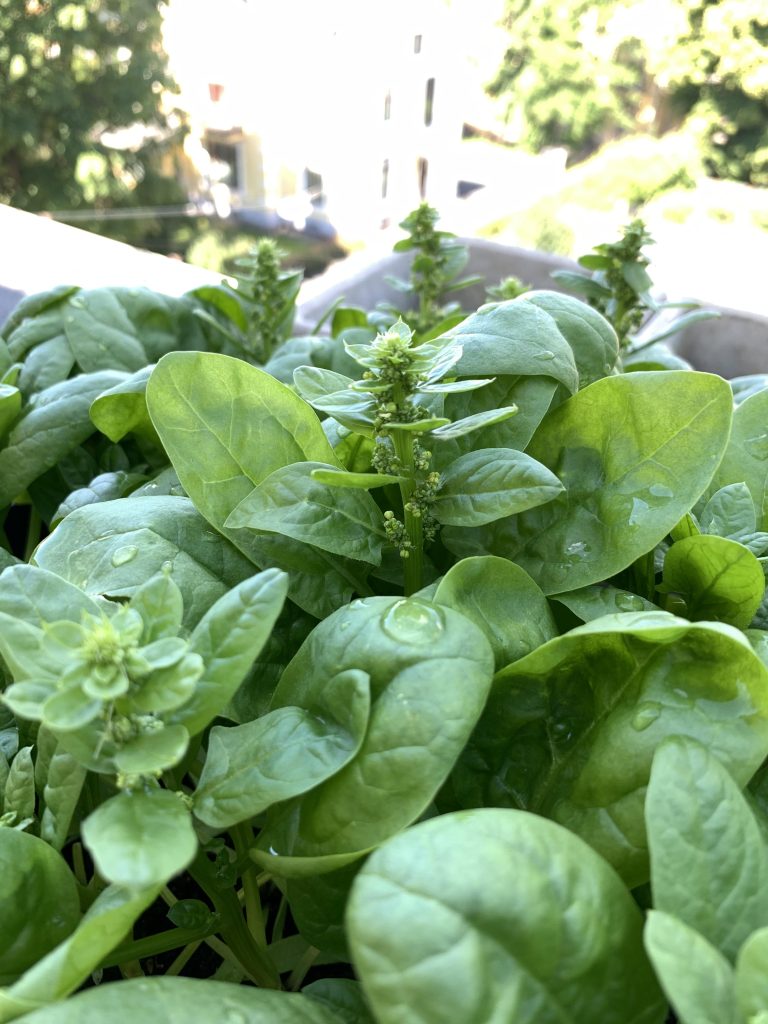
This one follows the same playbook as lettuce, just with even less patience for heat. That makes it a good early-season partner for tomatoes just getting established.
Sow it as soon as the soil can be worked. You’ll likely get a full harvest before your tomato plants grow tall enough to shade it out completely.
Like lettuce, spinach’s low, dense growth means less exposed soil and fewer weeds fighting for space. Just don’t expect it to stick around all summer, though.
Once daytime temperatures climb, spinach bolts and turns bitter. Treat it as a short-term tenant, not a season-long companion.
4. Basil
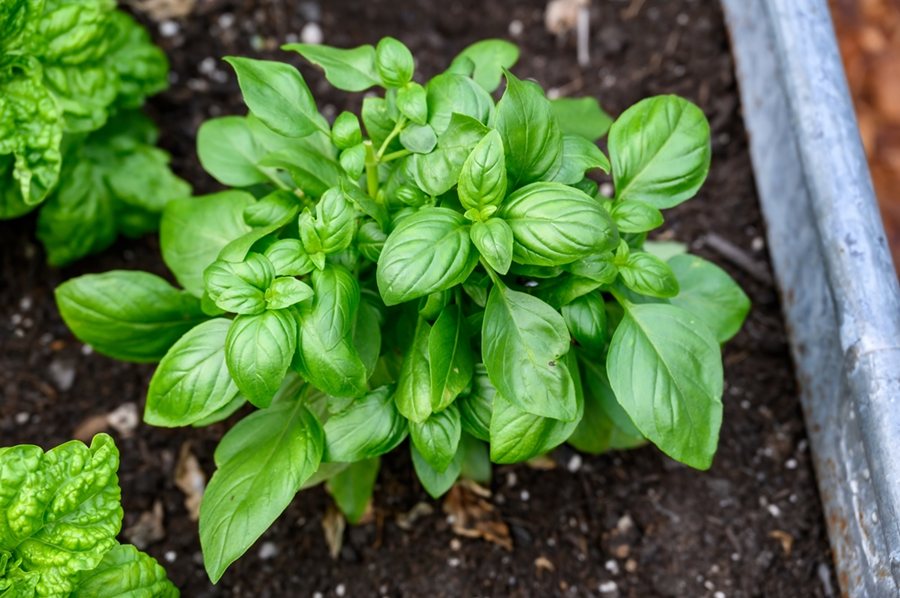
This herb and tomatoes have been paired in the kitchen for so long that it’s easy to forget they’re just as good a match in the garden.
Basil’s strong scent is thought to mask the smell tomato plants give off. That makes it harder for pests like whiteflies and hornworms to sniff out their host.
I won’t claim the science is airtight here, but gardeners have relied on this pairing for generations. And basil’s flowers reliably draw in pollinators and predatory insects when you let them bloom.
Practically speaking, basil doesn’t compete much with tomatoes for root space or nutrients. You can tuck it in fairly close, around eight to twelve inches from the stem, and neither plant will suffer for it.
Pinch off flower buds regularly if you want more leaves for the kitchen instead of seeds.
5. Thyme
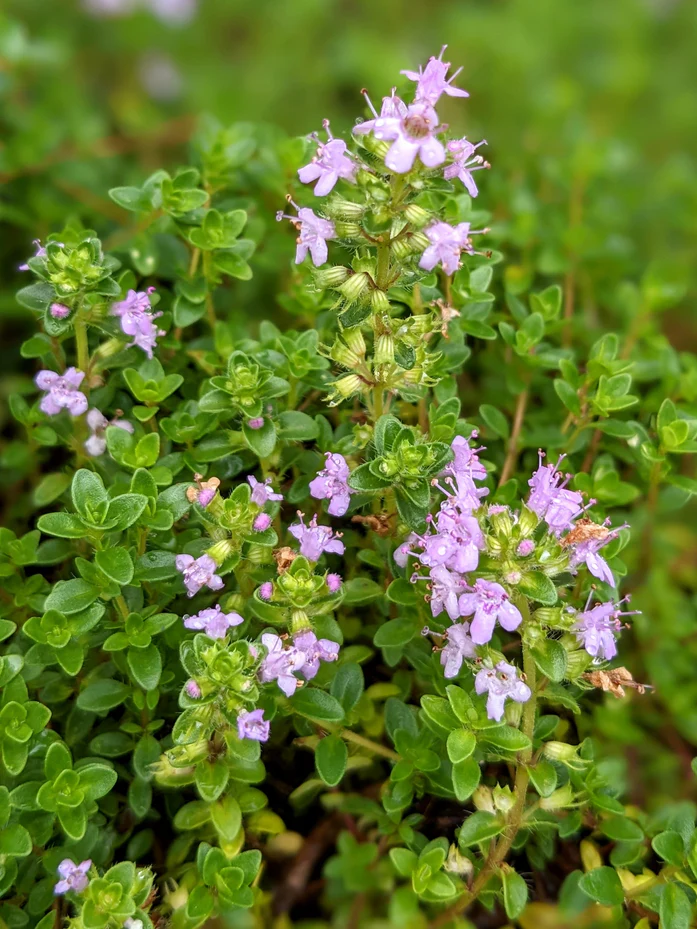
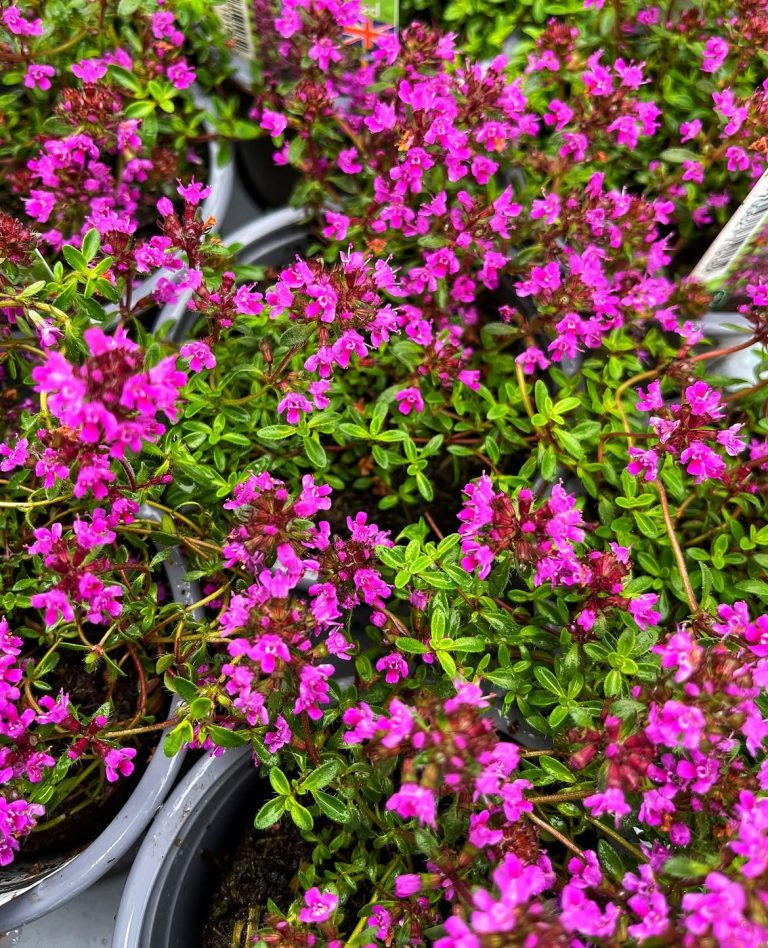
This creeping herb carpets the ground the same way alyssum does, but it brings its own trick to the table.
Its low, woody stems creep along the soil and choke out weeds before they get a chance. That’s reason enough to plant it. But there’s more going on underneath.
Some research has found that thyme growing near tomatoes lowers the rate of egg-laying in armyworms. That’s a real, measurable effect, not just garden folklore.
Thyme is also drought-tolerant, so it handles the dry, sun-baked edges of a tomato bed without much fuss.
One thing to keep in mind, though. Thyme is a perennial. If you rotate your tomato crops each year, you’ll need to dig up and move the thyme along with them.
6. Oregano
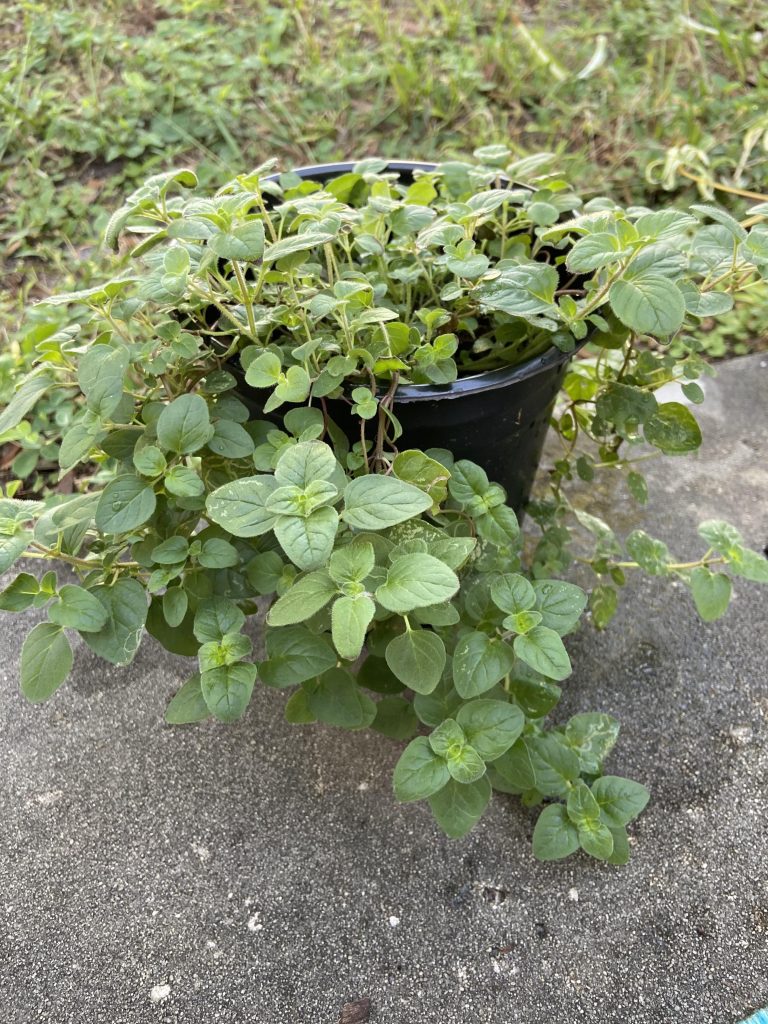
This one pairs with tomatoes on the plate, and it turns out the pairing works just as well in the garden.
When you let oregano flower, it draws in green lacewings, and lacewings are voracious predators of the soft-bodied pests that go after tomato plants.
The blooms also give ladybugs a place to shelter, which is a nice bonus during aphid season.
Give it about twelve inches of space, since oregano spreads more aggressively than people expect. It prefers drier soil than tomatoes do, so plant it toward the edge of the bed rather than right up against the stem.
That way it gets the drainage it wants without competing for water with the tomato roots.
7. Chives
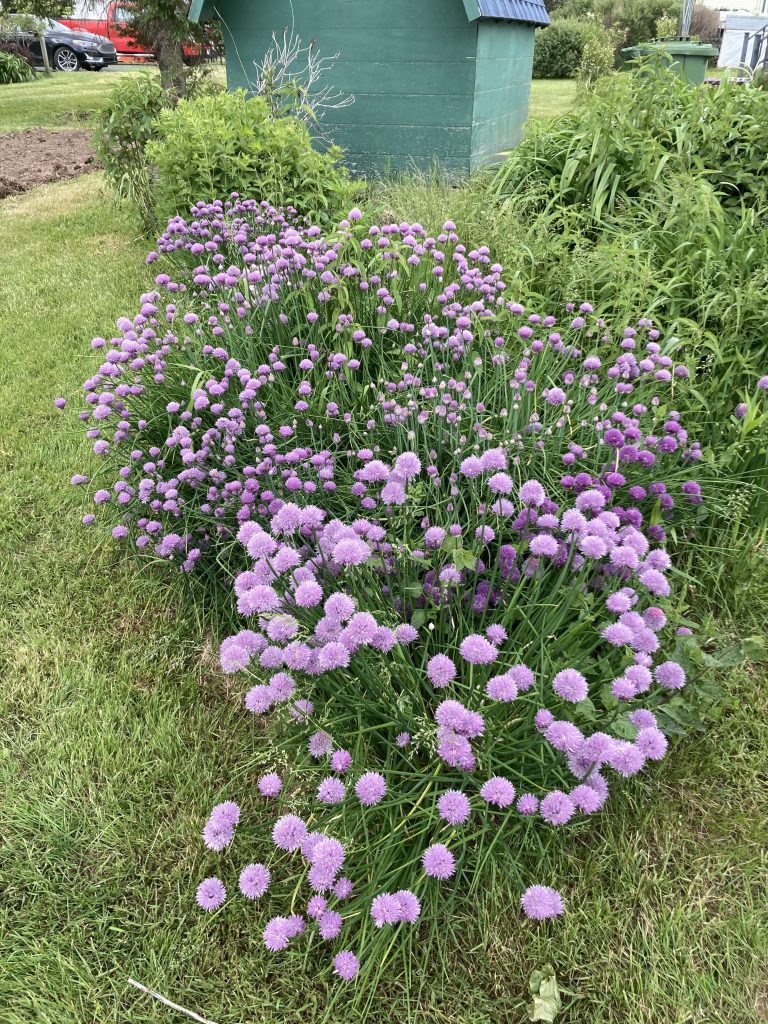
Here’s a plant that just quietly does its job without asking for much in return. As a member of the onion family, chives carry a scent strong enough to throw off aphids, nematodes, and spider mites looking for a meal.
Let the purple pom-pom flowers open, and you’ll pull in bees, butterflies, and beneficial wasps as well.
Chives work especially well for tight spaces. They grow in a narrow clump, so they won’t crowd out a tomato plant’s roots even when planted close. Snip them back throughout the season for the kitchen, and they’ll keep coming back for more.
As a perennial, they’ll return year after year in the same spot, so pick a permanent home for them if you can.
8. Garlic
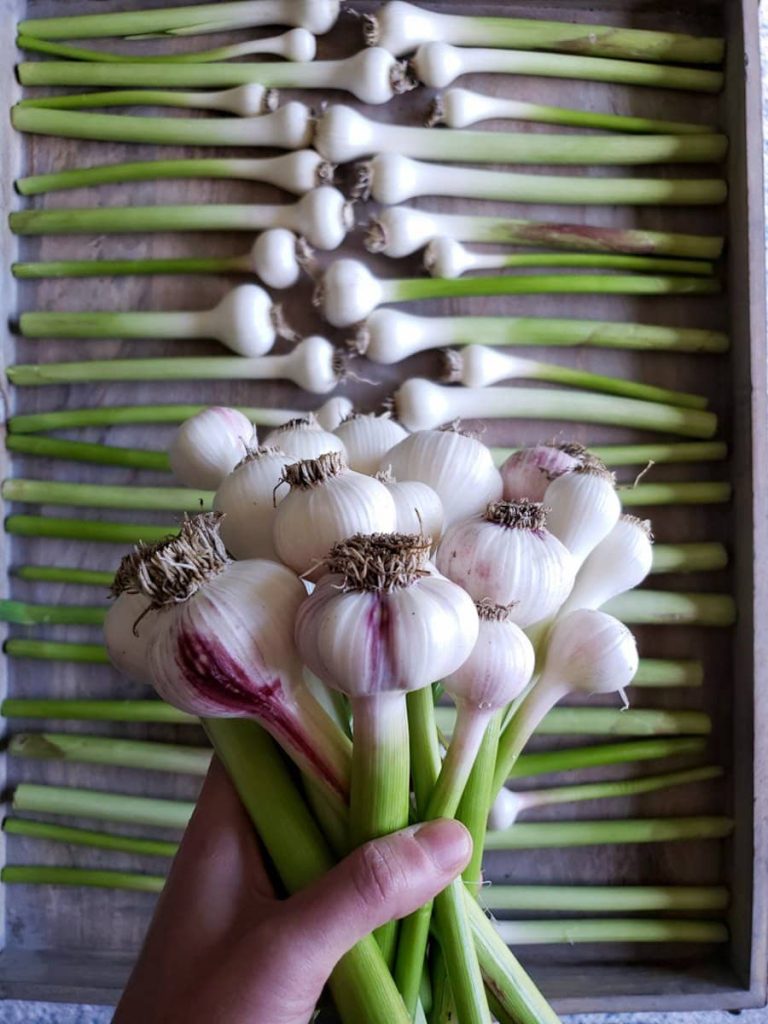
This one earns its spot on the list the old-fashioned way. It stinks, and pests hate it for that. That strong smell helps mask the scent of nearby tomato plants, making it harder for aphids and spider mites to zero in on their target.
Some gardeners also credit garlic with reducing fungal disease in the soil, though the evidence there leans more anecdotal than proven.
What makes garlic especially useful under tomatoes is its shape. It grows upright with shallow roots, so it fits into narrow gaps around the base of a tomato plant without competing for space below ground.
Plant cloves in fall for a summer harvest, and you’ll pull garlic right around the same time your tomatoes start really taking off.
9. Radishes
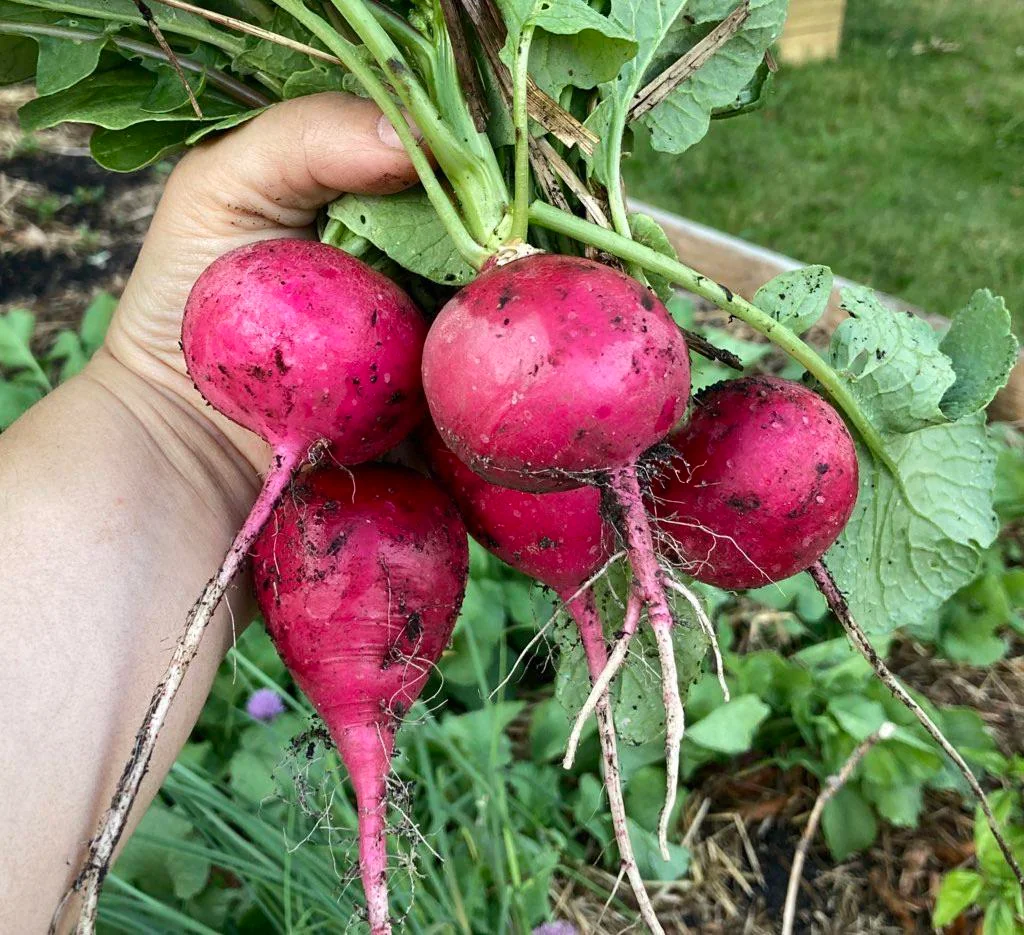
Nothing on this list pays you back faster. Some varieties go from seed to harvest in under a month, which means you can tuck them in around young tomato transplants and pull a full crop before the tomatoes need that space for themselves.
Think of them as a placeholder crop that happens to pay you back.
They’re also useful beyond the calendar. Their sharp scent helps repel flea beetles, and their quick growth breaks up compacted soil near the surface.
Since radishes grow shallow and stay small, they won’t fight your tomato roots for water or nutrients. Just don’t expect them to stick around.
Once the tomato canopy fills in and the weather heats up, radishes are done anyway, so harvest them while the window’s open.
10. Carrots
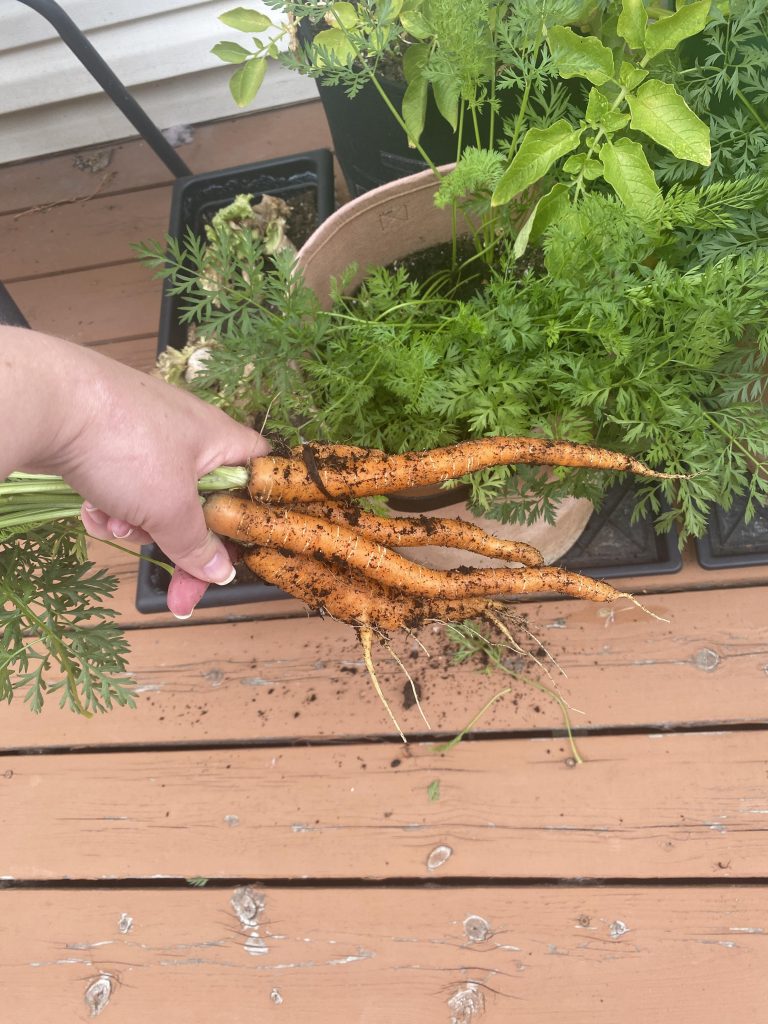
This root vegetable takes the opposite approach from radishes. Instead of racing the clock, they settle in and grow straight down while tomatoes grow straight up. That vertical split means almost no competition for space.
Carrots loosen and aerate the soil as their roots push through it, which benefits the tomato roots working nearby.
Stick to shorter varieties if you’re planting them under a tomato canopy. Long carrots need deep, loose soil to reach full size, and shaded, root-crowded ground doesn’t always give them that.
A stumpy variety like Nantes or Chantenay handles the conditions better and still gives you a solid harvest by midsummer.
11. Nasturtium
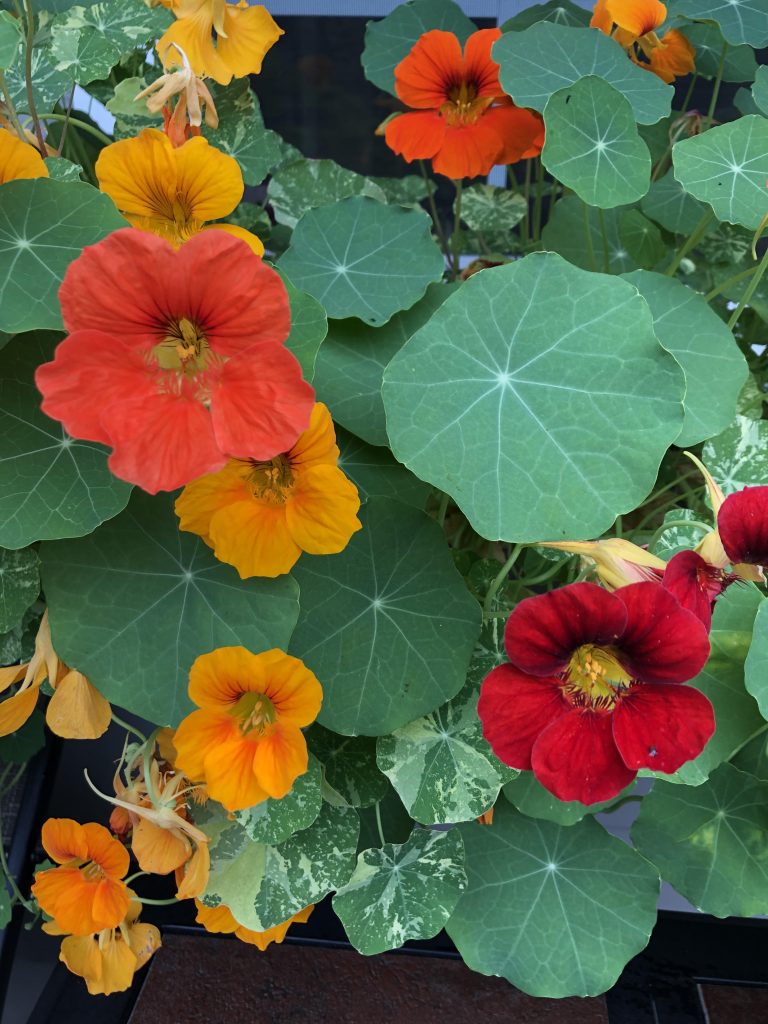
This one works less like a bodyguard and more like a decoy.
Aphids and whiteflies find its leaves irresistible, often more irresistible than your tomato plants, and end up congregating there instead.
Some gardeners call this a trap crop for exactly that reason. It’s sacrificing itself a little so your tomatoes don’t have to.
Beyond pest duty, its broad, round leaves spread across the soil surface and shade it from the sun. That keeps moisture from evaporating as fast and keeps the roots underneath a bit cooler on hot afternoons.
Both the leaves and the peppery flowers are edible too, so toss a few blossoms into a summer salad just for the color.
12. French Marigold
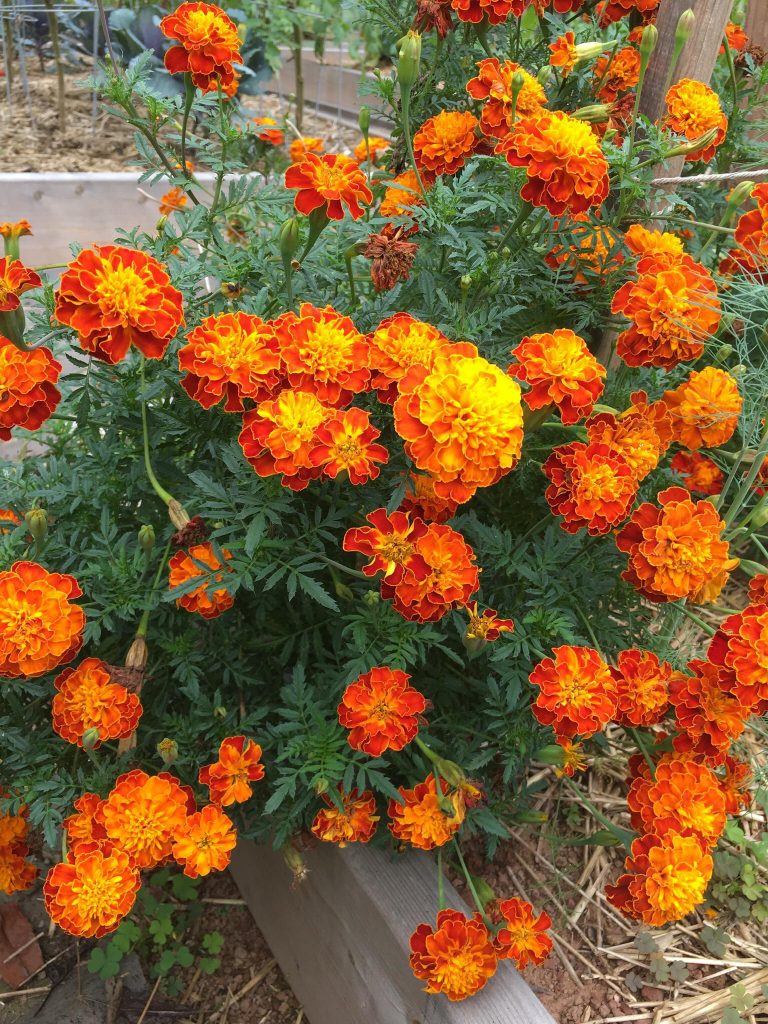
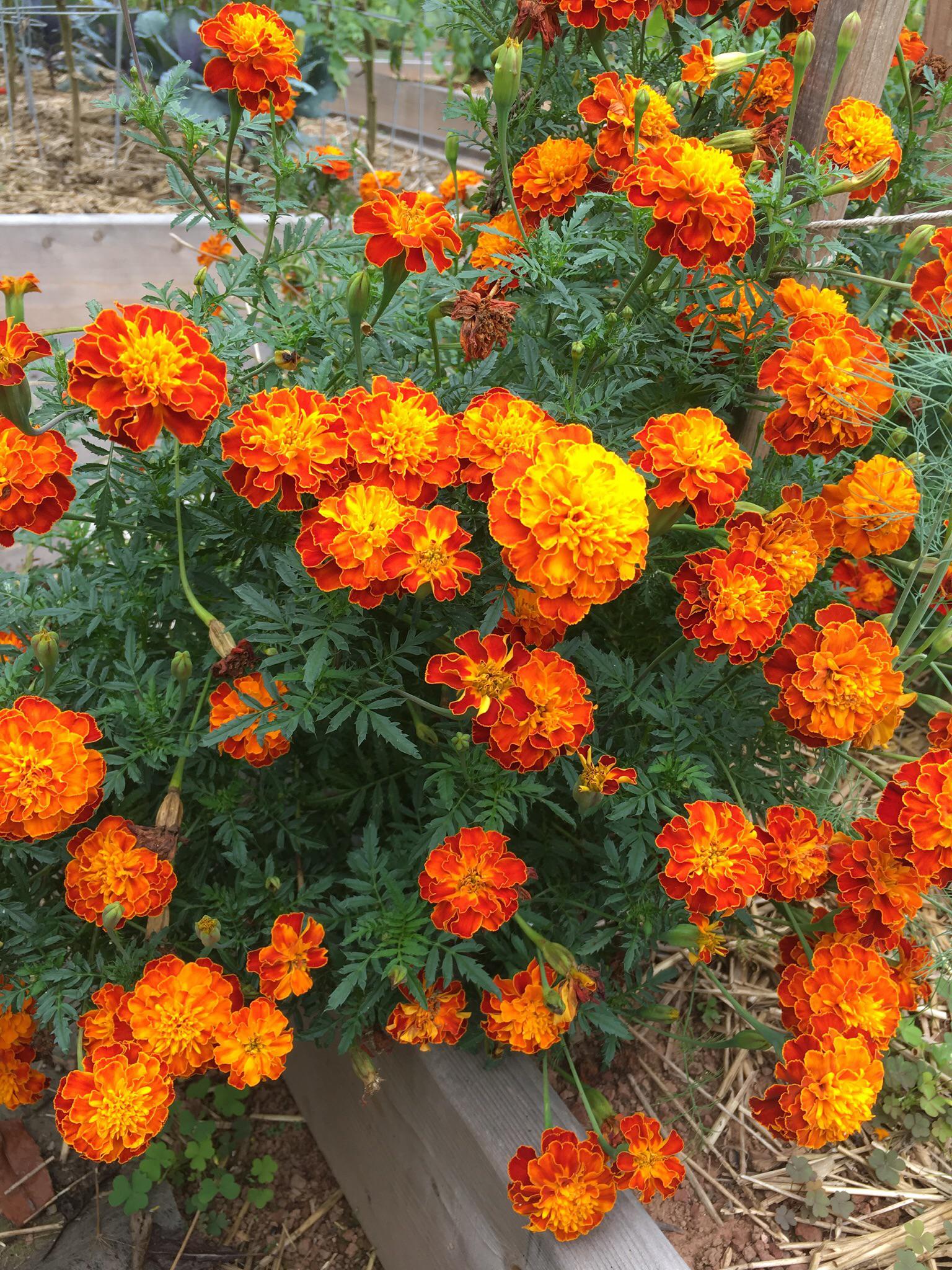
This flower rounds out the list, and it earns its spot through pure chemistry. Its roots release a compound that suppresses root-knot nematodes in the soil, which is a genuine problem for tomato plants in warmer climates.
Above ground, the blooms deter aphids and can work as another trap crop, drawing hornworms toward the flowers instead of your tomato leaves.
Keep marigolds compact and close to the tomato base, since French varieties tend to stay low and bushy rather than sprawling.
They’re also about as low-maintenance as flowers get. Deadhead them occasionally to keep new blooms coming, and otherwise just let them do their work.
A Few Plants to Skip
Not everything makes a good neighbor for tomatoes, and it’s worth knowing what to leave out just as much as what to plant.
- Fennel releases compounds through its roots that can stunt nearby plants, tomatoes included.
- Corn and tomatoes both attract the same pest, the corn earworm, so growing them side by side just doubles the risk.
- Brassicas like broccoli, cabbage, and cauliflower are heavy feeders competing for the same nutrients tomatoes need.
- Other nightshades, such as peppers, eggplant, and potatoes, share tomatoes’ vulnerability to blight, so keeping them apart limits how far disease can spread.
Frequently Asked Questions
Can I plant more than one companion under the same tomato plant?
Yes, and mixing a few is often better than relying on just one.
A combination like alyssum for living mulch, basil for pest confusion, and a quick radish crop for early-season space use will cover more bases than any single plant on its own.
How close can I plant these to my tomato stem?
Most of the plants on this list do fine anywhere from six to twelve inches out. Shallow-rooted options like radishes and chives can go closer, while spreaders like oregano and nasturtium appreciate a little more room to fill in.
Will companion planting really stop pests on its own?
Not entirely, and I don’t want to oversell it. Think of it as one more layer of defense rather than a replacement for good watering, healthy soil, and keeping an eye on your plants. It tips the odds in your favor, but it won’t do all the work for you.
The Bottom Line
You don’t need to fill every inch under your tomatoes to get something out of this.
Pick two or three plants from this list that fit what you’re already trying to do, whether that’s fewer pests, less watering, or just squeezing more food out of the space you’ve got.
Tuck them in, give everything room to breathe, and let the rest sort itself out over the season.