Fall Bulb Planting Made Simple: A No-Guesswork Beginner’s Guide

Fall doesn’t feel like the start of anything. The garden is winding down, leaves are dropping, and most of your to-do list involves cleanup, not planting.
But bulbs break that rule completely.
Tuck a handful of tulips or daffodils into the ground now, and you’re setting up a flower show for next spring that requires almost nothing from you in between.
No seed trays. No grow lights. Just a hole, a bulb, and a little patience.
If you’ve never planted bulbs before, this guide walks you through everything: which ones to buy, when to get them in the ground, how deep to dig, and how to keep squirrels from turning your flower bed into their personal pantry.
Why Do You Plant Bulbs in Fall Instead of Spring?
This trips up a lot of new gardeners, and fair enough. It seems backwards to plant something right before winter hits.
Here’s what’s actually happening underground. Spring bulbs need a stretch of cold weather to trigger flowering. Without it, most of them stay stubbornly green and leafy, or they don’t come up at all.
Planting in fall gives them exactly that: weeks of cold soil that “resets” the bulb and tells it spring is coming.
There’s a practical reason too. Fall soil is still warm enough for roots to form, even after the air turns crisp. Those roots anchor the bulb and start pulling in moisture before the ground freezes solid.
By the time winter locks everything down, your bulb isn’t dormant and unprepared. It’s already rooted in and ready to grow the second temperatures rise again.
Skip fall planting, and you’re basically asking the bulb to do in a few spring weeks what it’s designed to do over an entire winter. It won’t end well.
Which Bulbs Should You Plant This Fall?
Garden centers stock dozens of options in autumn, and it’s easy to get overwhelmed standing in front of that bin display.
Stick with these six. They’re reliable, widely available, and forgiving if you’re still learning the ropes.
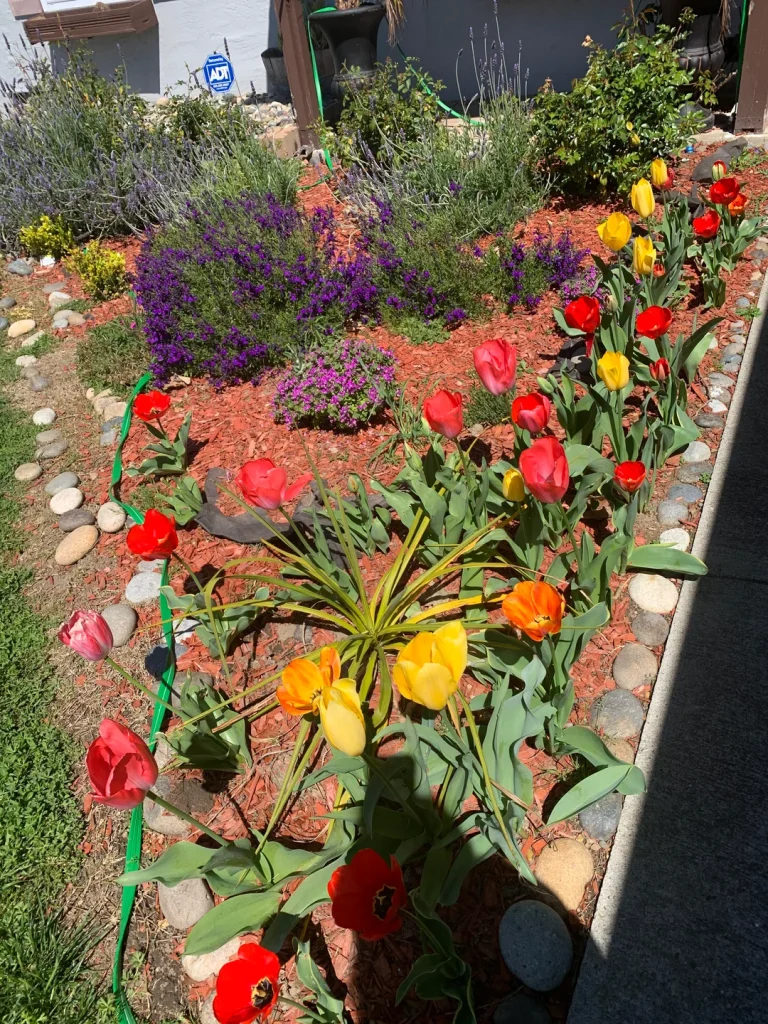
Tulips
- Bloom time: April to May
- Planting depth: 5 to 6 inches
- Height: 12 to 24 inches depending on variety
- Watch out for: squirrels and deer, both of which find them delicious
- Good beginner picks: Darwin Hybrids and Triumph tulips, known for sturdy stems and reliable blooms
Daffodils
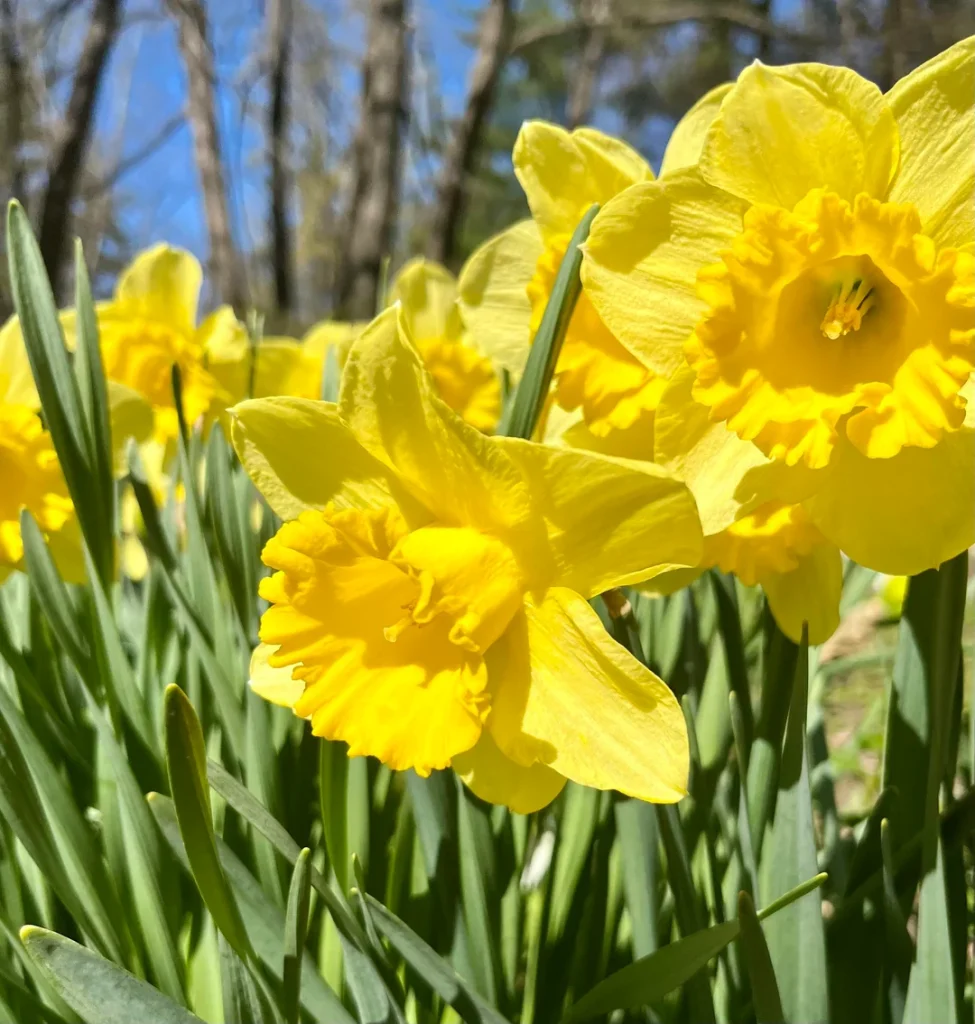
- Bloom time: March to April
- Planting depth: 6 inches
- Height: 12 to 18 inches
- Watch out for: nothing, really. Daffodils contain a bitter compound that deer and squirrels avoid
- Good beginner picks: ‘Dutch Master’ for classic yellow blooms, ‘Tete-a-Tete’ if you’re planting in pots
Hyacinths
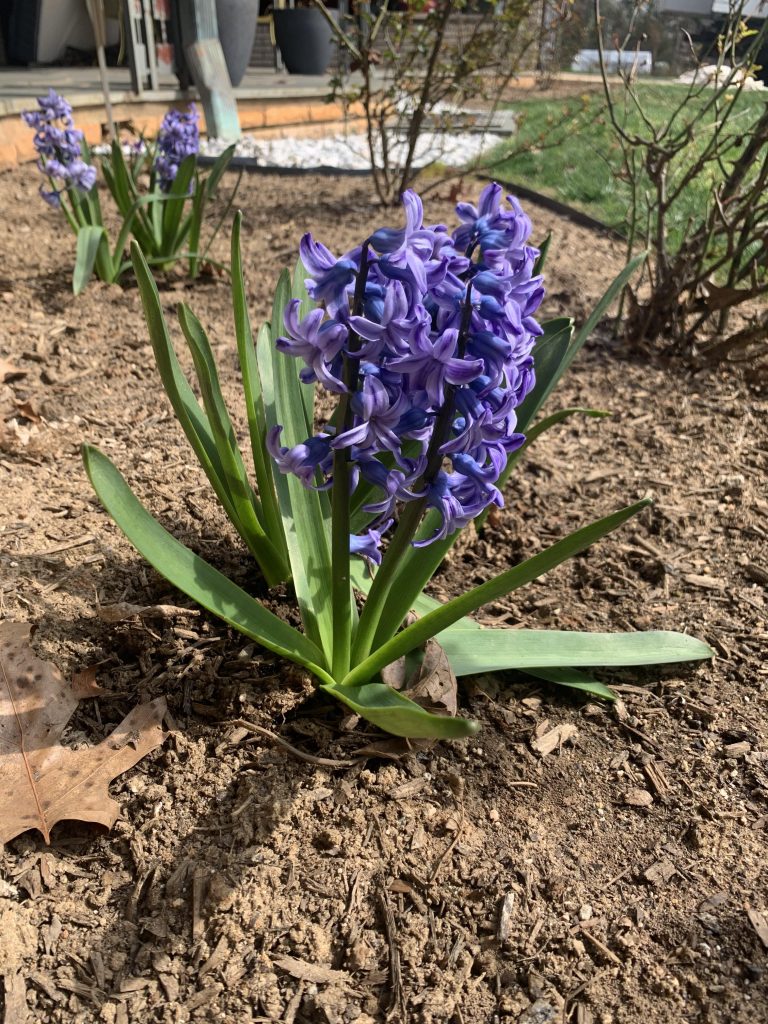
- Bloom time: March to April
- Planting depth: 4 inches
- Height: 6 to 10 inches
- Watch out for: skin irritation when handling the bulbs. Wear gloves
- Bonus: the fragrance is strong enough to scent an entire porch or entryway
Crocuses
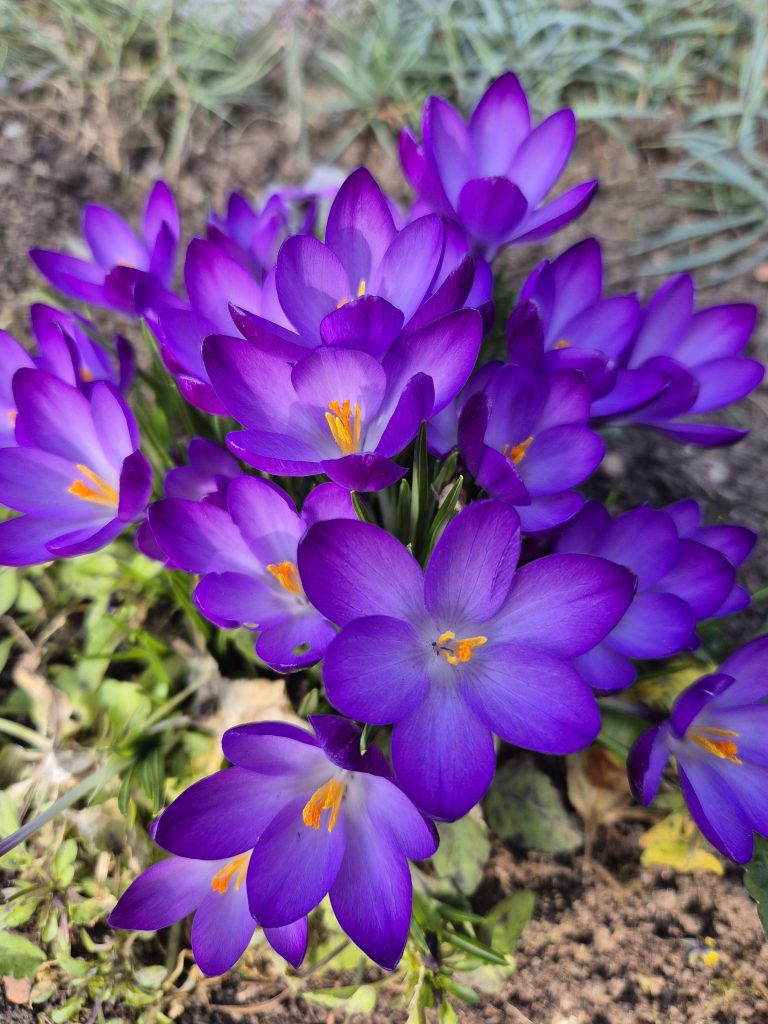
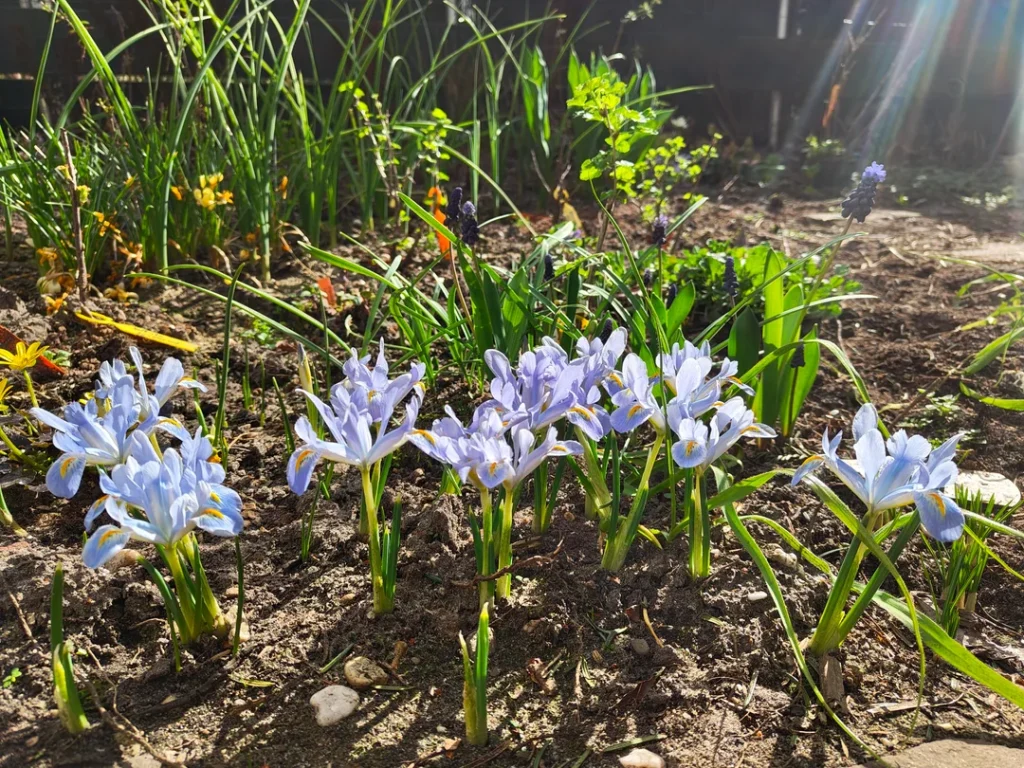
- Bloom time: late February to March
- Planting depth: 2 to 3 inches
- Height: 3 to 6 inches
- Watch out for: nothing major, though they’re small enough to get lost if planted one at a time
- Planting tip: group them in clusters of a dozen or more. Scattered singles barely register visually
Alliums
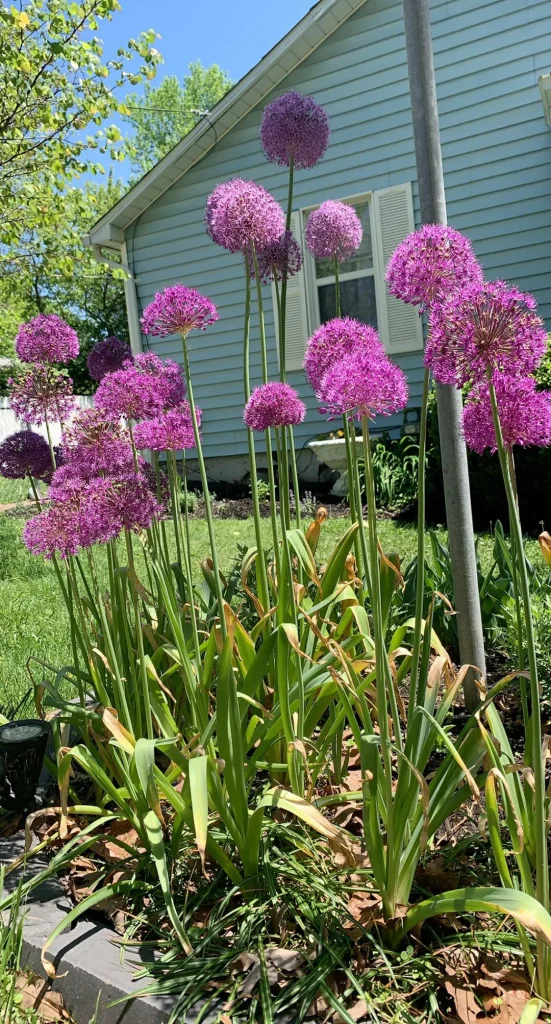
- Bloom time: May to June
- Planting depth: 6 to 8 inches
- Height: 18 to 36 inches, depending on variety
- Watch out for: nothing. As members of the onion family, they’re one of the most deer-resistant bulbs you can plant
- Good beginner pick: ‘Purple Sensation,’ reliable and dramatic with its globe-shaped blooms
Snowdrops and Muscari (Grape Hyacinth)
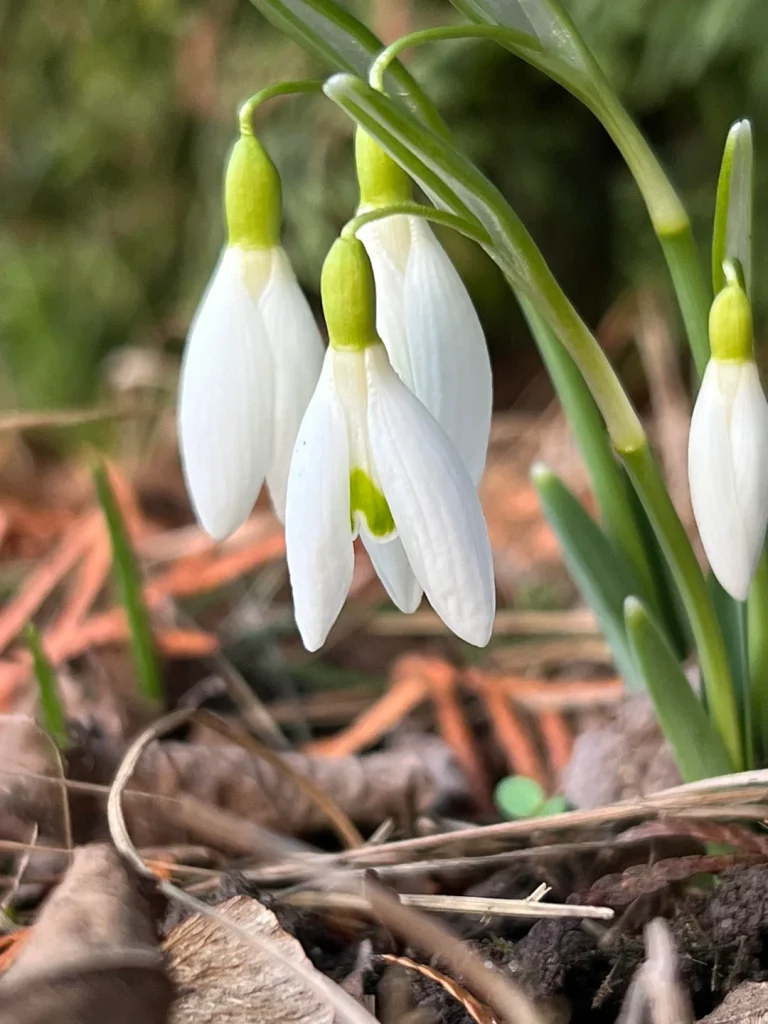
- Bloom time: February to March
- Planting depth: 2 to 3 inches
- Height: 3 to 8 inches
- Watch out for: nothing, another deer-resistant option
- Best used: massed under trees and shrubs, where they naturalize and spread over the years
A quick note before you buy: tulips are the most vulnerable to pests and also the shortest-lived, often fading after two or three seasons. If you want color that returns reliably year after year with minimal fuss, lean on daffodils, alliums, and the small bulbs, and treat tulips as a beautiful bonus rather than the backbone of your bed.
When Should You Plant Your Bulbs?
Timing matters more than most beginners realize. Plant too early, and the bulb might sprout before winter hits, wasting energy it needs later. Plant too late, and it won’t have time to grow roots before the ground freezes.
The rule of thumb: get your bulbs in the ground 6 to 8 weeks before the first hard frost, or whenever soil temperatures drop to around 60°F and stay there.
That translates differently depending on where you live:
- Cold climates (Zones 3-5): late September through October
- Moderate climates (Zones 6-7): October into early November
- Warmer climates (Zones 8-9): November through December
If you’re not sure which zone you’re in, a quick search of your zip code and “USDA hardiness zone” will sort you out in seconds.
Southern gardeners, don’t panic if your neighbors up north are already planting. You’ve got more time than they do, sometimes a full two months more.
Where Should You Plant Bulbs?
Most spring bulbs want sun, and plenty of it. Aim for a spot that gets at least six hours of direct sunlight during the spring months.
Here’s the trick beginners miss: you don’t need full sun year-round, just during bloom time. That’s why planting under deciduous trees works so well.
In March and April, before the leaves fill back in, that spot is flooded with light. By the time the tree canopy closes up in late spring, your bulbs have already finished their show and started storing energy for next year.
Avoid low spots where water pools after rain. Bulbs sitting in soggy soil all winter are far more likely to rot than to bloom.
How Do You Prepare the Soil?
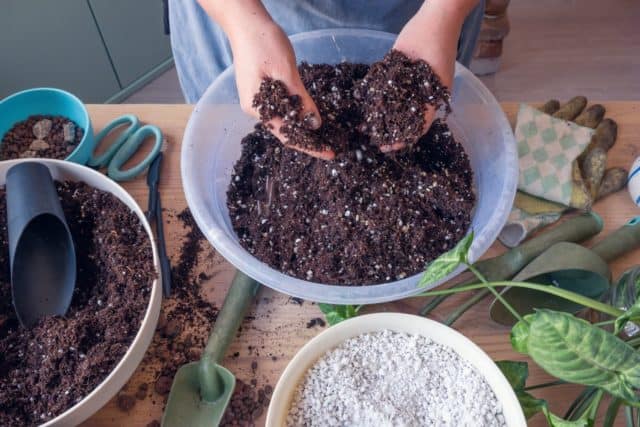
Drainage is everything here. Bulbs can survive a lot of things, but wet feet isn’t one of them.
If your soil is heavy clay or tends to stay soggy, mix in some compost before planting. This loosens the texture and gives excess water somewhere to go.
For an existing garden bed, working the top 8 to 10 inches of soil with a shovel or garden fork is usually enough. Starting a brand new bed takes more effort, since you’re breaking up ground that hasn’t been touched.
A handful of bone meal mixed into the bottom of each hole gives bulbs an extra boost of phosphorus, which helps with root development. It’s not mandatory, but it’s a cheap insurance policy.
How Deep and How Far Apart Should You Plant Bulbs?
This is where a lot of guides get vague, telling you to “plant 2 to 3 times as deep as the bulb is tall” and leaving you to eyeball it. Here’s a more exact breakdown by bulb type:
| Bulb Type | Planting Depth | Spacing |
|---|---|---|
| Tulips | 5-6 inches | 4-6 inches apart |
| Daffodils | 6 inches | 4-6 inches apart |
| Hyacinths | 4 inches | 6 inches apart |
| Alliums | 6-8 inches | 6-8 inches apart |
| Crocuses | 2-3 inches | 3-4 inches apart |
| Snowdrops/Muscari | 2-3 inches | 3-4 inches apart |
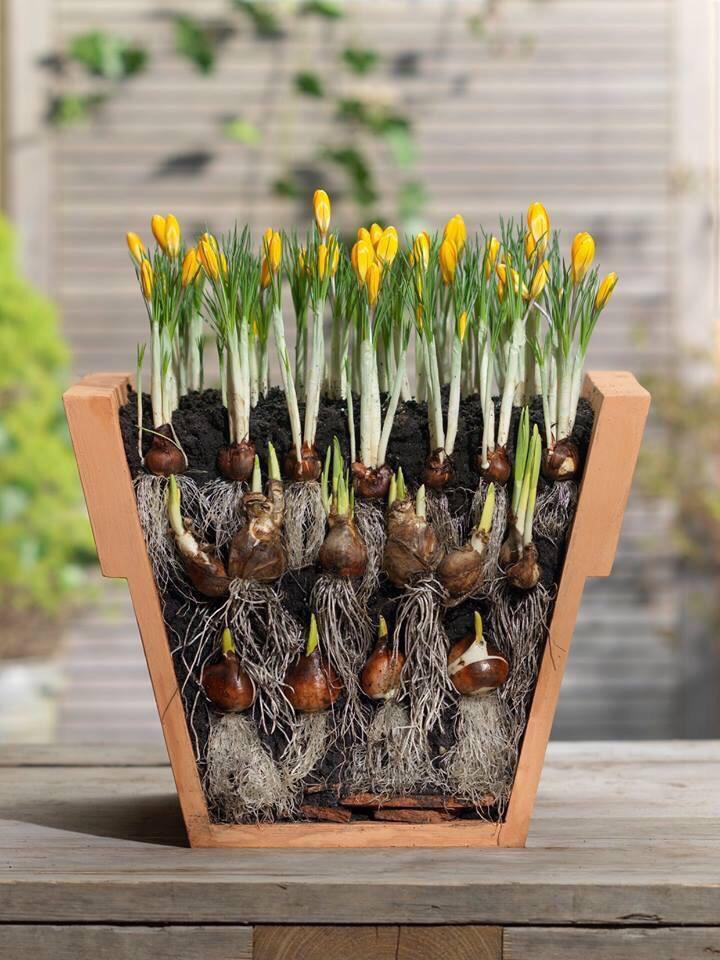
Measure depth from the base of the bulb to the soil surface, not from the top.
And if you’re planting in less-than-ideal soil, like heavy clay, err on the shallower end of the range. Bulbs planted too deep in dense soil sometimes struggle to push through in spring.
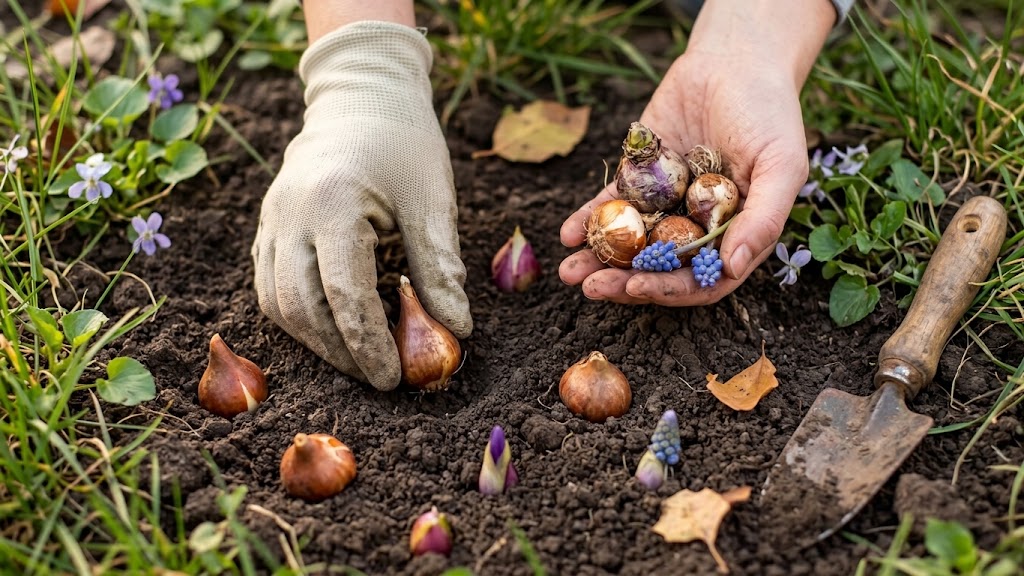
How Do You Actually Plant a Bulb?
Once your soil is ready and you know your depth, the process itself is simple.
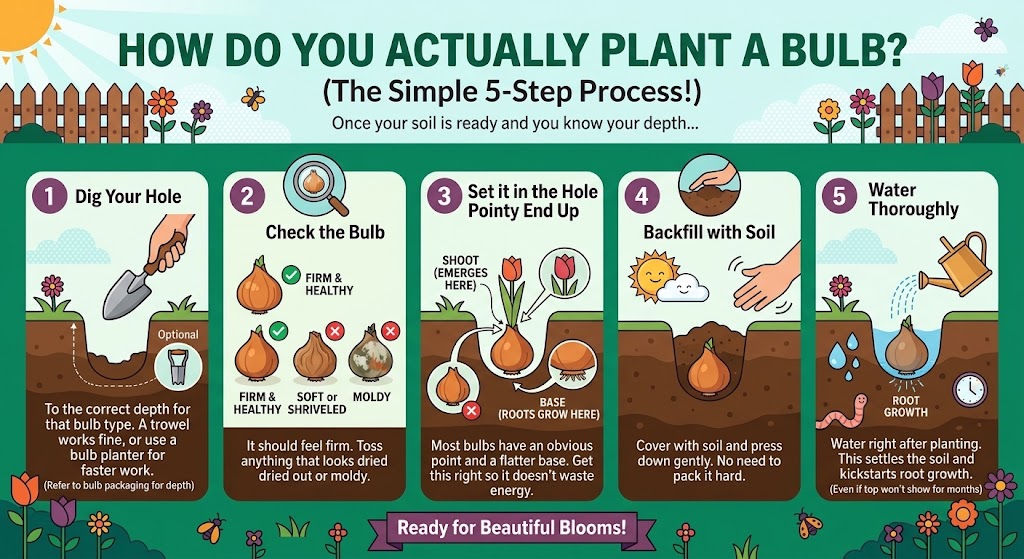
- Dig your hole to the correct depth for that bulb type. A bulb planter tool makes this faster if you’re doing a lot of them, but a regular trowel works fine too.
- Check the bulb. It should feel firm, not soft or shriveled. Toss anything that looks dried out or moldy.
- Set it in the hole pointy end up. Most bulbs have an obvious point where the shoot will emerge, and a flatter, rounder base where roots grow. Get this backwards and the plant will still grow, but it’ll waste energy correcting course underground.
- Backfill with soil and press down gently. No need to pack it hard.
- Water thoroughly right after planting. This settles the soil around the bulb and kickstarts root growth, even though the top of the plant won’t show for months.
That’s genuinely it. Bulbs are about as close to foolproof as gardening gets, provided you get the depth and drainage right.
How Do You Keep Squirrels and Other Pests Away from Your Bulbs?
If you’ve ever planted a beautiful row of tulips only to find the bed dug up a week later, you already know the frustration. Squirrels treat freshly planted bulbs like a buffet, and tulips top their list of favorites.
A few things actually work:
- Plant tulips deeper than the minimum, closer to 7 or 8 inches. It’s more digging for you, but it puts the bulb below where most squirrels bother searching.
- Lay chicken wire over the planting area, then cover it with mulch or soil. The bulbs grow up through the gaps just fine, but digging paws can’t get through.
- Mix in daffodils. Squirrels and deer avoid them entirely, and planting daffodils nearby can make the whole bed less appealing to dig around in.
- Skip the bone meal near known problem areas. It smells appealing to animals and can actually attract diggers rather than just feeding your bulbs.
None of these guarantee complete protection. But combining two or three methods cuts your losses dramatically.
Common Mistakes That Keep Bulbs from Blooming
Most bulb failures trace back to one of these:
- Planting too shallow. Bulbs need enough soil above them to insulate against winter cold. Shallow planting also makes them easy targets for animals.
- Poor drainage. Wet, compacted soil rots bulbs before they get the chance to root. If your planting spot stays soggy after rain, fix the drainage or pick somewhere else.
- Buying soft or shriveled bulbs. A healthy bulb feels firm and heavy for its size. Skip anything that feels light, spongy, or shows mold.
- Cutting foliage too early. Once your bulbs finish blooming in spring, resist the urge to tidy up the leaves right away. That foliage is feeding the bulb for next year’s bloom. Wait until it yellows and dies back naturally before removing it.
- Storing bulbs wrong before planting. If you buy bulbs early and can’t plant right away, keep them somewhere cool, dry, and well-ventilated. A hot garage or humid basement can ruin them before they ever touch soil.
Pros and Cons of Fall-Planted Bulbs
Pros:
- Minimal maintenance once planted
- Reliable, low-effort color every spring
- Many varieties multiply and spread on their own over the years
- Works in garden beds, borders, or containers
Cons:
- Squirrels and deer can be a real problem, depending on your bulb choices
- Tulips specifically tend to fade in vigor after a few seasons
- Requires patience. You won’t see results for months
- Wrong planting depth or poor drainage can undo all your effort
Frequently Asked Questions
Do I need to fertilize bulbs at planting time?
A light application of bulb fertilizer or a handful of bone meal at planting helps, but it’s not strictly necessary in already-healthy garden soil.
Can I still plant bulbs if I’m running late in the season?
As long as the ground isn’t frozen, it’s usually still worth planting. You might get slightly weaker blooms the first spring, but most bulbs will still grow.
Do fall bulbs come back every year?
Many do, especially daffodils, alliums, crocuses, and muscari. Tulips are the exception. They often weaken after a couple of seasons and get treated more like an annual.
What if I plant a bulb upside down?
It’ll usually still grow. The shoot just has to work harder to find its way up, which can delay or weaken the bloom. Not the end of the world, but worth avoiding if you can.
Ready to Plant?
Fall bulb planting is one of those rare gardening tasks that rewards you for doing almost nothing. Dig the hole, drop in the bulb, cover it up, and walk away. Winter does the rest of the work while you’re inside staying warm.
Come spring, when that first crocus pushes through or your daffodils open up along the front walk, you’ll be glad you spent an afternoon in the fall dirt instead of skipping it.