The Ultimate Guide to Shade Plants for Window Boxes

Got a north-facing windowsill that never sees a single ray of sun? I’ve been there and I used to think it meant settling for sad, scraggly plants that barely survived.
Turns out, I was completely wrong. Some of the most jaw-dropping window boxes I’ve ever seen were growing in deep shade. You just need to know which plants actually want to be there.
Here are my 12 favorite shade plants for window boxes that will transform even the gloomiest spot into something spectacular.
12 Best Shade Plants for Window Boxes
1. Impatiens: Best Shade Plants for Window Box
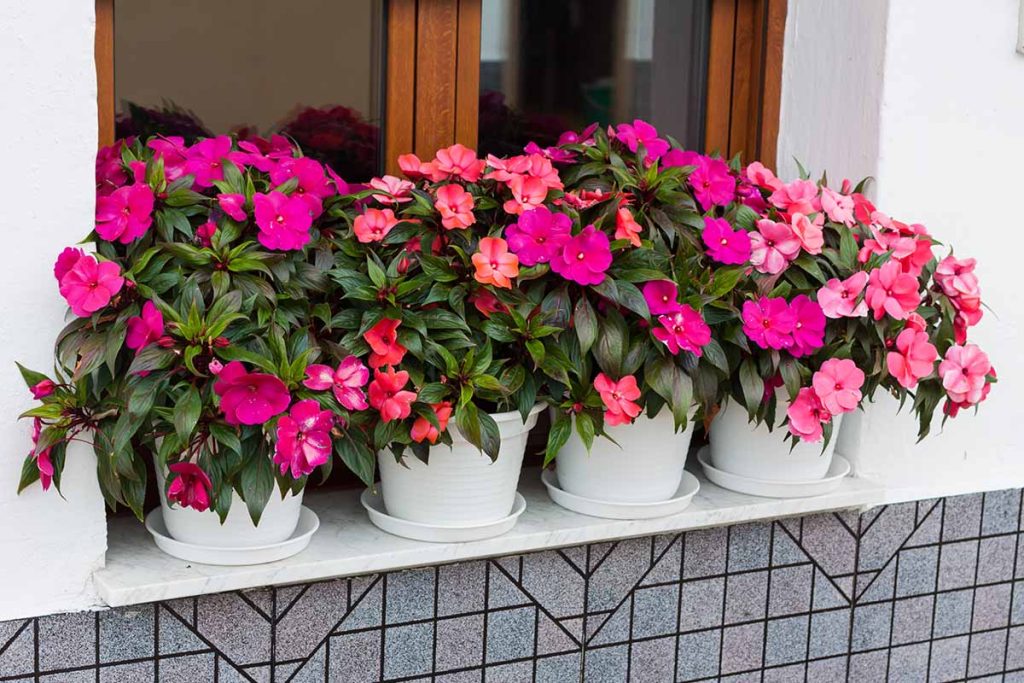
Impatiens are the single best shade plant you can put in a window box. Full stop. I’ve grown dozens of different varieties over the years, and nothing else comes close for sheer reliability in low light.
They bloom non-stop from late spring right through to the first frosts, and you don’t even need to deadhead them.
Colours run from soft white and pale pink all the way to hot coral and deep red — so whatever your window box vibe, there’s an impatiens for you.
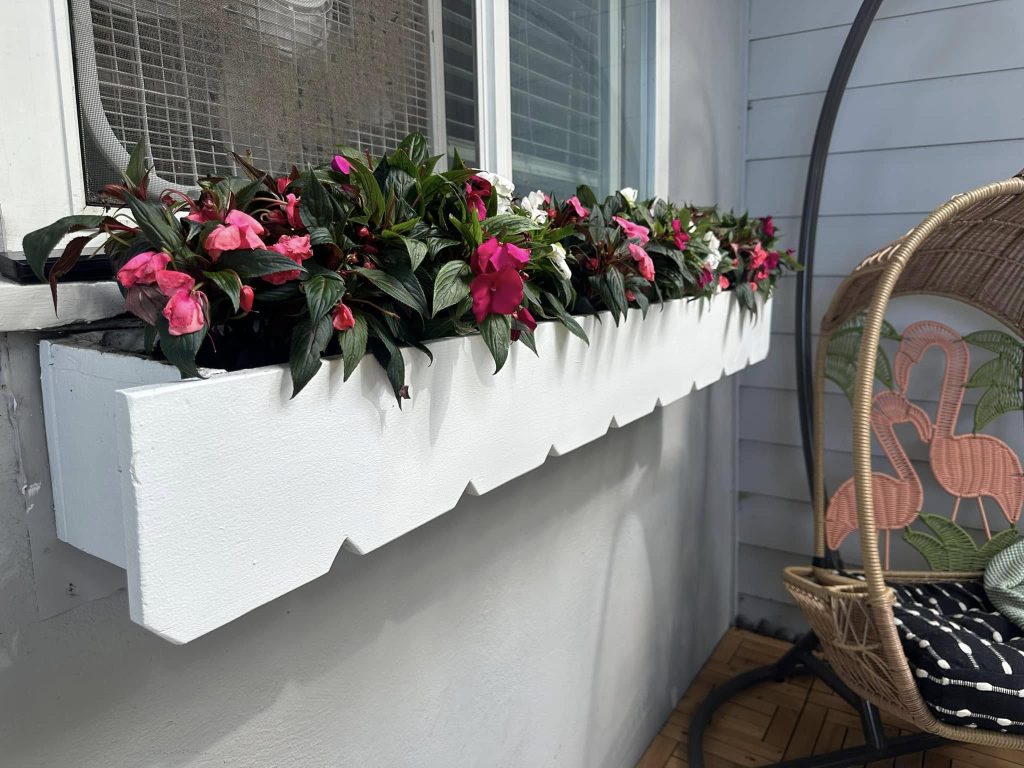
A simple six-pack will fill a 24-inch box completely by midsummer, which I think is genuinely impressive for such a small investment.
Water them daily during hot spells and keep the soil moist but never soggy. That’s really all they ask of you. Give them that, and they’ll absolutely deliver all season long.
2. Begonias
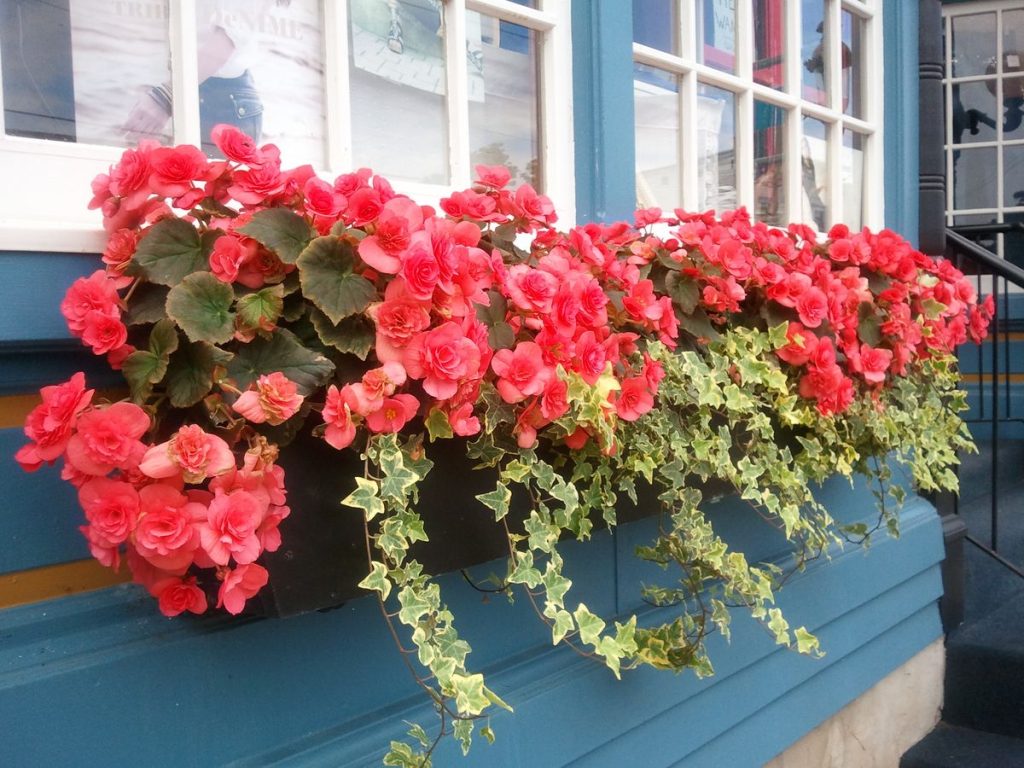
Here’s a plant that gives you almost too many options — and I mean that in the best possible way. Begonias come in wax, tuberous, and dragon wing varieties, each one bringing something completely different to your display.
Tuberous begonias are my personal favourite for window boxes — those enormous, rose-like blooms cascading over the edge look genuinely stunning.
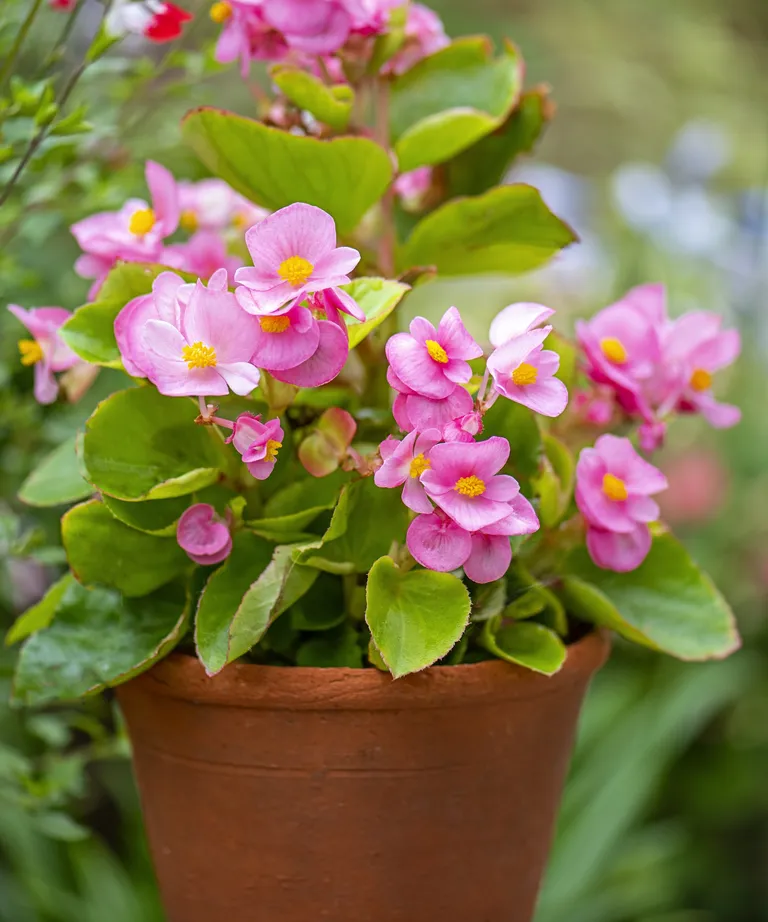
Wax begonias are the tough ones; they handle heat, drought, and low light better than almost anything else I’ve ever grown.
One thing I’d strongly warn you about though — keep them away from south-facing spots.
Direct sun scorches their foliage shockingly fast, and those gorgeous leaves turn brown and crispy almost overnight. Give them a sheltered, shaded position and they’ll absolutely thrive for you.
3. Fuchsias
Honestly, the first time I grew fuchsias in a window box, I couldn’t stop staring at them.
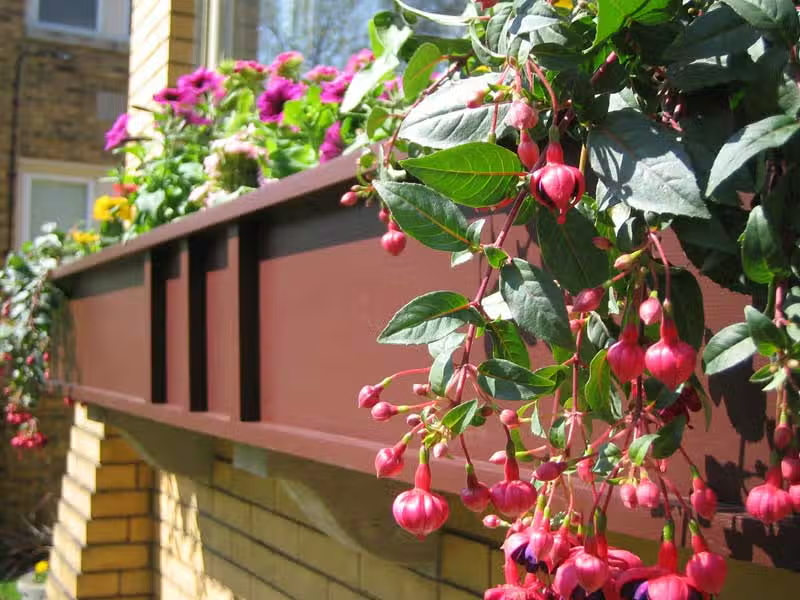
Those pendulous blooms in magenta, purple, red, and white dangle like little jewels over the edge of the planter — it’s a look that genuinely stops people in their tracks.
What I love most is that they actually prefer shade and cooler spots, so you’re not fighting against their nature. They do ask for consistently moist, well-drained soil, so don’t let them dry out between waterings.
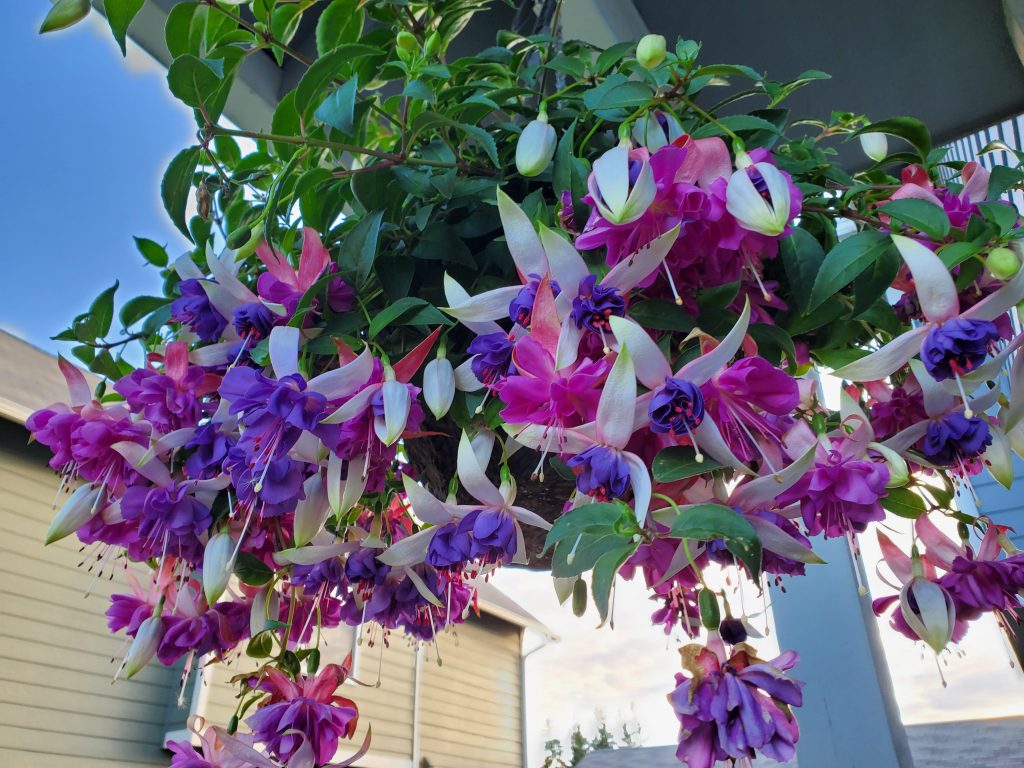
Feed them regularly too — a weekly liquid fertiliser makes a noticeable difference to how many flowers you get.
4. Heucheras
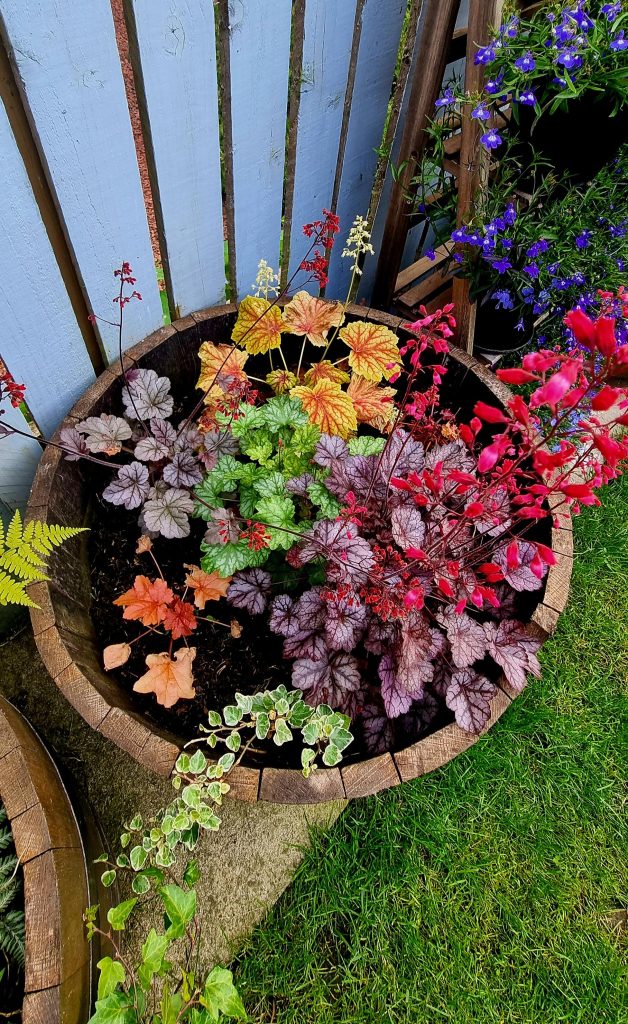
Let me introduce you to your new secret weapon for shaded window boxes — heucheras, also known as coral bells. These plants changed the way I think about foliage entirely. Who knew leaves could be this dramatic?
The colours are genuinely extraordinary — deep burgundy, burnt caramel, lime green, and even silver. They don’t rely on flowers to make an impact, which means your window box looks rich and layered even during quieter blooming periods.
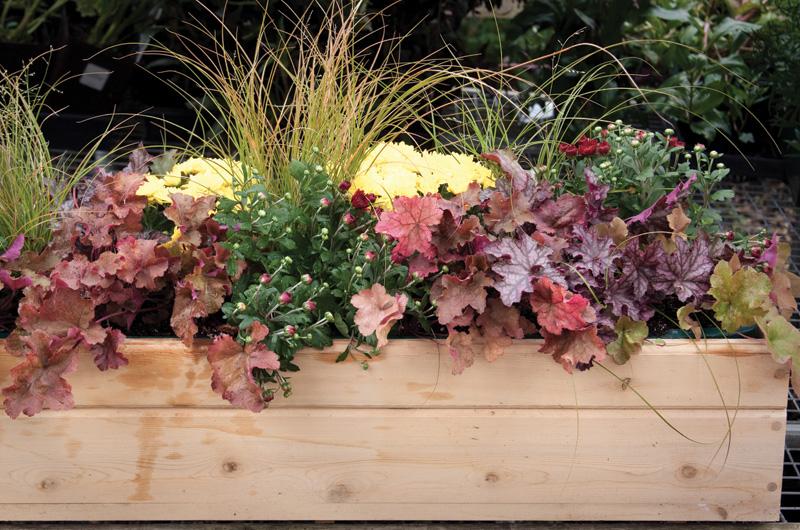
I love mixing two or three different heuchera shades together; the contrast is absolutely striking and requires zero effort to pull off.
What really won me over is how long they look good. Their ruffled, textured foliage stays attractive from early summer right through to autumn, outlasting many flowering plants by weeks.
If you want a reliable, low-maintenance plant that earns its place all season, heucheras are genuinely hard to beat.
5. Hostas
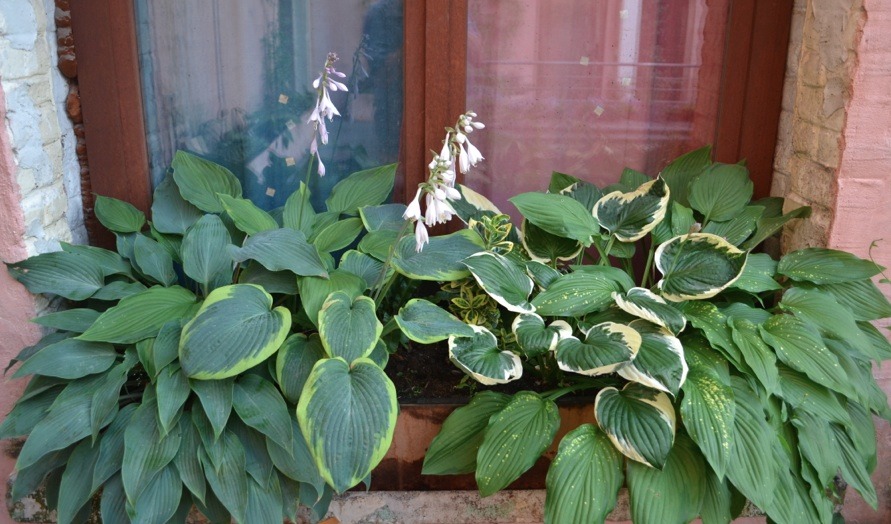
If you’ve ever walked past a shaded garden and thought “what IS that gorgeous leafy plant?” — it was almost certainly a hosta.
These bold, architectural plants are grown mainly for their lush foliage, but they also produce delicate, scented flowers during summer that are a lovely bonus.
Hostas are incredibly hardy and will happily sit in north-facing spots or frost pockets where other plants simply give up.
One thing I’d tell you from experience though — avoid planting them in metal containers. Metal heats up fast in summer, and hostas need their roots to stay cool to thrive. A wooden or plastic box works much better for them.
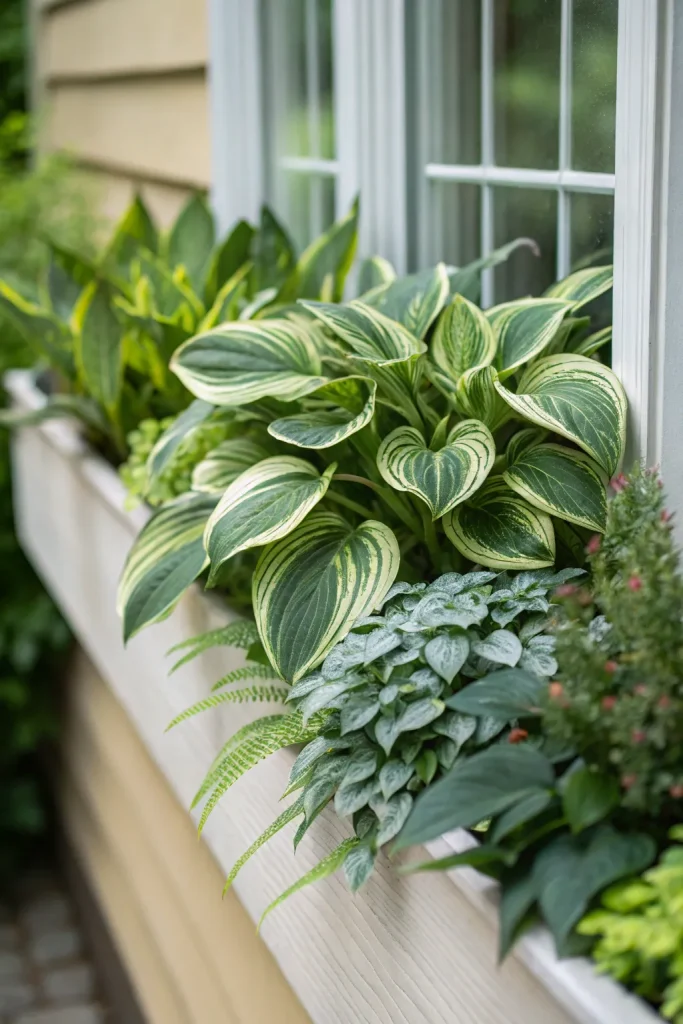
Slugs and snails absolutely adore hostas, particularly in spring when those fresh new leaves first emerge. Check them regularly and act fast, because those pests can do serious damage almost overnight.
Once you get past that early challenge, hostas are remarkably easy to look after and will reward you with stunning foliage all season long.
6. Coleus
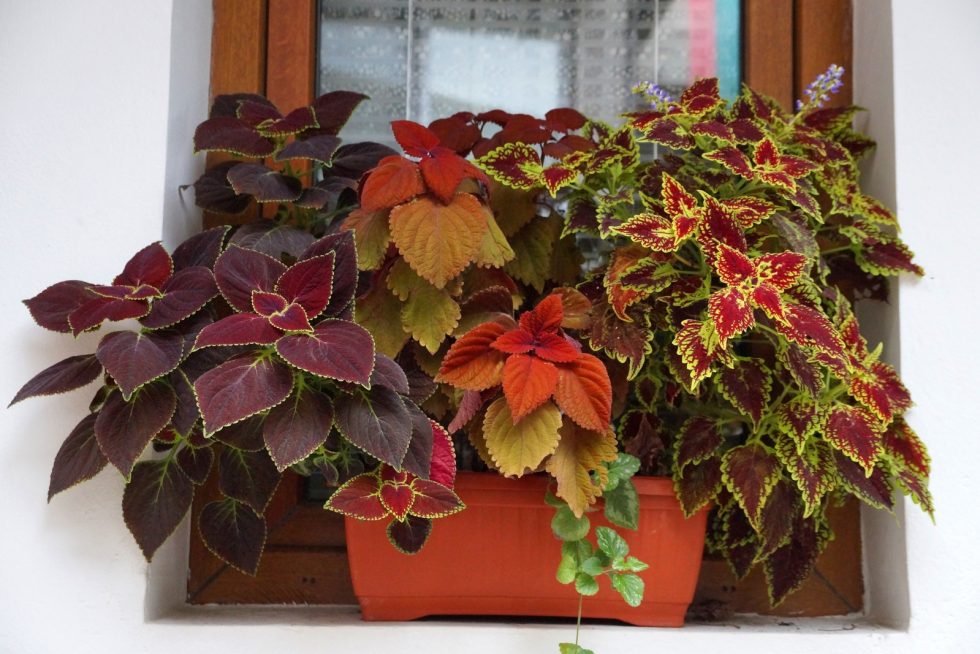
Every window box needs at least one plant that makes you do a double-take — and coleus is exactly that plant.
The foliage comes in the most outrageous combinations of green, red, purple, yellow, and pink, often all on the same leaf. Nature really went all out with this one.
Coleus grows brilliantly in shade and actually tends to lose some of its vibrancy in too much direct sun, which makes it perfect for those darker spots you’re working with.
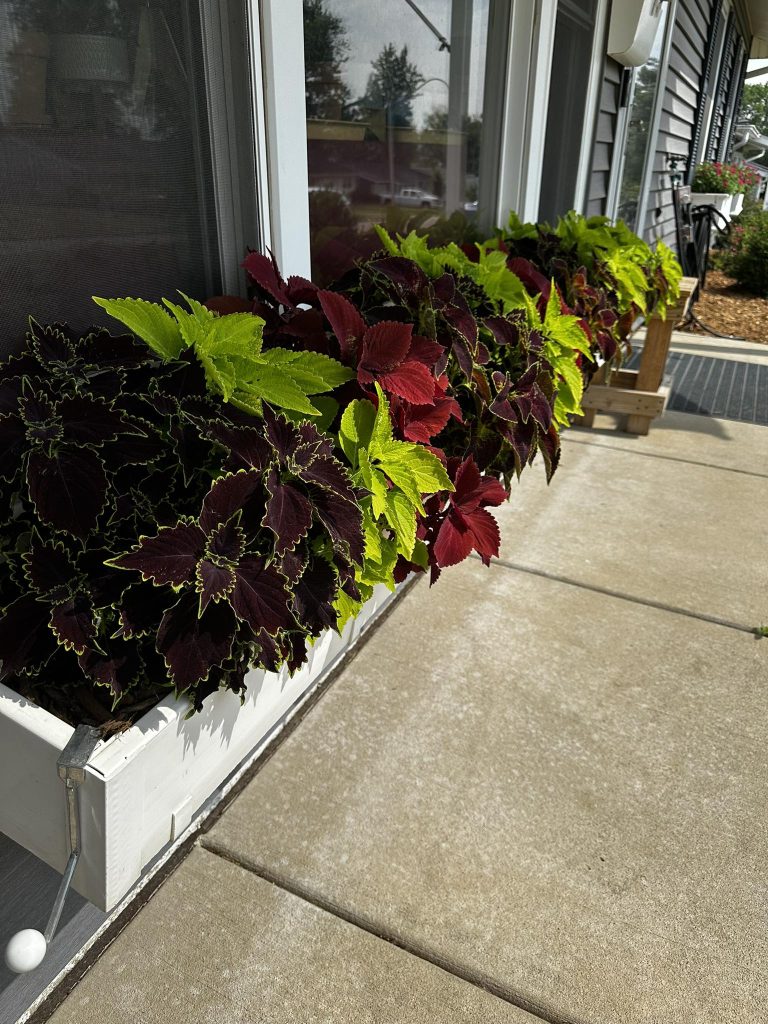
You can grow it indoors or outdoors, which means you can bring a particularly beautiful plant inside at the end of the season and keep enjoying it through winter. I’ve done this more than once and it never gets old.
7. Ferns
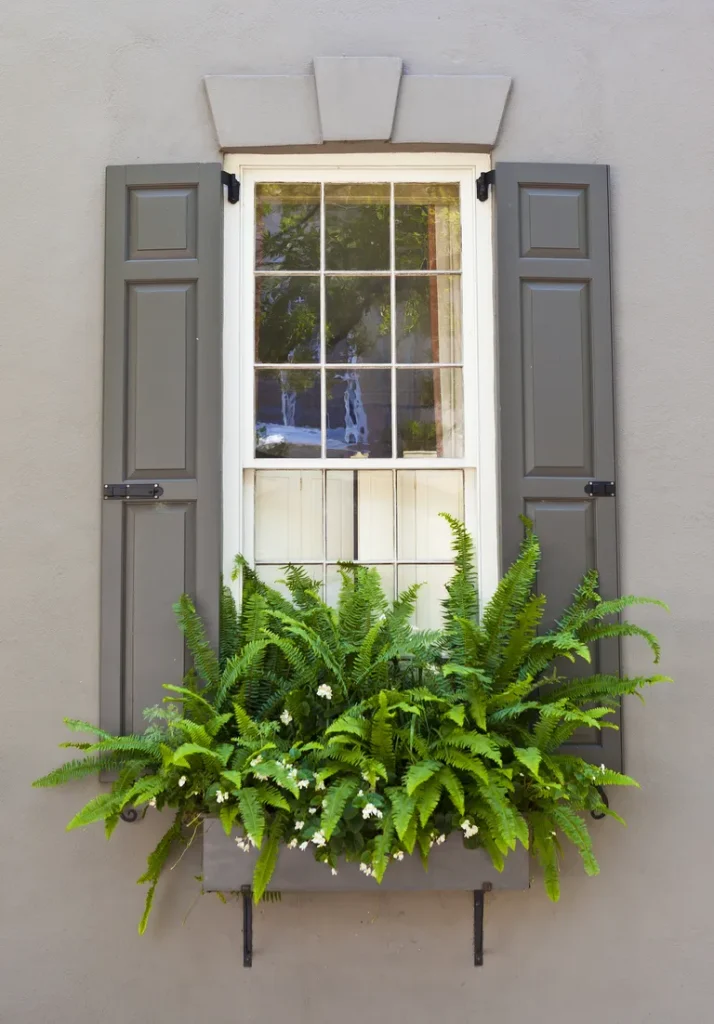
Few plants bring the kind of effortless, natural beauty that ferns do in a shaded window box. Those delicate, arching fronds add softness and movement to any display, making the whole arrangement feel alive rather than static.
Every time a breeze catches them, they dance — and honestly, I find that genuinely satisfying to watch.
They work brilliantly as filler plants, tucking in around flowering varieties and creating that lush, layered look that makes a window box feel really considered and intentional.
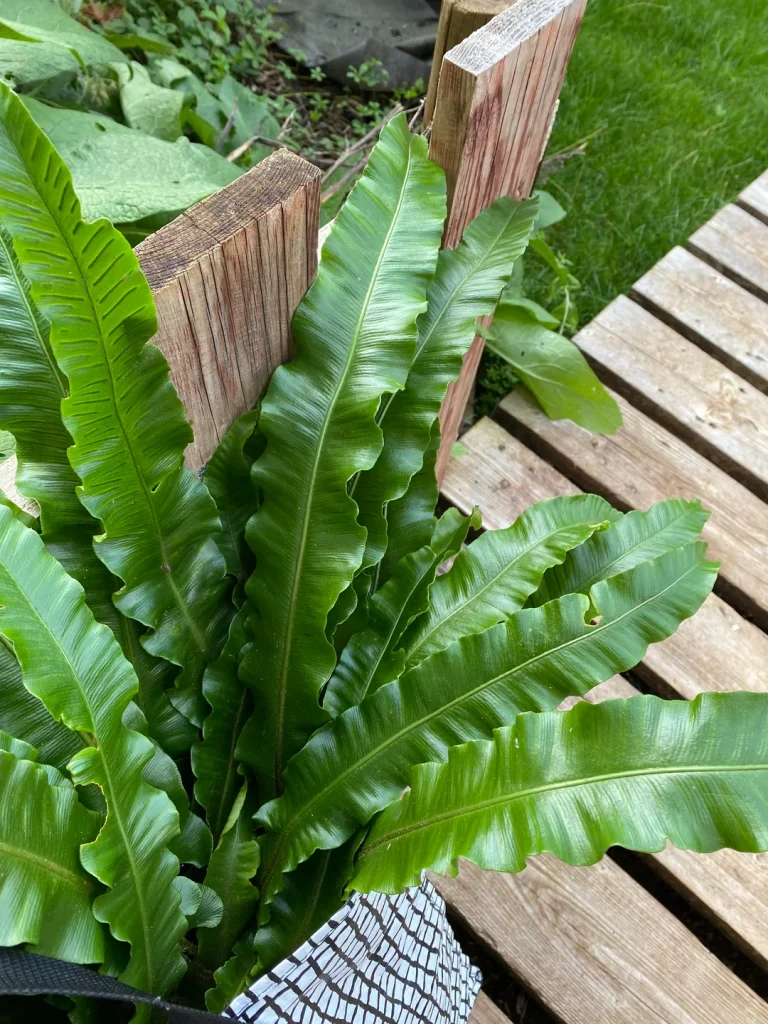
Hearts tongue ferns and Japanese painted ferns are my personal favorites for containers — both stay compact and look stunning without taking over.
If your display feels flat or one-dimensional, adding a fern almost always fixes it instantly.
Also read: How to Use Epsom Salt for Ferns Safely
8. Astilbes
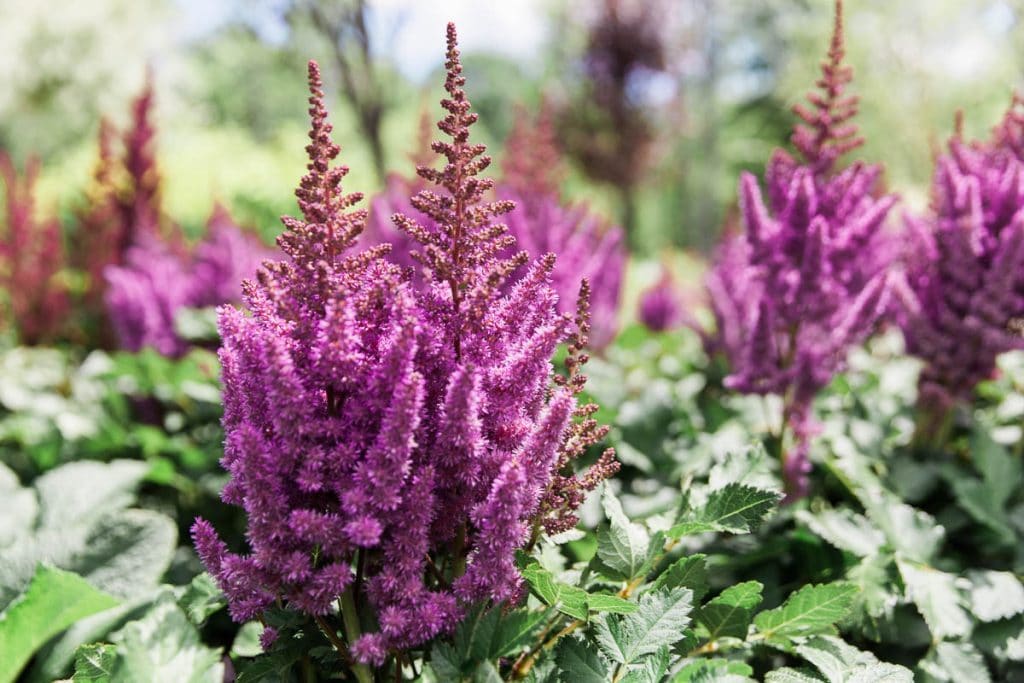
Here’s a plant that genuinely surprises people, astilbes are often overlooked for window boxes, but they absolutely shouldn’t be.
Those feathery, plume-like flowerheads in pink, red, white, and purple add extraordinary height and soft texture that most shade plants simply can’t match.
Gardeners sometimes call them “false goat’s beard,” which is a nickname only a truly unique plant could earn.
They bloom from late spring through summer.
Here’s the part I particularly love: you never need to deadhead them. The spent plumes actually stay attractive on the plant long after flowering.
For a low-maintenance window box that still looks deliberately styled, astilbes are genuinely fantastic.
Moisture is the one thing they’re serious about though, and I’d encourage you to take that seriously too. Astilbes will not tolerate dry soil, so check their compost regularly and water consistently throughout the season.
Get that right, and they’ll reward you with one of the most elegant displays your window box has ever seen.
9. Busy Lizzies
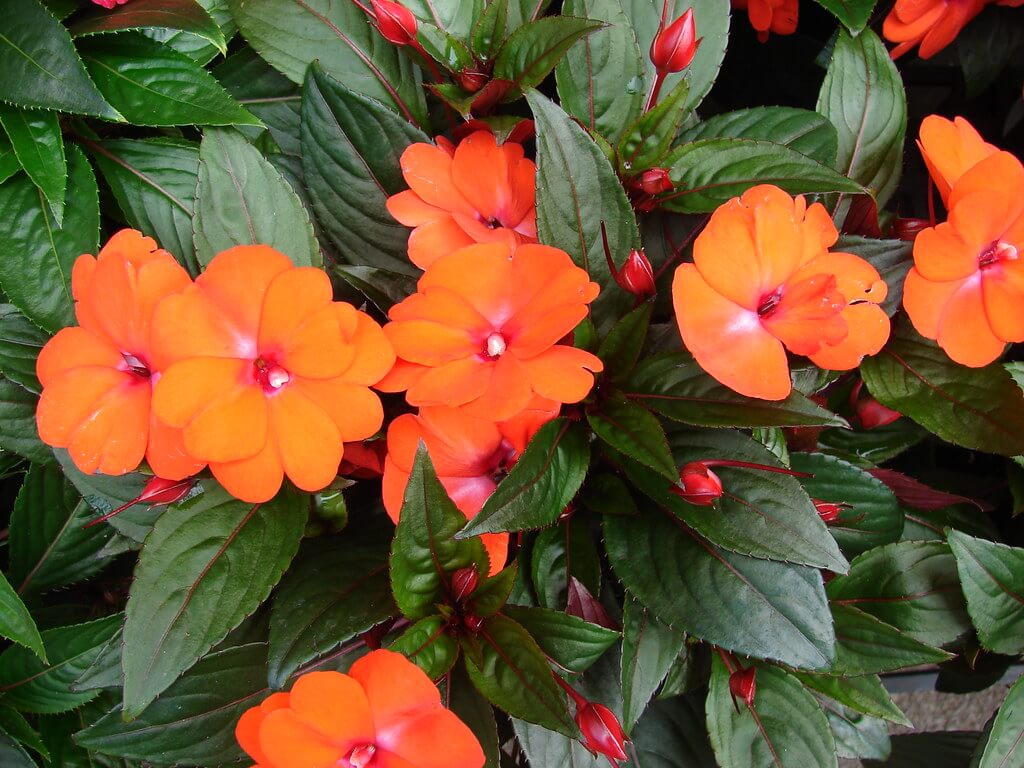
Don’t let the playful name fool you — busy lizzies are serious performers in shaded window boxes.
These cheerful, mounding plants produce masses of blooms in pink, red, white, orange, and purple, and they keep going and going right up until the autumn frosts arrive. Few plants give you that kind of value for money.
One thing I’d flag upfront is that their stems are quite delicate, so positioning matters more than you might think.
Shelter them from strong winds, because those brittle stems snap surprisingly easily in a gust. They’re also frost-tender, so hold off planting until all risk of frost has passed.
10. Ivy
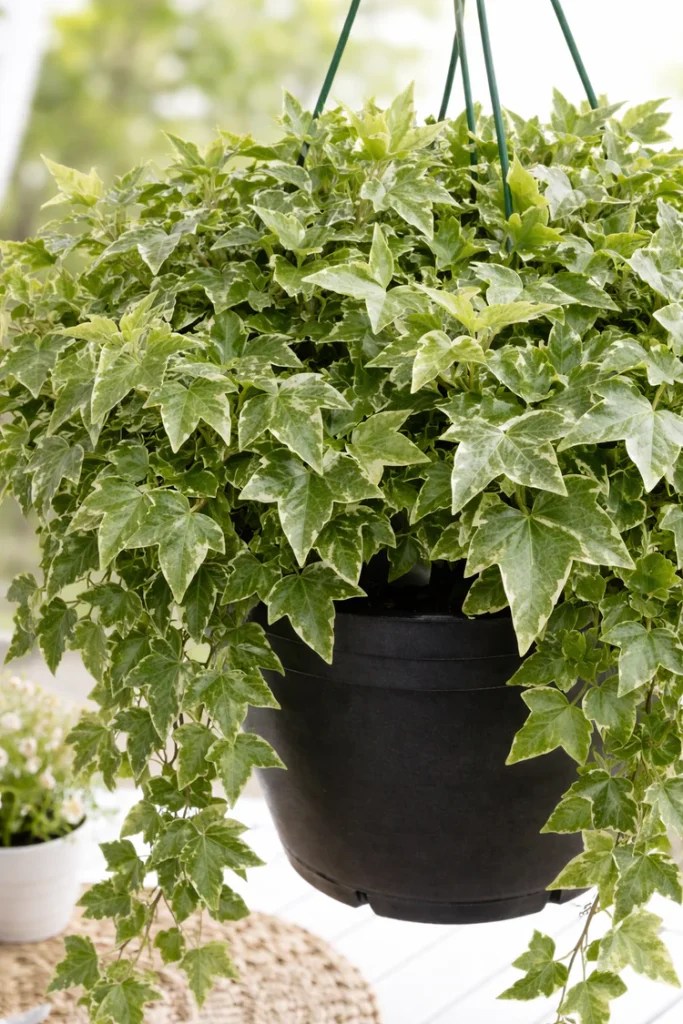
Ivy is the ultimate trailing plant for shady window boxes. Those long stems spill over the edges beautifully, softening the whole display.
Golden English ivy is my personal favourite, those variegated leaves genuinely glow even in deep shade.
It grows in full or partial shade with minimal fuss. You can even train it around a window frame for a dramatic cottage-garden effect. Pair it with fuchsias or busy lizzies and the contrast looks absolutely stunning.
11. Creeping Jenny
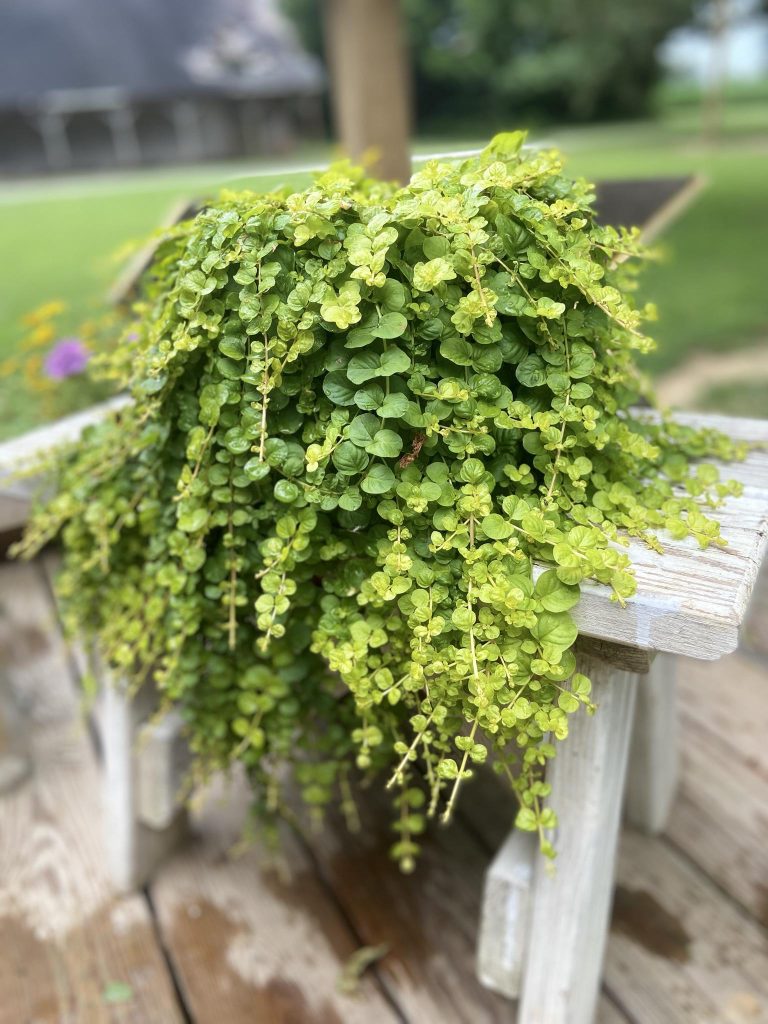
Creeping Jenny is a total game-changer for shaded containers. Those cascading chartreuse-yellow stems trail over the edge in the most satisfying way. Against darker plants like heucheras or coleus, the color contrast is electric.
Partial shade keeps the golden-green colour at its most vibrant. Growth is fast, one small plant fills its space within weeks. Water regularly and it practically looks after itself.
12. Vinca Vine
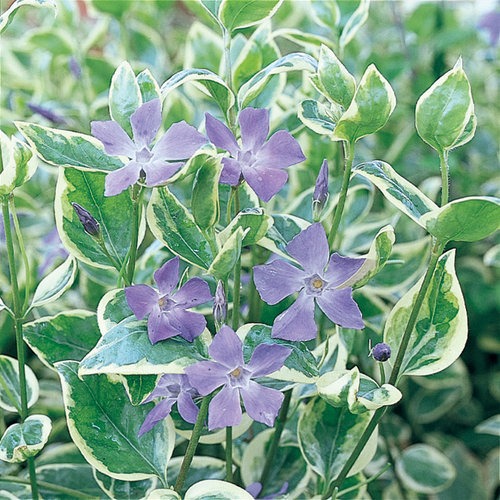
Professional container gardeners swear by vinca vine and for good reason. Those slender, glossy trailing stems work with any planting combination you choose. Unlike wilder trailers, it stays neat and controlled all season.
Shade suits it perfectly. It fills gaps between plants beautifully, stopping displays looking sparse.
Pair it with impatiens and coleus for a combination that looks genuinely professional.
The Secret to a Great Shaded Window Box
Selecting your plants is the fun part — but designing the box itself is where everything comes together. Have some fun with it, try different combinations, but always remember to Plan and Prepare before you Plant.
Plan Your Layout
Consider the width and length of your window box before you put a single plant in. Taller plants like hostas and astilbes belong at the back, with shorter bloomers like impatiens and busy lizzies sitting in front.
Staggering your plants in a zig-zag pattern adds a really natural, full look that I absolutely love.
Each plant comes with a spacing tag — don’t ignore it, because overcrowding is one of the most common window box mistakes I see.
Prepare the Soil
Good drainage is non-negotiable — soggy roots will kill even the toughest shade plants quickly. Always use a high-quality potting mix, and replace your window box soil every single year.
Nutrients deplete faster than most people expect, and fresh compost makes a genuinely noticeable difference to how vigorously your plants grow.
Plant Strategically
Once everything is in place, space your plants appropriately and resist the urge to cram more in.
Water thoroughly straight after planting, then feed with a balanced liquid fertilizer to give your new display the best possible start.
Do those two things consistently and your shaded window box will absolutely flourish all season long.
Final Words
Here’s the mindset shift I want to leave you with — shade isn’t a limitation, it’s an invitation. Fuchsias, astilbes, heucheras, and ferns are genuinely stunning plants that actually want to grow in that spot you’ve been worrying about. Stop seeing shade as the problem.
Pick three or four plants from this list. Mix a thriller, a filler, and a spiller. You might just end up with the best-looking window box on your street — and trust me, that feeling never gets old.