13 Flowers to Plant in Winter for the Earliest Spring Blooms

Here’s something most gardeners don’t realize: spring flowers can start their life in the dead of winter.
While you’re still bundled up inside, certain seeds are out there doing exactly what they need to do in the cold.
I get it if that sounds backwards. But some flowers actually need a cold snap before they’ll sprout well. Skip it, and you might end up with patchy germination or nothing at all.
That’s where winter sowing comes in. You let the cold work for you instead of against you. Below are 13 flowers built for this exact approach, how to start them, and a few mistakes worth dodging.
How Winter Sowing Works
Think of it as a tiny greenhouse you build with trash you’d otherwise toss out.
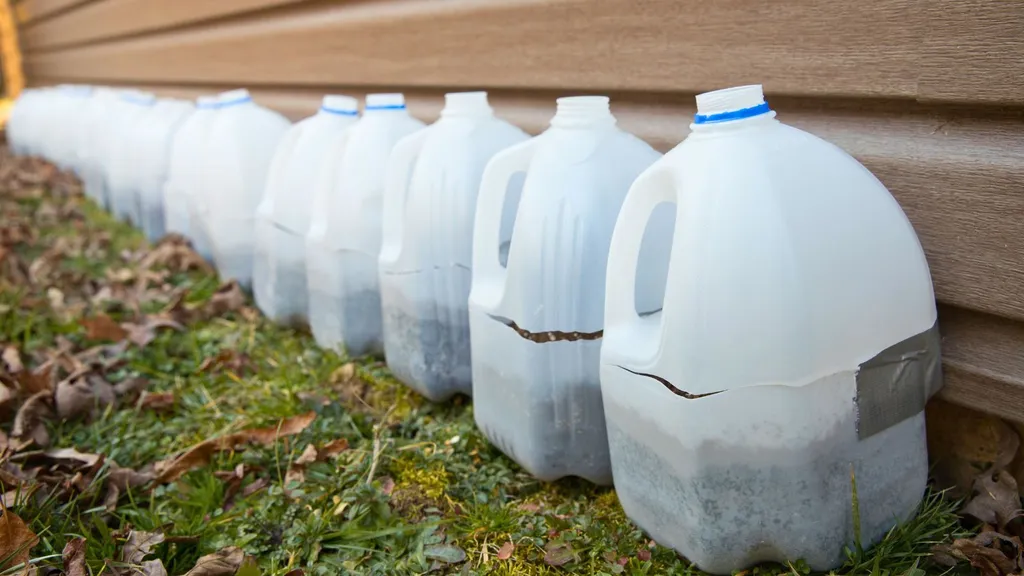
Grab a milk jug. Cut it in half around the middle, but leave a hinge near the handle so it stays connected. Poke a few drainage holes in the bottom. Fill it with two or three inches of potting soil, scatter your seeds, and tape the jug shut. Leave the cap off.
Set it outside somewhere sunny but sheltered from harsh wind, then walk away. That’s really it.
Inside the jug, your seeds go through natural freeze-thaw cycles all winter. Once temperatures climb in spring, they sprout on their own schedule.
You’ll usually spot seedlings by early to mid spring, and they tend to come up sturdier than anything babied along on a windowsill.
One thing to keep in mind: this method suits cold-tolerant annuals, biennials, and perennials.
Heat lovers like tomatoes and basil need a different approach entirely, so save those for later in the season.
Also read: 12 Fall-Planted Perennial Bulbs That Reward You With Months of Spring Color
Common Winter Sowing Mistakes to Avoid
A handful of small slip-ups can throw off the whole process.
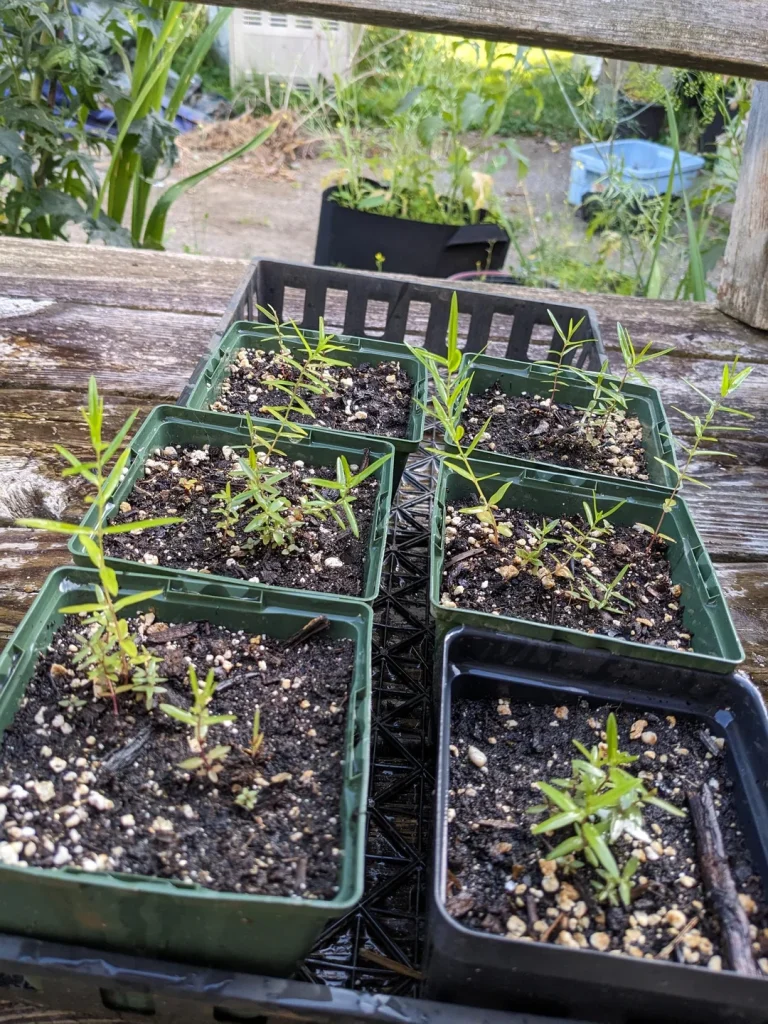
- Waiting too long to sow. Some of these seeds need real, sustained cold to break dormancy. Sow them in spring instead, and you’ve already missed the window that makes this method work.
- No drainage holes. Skip this step, and melting snow just pools at the bottom. Root rot follows fast.
- Opaque containers. Your seedlings need light once they sprout. A container that blocks it out leaves you with pale, weak, leggy growth.
- A fully sealed jug. On a sunny day, that trapped heat can cook young seedlings before you even notice. Keep the cap off, or cut a small vent near the top.
- Burying the seeds too deep. Poppies, snapdragons, and a few others on this list actually need light to germinate. Press them onto the soil surface instead of tucking them underneath.
Read more: 12 Frost-Tolerant Flowers That Keep Blooming Long After Your First Fall Frost
13 Winter-Sown Flowers That Bloom Weeks Before Everyone Else’s Garden
1. Larkspur
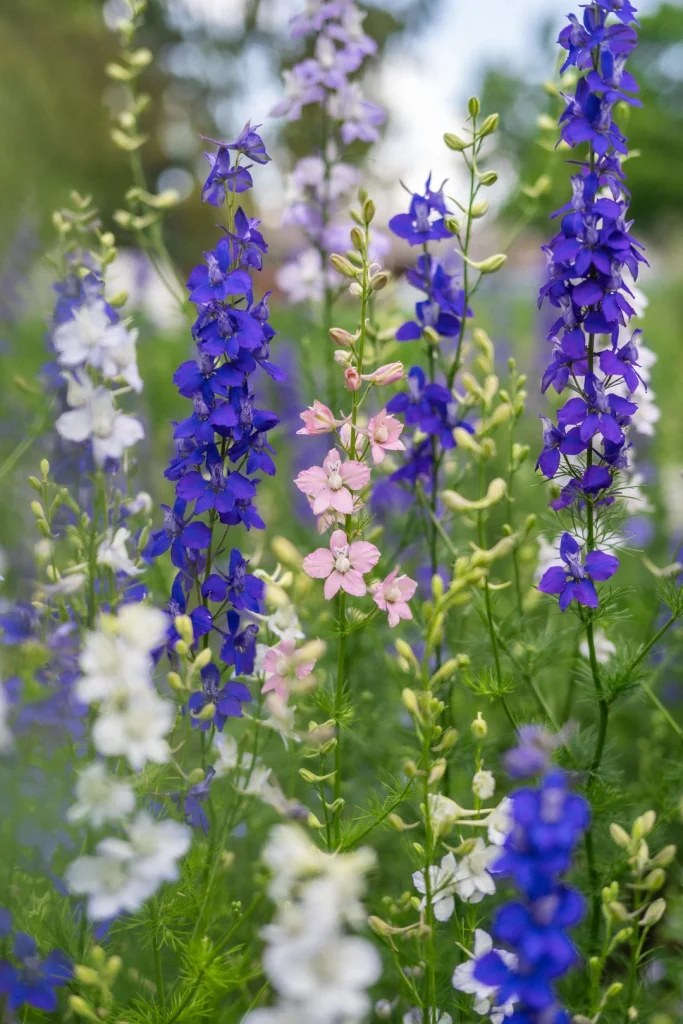
Picture tall spikes of blue, purple, pink, and white swaying above an otherwise sleepy early-spring bed. That’s larkspur.
You genuinely need cold to get good results with this one. Sow it in warm soil, and germination tends to be weak and uneven.
It’s almost like the seed is waiting for winter to give it permission to grow.
I like larkspur for another reason too: it reseeds itself readily. Sow it once, and you’ll likely see it return on its own for years.
Best sown: Outdoors in winter sowing containers, mid to late winter
Bloom time: Late spring to early summer
Hardiness zone: 2-11 (grown as an annual)
2. Iceland Poppy
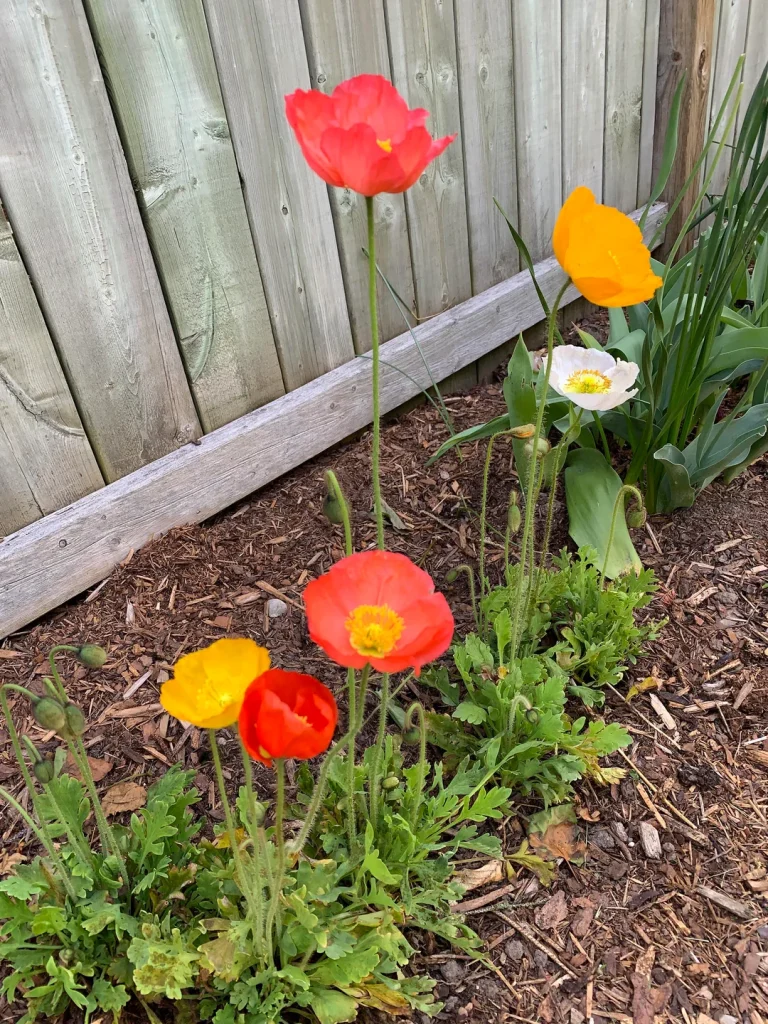
If you want blooms that practically glow, plant Iceland poppy. The petals have this crinkled, crepe-paper texture that catches morning light beautifully.
Here’s the catch: don’t bury these seeds. They’re tiny, and they need light to germinate. Just press them gently onto the soil surface and let winter take it from there.
You’ll also want to transplant any seedlings while they’re still small. Iceland poppy hates having its roots disturbed, so the sooner you move it, the better it settles in.
Best sown: Outdoors in winter sowing containers, or directly on snow in late winter
Bloom time: Early to mid spring
Hardiness zone: 2-8
3. Foxglove
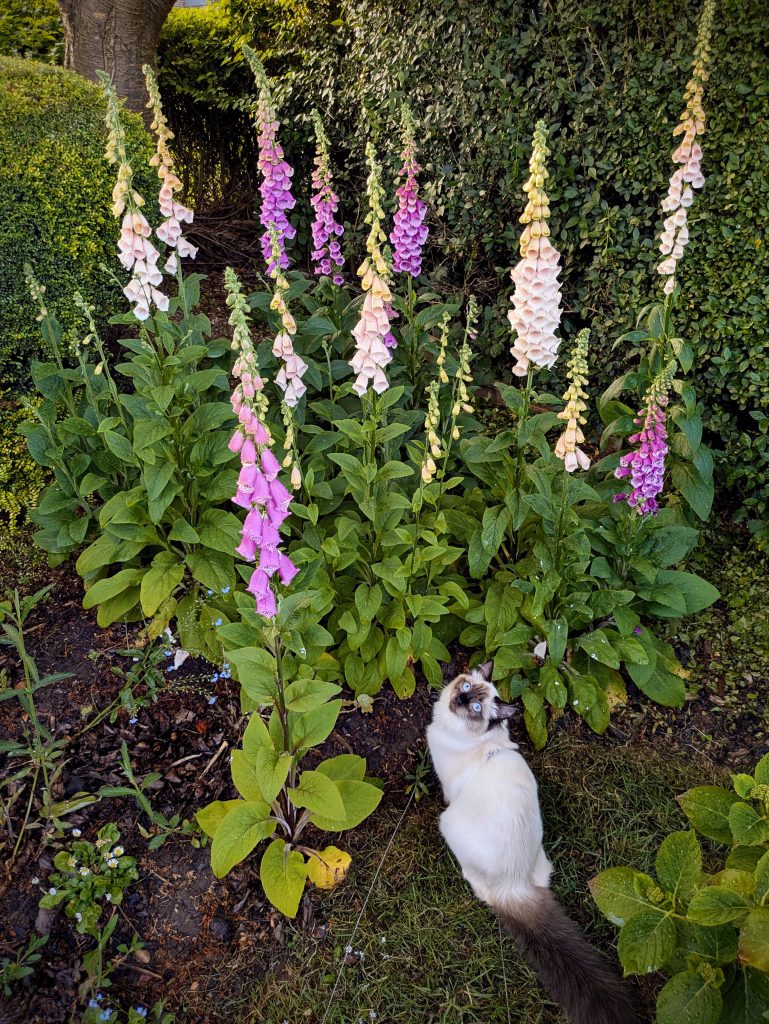
Foxglove has that classic cottage-garden look. Tall spires, dozens of bell-shaped blooms stacked up the stem, the whole effect.
It’s technically a biennial, so it spends its first year growing leaves and saves the flowers for year two.
Some newer varieties skip ahead and bloom the first year if you start them early enough, which makes winter sowing a smart move either way.
One note before you plant it: foxglove is toxic if eaten, every part of it. Gorgeous in a border, but maybe not right next to the spot where your dog likes to nose around.
Best sown: Outdoors in winter sowing containers, mid winter
Bloom time: Early summer (second year for true biennials)
Hardiness zone: 4-9
4. Delphinium
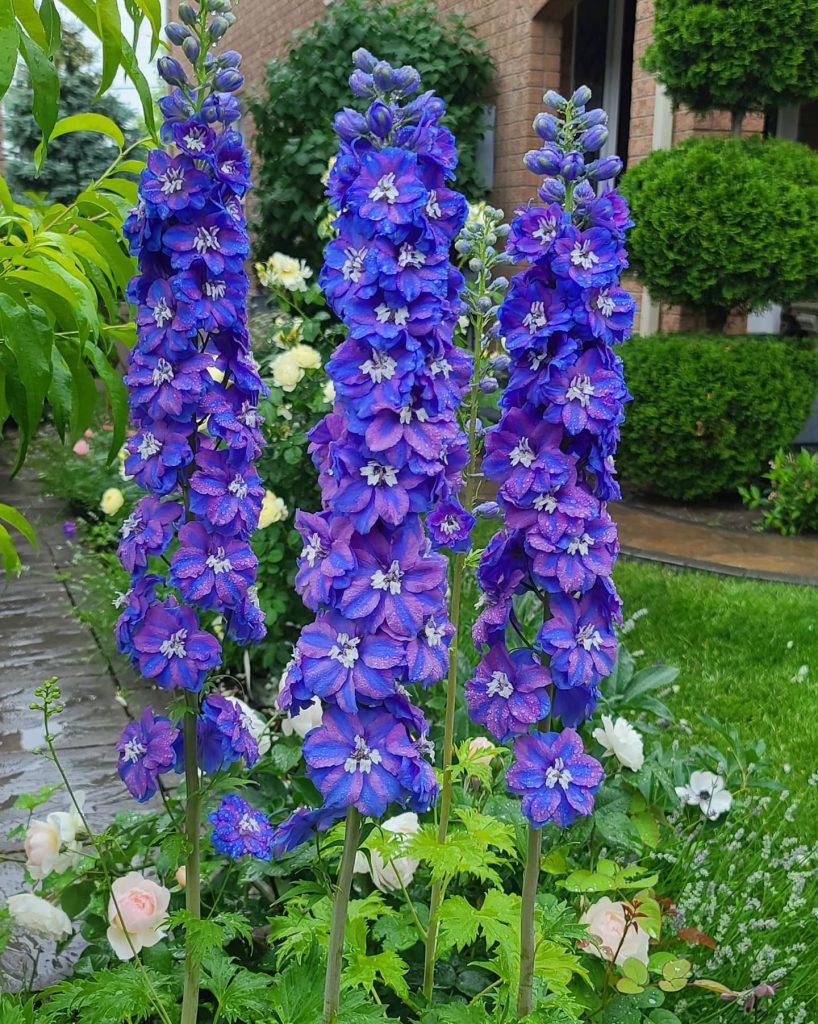
Delphinium is larkspur’s bigger, bolder relative. Some varieties climb past five feet, topped with dense spikes in blues and purples you won’t find much elsewhere in a spring garden.
Cold, moist stratification helps this one germinate far more reliably, and winter sowing delivers exactly that.
Plants started this way tend to come up sturdier than seedlings raised indoors under a grow light.
A word of caution if you live somewhere with hot summers: delphinium prefers things mild. It performs best where spring stays cool and doesn’t rush straight into heat.
Best sown: Outdoors in winter sowing containers, mid to late winter
Bloom time: Late spring to early summer
Hardiness zone: 3-7
5. Lupine
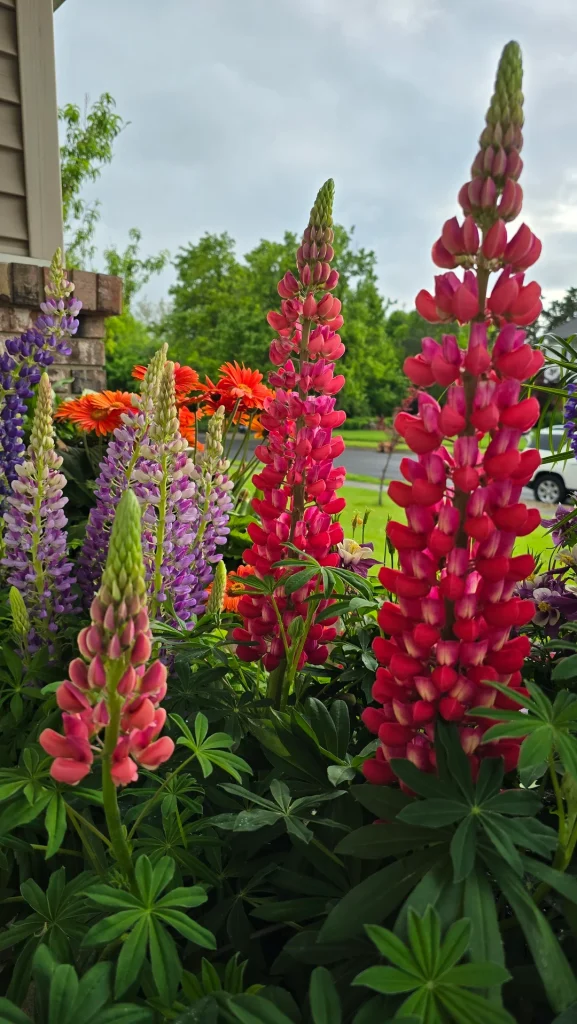
Lupine stops people in their tracks. The pea-like flower spikes come in nearly every color, and the fan-shaped leaves look good even before a single bloom opens.
These seeds have a tough outer coat. Some gardeners nick or soak them by hand to help water get through, but honestly, the freeze-thaw cycle inside a winter sowing jug usually handles that job for you.
Here’s a nice bonus: lupine pulls nitrogen from the air and feeds it into the soil. Whatever you plant nearby later on gets to benefit from that.
Best sown: Outdoors in winter sowing containers, mid winter
Bloom time: Late spring to early summer
Hardiness zone: 4-8
6. Bachelor’s Button
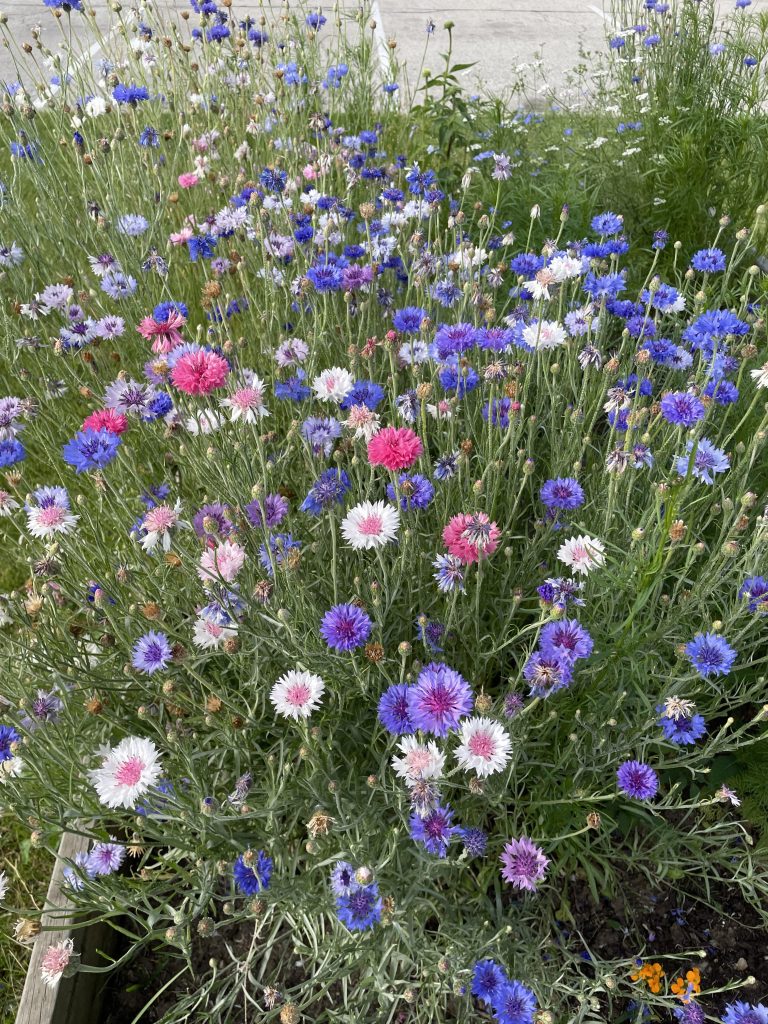
You probably know this one by its nickname: cornflower. That vivid, almost electric blue is hard to mistake for anything else.
It’s an easygoing plant, honestly. Bachelor’s button doesn’t demand rich soil or constant attention, and it tends to show up in pollinator mixes for good reason. Bees love it.
Cut a few stems for a vase, and they’ll hold their color for days. I’d plant a patch just for that alone.
Best sown: Outdoors in winter sowing containers, or directly in soil once it can be worked
Bloom time: Late spring through summer
Hardiness zone: 2-11 (grown as an annual)
7. Snapdragon
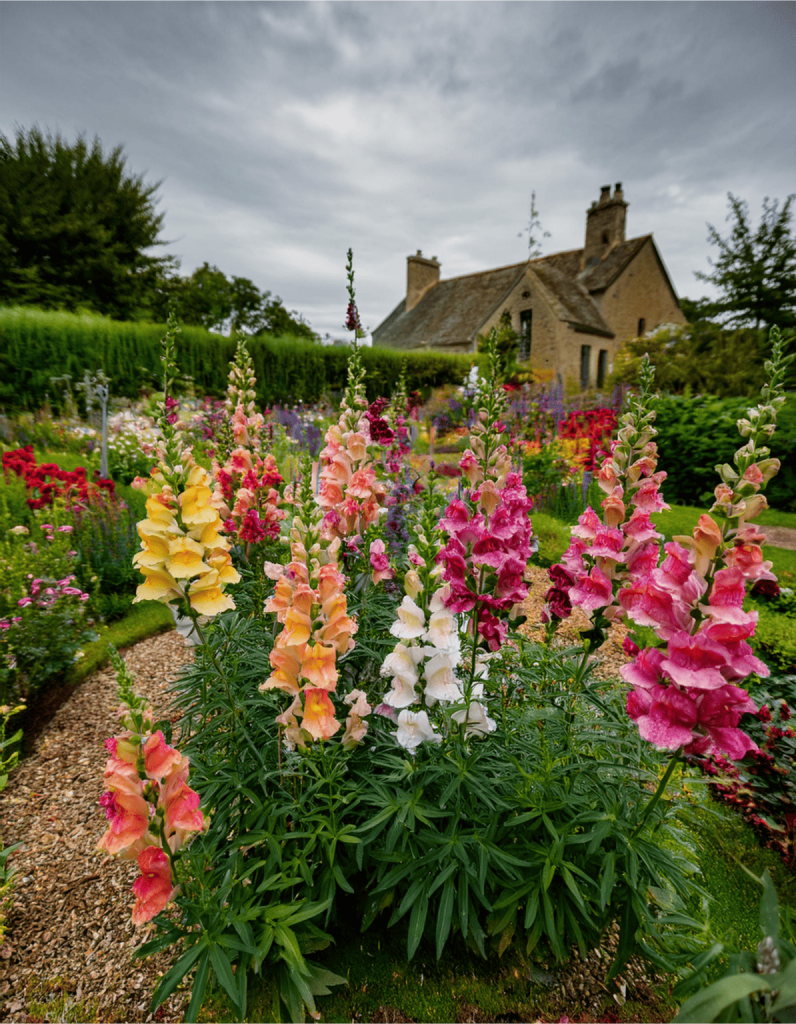
Snapdragons have a party trick. Squeeze the sides of the bloom, and it opens up like a little dragon’s mouth. Kids love this. I still do it myself sometimes, and I’m not ashamed to admit it.
Beyond the novelty, they’re genuinely tough. Snapdragons handle cold surprisingly well, which makes them a natural fit for winter sowing. You’ll get sturdier stems this way than from seeds coddled indoors.
They also make excellent cut flowers, lasting well over a week in a vase if you catch them at the right stage.
Best sown: Outdoors in winter sowing containers, mid to late winter
Bloom time: Spring through early summer
Hardiness zone: 5-9 (perennial in warmer zones, annual elsewhere)
8. Sweet Pea
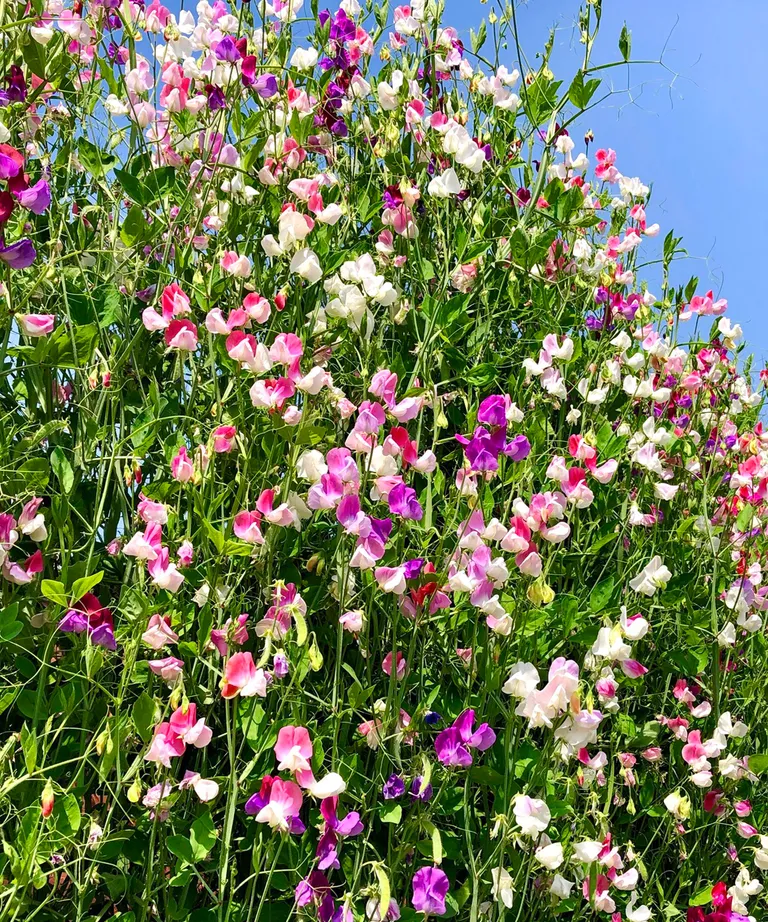
There’s a reason gardeners get a little obsessed with sweet peas. The scent alone is worth growing them for, something between honey and citrus, and it fills a garden fast once the vines take off.
Soak the seeds overnight before sowing. It softens that hard seed coat and speeds things along. After that, winter sowing gives them the cool start they actually prefer.
One thing sweet peas need that some of these other flowers don’t: support. Give them a trellis or fence to climb, or they’ll sprawl into a tangled mess.
Best sown: Outdoors in winter sowing containers, late winter
Bloom time: Late spring to early summer
Hardiness zone: 2-11 (grown as a cool-season annual)
9. Calendula
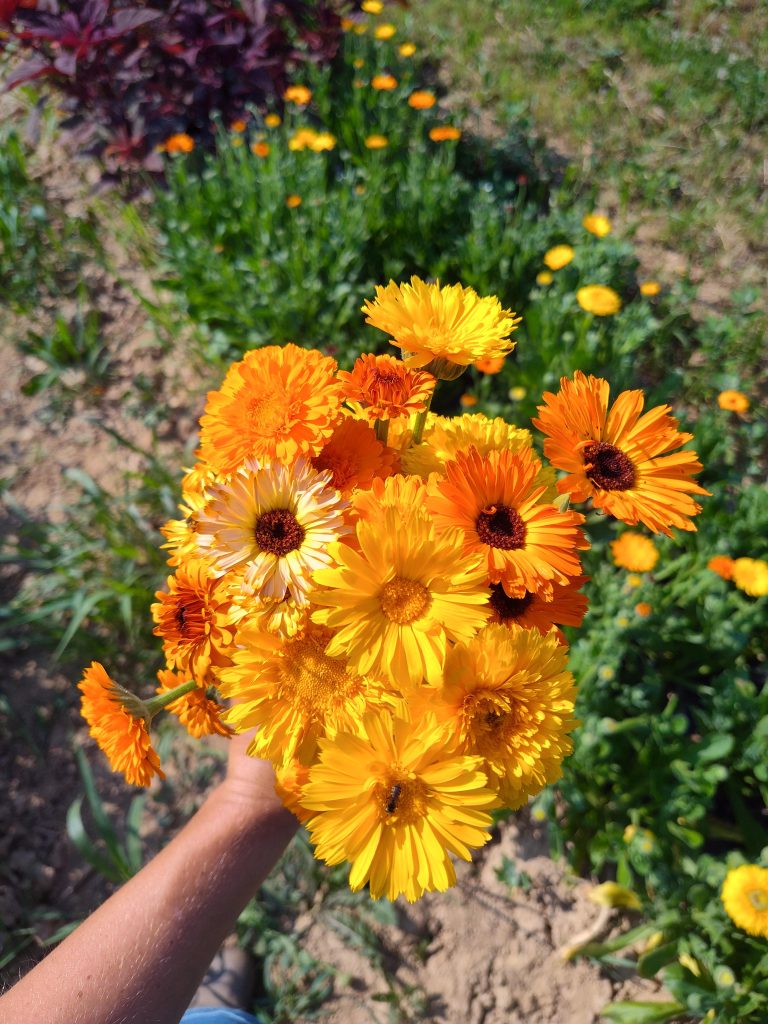
Calendula is the flower for anyone who wants results without much fuss. It’s not fussy about soil, it tolerates a light frost without flinching, and it just keeps blooming.
Beyond looking good, calendula actually does something. People use the petals in salves, teas, and homemade skincare.
That’s a nice bonus if you’re into that sort of thing, and even if you’re not, the orange and yellow blooms are worth growing on their own.
Deadhead it regularly, and you’ll keep new flowers coming for months instead of just a few weeks.
Best sown: Outdoors in winter sowing containers, or direct-sown in early spring
Bloom time: Spring through fall
Hardiness zone: 2-11 (grown as an annual)
10. Black-Eyed Susan
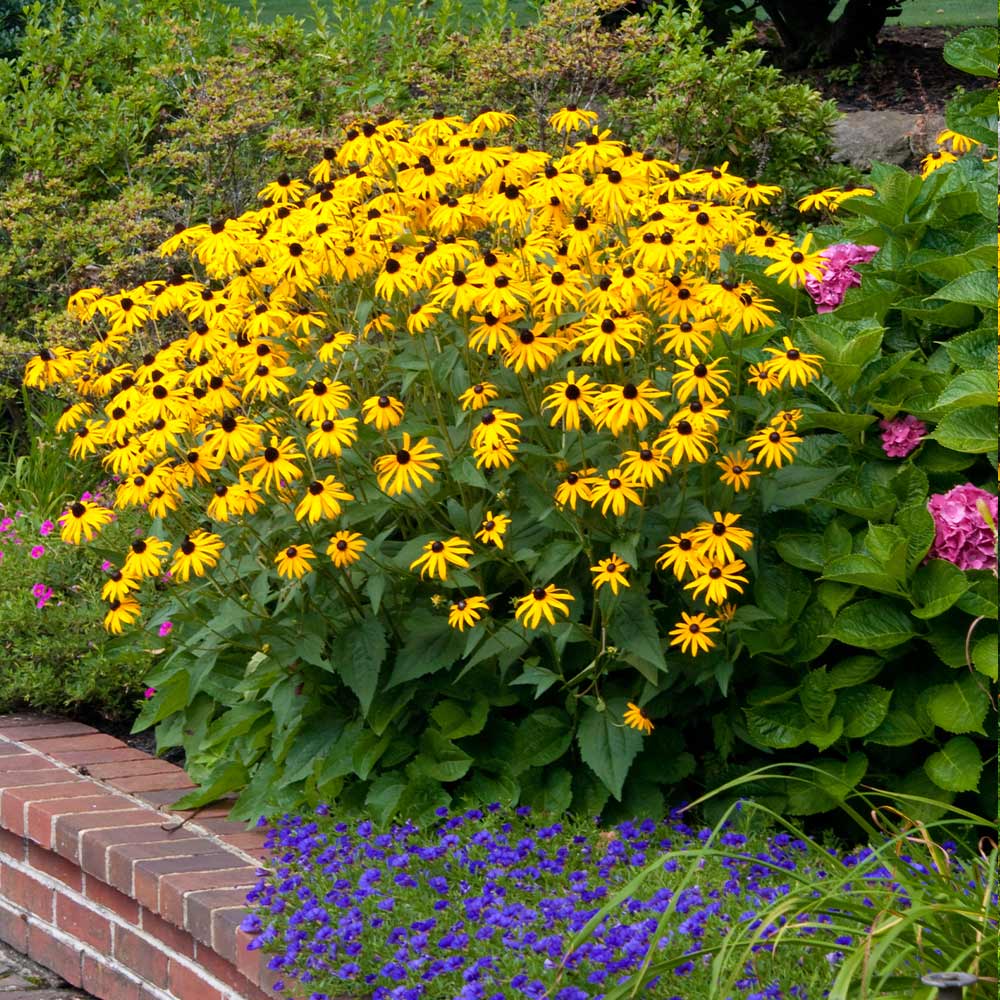
Black-eyed Susan brings that classic, sunny prairie look. Golden petals, a dark chocolate-brown center, the kind of flower that photographs well no matter what you do.
Cold stratification helps these seeds germinate more evenly, so winter sowing is a solid match.
Once established, the plants handle drought and neglect better than most flowers on this list.
Plant a cluster of these, and you’ll likely see butterflies show up before the season’s even in full swing.
Best sown: Outdoors in winter sowing containers, mid to late winter
Bloom time: Summer through early fall
Hardiness zone: 3-9
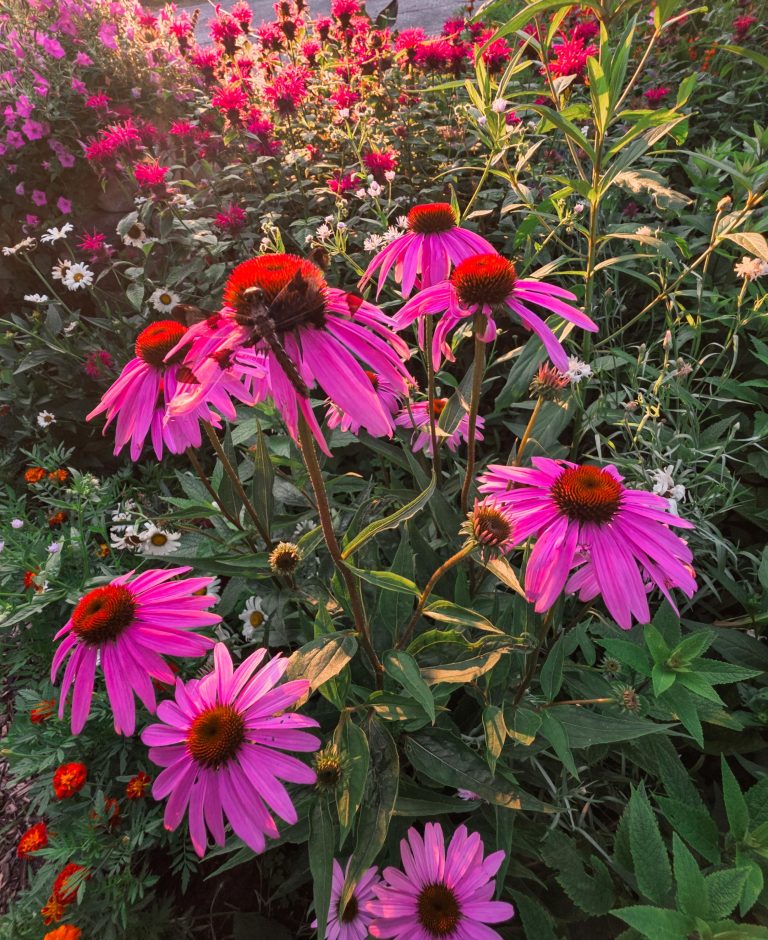
11. Coneflower
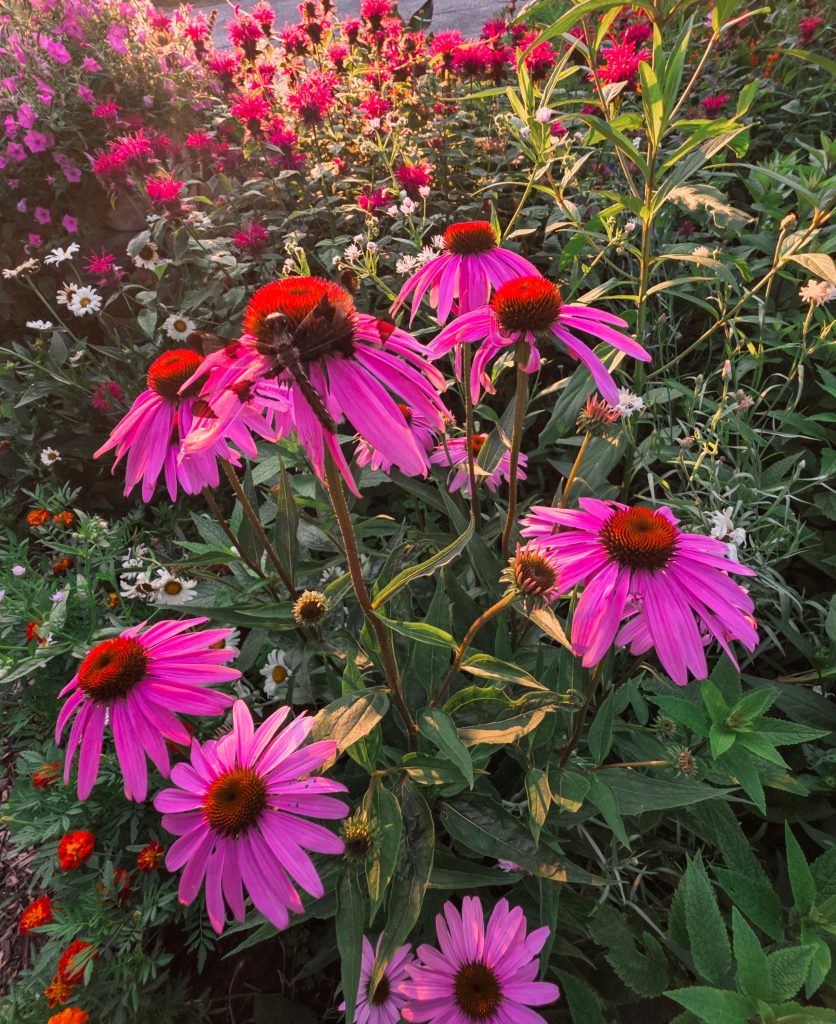
Coneflower, or echinacea if you want to get technical, is one of those plants that just refuses to quit. Drought, poor soil, a little neglect, none of it seems to bother it much.
Cold is actually what this one wants before it’ll germinate well. Skip that step, and you’ll likely see weak, spotty sprouting. Winter sowing solves that problem without you having to think about it twice.
I’d plant this if you’re after a garden that basically takes care of itself once it’s established. It comes back reliably year after year, and pollinators treat it like a buffet.
Best sown: Outdoors in winter sowing containers, mid winter
Bloom time: Summer through early fall
Hardiness zone: 3-9
12. Columbine
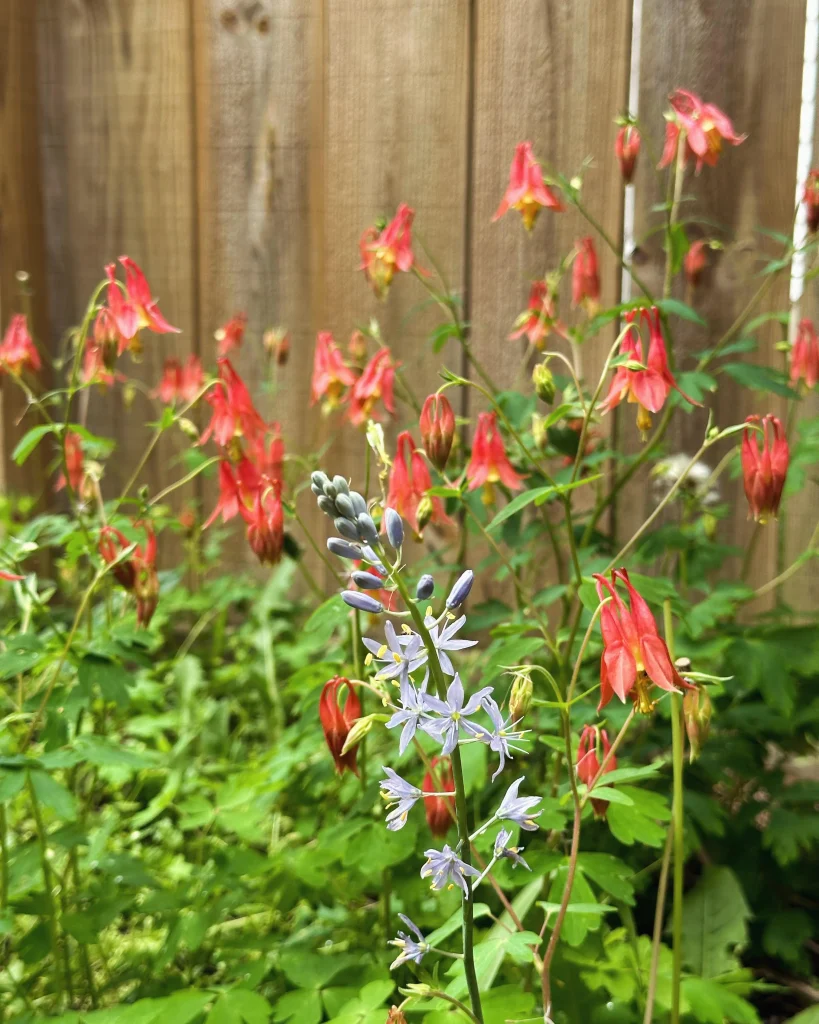
Columbine has this delicate, almost otherworldly shape. The spurred petals look like little lanterns, and they nod gently whenever there’s a breeze.
It thrives in the kind of dappled shade that stumps a lot of other flowering plants. If you’ve got a spot under a tree where nothing else seems to bloom, this might be your answer.
The seeds need a cold period to break dormancy, so don’t rush this one. Let winter do its job, and you’ll see seedlings pop up right on schedule come spring.
Best sown: Outdoors in winter sowing containers, mid winter
Bloom time: Mid to late spring
Hardiness zone: 3-8
13. Hollyhock
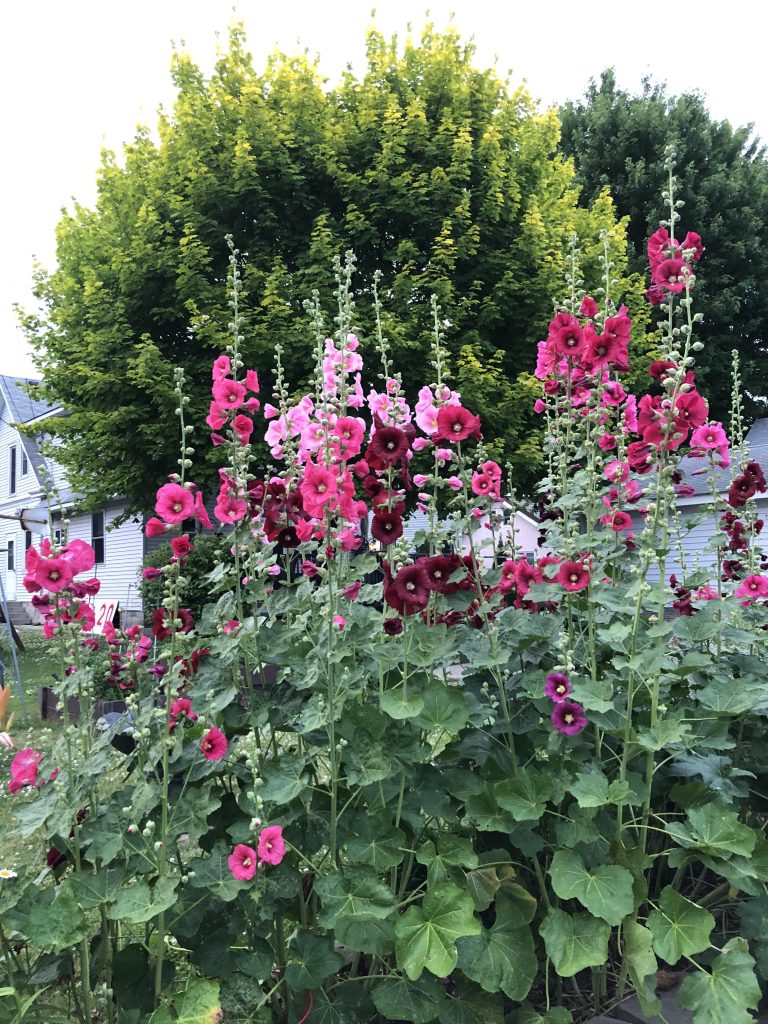
Hollyhock is the flower everyone pictures when they think of an old-fashioned cottage garden. Tall stalks, ruffled blooms stacked from bottom to top, sometimes reaching six feet or taller.
Like foxglove, it’s a biennial. Year one is all foliage, year two brings the show.
Starting it through winter sowing gives it the long runway it needs to hit that second-year bloom on schedule.
Plant it against a fence or the side of a house. It genuinely looks like it belongs there, and the height gives it a little support too.
Best sown: Outdoors in winter sowing containers, mid winter
Bloom time: Summer (second year)
Hardiness zone: 3-9
FAQ’s
Do I need snow on the ground to winter sow?
No. Snow isn’t required, just consistent cold. Even a mild winter with regular frosts is enough to trigger the stratification these seeds need.
What zones does winter sowing work best in?
It works well in zones 3 through 7, where winters stay reliably cold for a few months. Warmer zones can still use it, but the cold period may be shorter, so germination timing will vary.
Are winter-sown seedlings really stronger than ones started indoors?
Generally, yes. They grow used to outdoor swings in temperature and light from day one, so you skip the hardening-off process entirely. Fewer seedlings die from transplant shock.
What if I missed the winter sowing window?
You can still sow most of these directly into the garden once the soil can be worked in early spring. Germination just won’t be quite as strong as with a proper cold period.
Can I use containers other than milk jugs?
Sure. Any clear or translucent container with a lid works, think two-liter bottles, plastic totes, or even large yogurt tubs. Just make sure it has drainage holes and some way to vent excess heat.
Final Thoughts
Winter sowing takes a little faith the first time you try it. You’re basically leaving seeds outside in the cold and trusting nature to handle the rest.
But once you see those first seedlings poke through in spring, sturdier and earlier than anything you’d have started indoors, you’ll probably be hooked.
Grab a few milk jugs, pick two or three flowers from this list, and give it a shot this winter.