
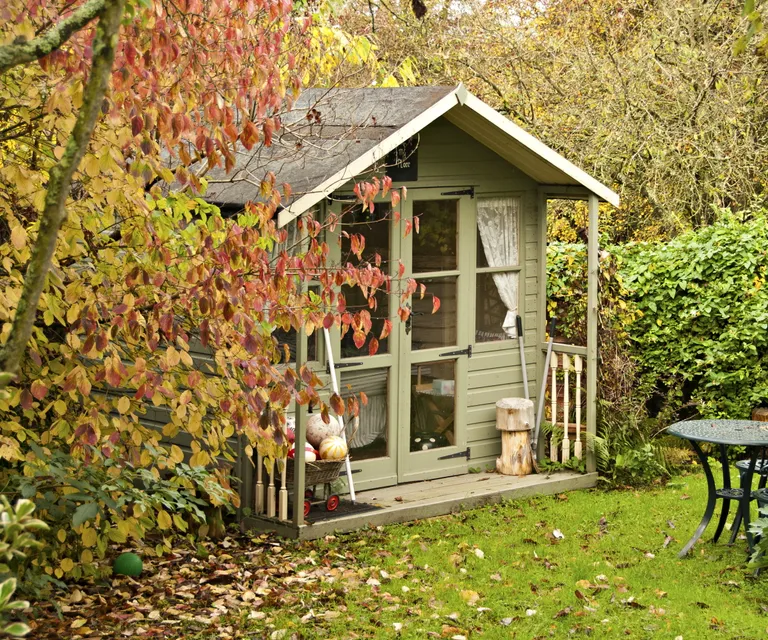
Fall Garden Care: 12 Tasks That Actually Set You Up for Spring

Fall doesn’t mean your garden clocks out for the year. It just means it wants something different from you.
I think of it as the quiet season, where the work you put in now barely shows, but you feel it every time you walk outside next April.
Bulbs go in. Some beds get tidied. Others get left alone on purpose.
This checklist covers what actually moves the needle, in an order that fits an ordinary weekend. No busywork, just the stuff that pays off later.
Tidy vs. Wildlife-Friendly: Finding the Balance
Here’s something most fall checklists won’t tell you: cutting everything down and bagging every leaf isn’t the flex you think it is.
Native bees, butterflies, and plenty of other helpful insects spend the winter hiding inside hollow stems and buried under fallen leaves. Strip your garden bare in October, and you’ve just evicted them.
The Xerces Society and several university extension programs now say the opposite of what you’d expect: leave some mess. Clean it up gradually once spring temperatures settle above 50°F.
You don’t have to pick a side here. A tidy yard and a wildlife-friendly one can absolutely coexist. We’ll flag exactly where to cut and where to hold back as we go.
Common Fall Garden Mistakes
A few habits quietly undo all your fall effort.
- Cutting perennials back too soon. Your plants are still sending energy down into their roots after the blooms fade. Cut too early, and you’re robbing next year’s growth before it starts.
- Bagging every leaf you see. Whole leaves are free mulch and free winter shelter. Toss them all, and you’ll just be buying mulch back in April.
- Mulching every inch of bare soil. Ground-nesting bees need patches of exposed dirt to burrow into. They make up most native bee species, so leave a little dirt uncovered.
- Pruning shrubs too late in the season. New growth triggered by a late trim won’t have time to harden off, and frost will take it out.
12 Fall Garden Care Tasks That Save You Hours of Spring Cleanup
1. Walk Your Garden Before You Touch a Single Tool
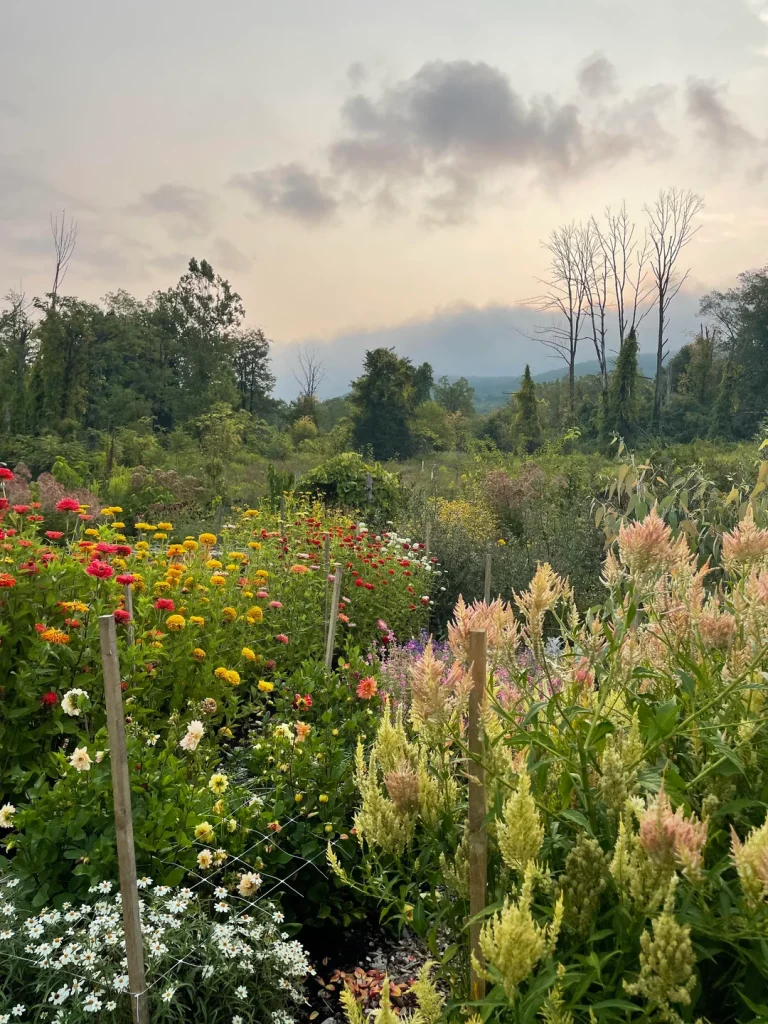
Grab your phone or a notebook and just wander your yard for ten minutes. What thrived this year? What looked sad by August? Where’s that one bare patch that’s bugged you since June?
You’ll forget half of this by spring, trust me. So write it down now, while it’s fresh.
Value tip: Snap a few photos of the thin or empty spots. Come spring plant sale season, that photo roll becomes your shopping list.
2. Pull Spent Vegetable Plants and Diseased Annuals
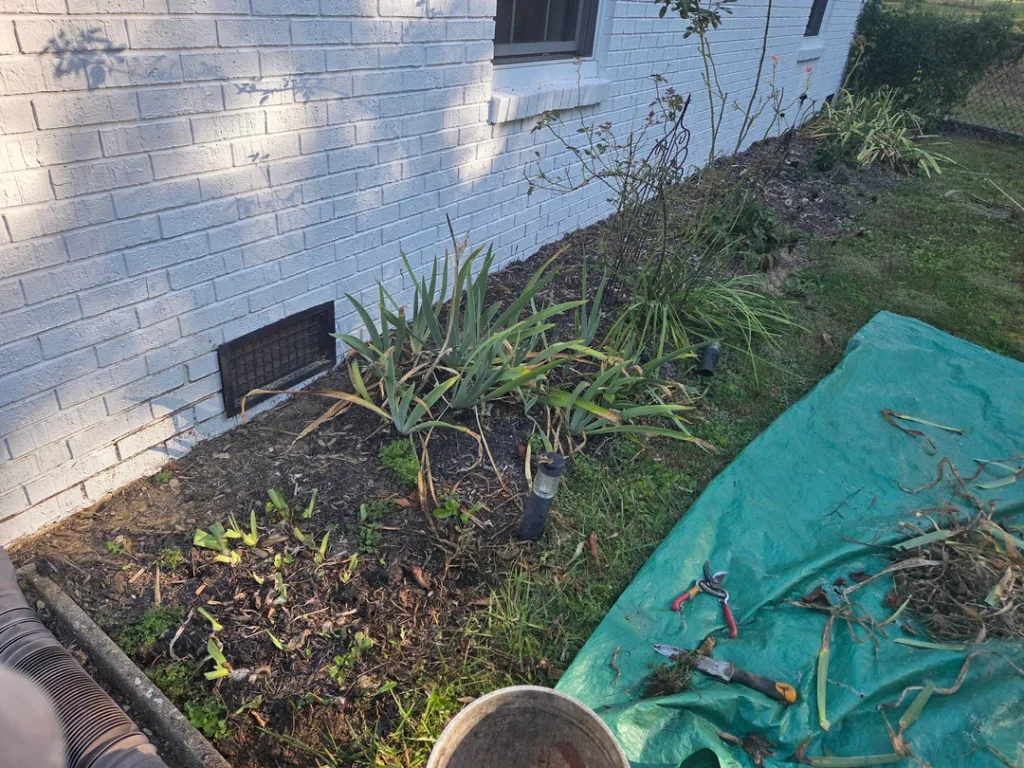
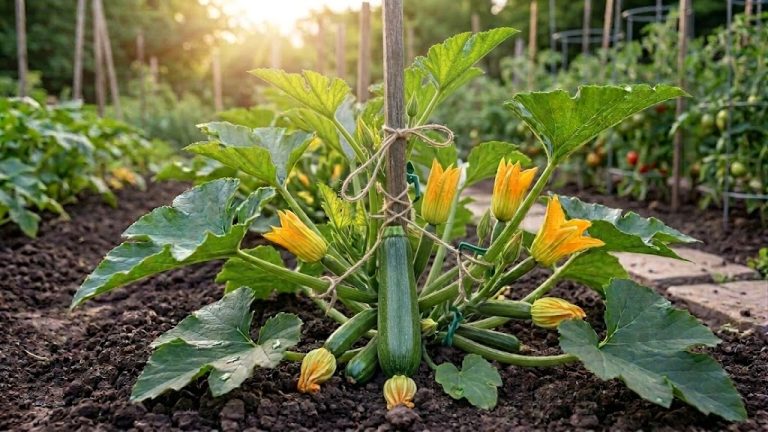
Once your tomatoes and squash are done producing, get them out of the ground. Don’t let them linger.
Squash bugs, cucumber beetles, cutworms, and a handful of other garden pests spend winter hiding in leftover plant debris. Leave the debris, and you’re basically rolling out a welcome mat for next year’s infestation.
Healthy plants can go straight into your compost pile. Anything diseased needs to skip the compost entirely. Bag it up and put it in the trash instead.
Value tip: This is a different rule than the “leave some stems” advice coming up in item five. Vegetable debris carries pests and disease. Perennial flower stems usually don’t.
3. Divide Perennials That Have Outgrown Their Spot
Fall soil is a strange little sweet spot. It’s still warm from summer, but the air above it has cooled off. Roots love that combination.
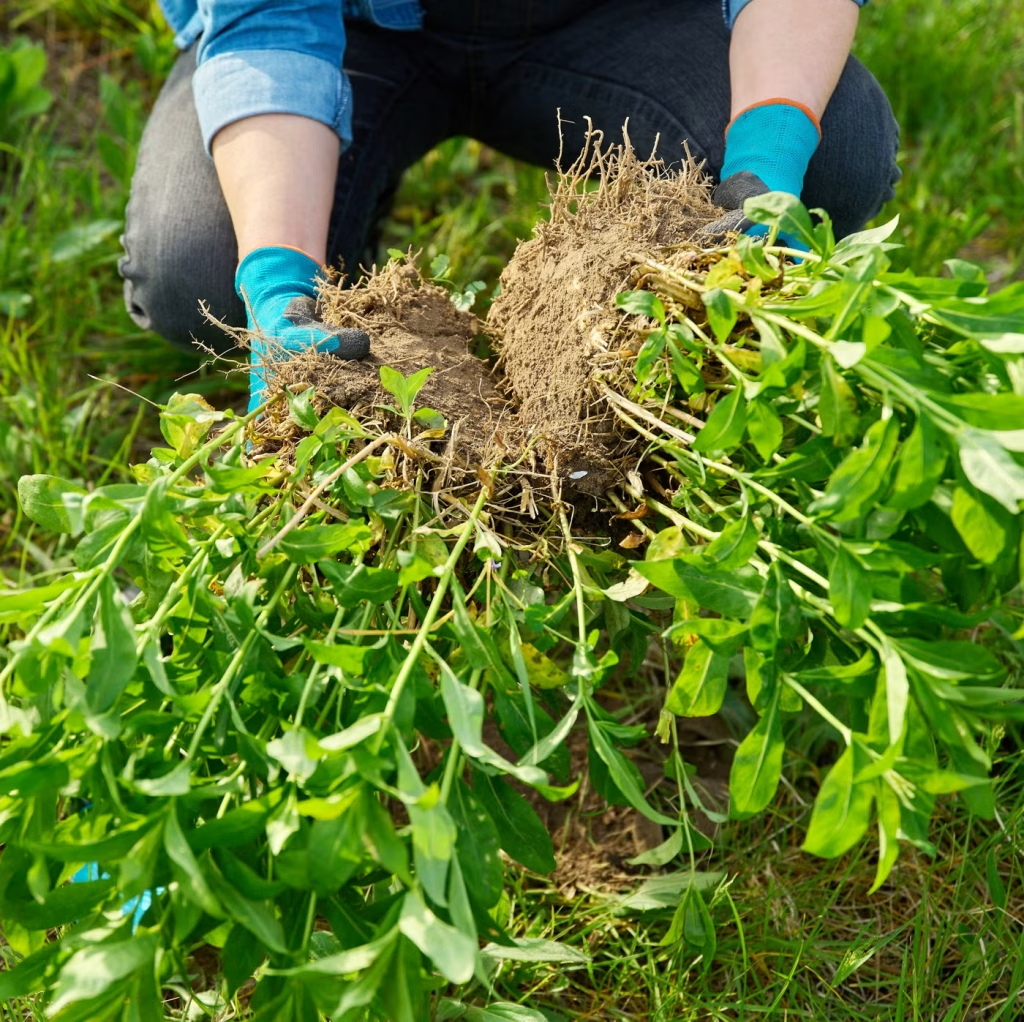
If your hostas, daylilies, or coneflowers have turned into one giant crowded mass, now’s your chance to split them.
Dig up the whole clump, pull or cut it into sections, and replant those pieces wherever you want more color. Give the new transplants about six weeks before a hard freeze shows up.
Value tip: Water divided perennials right after replanting. Keep the soil lightly moist until the ground actually freezes.
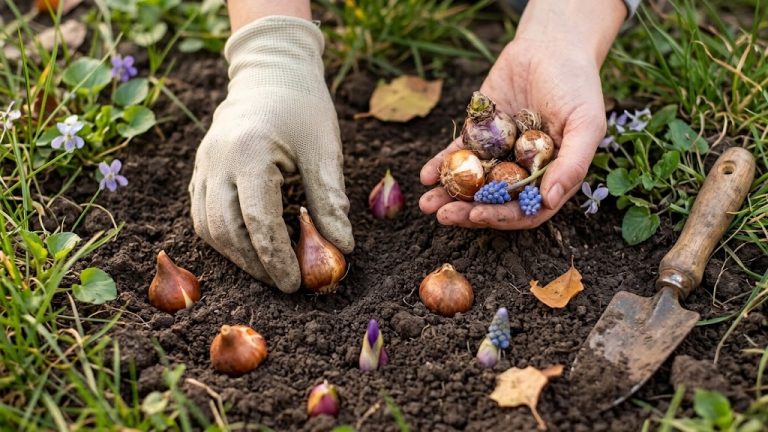
4. Get Your Spring Bulbs in the Ground
Tulips, daffodils, and crocuses all need a cold stretch before they’ll bloom, which is exactly why fall is bulb-planting season. Wait until nighttime temperatures settle into the 40s, then get planting.
A good rule of thumb: bury each bulb two to three times as deep as the bulb itself, pointed end facing up. Clusters look so much better than straight little rows.
If squirrels or voles treat your flower beds like a snack bar, lay chicken wire over the planting area to keep them out.
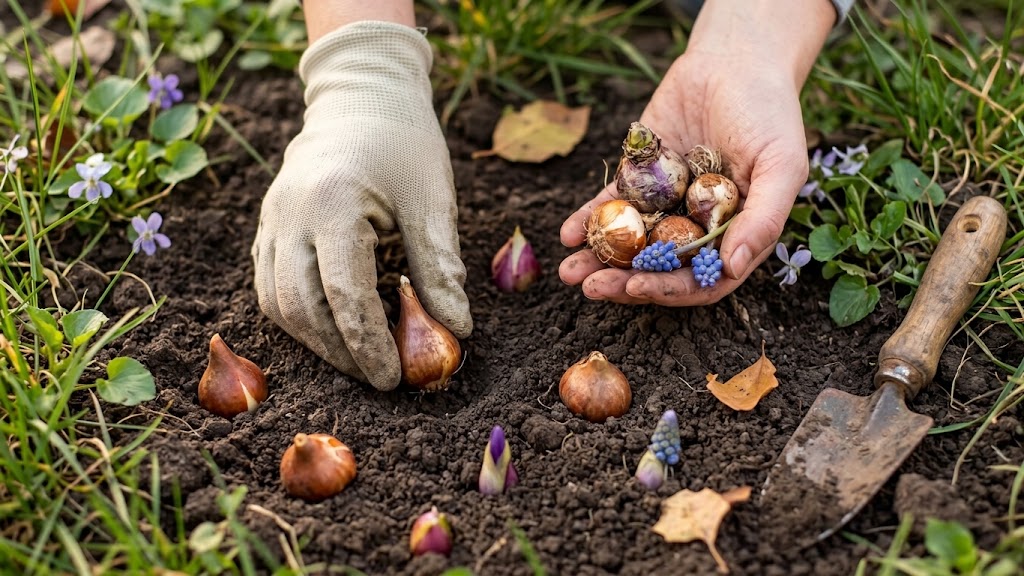
Value tip: Growing garlic too? Get your cloves into the ground sometime between mid-October and early November for a summer harvest.
5. Cut Back the Perennials That Need It, Skip the Ones That Don’t
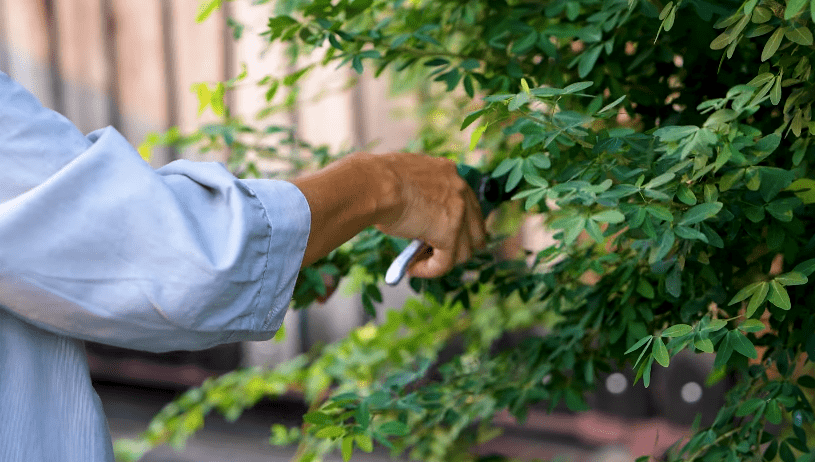
Here’s a fall myth worth busting: not every perennial needs a fall haircut. Only cut back the ones that struggled with disease or pests this year, or the ones that have gone completely limp and mushy.
Everything else? Let it be. Coneflowers, ornamental grasses, sedum, and other sturdy seed-head plants feed birds and shelter insects all winter. Cutting them down now just clears out a free buffet and a free hotel.
Value tip: If you do need to cut something back, don’t scalp it to the ground. Leave 12 to 15 inches of stem standing. Native bees will tuck themselves right inside that leftover stubble.
6. Rake Some Leaves, Leave Others Right Where They Fall
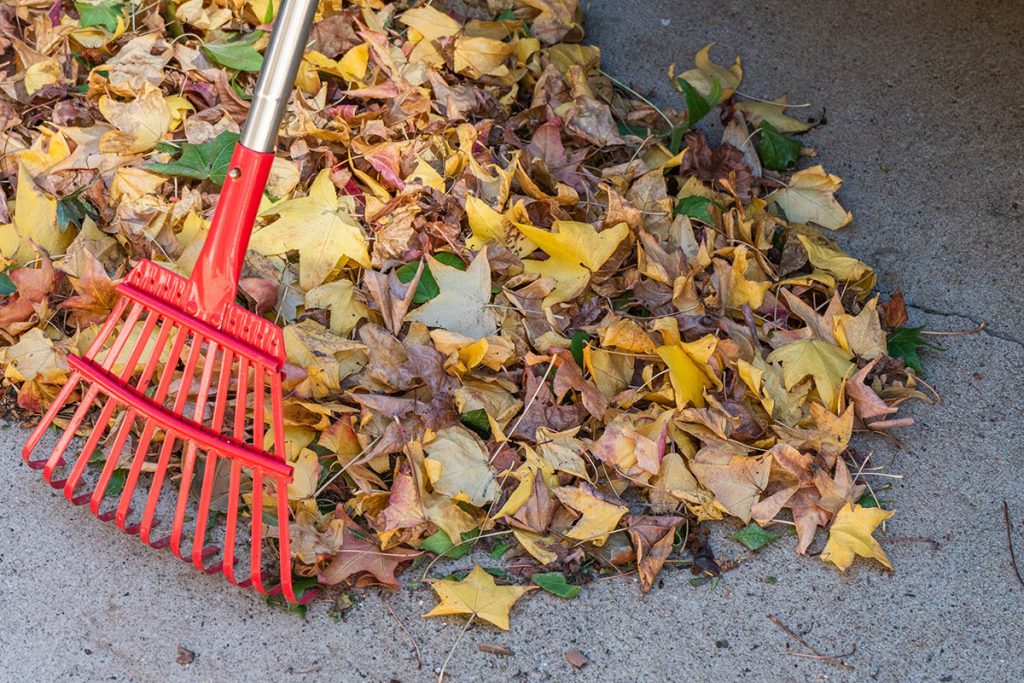
Not all leaves are created equal, and this trips a lot of people up.
Thin, delicate leaves from trees like willows break down on their own. No raking required. But big broad leaves from maples, oaks, and sycamores mat down into a soggy layer that can smother your grass and perennials if you leave them piled up.
So here’s the move: rake those broad leaves off the lawn and out of your beds, then run them through a mower to shred them. Spread that shredded layer right back over your garden beds as mulch.
You get free weed control, free insulation, and free soil nutrition, all from something that literally fell out of the sky.
Value tip: Don’t clear out every single leaf from under trees and shrubs. A little leftover leaf litter there is exactly the winter habitat mentioned above.
7. Give Your Trees and Shrubs One Last Deep Drink
It’s easy to assume your plants shut down once temperatures drop. They don’t. Roots keep growing well into fall, right up until the ground actually freezes.
Evergreens especially need this. They hold onto their foliage all winter, which means they keep losing moisture through their leaves even when the ground below them is frozen solid.
If they went into winter thirsty, you’ll see the damage as brown, crispy needles by February.
Value tip: Water deeply, maybe once a week, if your area isn’t getting much fall rain. Anything you planted this year needs this step even more, since new roots haven’t spread out enough yet to find water on their own.
8. Bring In or Bundle Up Your Container Plants
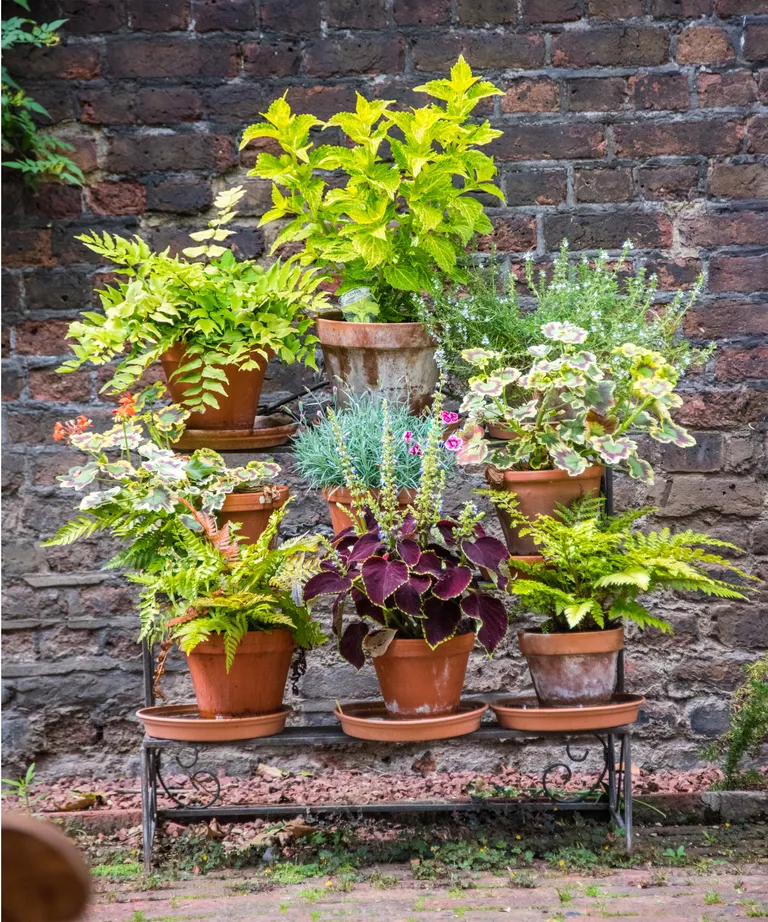
Your pots are more vulnerable than anything else in your yard, and that’s not an exaggeration.
Ceramic and terra cotta containers crack when the water inside them freezes and expands. It’s just physics, and it’s not kind to your favorite planter.
Before a hard freeze hits, move anything non-frost-resistant indoors or into a garage. Still have live plants in outdoor containers you can’t move?
Wrap the pots in burlap or a frost cloth, or tuck them against a sheltered wall where they’ll catch a little extra warmth.
Value tip: Give empty pots a quick clean before you tuck them away for winter. You’ll thank yourself next spring when they’re ready to plant instead of caked in old dirt.
9. Prune With a Light Hand, Not a Heavy One
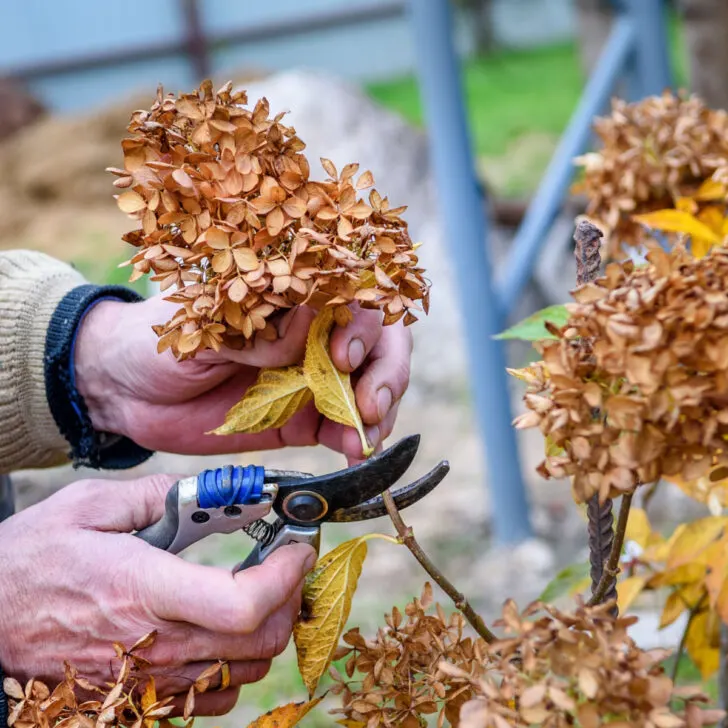
Fall pruning is a bit of a balancing act. Deciduous shrubs can handle a light trim now, mostly to remove crossing or overgrown branches and open things up for airflow.
Hedges appreciate one last shaping cut too, since they won’t grow much again until spring.
But this isn’t the time for a hard prune. Cutting stimulates new growth, and any growth that pops up now won’t have time to toughen up before frost arrives.
Value tip: Keep your blades sharp and clean while you’re at it. Dull, dirty pruning shears spread disease from one plant to the next faster than you’d think.
Also read: 10 Perennials to Cut Back This Fall for a Healthier Garden Next Spring
10. Clean and Store Your Tools Like You Actually Like Them
This is the task everyone skips. But five minutes now saves you a rusted mess in spring.
Wipe dirt off your hand tools before you put them away. A quick scrub with soapy water works fine for handles. Metal blades and heads deserve a light coat of oil to keep rust from creeping in over a damp winter.
Hoses, sprinklers, and anything else that holds water need to be drained and stored somewhere dry. Left outside, that trapped water freezes, expands, and cracks whatever it’s sitting in.
Value tip: Your power tools matter here too. Mowers, trimmers, and leaf blowers all have parts that don’t love moisture. A garage or shed beats leaving them out under a tarp.
11. Test and Feed Your Soil Now, Not in Spring
Spring is chaos. Everyone’s rushing to plant, and soil prep gets skipped or rushed. Fall doesn’t have that problem, which makes it the smarter time to handle this step.
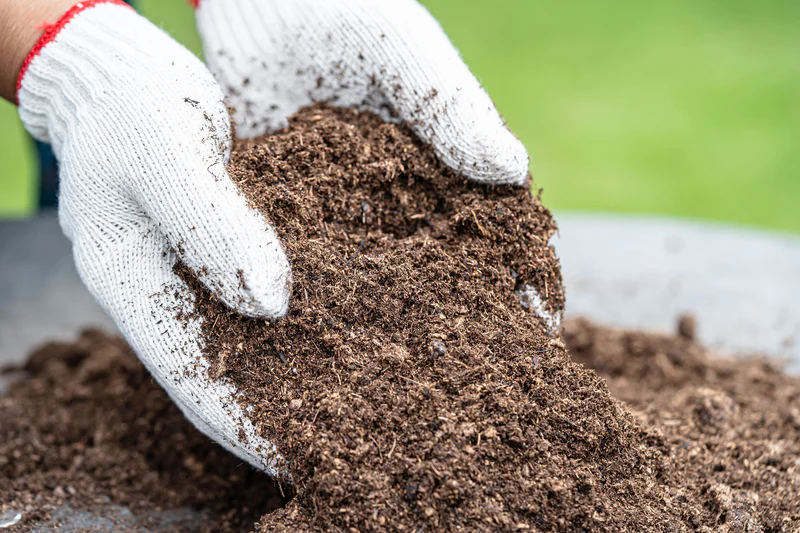
A basic soil test tells you what you’re actually working with, pH, nutrient levels, all of it. You can grab an at-home kit or send a sample to your local extension office for a more detailed readout.
Once you know what’s missing, fall is a great time to work in compost or amendments. They’ll have all winter to break down and blend into the soil instead of sitting there raw when you plant in spring.
Value tip: Skip tilling if you can help it. Undisturbed soil holds onto its structure, and all the tiny organisms living in it, much better than freshly turned dirt.
12. Order Next Year’s Seeds and Bulbs While the Good Stuff Is Still in Stock
This one has nothing to do with your soil and everything to do with your sanity come February.
Seed catalogs and bulb sales start rolling out in fall, and the popular varieties sell out fast. Waiting until January means picking through whatever’s left. Order now, and you get first pick.
Value tip: It’s also just a nice way to close out the gardening season. You spend an evening dreaming about next year’s beds instead of mourning this year’s frost.
FAQ’s
Is it actually bad to leave leaves on my lawn?
A thin layer is fine and even helpful if you mow over it to shred it. A thick, matted layer isn’t.
It blocks light and air from your grass, so rake or mow anything piling up more than an inch or two deep.
When should I stop watering my garden for the year?
Keep watering until the ground actually freezes, not just when temperatures drop. Roots are still active in cool soil, so cutting water off too early can stress trees, shrubs, and anything you planted this fall.
Do I really need to cut back all my perennials?
No, and you shouldn’t. Only cut back plants that had disease or pest problems, or ones that have gone fully mushy.
Sturdy seed-head plants like coneflowers and ornamental grasses can stay standing all winter for the birds and the bees.
What’s the best time to plant bulbs where I live?
Once nighttime temperatures settle into the 40s, you’re in the right window.
That usually lands sometime between mid-October and late November, depending on your zone, but the soil temperature matters more than the calendar date.
Can I still divide perennials if fall is almost over?
Try to get it done at least six weeks before your first hard freeze. That gives the roots enough time to settle in. If you’re past that window, it’s safer to wait until spring instead.
Final Thoughts
None of this has to happen in one exhausting weekend. Spread these tasks out over a few weeks, and your garden will thank you for it come April.
The bulbs you plant now, the perennials you leave standing, the soil you feed before winter, all of it quietly sets the stage for a spring that looks like you knew exactly what you were doing. Because by then, you will.

One Comment