12 Perennials You Should Never Cut Back in Fall (Your Garden Will Thank You)

I get the urge every fall. Grab the shears, tidy everything up, call the garden “done” for the season.
But here’s what I learned the hard way: some perennials need that messy look.
Chop them down too soon and you’re taking away bird food, bee shelter, and winter protection the plant actually needs.
Here are 12 perennials I’d tell you to leave standing, and why each one earns a pass this fall.
Why Skipping the Fall Chop Actually Helps Your Garden
Think those dead stems are just clutter? They’re not.
Native bees tuck themselves inside hollow stalks all winter long. Birds like finches and chickadees depend on dried seed heads once snow buries everything else.
There’s another reason to hold off. Standing stalks catch falling leaves and snow, and that pile works like a blanket around the plant’s crown.
For anything only marginally hardy where you live, that layer of insulation can be the whole difference between it coming back or not.
And honestly? It saves you from your own forgetfulness. Ever accidentally dug into a spot where something was sleeping, not dead?
Leftover growth marks the territory so you don’t repeat that mistake.
When and How to Cut These Back in Spring
Don’t rush spring cleanup either. Wait until you actually see new growth pushing up from the base. That’s your green light.
Grab clean, sharp pruners when you do cut. Snip a few inches above where the new growth is coming in. Skip the urge to yank anything out by hand. You could tear up roots that are still getting settled.
One more thing. If you spot diseased stems, bag those for the trash. Everything else, healthy stems and leaves, can go right into your compost.
12 Perennials You Should Never Cut Back in Fall: Save Your Garden’s Wildlife
1. Black-Eyed Susan
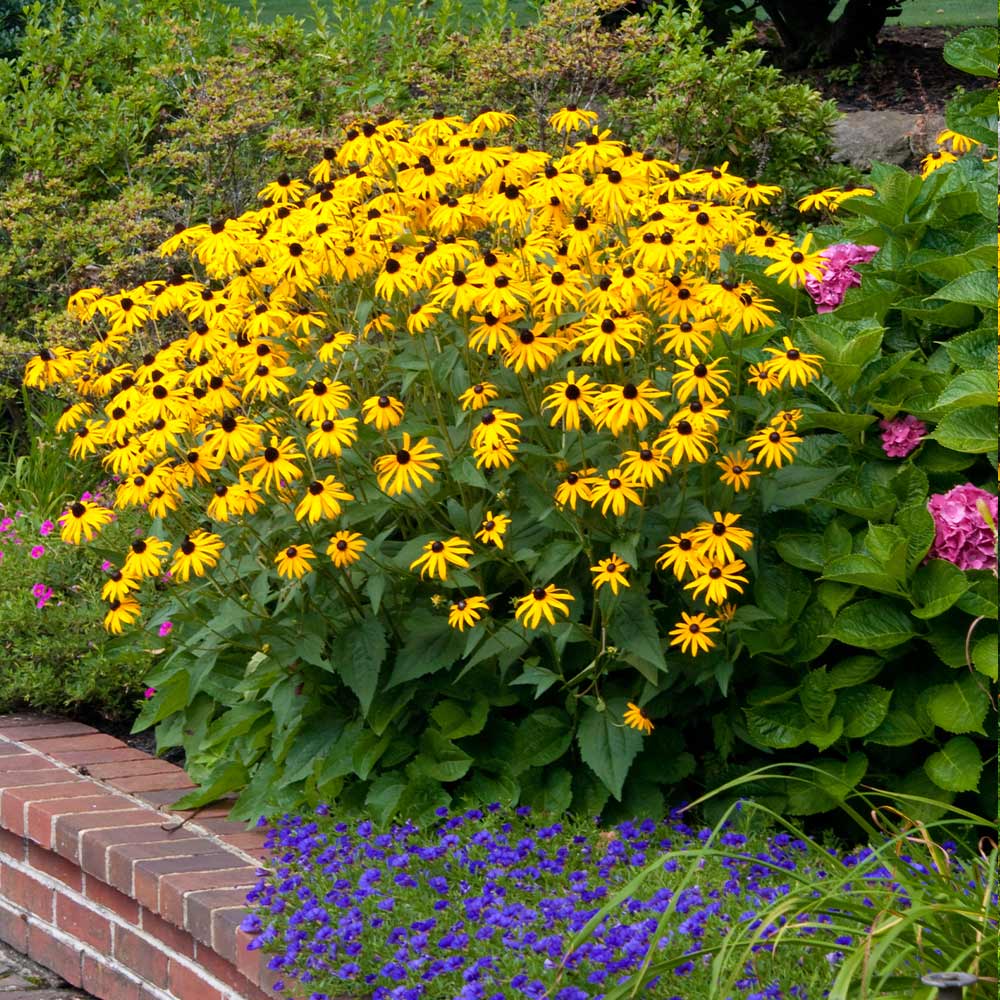
You’ll recognize this one by its dark, button-like center surrounded by golden petals. Here’s the part most people miss: that center doesn’t disappear when the flowers fade. It sticks around, and birds notice.
Finches, sparrows, cardinals… they all treat those dried cones like a snack bar.
Leave them up through a snowfall and you’ll get a genuinely pretty scene, frosted seed heads standing against white ground.
Wildlife benefit: Seed heads feed songbirds all winter.
Cut back in spring when: fresh basal leaves show up at the base.
2. Purple Coneflower
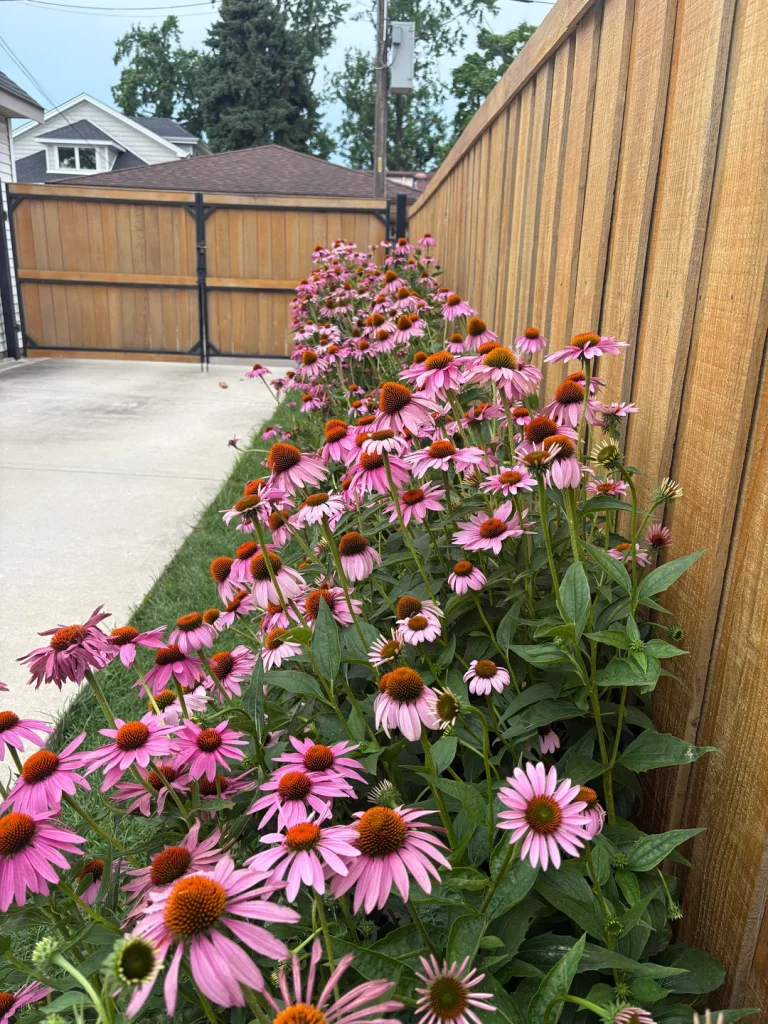
Coneflowers don’t quit working once the color fades. Their spiky seed heads hold their shape for months, so you’re left with real structure in a bed that would otherwise go flat and empty.
Watch closely on a cold morning and you might catch a goldfinch or blue jay picking through them. There’s a bonus for the plant too.
Those old stems act like a shield around the crown, protecting it from the deepest freezes.
Wildlife benefit: Draws goldfinches, jays, and other seed-eating birds.
Cut back in spring when: new shoots start poking through as it warms up.
3. Sedum
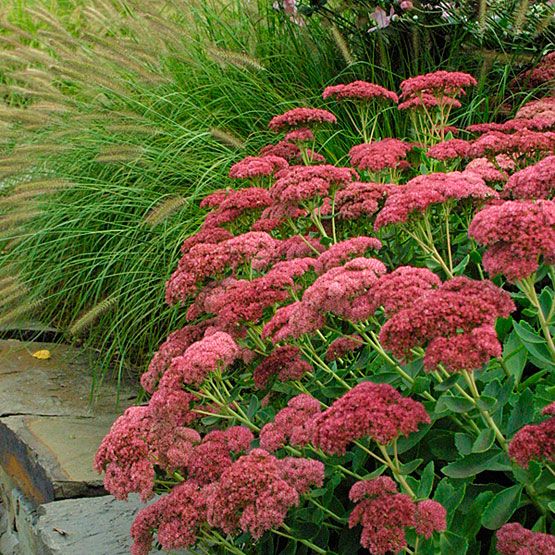
I love sedum for exactly this reason: it doesn’t fall apart in winter. The flower clusters turn a rusty, coppery brown but stay upright even under snow, instead of turning to mush like a lot of perennials do.
That sturdiness matters for wildlife, too. Birds pick through the dried heads when food gets scarce elsewhere.
And if you’re growing one of the taller border varieties, you’re basically getting free winter architecture for your beds.
Wildlife benefit: Provides food and adds real texture through winter.
Cut back in spring when: you spot new green rosettes forming low to the ground.
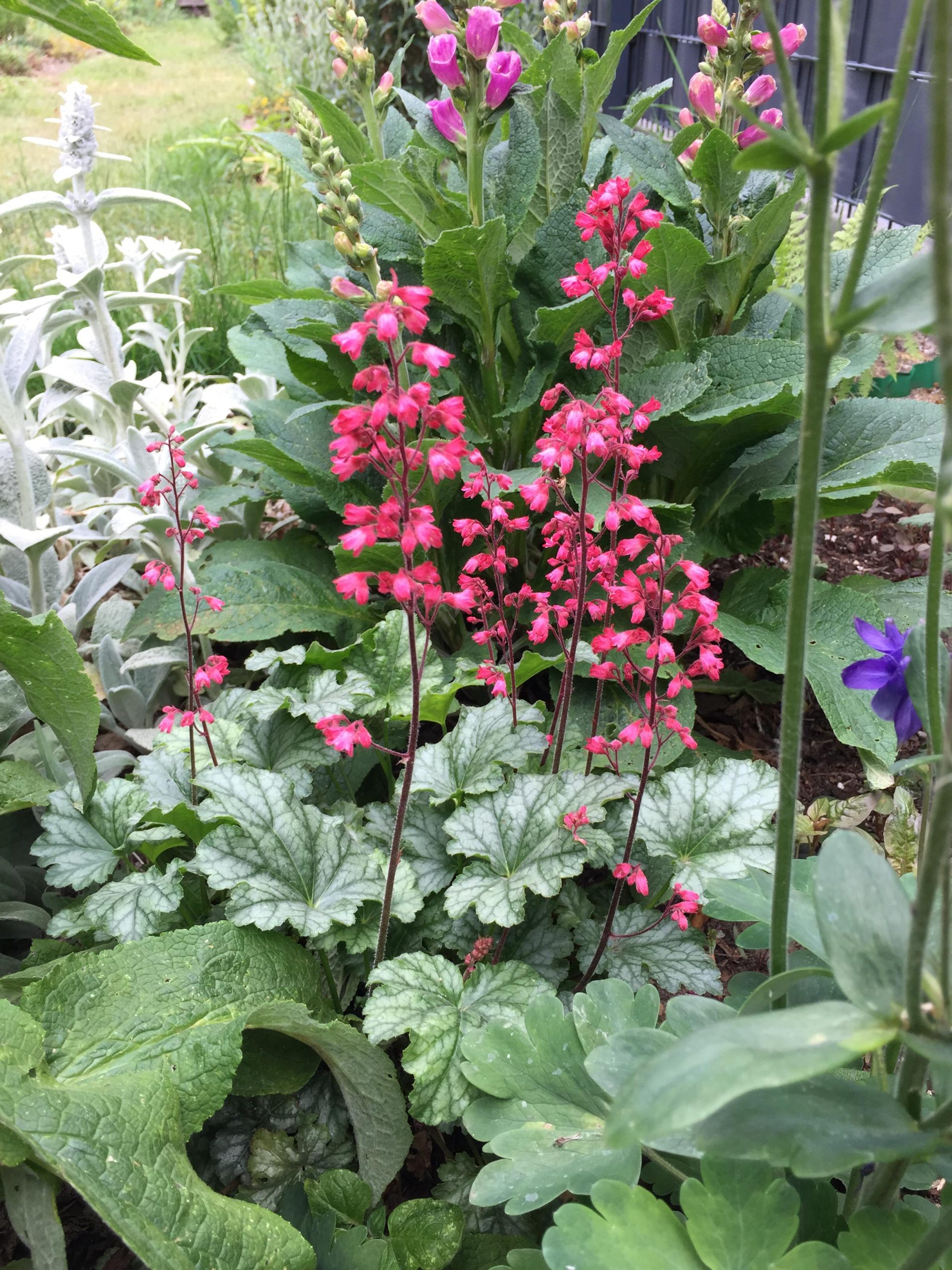
4. Coral Bells
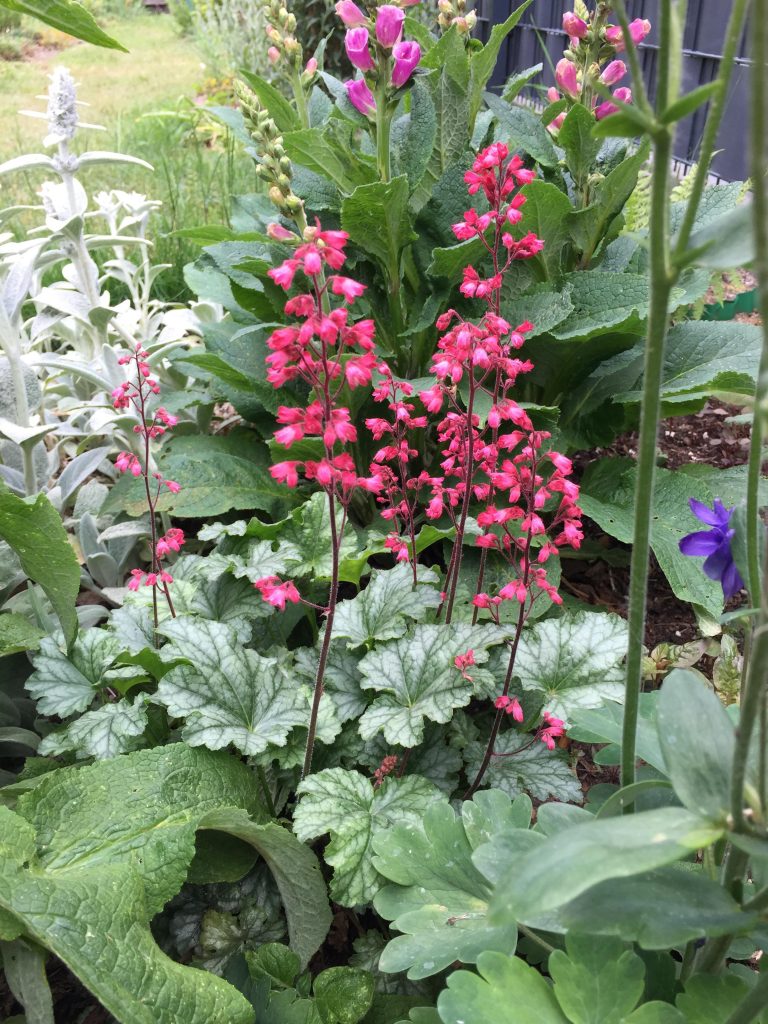
Here’s a plant people cut back out of habit, not necessity. Depending on your zone, coral bells stay evergreen or close to it.
Chop the foliage in fall and you’re throwing away color you could’ve kept all winter.
Even where the leaves do brown out, don’t rush to remove them. That old foliage sits over the plant’s shallow crown like a coat, guarding it from hard freezes.
Pull it too early and you’ve left the most vulnerable part exposed right when it needs cover most.
Wildlife benefit: Minimal, but the foliage protects the crown from frost.
Cut back in spring when: you notice winter damage or fresh leaves emerging.
5. Russian Sage
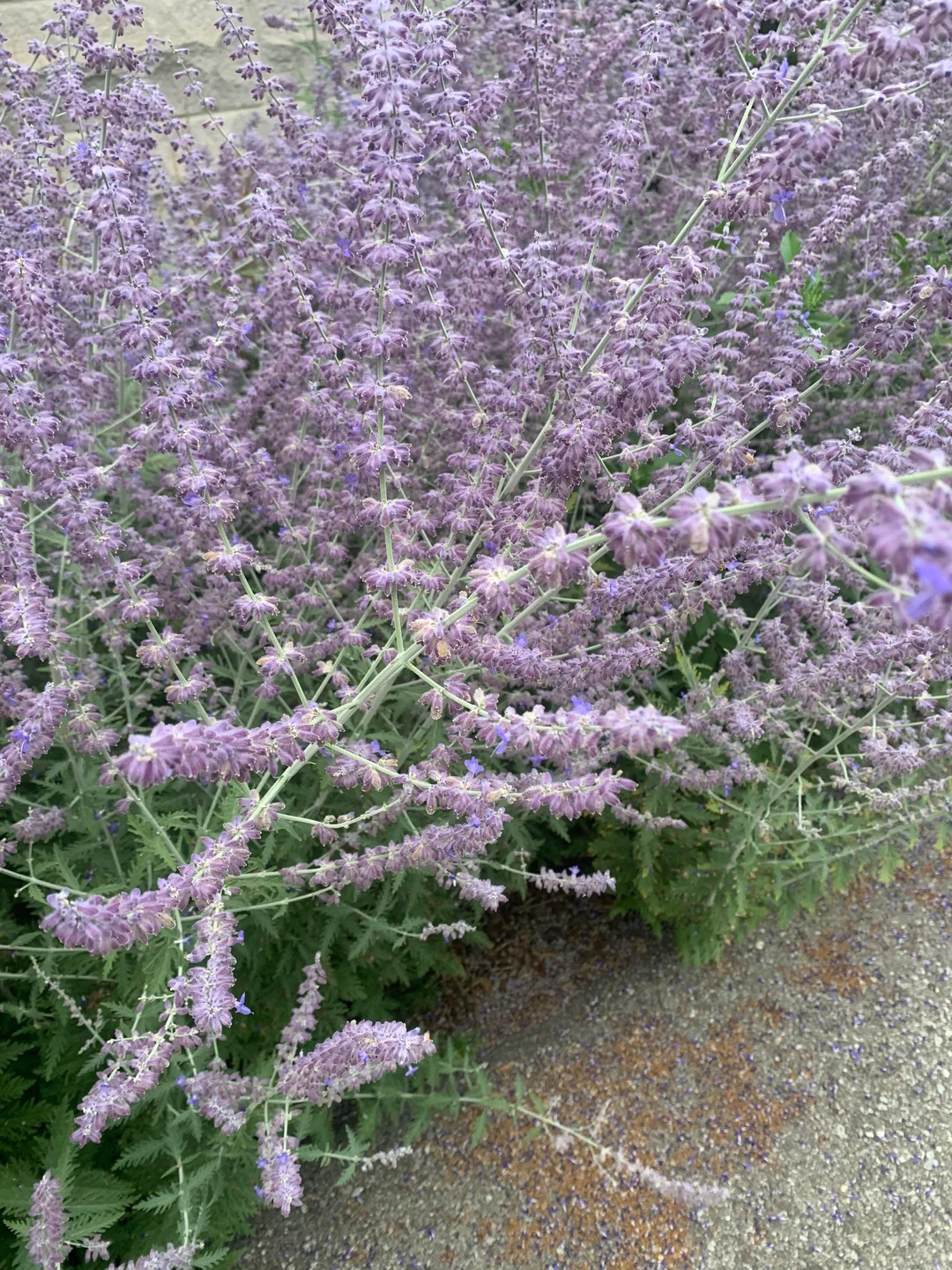
Ever seen frost settle on silvery, woody stems? That’s Russian sage doing its winter thing, and it’s a genuinely nice look in an otherwise dull yard.
Cutting it back in fall isn’t just skipping a nice view, though. Those woody stems help guard the crown underneath.
Prune too early and you risk dieback if winter turns harsh. Just wait it out. Come spring, you’ll see exactly how much wood made it through.
Wildlife benefit: Hollow stems give overwintering insects a place to hide.
Cut back in spring when: new growth shows near the base, then trim down to about 6 inches.
6. New England Aster
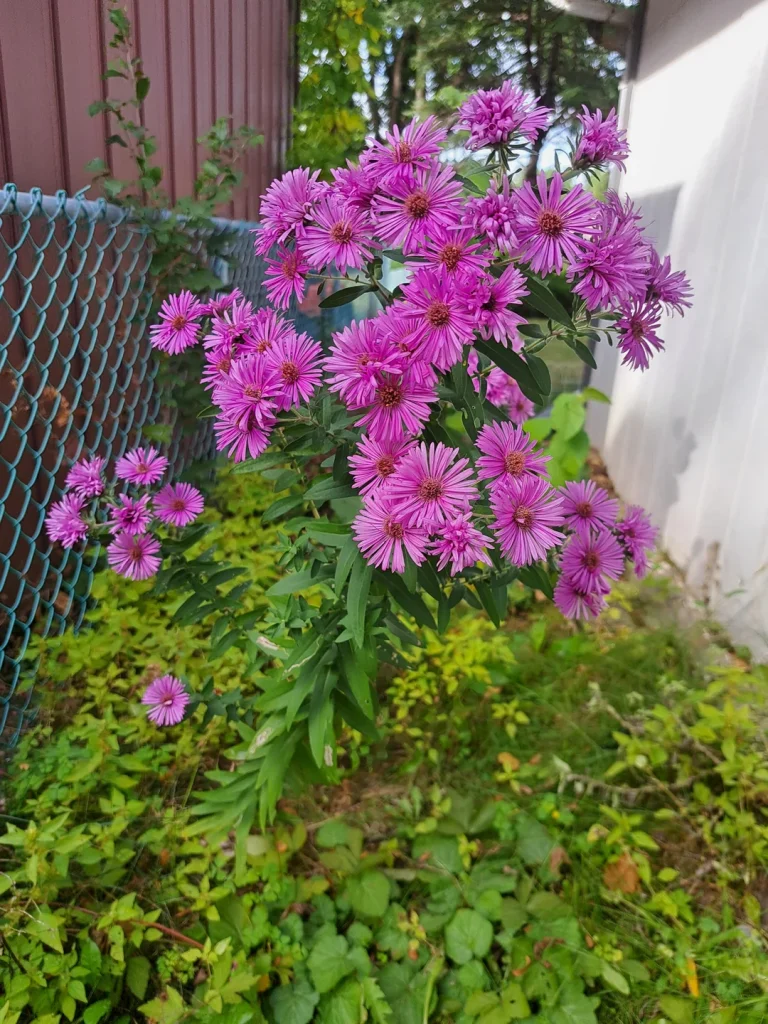
Asters wait until almost everything else has given up before they even start blooming. That late-season color alone is worth protecting, but the real payoff comes after the flowers fade.
Those sturdy stems hold up dried seed heads that small birds pick at all winter.
And here’s something a lot of people don’t realize: the hollow stems double as tiny apartments for overwintering bees. Cut them down in fall and you’ve evicted your pollinators before they even moved in.
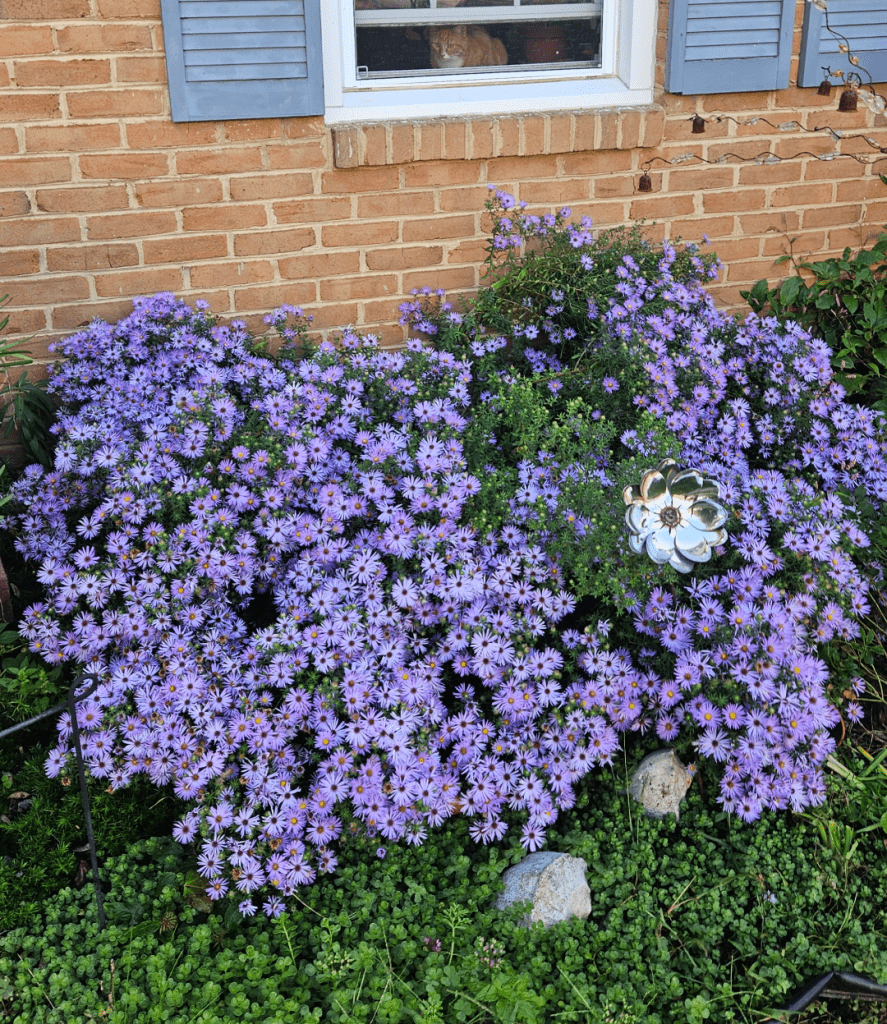
Wildlife benefit: Feeds birds and shelters overwintering bees in hollow stems.
Cut back in spring when: new shoots emerge low on the plant.
7. Goldenrod
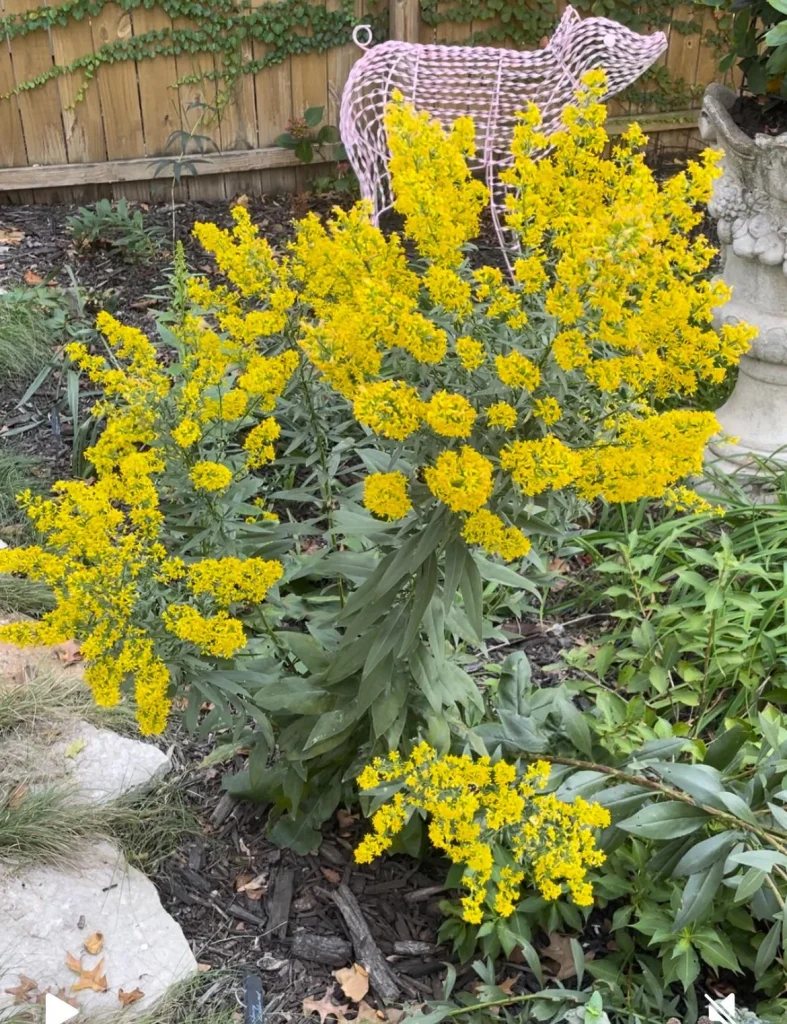
I know, I know. Goldenrod gets blamed for allergies it didn’t cause (that’s ragweed, blooming at the same time). But this plant deserves better, especially in fall.
Its feathery seed heads light up the landscape with color long after most flowers have quit. Leave them standing and you’re feeding finches and other seed-eaters right through the coldest stretch.
Plus, goldenrod spreads on its own, so a little patience now means more blooms without lifting a finger next year.
Wildlife benefit: Seed heads are a favorite winter food source for finches.
Cut back in spring when: you see fresh basal growth at the base.
8. Blazing Star
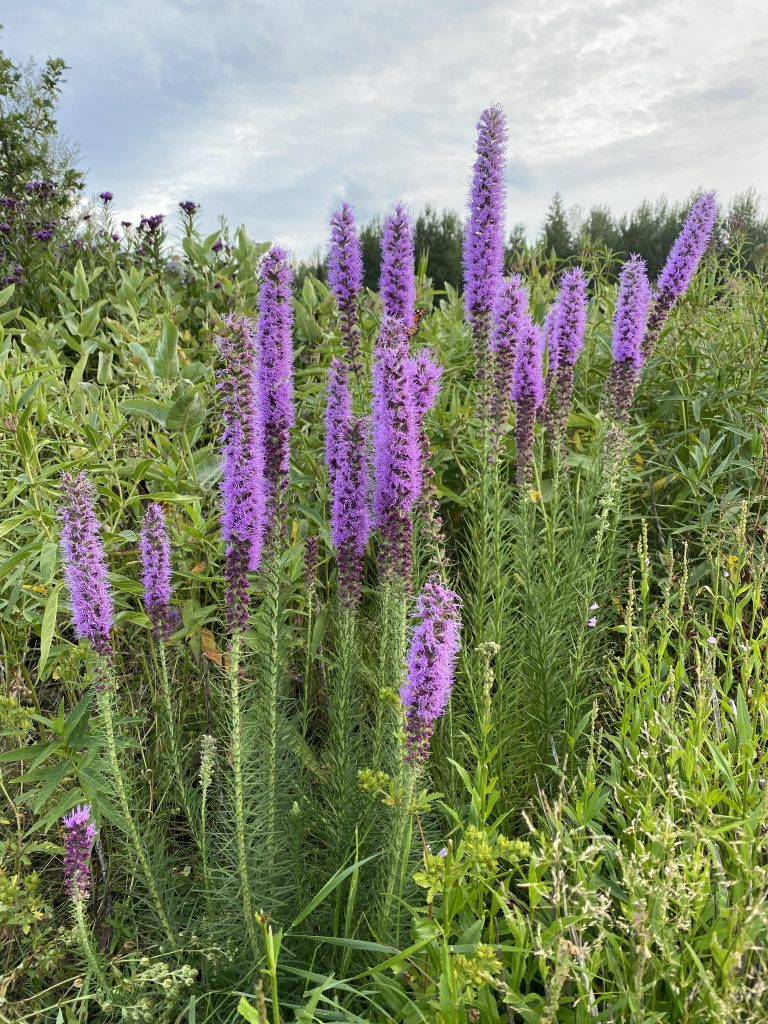
Also called liatris, this one grows tall, spiky flower stalks that butterflies can’t resist all summer. Once the purple fades, don’t assume the show is over.
The dried stalks stay upright through wind and light snow, giving your bed some vertical interest when everything else has flattened out.
Birds will work through the seed heads too, especially goldfinches. Give it until spring before you touch it.
Wildlife benefit: Seeds attract goldfinches and other small birds.
Cut back in spring when: new grass-like shoots appear at the base.
9. Ornamental Grasses
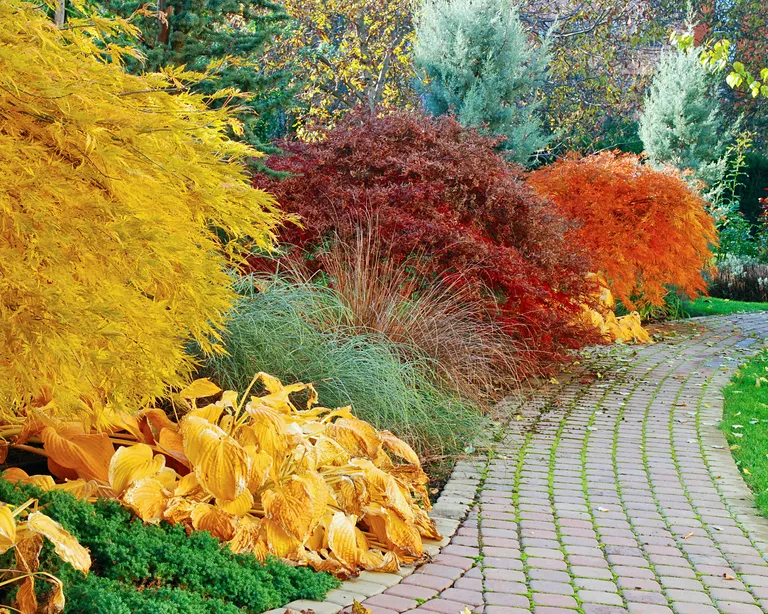
If you’re growing switchgrass, little bluestem, or anything similar, do yourself a favor this fall: leave it alone. These grasses are basically built for winter.
Their blades catch light, rustle in the wind, and hold up under snow better than almost anything else in your yard.
There’s a wildlife angle too. Birds use the dense clumps for cover during cold snaps, and small mammals sometimes shelter right at the base. Cutting grasses back in fall strips away all of that just when it’s needed most.
Wildlife benefit: Offers shelter for birds and small wildlife through winter.
Cut back in spring when: before new green blades start pushing through, usually late winter.
10. Joe-Pye Weed
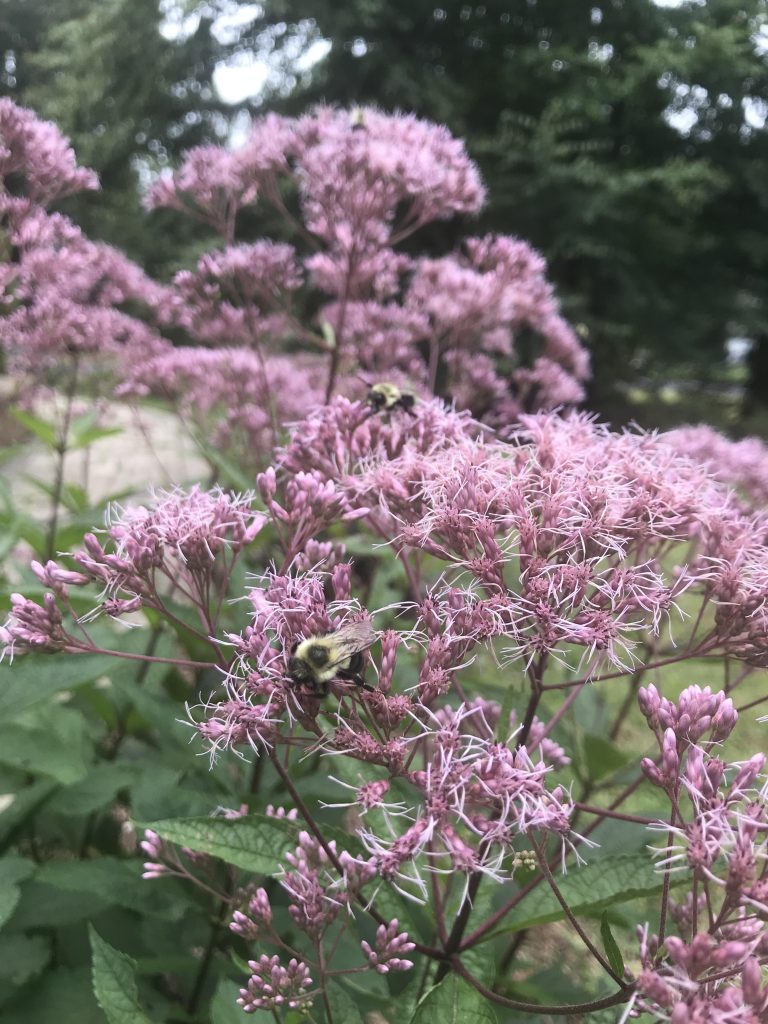
This one gets big. Really big. Which is exactly why gardeners want to chop it down the second it stops blooming. Don’t.
Joe-Pye weed’s tall stems dry out but stay standing, giving structure to the back of a border all winter. Birds will visit for the seeds, and the hollow stems make decent real estate for insects looking to ride out the cold.
It’s also just slow to bounce back from disturbance, so fall pruning can set it back further than you’d expect.
Wildlife benefit: Hollow stems shelter insects; seed heads feed birds.
Cut back in spring when: new growth is visible at the base, usually mid to late spring.
11. Globe Thistle
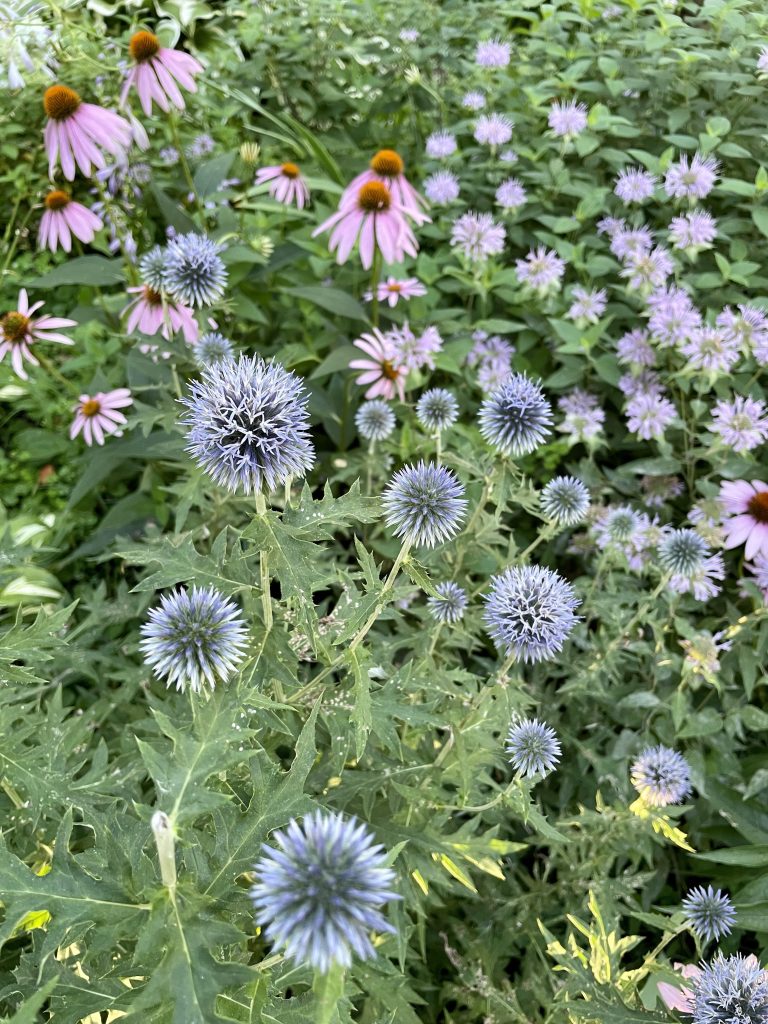
Globe thistle’s spiky, spherical blooms are hard to miss in summer, drawing bees and butterflies nonstop.
What people miss is what happens after: those same blooms dry into sturdy seed heads that birds actively seek out.
Fair warning, this plant keeps its defenses even in death. The dried stems and leaves are still spiny, so grab gloves whenever you do get around to cutting it back.
Left standing, though, it adds genuine architectural interest to a winter bed.
Wildlife benefit: Dried seed heads are a reliable food source for birds.
Cut back in spring when: new basal foliage appears (wear gloves for this one).
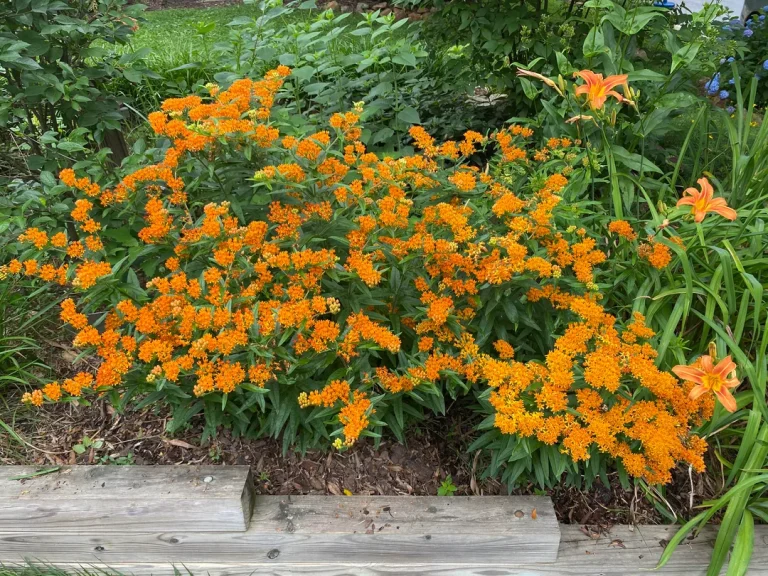
12. Milkweed
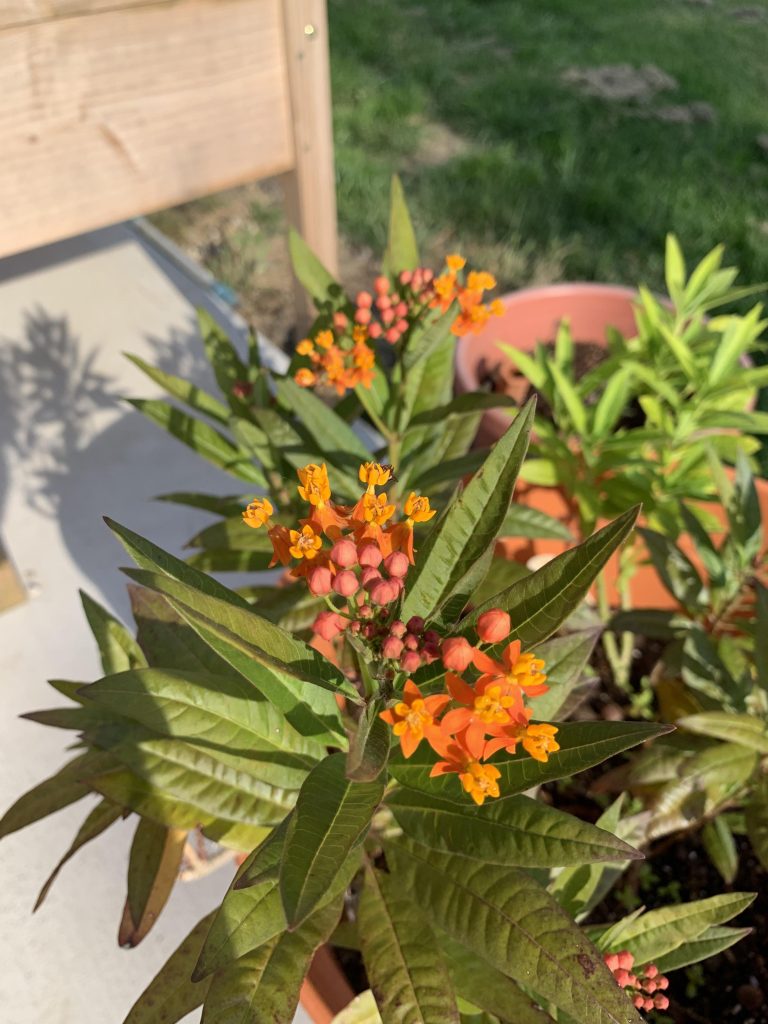
If you plant one thing for monarchs, it’s probably this. Milkweed is the only plant monarch caterpillars eat, which makes it too important to rush into cutting down.
Come fall, its hollow stems become shelter for whatever pollinators are still active nearby. Leave the stalks up and you’re extending the plant’s usefulness well past bloom season.
Since milkweed populations have dropped over the past couple decades, every stem you leave standing is doing a little more work than it looks like.
Wildlife benefit: Hollow stems shelter pollinators; critical host plant for monarchs.
Cut back in spring when: new shoots emerge from the base, typically mid-spring.
FAQ’s
Does leaving perennials standing invite pests or disease?
Not usually, as long as the plant was healthy going into fall. If you had issues with powdery mildew or another disease this season, cut that plant back and toss the debris. Everything else is fine to leave.
What about hostas and peonies? Should those stay up too?
No, those are better cut back in fall. Their foliage tends to collapse into a wet, mushy mess that can actually encourage disease rather than prevent it.
Will my yard look messy all winter if I skip fall cleanup?
It’ll look different, not messy. Frost and snow on dried seed heads and grasses actually add a lot of visual interest. Most gardeners who try it end up preferring the look.
Can I still deadhead flowers in fall without hurting anything?
Light deadheading of spent blooms is fine if a plant isn’t one you’re relying on for seed heads. Just skip removing the whole stem, since that’s where the winter benefits come from.
What if I live somewhere with mild winters?
You still get some benefit from leaving these standing, mainly for pollinators and birds. But the insulation factor matters less, so it’s more about wildlife support than plant survival at that point.
Final Thoughts
Fall cleanup doesn’t have to mean cutting everything to the ground. Leave these 12 perennials standing and you’re giving birds a food source, bees a place to overwinter, and your garden a little texture when everything else looks bare.
Come spring, you’ll cut back with more confidence, and you’ll actually see what made it through winter. Your yard, and the wildlife in it, will thank you either way.