15 Tropical Plants That Grow Well in Shade

If you’ve ever dreamed of a lush, jungle-like garden tucked into a shady corner, don’t give up on that vision.
I used to think tropical plants needed blazing sun, until my own shady balcony proved me wrong. You don’t need to live anywhere near the equator to pull off that exotic, leafy look.
Big leaves, bold colors, jungle energy, it’s all possible in deep shade. Curious how to make it happen? Let’s get into the 15 low light tropical plants that’ll transform your shady spot completely.
How to Create a Tropical Shade Garden
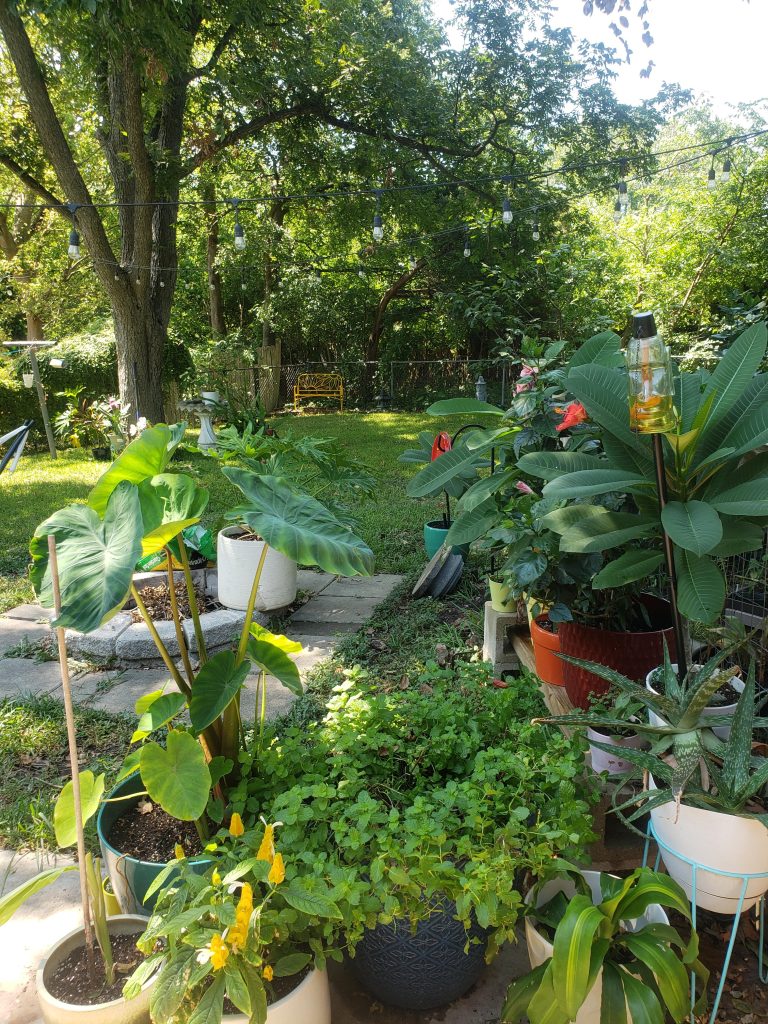
Your climate matters more than your plant list, honestly. Before you buy a single tropical plant, figure out your growing zone first.
That number tells you which plants will actually survive your winters, and which ones will sulk and die by January.
Desert gardeners face a weird challenge here. Arizona summers don’t exactly scream “rainforest,” yet a tropical shade garden still works there.
You just need to lean on plants that fake the lush look without guzzling water, think bold foliage shapes over thirsty, drippy-leaf jungle classics.
Cold climates flip the problem completely. Northern gardeners can’t grow true tropicals outdoors year-round, no matter how badly they want to.
Cold-hardy plants with tropical-looking leaves become your best friends instead, giving you that jungle vibe without the constant replanting every spring.
Color makes or breaks this whole style. Jungles aren’t subtle places, so why should your garden be?
Also read: 12 Shade Flower Garden Ideas to Transform Your Backyard
15 Low Light Tropical Plants for Your Shady Garden
1. Elephant Ears Bring the Drama
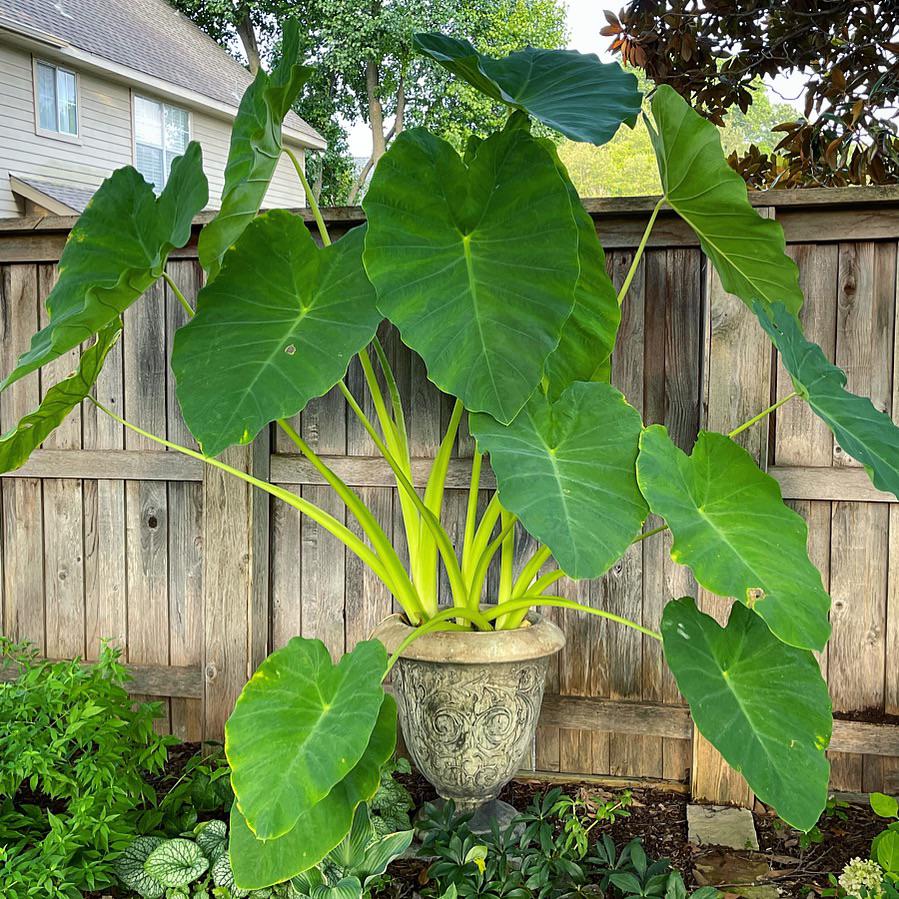
Want instant jungle vibes? Plant elephant ears. Alocasia macrorrhizos grows leaves so big you’ll want to measure them just to brag about it, since they can stretch up to six feet long in good conditions.
Here’s the catch: harsh afternoon sun will scorch those leaves in a single hot day. You need filtered light, not direct rays.
I’ve seen this plant thrive under a patio roof where it only gets soft morning light.
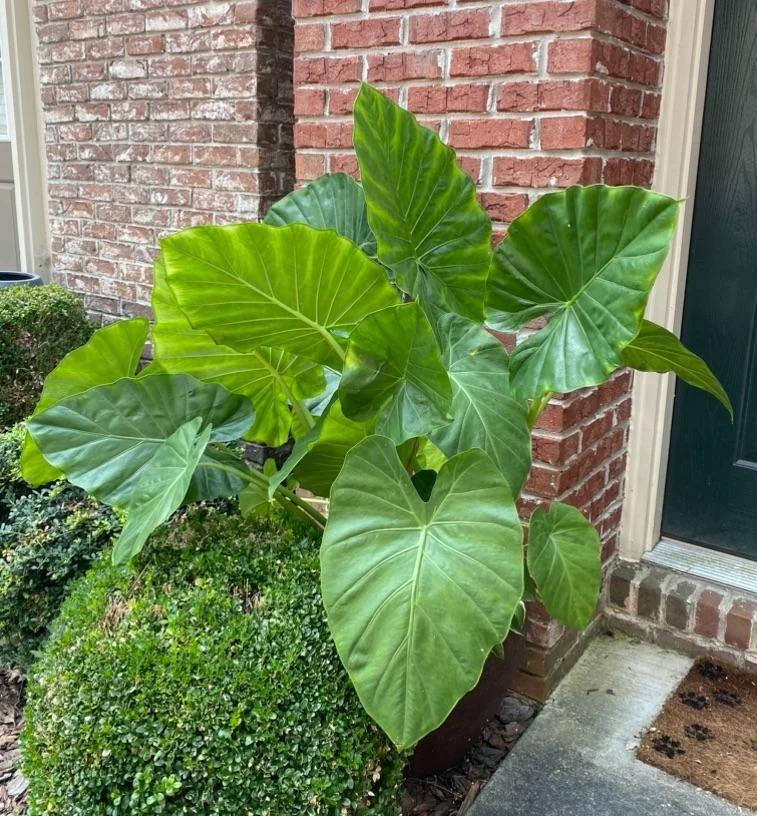
Keep the soil moist and rich, and this plant rewards you fast. Cold winters? Dig up the rhizomes and store them inside.
You’ll have new plants to share with friends come spring, and honestly, that’s half the fun.
Also read: 13 Must Try Tropical Container Garden Ideas
2. Calathea Looks Like Living Art
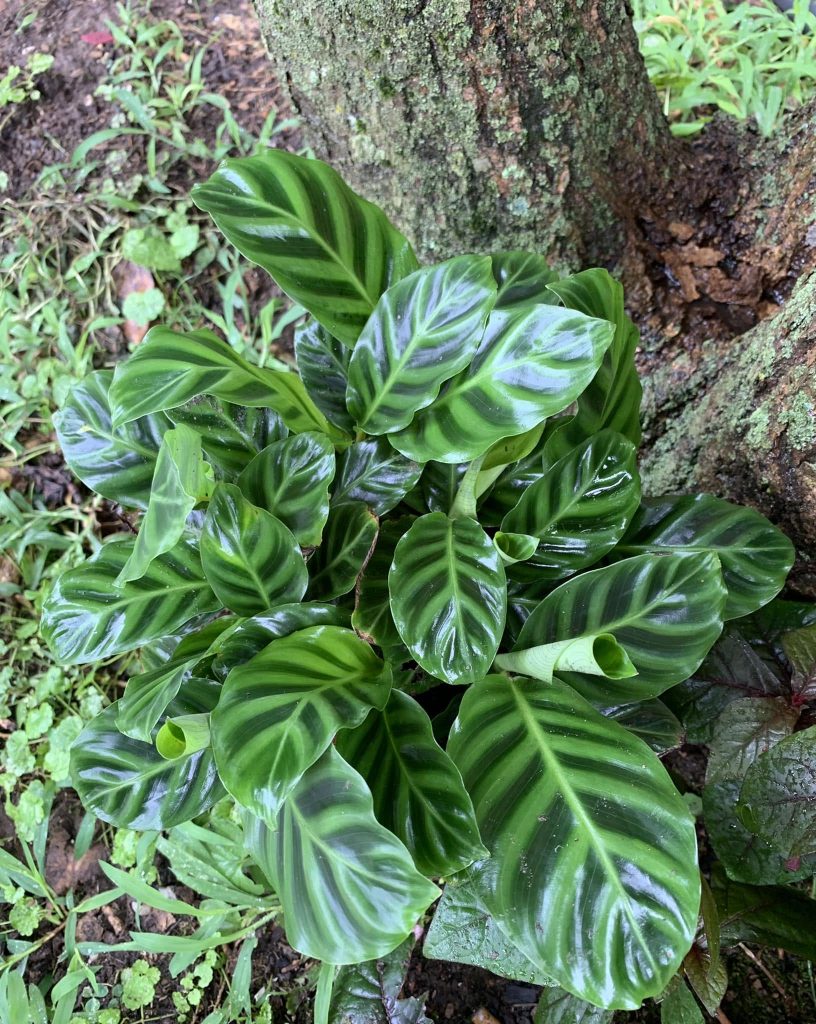
Have you ever seen a houseplant that looks hand-painted? That’s calathea. Every leaf carries streaks of deep green, cream, and silver, almost like someone took a brush to it.
This plant hates extreme heat. Too much sun fades the pattern, too little light dulls it down. You’re aiming for that sweet spot, bright but indirect, like light filtered through a sheer curtain.
Humidity makes or breaks calathea, so don’t skip this step. Dry air turns leaf edges crispy within days, and nobody wants that. A pebble tray with water underneath works wonders, and I check mine every few days without fail.
Want a fun party fact? At night, calathea leaves fold upward like little praying hands. That’s literally why people call this whole group “prayer plants.” Watch it happen once, and you’ll be hooked.
3. Peace Lily Glows in the Dark
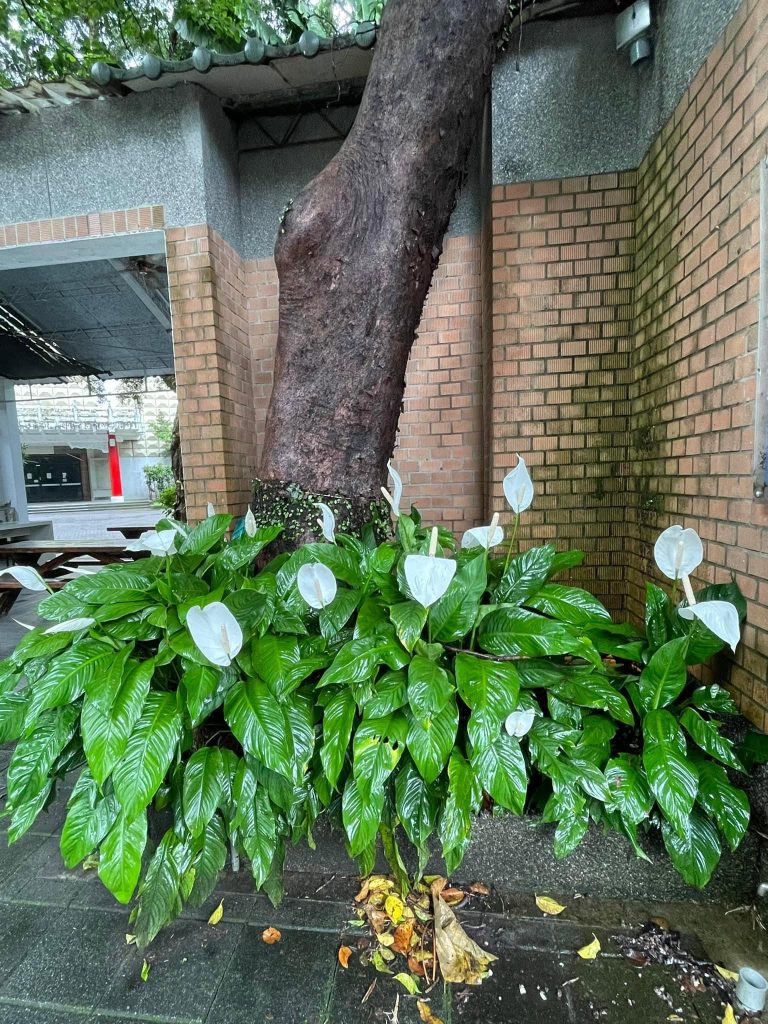
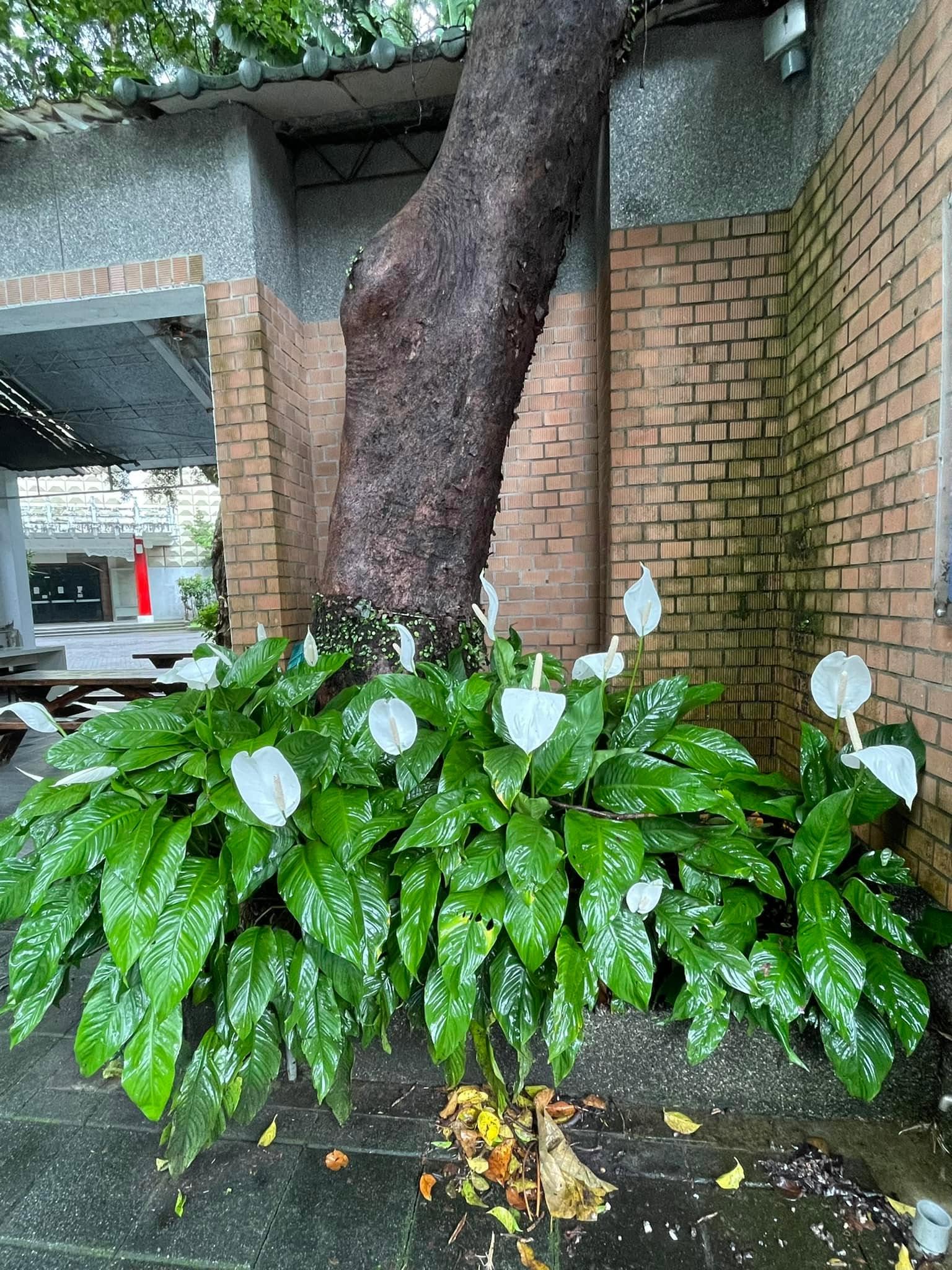
Here’s something most people don’t know: those white “flowers” on a peace lily aren’t flowers at all.
They’re spathes, a kind of modified leaf wrapped around the real flower spike. Either way, they practically glow against the dark green foliage.
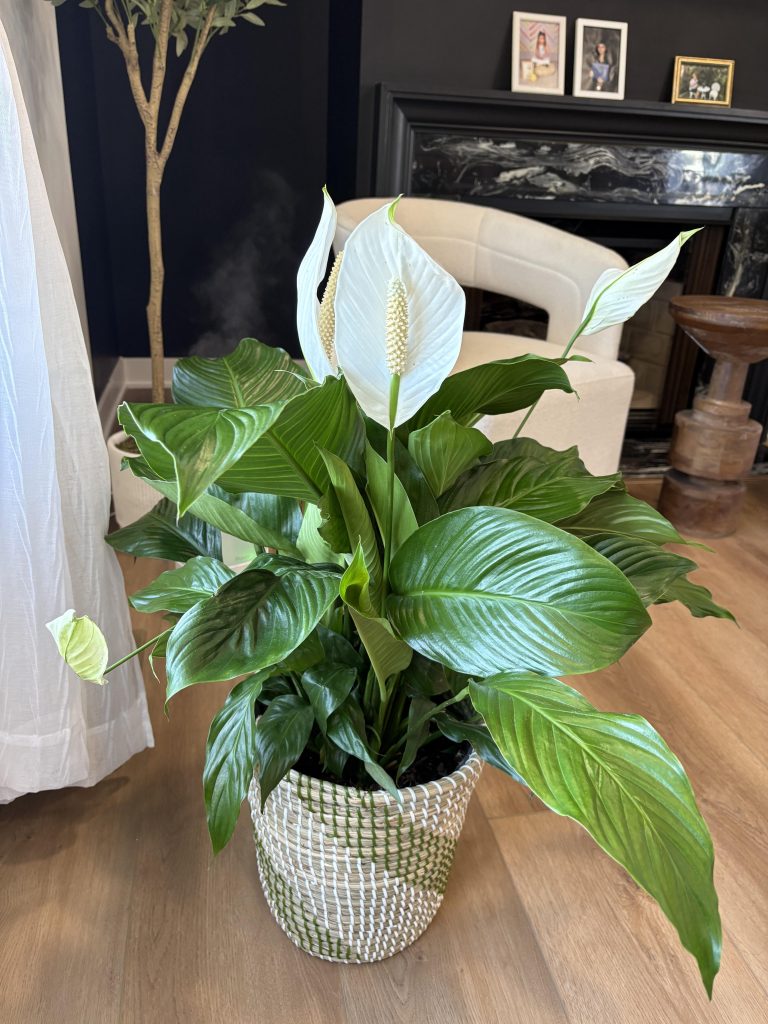
Few plants handle deep shade as gracefully as this one does. You’ll want moist, rich soil, but don’t drown the roots, since soggy conditions invite rot fast. Strike that balance, and your peace lily will reward you for years.
Thirsty? This plant tells you. Leaves droop dramatically the moment they need water, then bounce back within hours once you give them a drink. I actually love this about peace lilies because you never have to guess.
4. Caladiums Paint the Ground in Color
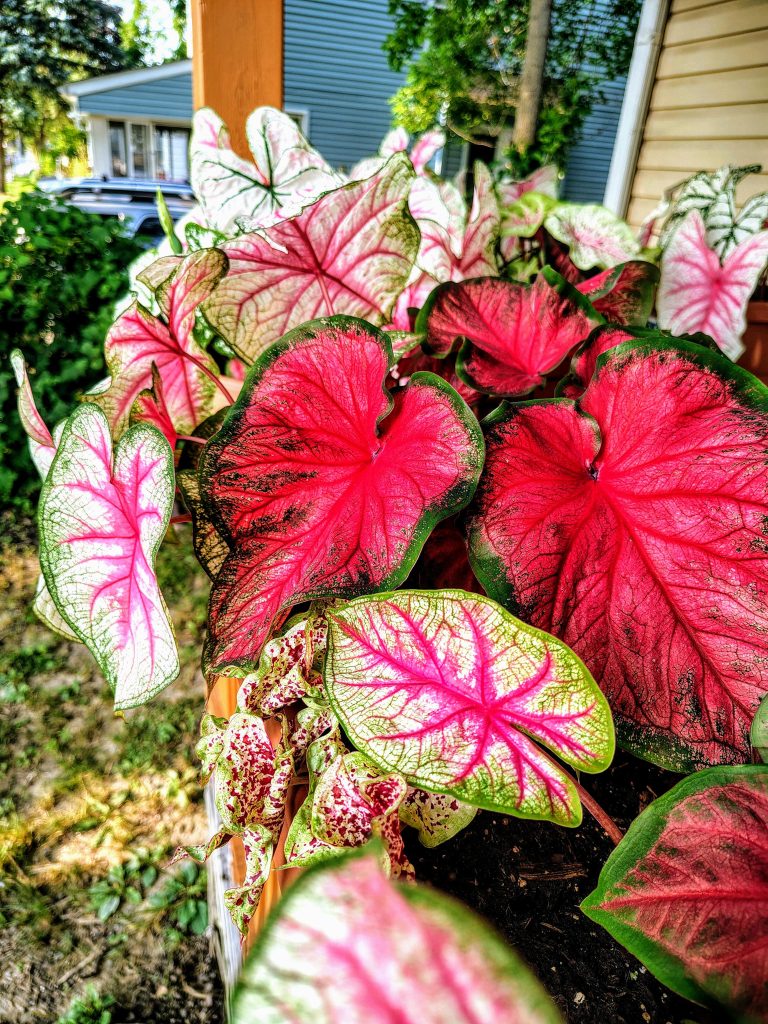
Caladiums look almost too colorful to be real. Heart-shaped leaves splash pink, red, white, and green across the garden bed, and somehow shade makes the colors pop even more.
Like begonias, caladiums grow from tubers that go dormant when temperatures drop.
Dig yours up before the first frost hits. Store them in dry peat moss through winter, and you’ll have a head start next spring.
Don’t crowd these plants. Give each tuber breathing room. Crowded caladiums compete for nutrients and end up leggy and thin. Space them properly, and by midsummer you’ll have full, lush clumps that stop neighbors mid-walk.
5. Bird of Paradise Brings Tropical Height
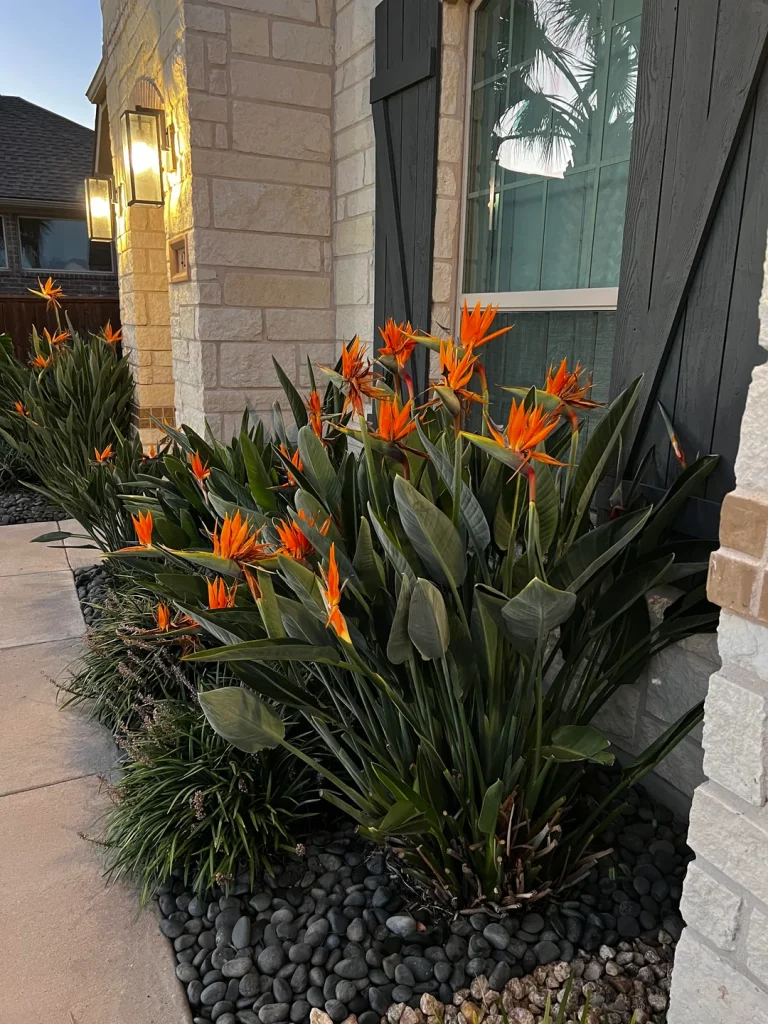
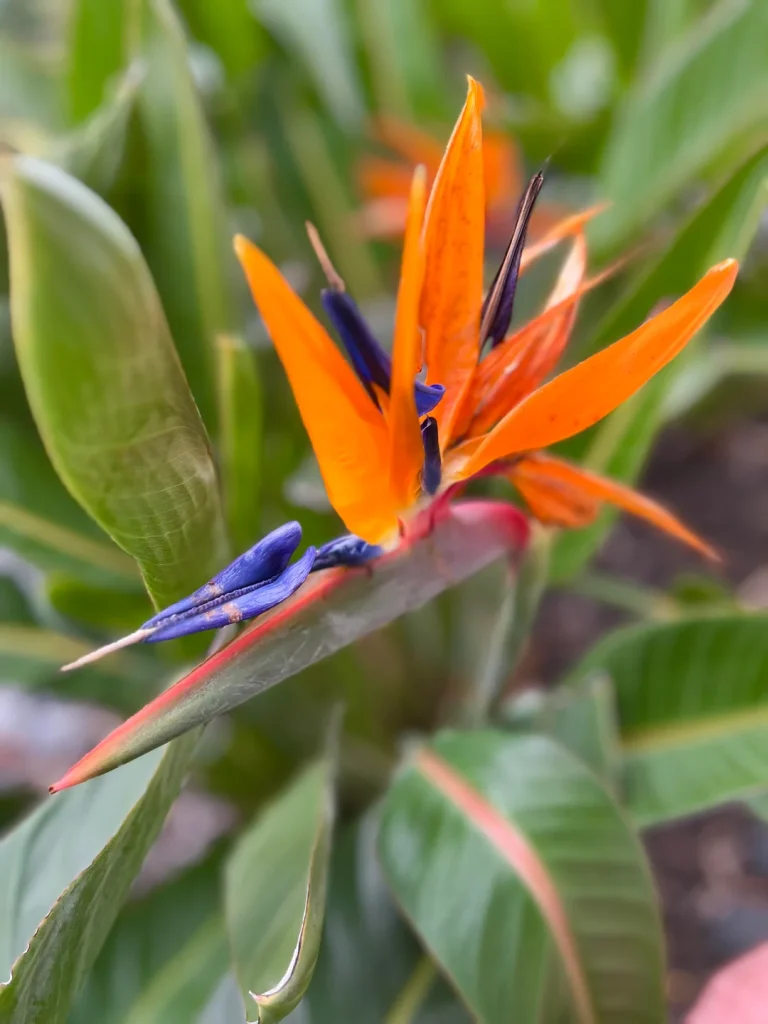
Want a plant that looks like it walked straight out of a rainforest? Bird of paradise delivers. Giant, paddle-shaped leaves shoot upward on long stems, creating instant height and drama in any shady corner.
Strelitzia nicolai, the giant white variety, tolerates more shade than its orange-flowering cousin.
Direct sun actually stresses this plant in hot climates, so partial shade keeps it happiest. I’ve watched mine stretch taller every single year without much fuss.
Water deeply, then let the soil dry out a bit before the next round. Overwatering causes more problems than underwatering ever will. Give it room to grow, because this plant doesn’t stay small for long.
6. Coleus Lights Up Shady Beds
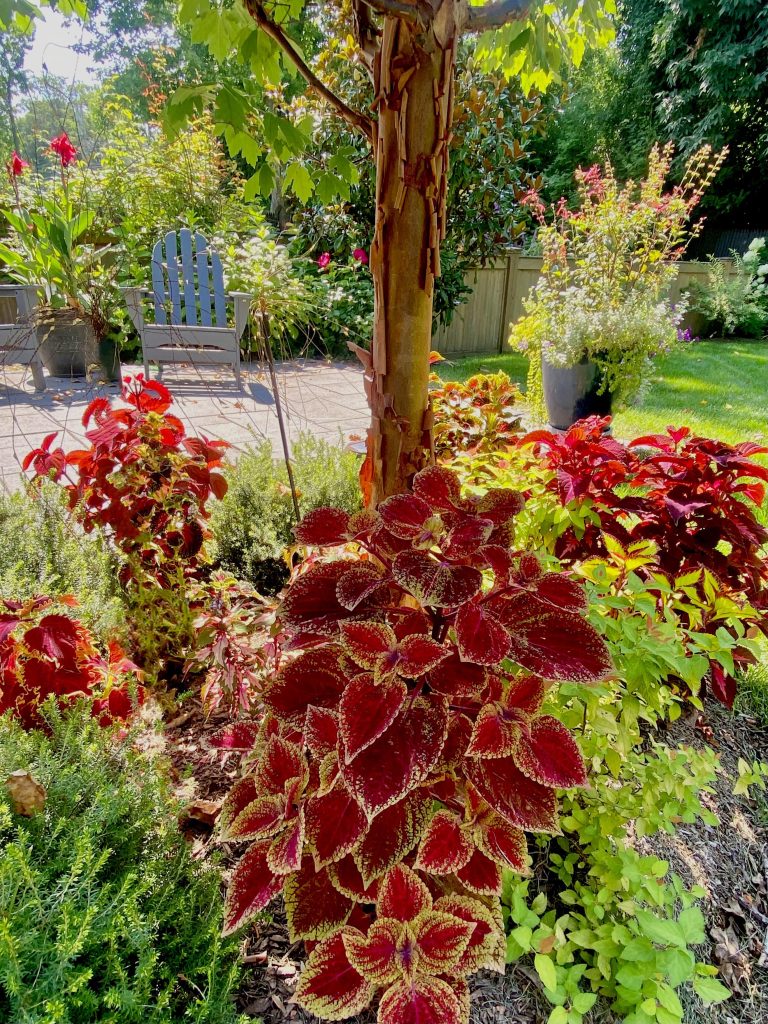
Coleus might be the easiest way to add serious color without flowers. Leaves come in combinations you wouldn’t believe, deep purple, lime green, hot pink, sometimes all on the same plant.
Shade actually brings out richer, more saturated colors than full sun does.
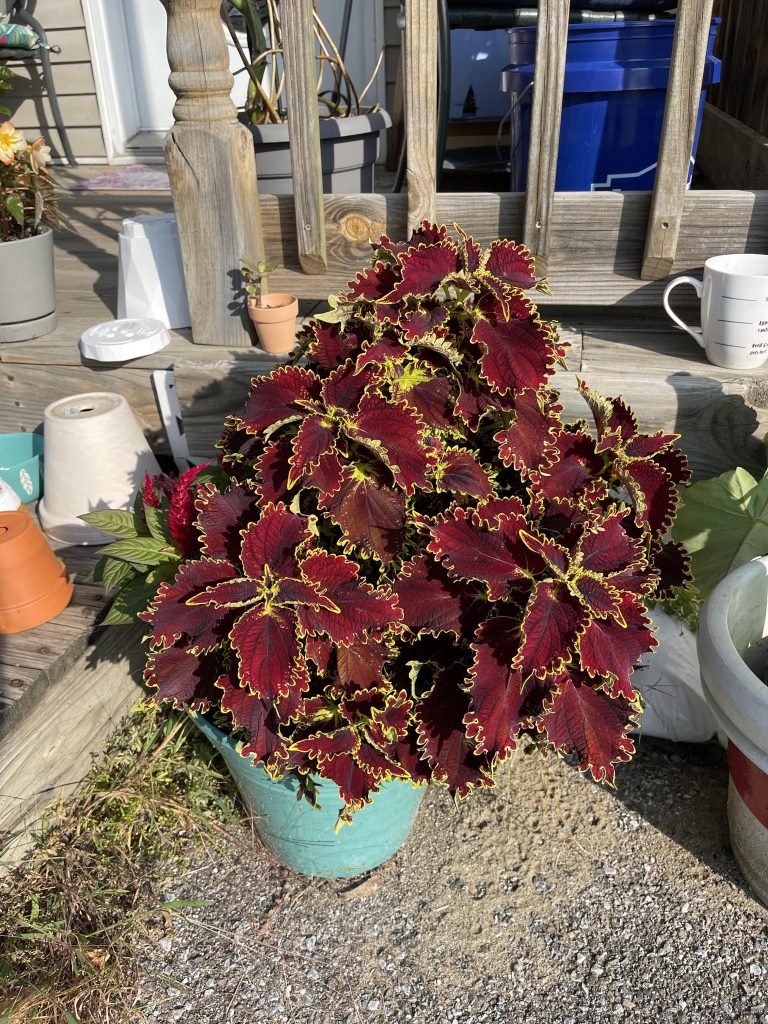
Pinch the growing tips regularly to keep coleus bushy instead of leggy. Skip this step, and you’ll end up with a tall, sparse plant by midsummer. I pinch mine every couple weeks, and the difference is huge.
This plant grows fast, almost too fast sometimes. Cuttings root easily in water within a week or two.
Start a few extras for containers around your patio, because one coleus plant rarely feels like enough.
7. Begonias Bloom Without Much Fuss
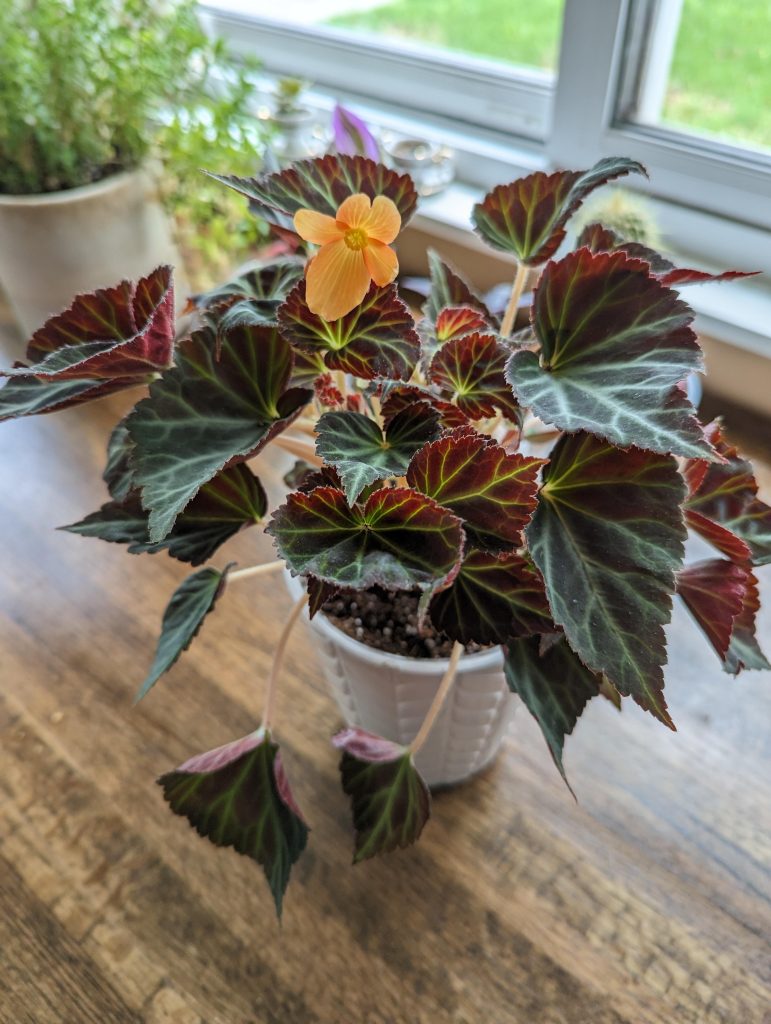
Begonias might just be the most forgiving shade plant you’ll ever grow. Tuberous varieties produce flowers that look like tiny roses, in colors ranging from soft pink to fiery orange. Few shade-loving annuals bloom this reliably all season long.
Soil needs to stay moist but never soggy, so good drainage matters here. Rich, organic soil gives roots what they need to support those heavy blooms.
Containers work beautifully if your garden soil tends to hold too much water.
Frost ends the show, but it doesn’t have to end the plant. Dig up the tubers before the ground freezes. Store them somewhere cool and dry, and you’ll have begonias blooming again next year without buying new ones.
8. Hostas Anchor the Whole Garden
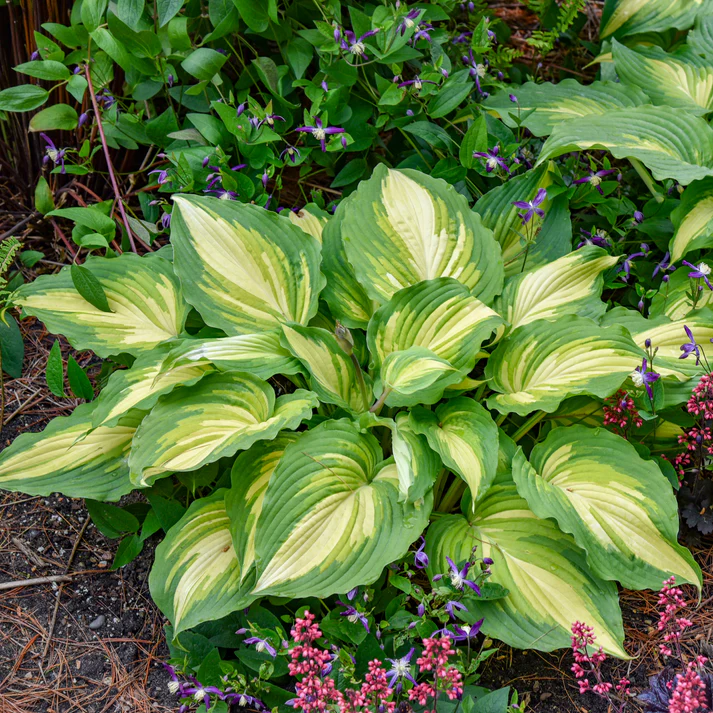
Hostas are the workhorses of shade gardening, and honestly, every shady yard needs at least one.
Leaves range from tiny and delicate to massive and architectural, depending on the variety you choose. Blue-green, gold, and variegated options exist for nearly every design style.
Deep shade doesn’t bother hostas one bit. These plants actually prefer protection from harsh afternoon sun, which can bleach their colors over time.
Rich, moist soil keeps them lush and full throughout the growing season.
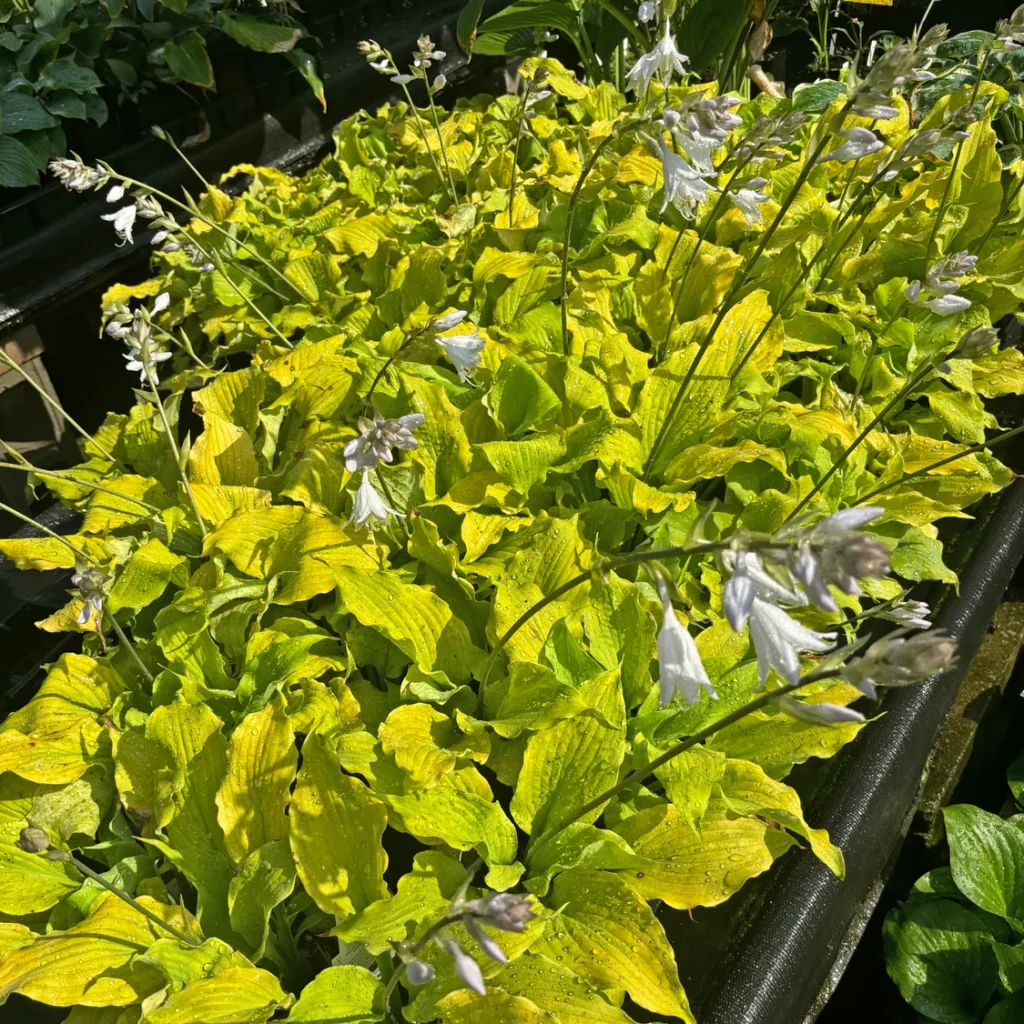
Slugs love hostas just as much as gardeners do, unfortunately. Check the undersides of leaves regularly for damage.
Once established, though, hostas come back bigger and better every single spring, making them one of the lowest-maintenance plants on this entire list.
9. Kaffir Lily Adds Fiery Color
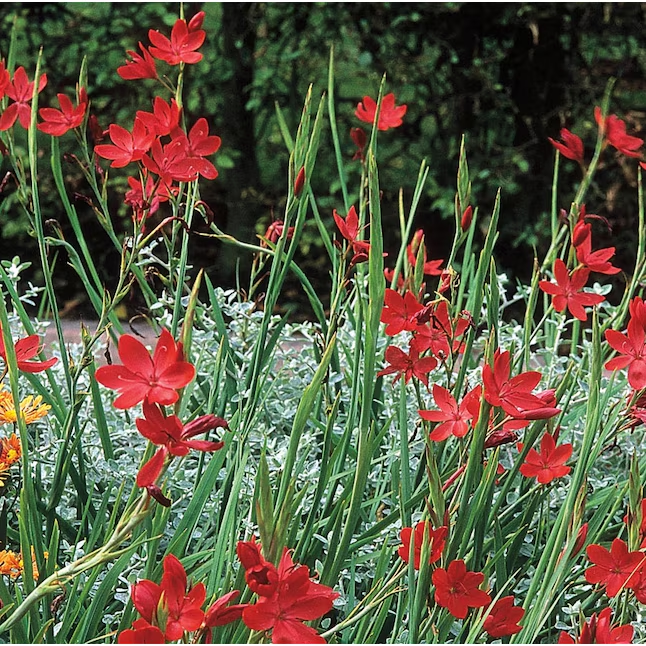
Bright orange clusters bloom on kaffir lily like little fireworks against dark, strappy leaves.
This South African native handles shade better than most flowering plants ever could. Hummingbirds and butterflies show up the moment those blooms open.
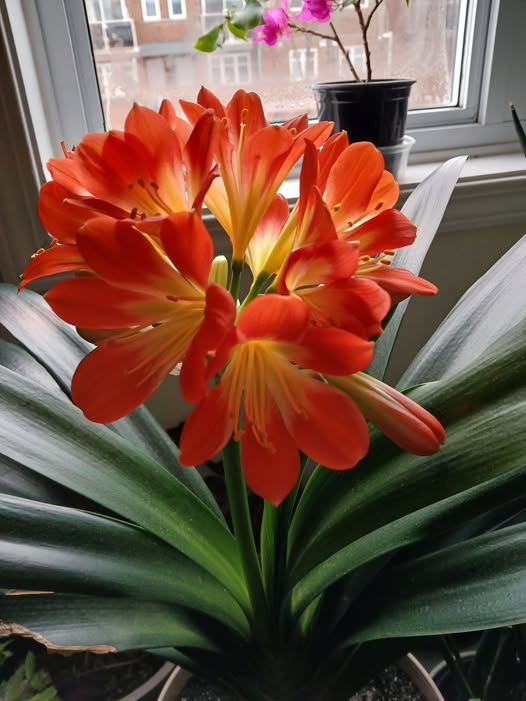
Drought doesn’t faze this plant much, and neither does the occasional soggy week. Clivia miniata tolerates a wide range of conditions once established.
I’ve neglected mine for weeks at a time, and it just kept blooming anyway.
One warning, though: keep this plant away from pets. Both cats and dogs can get sick from chewing on it. Otherwise, kaffir lily makes a fantastic, nearly foolproof addition to any shady bed.
10. Gardenia Fills the Air With Fragrance
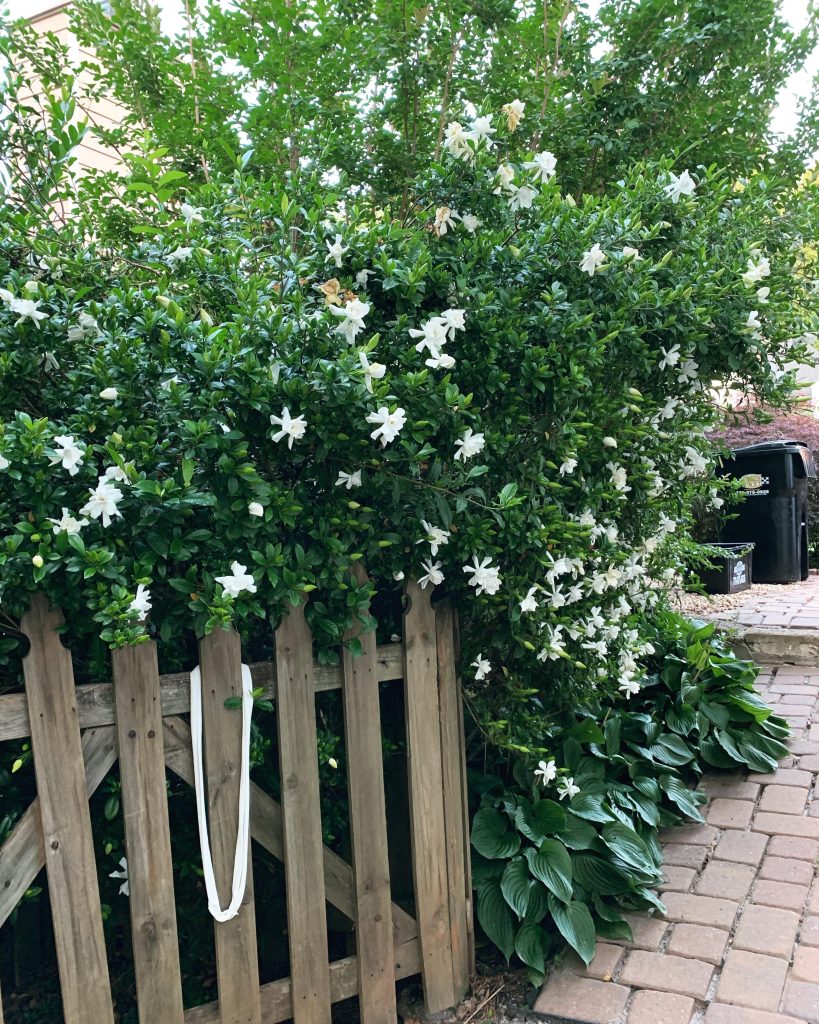
Few plants smell as good as gardenia. That sweet, creamy scent drifts through the whole yard on warm evenings, especially once the sun goes down.
Glossy, dark green leaves stay attractive even when the plant isn’t blooming.
Morning sun with afternoon shade gives gardenia exactly what it wants. Too much direct afternoon heat stresses the plant fast.
Acidic, well-draining soil matters here, so skip the alkaline stuff if you can.
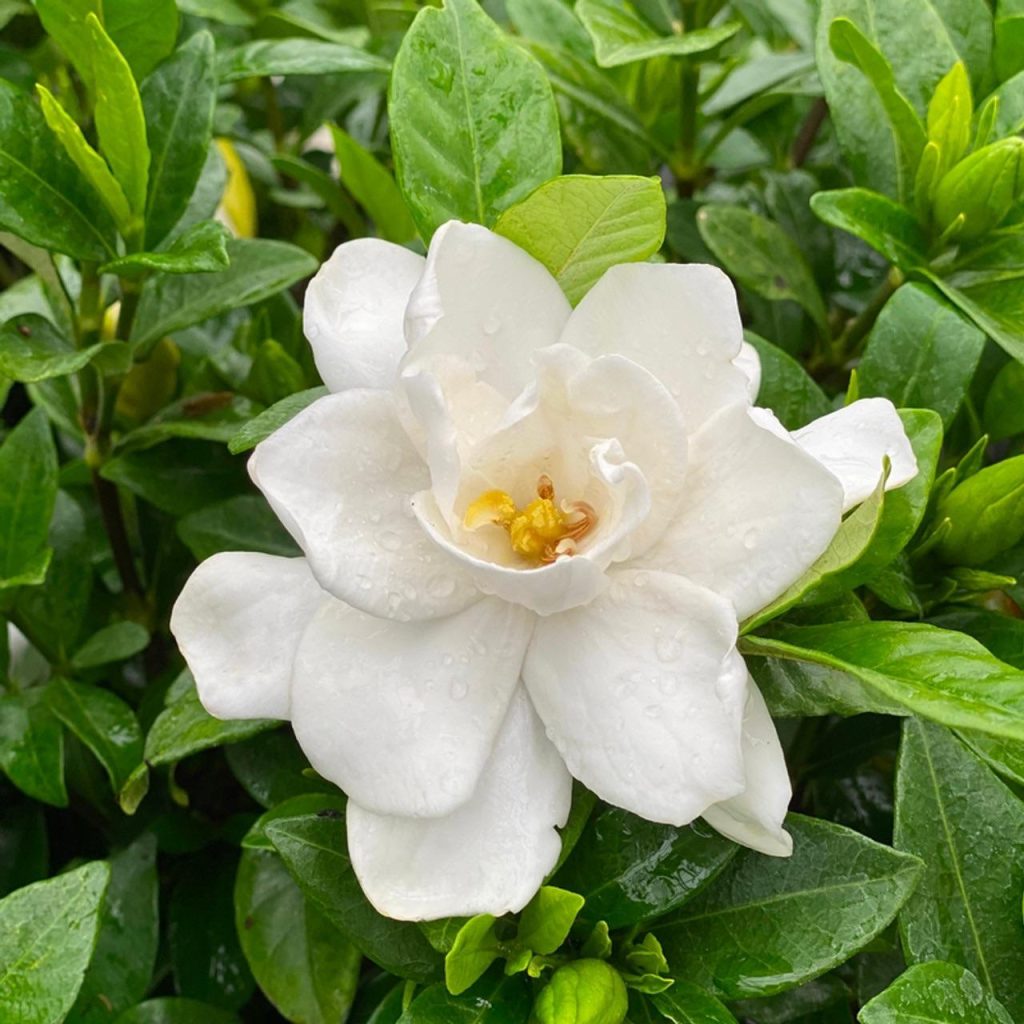
Plant gardenia near a patio or walkway where you’ll actually catch that scent. Trust me, you’ll thank yourself every summer evening.
Newer cultivars handle colder winters better than older varieties, so check your zone before buying.
11. Cast Iron Plant Survives Almost Anything
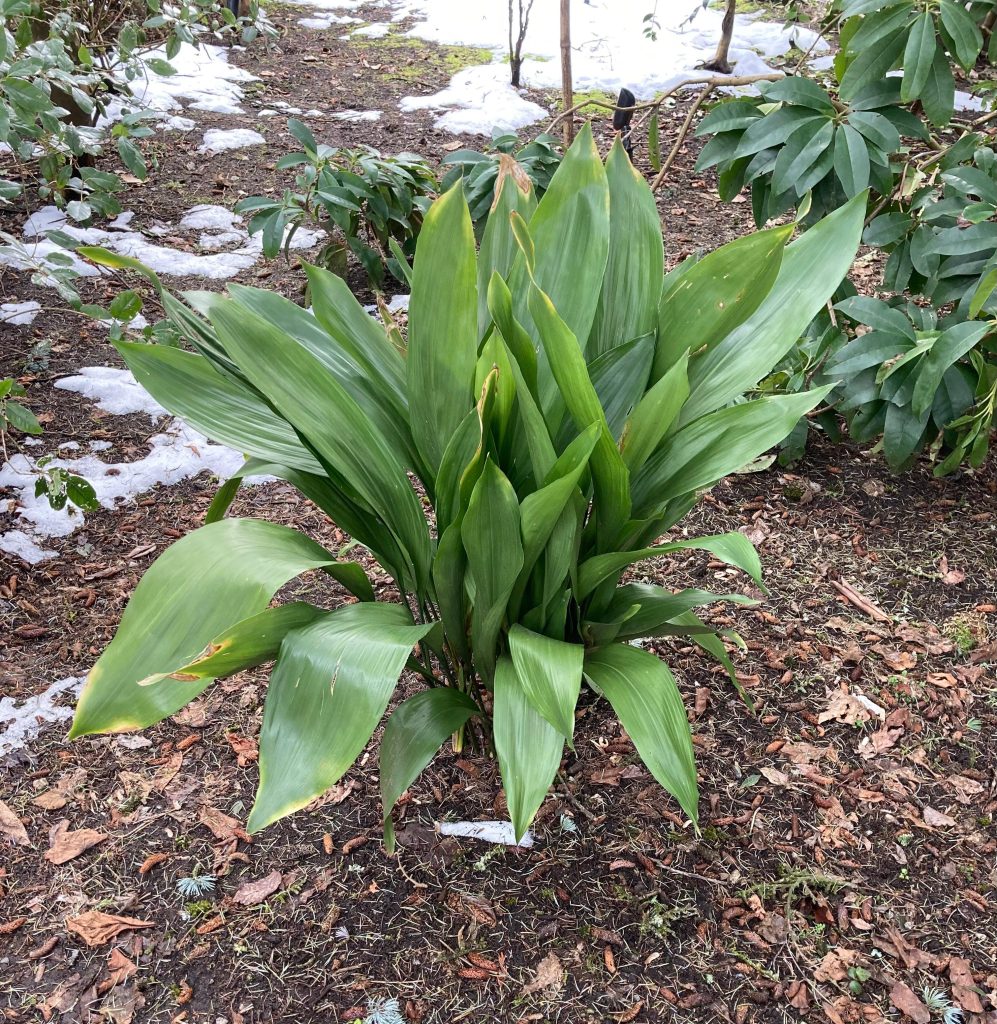
Cast iron plant earned its name honestly. This thing survives neglect, low light, drought, and pretty much anything else you throw at it. Long, dark green leaves add texture without demanding much attention in return.
Direct sunlight is really the only thing that bothers cast iron plant.
Deep shade actually suits it perfectly, making it ideal for those dark corners nothing else survives. Aspidistra elatior spreads slowly via rhizome, forming tidy clumps over time.
Victorian-era homes used to keep this plant in dim parlors for good reason. It just doesn’t quit. If you’ve killed everything else in a shady spot, give cast iron plant a try before giving up entirely.
12. Asiatic Jasmine Covers Ground Fast
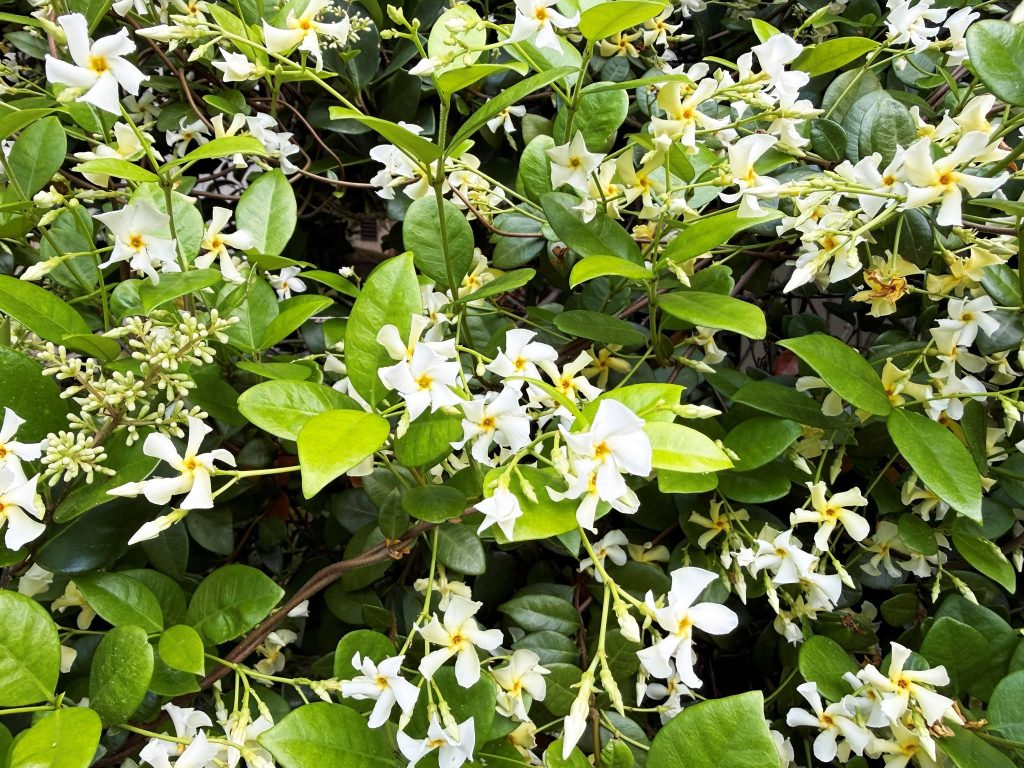
Need a groundcover for a shady slope or bare patch? Asiatic jasmine spreads fast and asks for almost nothing in return.
Despite the name, it’s not related to true jasmine at all, but the small white flowers smell sweet anyway.
Glossy green leaves climb fences or crawl along the ground, whichever direction you point them.
Trachelospermum asiaticum thrives on neglect once roots establish. Moist, rich soil helps it along, but established plants tolerate dry spells just fine.
Variegated cultivars exist if solid green feels boring. ‘Snow N Summer’ blushes red and white at the edges, adding extra interest. Either way, this plant fills space fast and keeps weeds from taking over.
13. Staghorn Fern Grows Like Living Sculpture
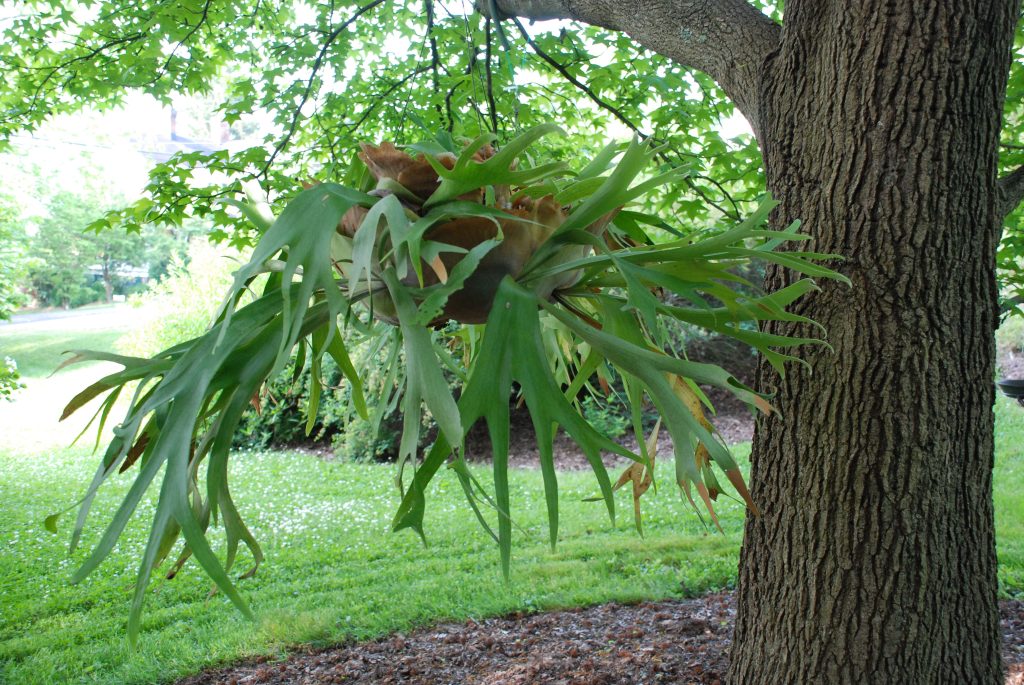
Staghorn fern looks nothing like a typical houseplant, and that’s exactly why people love it. Fronds shaped like antlers fan out from a central base, mounted on wood or hanging in baskets.
Platycerium bifurcatum grows naturally on tree trunks in the wild, not in soil at all.
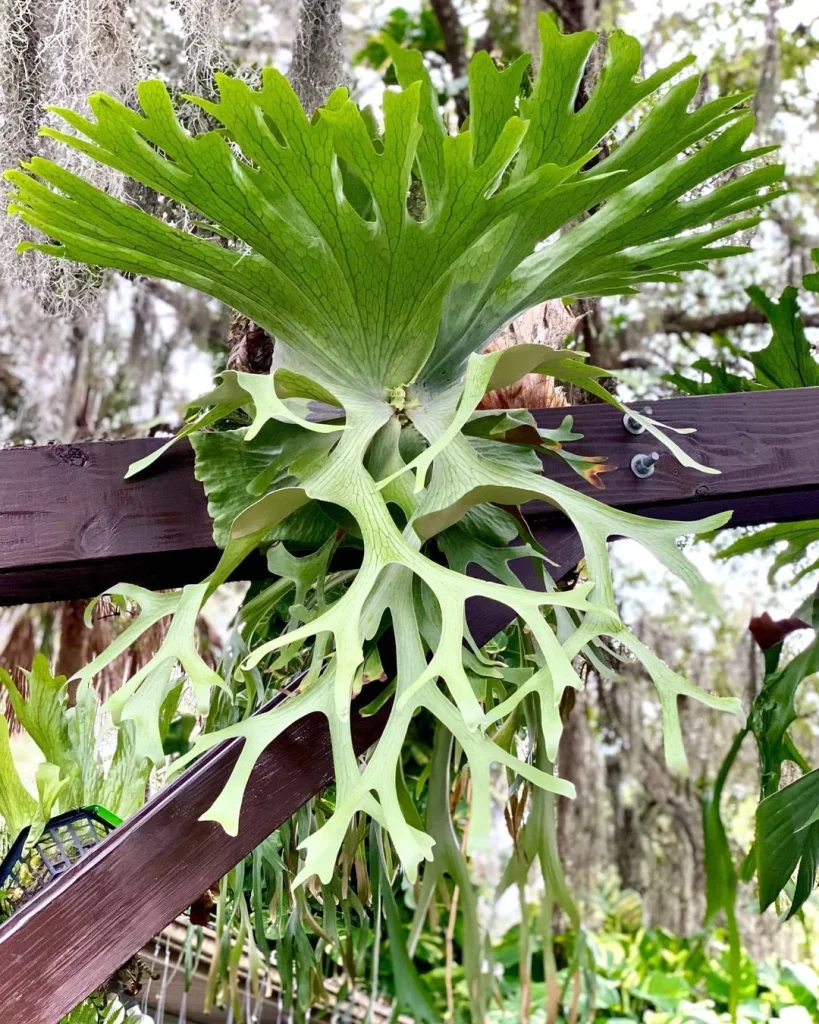
Humidity matters more than almost anything else here. Dry air stresses this fern fast, so misting regularly keeps it happy. I mount mine on a wooden board and soak it in water every couple weeks instead of watering from above.
Partial shade suits staghorn fern perfectly, mimicking the dappled light under a rainforest canopy. Direct sun will scorch those unusual fronds quickly.
Once established, though, this plant practically takes care of itself and just keeps getting bigger.
14. Fuchsia Hangs With Style
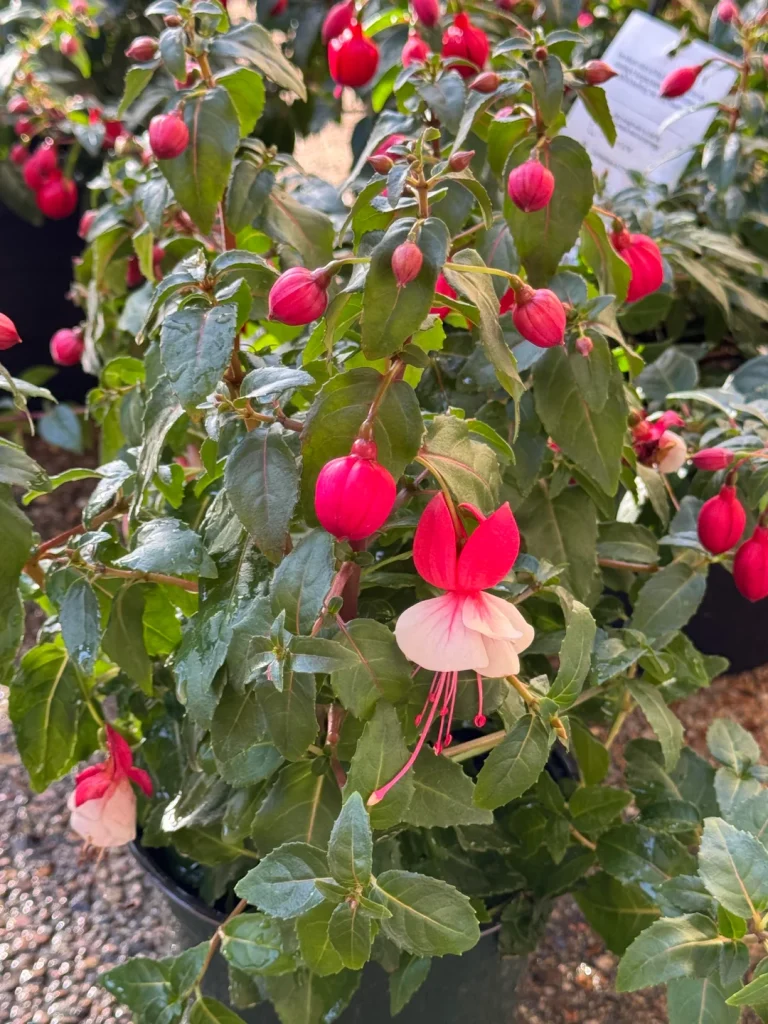
Fuchsia might be the showiest hanging basket plant you can grow in shade. Bright red and white blooms dangle from every branch like tiny ballerinas mid-spin.
‘Swingtime’ remains one of the most popular trailing varieties for good reason.
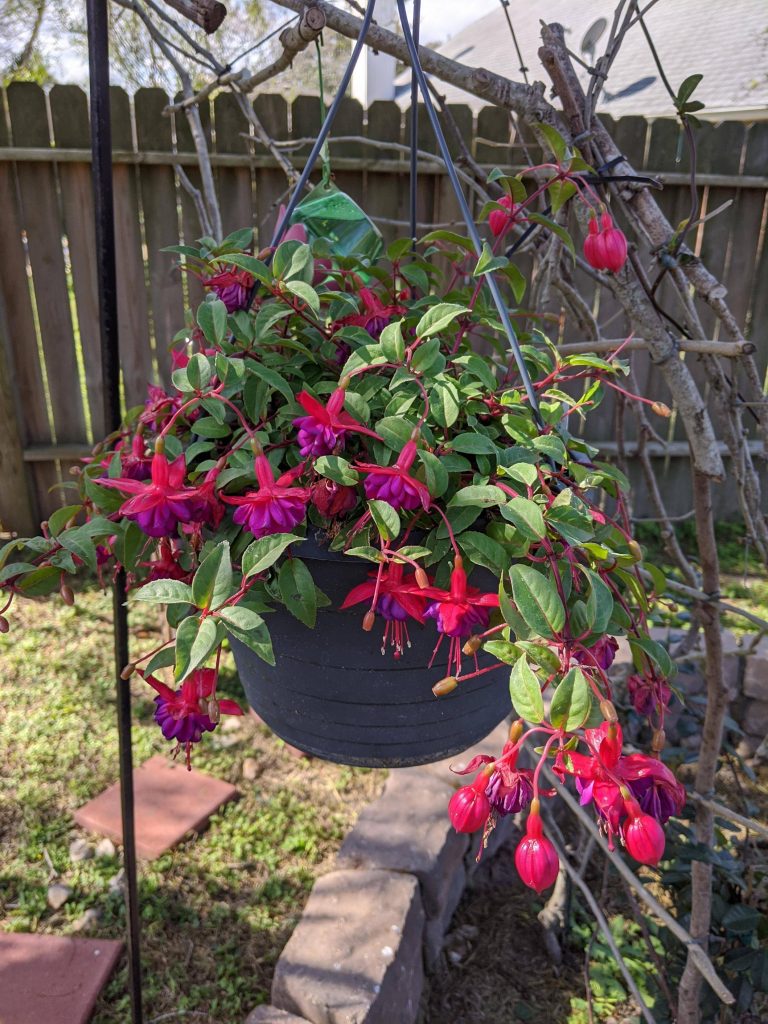
Humidity keeps fuchsia thriving, but soggy roots will kill it fast. Well-draining soil strikes that balance between moisture and drainage.
Feed this plant every couple weeks during bloom season, since it burns through nutrients quickly while flowering.
Hanging baskets and window boxes show off fuchsia best. Let those blooms cascade down where everyone can see them. Cooler shade keeps flowers blooming longer into summer, so avoid hot, exposed spots if you want a longer show.
15. Impatiens Fill Gaps Fast and Easy
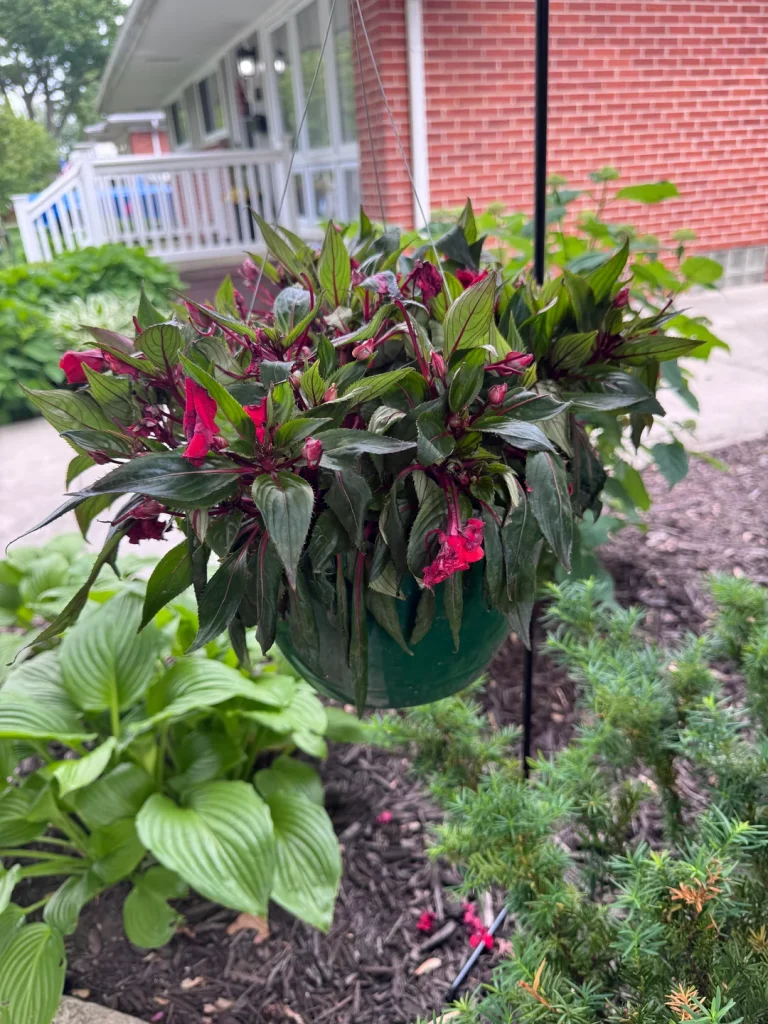
Impatiens might be the most reliable shade annual you’ll ever plant. Nurseries stock them every spring in nearly every color imaginable, from soft pastels to bold reds. Fast growth means gaps in your garden bed fill in within weeks.
Spacing actually changes how tall these plants grow, which surprises a lot of people. Crowd them together, and they’ll stretch taller trying to compete for light.
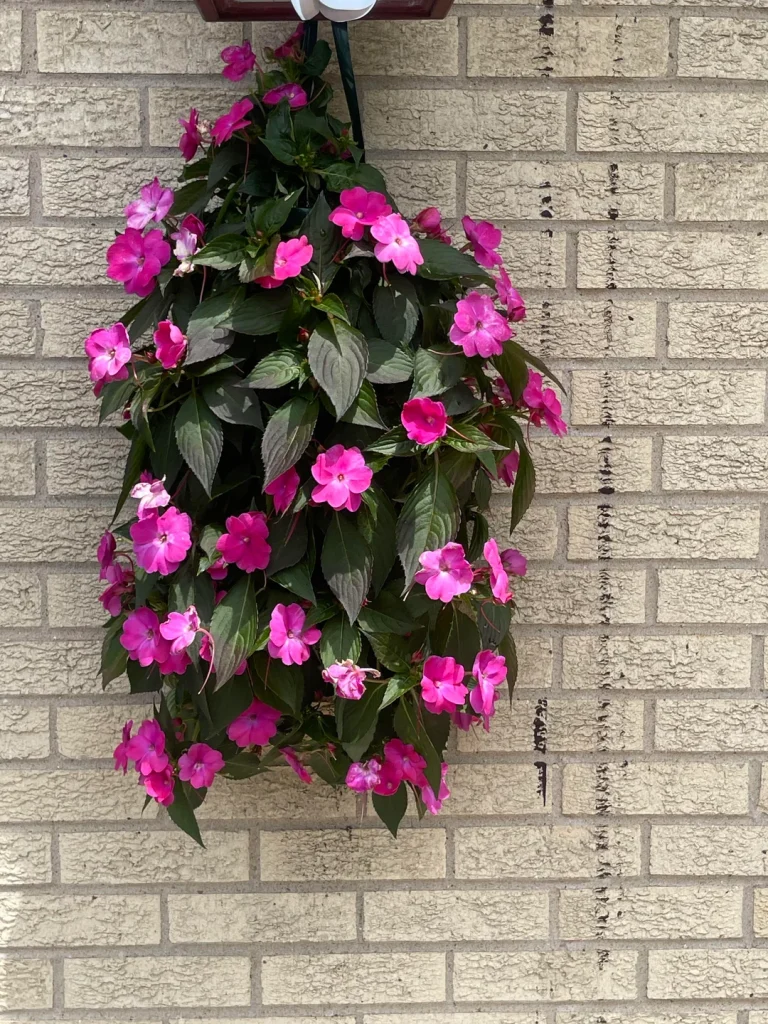
Space them eight to twelve inches apart instead, and you’ll get a fuller, lower-growing look.
New Guinea impatiens handle extra sun better if your “shade” gets a few hours of light. Either variety prefers slightly acidic, moist soil. Plant a few trays in spring, and you’ll have color all summer without much effort at all.
Last Words
Shade used to feel like a limitation to me, until I started growing these fifteen plants. Big leaves, bold colors, fragrant blooms, shade gardens can hold all of it. Each plant on this list proves that low light doesn’t mean low impact.
Start small if you’re overwhelmed by choices. Pick two or three plants that match your climate and soil. Watch how quickly that dark, empty corner turns into the most interesting part of your whole yard.
That’s the part nobody tells you about shade gardening: it rewards patience with personality. Give these plants a try, and don’t be surprised when your shady spot becomes everyone’s favorite.