Tropical Container Garden Ideas: Create a Lush Vacation Feel in Any Outdoor Space

You do not need a huge backyard, a tropical climate, or a luxury resort budget to create a lush outdoor escape.
With the right tropical container garden ideas, you can turn a patio, balcony, porch, courtyard, or empty garden corner into something that feels warm, layered, and alive.
I love tropical container gardens because they give you instant drama. Big leaves, bold flowers, colorful pots, trailing plants, and layered textures can make even a small space feel like a private getaway.
The best part? Containers are flexible. You can move them, rearrange them, protect them from cold weather, and refresh the look whenever you want.
What Makes a Container Garden Look Tropical?
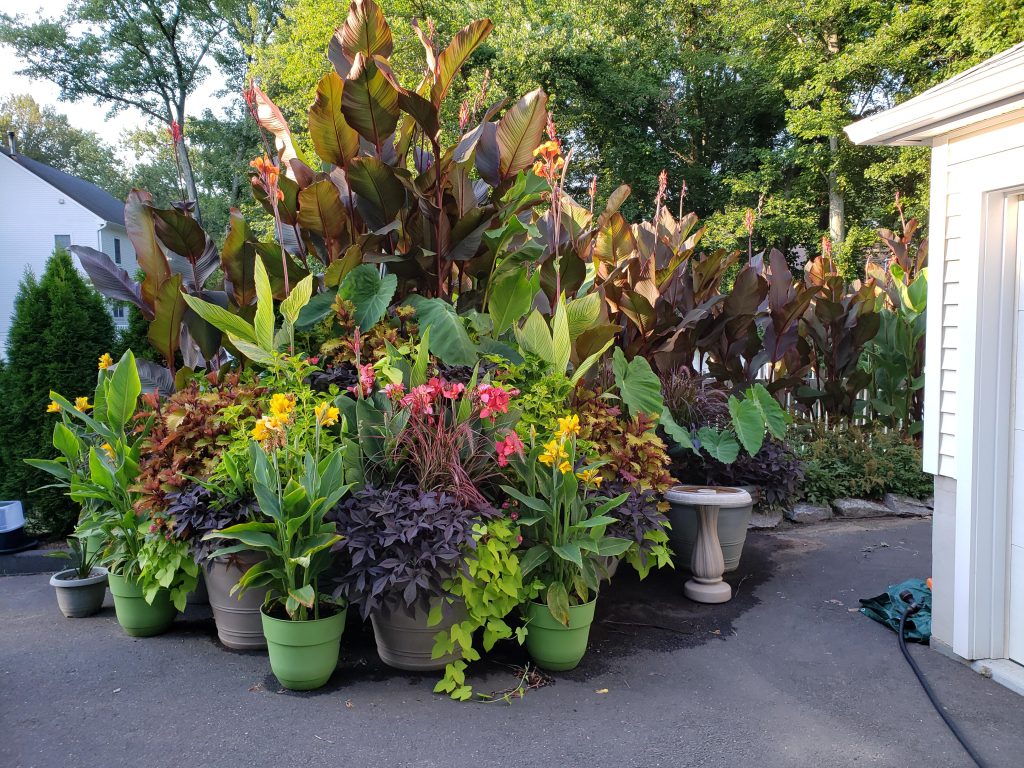
A tropical container garden is all about abundance. You want plants that feel bold, lush, and full of movement.
Think oversized leaves, glossy foliage, bright flowers, strong shapes, and plants that spill over the edge of the pot. The goal is not to make everything perfect — it is to make the space feel rich, relaxed, and full of life.
The easiest way to get that tropical feeling is to combine three things: height, fullness, and flow. One tall plant gives structure, medium plants fill the center, and trailing plants soften the edges.
Start with Bold Tropical Plants
If you want a tropical container garden to look impressive, start with plants that make a statement. Tiny, delicate plants can be beautiful, but tropical design works best when at least one plant grabs attention.
For instant drama, choose plants with large leaves or strong upright growth. Elephant ears, banana plants, cannas, palms, hibiscus, and mandevilla are all excellent choices.
Elephant Ears
Elephant ears are one of the fastest ways to create a tropical look. Their huge, heart-shaped leaves bring instant jungle energy to patios, porches, and small garden corners.
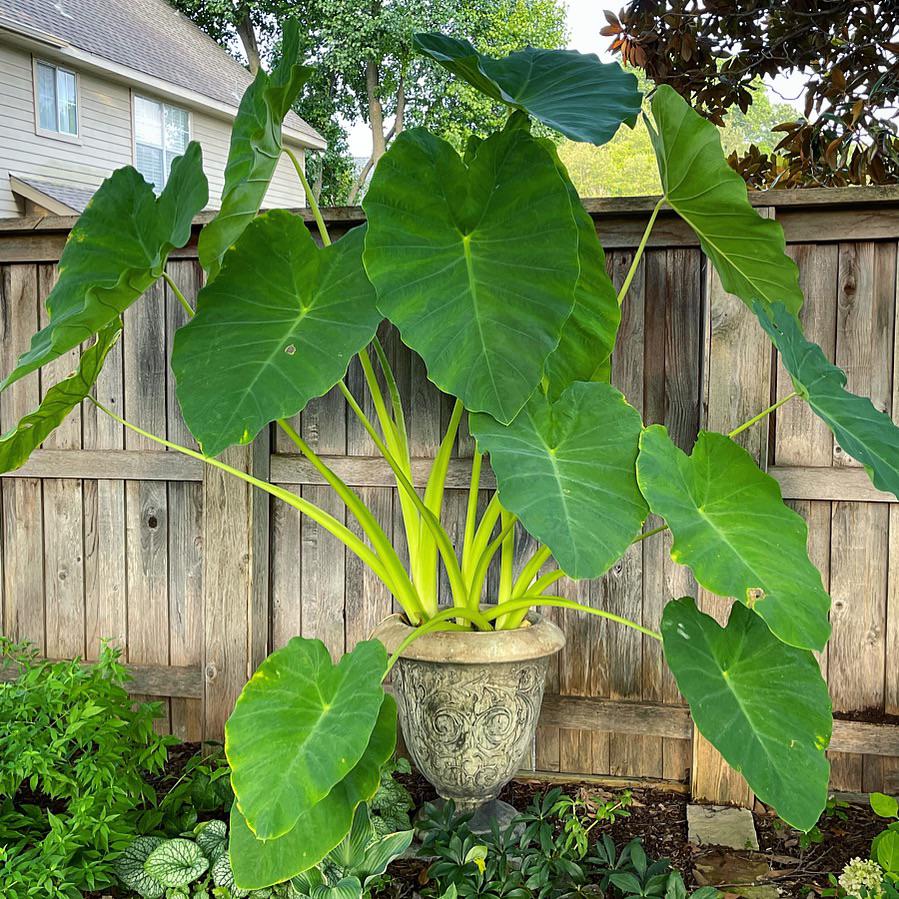
Use them as the main focal point in a large container. Dark varieties look especially striking when paired with lime-green or bright orange foliage.
Banana Plants
Banana plants bring height, movement, and that resort-style feeling. Their broad leaves make a space feel private and enclosed, especially when placed behind seating areas.
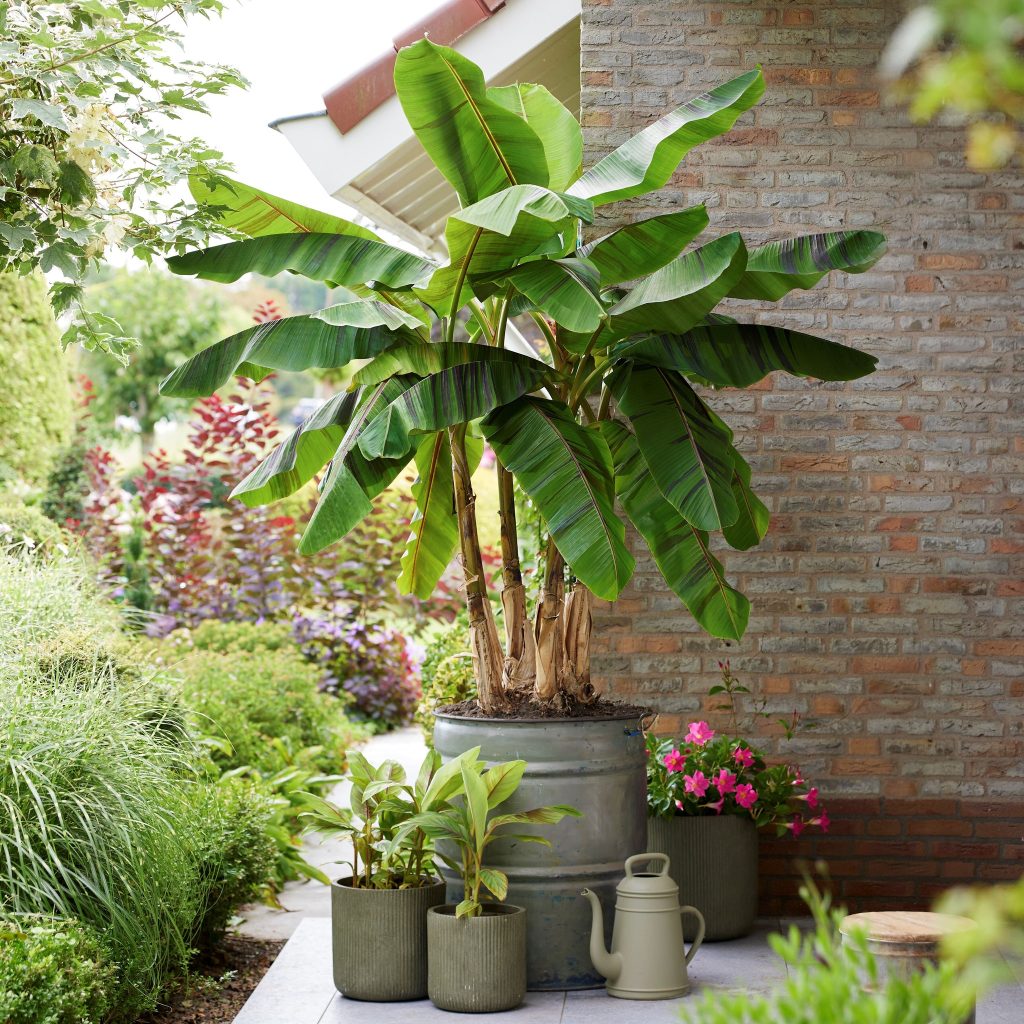
Because banana plants can become top-heavy, use a large, stable container. A heavy pot will help prevent the plant from tipping over in wind.
Cannas
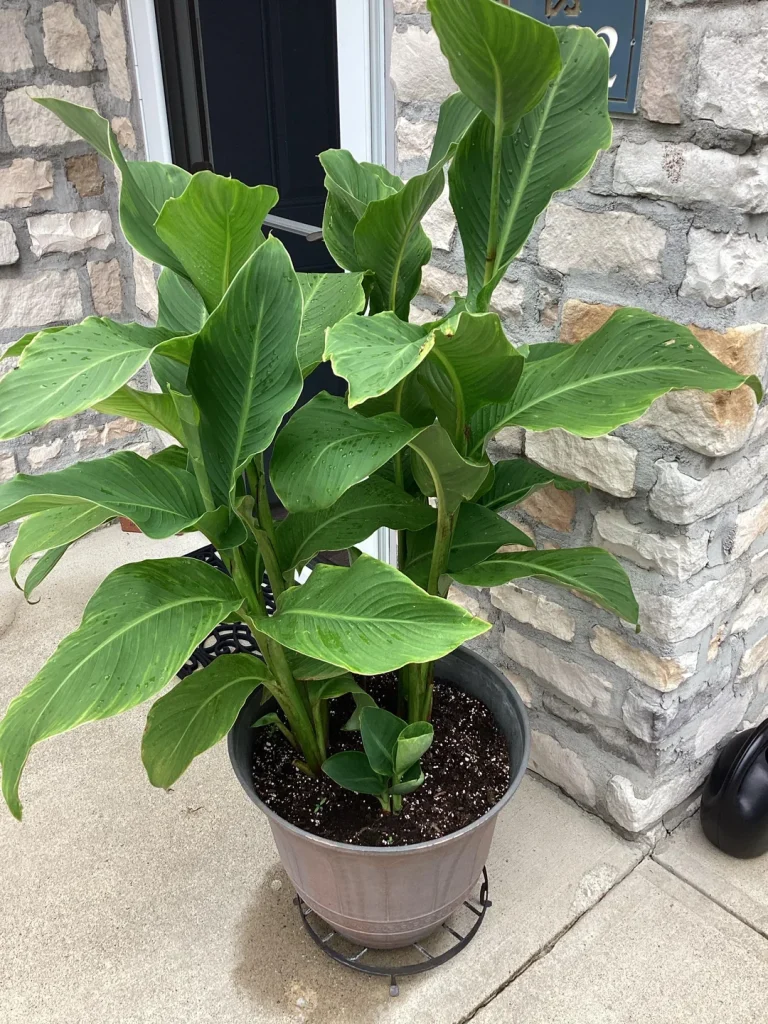
Cannas are perfect if you want both foliage and flowers. Many varieties have bold striped, bronze, burgundy, or green leaves, plus bright blooms in warm shades like orange, red, yellow, or pink.
They work beautifully as the “thriller” plant in a mixed container. You can also plant them alone in a large pot for a clean, dramatic look.
Hibiscus
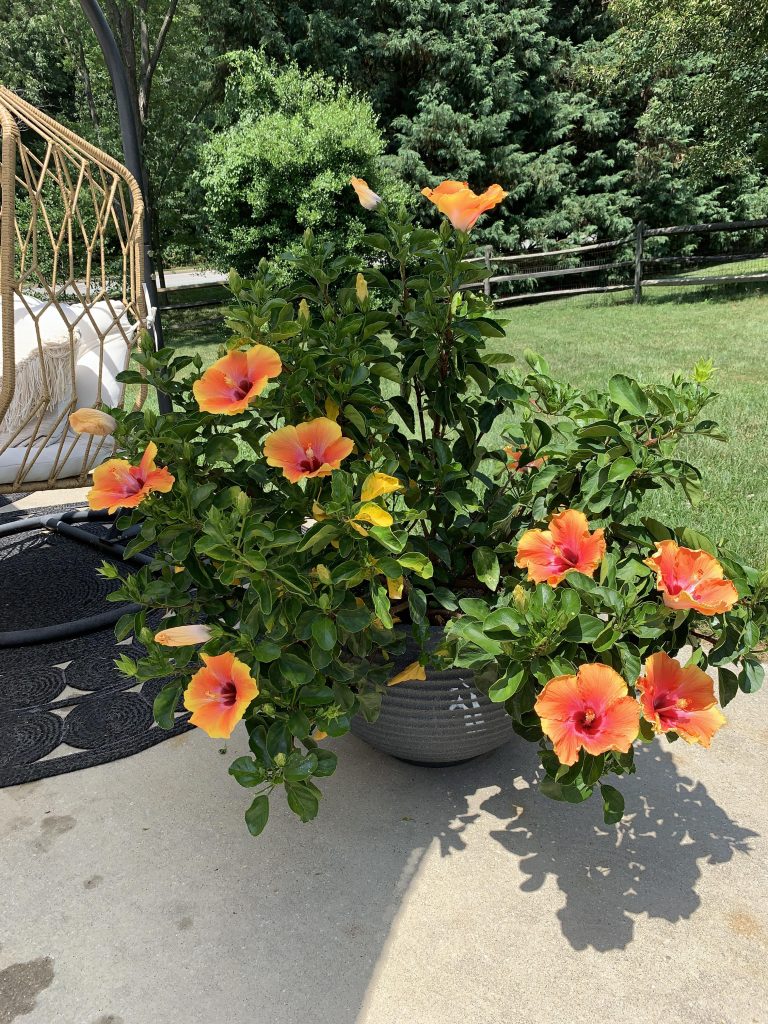
Hibiscus gives you those big, colorful flowers that instantly say “tropical.” It works best in sunny spots where the blooms can shine.
I would use hibiscus near a front entry, patio seating area, or poolside space. Pair it with trailing plants around the base so the container feels full from top to bottom.
Mandevilla
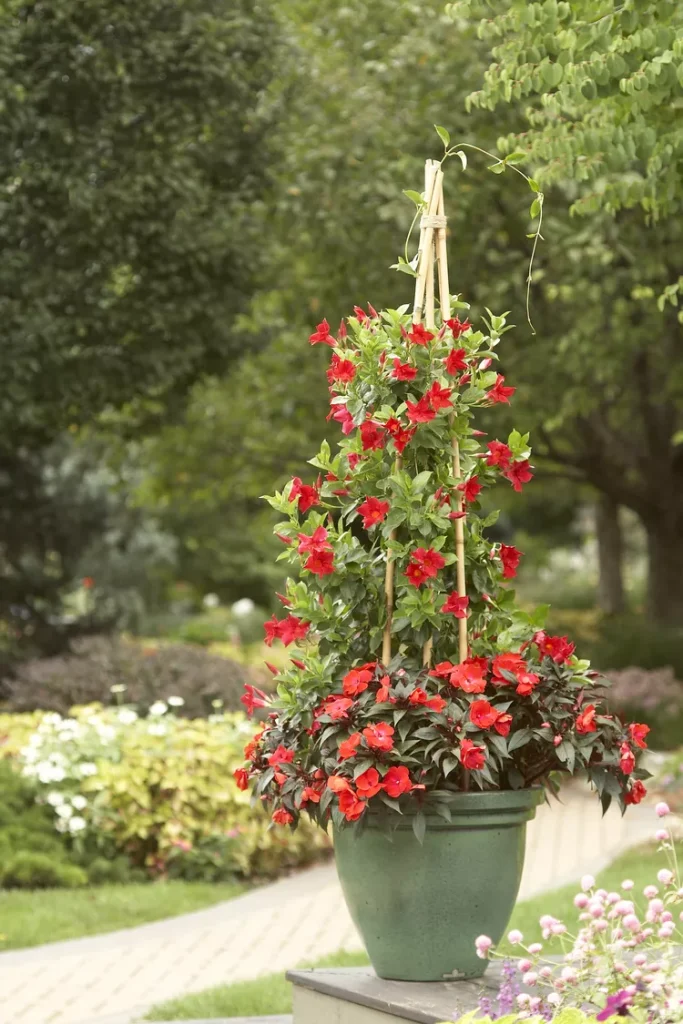
Mandevilla is a tropical flowering vine that works well in containers with a trellis. It adds height without taking up much floor space, which makes it great for balconies and small patios.
Use it near railings, walls, fences, or porch posts. The climbing flowers give the container a romantic, vertical look.
Begonias, Caladiums, and Bromeliads
For color and texture, begonias, caladiums, and bromeliads are excellent choices. They are especially useful in shaded or partially shaded areas.
Caladiums bring bright foliage, begonias add patterned leaves and soft flowers, and bromeliads give the container a sculptural tropical shape. These plants are perfect when you want a tropical look without relying only on flowers.
Use the Thriller, Filler, Spiller Formula
The easiest design trick for tropical containers is the thriller, filler, spiller method. It sounds simple, but it works almost every time.
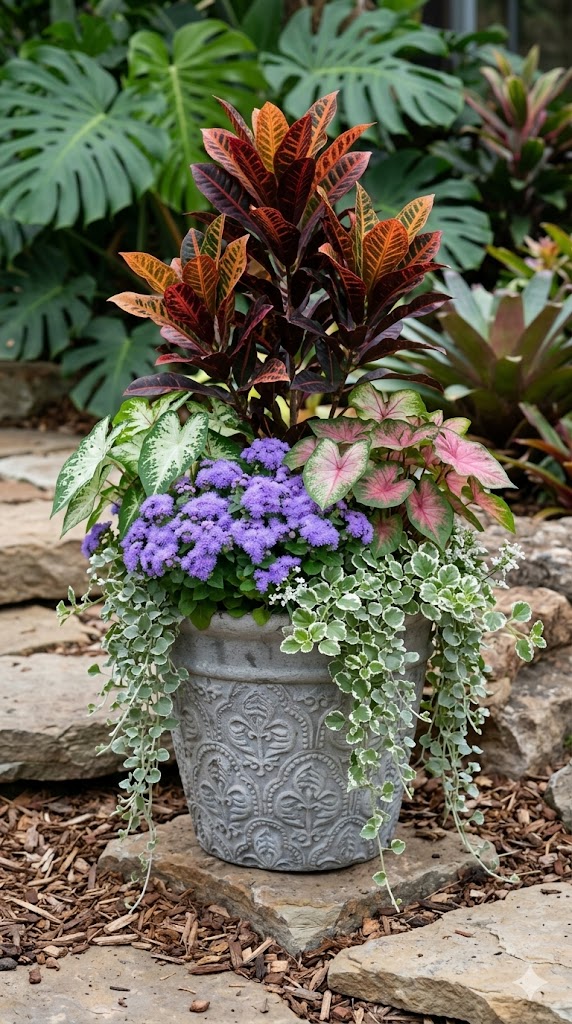
The thriller is your tall focal plant. This could be a banana, canna, elephant ear, palm, hibiscus, or cordyline.
The filler plants sit around the middle and make the container look full. Good options include coleus, caladiums, begonias, bromeliads, ferns, and crotons.
The spiller plants trail over the edge of the pot. Try sweet potato vine, pothos, creeping fig, calibrachoa, trailing pilea, or ivy.
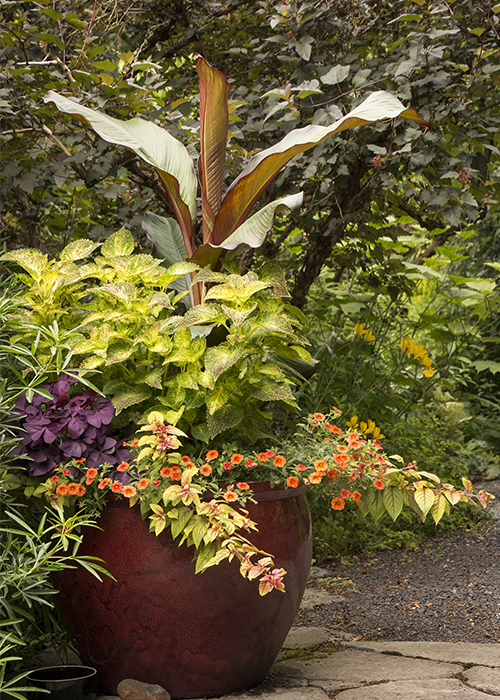
Here is an easy example:
- Thriller: Elephant ear
- Filler: Coleus, caladium, and begonia
- Spiller: Sweet potato vine or pothos
This combination works because you get height, color, texture, and movement in one pot. It looks designed, but it does not feel stiff.
Create Drama with Color and Contrast
Tropical container gardens should not feel shy. This is the place to use bold color, unusual foliage, and strong contrast.
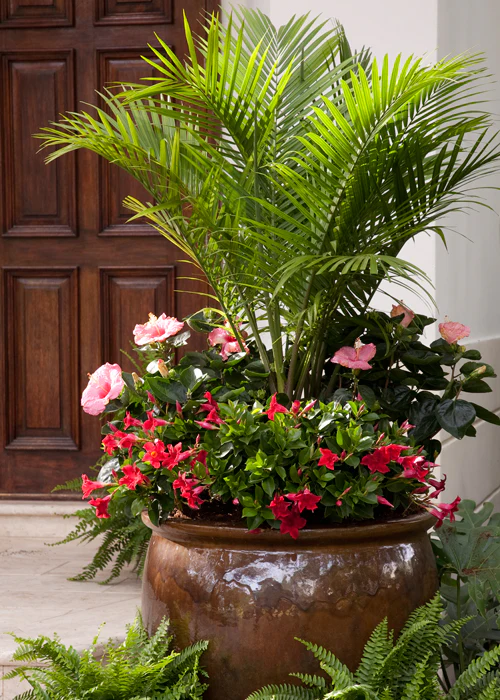
Try pairing dark leaves with bright green plants. For example, a black elephant ear with lime sweet potato vine can look dramatic and modern.
You can also use colorful foliage instead of depending only on flowers. Coleus, caladiums, crotons, cannas, and bromeliads can carry color all season, even when flowering plants are not blooming.
Another smart trick is to repeat one color across your container display. You might use the same pot color, repeat burgundy foliage, or add touches of orange in several planters.
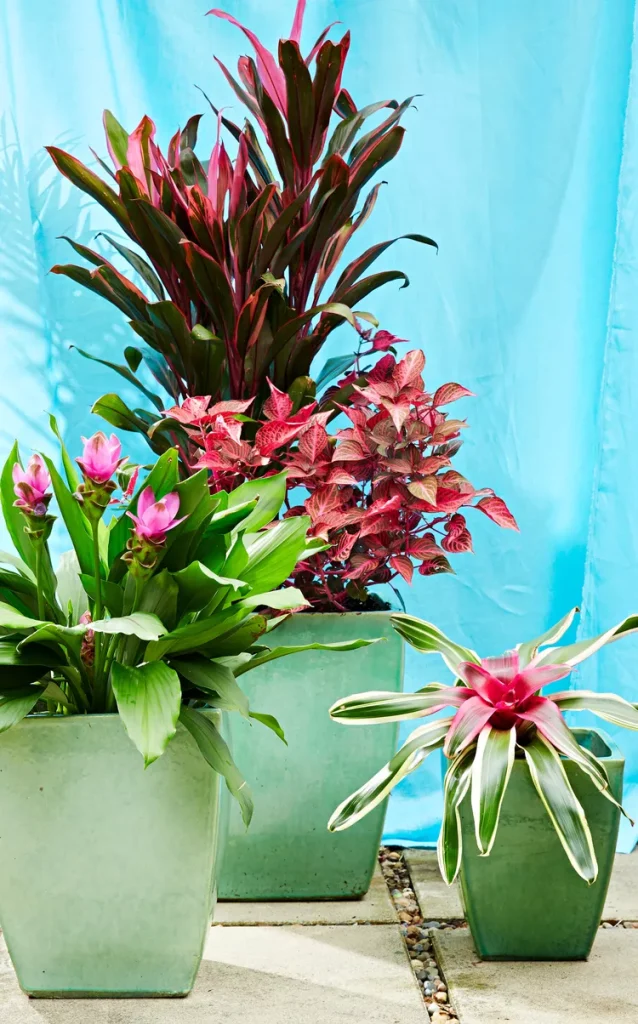
This repetition makes the whole garden feel connected. Even if every pot has different plants, the design still looks intentional.
Try Tropical Houseplants Outdoors in Summer
One of my favorite tropical container garden ideas is using houseplants outdoors during warm months. Many common indoor plants can look incredible on a shaded patio or covered porch.
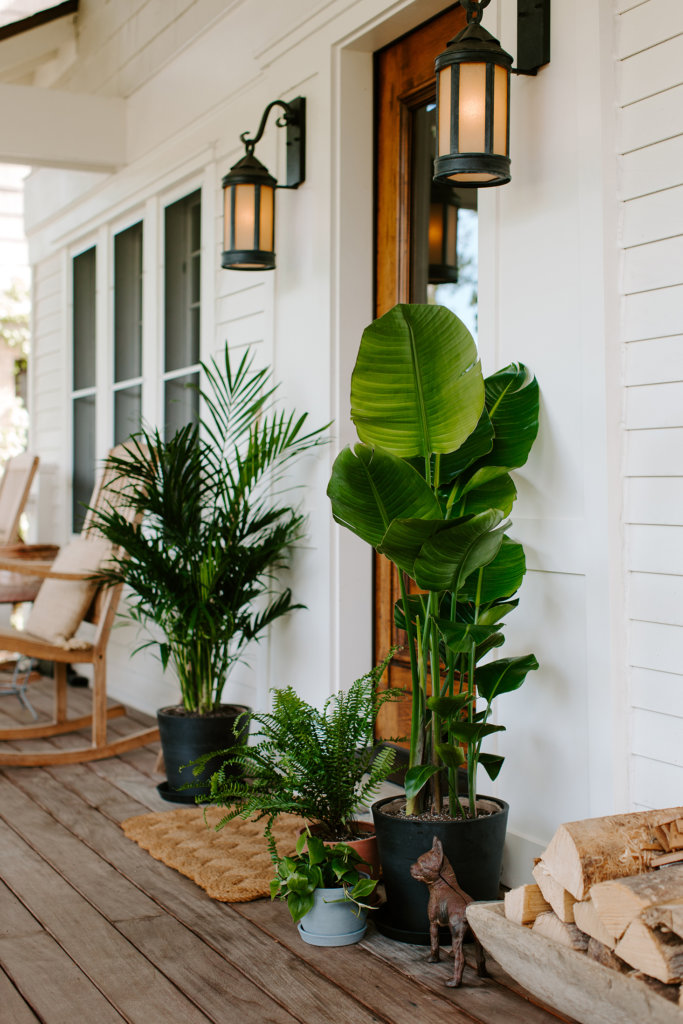
Plants like rubber plants, calatheas, pothos, ferns, bromeliads, and prayer plants can bring a lush indoor-outdoor feeling. They are especially helpful if you want a tropical look without buying all new plants.
But do not move houseplants straight into harsh sun. Give them time to adjust, and place shade-loving plants in bright shade or dappled light.
Too much direct sun can burn the leaves. Start gently, then watch how the plant responds.
Match Plants to Sun or Shade
One mistake many people make is mixing sun-loving and shade-loving tropical plants in the same container. The design may look good at first, but the plants will struggle if they do not want the same light.
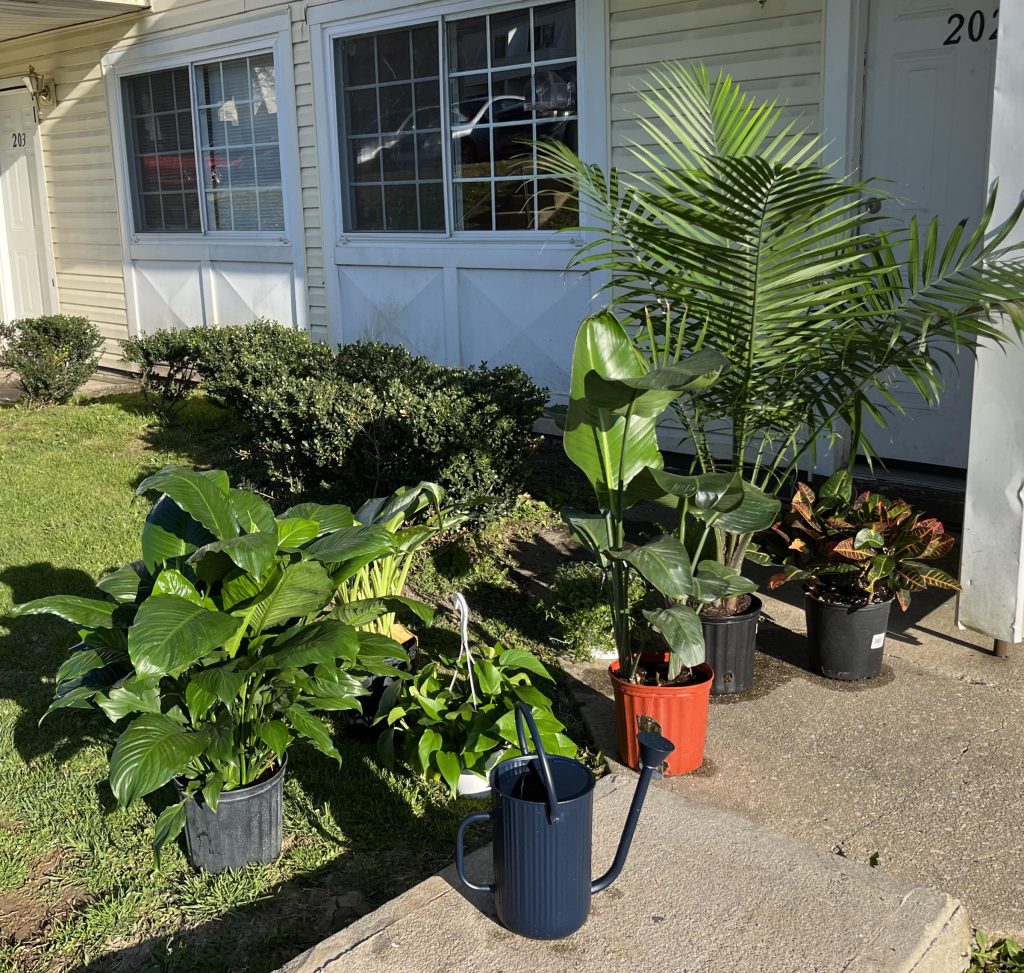
For sunny spaces, choose tougher tropical plants. Hibiscus, cannas, banana plants, mandevilla, lantana, and some coleus varieties usually handle sun well.
For shade or partial shade, go softer and leafier. Caladiums, begonias, ferns, calatheas, bromeliads, and some elephant ears are better choices.
Before planting, watch your space for a day. Notice whether it gets full sun, morning sun, afternoon sun, filtered light, or deep shade.
That one step can save you a lot of frustration later. The right plant in the right light will always look better than a stressed plant in the wrong spot.
Tropical Container Ideas for Small Spaces
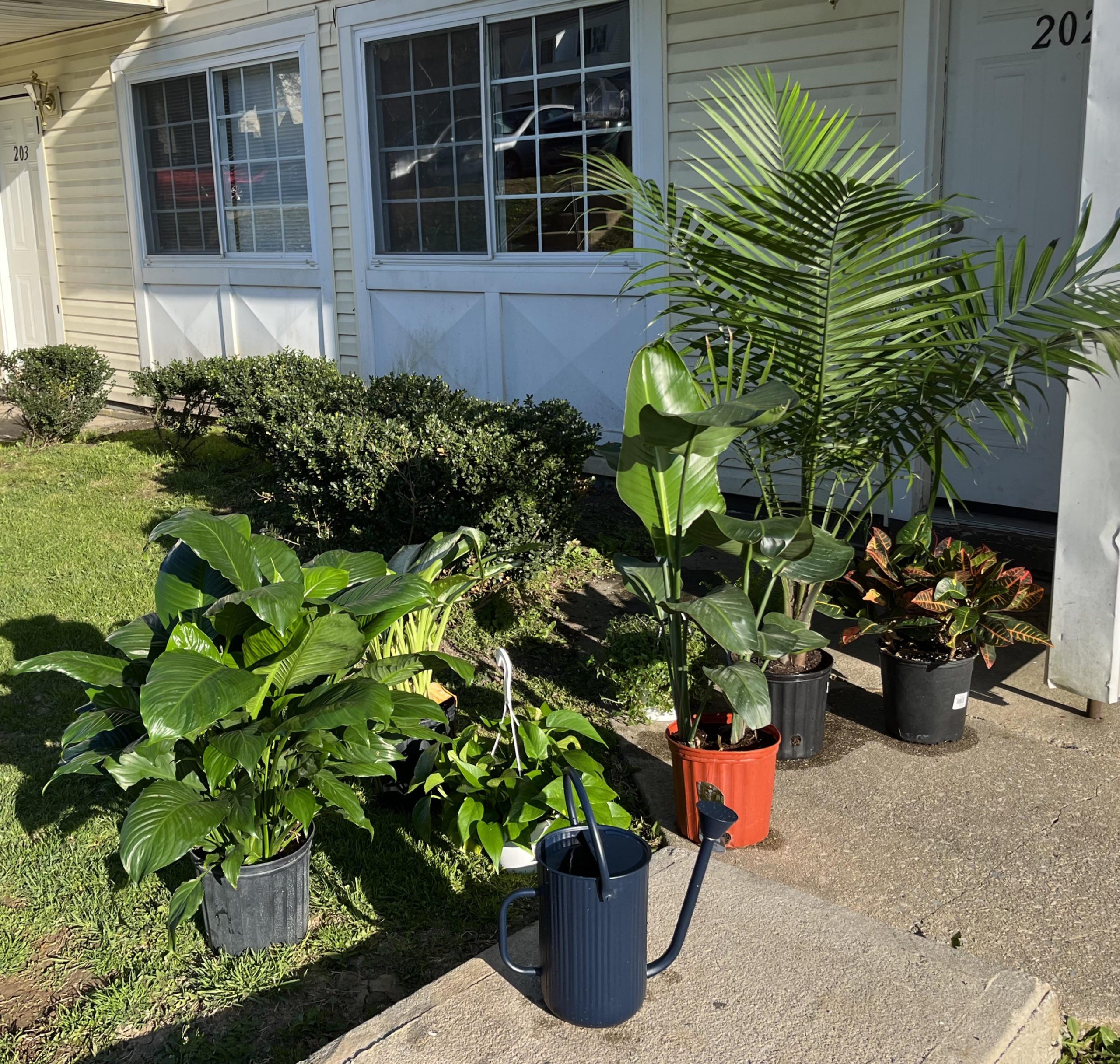
You do not need a large garden to create a tropical mood. In fact, tropical containers are perfect for small patios, balconies, narrow courtyards, and compact backyards.
The key is to build upward instead of spreading outward. Use tall plants like bananas, palms, cannas, or mandevilla on a trellis to create height without taking over the floor.
Then place medium and small containers around the base. This creates a layered garden effect without needing a full planting bed.
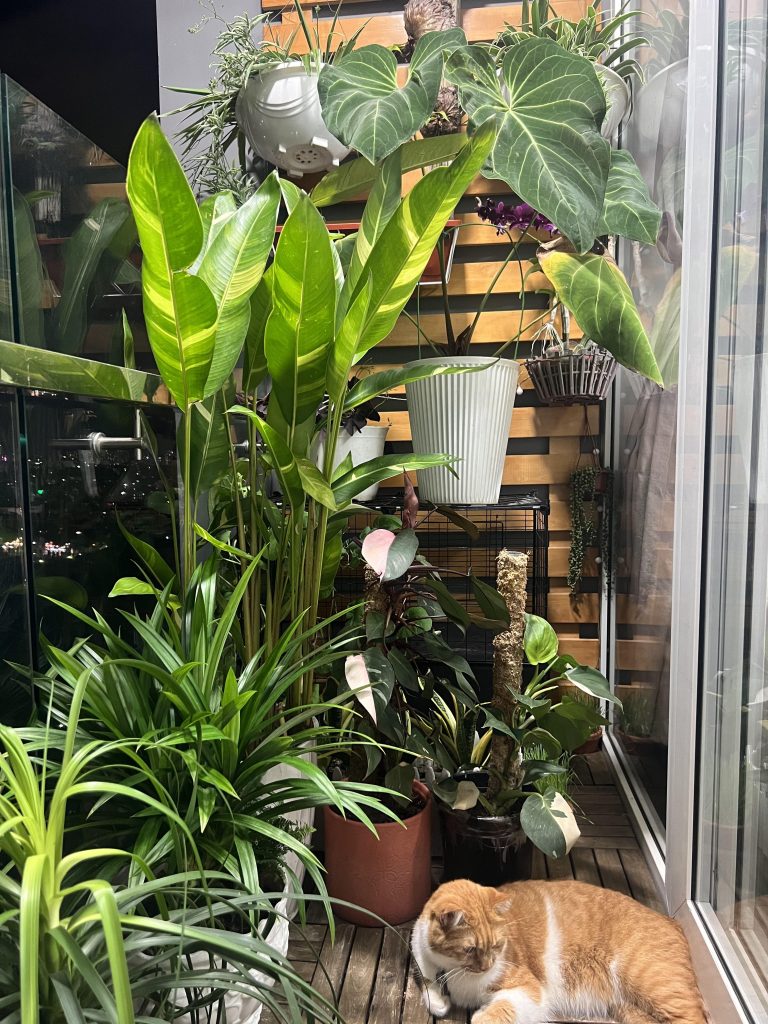
For a small balcony, try one tall container in the corner, one medium pot beside it, and one trailing plant near the front. That simple three-pot setup can feel surprisingly lush.
For a courtyard, group several containers together instead of spacing them too far apart. Tropical gardens look better when plants overlap slightly and create a sense of fullness.
Choose the Right Container
The container matters just as much as the plant. A tropical plant in the wrong pot can look awkward, dry out too quickly, or tip over.
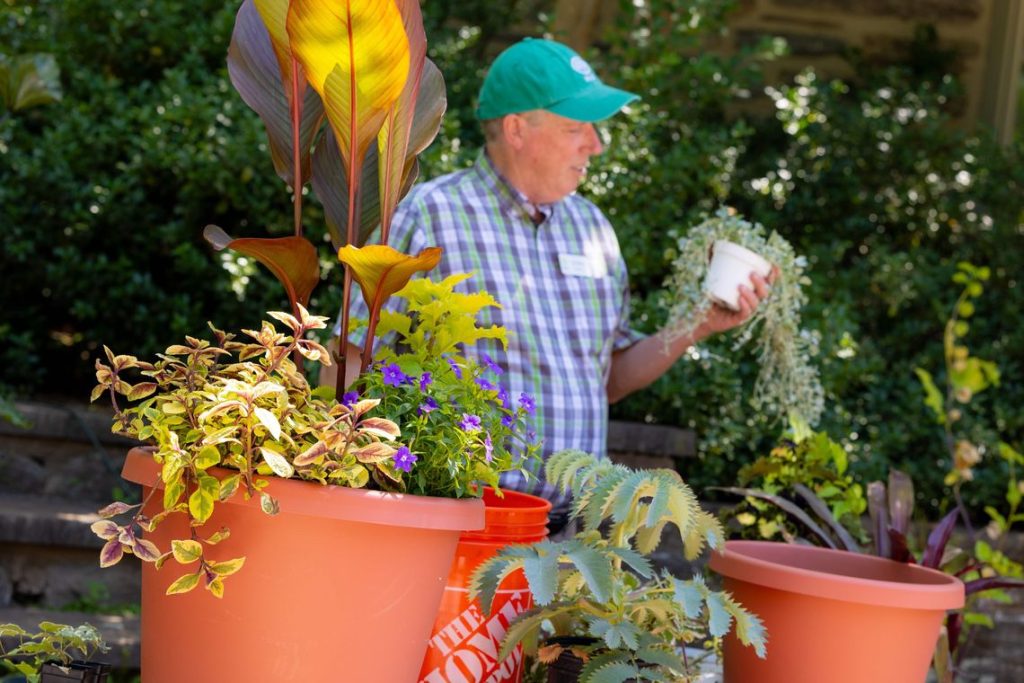
Large plants like bananas, elephant ears, cannas, and palms need large containers. Bigger pots give roots more room, hold moisture longer, and provide better balance.
Heavy containers are especially useful for tall tropical plants. Wind can easily catch big leaves, so a lightweight pot may not be stable enough.
Drainage is non-negotiable. Tropical plants usually like moisture, but they do not like sitting in soggy soil.
Always choose pots with drainage holes. If you love a decorative pot that has no holes, use the pot-in-pot method: keep the plant in a nursery pot and place it inside the decorative container.
Let the Pot Become Part of the Design
Your container is not just a plant holder. It is part of the whole tropical look.
Terracotta pots create a warm, earthy style. They look beautiful with palms, cannas, and trailing greenery.
Glazed pots bring more color and polish. A deep blue, green, yellow, or coral pot can make a tropical planting feel more playful.
Black or charcoal containers create a modern look. They are especially good with dark elephant ears, burgundy coleus, and bright lime foliage.
If you want a relaxed resort feel, try woven baskets or natural-look planters. They pair beautifully with palms, ferns, and banana plants.
Easy Tropical Container Combination Ideas
Sometimes the hardest part is knowing what to plant together. Here are a few simple combinations you can use as inspiration.
1. Bold Sunny Patio Container
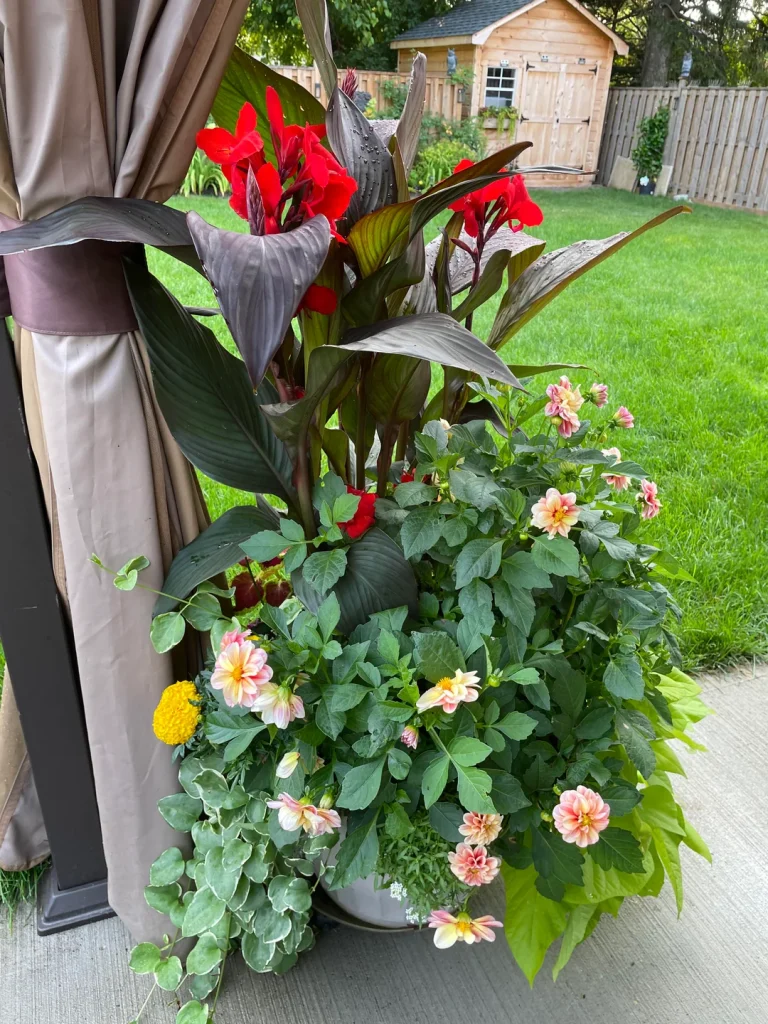
Use a canna as the tall focal point, then add coleus and caladium for colorful foliage. Finish with calibrachoa or sweet potato vine spilling over the edge.
This gives you height, color, and softness in one container. It works well on patios, decks, and sunny entryways.
2. Small Courtyard Jungle
Start with a banana plant in a large pot. Place elephant ears, bromeliads, and ferns around it in smaller containers.
This creates a layered jungle look without needing much ground space. It is perfect for a corner that feels empty or too plain.
3. Shade-Loving Tropical Pot
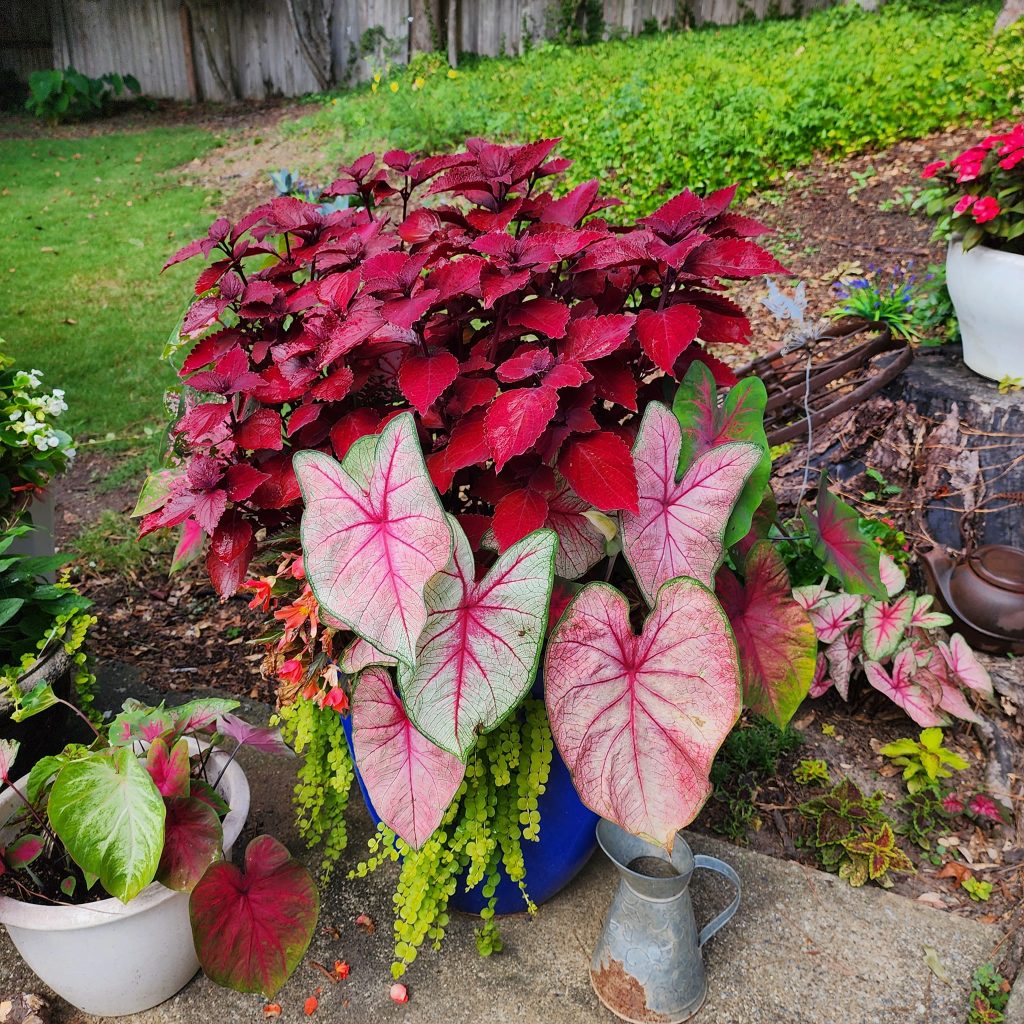
Use a caladium or small palm as the main plant. Add begonias and ferns for fullness, then let pothos or creeping fig trail over the edge.
This combination is great for covered patios, balconies, and shaded porches. It feels cool, lush, and soft.
4. Dark and Dramatic Container
Use black elephant ear as the focal point. Add burgundy coleus and finish with lime sweet potato vine.
The contrast is bold and stylish. This is a great choice if you want something less traditional and more eye-catching.
5. Tropical Entryway Planters
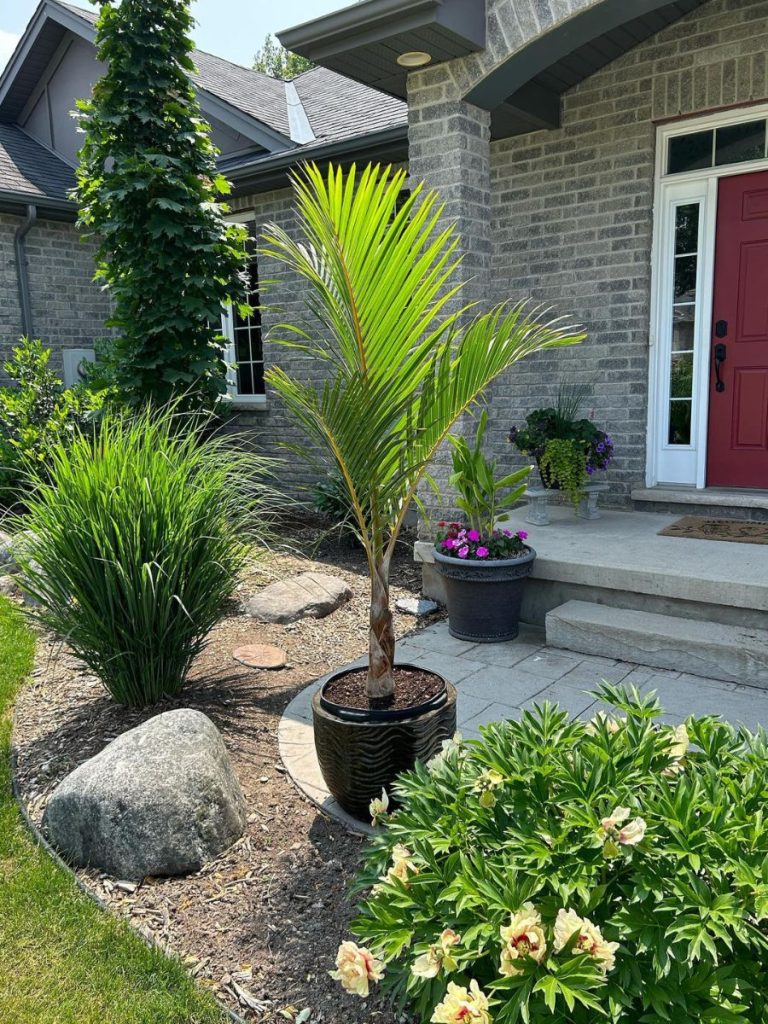
Place matching containers on both sides of your front door. Use hibiscus, cannas, or palms as the main plant.
This creates a strong first impression. It makes your entrance feel warm, polished, and inviting.
Watering Tropical Container Gardens
Tropical container plants often need more water than regular garden plants, especially during hot weather. Containers dry out faster because their roots are above ground and exposed to heat and wind.
Check the soil often by touching it with your finger. If the top inch feels dry, many tropical plants are ready for water.
Still, do not keep the soil constantly soggy. Yellow leaves, soft stems, or a sour smell from the soil can be signs of overwatering.
During summer, large tropical containers may need water every day in hot, sunny spots. Shaded containers usually dry out more slowly.
Keep Containers Looking Fresh
Tropical containers look best with a little regular grooming. Remove yellow, torn, or damaged leaves so the display stays clean and healthy.
Deadhead spent flowers when needed. This helps flowering plants look better and may encourage more blooms.
Also, keep an eye out for pests like aphids, mealybugs, mites, and scale. Check under leaves and along stems because pests often hide where you do not notice them at first.
As plants grow, you may need to rearrange your containers. A pot that looked perfect in May may need more space by July.
Protect Tropical Plants from Cold Weather
Many tropical plants love warmth and dislike cold nights. If you live in a colder climate, you can still enjoy tropical containers, but you need a winter plan.
Some gardeners treat tropical plants like annuals and replace them each year. Others bring tender plants indoors before temperatures drop too low.
Foliage plants like begonias, bananas, and elephant ears may need protection when nights get chilly. Flowering tropicals like hibiscus and mandevilla need bright indoor light if you want to overwinter them.
Before bringing plants inside, inspect them carefully for pests. You do not want to invite aphids, mites, or mealybugs into your home.
Once indoors, reduce watering because plants usually grow more slowly in winter. Give them the brightest spot you can, especially if they are flowering tropicals.
Final Thoughts
Tropical container gardens are about confidence. Big leaves, bold color, beautiful pots, and layered planting can change the whole feeling of your outdoor space.
You can start small with one dramatic container or go bigger with a full patio grouping. Either way, the formula is simple: choose strong tropical plants, match them to the right light, use good containers, water well, and protect them when the weather turns cold.
If you want your patio, balcony, porch, or garden corner to feel like a little escape, tropical containers are one of the easiest ways to do it. One pot can add color, one big leaf can change the mood, and a few smart combinations can make your outdoor space feel like a vacation at home.