
15 Cool-Weather Vegetables That Taste Even Better After a Frost

Summer’s winding down, but your garden doesn’t have to. Cooler nights actually make vegetables sweeter and crisper.
Many crops that struggle in July heat thrive once the temperature drops.
You don’t need a greenhouse or fancy equipment to keep harvesting into November. You just need to know which vegetables love the cold and when to get them in the ground.
Here are 15 cool-weather crops worth planting this fall, plus a simple way to time your planting right.
How to Time Your Fall Planting
Fall planting works backward. Start with your area’s average first frost date. Then count back the number of days your vegetable needs to mature. That tells you your last safe planting date.
Add one to two extra weeks to that number. Plants grow slower as daylight shortens, even if temperatures stay mild. A crop that matures in 50 days during summer might need 60 to 65 days in fall.
Not sure your frost date? Check your local extension office or a frost date calculator online. Your zip code gives you a solid estimate to plan around.
Know Your Frost Tolerance Tiers
Not every cool-weather vegetable handles cold the same way. Knowing the difference helps you decide what needs protection and what you can leave alone.
Light frost only (28 to 32°F): Beets, cauliflower, Swiss chard, and radishes can handle a light frost. A hard freeze will damage them, so cover these on especially cold nights.
Hard freeze survivors (down to 20°F): Kale, Brussels sprouts, cabbage, carrots, and leeks shrug off much colder temperatures. Some of these actually improve after a freeze, turning sweeter as the plant converts starches into sugar.
Knowing which tier your vegetables fall into saves you a lot of unnecessary worry once the weather turns.
The Best Cool-Weather Vegetables for a Thriving Fall Garden
1. Kale
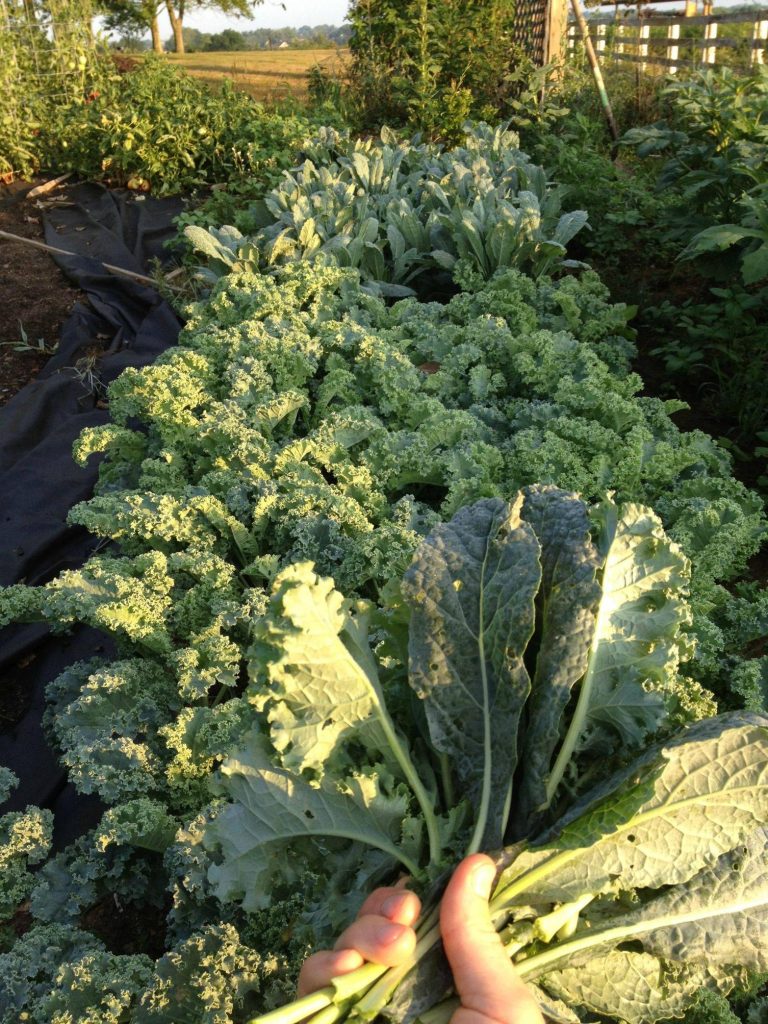
Kale might be the toughest plant in your entire garden. It shrugs off hard freezes and keeps producing leaves well past the point when most vegetables have given up.
The flavor actually improves with cold exposure. Early fall kale can taste slightly bitter, but a few frosty nights convert those starches into sugar.
By November, you’ll have some of the sweetest kale you’ve grown all year.
Plant it in full sun with rich, well-draining soil. It’s forgiving of partial shade too, which makes it a good fit for smaller or shadier yards.
Frost tolerance: Survives hard freezes down to 20°F, often sweeter afterward.
2. Spinach
Spinach hates heat but loves cold. It bolts almost instantly in warm weather, which is exactly why fall is its season to shine.
This leafy green grows fast and can be harvested at almost any stage. Pick a few outer leaves for a quick salad, or let the whole plant mature for a bigger harvest. Either way works.
Give it full sun and soil that drains well but stays consistently moist. Spinach doesn’t need much space, so it’s an easy fit even in small raised beds or containers.
Frost tolerance: Handles light frosts well and grows fastest of any vegetable on this list.
3. Broccoli
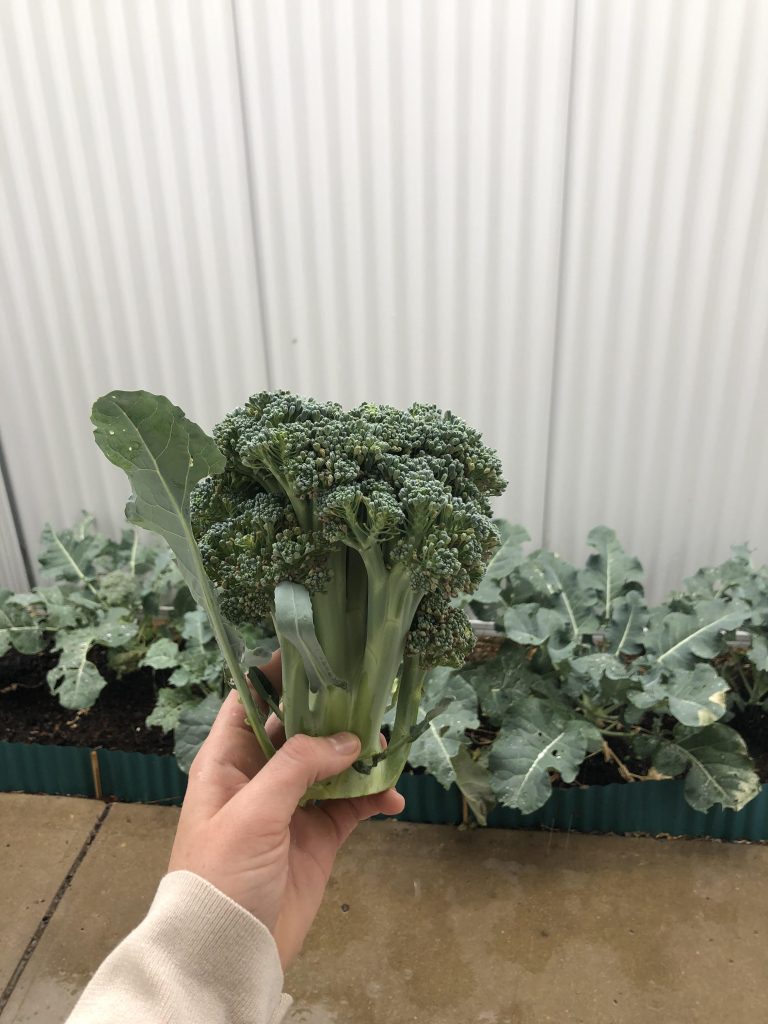
Broccoli struggles in summer heat and often bolts before forming a proper head. Fall changes everything for this crop.
Cooler temperatures let broccoli put its energy into growing large, tight heads instead of flowering early.
A few light frosts near harvest time also sweeten the flavor, making fall broccoli noticeably better than its summer counterpart.
Start seedlings indoors or buy transplants, since broccoli needs a head start to mature before hard freezes set in. Give it full sun and steady moisture for the best results.
Frost tolerance: Tolerates hard frosts and grows best heads in cool weather.
4. Brussels Sprouts
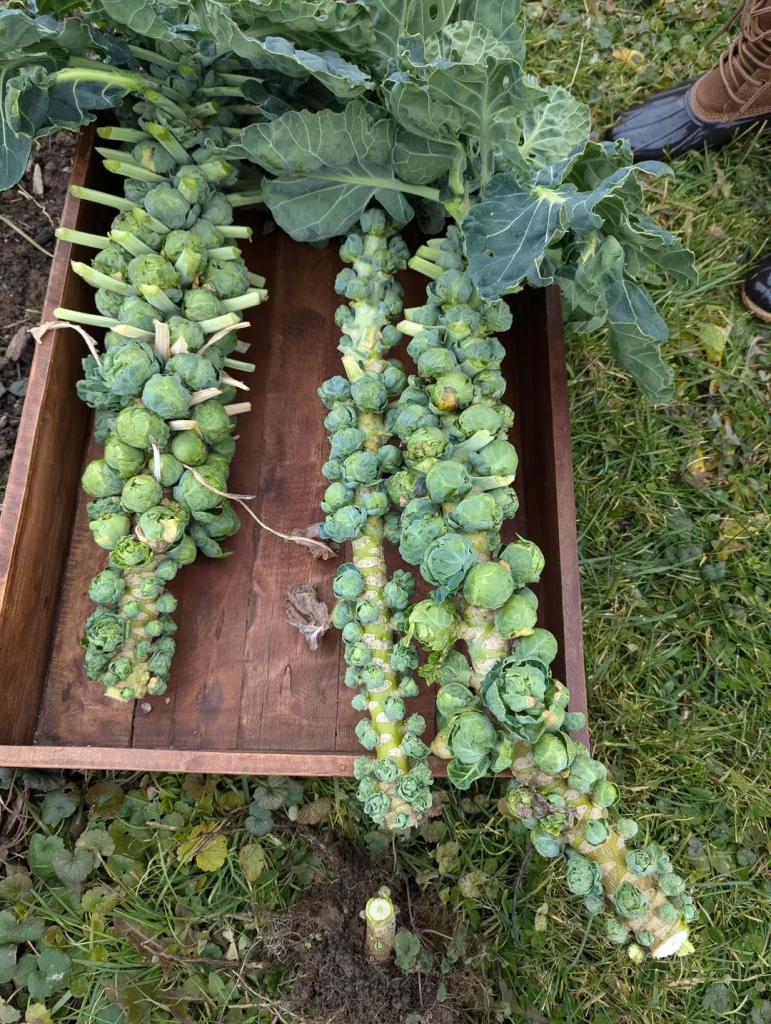
Brussels sprouts have a reputation for being finicky, but fall is actually their easiest season to grow.
These plants perform best in a narrow temperature window, and cool autumn weather hits that sweet spot perfectly.
A touch of frost improves their flavor too, softening the slightly bitter edge they can have when harvested too early.
Because they take a long time to mature, get transplants in the ground in mid to late summer depending on your zone. Southern gardeners often plant later than northern ones to avoid early heat stress.
Frost tolerance: One of the most cold-hardy vegetables you can grow, tolerating freezing temperatures for days at a time.
5. Cabbage
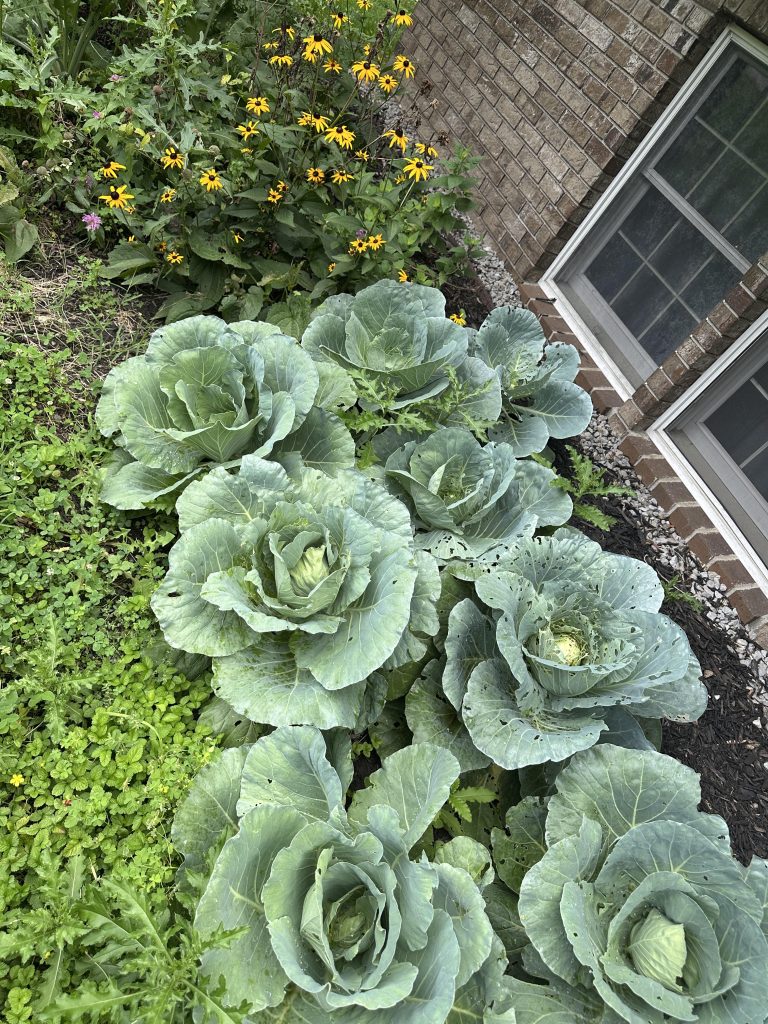
Cabbage is about as forgiving as fall vegetables get. It tolerates cold well and doesn’t demand much fuss once it’s established.
Depending on the variety, cabbage can mature anywhere from two to four months after planting.
Some varieties tolerate temperatures well below freezing, making cabbage a reliable choice even in regions with unpredictable fall weather.
Space plants generously since heads can grow quite large. Full sun and consistently moist soil will give you the best results, especially as heads start to form.
Frost tolerance: Some varieties withstand temperatures well below freezing without damage.
6. Carrots
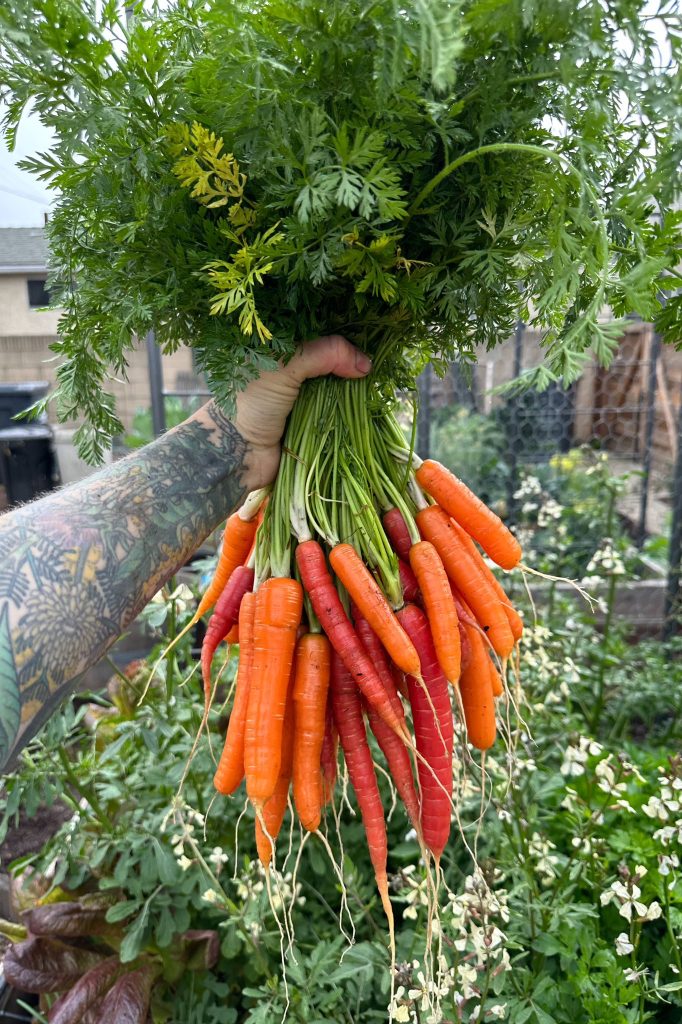
Carrots get sweeter the colder it gets. That’s not a coincidence. Cold soil signals the plant to convert starches into sugar, which is why fall carrots often taste better than summer ones.
Sow seeds directly into loose, deep soil. Carrots hate compacted ground, so raised beds or well-worked soil give roots room to grow straight and long.
They’re slow to mature, but patience pays off here. Many gardeners leave carrots in the ground under a thick layer of mulch and harvest them well into winter.
Frost tolerance: Survives hard freezes and improves in flavor the longer it stays in cold soil.
7. Beets
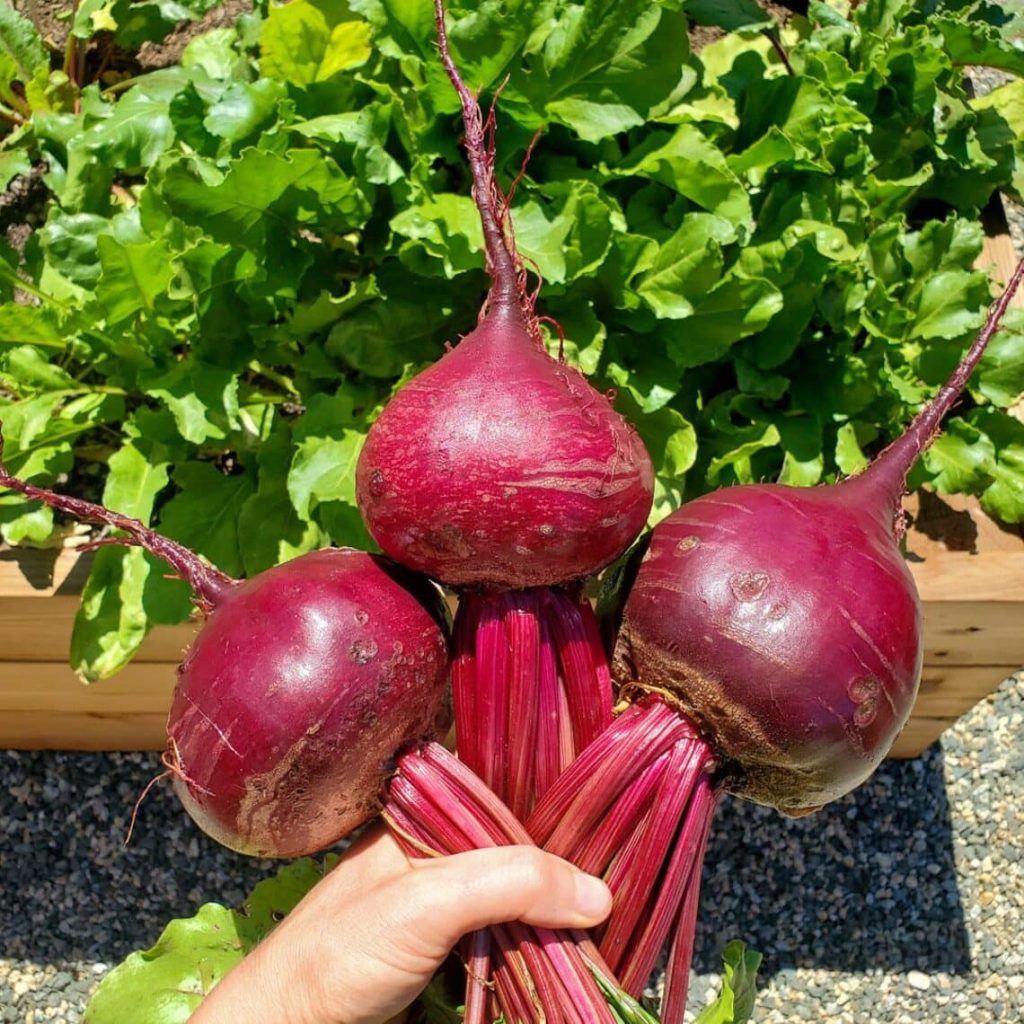
Beets are a two-for-one crop. You get tender greens early on and sweet, earthy roots later in the season.
Cooler fall weather brings out more vibrant color in the roots than a spring planting ever will. The flavor turns sweeter too, especially once nighttime temperatures start dipping.
Sow seeds directly in loose soil and thin seedlings once they sprout. Beets don’t need much space, so they work well tucked into gaps between other crops.
Frost tolerance: Handles light frosts easily, though a hard freeze can damage exposed roots.
8. Cauliflower
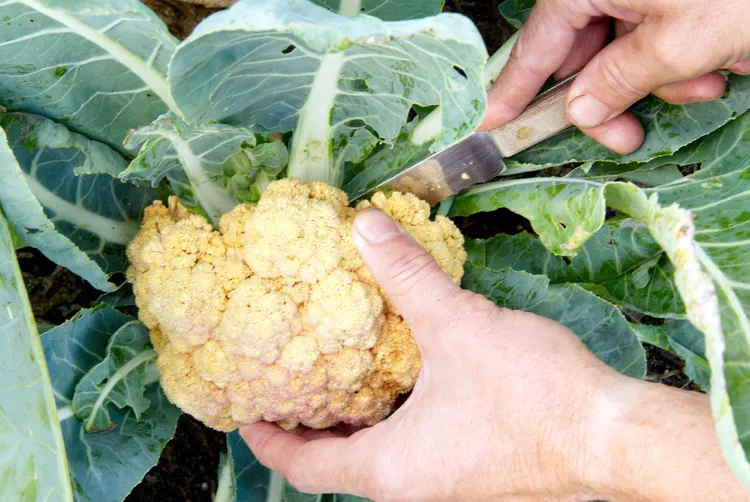
Cauliflower has a reputation for being tricky, and fair enough. It needs a long stretch of cool, steady weather to form a good head.
Unlike its cousin broccoli, cauliflower is more sensitive to temperature swings. Too much heat early on and it bolts before it’s ready. Too much cold too soon and growth stalls. Fall gives it the steady middle ground it needs.
Start with transplants rather than seeds to give the plant a head start. Full sun and rich, well-draining soil help it along the rest of the way.
Frost tolerance: Tolerates light frosts but can suffer damage in a hard freeze without protection.
9. Collard Greens
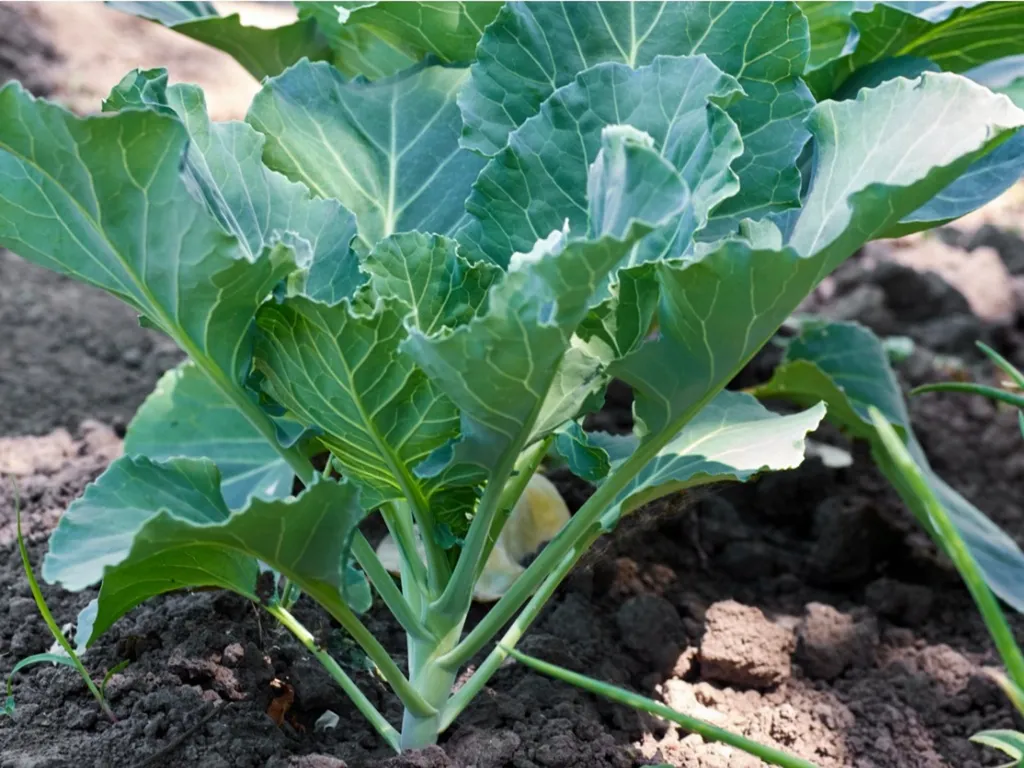
Collard greens are built for cold. This Southern staple can handle frost, and even a light freeze, without missing a beat.
The leaves grow sweeter and more tender the longer they sit in cool weather. Some gardeners wait specifically for a frost or two before their first harvest, since the flavor payoff is worth the wait.
Sow seeds directly in full sun to partial shade. Collards aren’t picky about soil, which makes them a low-effort addition to almost any fall garden.
Frost tolerance: Survives hard freezes and often stays productive later into the season than most greens.
10. Swiss Chard
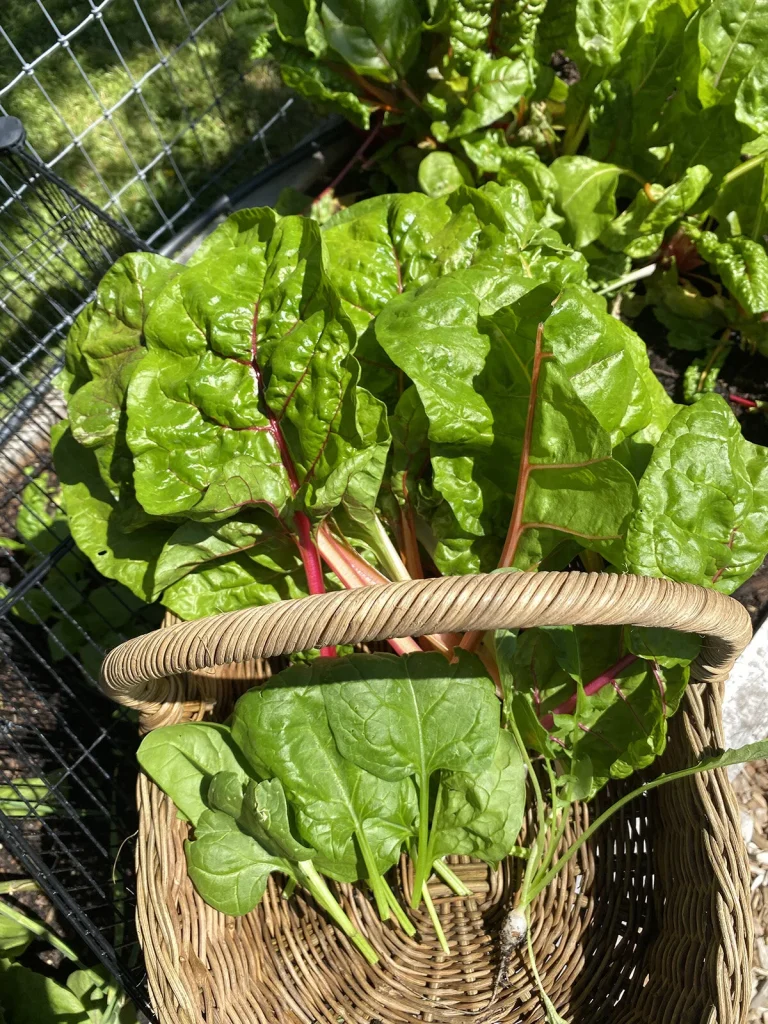
Swiss chard brings color to a fall garden that most cool-weather crops can’t match. Stems come in shades of red, yellow, and white, all on the same plant.
It’s a steady, reliable grower. You can pick outer leaves continuously without disturbing the rest of the plant, which means one planting can keep feeding you for weeks.
Give it full sun and soil that holds moisture well. Chard is closely related to beets, so it shares a lot of the same easygoing growing habits.
Frost tolerance: Handles light frosts but needs protection once temperatures drop into the low 20s.
11. Turnips
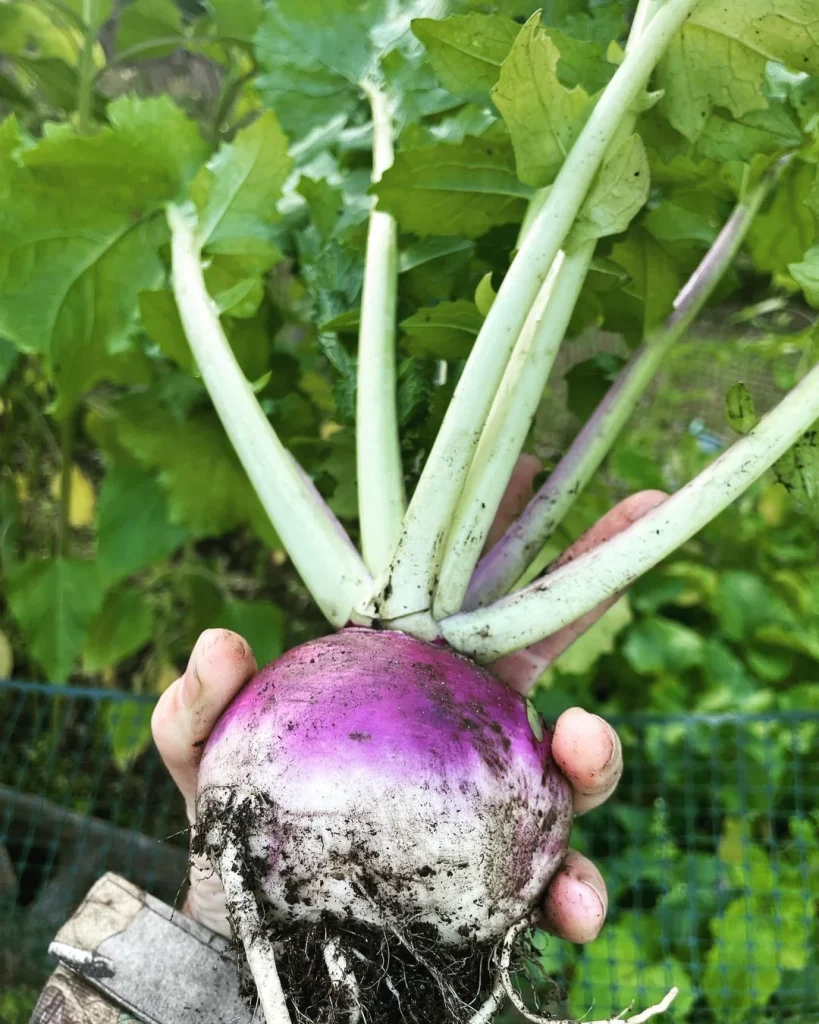
Turnips pull double duty, just like beets. The greens are ready first, and the roots follow a few weeks later.
Fall turnips taste noticeably milder than spring ones. Heat tends to make them sharp and peppery, but cool weather softens that bite into something more mellow and sweet.
Sow seeds directly into the soil, since turnips don’t transplant well. They grow fast, which makes them a solid choice if you’re getting a late start on your fall garden.
Frost tolerance: Survives hard freezes and can stay in the ground under mulch well into winter.
12. Radishes
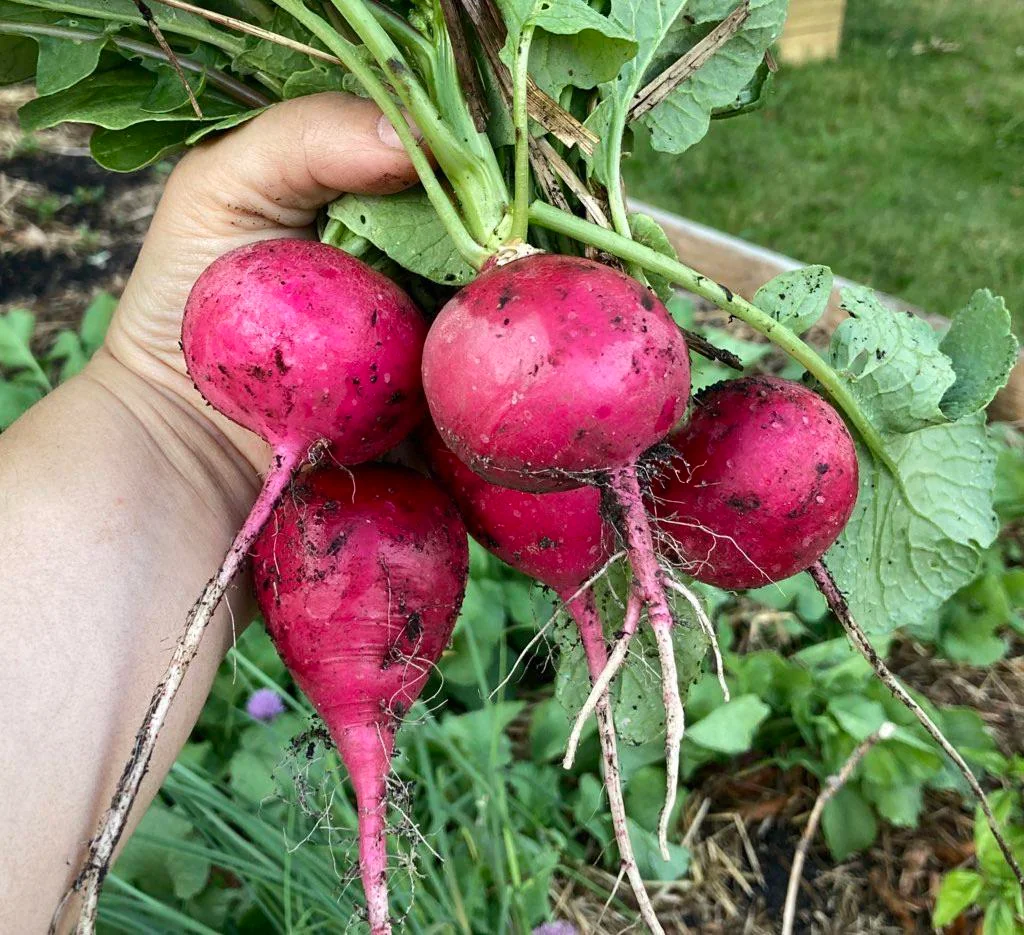
Radishes are the fastest growing crop on this list by far. Some varieties are ready to pull in as little as three weeks.
That quick turnaround makes them perfect for succession planting. Sow a new batch every couple of weeks and you’ll have a steady supply right up until the ground freezes.
They need almost nothing to thrive. Loose soil and consistent moisture are really the only requirements, which makes radishes a great pick for beginner gardeners.
Frost tolerance: Handles light frosts well, though hard freezes can crack or damage the roots.
13. Bok Choy
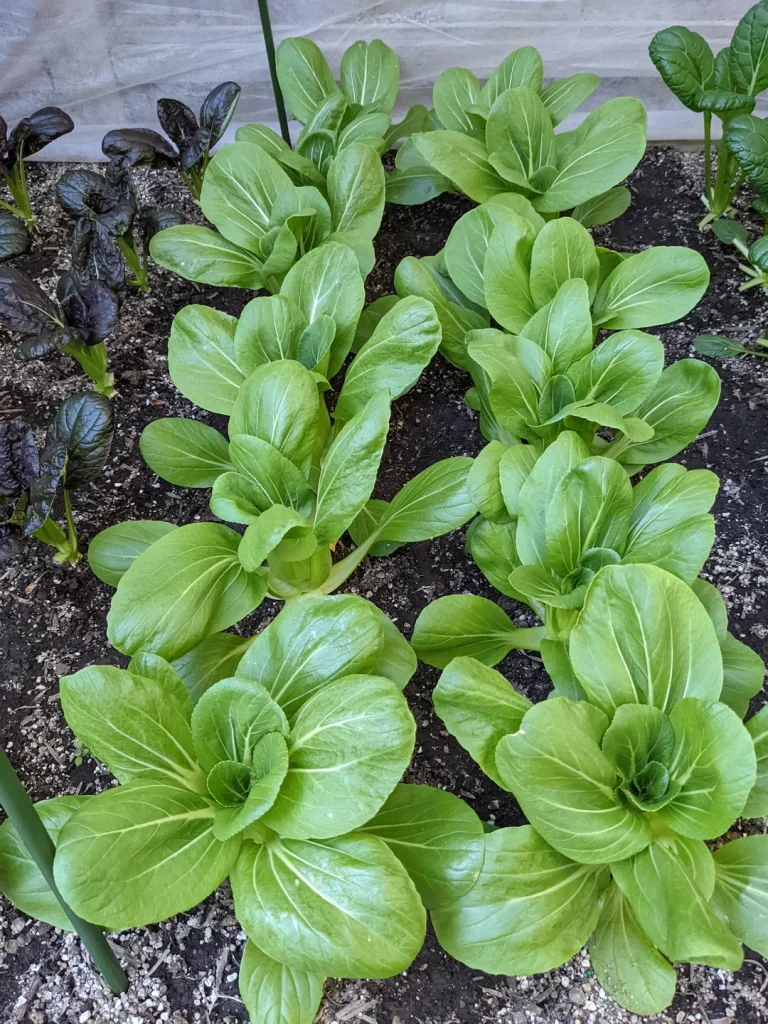
Bok choy brings a crisp, mild crunch that works well in stir fries, soups, and salads. It’s one of the quicker brassicas to reach harvest size.
This plant prefers steady cool weather over a hard freeze. It grows best when temperatures stay mild through fall, rather than swinging between warm days and freezing nights.
Give it full sun to partial shade and keep the soil consistently moist. Bok choy doesn’t handle drought stress well, even for cool-season crops.
Frost tolerance: Tolerates light frosts but does best with some protection once temperatures dip lower.
14. Sugar Snap Peas
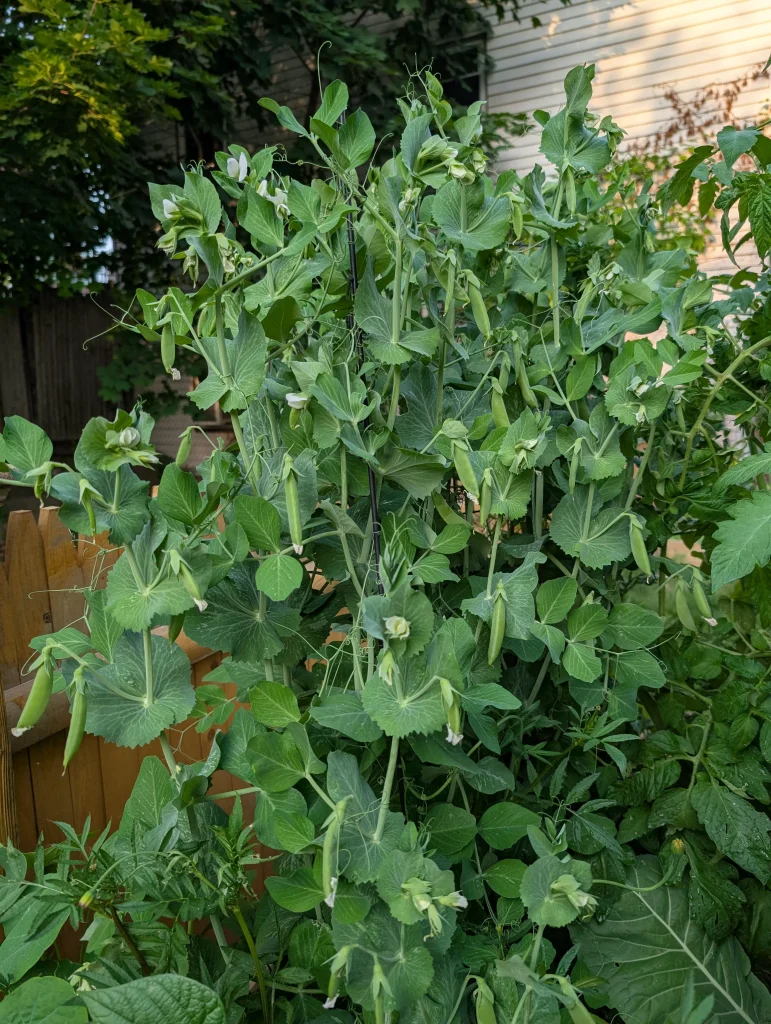
Sugar snap peas aren’t just a spring crop. Cool fall weather suits them just as well, and many gardeners find fall peas taste even sweeter.
They’re quick to mature compared to most vegetables on this list.
That makes them a good option if you’re planting later in the season and want something reliable before the first hard freeze.
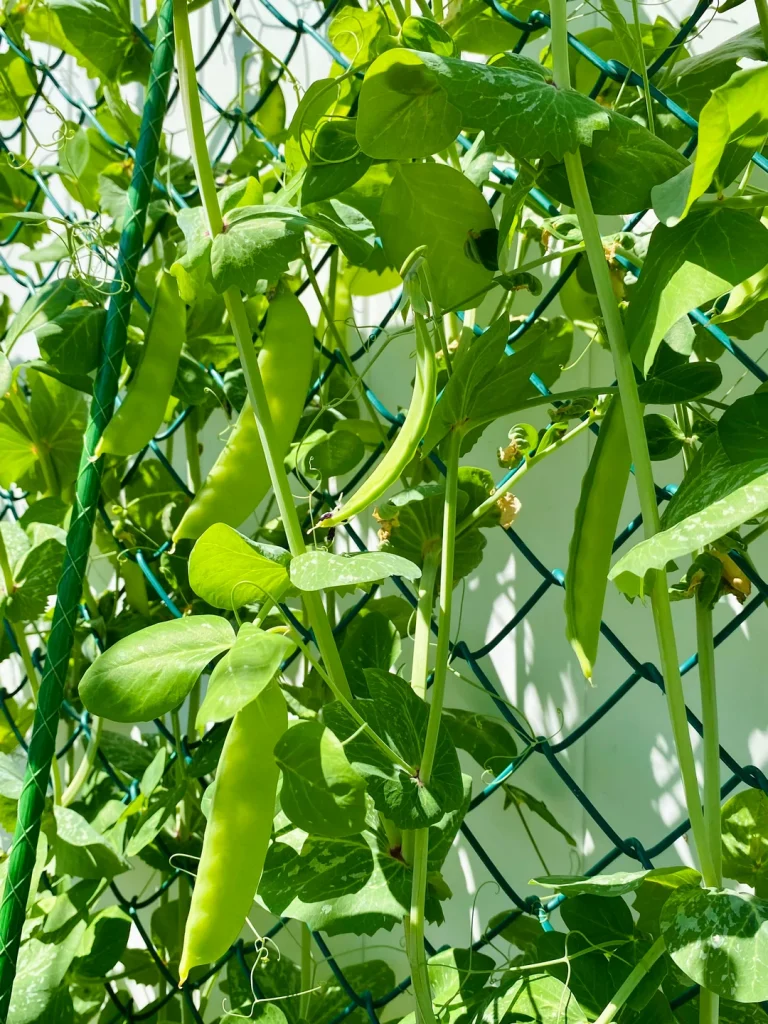
Give the vines something to climb, like a trellis or fence line. This keeps pods off the ground and makes harvesting a lot easier.
Frost tolerance: Handles light frosts, but a hard freeze will end the season for this crop.
15. Leeks
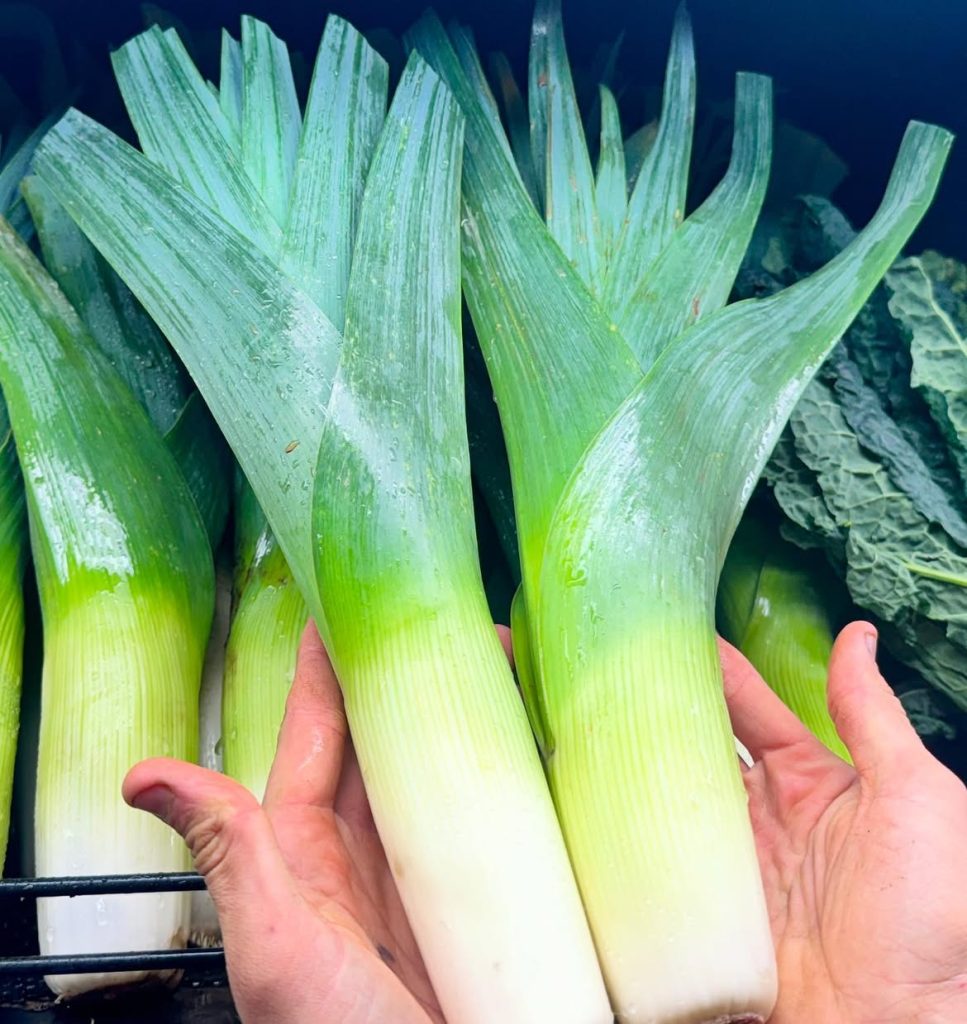
Leeks are the patient gardener’s reward. They take a long time to mature, but they’re remarkably tough once established.
Unlike a lot of alliums, leeks can sit in the garden through some seriously cold weather. Many gardeners simply mound soil or mulch around the base and keep harvesting well into winter.
Plant them in trenches so you can gradually hill soil around the stalks as they grow. This blanches the lower portion, giving you that classic tender, mild white base.
Frost tolerance: One of the hardiest crops here, tolerating hard freezes with minimal protection.
FAQ’s
Can I still start a fall garden if it’s already September?
Yes, especially with fast-growing crops like radishes, spinach, and turnips. Just check your first frost date and count backward from there. Skip the slower crops like Brussels sprouts if you’re getting a late start.
Do I need to cover these vegetables when frost hits?
It depends on the crop. Light-frost vegetables like cauliflower, beets, and bok choy benefit from a row cover on especially cold nights.
Hard-freeze survivors like kale, carrots, and leeks usually don’t need any protection at all.
Which vegetables actually taste better after a frost?
Kale, carrots, Brussels sprouts, and collard greens all sweeten noticeably after cold exposure. Cold temperatures trigger the plant to convert stored starches into sugar. Many gardeners wait for a frost before harvesting these on purpose.
Can I grow all 15 of these in a small space?
Absolutely. Fast growers like radishes and spinach take up very little room, and leafy crops like chard and bok choy can be tucked into gaps between other plants. Raised beds or containers work well for most of these vegetables.
What happens if an early frost catches my garden off guard?
Don’t panic and don’t rush to trim damaged leaves right away. Wait a few days to see if the plant recovers, then remove only the parts that turned black or mushy. Most of the crops on this list can bounce back just fine.
Final Thoughts
Fall gardening rewards a little planning more than it demands hard work. Once these crops are in the ground, the cooler weather does a lot of the heavy lifting for you.
Pick a few from this list, time your planting around your frost date, and you’ll be harvesting fresh vegetables long after summer’s gone.

One Comment