13 Best Window Box Plants for Full Sun

Sunny window boxes look charming until the afternoon heat starts bullying everything inside them. I’ve had flowers look perfect in the morning and crispy by dinner, so I get why you want plants that can actually handle full sun.
You need tough bloomers, bold foliage, and plants that do not faint the second the soil dries a little.
Good news: plenty of window box plants for full sun can take the heat and still make your home look cheerful, colorful, and alive.
Why Full Sun Window Boxes Need Strong Plants
Full sun sounds lovely, but a window box can heat up fast. Your plants sit in a small container, pressed near a warm wall, with roots that cannot spread far for water.
That setup can stress weak plants quickly. I always choose full sun window box plants that like heat, handle tight roots, and keep looking good after a long bright day.
1. Geraniums
Plant brief:
- Zone: Grown as an annual in most areas; perennial in USDA zones 10–11
- Size: Usually 12–24 inches tall and wide
- Plant type: Flowering annual or tender perennial
- Best for: Upright color in sunny window boxes
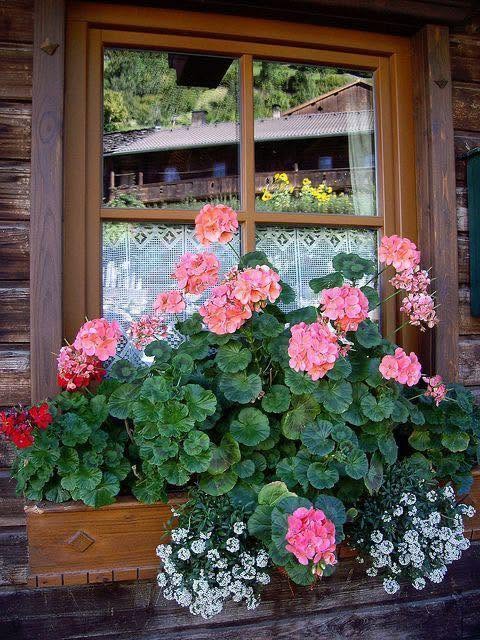
Geraniums feel like the friendly neighbor of the window box world. You plant them, give them sun, water them well, and they reward you with bold blooms without much fuss.
I like geraniums near the middle of a box because they give the design a strong shape. You can use red, pink, white, coral, or purple flowers, depending on the look you want.
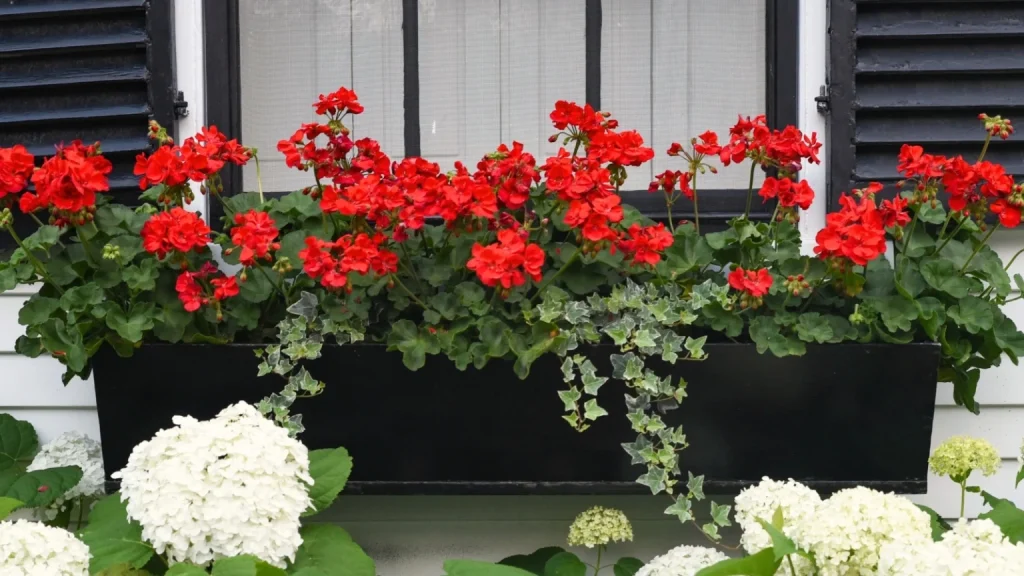
Their thick leaves help them deal with short dry spells better than softer plants.
That does not mean you should ignore watering, but geraniums forgive you better than many delicate flowers.
Deadhead faded blooms when you see them. Fresh flowers come faster when the plant stops wasting energy on old ones.
2. Petunias
Plant brief:
- Zone: Grown as an annual in most areas; perennial in USDA zones 10–11
- Size: Usually 6–18 inches tall and 18–48 inches wide
- Plant type: Flowering annual or tender perennial
- Best for: Spilling color over the front of a window box
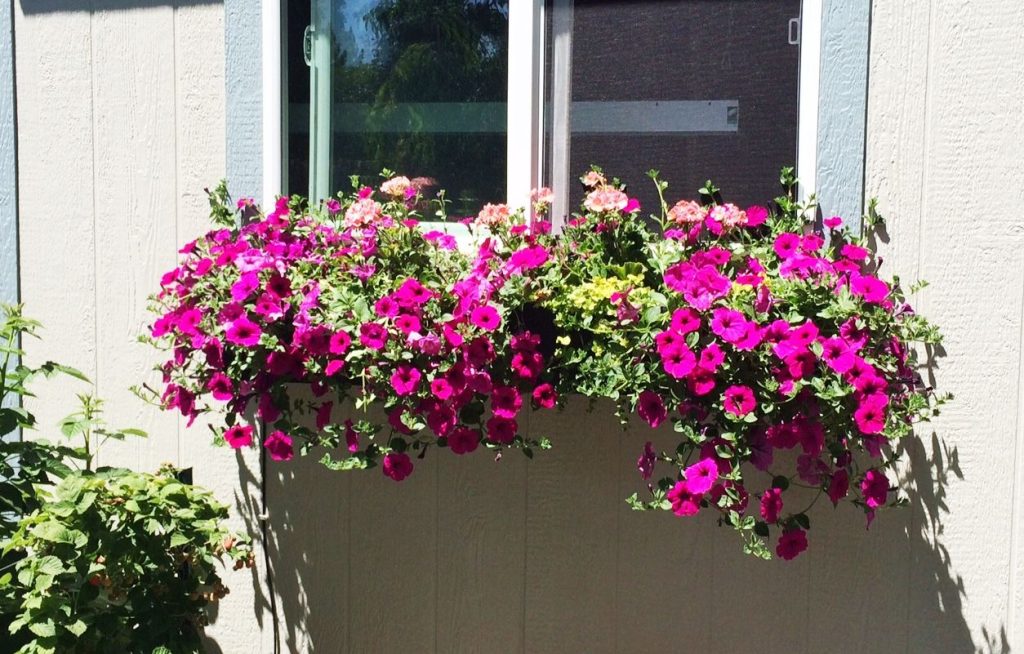
Petunias bring that full, colorful, “someone actually cares about this house” look. I reach for them when I want a window box to look lush from the sidewalk.
You get loads of colors with petunias, including purple, pink, red, white, yellow, and striped forms. Their trailing habit also helps soften the hard edge of the box.
Give long stems a trim when they stretch too far. Wouldn’t you rather have a thick plant full of flowers than three sad stems waving in the breeze?
3. Lantana
Plant brief:
- Zone: Often grown as an annual; perennial in USDA zones 8–11, depending on variety
- Size: Compact types may stay 12–24 inches tall and wide
- Plant type: Flowering annual or tender perennial shrub
- Best for: Hot, sunny, dry-feeling window boxes
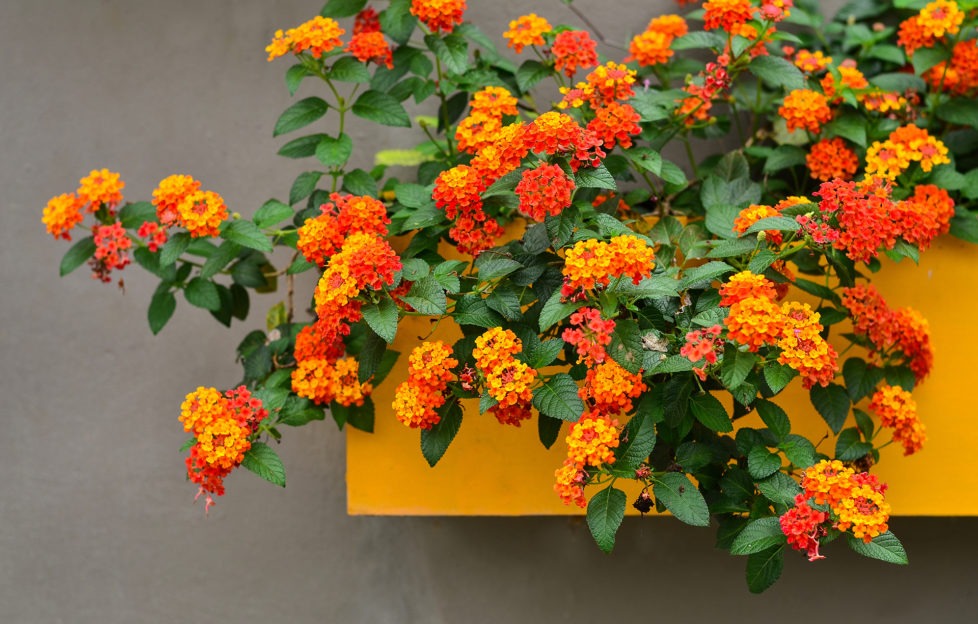
Lantana acts like summer heat came as a personal invitation. I love it for full sun spots because it keeps blooming when many other plants start complaining.
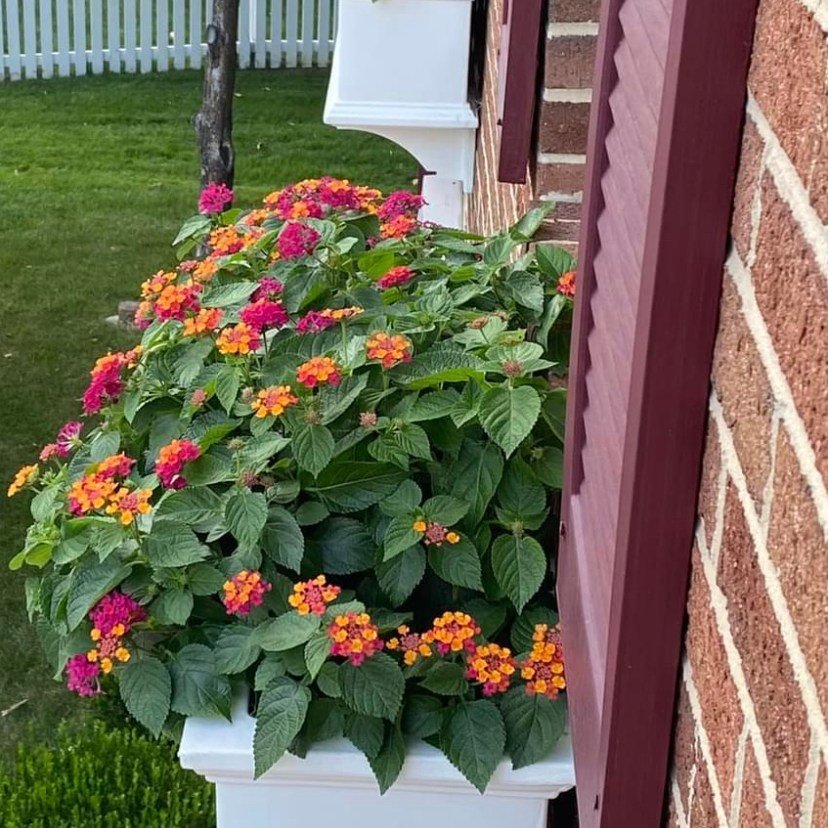
Its flower clusters come in warm, bright mixes like yellow, orange, pink, red, and purple. Hummingbirds often visit lantana too, which makes your window box feel less like decor and more like a tiny garden show.
Choose compact lantana for a window box. Large types can grow too big and crowd everything around them.
Hot afternoon sun suits this plant well. That makes lantana a smart pick for south-facing windows, balcony boxes, and sun-baked patio.
4. Marigolds
Plant brief:
- Zone: Grown as an annual in most climates
- Size: Usually 6–18 inches tall, depending on variety
- Plant type: Flowering annual
- Best for: Bright yellow, gold, and orange color
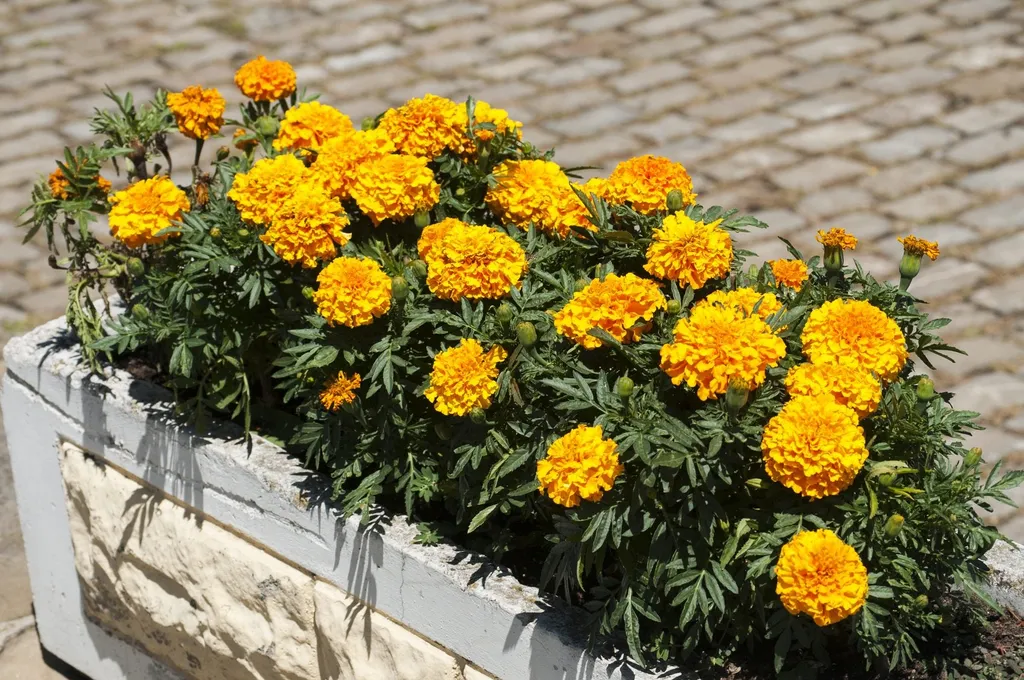
Marigolds bring cheerful color without acting precious. You can tuck them into a sunny window box and get that warm garden glow almost right away.
I like marigolds because they feel simple in the best way. Their yellow, gold, and orange flowers look especially good against dark shutters, brick walls, or green trailing foliage.
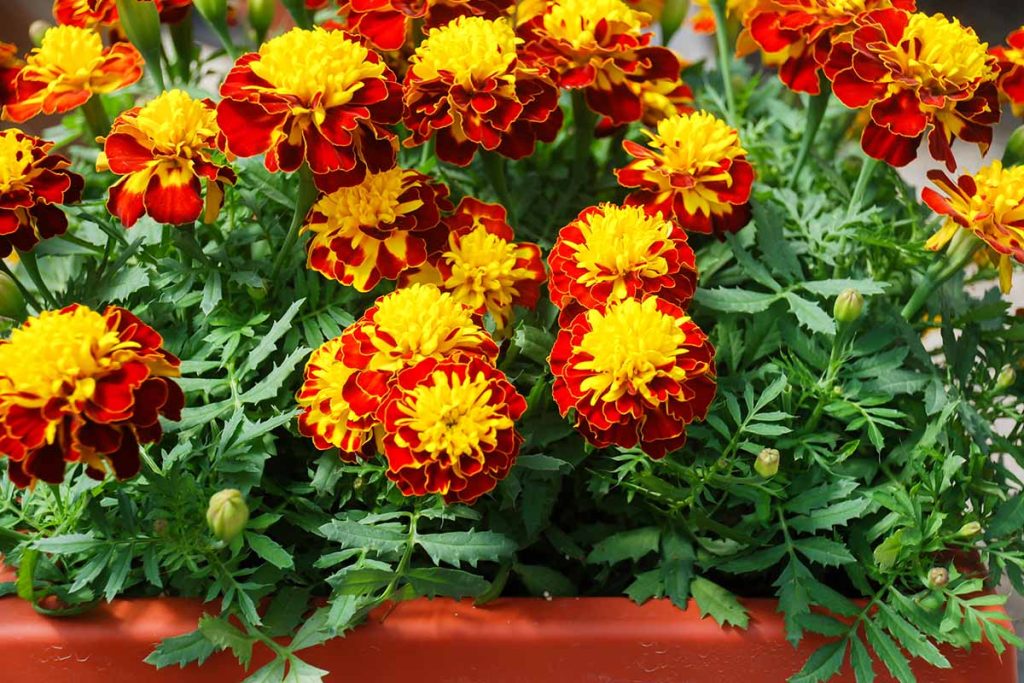
These plants handle heat and some dry weather better than many soft annuals. Regular water still helps them bloom cleaner and longer.
Pinch off old flowers when they fade. New buds usually follow when you keep the plant tidy.
5. Nasturtiums
Plant brief:
- Zone: Grown as an annual in most areas; may act as a short-lived perennial in USDA zones 9–11
- Size: Usually 8–12 inches tall with trailing stems that can spread 12–36 inches
- Plant type: Flowering annual or tender perennial
- Best for: Trailing flowers and edible blooms
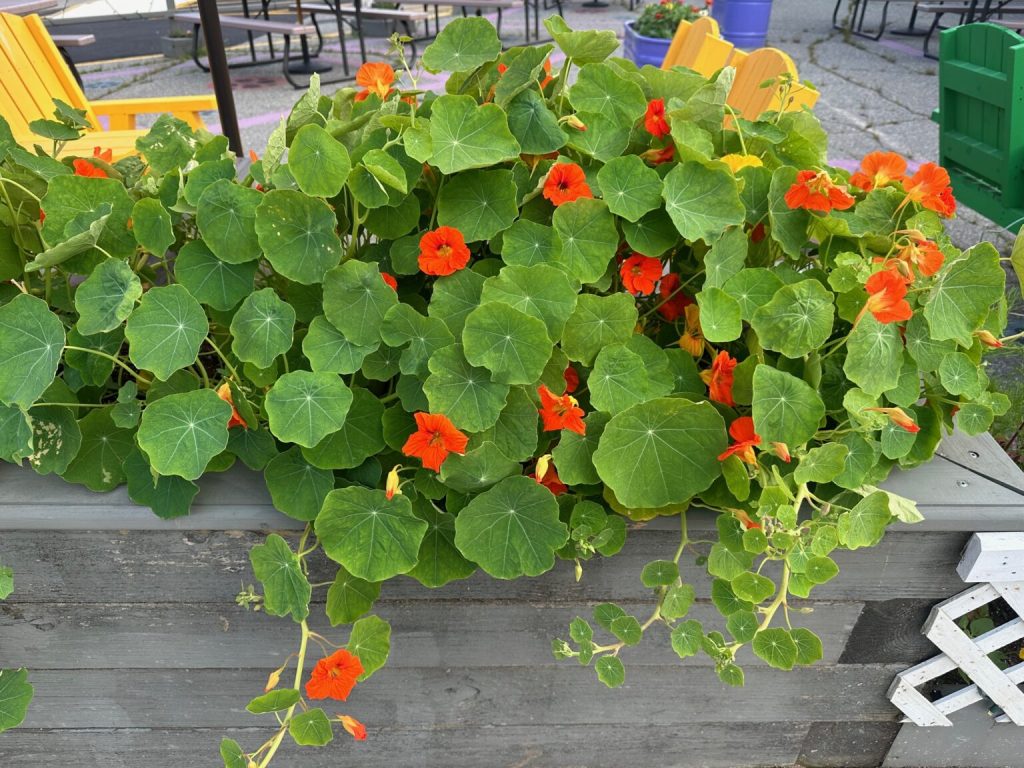
Nasturtiums make a window box feel playful. Their round leaves look like tiny lily pads, and their flowers bring warm shades of orange, yellow, cream, and red.
You can let nasturtiums trail over the front of the box. That soft spill looks especially pretty when you pair them with upright geraniums or marigolds.
Their edible flowers add extra charm near a kitchen window. I would not call them fancy, but I would call them fun.
Start nasturtiums from seed if you enjoy easy garden projects. They dislike rough transplanting, so direct sowing often works better.
6. Angelonia
Plant brief:
- Zone: Grown as an annual in most areas; perennial in USDA zones 9–11
- Size: Usually 8–30 inches tall, depending on variety
- Plant type: Flowering annual or tender perennial
- Best for: Upright blooms in hot, sunny boxes
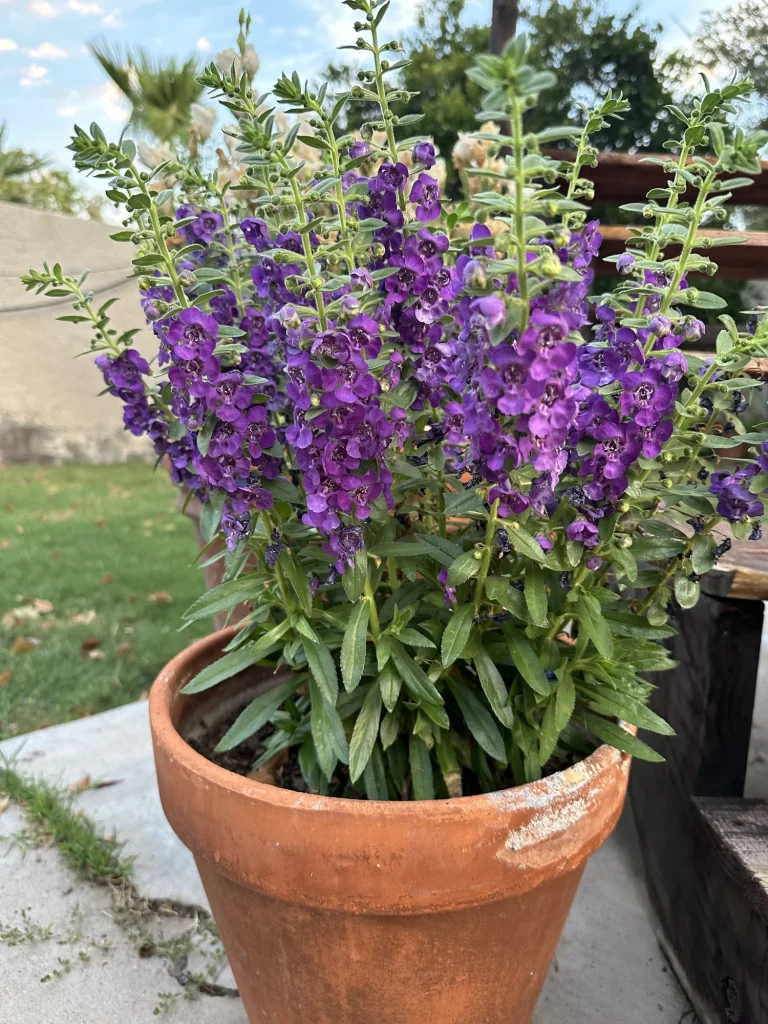
Angelonia looks like a tiny snapdragon that decided to toughen up. I like it when you want height in a full sun window box but do not want a plant that needs constant babysitting.
Those flower spikes come in shades of purple, pink, blue, and white. You can use upright types in the center or shorter trailing types near the edge.
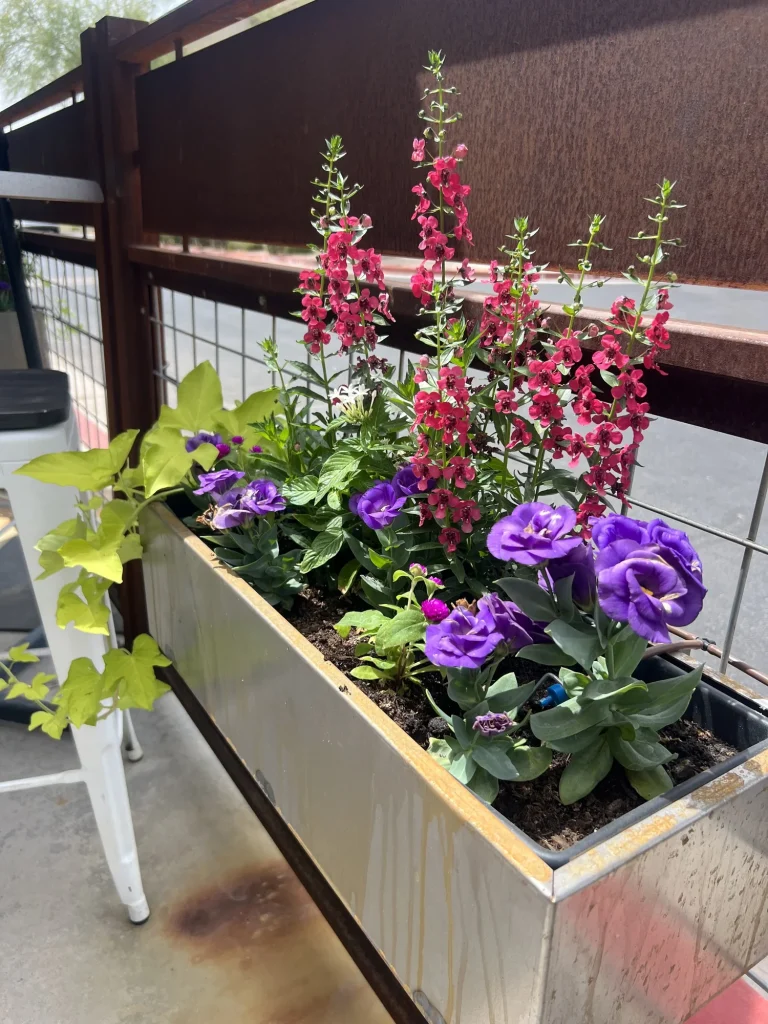
Heat does not scare Angelonia much. That makes it a smart choice when your window box gets strong afternoon sun.
Deadheading usually does not matter with many modern Angelonia varieties. You still get a cleaner look when you snip off tired stems here and there.
7. Euphorbia
Plant brief:
- Zone: Grown as an annual in most climates; perennial in USDA zones 10–11
- Size: Often 8–18 inches tall, though larger types can grow taller
- Plant type: Flowering annual or tender perennial
- Best for: Airy white filler between bright flowers
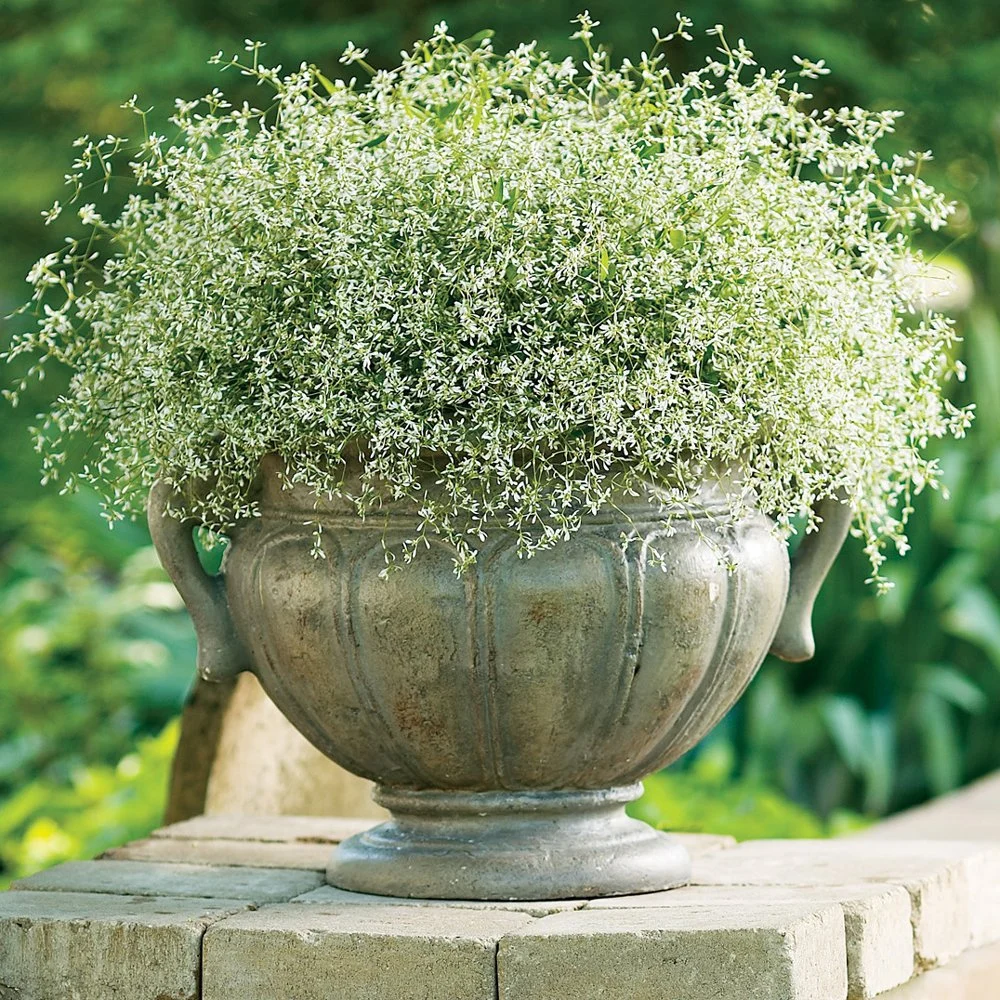
Euphorbia gives your window box that soft, cloud-like look. I use it when a planting feels too loud and needs something light between the big colors.
Tiny white flowers float around the plant like baby’s breath. That soft texture helps red geraniums, purple petunias, and orange marigolds look less crowded.
Sun suits Euphorbia well, and many types also handle heat better than delicate fillers. You can tuck it between bolder plants and let it weave through the box.
Wear gloves when you trim it. The milky sap can bother sensitive skin.
8. Ornamental Sweet Potato Vine
Plant brief:
- Zone: Grown as an annual in most areas; perennial in USDA zones 9–11
- Size: Usually 6–12 inches tall with trailing stems that can spread 18–36 inches
- Plant type: Foliage annual or tender perennial vine
- Best for: Trailing leaves and bold color contrast
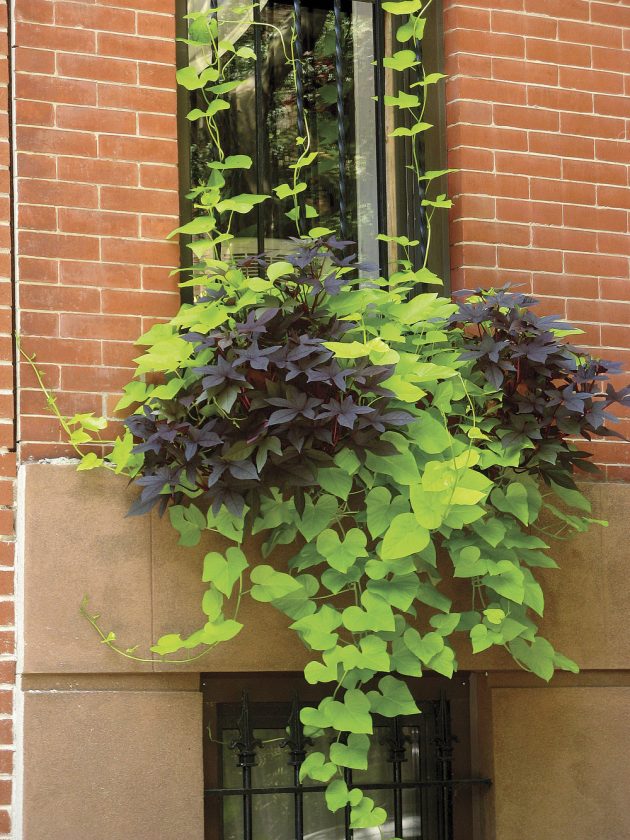
Sweet potato vine brings drama without flowers. You get heart-shaped or cut leaves in lime green, deep purple, bronze, or dark green.
I love this plant when a window box needs movement. One vine spilling over the edge can make the whole box look fuller.
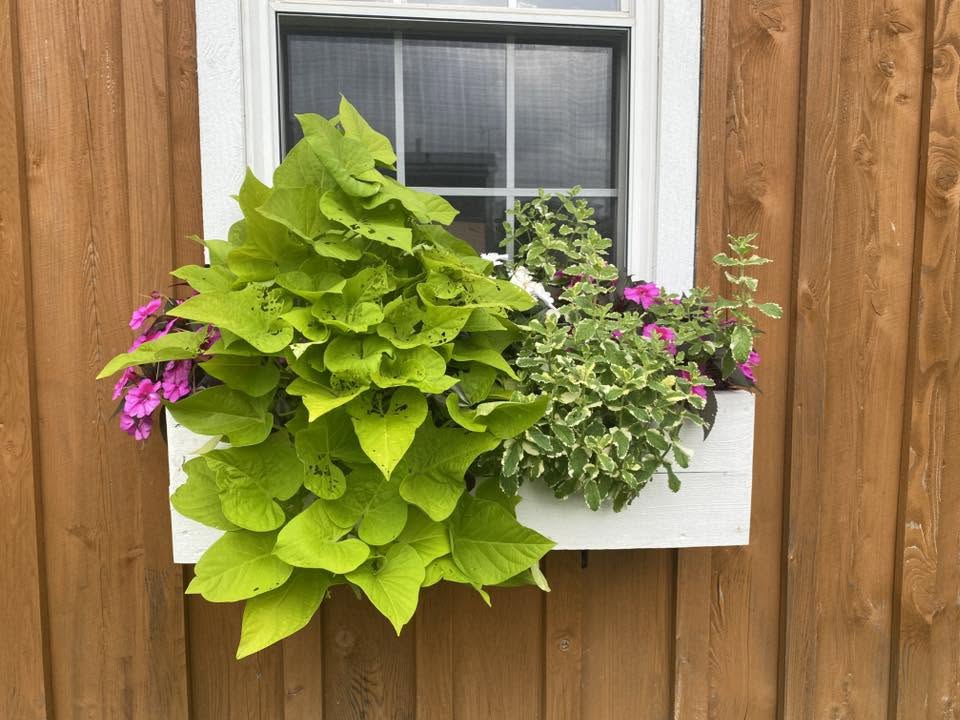
Full sun usually gives the strongest leaf color. Regular water keeps the leaves fresh during hot spells.
Choose compact varieties for small boxes. Some sweet potato vines grow fast and can swallow smaller plants before you notice.
9. Sun-Tolerant Caladium
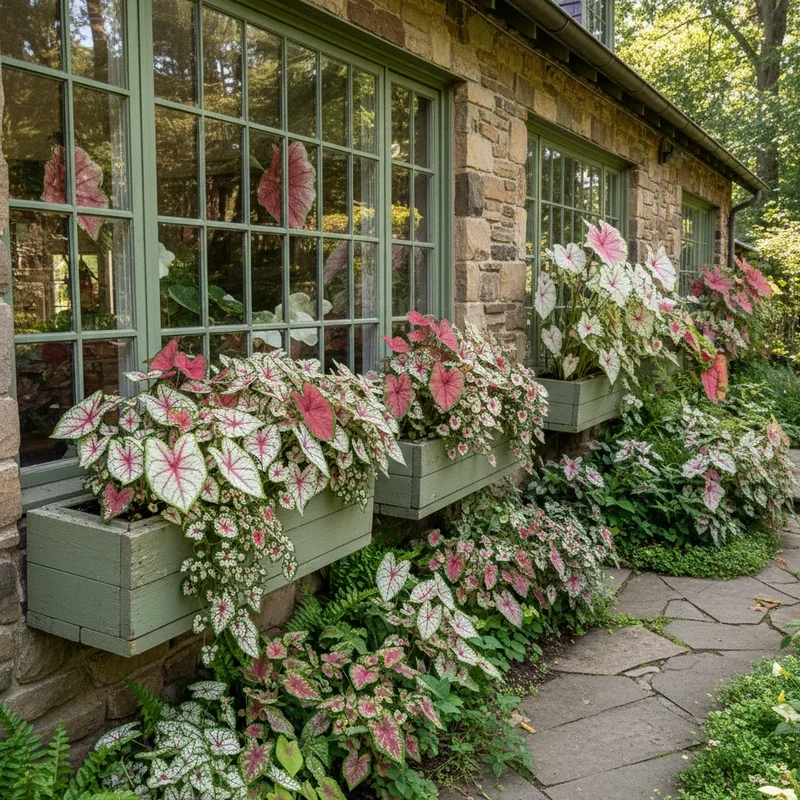
Plant brief:
- Zone: Grown as an annual in cooler areas; perennial in USDA zones 9–11
- Size: Usually 15–20 inches tall and 8–12 inches wide
- Plant type: Tropical foliage plant
- Best for: Bright leaves in hot, sunny window boxes
Caladium feels like cheating because the leaves look painted. You can get pink, red, white, green, and mixed patterns that brighten a window box even without flowers.
Not every caladium loves full sun, so you should choose sun-tolerant types. That one detail makes the difference between “wow” and “why did this leaf burn?”
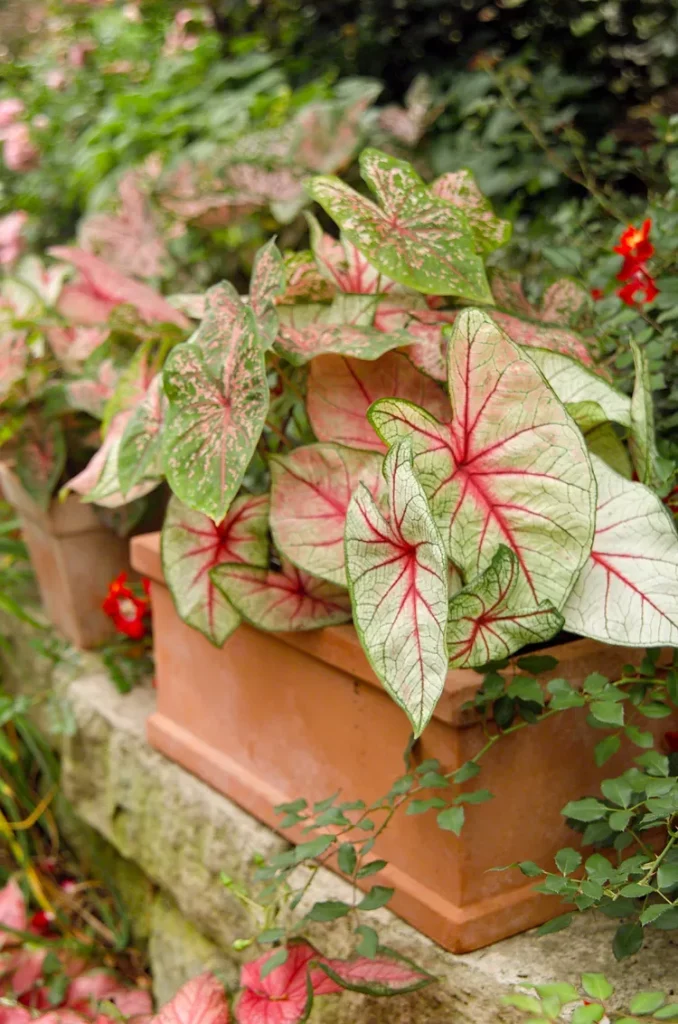
Moist soil helps caladium stay lush. I would use it in a box you can water often, not in a spot you forget for days.
Pair caladium with simple flowers if you want the leaves to shine. Bright foliage already does half the design work for you.
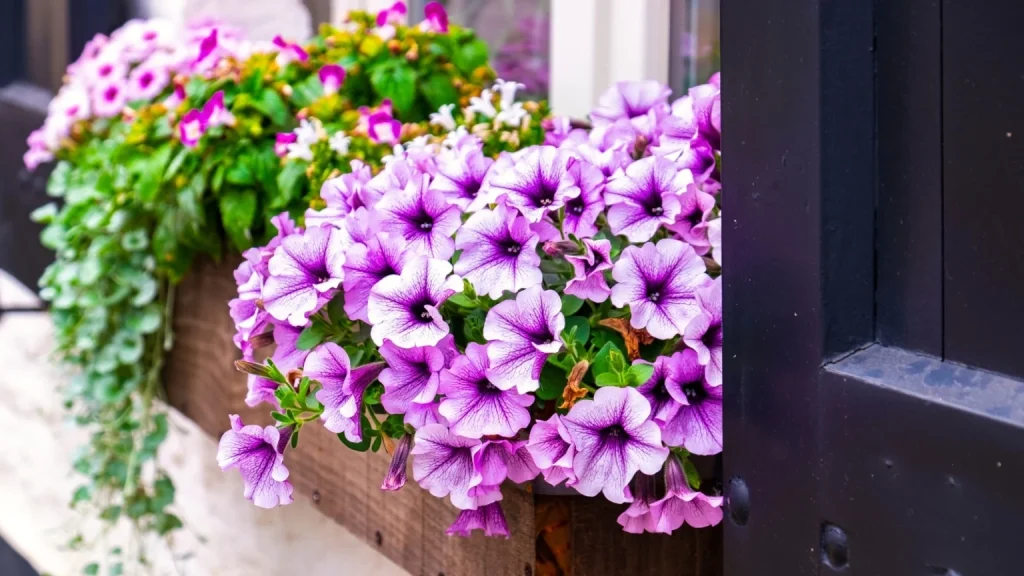
10. Fan Flower
Plant brief:
- Zone: Grown as an annual in most areas; perennial in USDA zones 10–11
- Size: Usually 6–12 inches tall and 12–24 inches wide
- Plant type: Flowering annual or tender perennial
- Best for: Trailing blooms in hot, sunny window boxes
Fan flower, also called Scaevola, has a soft trailing habit that works beautifully along the front edge of a window box. I like it when you want flowers that spill without looking wild.
Those fan-shaped blooms usually come in blue, purple, pink, or white. You can pair them with yellow marigolds or lime sweet potato vine for a bright, clean mix.
Heat and sun suit this plant well. A full sun window box feels much easier when you use plants that do not panic during hot weeks.
Give fan flower regular water during dry spells. Strong roots help it bloom better when the weather gets rough.
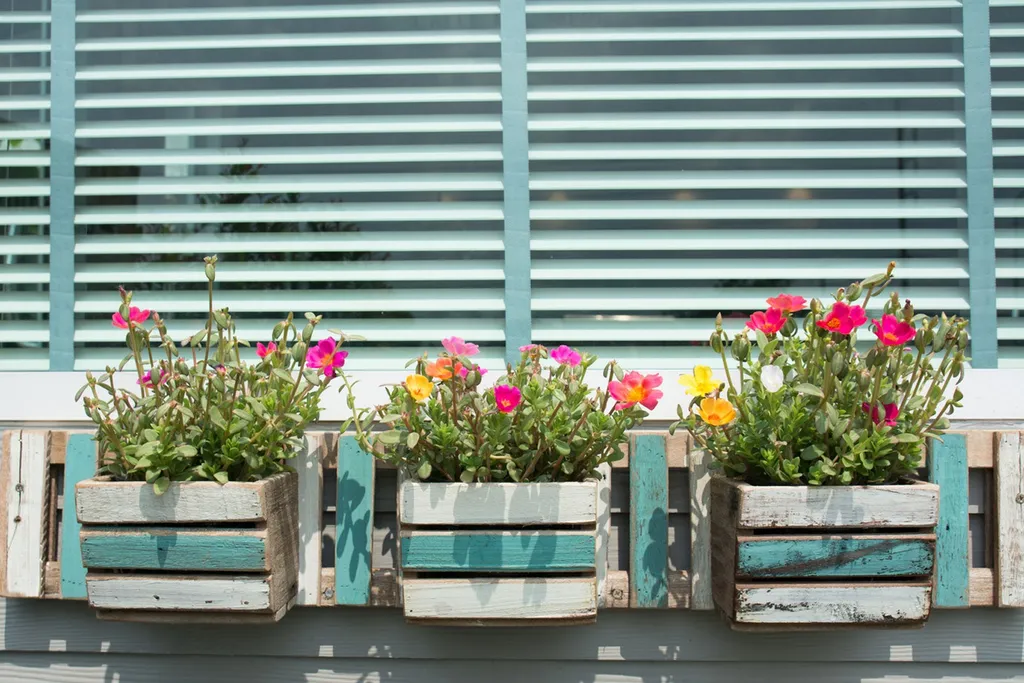
11. Portulaca
Plant brief:
- Zone: Grown as an annual in most climates
- Size: Usually 3–9 inches tall and 6–18 inches wide
- Plant type: Flowering succulent annual
- Best for: Hot, dry, sunny window boxes
Portulaca feels made for the window box you forget to water once in a while. Its succulent leaves store moisture, so it handles dry heat better than many soft flowering plants.
Bright flowers open in sunny weather and bring shades of pink, orange, yellow, red, white, and purple. I love it for spots that feel too hot for fussy plants.
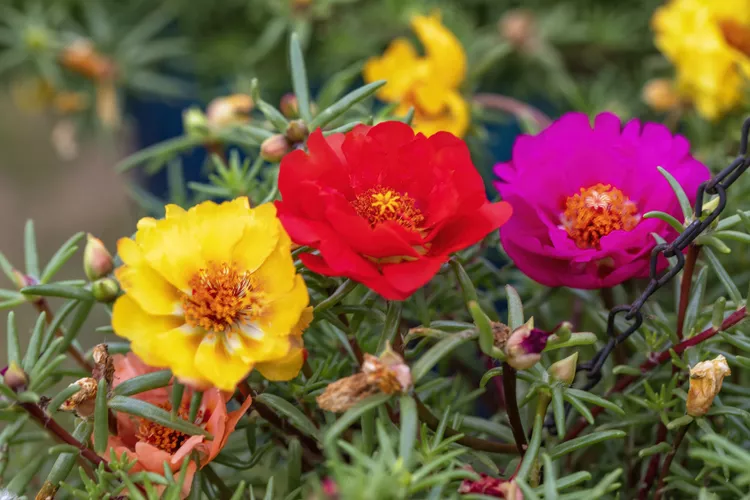
Use portulaca near the front of the box. Its low, spreading shape helps cover bare soil and soften the edge.
Poor soil does not bother it much. Too much wet soil can cause trouble, so give it drainage that actually works.
12. Gomphrena
Plant brief:
- Zone: Grown as an annual in most areas; perennial in USDA zones 9–11
- Size: Usually 12–24 inches tall, though some types grow taller
- Plant type: Flowering annual or tender perennial
- Best for: Long-lasting round blooms and pollinator interest
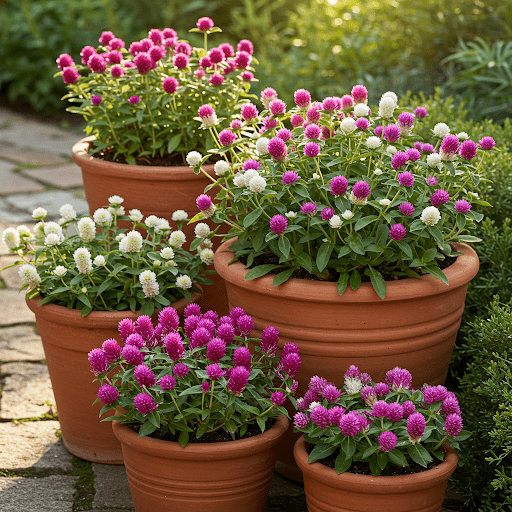
Gomphrena looks cheerful in a full sun window box because its round flowers hold their shape well. You get a neat pop of color without needing a delicate plant.
Purple, pink, red, white, and orange varieties all bring a playful look. Bees and butterflies may visit the flowers, which adds extra life to your window.
I like gomphrena when a box needs texture. Those little globe-shaped blooms give the planting something different from flat petunias or daisy-like flowers.
Trim the plant if it grows taller than you want. A light cut can help it stay tidy in a smaller window box.
13. Salvia
Plant brief:
- Zone: Often grown as an annual; many types grow as perennials in USDA zones 8–11, depending on variety
- Size: Usually 12–36 inches tall, depending on type
- Plant type: Flowering annual, tender perennial, or perennial
- Best for: Upright flower spikes and pollinator-friendly color
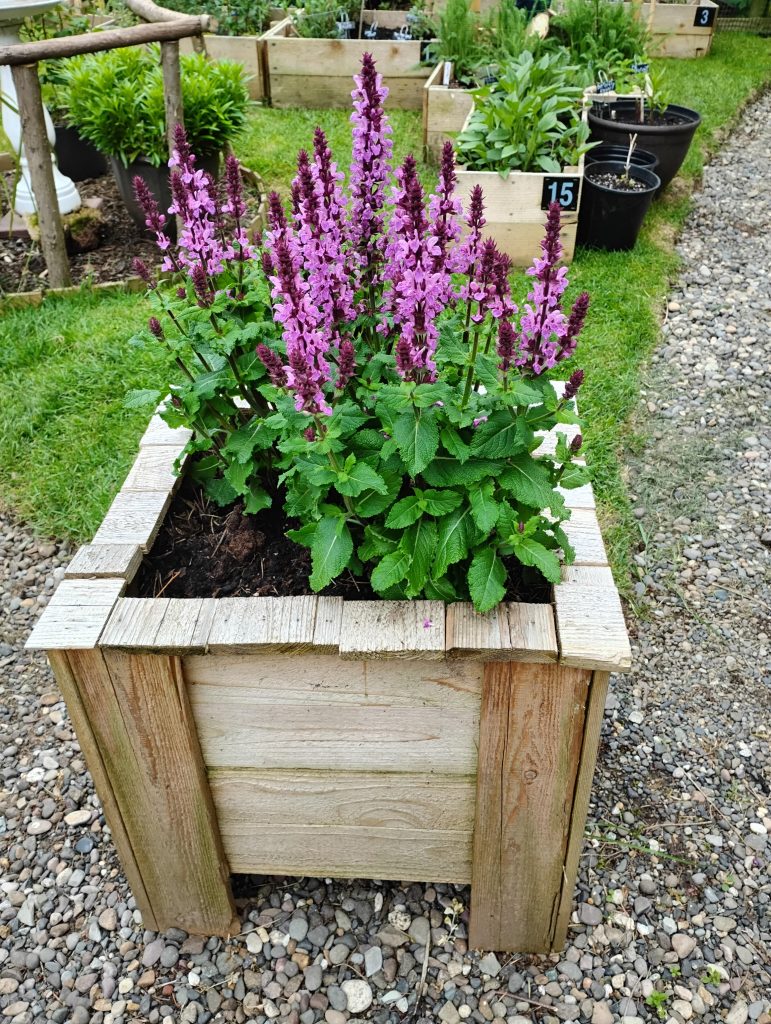
Salvia gives a window box height, color, and a little garden drama. I reach for it when a planting needs something upright instead of another trailing flower.
Flower spikes come in blue, purple, red, pink, and white. Hummingbirds and pollinators often like salvia, so your sunny window can feel busy in the best way.
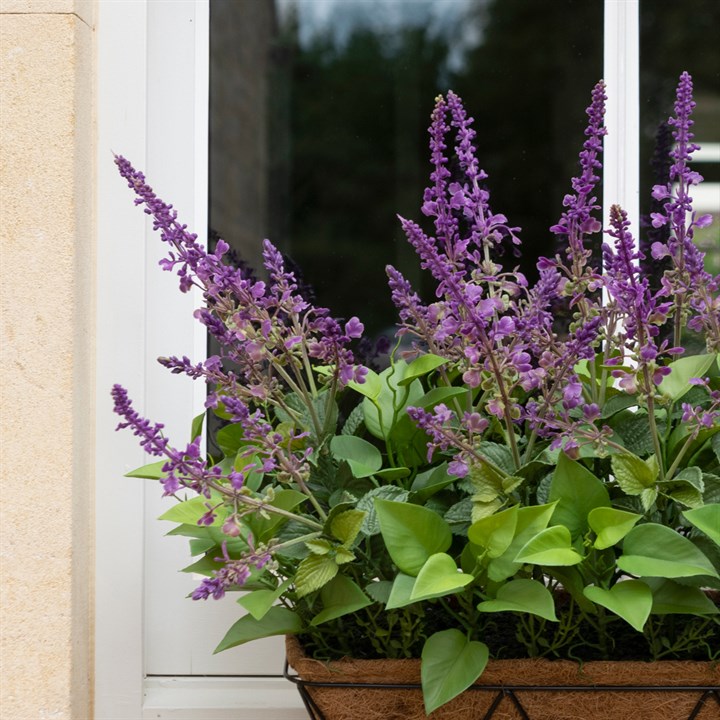
Compact salvia varieties work best in window boxes. Tall types can look awkward unless your box has enough depth and strong support.
Choose salvia for the back row if your box sits below eye level. That placement lets the flower spikes rise above shorter plants without blocking the whole design.
How I Keep Full Sun Window Box Plants Looking Fresh
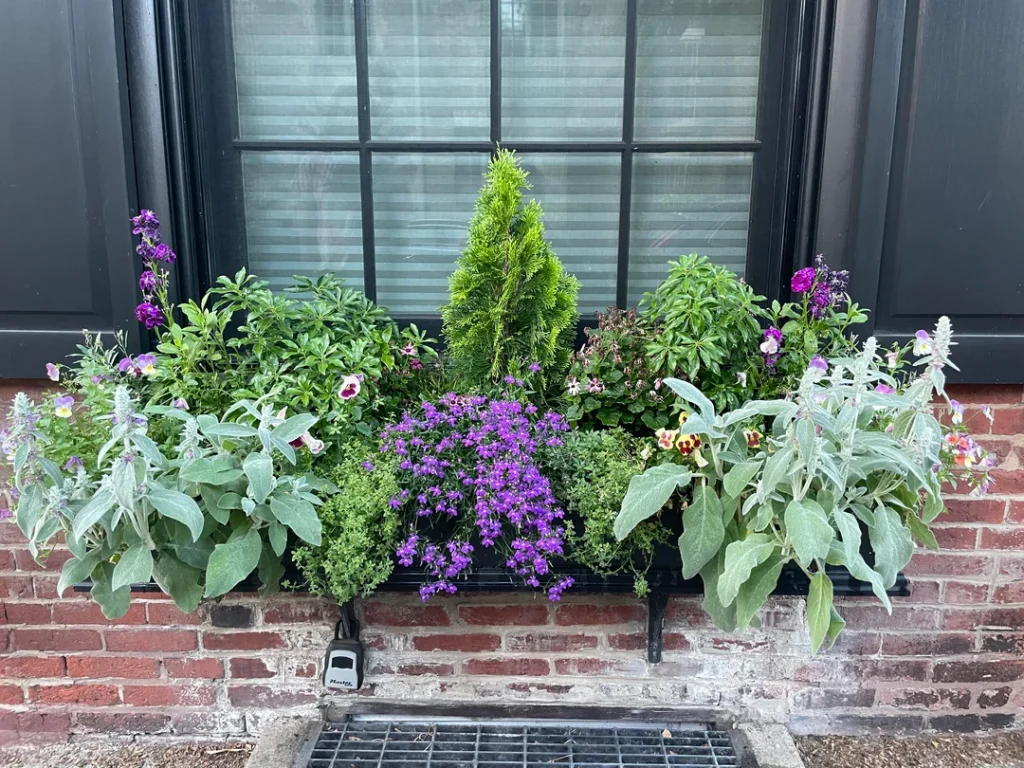
Strong plants still need smart care. A full sun window box dries faster than a garden bed because the soil sits above ground and gets hit by heat from every side.
Water deeply when the top inch of soil feels dry. Quick splashes only wet the surface, and shallow roots struggle when the afternoon sun gets harsh.
Morning watering works best for me. Plants get moisture before the heat builds, and the leaves have time to dry before evening.
Use a potting mix that drains well but still holds some moisture. Heavy garden soil can stay too wet after watering and then turn hard when it dries.
Feed your window box during the growing season. Flowers like petunias, geraniums, marigolds, and lantana use plenty of energy when they bloom for weeks.
Trim tired stems before the whole box looks rough. I treat pruning like a small reset button, not a punishment.
Remove faded flowers from plants that need deadheading. Geraniums and marigolds usually look cleaner and bloom better when you clear away old flowers.
Check the box after storms or windy days. Trailing plants can tangle, tall stems can lean, and dry corners can hide behind lush leaves.
My Favorite Full Sun Window Box Mix
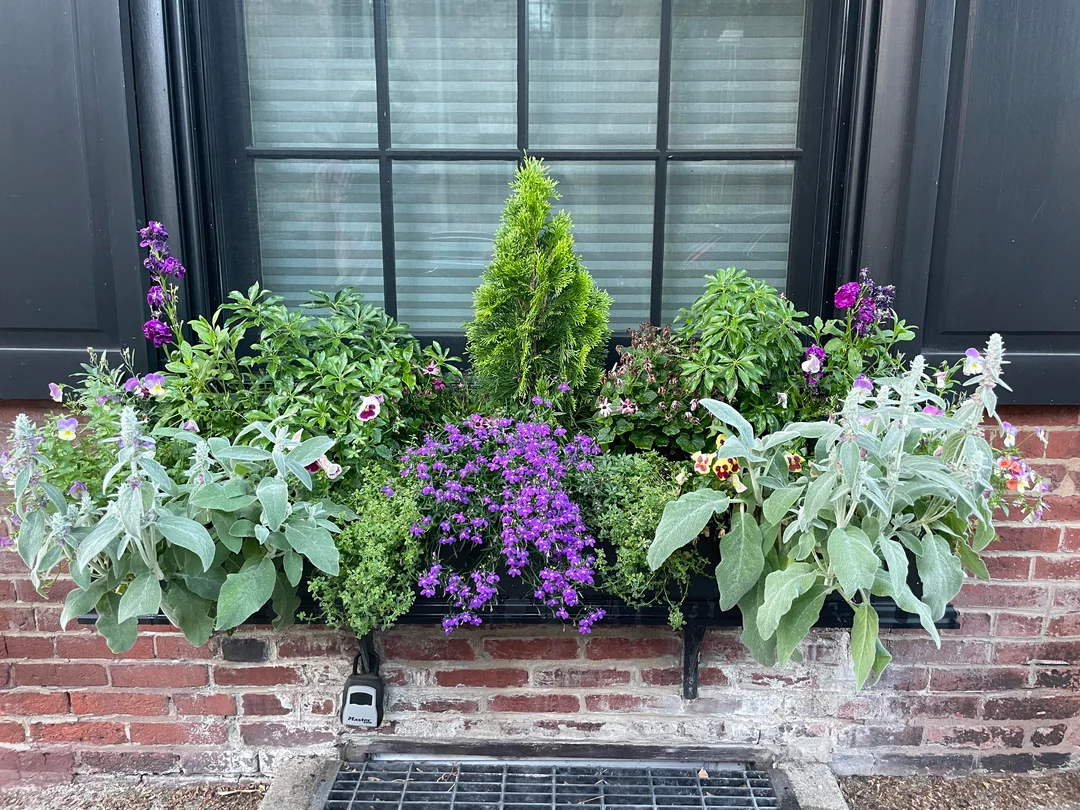
A good window box needs balance. I like one upright plant, one bold filler, and one trailing plant that spills over the edge.
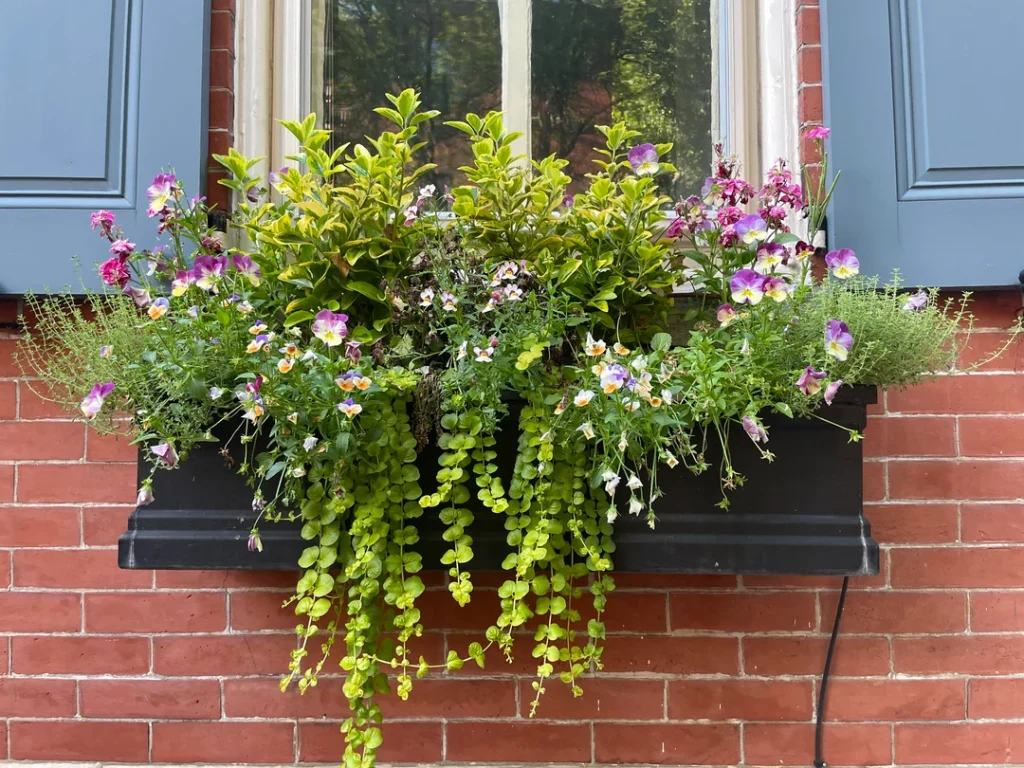
Try geraniums in the center, euphorbia around them, and sweet potato vine along the front. That mix gives you flowers, soft texture, and bold leaves without making the box look too busy.
Another easy combo uses lantana, fan flower, and portulaca. You get heat-loving blooms, trailing movement, and drought tolerance in one sunny little setup.
For a brighter look, pair marigolds with purple petunias and lime sweet potato vine. That color mix feels cheerful from the sidewalk and still looks simple enough for a small space.
Choose fewer plant types if your box is narrow. Three strong choices often look better than seven plants fighting for room.
Conclusion: Build a Window Box That Can Handle Real Sun
Full sun window boxes can look amazing when you choose plants that actually enjoy the job. Some plants give you bold flowers. Others add trailing leaves, soft texture, pollinator appeal, or strong color when blooms slow down.
Your best box will match your sunlight, your watering habits, and the look you love most. I always tell people to start with two or three tough plants before building a fancy mix.
A sunny window box should feel fun, not stressful. Pick plants that can take the heat, water them with purpose, and let your windows show off a little.