13 Best Ground Covers With Purple Flowers

Purple flowers have this magic touch, don’t they? They turn a plain patch of dirt into something you actually want to stare at from your porch.
I’ve spent years testing ground covers on my own balcony garden, and purple varieties always steal the show.
This list covers 13 real winners, from tough little creepers to fragrant carpets. Grab your gloves, because your yard is about to get a serious color upgrade.
13 Purple Flowering Ground Cover Plants
1. Creeping Phlox Brings Spring Magic
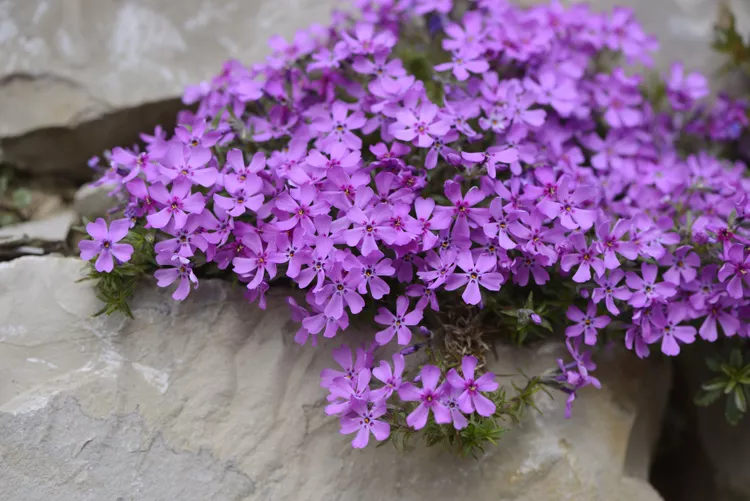
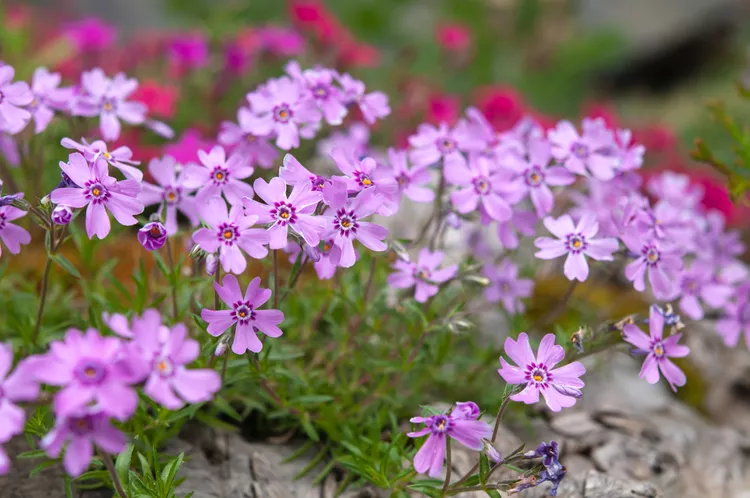
Nothing says spring quite like a hillside covered in creeping phlox. This hardy perennial grows just 3 to 8 inches tall, so it stays low and tidy.
Tiny violet and lavender flowers cover the plant from spring into summer, and the scent is genuinely lovely.
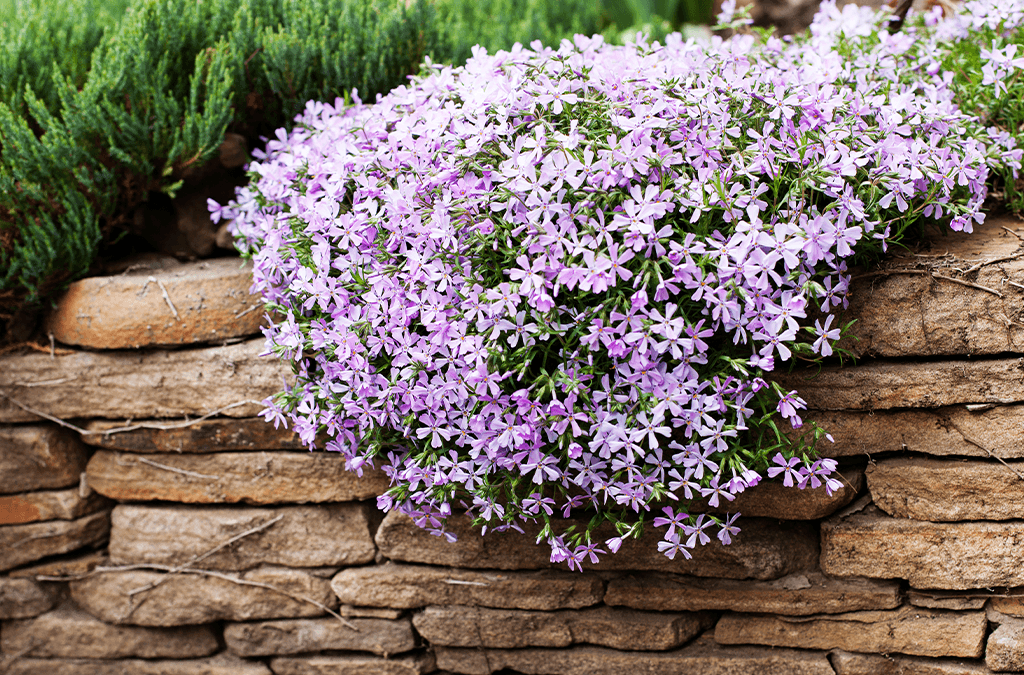
Slopes love this plant. Its roots grip soil tight, which helps stop erosion on banks or hills. Foot traffic doesn’t bother it much either, unlike most delicate flowering plants.
Give it partial shade and moist, well-drained soil, and watch it thrive. Zones 5 through 9 work best for this one. Just don’t skip the deadheading, or powdery mildew might show up uninvited.
Also read: 15 Best Walkable Ground Cover Plants for a Pretty Garden Path
2. Horned Pansy Adds a Playful Touch
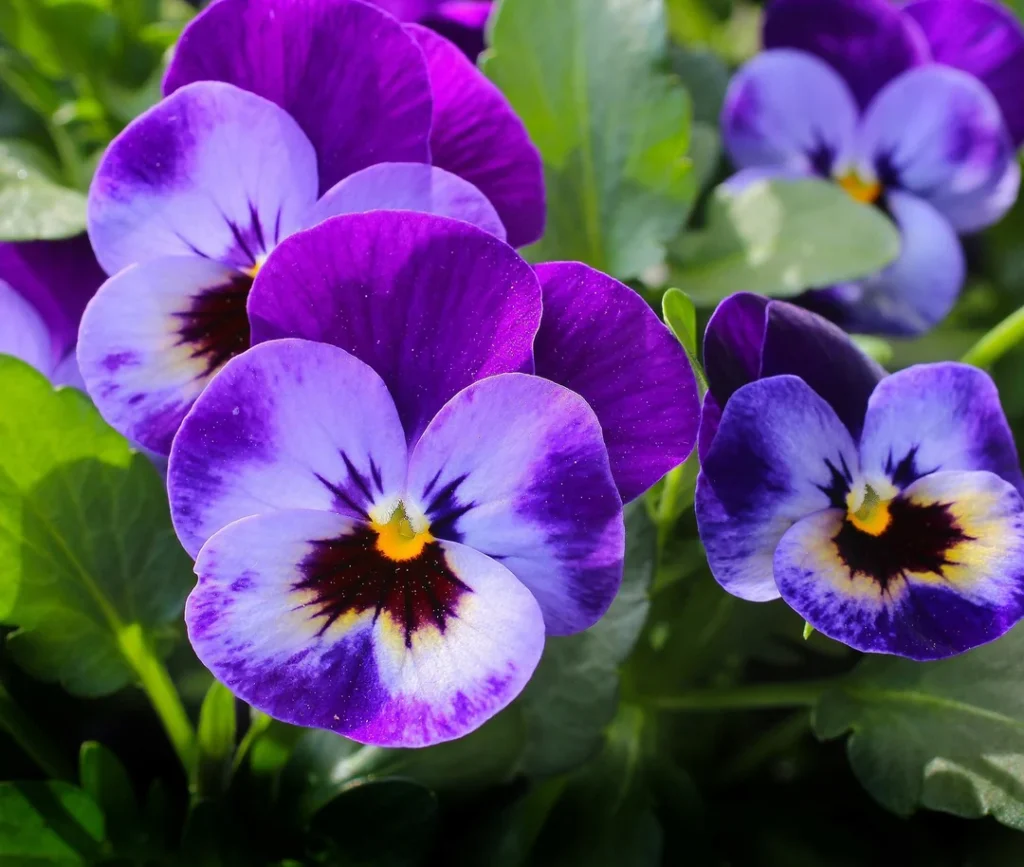
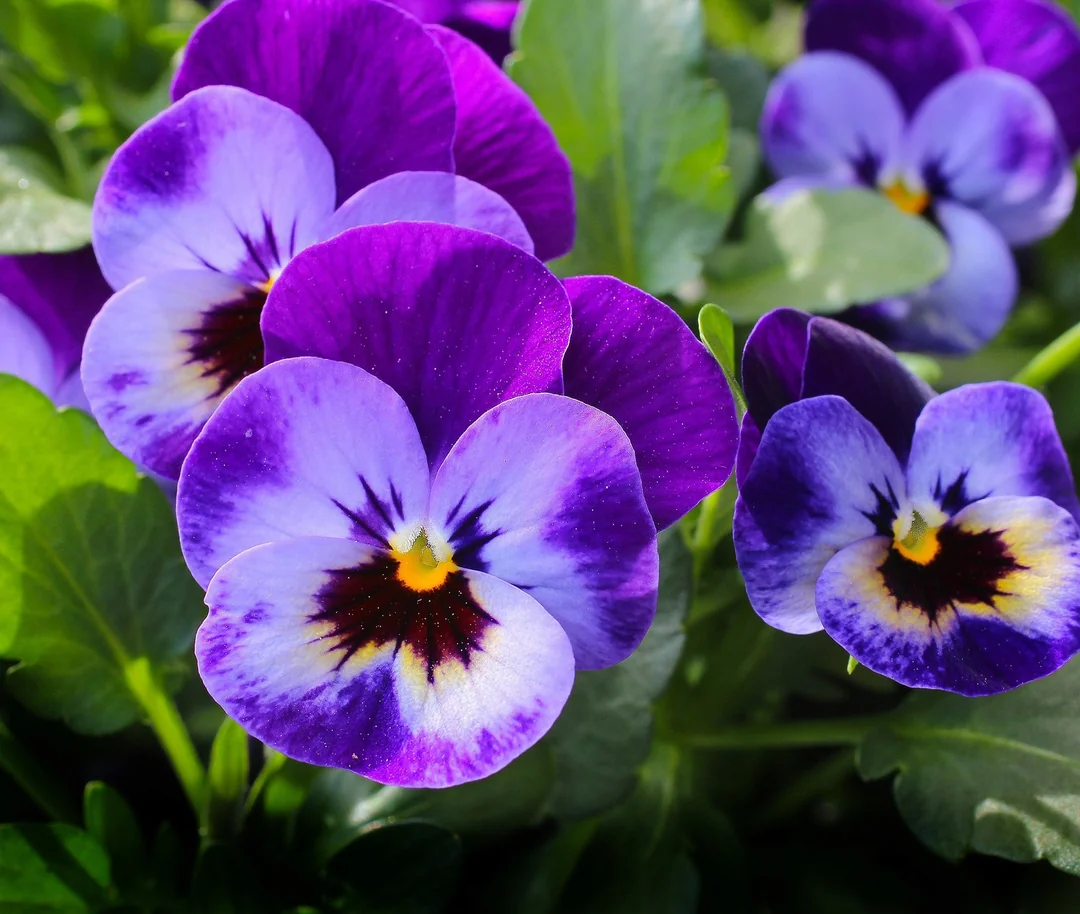
Little clusters of two-tone petals make horned pansy look almost whimsical. Blooms range from deep purple to soft lilac, depending on which variety you pick.
My favorite is ‘Celestial Midnight,’ with its rich purple color and surprising yellow throat.
Bees adore this plant, and so do butterflies. Full sun to partial shade keeps it happiest, along with soil that drains well but stays a little moist. Mulch around the base to keep weeds from crashing the party.
Snails can be an issue in humid spots, so keep an eye out. Organic snail pellets solve that problem fast. Otherwise, this little charmer practically takes care of itself.
3. Creeping Thyme Smells as Good as It Looks
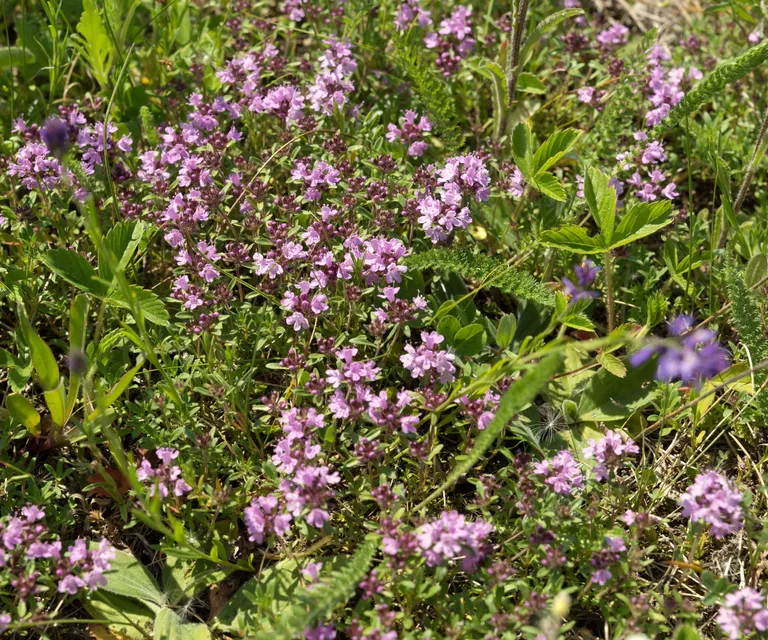
Ever walked past a patch of creeping thyme and caught that herbal scent drifting up? That’s the magic of this ground cover. Purple flowers blanket the plant in summer, while silvery foliage keeps things interesting even when it’s not blooming.
Standing only 2 to 3 inches tall, it barely registers as a plant at all until it flowers. It handles light foot traffic surprisingly well too. Planting it between pavers or stepping stones works beautifully.
Full sun and slightly alkaline soil keep this thyme happy. Trim it back once it gets woody, and it’ll reward you with fresh growth. Bees and butterflies show up constantly once the blooms appear.
4. Creeping Lilyturf Handles the Toughest Spots
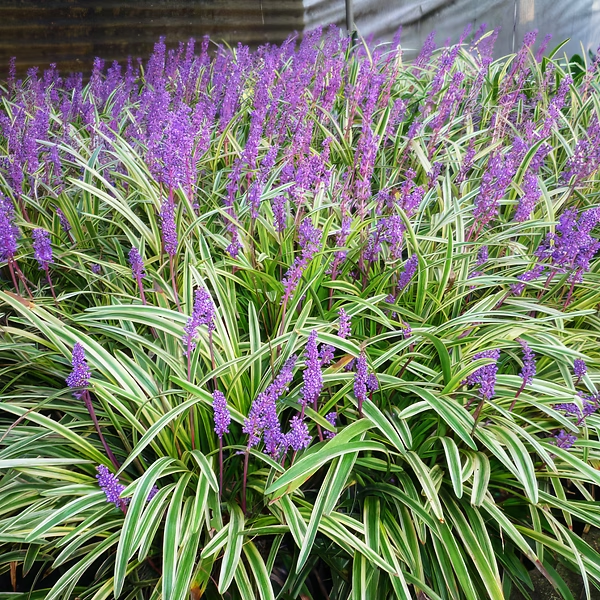
Dry shade kills most plants, but creeping lilyturf doesn’t flinch. Deep purple flower spikes rise above grass-like foliage in early summer and stick around until fall.
Height can reach up to 18 inches, giving it real presence in the garden.
Poor soil doesn’t scare this plant either. It tolerates drought once established, though clay soil suits it best. Spreading happens fast through underground rhizomes, so edging helps keep it contained.
Winter brings a bonus too. Leaves often turn bright yellow in cooler months before returning to green. Few ground covers offer that kind of seasonal drama.
5. Bugleweed Spreads Fast and Looks Fantastic Doing It
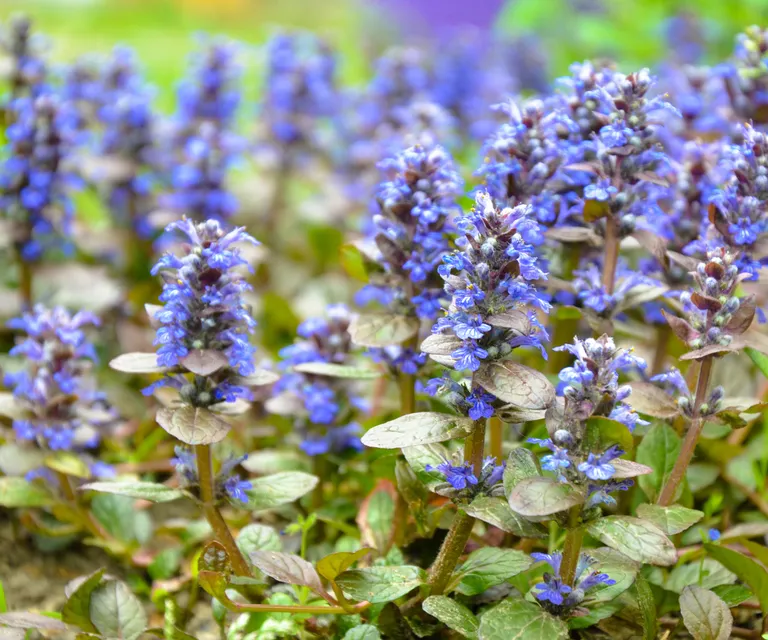
Shade gardens practically beg for bugleweed. Glossy green foliage carpets the ground quickly, then short spikes of violet or blue flowers pop up in late spring.
Rock gardens, borders, and shady banks all become instant showstoppers with this plant.
Speed is bugleweed’s superpower. It spreads through stolons, filling gaps other plants ignore. Give it space though, because it will happily creep into your lawn if you let it.
Partial sun and moist, well-drained soil keep this plant content. Pruning twice a year controls the spread nicely. Good air circulation matters too, especially in humid climates.
6. Spotted Dead Nettle Lights Up Dark Corners
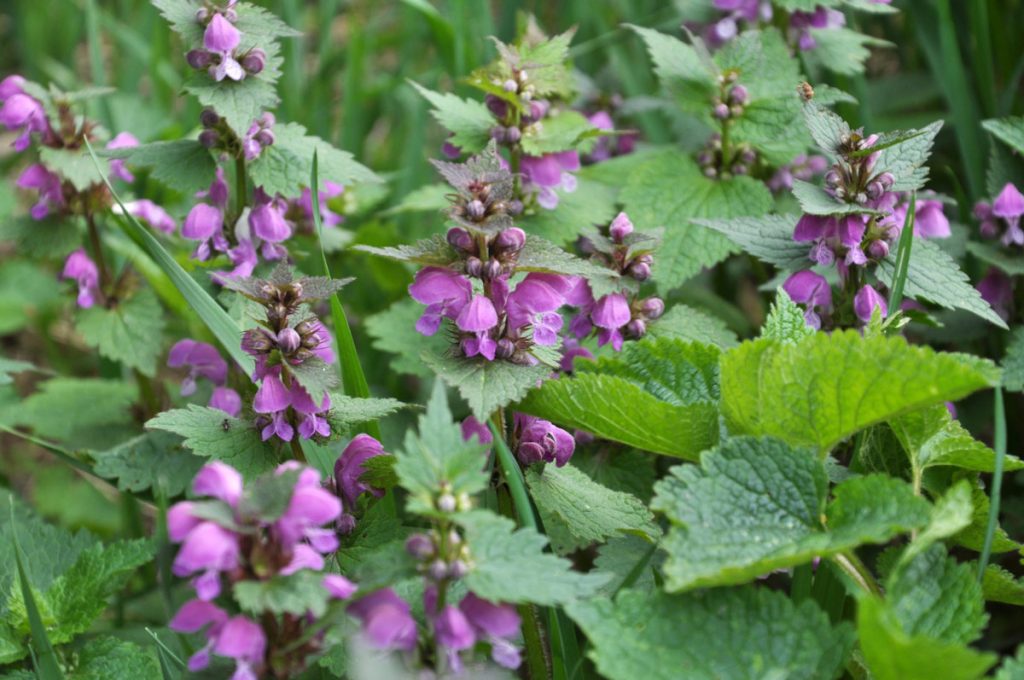
Silver-marked, heart-shaped leaves make spotted dead nettle instantly recognizable. Purple, pink, or white blooms show up from mid-spring straight through fall.
Dry shade gardens practically light up when this plant moves in.
Caution matters here. Some regions list this plant as invasive, so check with a local extension office first. Mass planting works great, but only where spreading won’t cause problems.
Well-draining soil suits it in sun or shade. Trimming back in late fall keeps things tidy. Edge the bed if you want to slow its roll.
7. Royal Candles Stand Tall and Proud
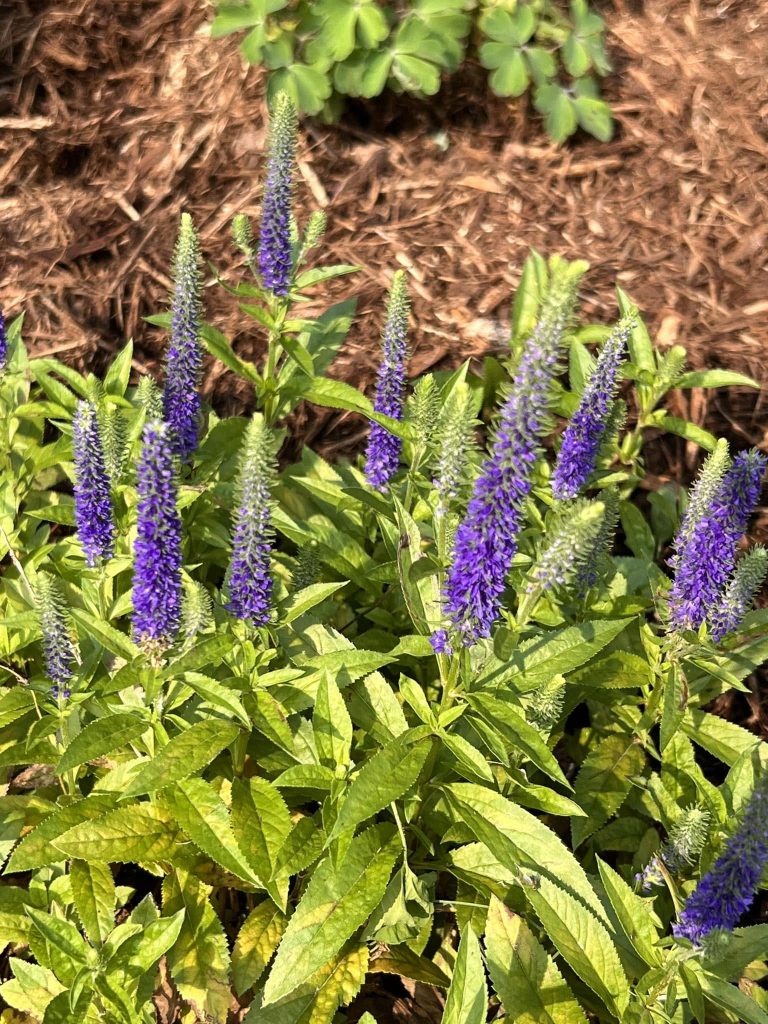
Unlike sprawling ground covers, royal candles grows upright with a neat, clumping habit.
Violet-blue flower spikes shoot up from late spring through early summer, reaching about 12 inches tall. Borders and patio edges both benefit from this vertical pop of color.
Sun-lovers, take note. Full sun brings out the best blooms, though light shade won’t hurt. Consistent moisture keeps the foliage lush all season long.
Pruning spent flowers encourages more blooms. Butterflies flock to this plant constantly. Deer and rabbits, thankfully, tend to leave it alone.
8. Periwinkle Thrives Almost Anywhere
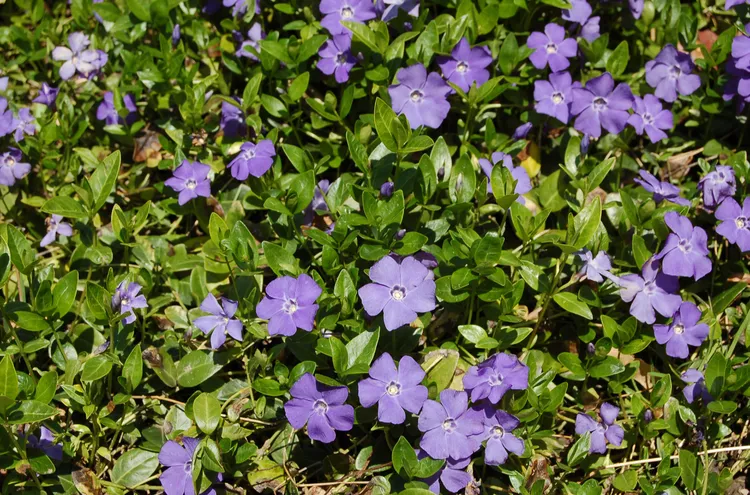
Few plants adapt like periwinkle. Lavender-blue blooms appear from early spring into summer, sometimes popping back up later in the year. Full sun, partial shade, or even deep shade barely slows this survivor down.
Erosion control loves this plant. Its trailing habit stabilizes slopes while filling gaps under shrubs beautifully. Drought and heat barely register as problems either.
Watch its spread carefully though. Periwinkle grows fast and can become invasive in the wrong spot. Keep it away from lawns unless you want a takeover on your hands.
9. Ice Plant Brings Desert Toughness to Your Garden
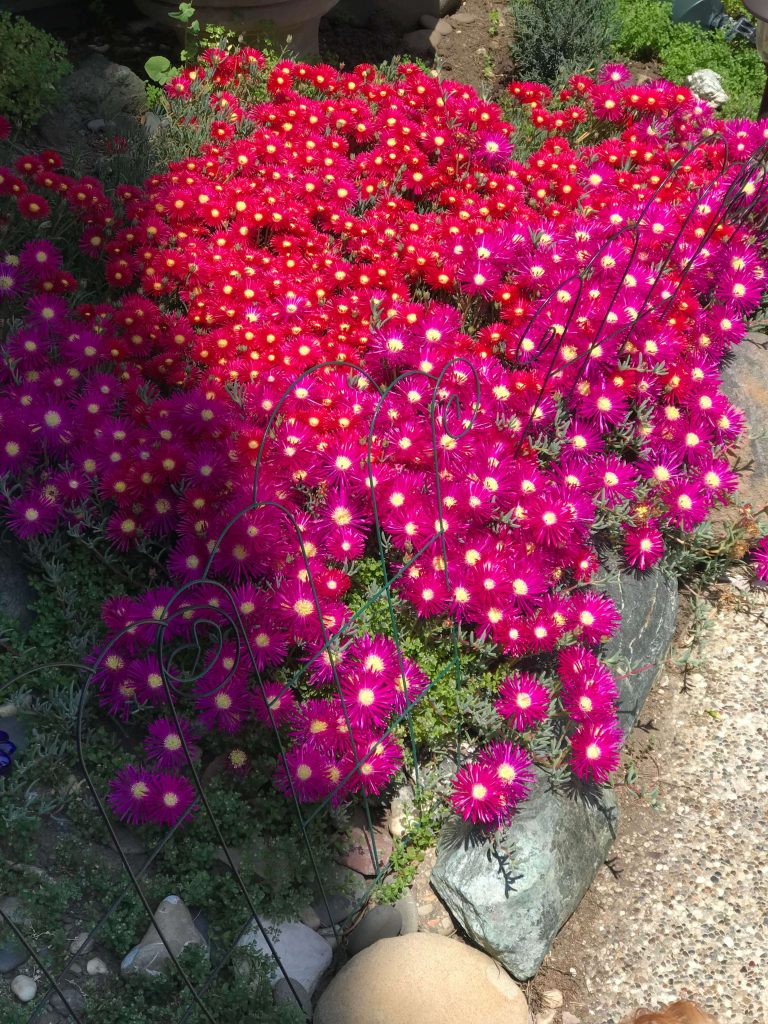
Magenta-purple, daisy-like blooms cover ice plant all summer and beyond. Succulent leaves store water, which explains why this plant shrugs off drought like it’s nothing. Hot, sunny gardens are exactly where this tough little survivor belongs.
Deer won’t touch it, which is always a bonus. Well-drained soil and occasional watering keep it happy. Cold snaps don’t bother it much either, surprisingly.
Spacing plants a foot apart gives room to spread. They’ll fill in fast, trust me. Winter-killed stems just need a quick trim come spring.
10. ‘Sweet Heidy’ Cranesbill Charms With Color
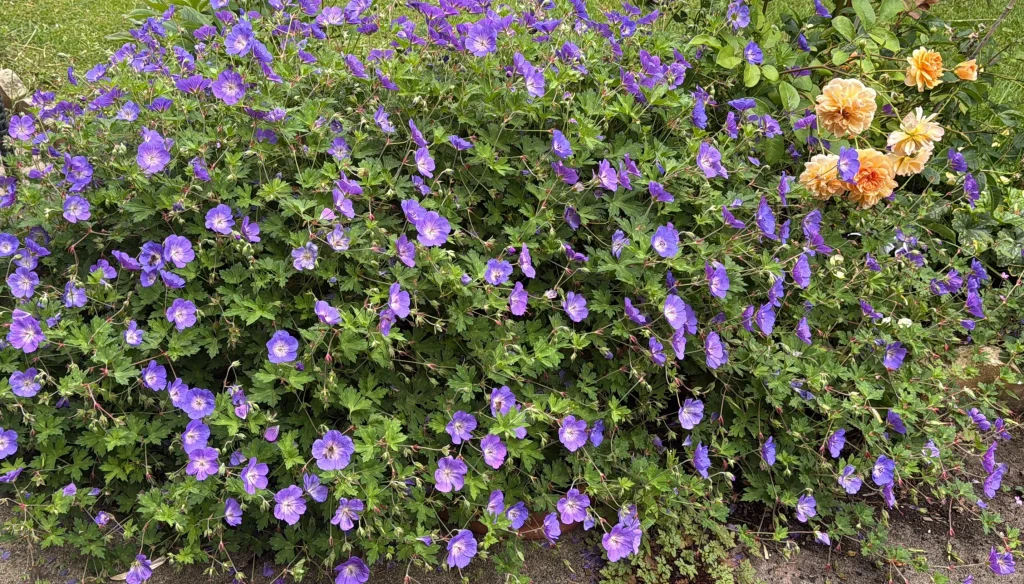
Pink-to-purple blooms with white centers make ‘Sweet Heidy’ cranesbill stand out in any bed.
Lush green foliage backs up those bowl-shaped flowers from early to late summer. Sunny spots work best, though a little shade won’t cause problems.
Powdery mildew occasionally shows up, so keep an eye out. Well-drained soil handles most conditions this plant throws at it. Dividing the clump in spring gives you thicker coverage next season.
Mulch helps lock in moisture. Cutting back in late summer sparks fresh growth. Butterflies visit often once the blooms open up.
11. Dalmatian Bellflower Fills Rock Gardens With Color
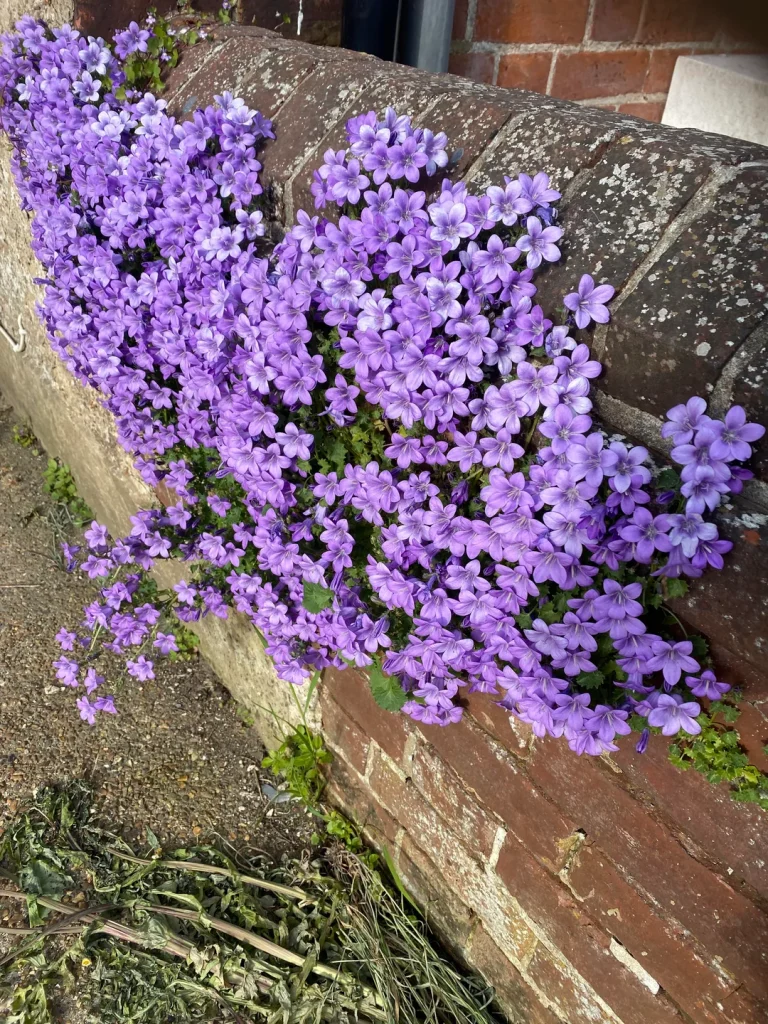
Lavender bell-shaped blooms make Dalmatian bellflower a rock garden favorite. Deep green leaves back up the flowers beautifully from early to late summer. Pathways and stone walls both look better once this plant moves in.
Rabbits leave it alone, which counts for something. Full sun or partial shade both work, as long as drainage stays solid. Standing water is this plant’s one real enemy.
Spreading happens at a steady pace, not an aggressive one. Deadheading regularly brings on more blooms. Cutting it back in late fall keeps everything healthy for next year.
12. Lithodora Delivers the Deepest Purple-Blue
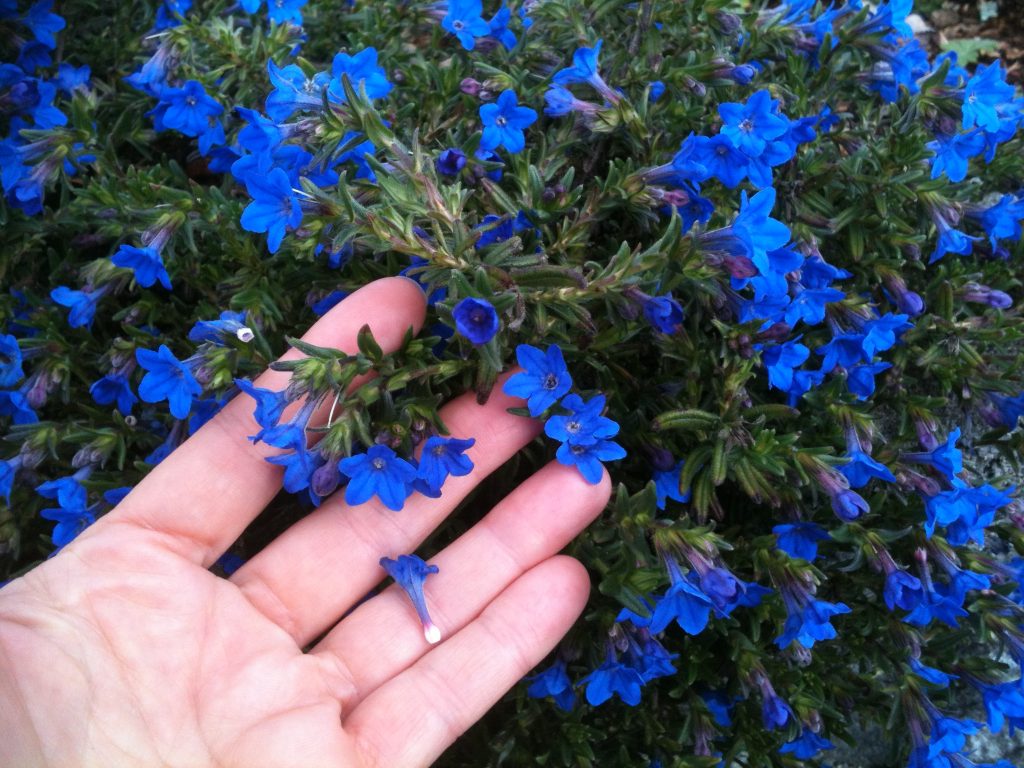
Nothing quite matches the deep blue-purple blooms of lithodora. Flowers show up from late spring through early summer, and warmer climates keep this mat-forming evergreen lush year-round.
Walkways, rockeries, and retaining walls all look better with this plant cascading over them.
Deer-resistant and low-maintenance, lithodora practically sells itself. Full sun brings the best blooms, though light shade works too. Acidic, well-drained soil matters most here.
Trimming after flowering keeps the shape neat. Semi-hardwood cuttings make propagation easy if you want more. Moisture during summer keeps this plant looking its best.
13. Creeping Mazus Makes a Tiny, Mighty Lawn Alternative
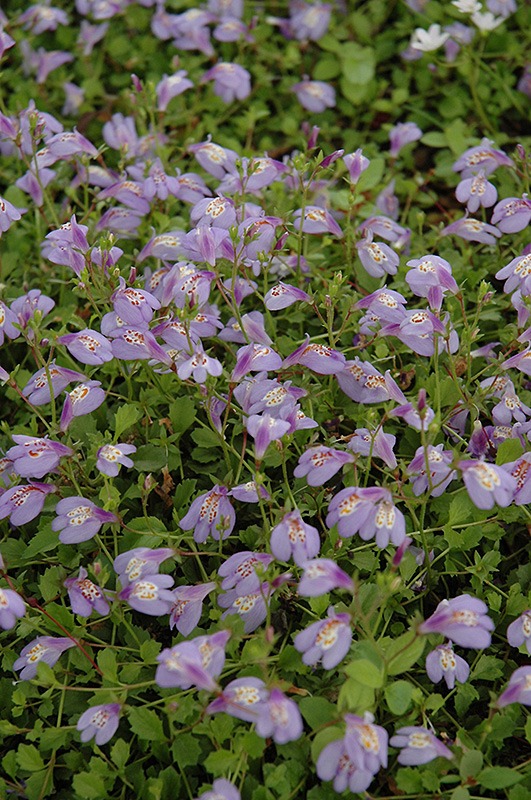
Blue-violet flowers bloom nonstop on creeping mazus through summer. Standing only 2 to 3 inches tall, this little plant spreads 6 to 12 inches wide with surprising speed.
Foot traffic doesn’t faze it, which makes it perfect for paths and stepping stones.
Rock gardens and walls both suit this plant well. Consistent moisture and full sun or light shade keep it thriving. Year-round green foliage sticks around in warmer climates too.
Light trimming in early spring encourages fresh growth. Don’t underestimate the size here. Big color often comes from the smallest plants in the garden.
Which Purple Ground Cover Wins Your Yard?
Thirteen plants, one color, endless possibilities. Shade lovers like bugleweed and spotted dead nettle solve those tricky dark corners. Sun-soaked spots welcome royal candles, ice plant, and lithodora without hesitation.
Foot traffic areas call for creeping thyme or creeping mazus. Both handle a little abuse and bounce right back. Erosion-prone slopes practically beg for periwinkle or creeping phlox instead.
Picking one isn’t really the goal here. Mixing two or three creates layers of purple that bloom at different times all season. My balcony garden taught me that variety beats uniformity every single time.