Which Shrubs Actually Grow Well in Pots? 13 Options That Work

Flowers look pretty in a pot, but they fade fast once summer ends. Shrubs stick around and give your container garden real structure. You get height, color, and texture that flowers alone can’t match.
I’m sharing 13 shrubs that thrive in pots, whether you have a balcony, patio, or a small front porch. Pick a few, and your container garden will finally look complete.
Choosing the Right Container for Your Shrubs
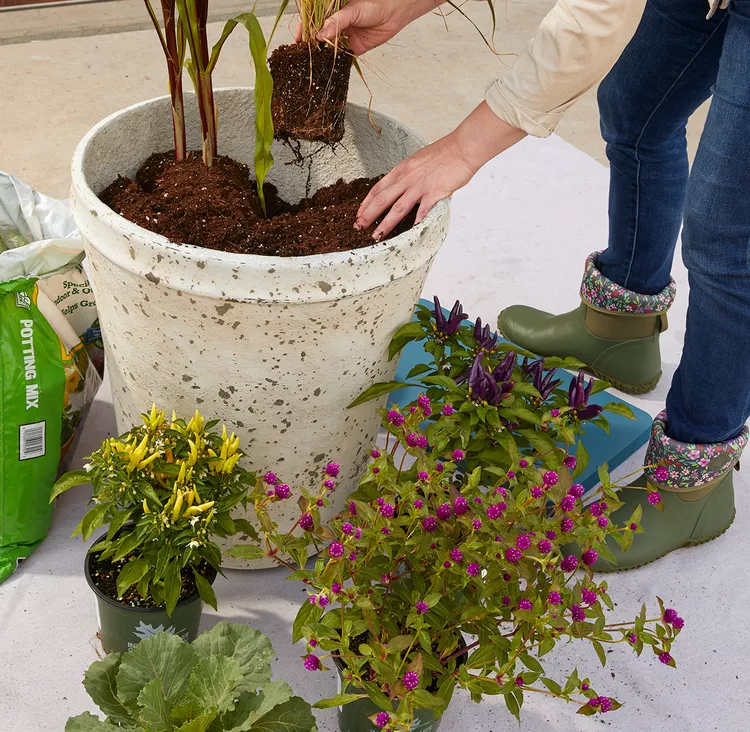
Your shrub’s success starts with the pot, not the plant. A cheap container can crack, chip, or rot within a year or two outdoors. Skip ceramic, clay, or terra cotta if you’re planning permanent plantings.
Size matters more than most people realize. Small pots dry out fast, especially during hot summer stretches. Your shrub needs enough room for roots to spread and grow over time.
Weatherproof materials save you money long-term. Fiberglass, resin, and glazed ceramic all handle freezing temps without falling apart. Wood works too, as long as it’s rot-resistant.
Drainage holes aren’t optional here. Standing water suffocates roots and invites rot fast. No holes in your favorite pot? Grab a drill and make some yourself.
Temporary displays give you more freedom. Planning to move that shrub into the ground later? Material barely matters since it won’t face years of weather.
Think about weight too. A giant ceramic pot filled with soil gets heavy fast, and moving it later becomes a real workout.
Pick smart now, and your shrub thanks you for years.
Watering Tips for Container Shrubs
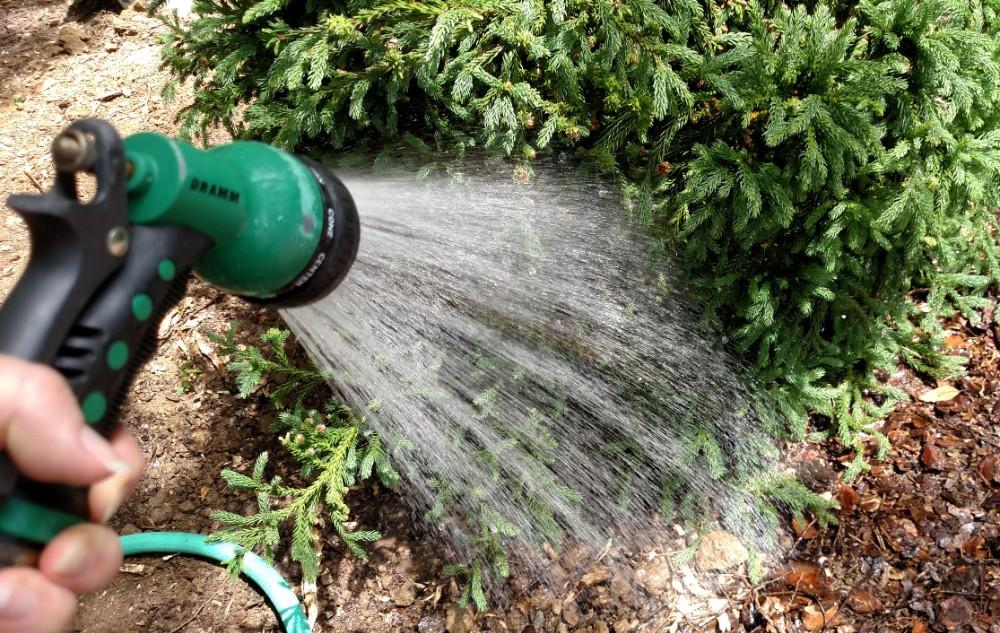
Container shrubs get thirsty faster than you’d think. Pots heat up quickly in direct sun, and that heat pulls moisture out of the soil fast. Your shrub can go from happy to wilted in just one hot afternoon.
Bigger plants need more water, plain and simple. As your shrub grows, its roots demand more to keep up. Check the soil often during summer, especially if temperatures climb into the 90s.
A self-watering container solves a lot of headaches. These pots hold a water reservoir at the bottom, so your shrub can pull moisture as needed. Drip irrigation works well too, especially if you’re juggling several containers at once.
Hand watering still gets the job done. It just takes more consistency on your part. Stick your finger an inch into the soil, and you’ll know instantly if it’s time to water.
Drainage holes matter just as much as watering schedules. Without them, water pools at the bottom and drowns the roots. No holes yet? Drill some before your shrub ever goes in that pot.
13 Shrubs for Containers That Actually Thrive in Small Spaces
1. Green Mountain Boxwood Gives You Instant Structure
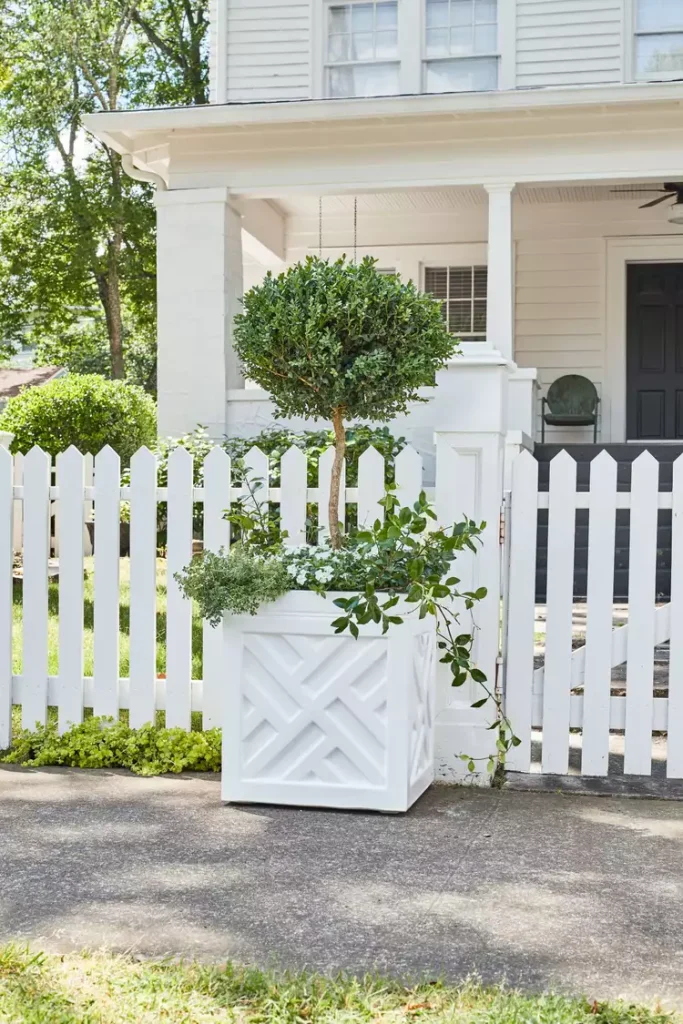
I always recommend Green Mountain to anyone who wants a shrub with real shape. It grows in a neat pyramid, not a round ball, so it stands out next to other shrubs.
Left in the ground, it can reach 5 feet tall, but a pot keeps it compact and easy to manage.
Wind and blazing sun stress this shrub out fast. You’ll want to tuck it somewhere partially shaded instead. It handles zones 4 through 9 without complaint, and its dark green color holds strong through winter.
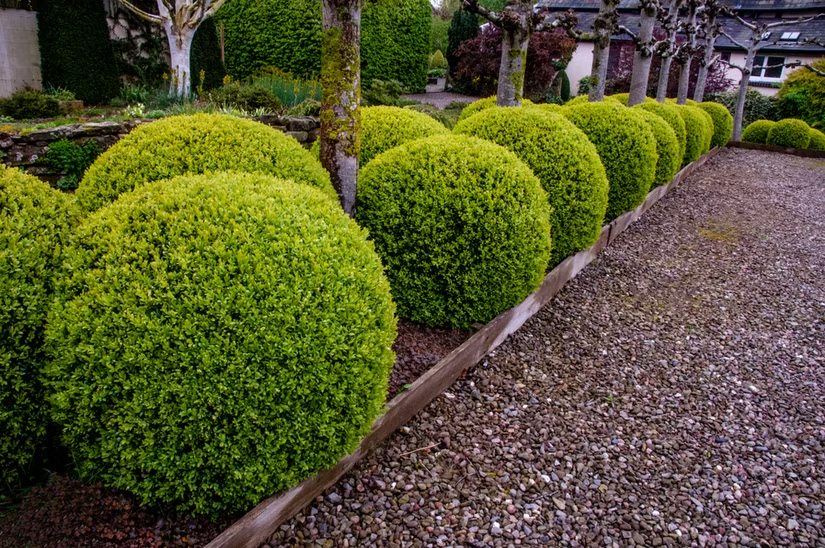
Just rotate the pot now and then, or one side will go bare from uneven light.
Give it a little shade and rotation, and you’re set.
2. Bobo Panicle Hydrangea Packs Big Blooms Into a Small Space
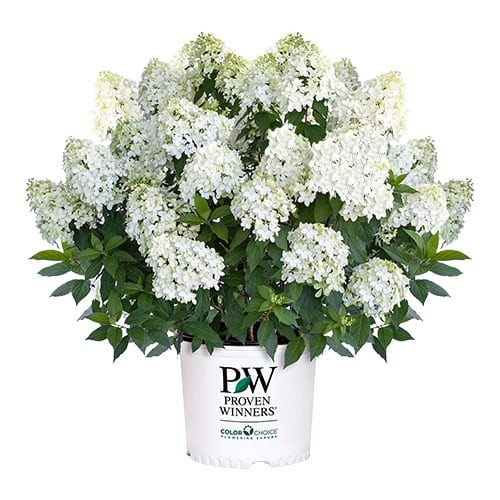
Big blooms usually mean a big plant, but Bobo proves that wrong. This compact variety tops out around 3 feet tall and wide. You still get loads of full, lacy flowers packed onto a small frame.
Watch the colors shift as the season moves along. Flowers open white, then fade into dusty pink or red by fall. Bobo tolerates more sun than most hydrangeas, handles nearly any soil, and thrives in zones 3 through 8.
You can even cut the blooms and dry them for indoor decor once the weather turns cold.
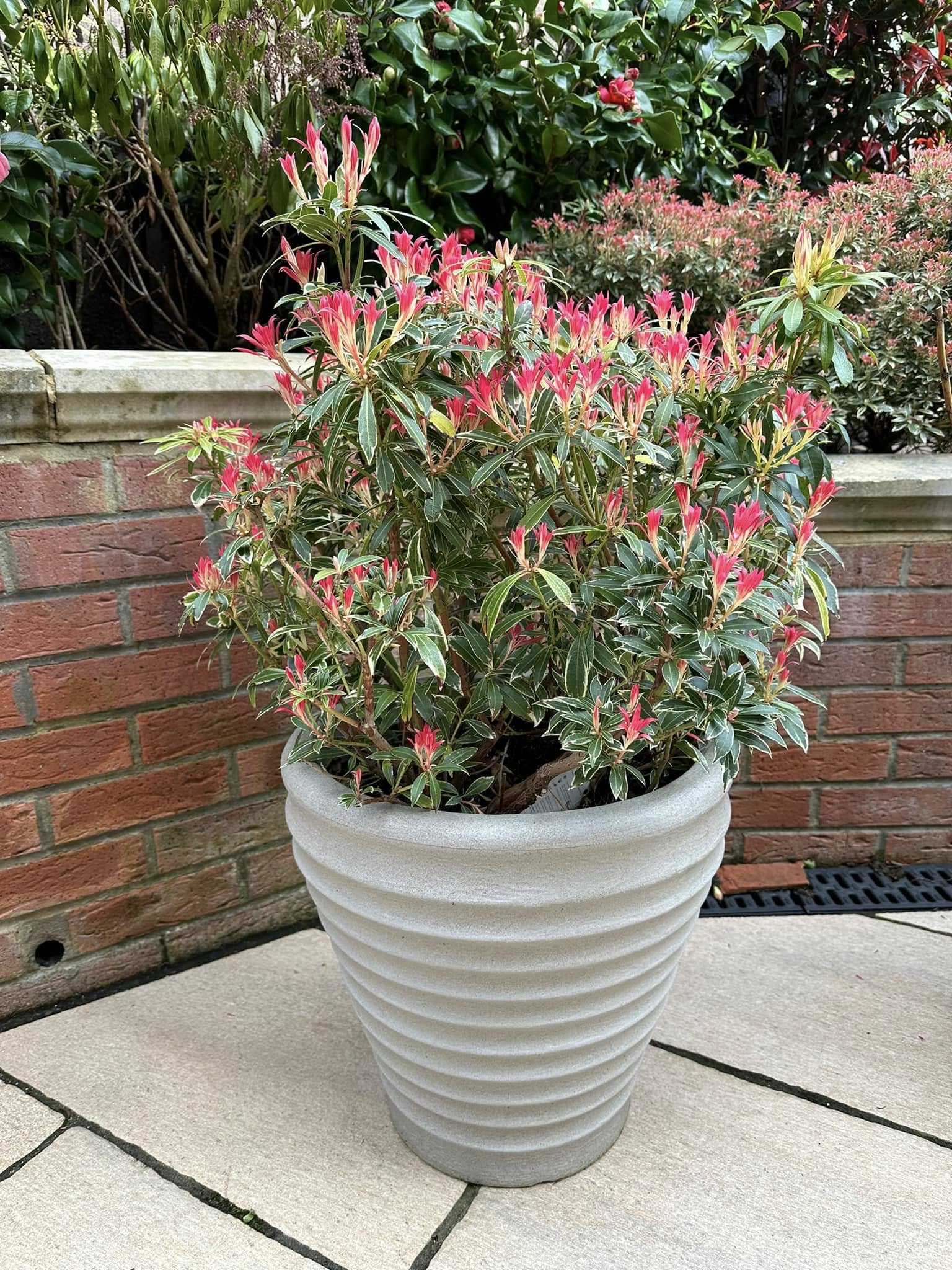
3. Japanese Pieris Brings Color Before Anything Else Wakes Up
Winter drags on forever, doesn’t it? Japanese Pieris doesn’t wait for spring to show off.
Dark red to pink flower buds appear while everything else still looks bare, then open into small urn-shaped blossoms once the weather warms.
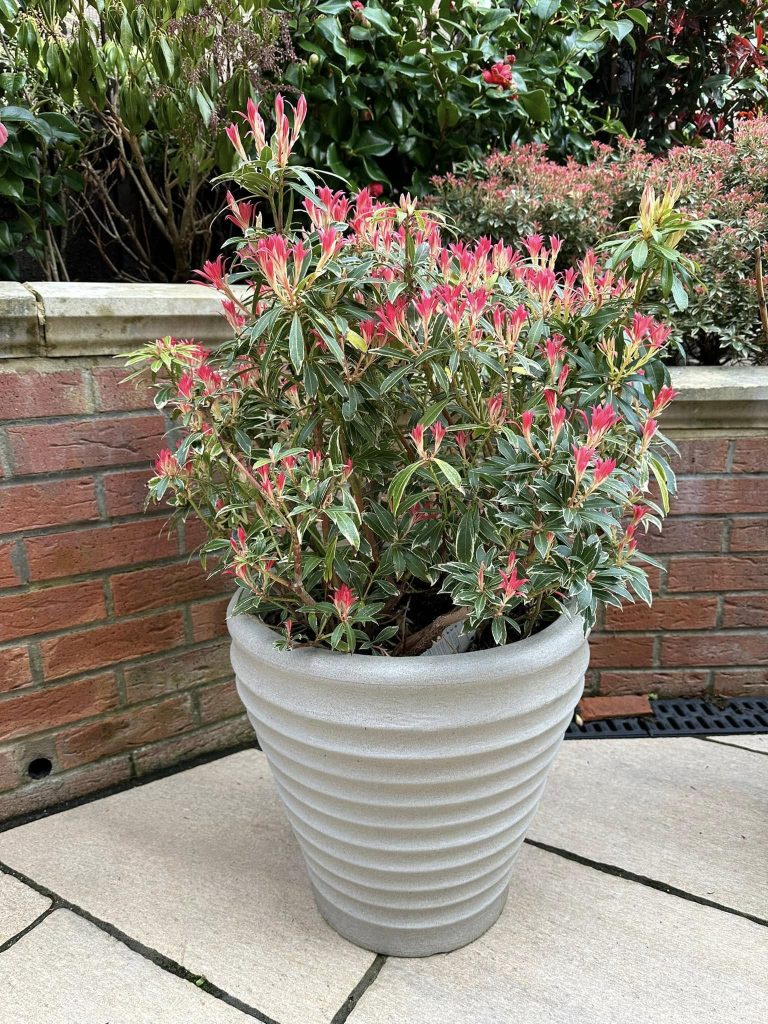
Evergreen leaves keep your container looking alive through every season. Deer tend to skip this shrub entirely, which helps if critters visit your patio uninvited.
It grows best in zones 6 through 8, needs shelter from harsh wind and intense summer sun, and prefers partial shade over full sun.
Smaller varieties exist too, so even a modest pot can hold one.
4. Emerald Arborvitae Adds a Vertical Accent to Any Pot
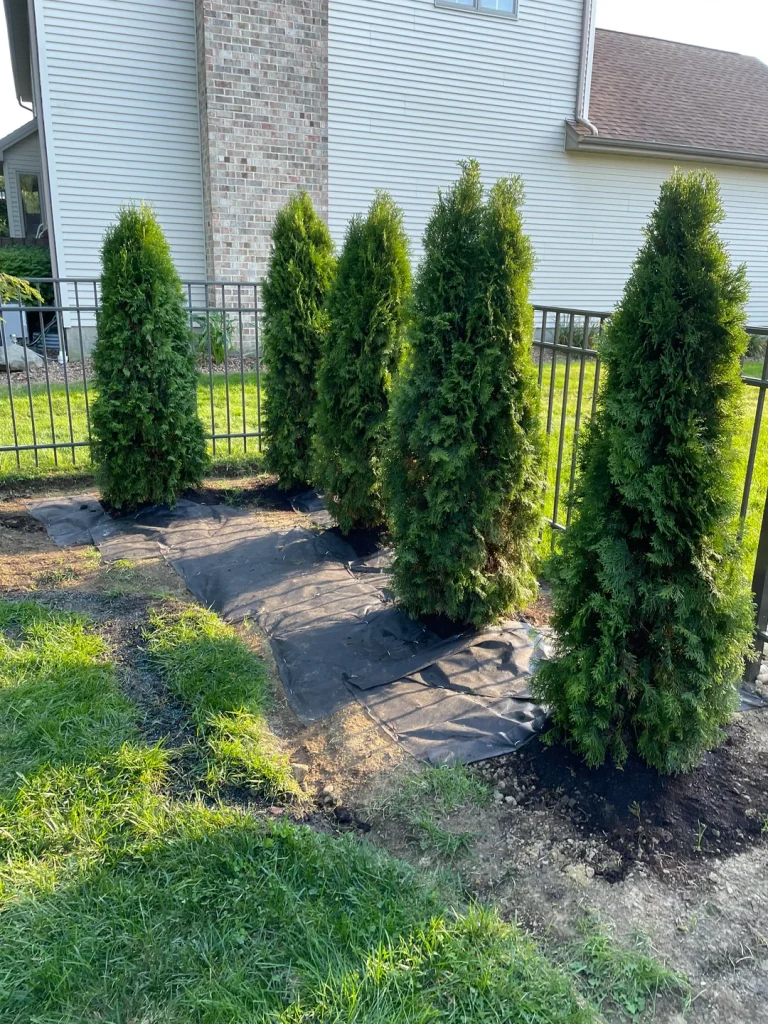
Every container needs a little height, right? Emerald Arborvitae gives you exactly that. It grows upright instead of sprawling out, so it works as a natural centerpiece surrounded by shorter plants.
Its textured evergreen foliage stays green through the coldest months. You get color when everything else in the yard looks gray and tired.
Full sun to partial shade keeps it happy, and a container naturally limits its size well below the 15-foot height it can reach in open ground.
Want extra privacy on a balcony or patio? A few of these in a row work like a living screen.
5. Sweetspire Rewards You With Fragrance and Fall Color
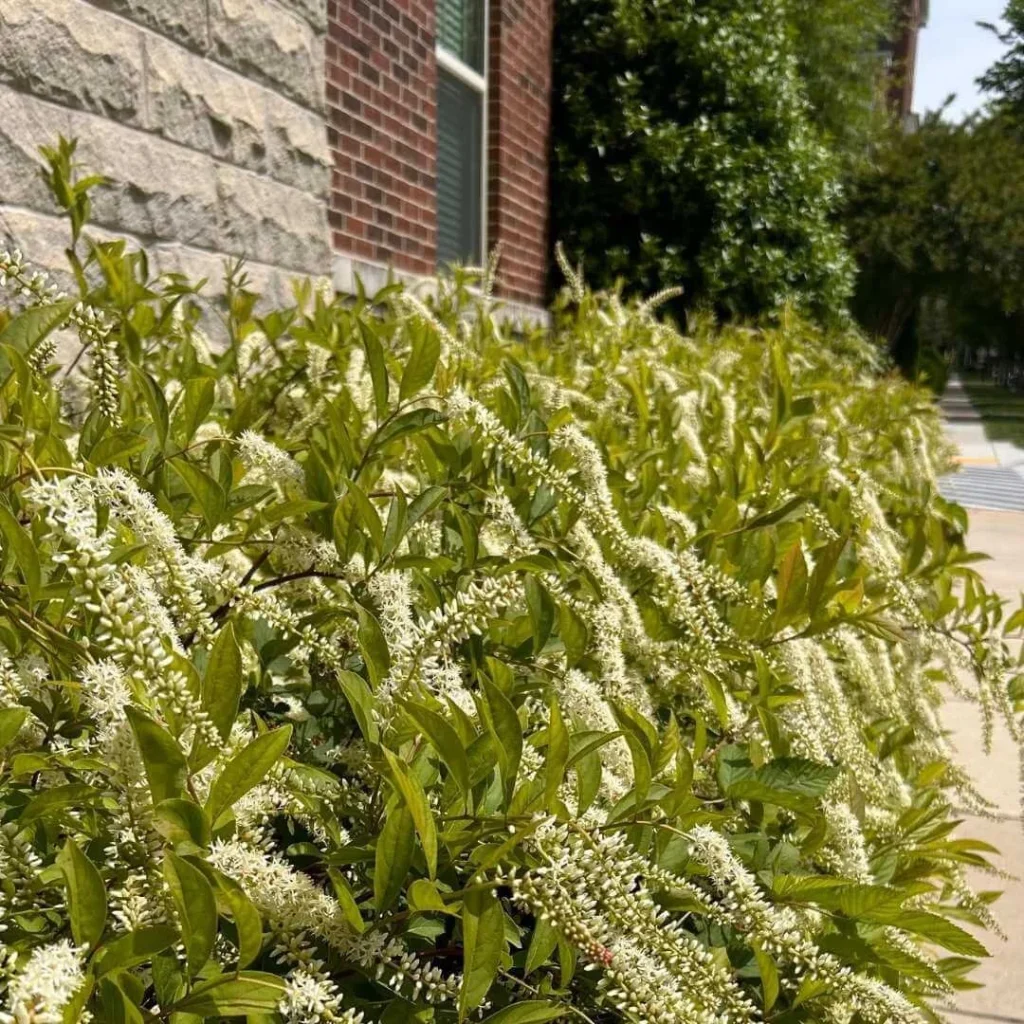
Sweetspire smells as good as it looks. White flower clusters release a sweet scent that drifts across your patio all summer long. Dark green leaves back up those blooms and make the whole plant feel lush.
Fall changes everything about this shrub. Its foliage turns a deep red-purple and holds that color well into winter. Zones 5 through 9 suit it fine, and once established, it tolerates both drought and soggy soil without much fuss.
Trim off root suckers occasionally, and this shrub stays tidy in its pot for years.
6. Coral Bells Bring Color Without Needing Much Sun
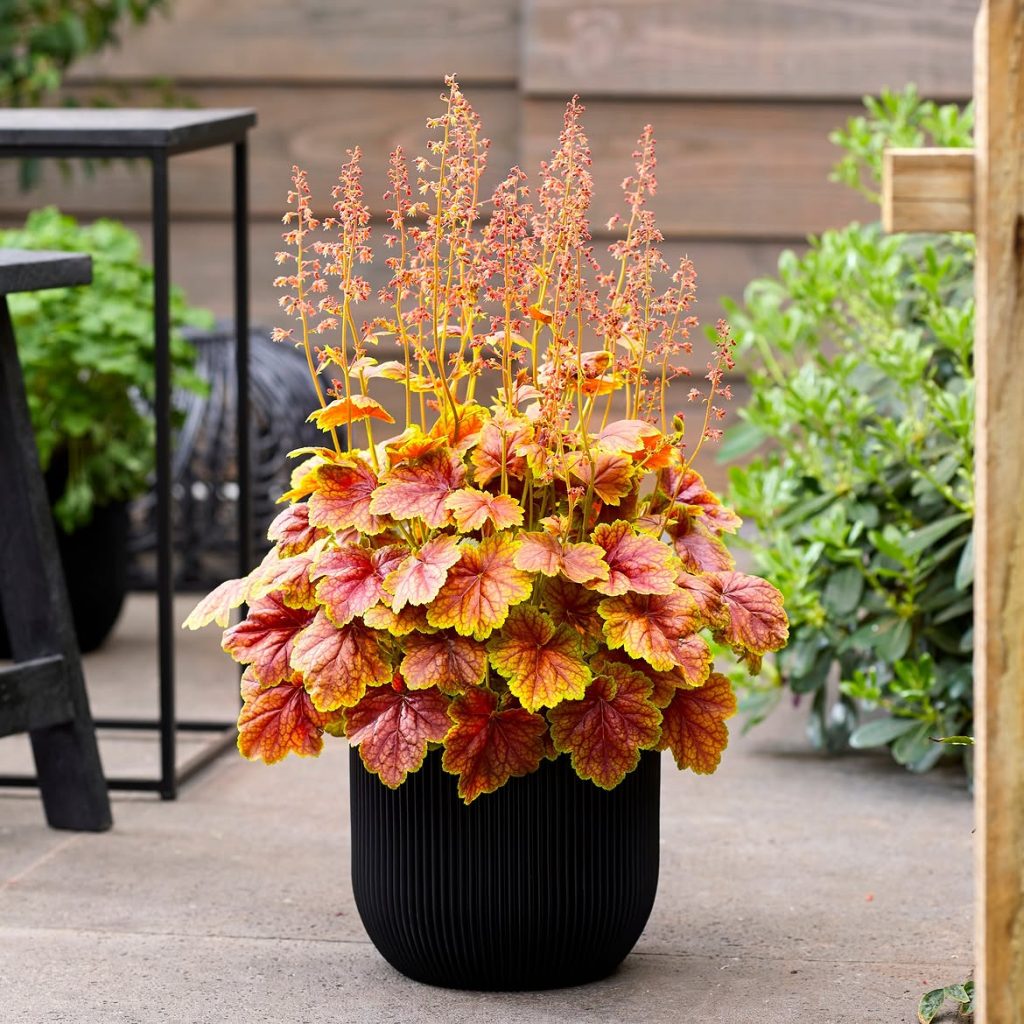
Not every spot on your patio gets full sun. Coral Bells solves that problem beautifully. Its foliage does the heavy lifting here, showing off silver veins running through leaves in green or deep purple.
Flowers are just a bonus with this one. Red, white, or pink blooms appear on tall stalks in full shade or full sun alike. Zones 3 through 8 work well, and this fast growing shrub bounces back quickly after a rough winter.
Too much direct sun actually washes out its best feature. Keep it shaded, and those leaf colors stay bold all season.
7. Ninebark Handles Whatever You Throw at It
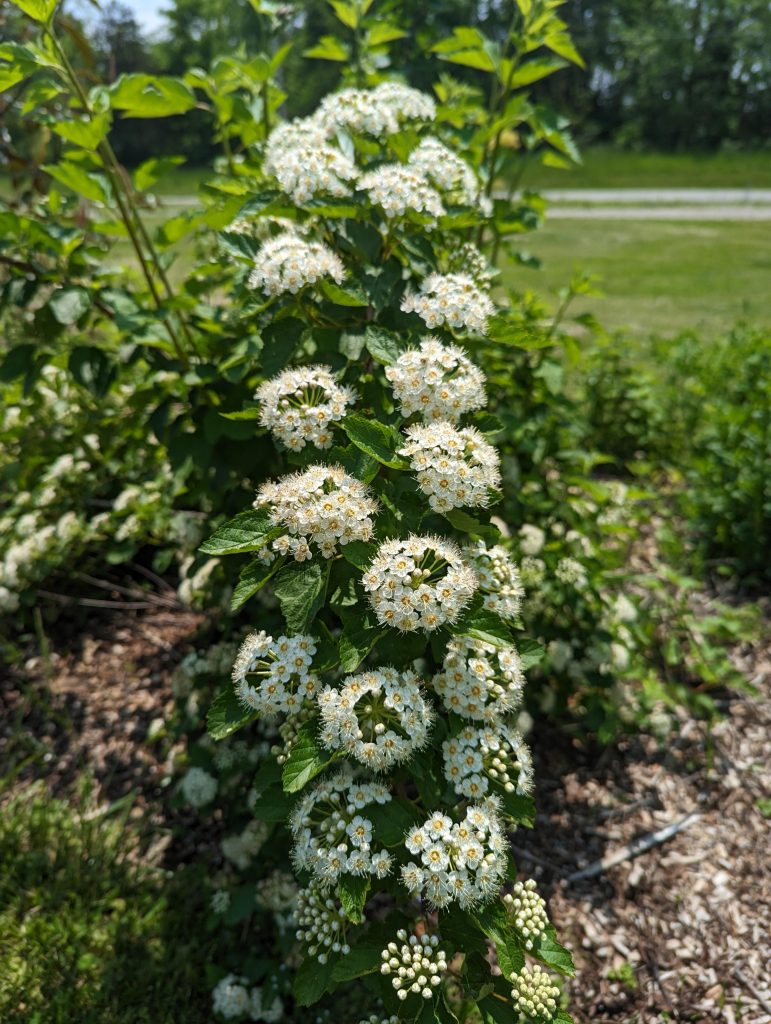
Some shrubs are fussy. Ninebark isn’t one of them. Native to North America, it tolerates a wide range of growing conditions except extreme heat, which makes it a forgiving choice for beginners.
Reddish or dark green leaves create a cascading, arched look in any container. White or pink flower clusters show up in late spring, followed by red fruit as fall approaches. Full sun works best, though it tolerates some shade without sulking.
Prune it right after flowering, and it’ll reward you with fresh growth the following year.
8. Daphne Rewards You With Scent and Color Together
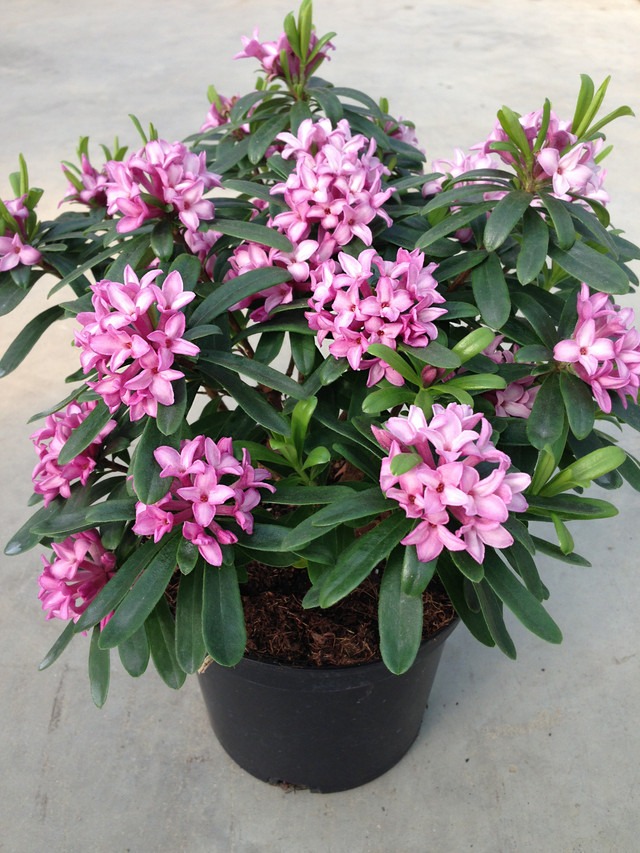
Few shrubs smell as good as Daphne. Its flowers release a strong, pleasant fragrance that fills the air around your patio. Bright berries follow those blooms, adding another layer of color once the flowering ends.
Carol Mackie stands out as a top pick for containers. It reaches about 3 feet tall and wide, with spring flowers ranging from white to soft pink. Partial shade to partial sun works best, and the soil needs to stay slightly moist without turning soggy.
One warning matters here. Daphne is poisonous, so skip it if young kids or pets spend time near your containers.
9. Crape Myrtle Delivers a Long Summer Show
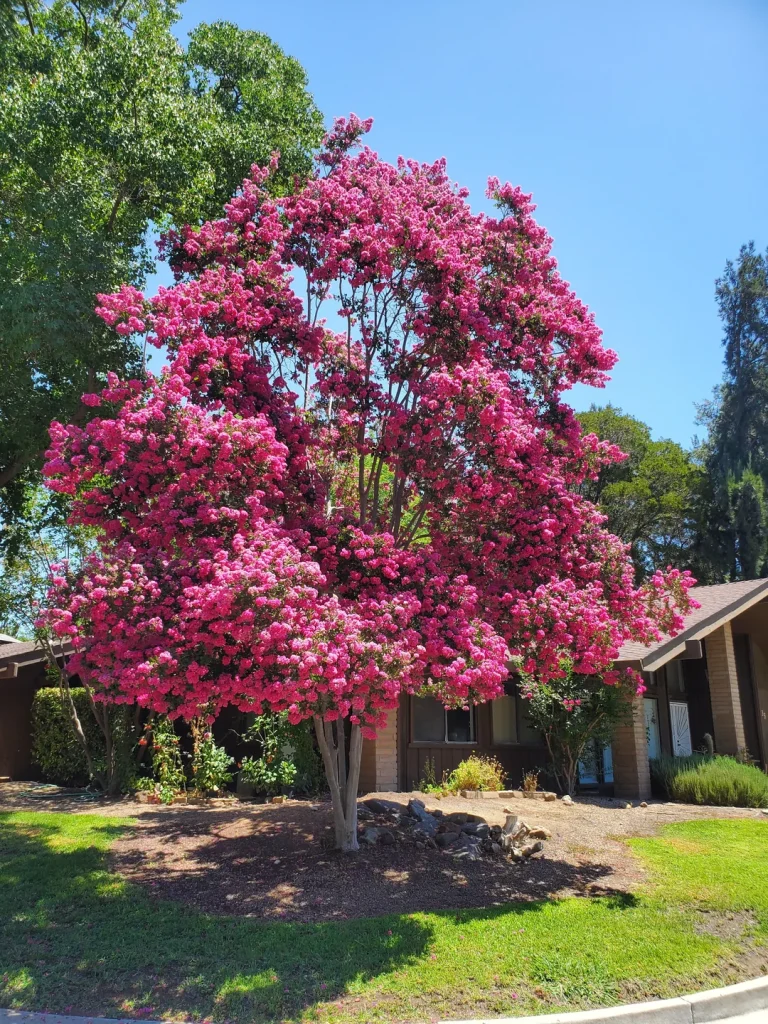
Crape Myrtle earns its spot on any list of showy shrubs. Purple, red, white, or pink flowers cluster together in dense, crinkled blooms all summer long.
Fall brings another round of color as its narrow leaves turn bright orange to red.
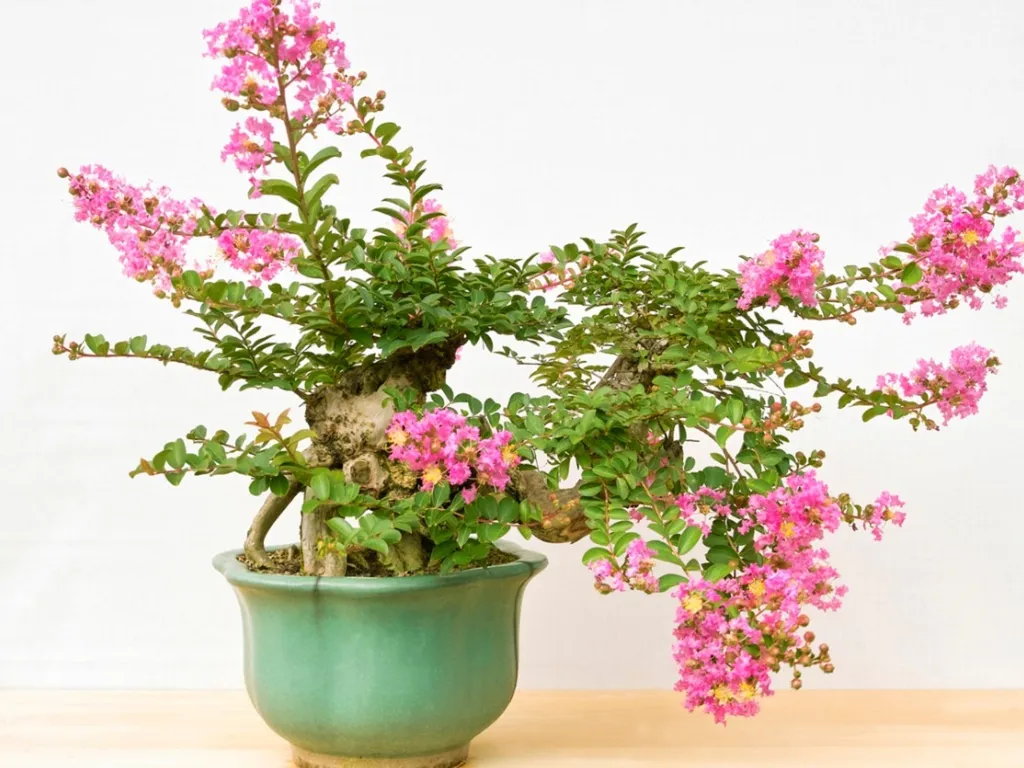
Bark adds interest here too. Removing lower branches gradually reveals a smooth, attractive trunk underneath. This shrub handles drought well, which makes it a smart pick if you tend to forget watering some days.
Prune it in late winter or early spring, right before new growth starts. Skip pruning during the growing season, or you’ll cut off next year’s flowers.
10. Pugster Pinker Butterfly Bush Keeps Pollinators Coming Back
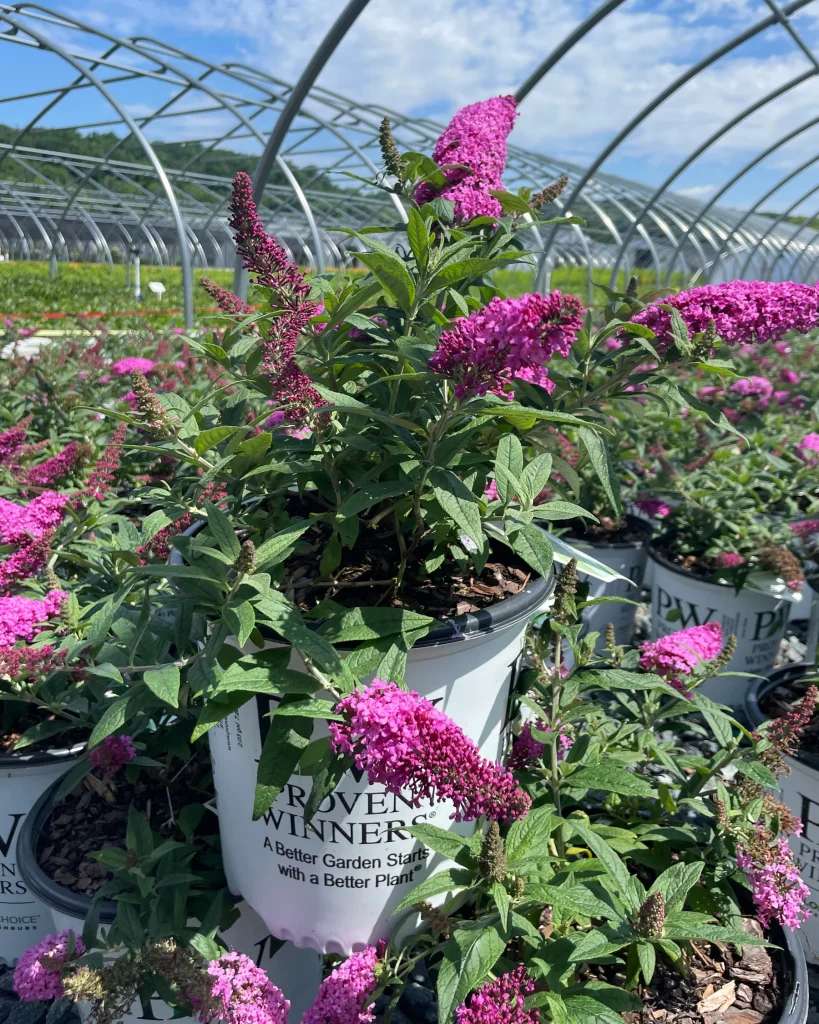
Butterflies love this shrub, and so will you. Pugster Pinker stays compact at just 2.5 feet tall and wide, unlike older butterfly bush varieties that sprawl everywhere.
Candy pink flowers cover the plant from summer clear through fall.
Fragrance seals the deal here. Place this container near a window or walkway, and you’ll catch that sweet scent every time you pass by. Full sun and sharp drainage keep it thriving, and zones 5 through 9 suit it well.
Cut it back hard each spring. It bounces back fast and blooms just as heavily all summer.
11. Lavender ‘Hidcote’ Fills Your Patio With Fragrance
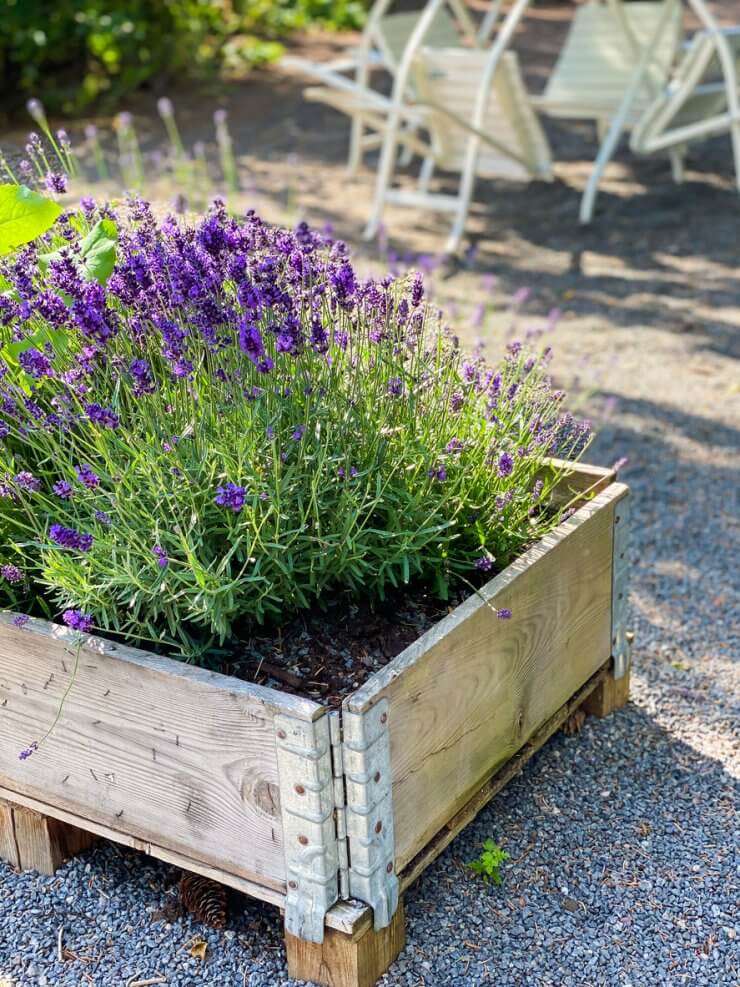
Lavender never goes out of style. Silvery-grey leaves pair with deep violet-purple flower spikes all summer long. You’ll smell it before you even see it.
South, west, or east-facing spots suit this plant best. Sheltered, dry conditions keep it happy and blooming strong. Drought doesn’t scare this shrub one bit, so skip the daily watering routine.
Bees adore lavender too. Plant one near a seating area, and you’ll get fragrance plus buzzing visitors all season.
12. Lil’ Ditty Witherod Viburnum Stays Small but Mighty
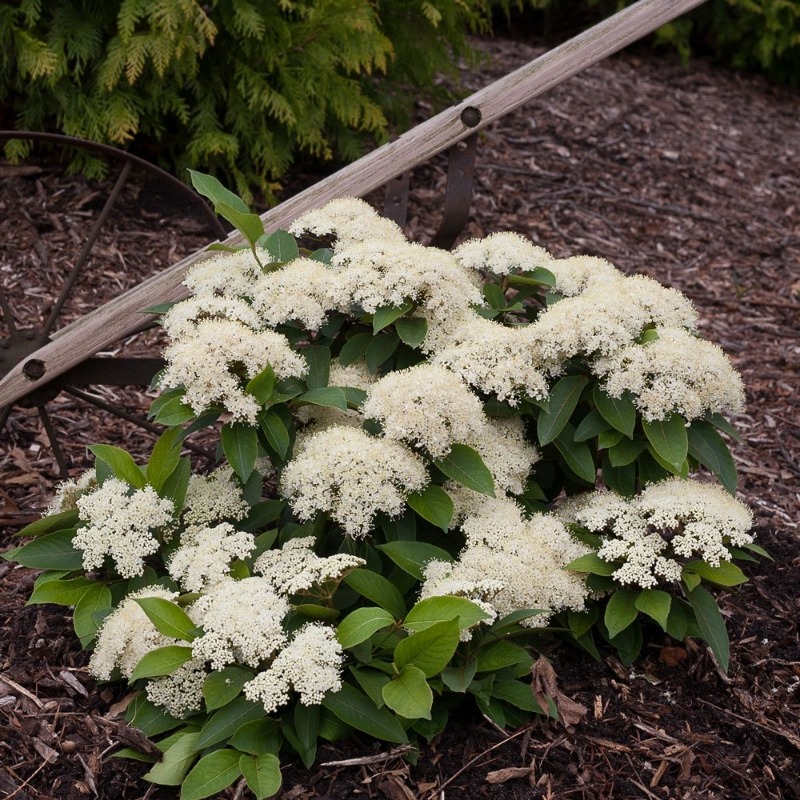
Don’t let the size fool you. This little viburnum tops out around 2 feet tall, yet it still produces creamy, fragrant spring flowers. Pollinators find it just as easily as bigger shrubs.
Deer and rabbits skip right past this one. That alone makes it worth planting if wildlife keeps nibbling your other containers. Full to part sun works fine, and it thrives in zones 3 through 8.
Want a woodland feel on a small patio? This shrub delivers that vibe without taking over the space.
13. Red-Twig Dogwood Steals the Show in Winter
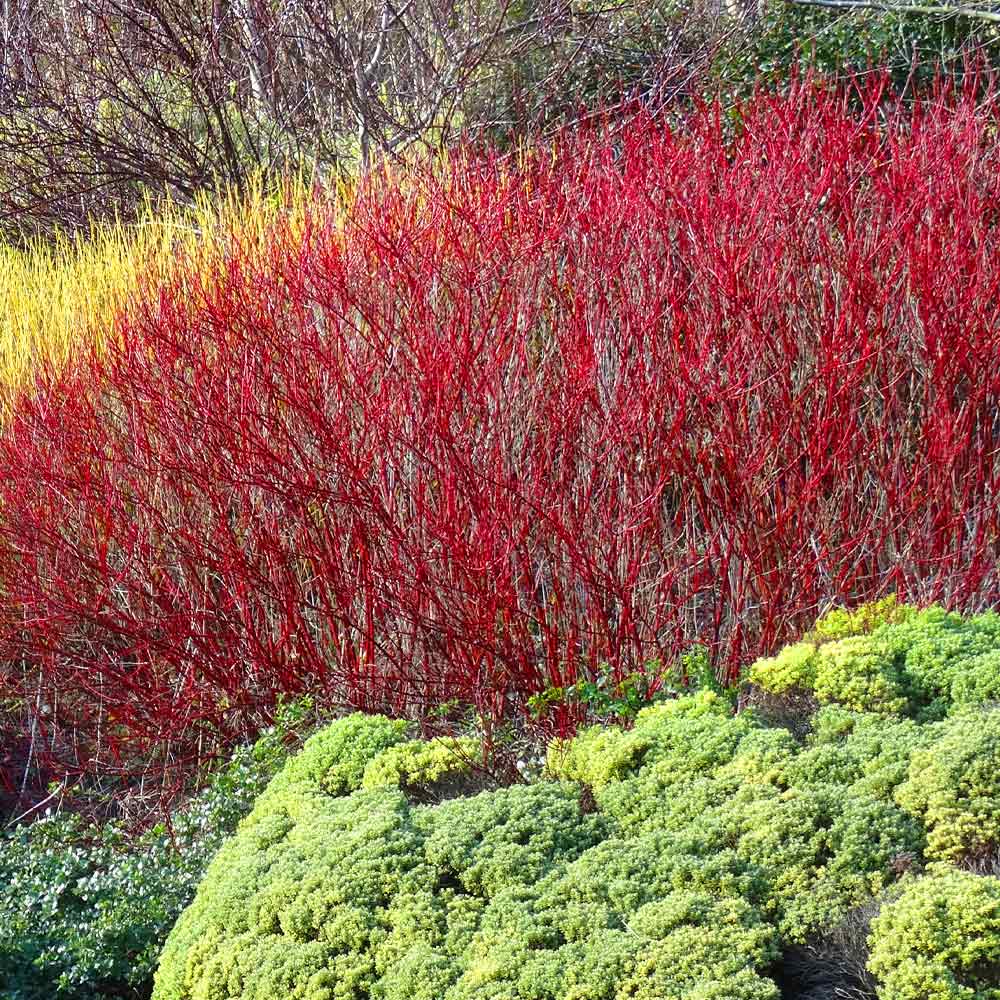
Most shrubs go quiet in winter. Red-Twig Dogwood does the opposite. Its bright red stems stand out against snow, bare branches, or a dull gray sky.
Younger stems show the deepest color, so pruning matters here. Cut back old branches each spring to keep fresh red growth coming. Full sun works best, though it tolerates a little shade too.
Pair it with an evergreen backdrop. That red color practically glows against dark green foliage.
FAQs: Growing Shrubs in Containers
Can shrubs really survive long-term in a pot?
Absolutely, many shrubs thrive in containers for years. You just need the right size pot and a little attention to watering and feeding. Some gardeners keep the same shrub happy in a container for a decade or more.
How often should I fertilize my container shrubs?
Once a year usually does the trick for permanent plantings. Apply a granular fertilizer in early spring, right as new growth starts. Skip fertilizing during that very first growing season, since fresh potting soil already has nutrients built in.
Do I need to repot my shrub every year?
Not every year, but eventually yes. Watch for stunted growth or roots poking out of drainage holes. That’s your sign it’s time to move up to a bigger container.
Can I leave container shrubs outside all winter?
Many hardy shrubs handle it fine, especially if you pick varieties suited to your zone or one zone hardier. A thick layer of mulch over the soil helps protect the roots. Tender shrubs, though, need shelter or a spot indoors during the coldest months.
Why does my shrub look bare on one side?
Uneven sunlight is usually the culprit. Rotate your container every few weeks so all sides get equal light. Your shrub will fill out evenly instead of leaning toward one bright spot.
Final Thoughts on Choosing Shrubs for Containers
Thirteen shrubs, endless combinations. You don’t need a huge yard to grow something beautiful. A few containers, the right shrubs, and a little patience go a long way.
Start small if you’re unsure. Pick one or two shrubs that fit your space and light conditions. Watch how they grow, then build your container collection from there.
Your patio or balcony can look just as good as any full-sized garden. Sometimes the smallest spaces grow the biggest personality.