
How to Repot a Christmas Cactus Without Killing the Blooms

Your Christmas cactus has been in the same pot for years. Maybe the leaves look a little pale.
Maybe water runs straight through and out the bottom before the soil even gets damp. That’s your plant’s way of asking for more room and fresher soil.
Repotting sounds intimidating, but it’s one of the easiest things you can do for this plant.
Get the timing right, use the right soil, and your cactus will reward you with bigger blooms for years to come. Here’s exactly how to do it.
Signs Your Christmas Cactus Needs Repotting
Not sure if it’s time? Your plant will tell you.
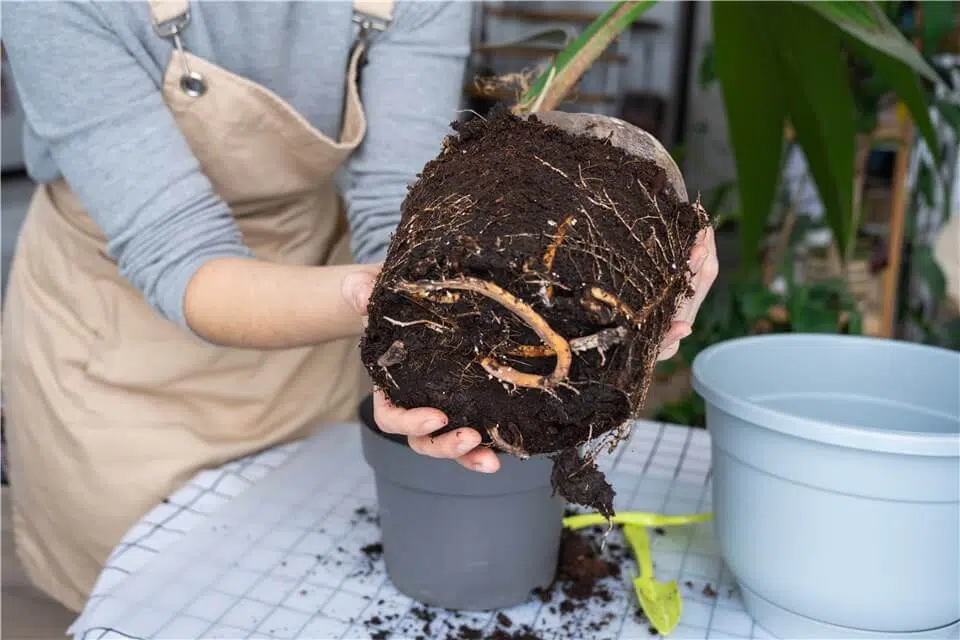
Check the bottom of the pot first. If you see roots poking out of the drainage holes, your cactus has run out of room.
You might also spot roots creeping up and over the soil surface. That’s a clear sign the root ball has taken over the pot.
Watch how fast the soil dries out too. A root-bound cactus drinks water fast, sometimes needing a drink every few days instead of every week or two.
If water rushes straight through the pot without soaking in, the roots have likely crowded out the soil.
Yellowing leaves or weak, floppy growth can also point to a tired, depleted potting mix.
And if you notice mushy, dark roots or a sour smell near the base, that’s root rot, and it means you need to repot right away, not just refresh the soil.
Also read: How to Propagate Christmas Cactus in Water
When to Repot a Christmas Cactus
Timing matters more than people think.
Never repot while your cactus is in bloom. The plant is putting its energy into flowers, not new roots, and the stress of repotting can cause buds to drop. Wait until the blooms fade, usually by late winter or early spring.
You don’t need to repot every year either. Christmas cacti actually like being a little snug in their pots. Most plants only need repotting every three to six years, depending on how fast yours grows and how root-bound it gets.
If your plant looks happy and isn’t showing any of the signs above, you can just refresh the top inch of soil instead of a full repot.
One more thing to keep in mind: give your cactus a full growing season to settle in after repotting before you expect strong blooms again.
Also read: How to Repot Houseplants: A Complete Step-by-Step Guide for Beginners
Choosing the Right Pot
Bigger isn’t better here.
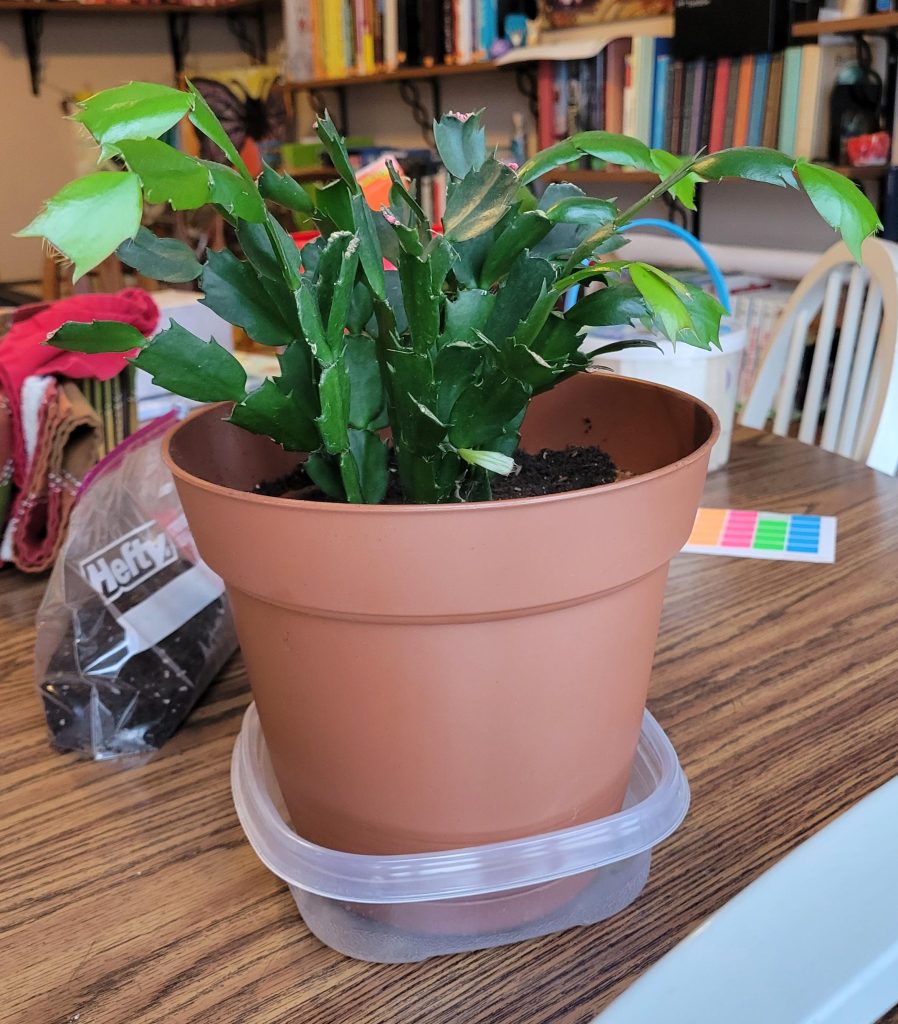
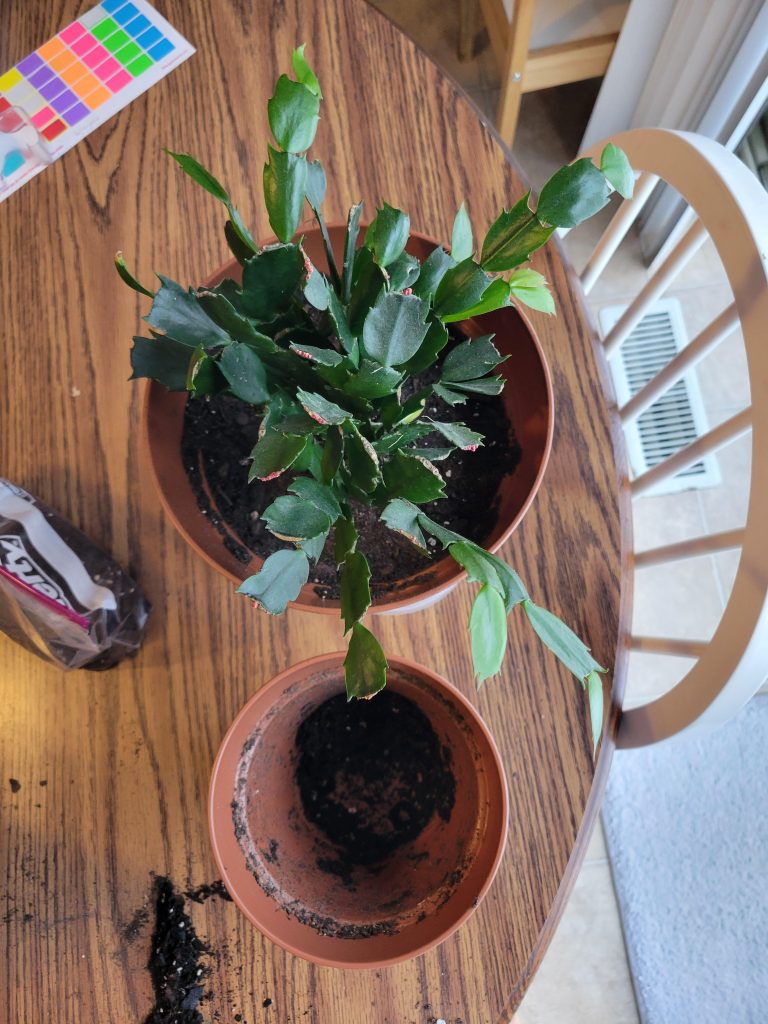
Go up just one size from your current pot, about 2 inches wider at most.
A container that’s too large holds excess moisture the roots can’t use fast enough, and that sets the stage for root rot.
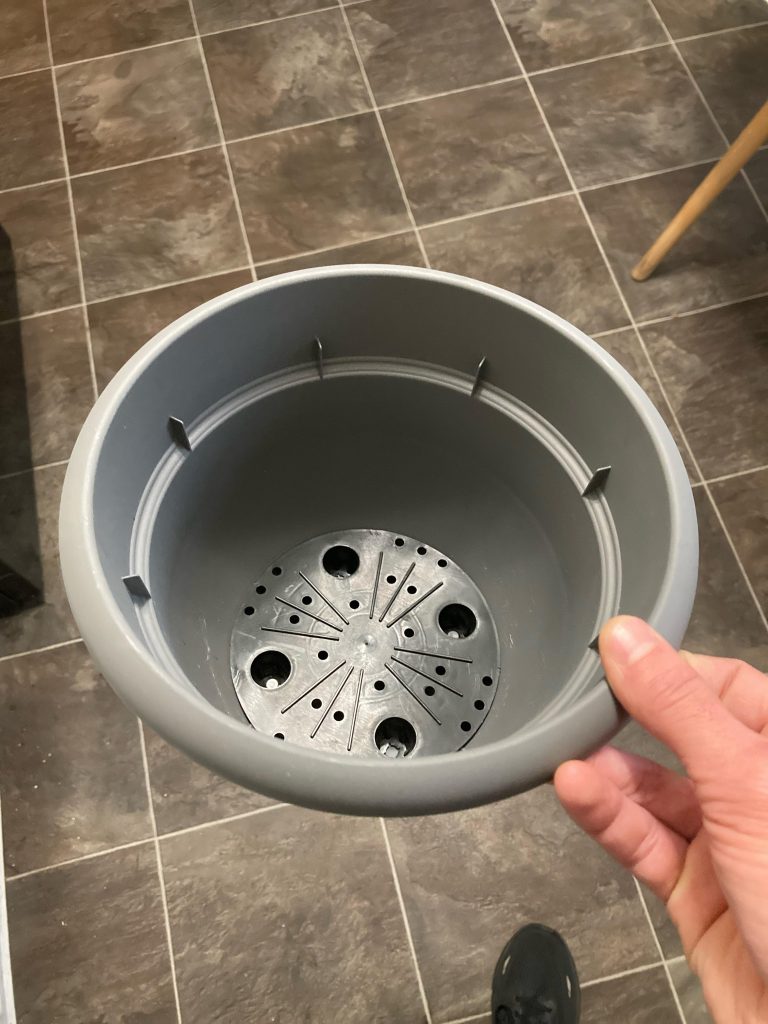
Drainage is non-negotiable. Always pick a pot with at least one drainage hole so excess water has somewhere to go. Unglazed terra cotta or clay works especially well because it lets the soil breathe and dry out evenly between waterings.
Plastic pots work fine too, just watch your watering schedule a little more closely since they hold moisture longer.
Picking the Best Soil Mix
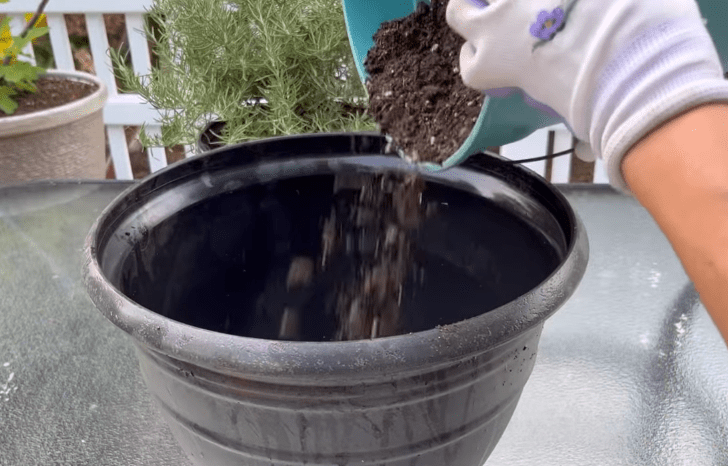
Here’s something a lot of people get wrong: Christmas cactus isn’t a desert cactus.
In the wild, it grows on tree branches and rocks in humid rainforests, not buried in sandy soil. That means it needs a mix that’s rich but drains fast, nothing like the gritty cactus soil you’d use for a jade plant or aloe.
A simple, reliable blend is equal parts potting soil and orchid bark. The bark keeps air pockets open around the roots so they don’t sit in soggy soil.
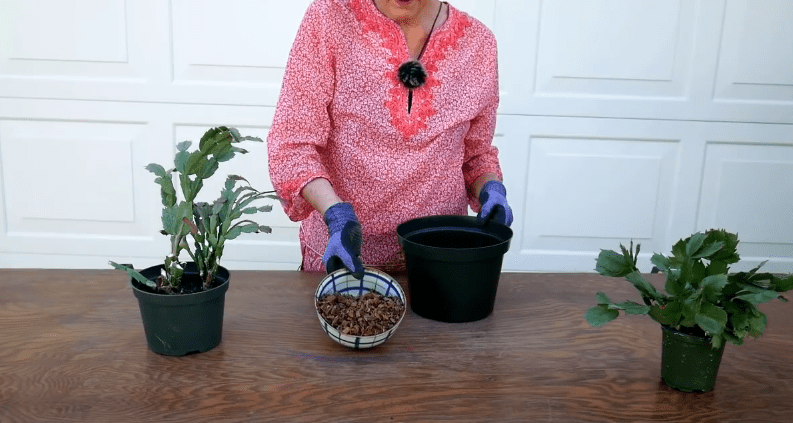
If you want to go a step further, mix in a handful of perlite or coco coir chips for even better drainage, plus a bit of compost for nutrients.
Avoid dense, moisture-holding potting soil on its own. It packs down over time and suffocates the roots, which is one of the fastest ways to lose a Christmas cactus.
Step-by-Step: How to Repot Your Christmas Cactus
Ready to get started? Here’s how to do it without stressing your plant.
- Water it a few days ahead. Give your cactus a good drink about two to three days before repotting. Damp soil holds together better and slides out of the pot more easily than dry soil.
- Gather your supplies. You’ll need your new pot, fresh soil mix, gloves if you want them, and clean scissors or pruning shears in case you need to trim any roots.
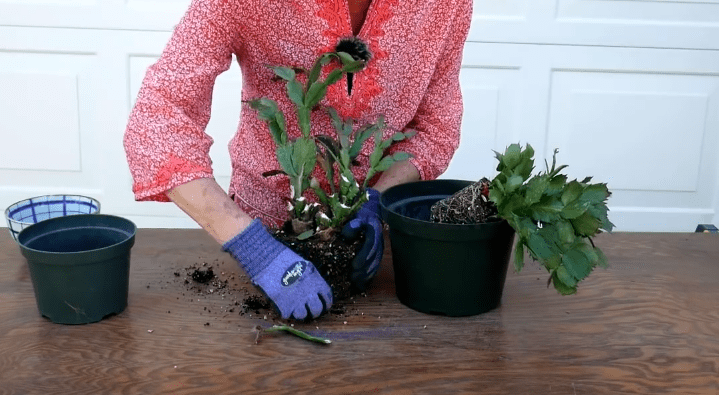
- Loosen the plant gently. Don’t yank on the stems. Instead, tip the pot on its side and tap the bottom to loosen the root ball. If it’s stuck, run a butter knife around the inside edge of the pot to release it.
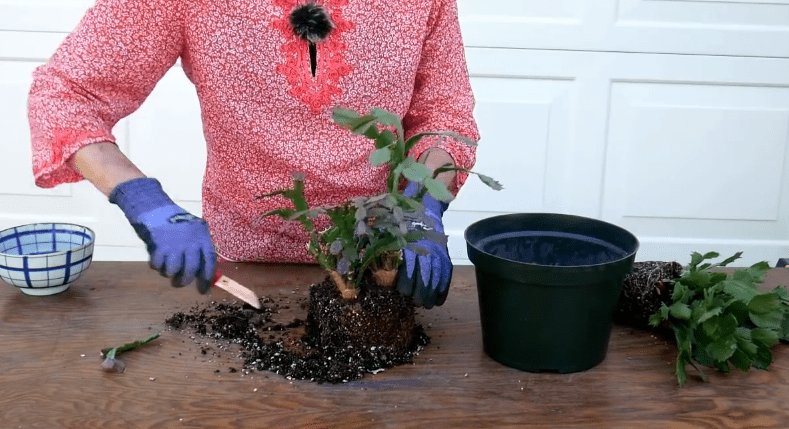
- Check the roots. Once it’s out, take a look. Healthy roots are firm and light in color. If you spot any dark, mushy sections, snip them off with clean shears.
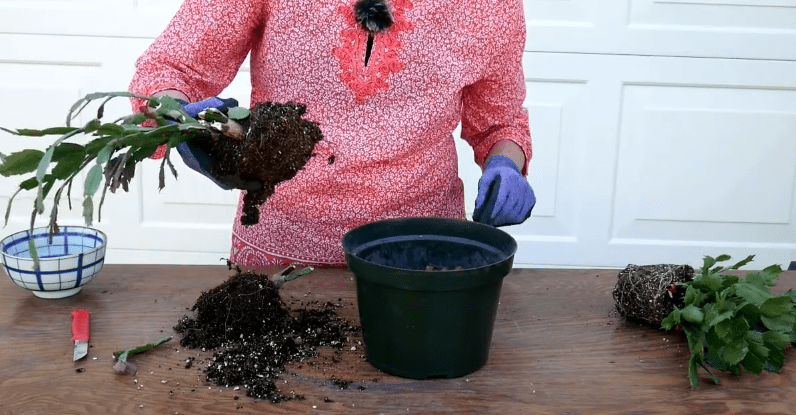
- Shake off the old soil. Gently loosen the roots and remove as much of the old, compacted soil as you can. This helps the roots make contact with fresh nutrients right away.
- Add soil to the new pot. Fill the bottom with your fresh mix first. You want the top of the root ball to sit about an inch below the rim of the pot once it’s in place.
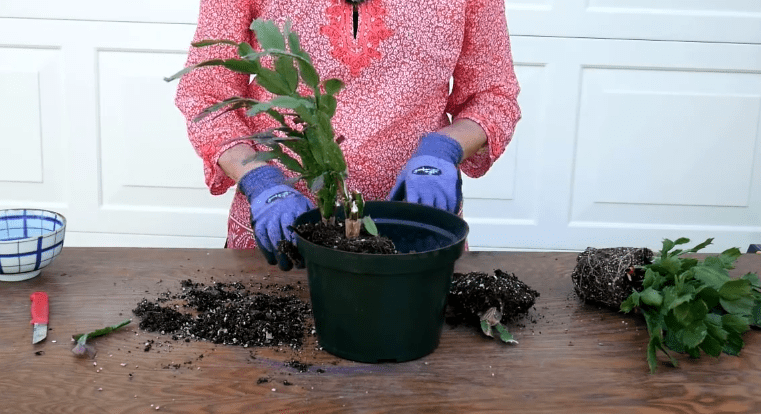
- Set the plant in place. Center the root ball and fill in around the sides with more mix. Press down gently to remove big air pockets, but don’t pack it too tight. The roots still need to breathe.
- Skip the water for now. Hold off watering right after repotting. Give any damaged roots a few days to heal first.
Here’s the step by step process:
Caring for Your Cactus After Repotting
The first couple weeks matter most.
Move your cactus to a shady spot for two to three days. This gives it a chance to settle in without added stress from bright light.
After that, you can move it back to its usual spot with bright, indirect light.
Wait about 3 to 5 days before watering. Then give it a thorough soak, letting the excess drain fully out the bottom.
From here, water only when the top inch or two of soil feels dry, usually every one to two weeks depending on your home’s humidity and temperature.
Don’t be surprised if your plant looks a little sluggish at first. Some drooping or mild stress is normal right after repotting. It usually bounces back within a few weeks, and you’ll start to see fresh new growth as a sign it’s settled into its new home.
Hold off on fertilizing for about a month. Let the roots establish first before feeding.
Common Repotting Mistakes to Avoid
A few small missteps can set your cactus back for months. Here’s what to watch for.
- Going too big on pot size. It’s tempting to size up a lot so you don’t have to repot again soon. Resist it. Too much extra soil holds water the roots can’t use, and that’s a fast track to root rot.
- Repotting while it’s blooming. This is one of the most common mistakes people make. Repotting during flowering stresses the plant right when it’s putting energy into blooms. Wait until flowering wraps up.
- Watering right away. It feels natural to water a freshly repotted plant, but hold off. Watering too soon can suffocate roots that are still healing from the process.
- Using regular potting soil alone. Dense, moisture-holding soil packs down fast. Without added bark or perlite, roots can’t get the air they need.
- Burying the stem too deep. Keep the root ball at the same depth it was in the old pot, or just slightly below the rim. Planting too deep can lead to rot at the base.
- Ignoring root health. Skipping the root check means you might replant a sick cactus into fresh soil and never catch the problem. Always take a quick look before repotting.
FAQ’s
Can I repot a blooming Christmas cactus?
It’s best to wait. Repotting during bloom stresses the plant and can cause buds or flowers to drop. Hold off until the flowers fade, usually in late winter or early spring.
How do I know if my Christmas cactus is root bound?
Look for roots poking through the drainage holes or growing over the top of the soil. Water running straight through without soaking in is another telltale sign.
What’s the best pot material for a Christmas cactus?
Unglazed terra cotta or clay works great because it lets soil dry out evenly. Plastic works too, just keep an eye on watering since it holds moisture longer.
Do I need special cactus soil?
Not the gritty, sandy kind made for desert cacti. Christmas cactus does better in a rich but well-draining mix, like potting soil combined with orchid bark or perlite.
How long does it take for a Christmas cactus to recover after repotting?
Most plants bounce back within a few weeks. Some mild drooping or stress right after repotting is normal and nothing to worry about.
Final Thoughts
Repotting your Christmas cactus doesn’t have to be stressful, for you or the plant. Get the timing right, pick a pot that’s just slightly bigger, and use a soil mix that drains well.
Do that, and your cactus will settle in fast and reward you with even better blooms next season.

One Comment