The Ultimate Guide to Planting Perennials in September for a Gorgeous Spring Garden

You’ve got two real choices with perennials: wait for spring, or get ahead of the game right now. I always pick fall, and here’s why.
September gives you warm soil, cooler air, and steady rain, which is basically the perfect combo for roots to settle in before winter hits.
Come spring, your plants skip the whole “settling in” phase and jump straight to blooming. That’s a win in my book.
Every plant on this list earns its spot through easy care and reliable performance. No high-maintenance divas here, just dependable bloomers that get better every year. Ready to grab a trowel and give your garden a serious head start? Let’s get into it.
Why September Is the Best Time to Plant Perennials
Most people think planting season ends when summer does. I used to believe that too, until I noticed my September-planted perennials always outperformed the ones I rushed into the ground come spring. Something about this month just works in your favor.
Soil holds onto summer’s warmth for weeks after the air cools down. That warmth keeps roots active and growing, even while leaves up top start slowing down. You get the best of both worlds: gentle temperatures and a soil environment roots actually love.
Rain shows up more reliably too. Summer droughts fade, and fall brings steadier moisture without you dragging a hose around every evening. Less watering means less stress on you and your new plants.
Timing also works in your favor biologically. Perennials haven’t gone dormant yet, so they can still put energy into growing strong roots before winter arrives. Wait until spring, and you’re asking a plant to grow roots and bloom at the same time. That’s a lot to juggle.
Spring planting always feels like a race against the calendar. September removes that pressure completely. Your plants get months to settle in quietly, out of sight, before doing any real work.
Come spring, something magical happens. Plants skip the awkward establishing phase entirely. They just show up ready to bloom, looking stronger than anything you’d plant fresh that season.
I’ll take that head start every single year. Your garden will thank you for it too. Grab your trowel, because the payoff starts the moment you plant.
17 Low Maintenance Perennials to Plant in September
1. Coneflower (Echinacea)
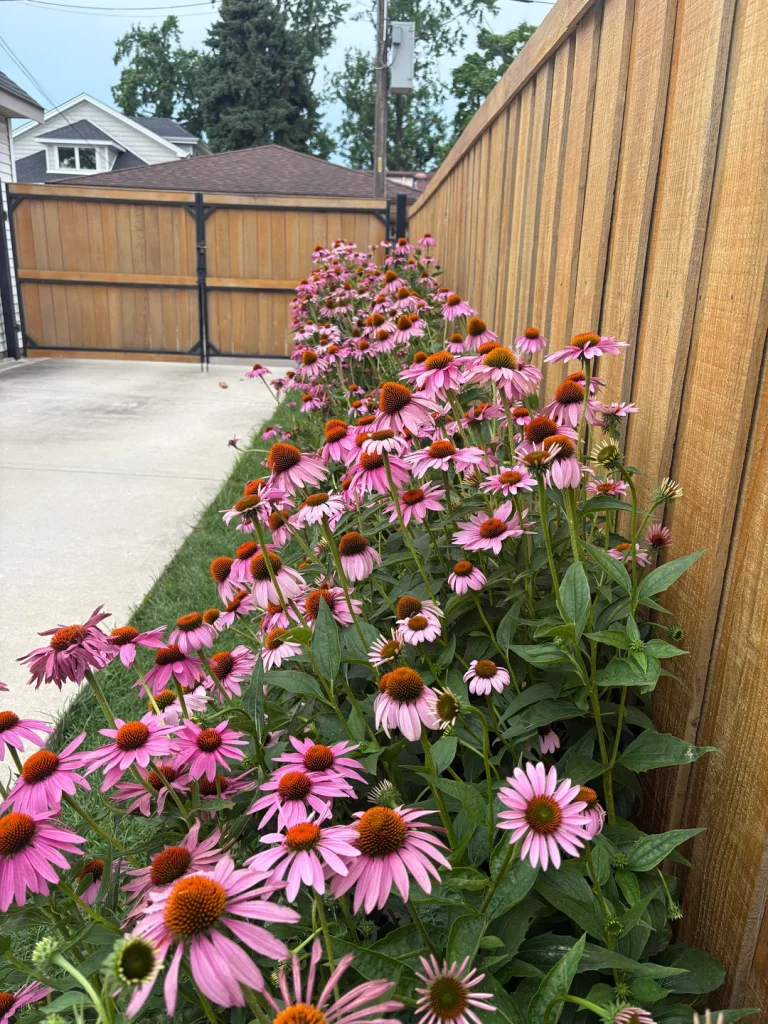
Ever wonder why bees seem obsessed with one particular flower? That flower is usually a coneflower. I plant these purple beauties every chance I get, and pollinators show up within days.
Full sun keeps them happiest. A little afternoon shade won’t hurt, though. Clay, loamy, or sandy soil all work fine here, so don’t stress over your dirt type.
Roots settle in fast once you plant this month. Winter passes, then summer arrives with a serious bloom show. Cut a few stems for a vase too, since coneflowers make gorgeous bouquets.
2. Black-Eyed Susan
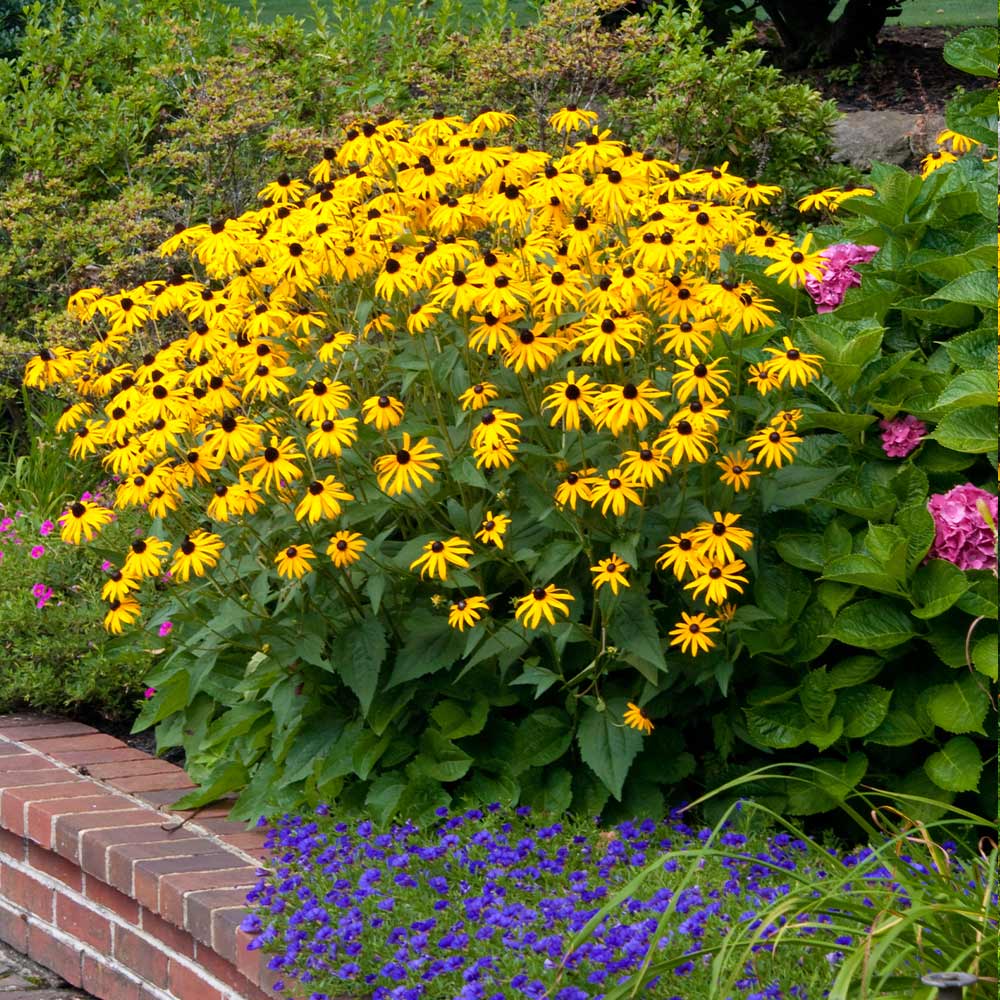
I’ll admit it: black-eyed Susan is my favorite fall flower, hands down. Those golden petals with the dark button center just scream autumn to me. You’ll spot this plant in nearly every fall garden photo for good reason.
Space matters more than people realize with this one. Crowd your plants together, and disease sneaks in fast. Give each one room to breathe instead.
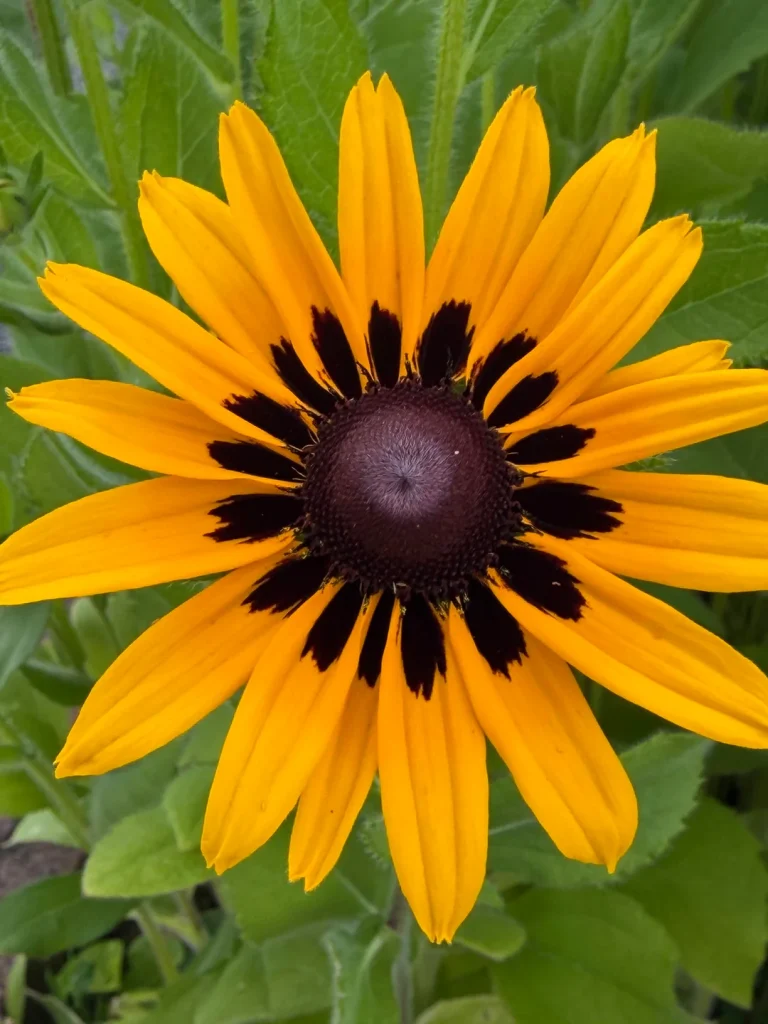
Full sun works best, though partial shade is fine too. Soil needs good drainage and a touch of acidity. Snip off faded blooms regularly, and fresh flowers keep coming for weeks longer.
3. Yarrow
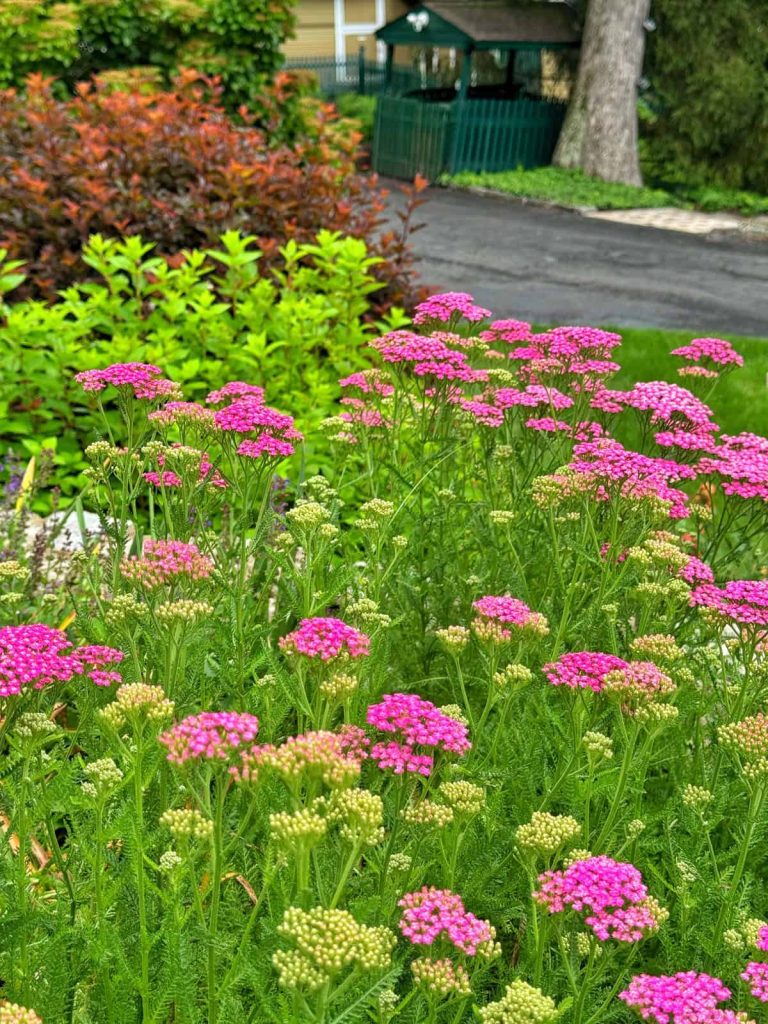
Nothing beats a plant that basically takes care of itself. Yarrow does exactly that. Feathery, fern-like leaves look pretty even before a single bloom opens.
Deer walk right past this one, which is a huge win if your yard gets nightly visitors. Flat clusters of tiny flowers sit on top of tall, sturdy stems.
They practically glow in September light.
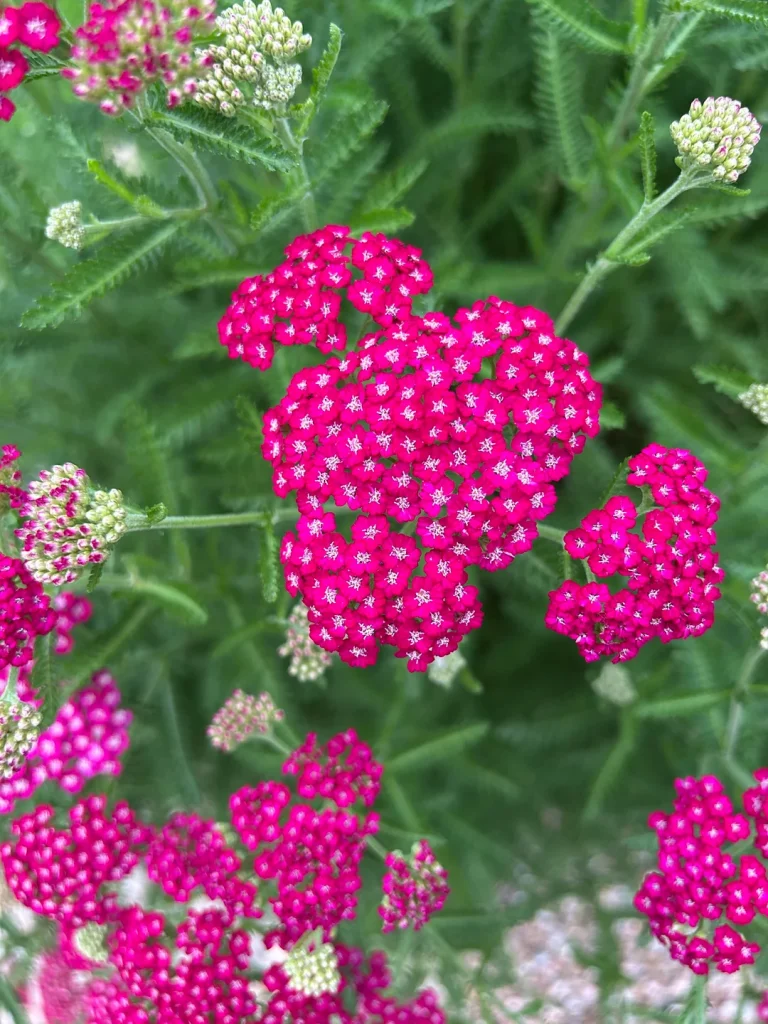
Timing counts here more than with most perennials. Plant yarrow about two months before your first frost. Lean, dry soil and full sun bring out its best color, so skip the rich compost.
4. Coreopsis
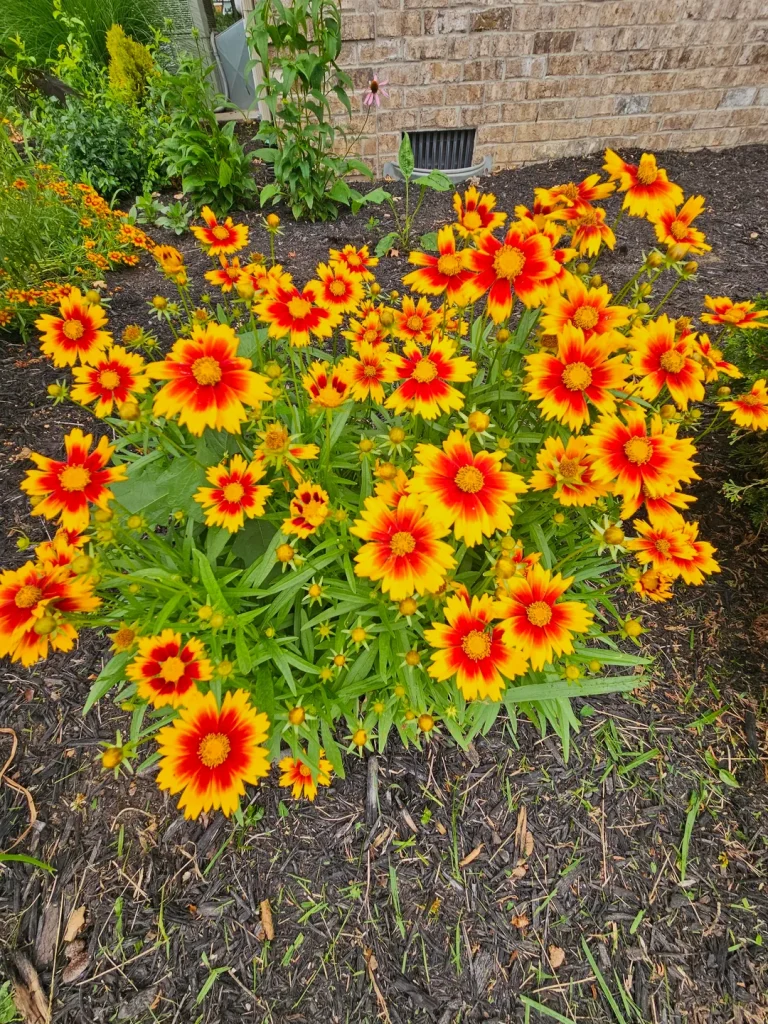
Picture a flower that thrives on being ignored. That’s coreopsis for you. Yellow, orange, and red-toned varieties bring instant cheer to any September bed.
Neglect actually works in your favor with this plant. It hates rich soil and heavy watering.
Dry to average ground suits it just fine, so keep the fertilizer away.
Sun makes all the difference for bigger blooms. Give coreopsis full sun, and watch it explode with color. Pinch off tired flowers now and then, and new ones keep showing up straight through fall.
5. Lamb’s Ear
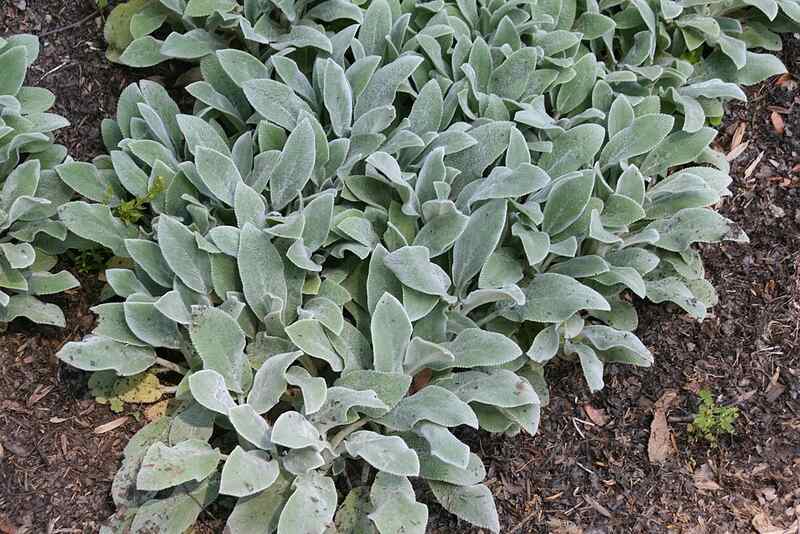
Have you ever wanted to pet your garden? Lamb’s ear makes that possible. Soft, velvety leaves beg to be touched every time you walk by.
I use this plant as a groundcover, and it spreads beautifully. Give it room, though, since it wanders more than people expect. Full sun brings out the fuzziest, healthiest growth.
Zones 7 through 9 can even keep this one evergreen. Plant now, and roots settle in nicely before winter. Spring rewards you with a soft, silvery carpet ready to spread even further.
6. Pink Stonecrop
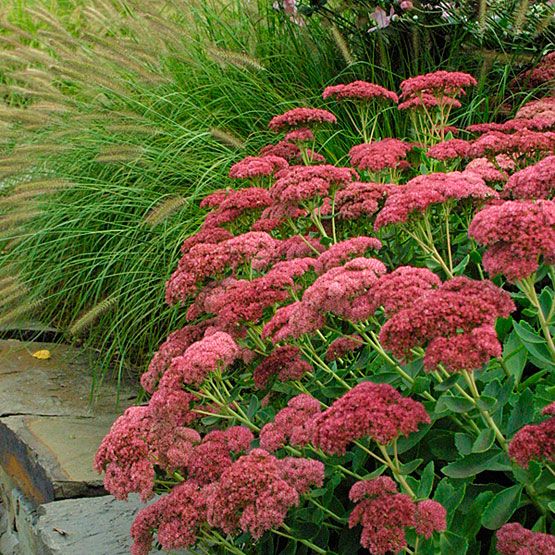
Low maintenance sounds nice, but stonecrop actually delivers on that promise. This succulent basically ignores neglect and keeps growing anyway. Pink flower heads add a sculptural touch that photographs beautifully.
Bees and butterflies visit constantly once blooms open. Full sun keeps this plant compact and sturdy. Soil doesn’t need to be rich, so save your compost for something else.
Years pass, and stonecrop just spreads wider each season. Plant it in September, and roots take hold before frost. Cut a few stems for arrangements too, since they hold up well indoors.
7. Peony
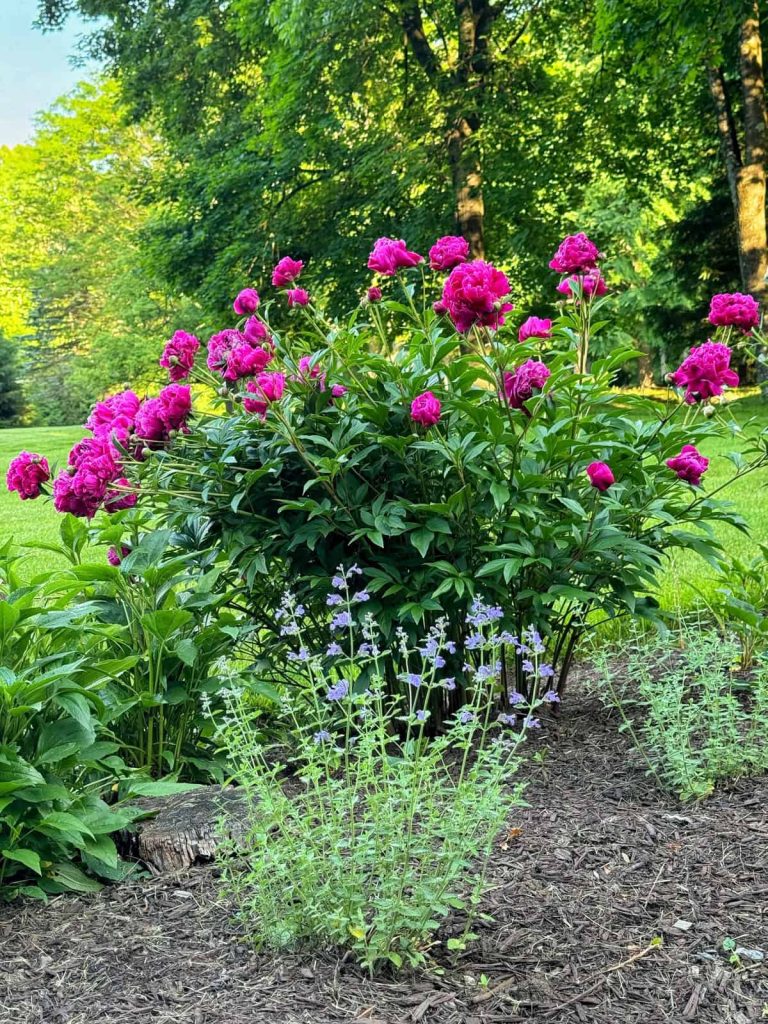
Few flowers turn heads quite like a peony in full bloom. I always tell people fall is secretly the best time to plant one. Bare root peonies need this cold season to build strong roots before summer’s big show.
Rich, moist soil makes peonies genuinely happy. Full sun to part shade works well too. Patience matters most here, since these plants take their sweet time settling in.
June arrives, and lush blooms finally appear. Plant bare roots in late September for the best shot at success. Winter cold actually helps peonies bloom bigger next year, so don’t worry about the chill.
8. Chrysanthemum
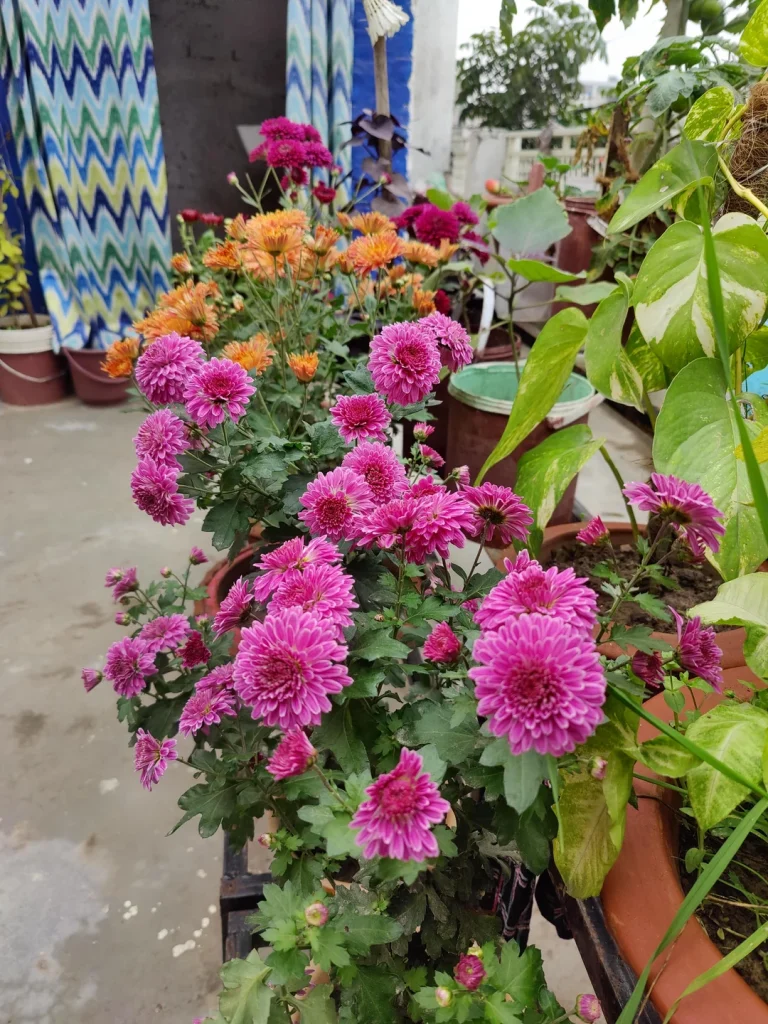
Most people grab mums as disposable fall décor, but that’s not the full story. Perennial chrysanthemum varieties actually come back year after year.
I always check the tag before buying, because hardy types save you money long-term.
September planting timing matches regular potted mums exactly. Moist, well-drained soil keeps roots healthy through winter. Full sun brings out the boldest, brightest color.
Next fall arrives, and blooms return without replanting a thing. That’s the real payoff with hardy mums. Choose wisely now, and you’ll thank yourself later.
9. Daffodil
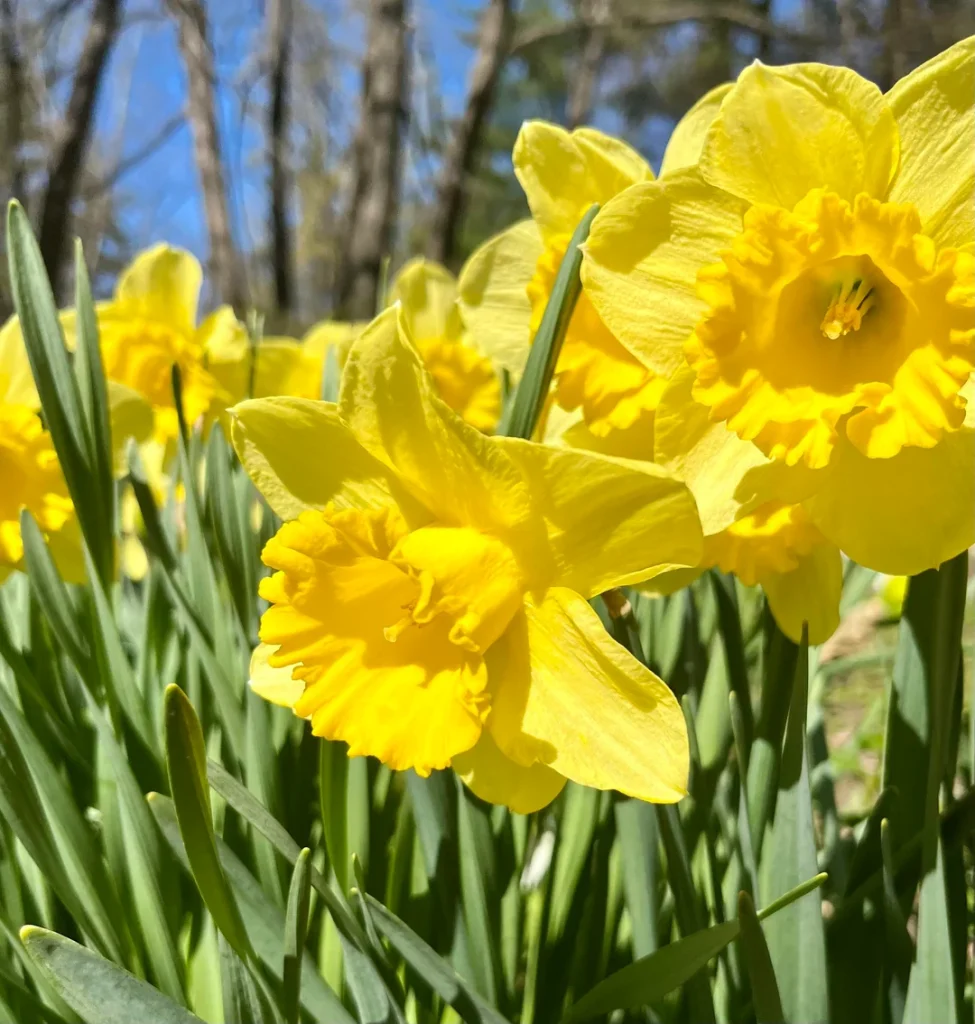
Nothing announces spring quite like a daffodil pushing through the last patch of snow. Planting the bulbs feels almost like planting hope itself. Late September gives them enough winter chill to bloom properly.
Bulbs need well-draining, average soil to avoid rot. Full sun to part shade works for most varieties. Mulch on top protects bulbs during the coldest stretches.
February or March arrives, and yellow blooms pop up like clockwork. Plant before your first hard frost for the best results. Cover with mulch right after, and let winter do the rest of the work.
10. Crocus
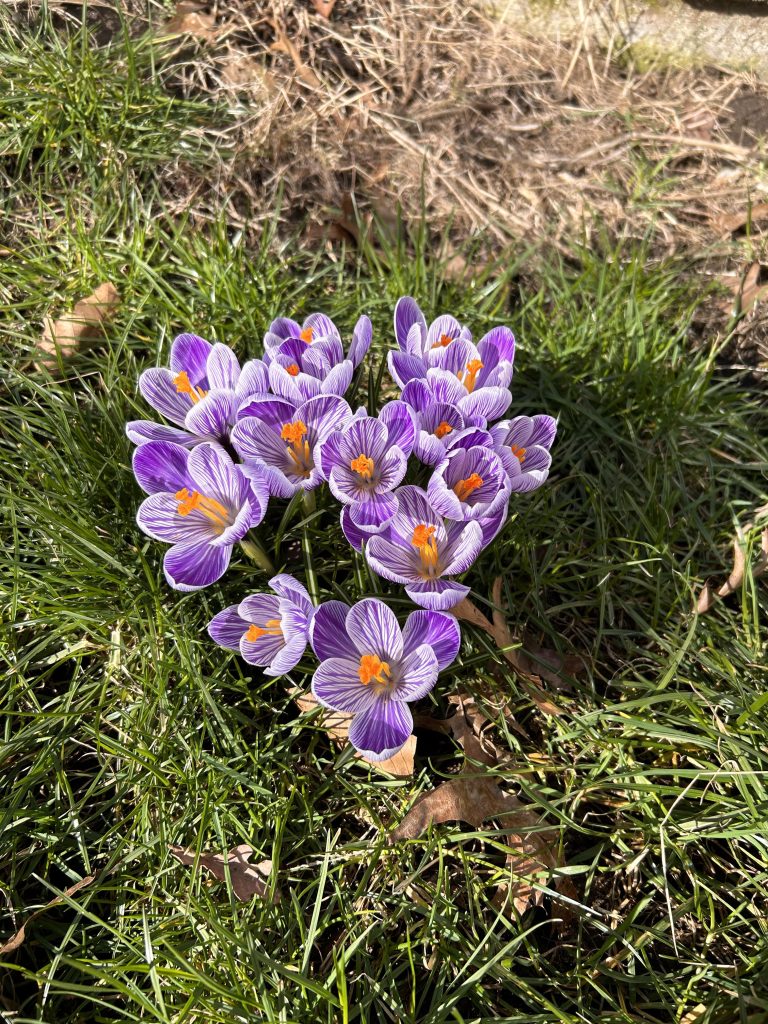
Winter feels endless until tiny crocus blooms poke through the frost. I plant these bulbs every fall just for that early burst of color. Late September through October gives them the cold spell they need to bloom right.
Sandy, well-drained soil keeps these bulbs happy. Full sun to partial shade both work fine. Cold weather actually triggers dormancy, which sets up the whole blooming process.
February rolls around, and purple or yellow petals appear almost overnight. Plant now, and winter does the heavy lifting for you. Little effort goes a long way with crocus.
11. Hellebore
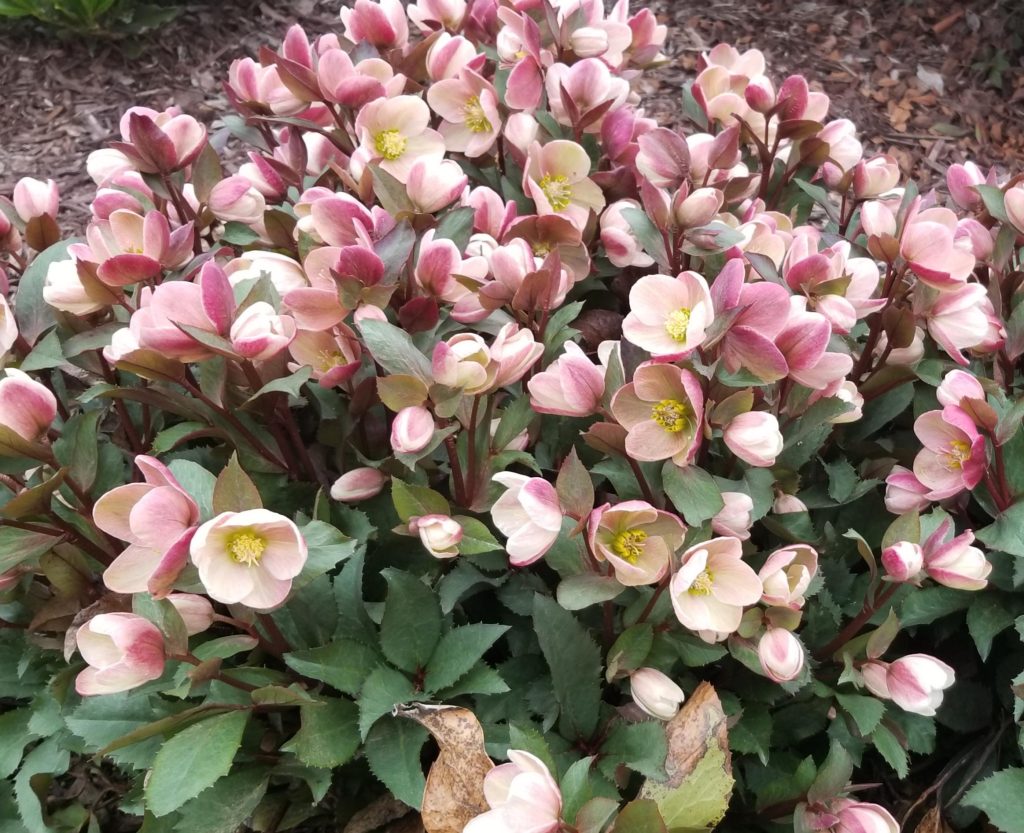
Some flowers show up exactly when you need them most. Hellebore blooms in late winter, way before anything else dares to open. I love spotting these nodding blooms against bare, gray branches.
Dappled shade suits this plant best. Rich soil with plenty of organic matter helps roots settle in fast. Deer tend to avoid hellebore completely, which is a nice bonus.
Frost hits, and hellebore barely flinches. Plant it now near a shaded border, and blooms greet you in the dead of winter. Little maintenance keeps this one thriving for years.
12. Coral Bells
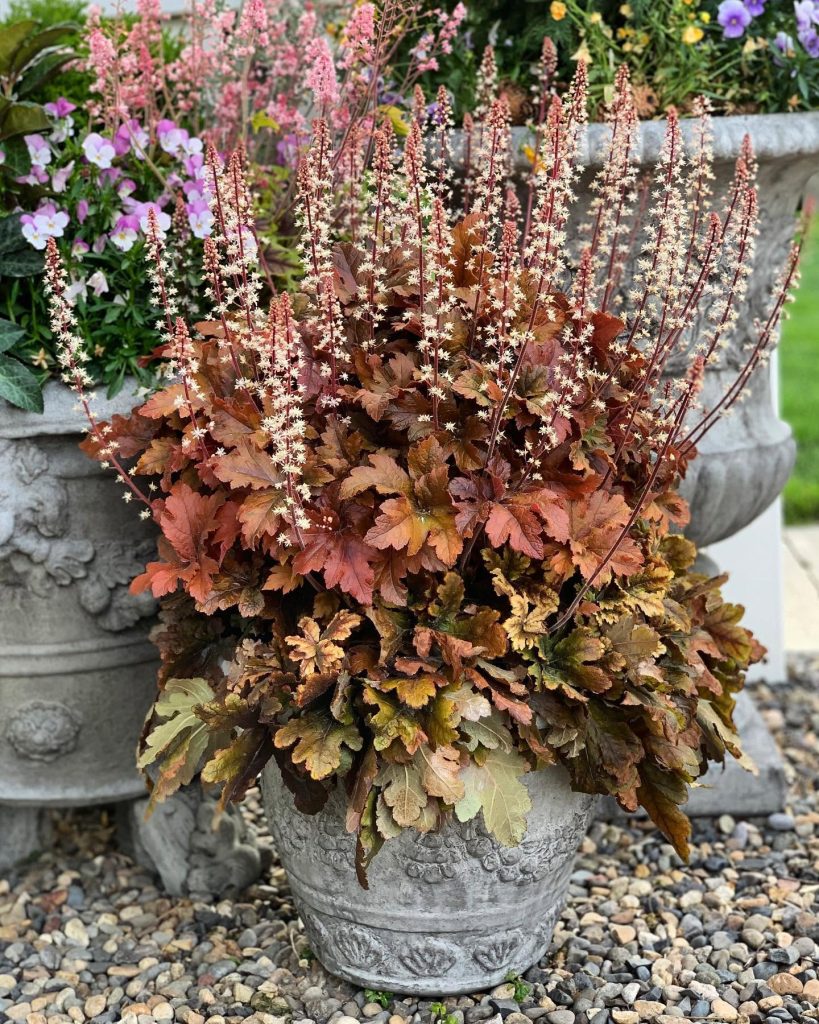
Foliage lovers, this one’s for you. Coral bells puts on a color show through its leaves alone, long before any flowers show up. Golden, burgundy, and deep purple varieties all bring serious personality to shady corners.
Semi-shade keeps coral bells happiest. Four to six hours of direct sun works well too. Delicate, bell-shaped blooms eventually appear on tall stems, drawing in hummingbirds and butterflies.
Winter arrives, and this evergreen holds its color surprisingly well. Plant it now along a shaded path for instant impact. Divide it every few years, and you’ll have plenty to share with friends.
13. Iris
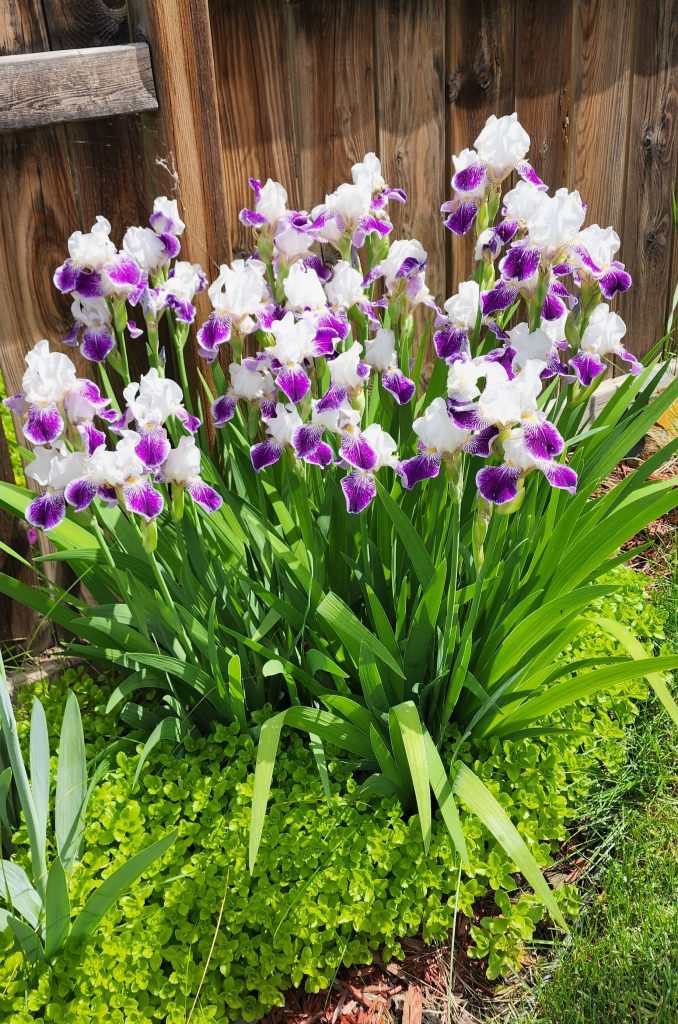
Tall, elegant, and a little dramatic describes iris perfectly. I always plant these where I want serious height and structure. Rhizomes settle into the ground fast once September temperatures cool down.
Well-drained soil matters most for iris health. Full sun brings out the boldest blooms. Crowded clumps eventually stop flowering well, so give each rhizome enough breathing room.
Spring shows up, and ruffled petals unfurl in shades you didn’t know existed. Plant shallow, since rhizomes rot if buried too deep. Patience pays off here, since iris rewards you for years.
14. Hosta
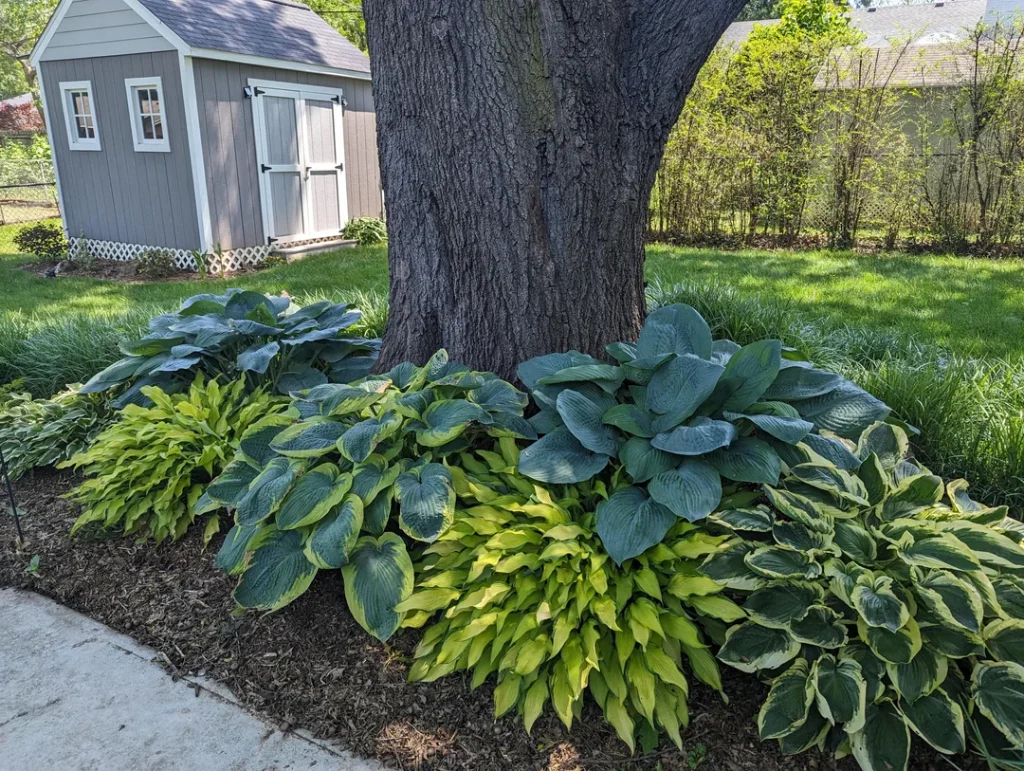
Shade gardens need a hero, and hosta fits that role perfectly. Big, bold leaves fill empty spaces fast. I’ve never met a plant this forgiving, honestly.
Partial to full shade keeps hosta thriving. Moist, rich soil helps those leaves grow even larger. Slugs love hosta too, unfortunately, so keep an eye out for nibbled edges.
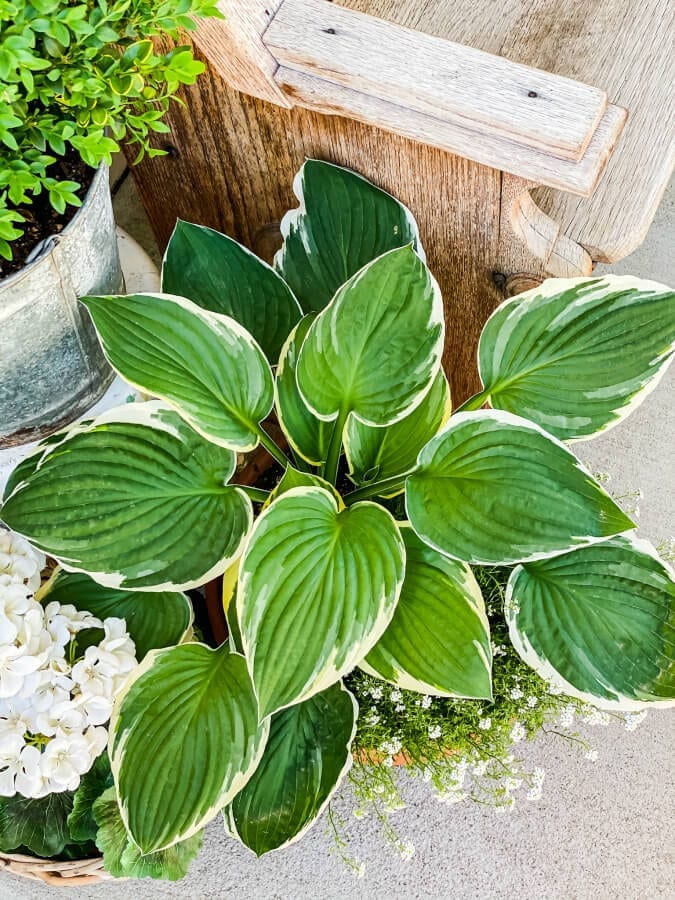
Years pass, and one small hosta turns into a massive, lush clump. Plant it now, and roots establish well before frost. Divide it later, and you’ll have enough hostas for the whole yard.
15. Allium
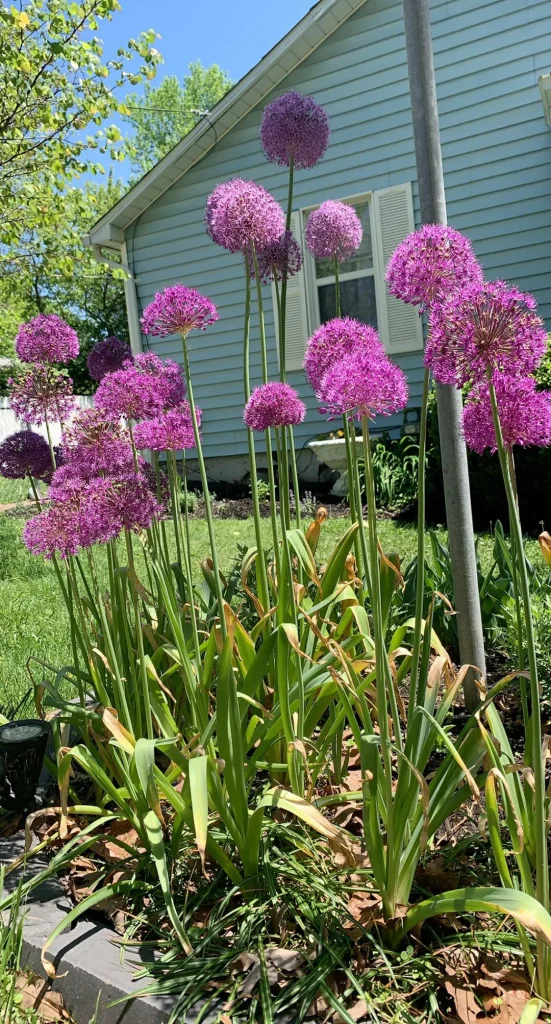
Ever seen a flower that looks like fireworks frozen in place? That’s allium for you. Round, ball-shaped blooms sit high atop tall, skinny stems, and honestly, nothing else looks quite like it.
Sunny spots bring out the best blooms. Rich, well-draining soil helps these bulbs settle in fast. Heavier soil benefits from a little compost and grit mixed in first.
Late spring arrives, and purple or white globes pop up right as other spring flowers fade. Plant bulbs pointy-side up, about three times as deep as the bulb itself. Pollinators show up in droves once these blooms open.
16. Bleeding Heart
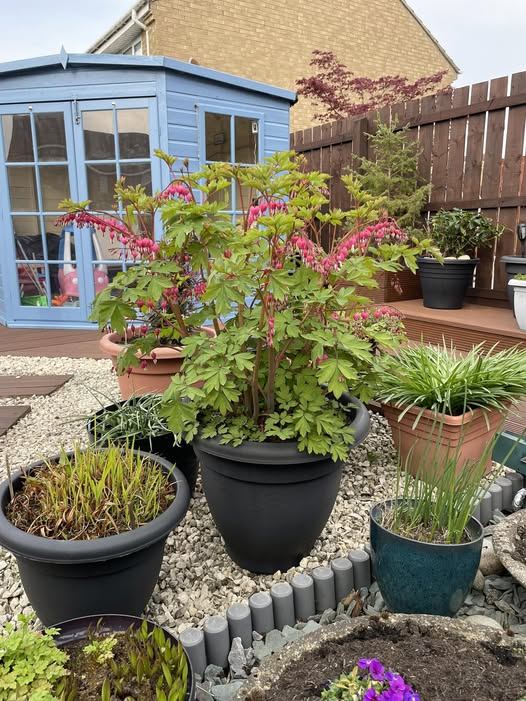
Shady corners deserve something special, and bleeding heart delivers exactly that. Heart-shaped flowers dangle from arching stems like little charms. I always plant this where I can watch it sway gently in the breeze.
Part shade keeps this perennial happiest. Full sun works too, but only with consistent watering. Cooler spots suit bleeding heart best, especially in warmer regions.
Spring shows up, and delicate blooms appear in shades of pink or white. Plant it now, and roots take hold before frost arrives. Cut it back after blooming ends, and fresh growth returns without much fuss.
17. Carolina Jasmine
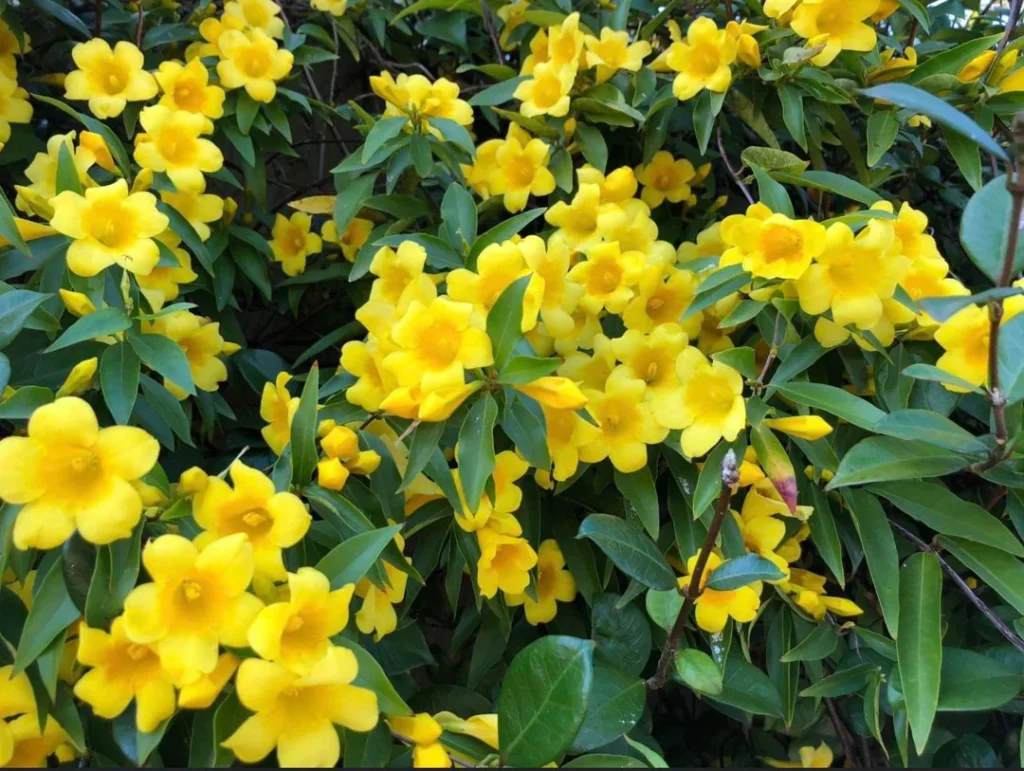
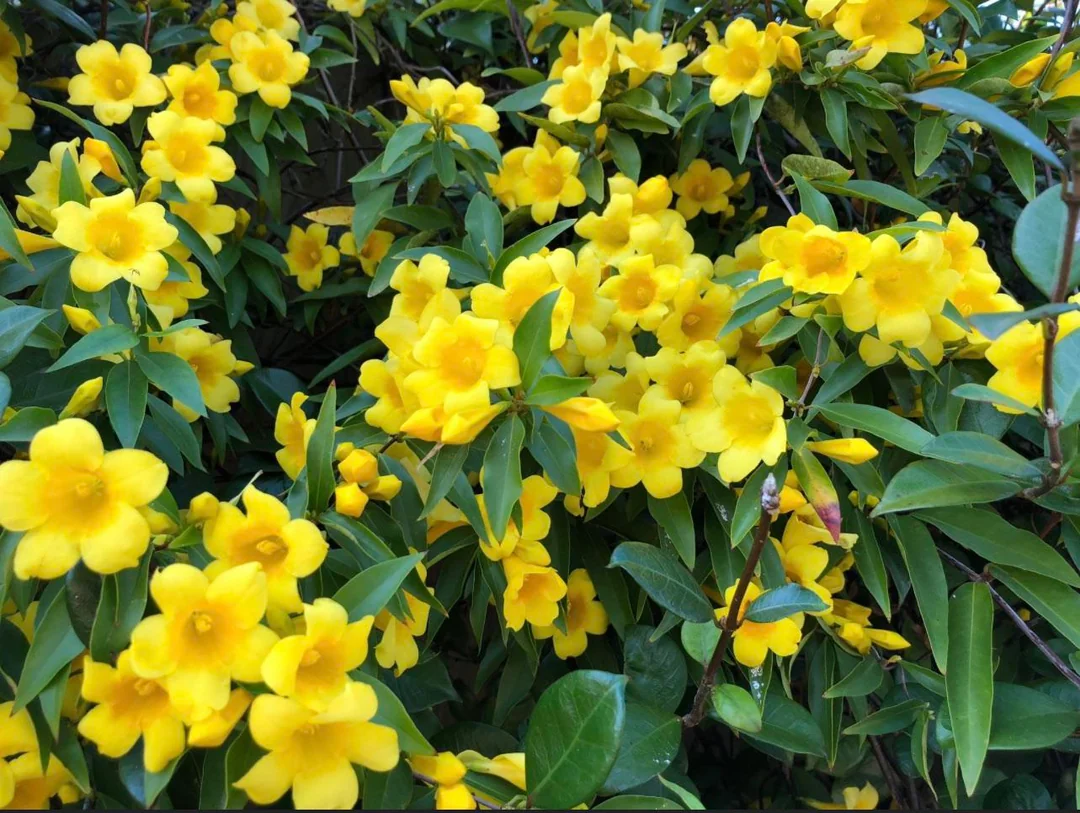
Vines add life to bare fences, and Carolina jasmine does it beautifully. Bright yellow, trumpet-shaped flowers climb eagerly toward sunlight. I love training this one along an arbor for early spring color.
Warm regions suit this native vine best. Full sun brings out the most blooms. Structures like trellises or fences give it something to climb.
Early spring arrives, and fragrant yellow flowers greet pollinators first thing. Plant it now in southern gardens for the best results. Keep pets and kids away from the plant, though, since every part is toxic if eaten.
FAQs
Is September too late to plant perennials?
Not at all, friend. September actually kicks off one of the best planting windows all year. I’ve planted well into October some years and still gotten great results, as long as frost stays a few weeks away.
Do I need to water newly planted perennials in fall?
Yes, even with fall rain in the forecast. New roots need consistent moisture to settle in properly. I check the soil with my finger every few days and water whenever the top inch feels dry.
Can I plant bulbs and bare root perennials at the same time?
Absolutely, and I do this every September myself. Just pay attention to each plant’s specific depth and spacing needs. Daffodils go shallow, peonies need their eyes near the surface, and irises barely get covered at all.
What happens if an early frost hits my new plants?
Don’t panic if this happens to you. Most perennials on this list handle a light frost just fine once they’ve had a few weeks to establish roots. A layer of mulch gives extra insurance against sudden cold snaps.
Should I fertilize perennials right after planting?
I skip fertilizer at planting time, and you should too. Fresh roots need to focus on establishing themselves, not processing extra nutrients. Wait until spring growth kicks in, then feed your plants for the best results.
Final Thoughts
September isn’t just another month on the calendar. It’s your garden’s second chance at a fresh start. I plant something new almost every fall, and the payoff each spring never gets old.
Cooler air and warm soil work together like nothing else. Roots grow stronger, blooms come back bigger, and winter stops feeling like a setback. That’s the real magic behind fall planting.
Grab a few bulbs or bare roots from this list today. Your future self will thank you when spring rolls around. Happy planting, friend — your garden’s about to get a whole lot better.