Winter Vegetables to Grow: 13 Hardy Crops That Keep Producing in Snow and Frost

Think winter means an empty garden? Think again. Some vegetables shrug off snow and hard freezes. Many even taste sweeter after a good frost.
The trick is choosing the right crops and planting them early.
This list ranks 13 winter vegetables by how much cold they can really take. A few need no protection at all.
You will get real temperature numbers, sowing tips, and simple cover ideas. Match them to your winter and you can pick fresh food in January. Let’s find your best crops.
Find Your Winter Start Date
Cold is only half the story. Day length matters just as much. When daylight drops below 10 hours, most plants nearly stop growing.
Gardeners call this stretch the Persephone period. Growth slows to a crawl, even when the weather is mild.
That changes how you plan. Your crops should be close to full size before this window opens. After that, they mostly sit and wait. You harvest what they already grew.
Look up sunrise and sunset times for your area. Find the last day with 10 hours of light before the winter solstice. In Maine, that window runs from roughly early November to early February. Southern gardens get a shorter one.
A few crops on this list, like leeks and parsnips, go in during spring. They simply wait in the ground. I flag the sowing time on every entry, so you never have to guess.
The Winter Hardiness Ladder
Cold does not kill hardy vegetables. It slows them down. Still, every crop has a limit. I sorted the 13 crops into three tiers.
Bulletproof: These handle temperatures around 0°F once they settle in. Spinach, mâche, claytonia, leeks, parsnips, and scallions live here.
Tough: These handle roughly 5 to 20°F. Kale, savoy cabbage, Brussels sprouts, kohlrabi, and Asian greens fit this tier.
Needs a Coat: Carrots and radishes shrug off frost. In a deep freeze, they want mulch or a cover.
Numbers shift with variety and site. Wet soil often kills more plants than cold does. Pick a spot with good drainage, and your odds go up fast.
How Much Warmer Is It Under a Cover?
A cover can add real warmth. Here is what to expect.
- Light row cover: about 2°F of protection
- Medium row cover: about 4 to 6°F
- Heavy row cover: about 8°F
- Clear plastic tunnel: roughly 8 to 12°F
- Plastic plus an inner row cover: about 12 to 20°F
Draping the cover over hoops works best. Vent it on sunny days so plants do not overheat. Close it again by late afternoon to trap the warmth for the night.
13 Cold Tolerant Vegetables for Your Winter Garden
1. Spinach
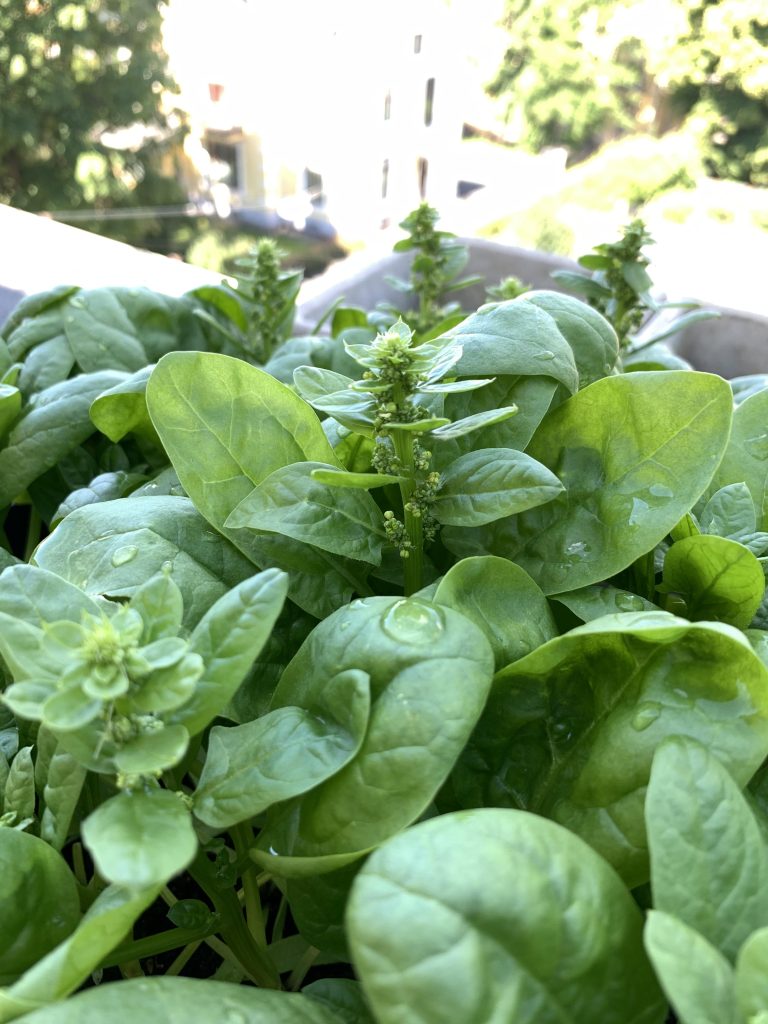
Few greens handle winter this well. Savoy types with crinkled leaves are hardier than flat-leaf spinach. Try ‘Winter Bloomsdale’ or ‘Tyee’ if you want a plant that survives around 0°F.
Cold makes the leaves sweeter and crisper. Pick the outer leaves and let the center keep growing. Go easy during the darkest weeks, because regrowth is slow.
Growth pauses in midwinter. It takes off again as days get longer. A cover keeps your harvest steady in hard freezes. Without one, plants may die back, but they often bounce back in spring.
Survives to: About 0°F (savoy types)
Sow by: 6 to 8 weeks before your first fall frost
Harvest window: Late fall through early spring
Best cover: Row cover or cold frame in hard freezes
Also read: 14 Best Vegetables to Plant in October
2. Mâche
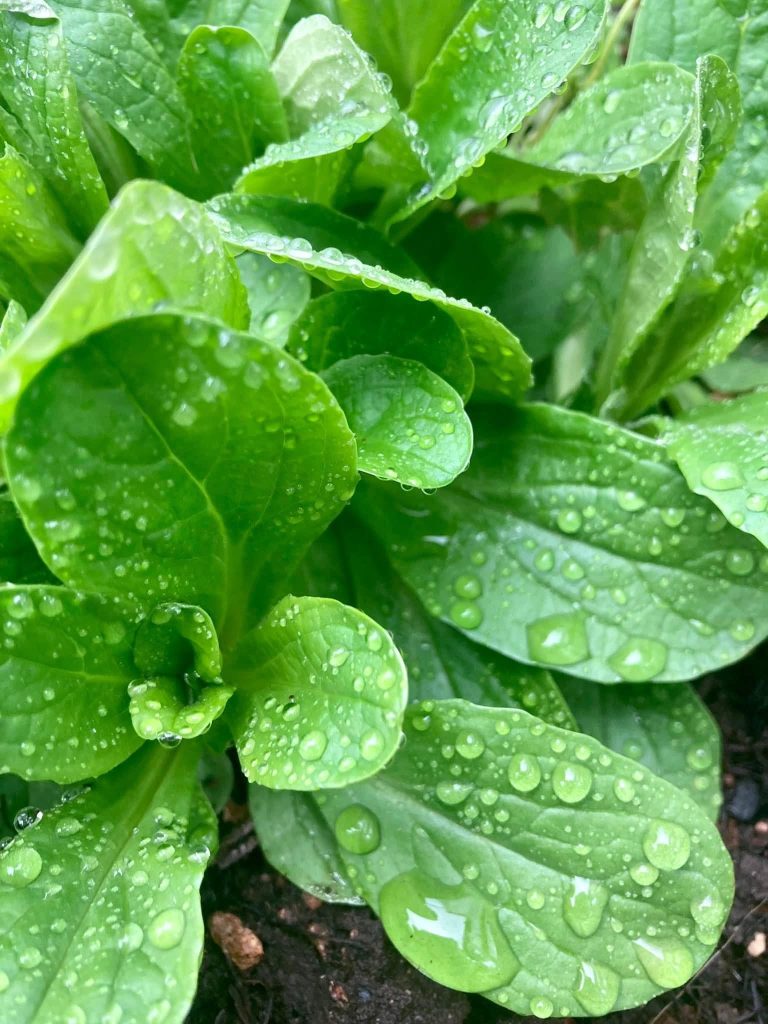
Small rosettes hide a big secret. This little green may be the toughest salad crop you can grow. The leaves taste mild and nutty. They feel tender and soft.
Mâche loves cool soil. Seeds will not sprout in summer heat. Wait until the soil drops below about 68°F, then sow thickly. Growth is slow, so give it plenty of seed. Add a new sowing every couple of weeks through fall for a longer harvest.
Cut the whole rosette at the base, or pick a few leaves at a time. A cold frame is optional. It keeps the leaves clean and easy to grab.
Survives to: Roughly 0 to 5°F
Sow by: Early to late fall, once soil cools below 68°F
Harvest window: Late fall through late winter
Best cover: Cold frame (optional)
3. Claytonia
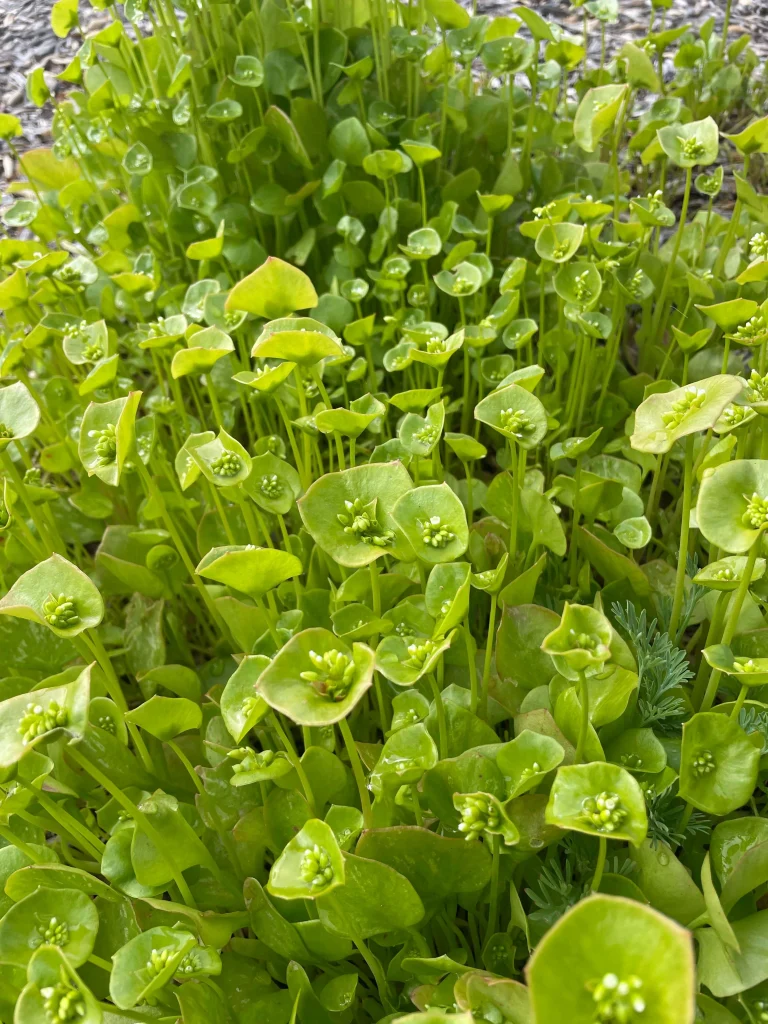
Meet your new favorite salad green. Also called miner’s lettuce or winter purslane, this native plant has round, juicy leaves. They taste mild and a little crisp. They look pretty on a plate, too.
Claytonia loves cool weather. Like mâche, the seeds refuse to sprout in warm soil. Sow in early to mid fall and watch it settle in. Plants survive around 0°F once established.
Snip the leaves about an inch or two above the base. They regrow for repeat harvests. Let a few plants flower, and they will self-seed for next year. A cold frame or low tunnel gives you steady picking all winter.
Survives to: About 0°F
Sow by: Early to mid fall, once soil cools
Harvest window: Late fall through late winter
Best cover: Cold frame or low tunnel
4. Leeks
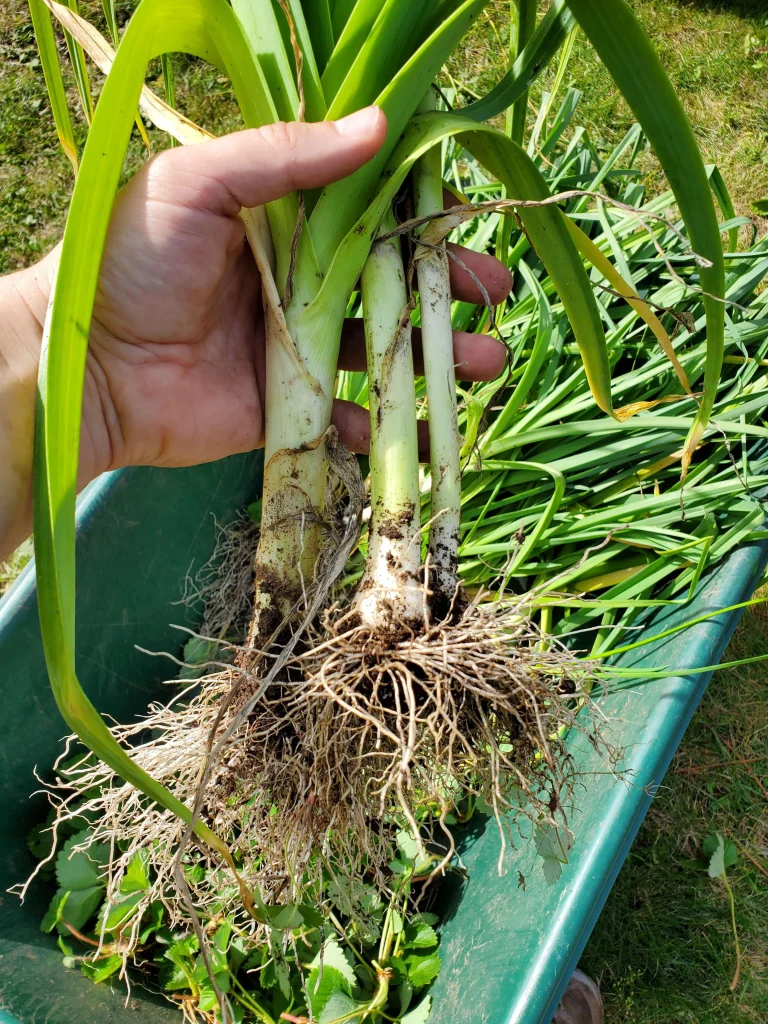
Patience pays off here. Leeks grow slowly, so they need a long season. Most gardeners start them in spring. By winter, the thick stems are ready to dig.
Look for winter types like ‘Durabel,’ ‘Blauwgroene Winter,’ or ‘Liège Giant.’ They handle temperatures around 0°F.
Frost improves the flavor. The stems turn sweeter and milder. Mound soil around the base as they grow. This blanches the stems and gives you a longer white shaft.
Loosen the soil with a garden fork before you lift a leek. Pulling by hand can snap the stem. In very cold zones, spread straw over the bed so the ground stays workable.
Survives to: About 0°F (winter varieties)
Sow by: Early spring, since leeks need a long season
Harvest window: Fall through late winter
Best cover: Straw mulch in very cold zones
5. Parsnips
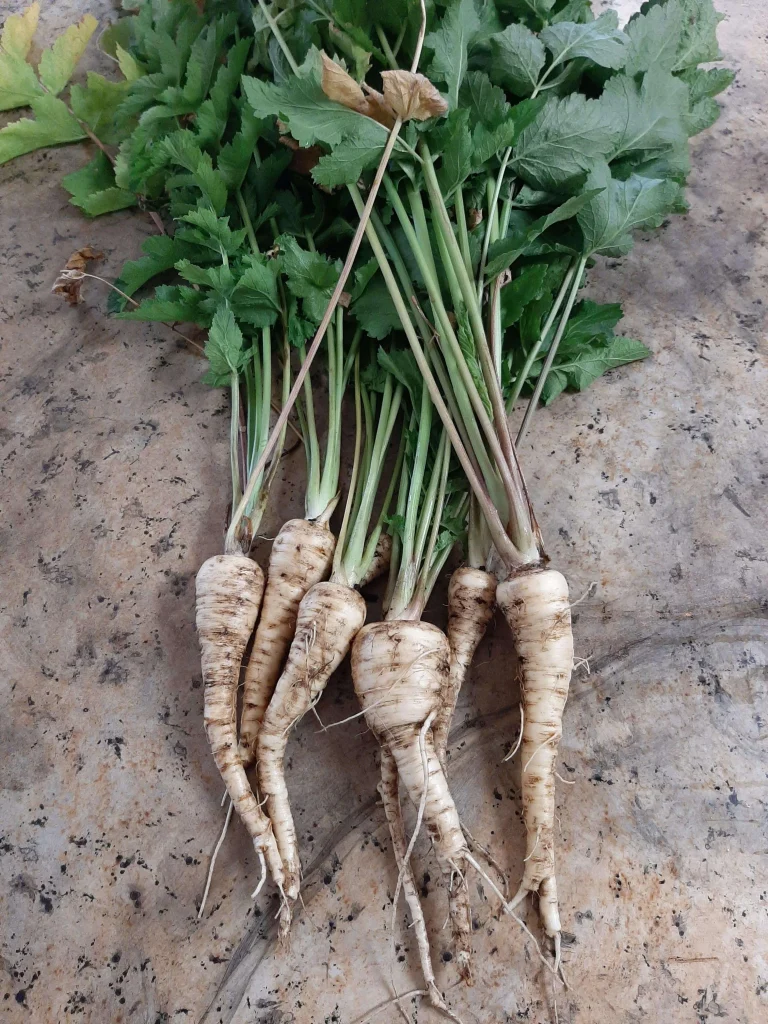
Cold turns these roots from bland to brilliant. Frost tells the plant to convert starch into sugar. That gives parsnips a rich, nutty sweetness you never get from store-bought roots.
‘Gladiator’ is a reliable pick. It resists canker and holds up well in cold ground.
Parsnips sprout slowly. Sow in spring and keep the soil moist until they come up. Then leave them alone until winter. Wait for a few hard frosts before you dig.
Pile a thick layer of straw or leaves over the bed. This keeps the soil from freezing solid. Lift what you need all winter. Finish digging before spring growth starts, or the roots turn woody.
Survives to: About 0°F
Sow by: Spring
Harvest window: After several hard frosts through early spring
Best cover: Thick mulch of straw or leaves
6. Scallions
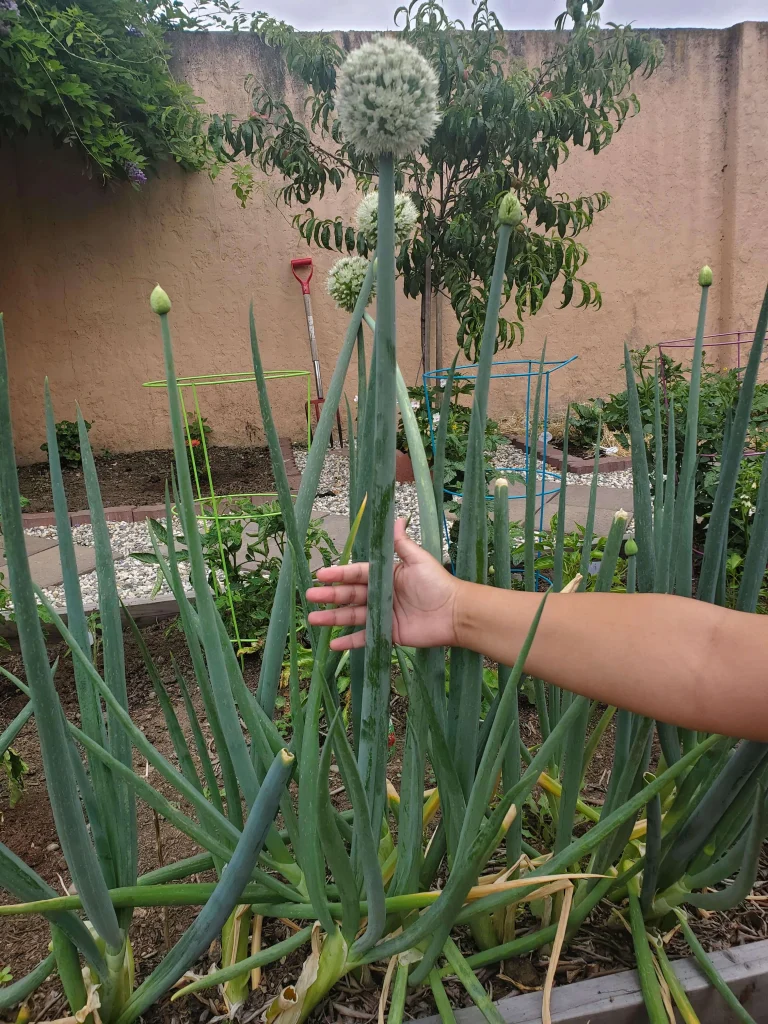
Need something fast and easy? This one delivers. Green onions grow quickly and take up almost no space.
A winter variety like ‘White Lisbon’ handles temperatures around 0°F. That makes it one of the toughest onions you can grow.
Sow the seed thickly in late summer or early fall. Let the plants settle in before the cold hits. Then pull them as you need them. Cut the tops about an inch above the base, and they often regrow.
The flavor stays mild and fresh. Toss them into soups, eggs, or salads all winter. A thin layer of mulch keeps the soil from heaving in freeze and thaw cycles.
Survives to: About 0°F (‘White Lisbon’)
Sow by: Late summer to early fall
Harvest window: Late fall through early spring
Best cover: Light mulch (optional)
7. Kale
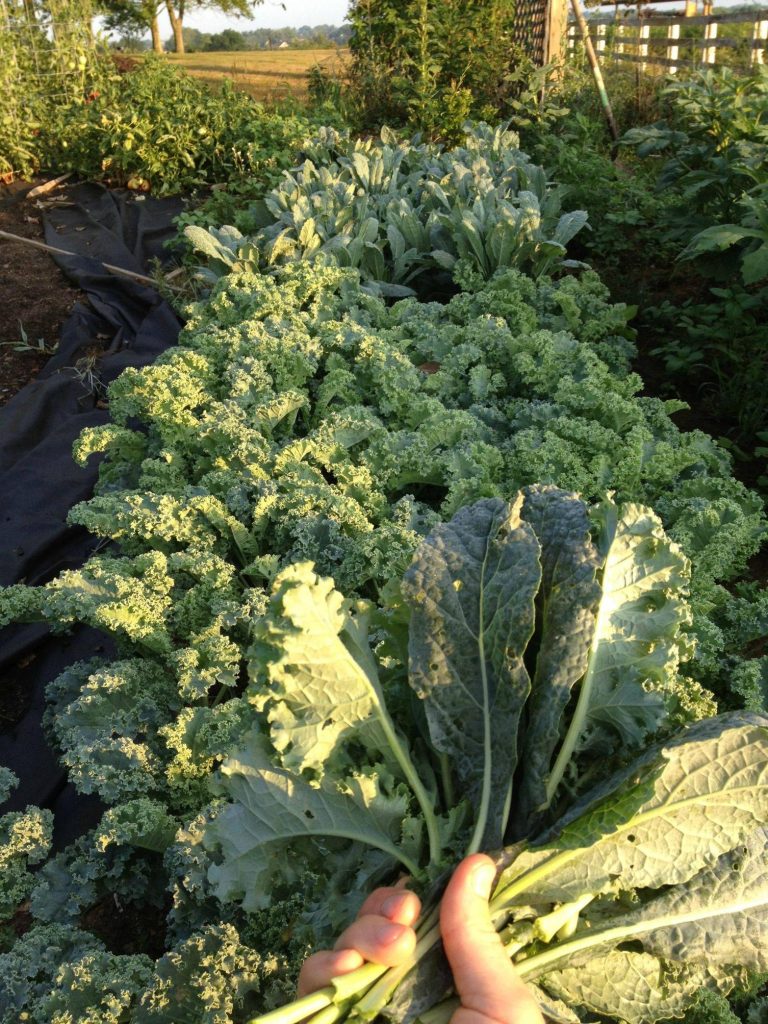
Snow barely slows this plant down. Kale is the classic winter workhorse, and frost makes it sweeter. Look for hardy varieties like ‘Winterbor’ or ‘Vates.’ They handle temperatures around 5°F. Siberian types go even lower.
Sow or transplant about 10 to 12 weeks before your first fall frost. You want big plants before the days get short. After that, harvest from the bottom. Pick the lower, outer leaves and leave the top crown alone.
Purple-tinted kale tends to resist rot in wet winters. That helps if you get more rain than snow. Drape a cover over the plants during a deep freeze or a windy cold snap. It protects the leaves from tearing.
Survives to: About 5°F (Siberian types reach 0°F)
Sow by: 10 to 12 weeks before your first fall frost
Harvest window: Fall through late winter
Best cover: Row cover during deep freezes and strong winds
8. Savoy Cabbage
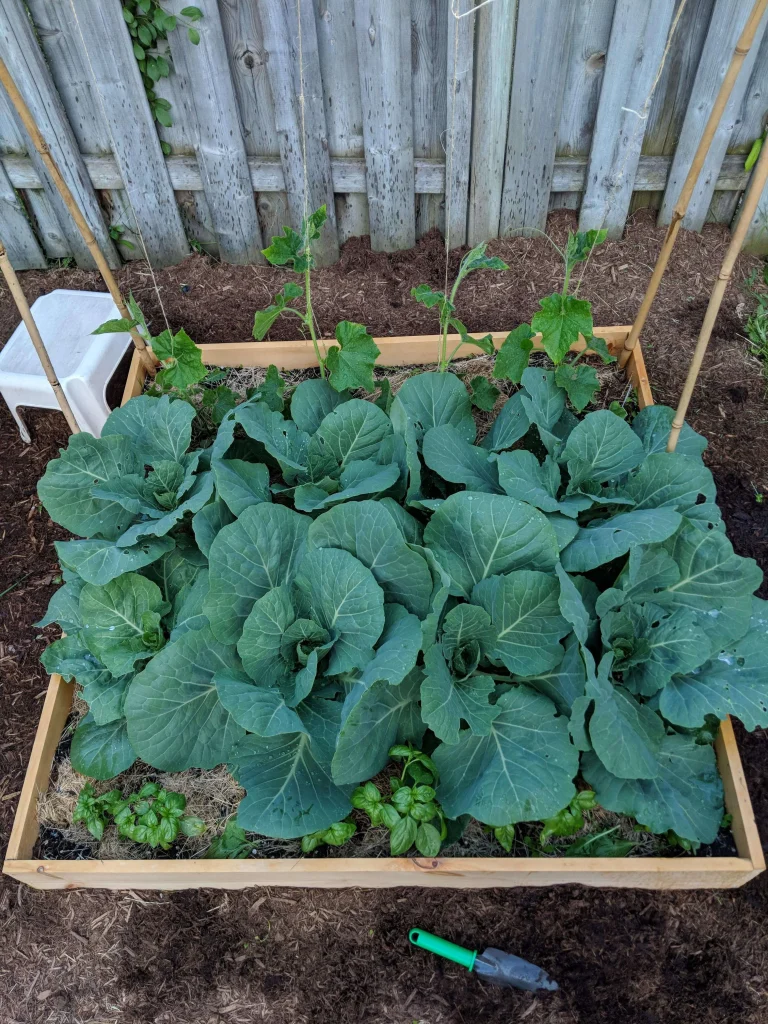
Crinkled leaves make this cabbage look fancy. They also make it tough. Savoy types shrug off cold better than smooth-headed cabbage. Heads stay solid in the garden for weeks. You cut one whenever dinner calls for it.
Give each plant plenty of room. Big heads need space and a steady supply of food. Side-dress with compost when the heads start to form.
Spread mulch around the plants, but keep it off the stems. That helps you avoid slug trouble.
Pests still show up in fall. Cover young plants with fine netting. Once the heads form, keep the outer leaves on for protection. Frost makes the flavor sweeter.
Survives to: About 20°F, and savoy types often go lower
Sow by: Start seed in midsummer, then transplant by early fall
Harvest window: Late fall through midwinter
Best cover: Netting for pests, plus row cover in hard freezes
9. Brussels Sprouts
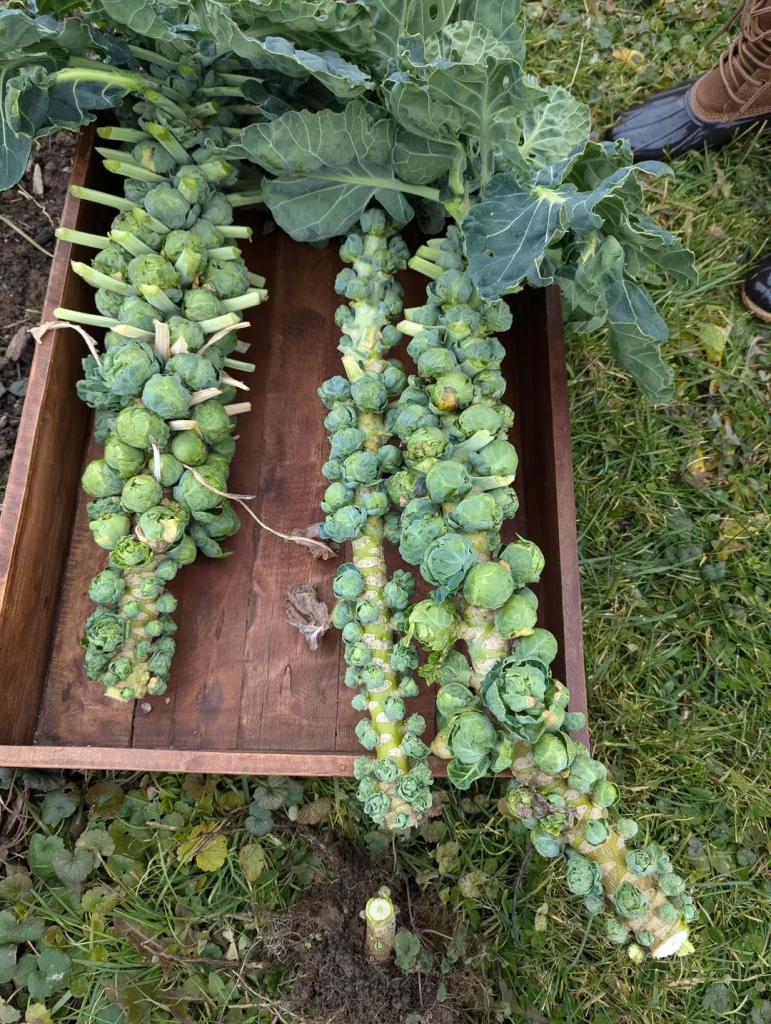
Here is a crop that rewards a long wait. Brussels sprouts need a long season, but the payoff is worth it. Cold weather turns the little buds sweet and mild. Even people who claim to dislike them often change their minds.
Start seed in early summer. When the plant reaches full height, snip off the growing tip. This tells the plant to put its energy into the sprouts. Harvest from the bottom up as the buds turn firm.
Don’t toss the leaves. They taste great cooked like cabbage. In late winter, the plants mostly hold their sprouts rather than grow new ones. Use a row cover or frost blanket during Arctic blasts.
Survives to: Around 20°F, sometimes lower
Sow by: Early summer, since sprouts need a long season
Harvest window: Late fall through midwinter
Best cover: Frost blanket during deep freezes
10. Kohlrabi
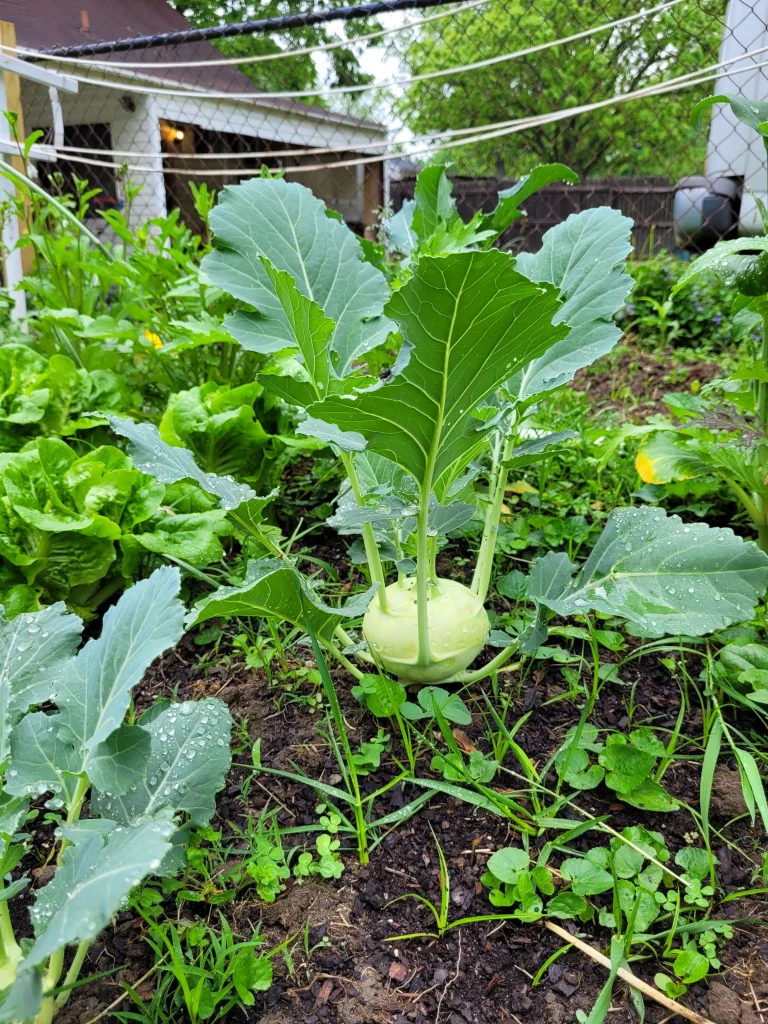
Odd looks, great taste. Kohlrabi grows a round bulb right above the soil. The flavor sits somewhere between a mild turnip and a crisp apple. It handles heavy frost well, and the bulb gets sweeter as the weather cools.
This one grows fast. Sow about 8 weeks before your first fall frost. Harvest when the bulbs reach the size of a tennis ball. Bigger ones turn tough and woody.
The leaves are edible, too. Cook them like collard greens. Slice the bulb raw into salads or roast it with a little oil. Add a row cover when temperatures dip into the low 20s.
Survives to: Around 20°F
Sow by: About 8 weeks before your first fall frost
Harvest window: Fall through early winter
Best cover: Row cover in deep freezes
11. Tatsoi and Mizuna
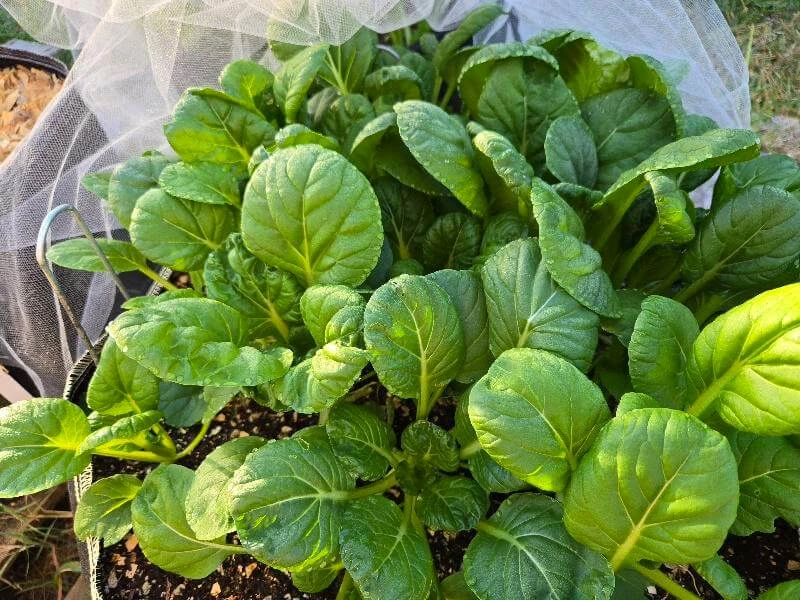
Two Asian greens, one easy fall sowing. Tatsoi grows flat, glossy rosettes of spoon-shaped leaves. The taste is mild, a lot like bok choy. Mizuna grows feathery, frilly leaves with a light peppery bite. Both look great in a winter salad bowl.
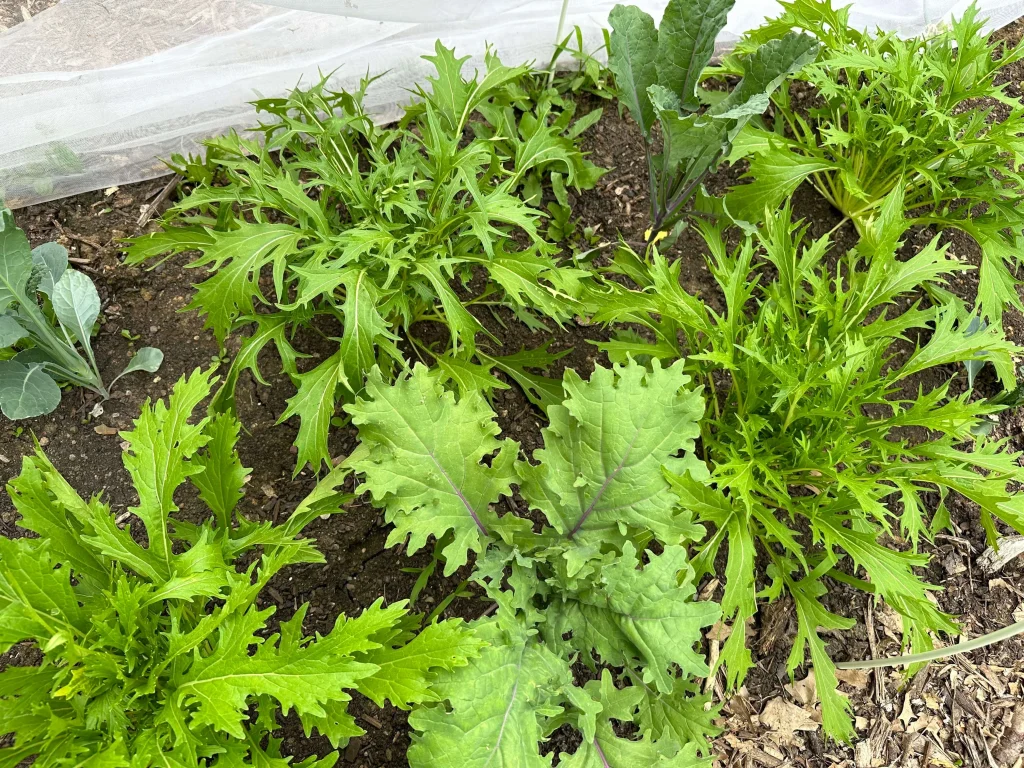
They grow fast. Tatsoi can be ready about 6 weeks after sprouting. Mizuna sprouts in soil as cool as 40°F. Tatsoi handles about 10°F. Mizuna handles about 15°F.
Sow every couple of weeks in early fall. Cut the whole plant or pick the outer leaves. In colder winters, tuck them into a cold frame or under a low tunnel.
Survives to: About 10°F (tatsoi) and 15°F (mizuna)
Sow by: 6 to 8 weeks before your first fall frost
Harvest window: Late fall through late winter
Best cover: Cold frame or low tunnel in colder zones
12. Carrots
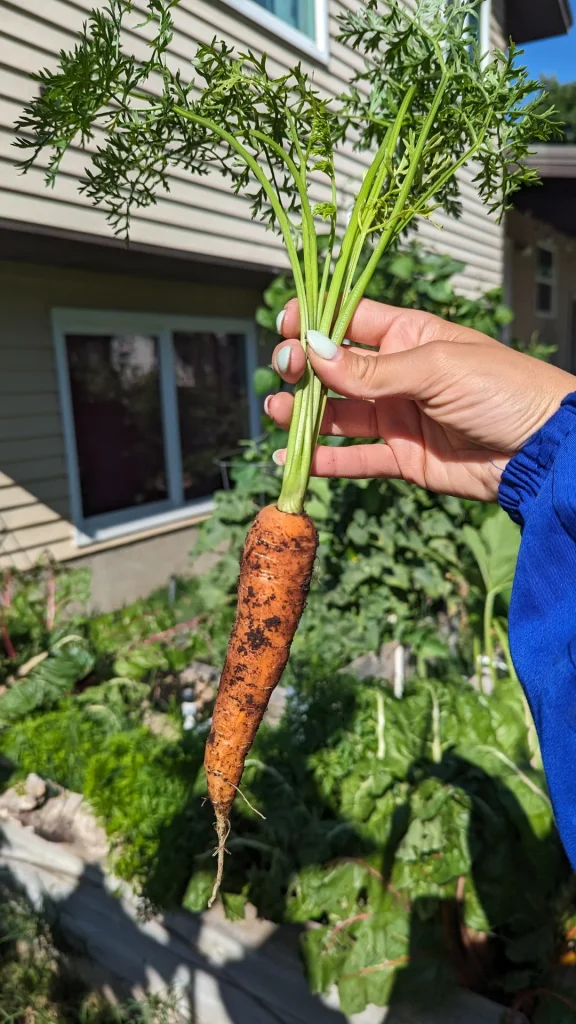
Sweet, crisp, and still in the ground in January. Carrots love a cold snap. Frost pushes the plant to turn starch into sugar. Fall carrots taste better than any summer crop.
Choose a variety that suits fall sowing, like ‘Napoli.’ Sow about 10 to 12 weeks before your first frost. Keep the seedbed moist. Carrot seed is slow to sprout.
The tops die back in hard frost, but the roots hold on. Once the weather turns cold, cover the bed with a thick layer of straw or leaves.
Pull back the mulch, dig what you need, and tuck the rest back in. If the soil turns soggy, lift the roots early and store them in a cool, dark spot.
Survives to: Tops die back in hard frost, but mulched roots keep
Sow by: 10 to 12 weeks before your first fall frost
Harvest window: Late fall through late winter
Best cover: Thick mulch of straw or leaves
13. Radishes
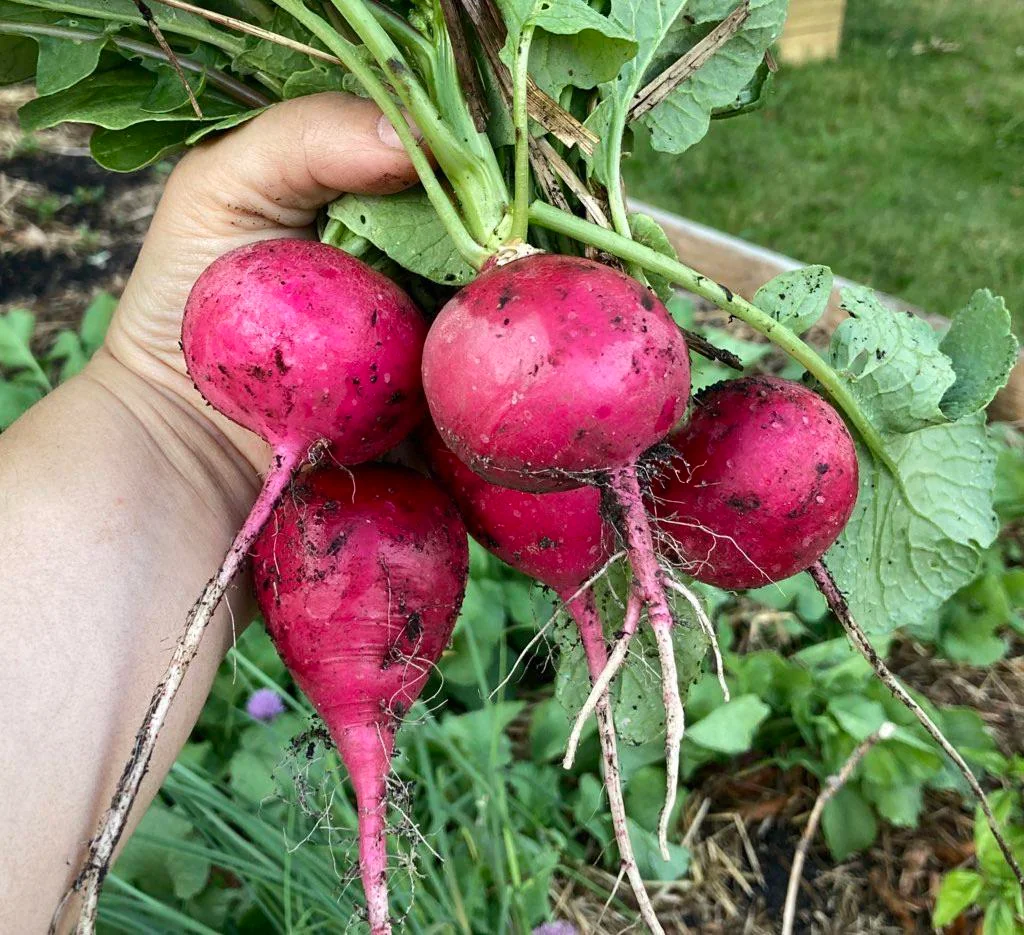
Need a quick win? Start here. Radishes are the fastest crop on this list. Fall sowings are ready in about a month. That makes them perfect for filling gaps in your beds.
Cold weather gives them a crisp, mild bite. Sow a new batch every couple of weeks from late summer through fall. You get a steady harvest without a glut.
Winter types like daikon and watermelon radish take longer to size up. They grow big and store well.
Radishes handle frost fine. In a deep freeze, cover them with a row cover or low tunnel. Harvest before the ground freezes hard.
Survives to: Down to about 20°F
Sow by: Every couple of weeks from late summer through fall
Harvest window: Fall through early winter
Best cover: Row cover or low tunnel in deep freezes
Frequently Asked Questions
When should I plant winter vegetables?
Most go in during late summer or early fall. Count back from your first frost date and add a week or two, since growth slows as the days shrink. Leeks and parsnips are the exceptions. They go in during spring.
Can I still plant in October or November?
Yes, but pick fast, cold-loving crops. Mâche, claytonia, spinach, radishes, and Asian greens give you the best shot. Add a cover and expect smaller plants. Growth stalls once the days get short.
Do I need a cold frame or greenhouse?
No. Many crops on the Bulletproof tier need nothing at all. A simple row cover on hoops adds a few degrees of protection. A cold frame or plastic tunnel adds more.
Why do vegetables taste sweeter after frost?
Cold makes plants turn starch into sugar. The sugar helps protect their cells from freezing. You get sweeter kale, carrots, and parsnips as a bonus.
Will snow hurt my winter garden?
Usually not. Snow acts like a warm blanket over the soil. Wet ground and repeated freeze and thaw cycles do more damage. Heavy snow can collapse low hoops, so brush it off after a big storm.
Ready to Grow Through Winter?
You do not need a greenhouse to eat fresh food in winter. You need the right crops and an early start. Pick two or three from the Bulletproof tier and give them a go. Your January self will thank you.