15 Best Texas Shade Plants You’ll Love to Have in Your Yard

Texas shade can feel like a trick question. You want a lush garden, but your yard says, “Here, enjoy this dry patch under a live oak.” Cute, right?
Still, you have plenty of good options if you choose plants that actually understand Texas heat, tricky soil, and stubborn tree roots.
I like Texas shade plants that do more than survive. They should look good, support wildlife, and avoid begging for water every five minutes.
So, if you want a cooler, greener, more relaxed yard, start with these native and well-adapted shade lovers. Your lawn may sulk, but your garden will thank you.
15 Low Maintenance Shade Loving Plants for Texas
1. Turk’s Cap
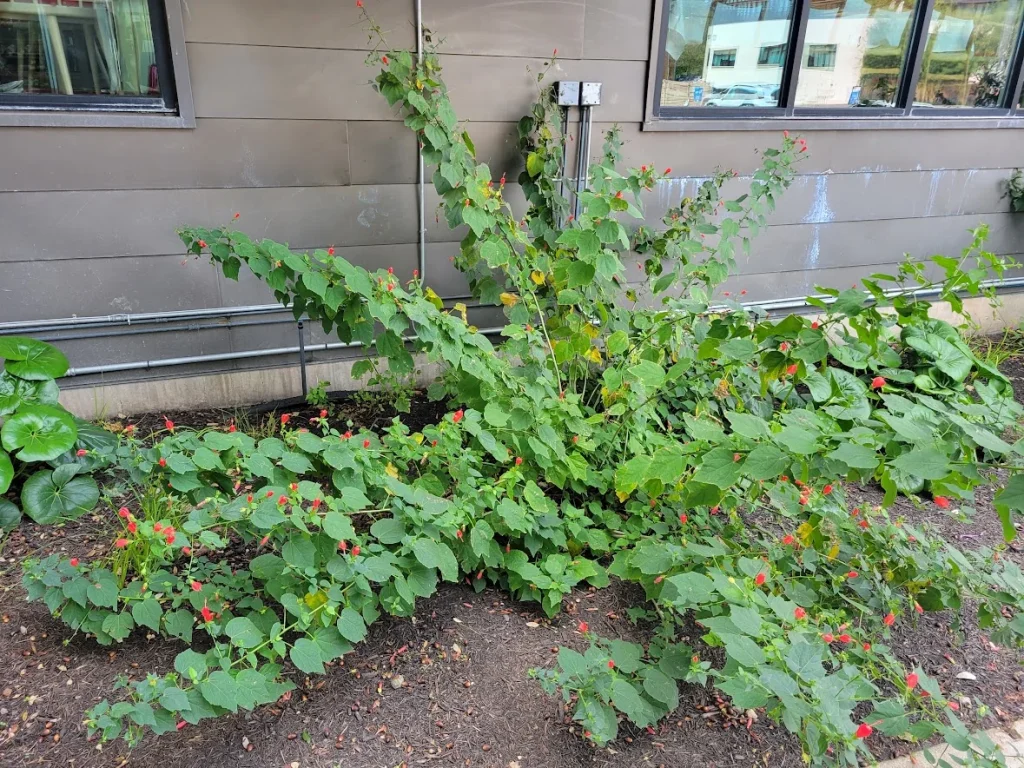
Turk’s Cap deserves a top spot in any Texas shade garden. It handles part shade, bright shade, and those awkward spots where other plants act dramatic.
I like it because it gives you bold color without demanding royal treatment.
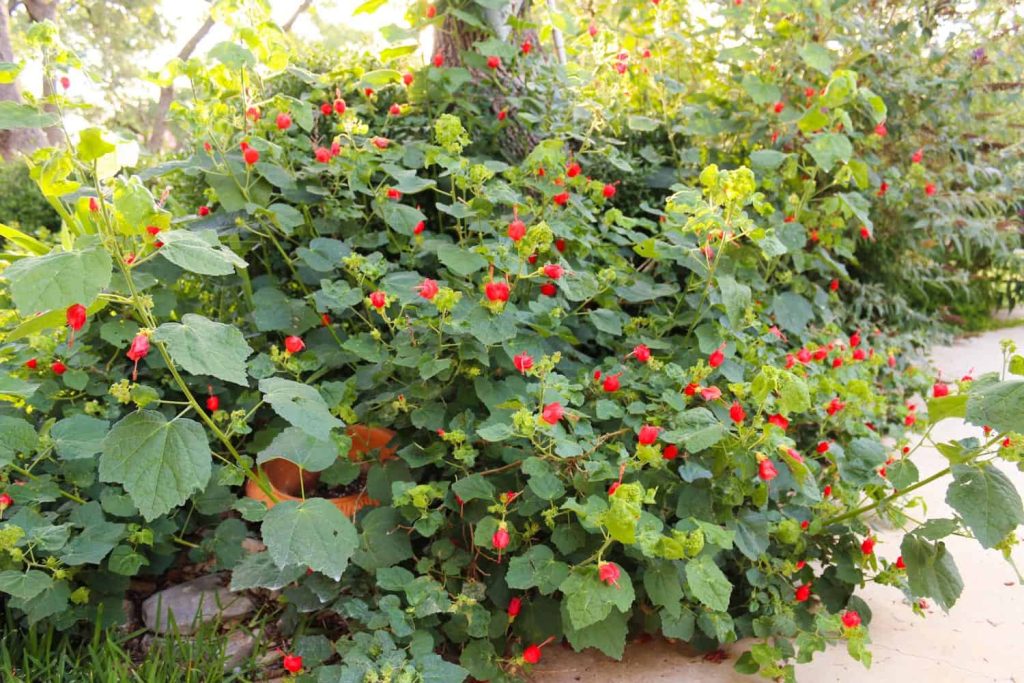
This plant brings in hummingbirds and butterflies, which makes your garden feel alive instead of just “mulched and hopeful.”
It grows well under trees, along fences, and near patios where you want color without constant fuss.
- Height/Width: 2–4 feet tall and 2–3 feet wide
- Bloom Color/Season: Red blooms from summer to fall
- Water Needs: Low to moderate once established
2. American Beautyberry
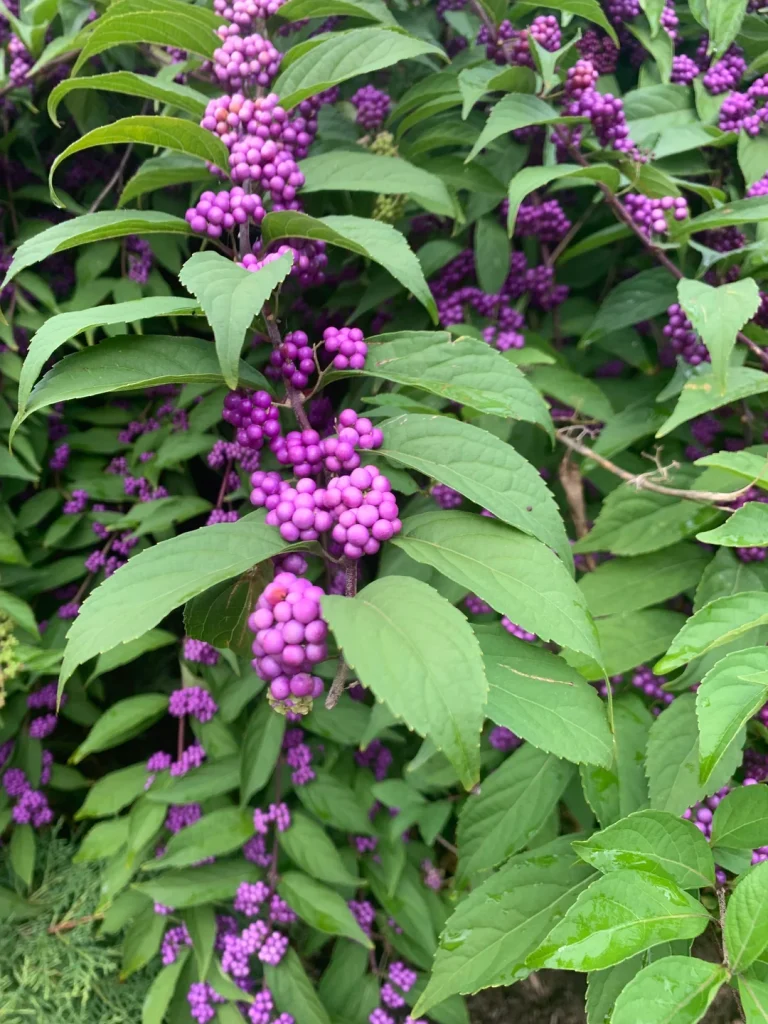
American Beautyberry brings serious charm to shaded Texas yards. Its bright purple berries look almost fake, like someone decorated the branches for fun. But no, nature actually handled the styling this time.
This shrub grows well in part shade and woodland-style gardens. Birds love the berries, so you get beauty and wildlife value in one plant. That combo always wins in my book.
I like American Beautyberry near the back of a shade bed because it gives structure without feeling stiff. It can look a little casual, but that suits Texas landscapes beautifully.
- Height/Width: 3–6 feet tall and 3–6 feet wide
- Bloom Color/Season: Small pink or lavender flowers in spring to summer; purple berries in fall
- Water Needs: Moderate
3. Texas Sedge
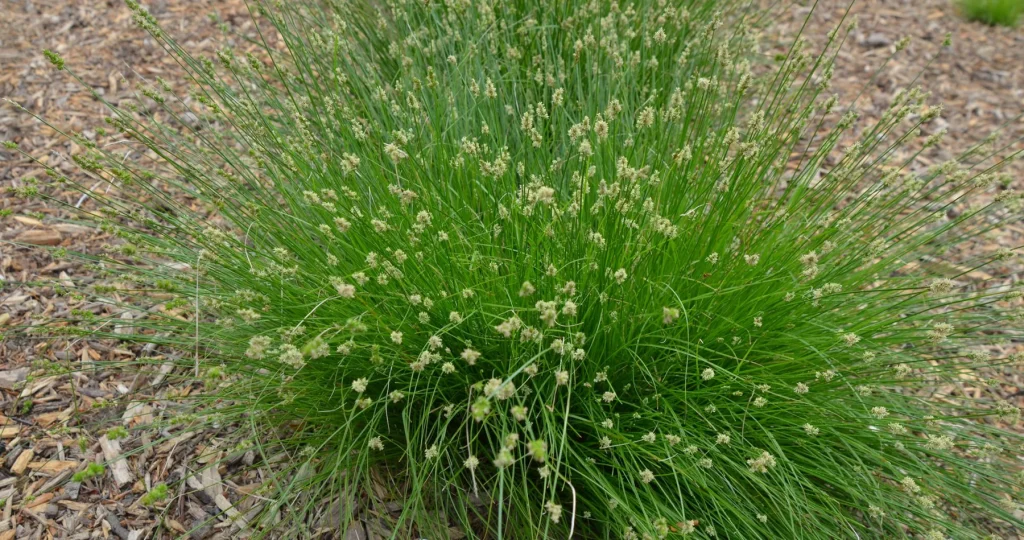
Texas Sedge solves one of the biggest shade garden headaches: what to plant where grass gives up. And let’s be honest, turf grass under Texas trees often quits faster than we expect. Texas Sedge steps in like the quiet reliable friend.
This native sedge handles shade, heat, and lower-water conditions once it settles in. It creates a soft, grassy look without turning your yard into a high-maintenance project.
Use it under live oaks, along shaded paths, or in natural garden borders. FYI, skipping constant mowing feels like a small landscaping miracle.
- Height/Width: 6–12 inches tall and spreading
- Bloom Color/Season: Non-flowering
- Water Needs: Moderate
4. Inland Sea Oats
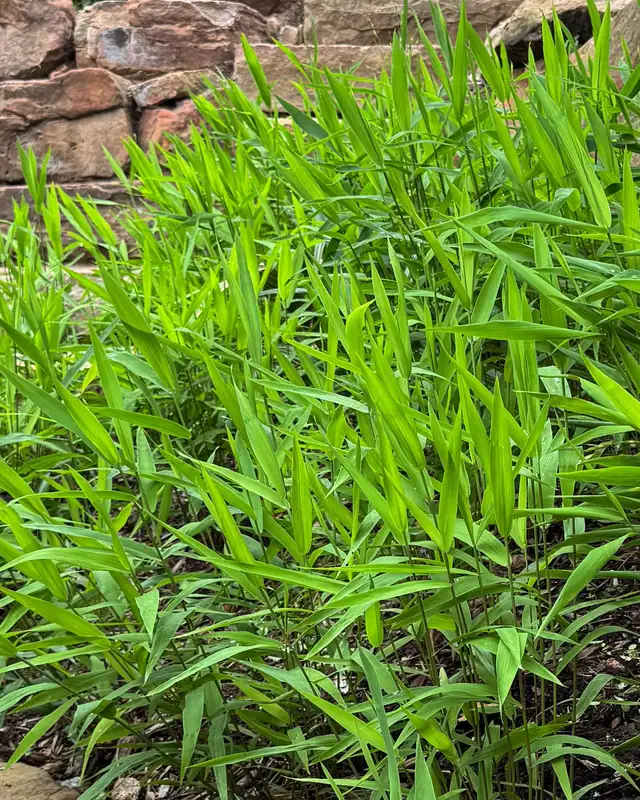
Inland Sea Oats adds movement, texture, and a little drama to a Texas shade garden. Its arching leaves and dangling seed heads catch light in the prettiest way, especially near a shaded walkway or patio.
This plant handles part shade and woodland edges very well. It also softens hard spaces, like fences, walls, and boring corners that need a little personality. You know the corners I mean.
I love Inland Sea Oats because it gives a garden that layered, natural look without much effort. It spreads in the right conditions, so give it room.
- Height/Width: 2–4 feet tall and 2–3 feet wide
- Bloom Color/Season: Green seed heads in summer; tan seed heads in fall
- Water Needs: Moderate
5. Lyreleaf Sage
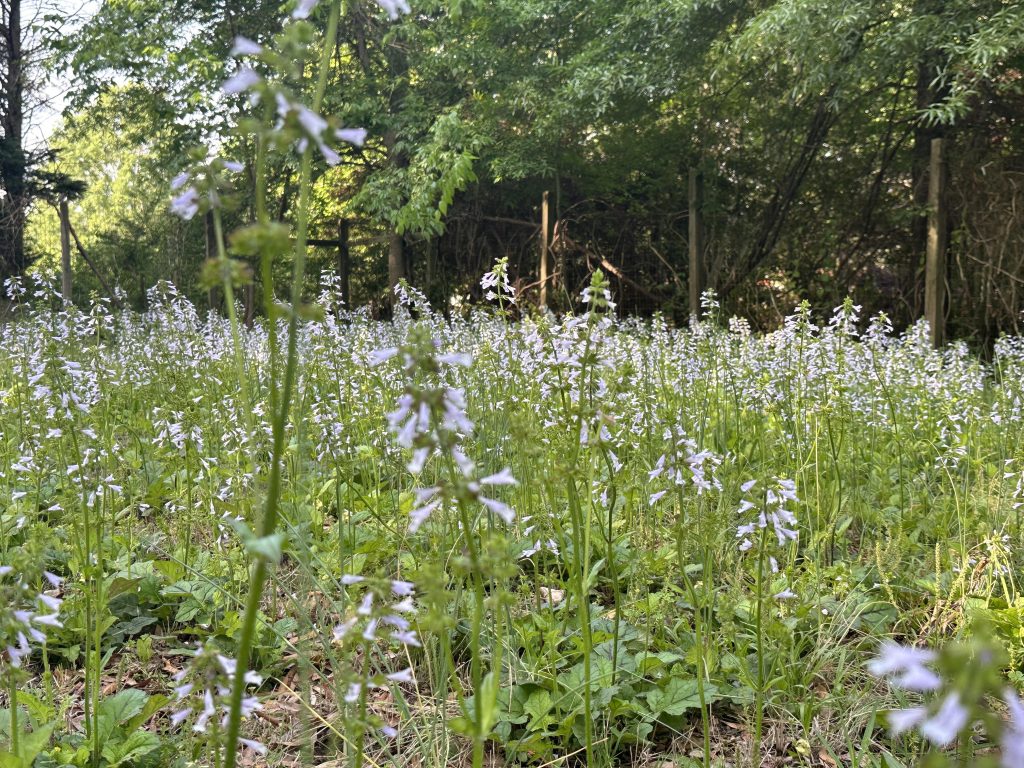
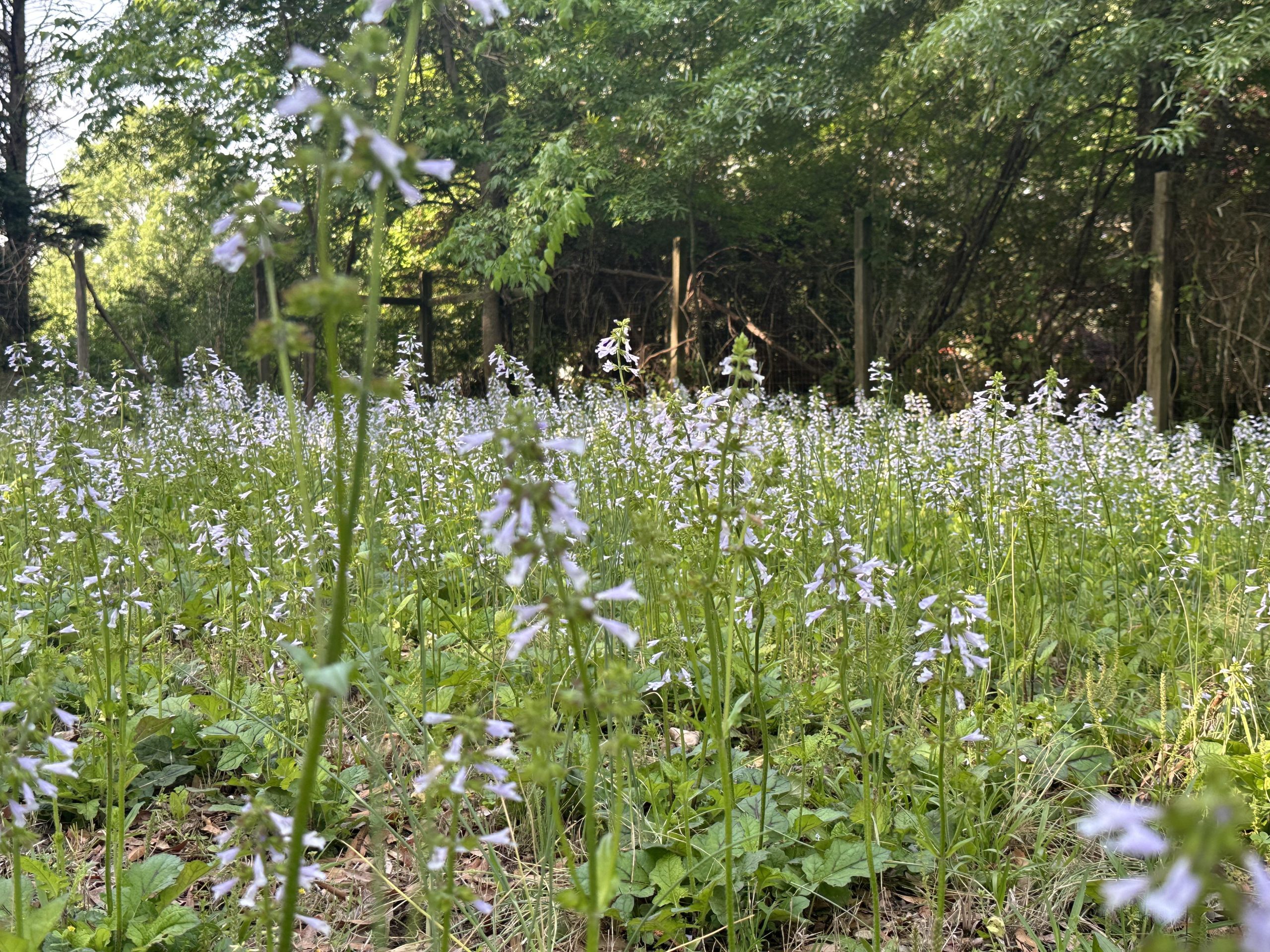
Lyreleaf Sage brings that soft woodland-garden mood without acting fragile. It handles shade well, and it gives you pretty purple-blue flower spikes that feel calm, natural, and slightly fancy without trying too hard.
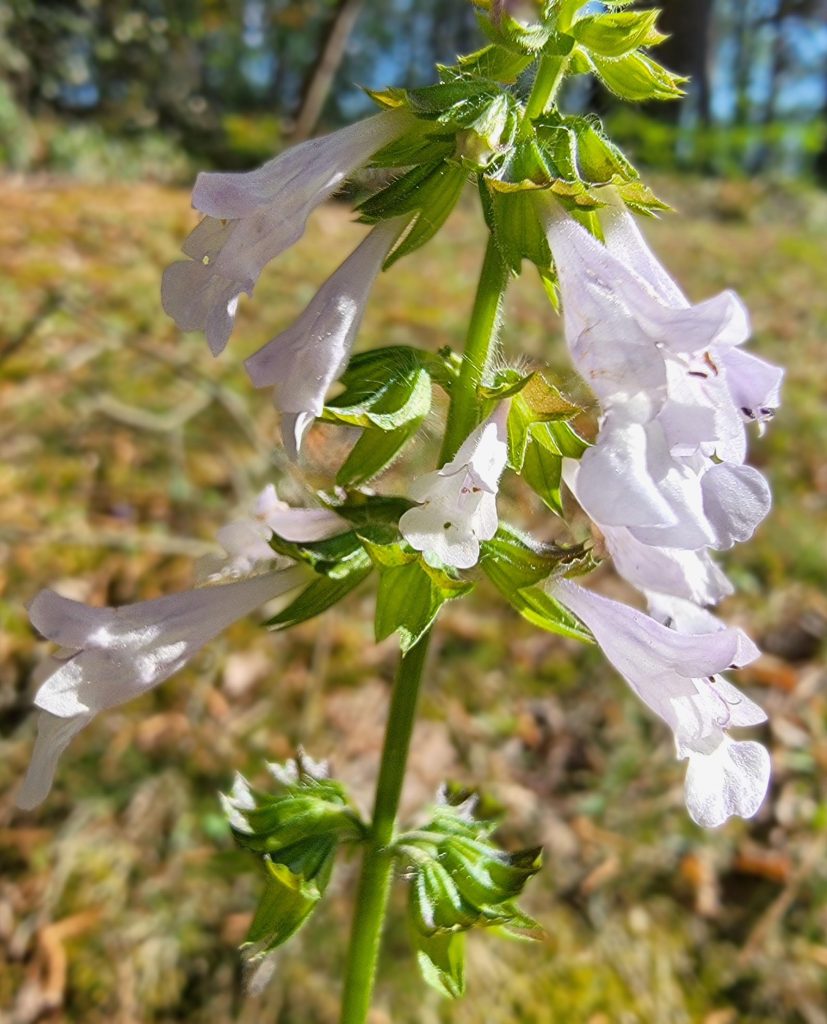
I like it near shaded edges, under small trees, or in garden beds where you want low-growing greenery with seasonal color. It can also reseed, which sounds bossy, but in a relaxed Texas shade garden, that can help fill bare patches nicely.
This plant works better than many “cute” nursery plants that melt by July. Texas heat does not care about your Pinterest board, sadly.
- Height/Width: 1–2 feet tall and 1–2 feet wide
- Bloom Color/Season: Purple-blue blooms in spring
- Water Needs: Low to moderate once established
6. Texas Gold Columbine
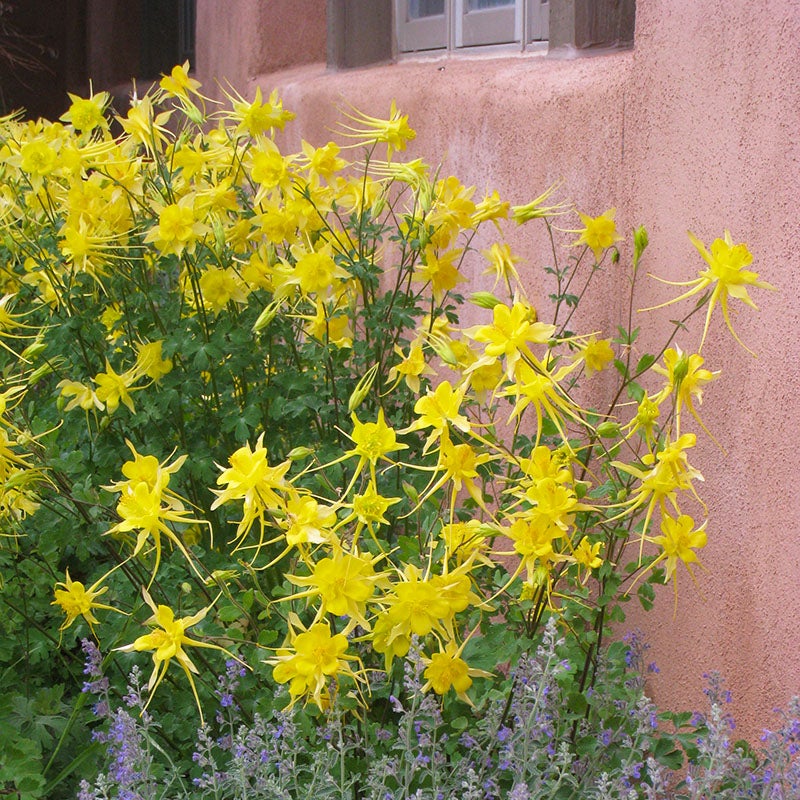
Texas Gold Columbine gives shade gardens a cheerful pop of yellow. If your shady spot feels dull, this plant walks in like it brought good lighting and better manners.
It grows best in part shade or bright shade, especially where the soil keeps some moisture. I like it near patios or entryways because the flowers look delicate, but the plant still knows how to handle Texas better than many showy imports.
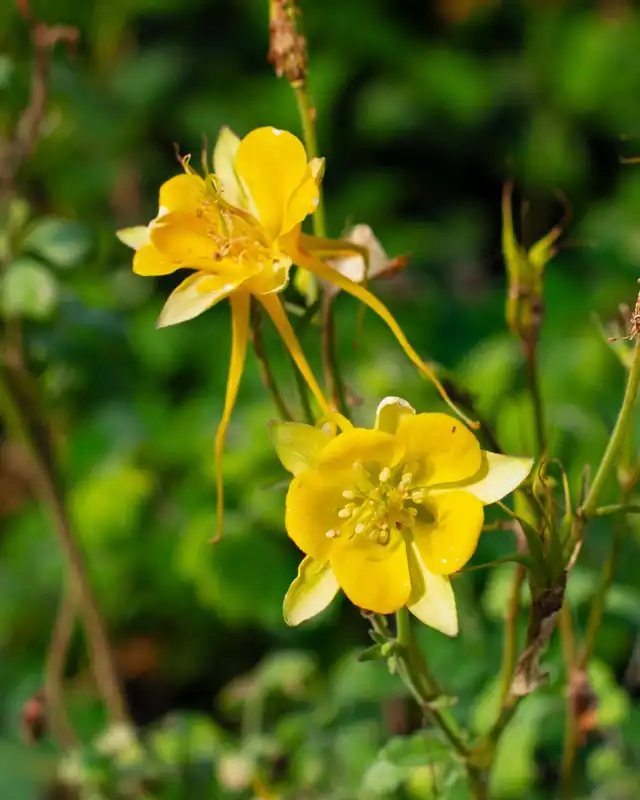
The yellow blooms also attract pollinators, which adds movement to the garden. Want a plant that feels graceful without demanding a personal assistant? This one fits.
- Height/Width: 1–2 feet tall and 1–2 feet wide
- Bloom Color/Season: Yellow blooms in spring
- Water Needs: Moderate
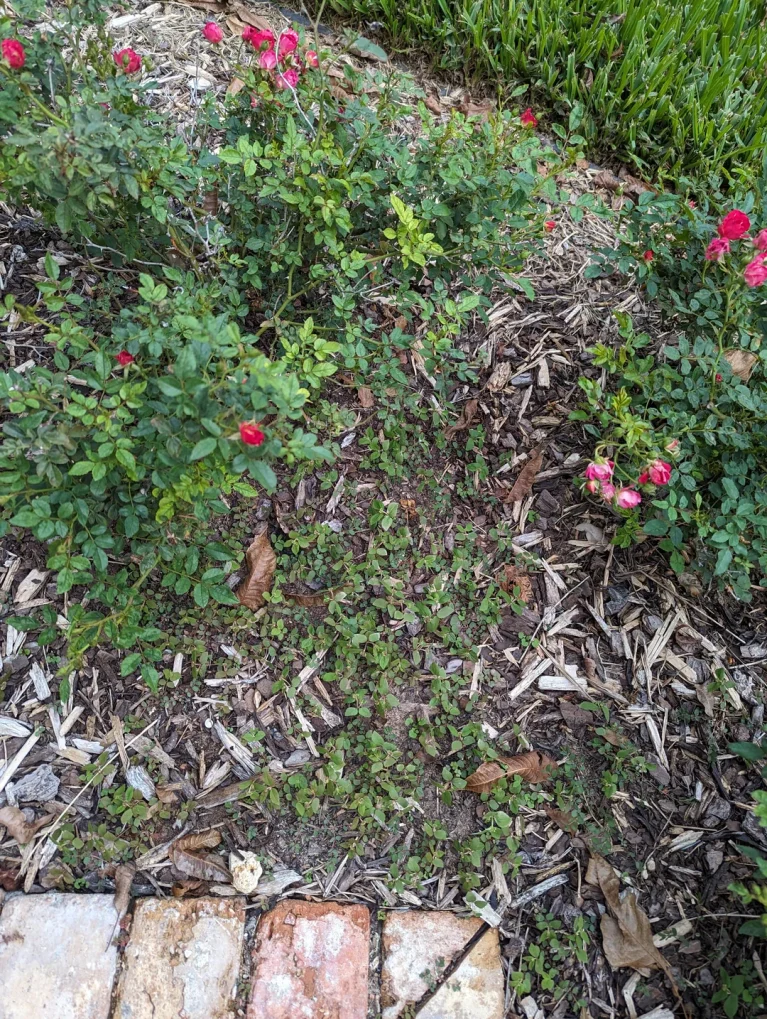
7. Horseherb
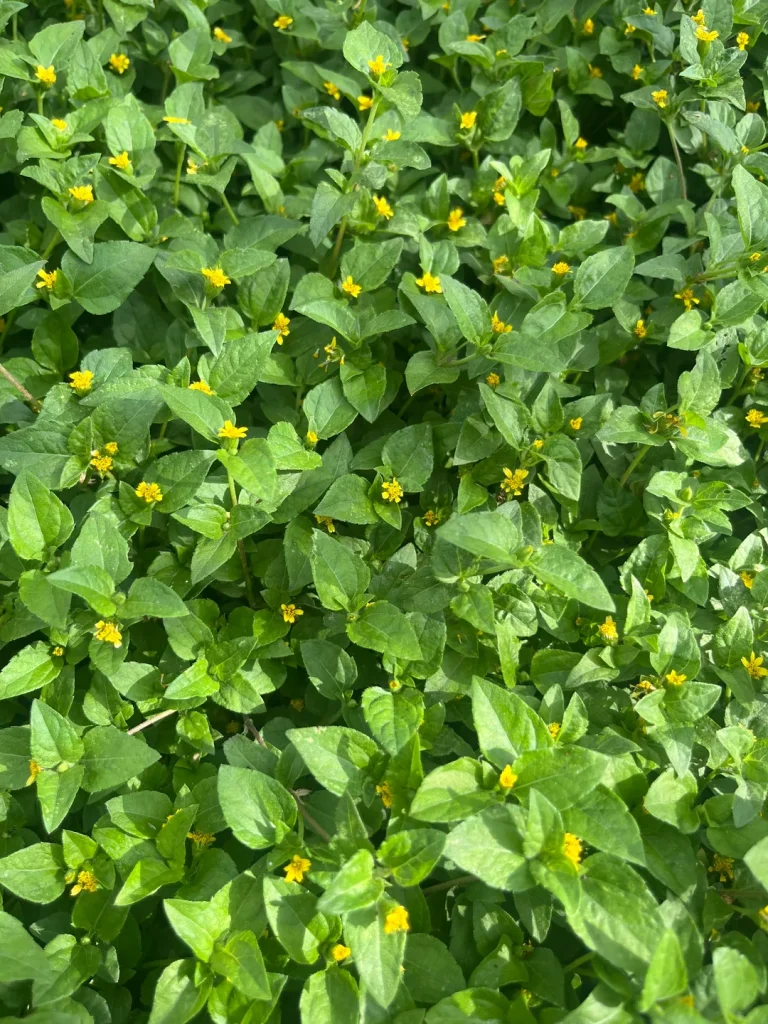
Horseherb works beautifully when you want a casual groundcover for Texas shade. It creates a soft green carpet under trees, along pathways, and in those shady areas where regular grass throws a tantrum.
I like Horseherb because it looks natural, stays low, and handles real-life yards. Kids, pets, shade, heat, uneven spaces—it deals with all of that better than fussy lawn grass. No, it will not give you a golf-course look. Thank goodness.
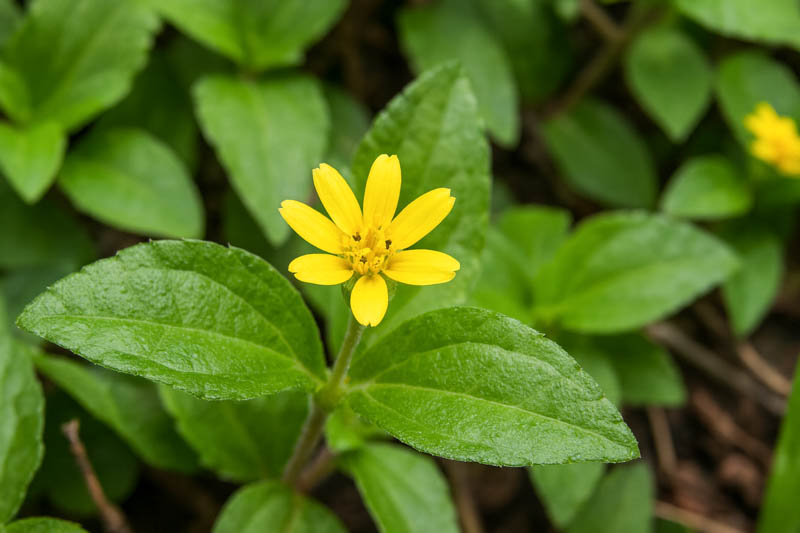
Its tiny yellow flowers add a little charm, though you mostly grow it for coverage. Use it where you want easy greenery instead of bare dirt and weekend regret.
- Height/Width: 4–8 inches tall and spreading
- Bloom Color/Season: Small yellow blooms from spring to fall
- Water Needs: Low to moderate once established
8. Dwarf Yaupon Holly
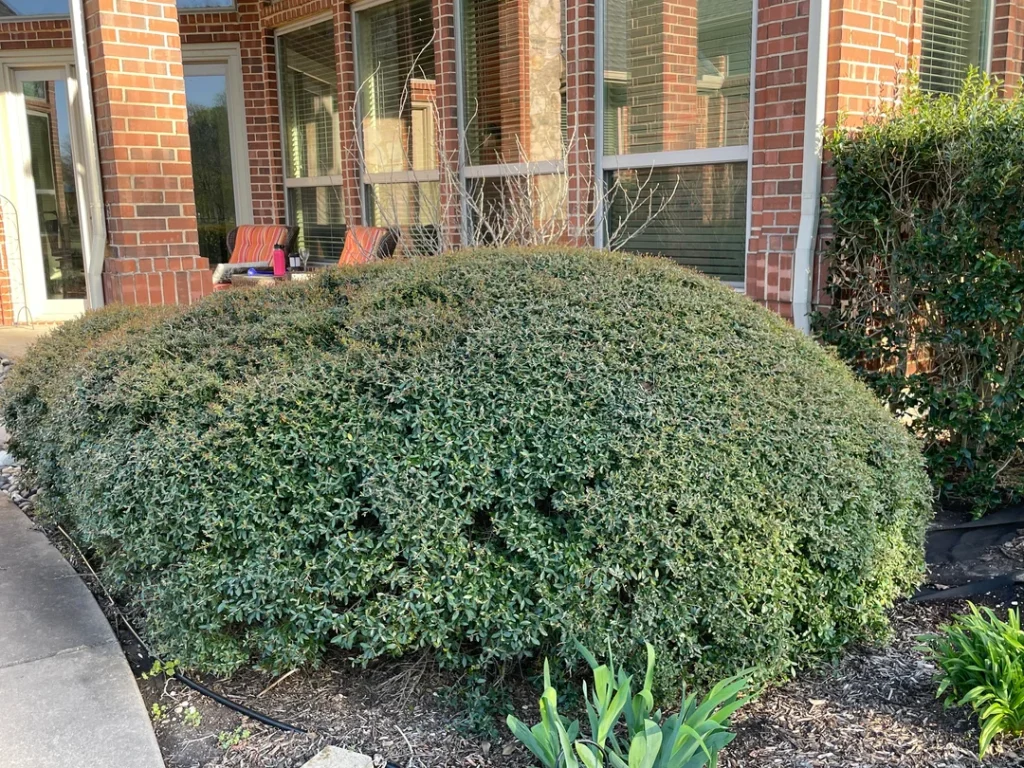
Dwarf Yaupon Holly gives shade gardens structure, and honestly, every garden needs at least one plant that behaves. It stays compact, keeps its evergreen leaves, and brings a tidy look to beds, borders, and foundation plantings.
I like it near walkways or shaded front-yard areas where you want something clean and dependable.
It does not give you flashy flowers, but it gives you year-round shape. That matters when other plants take winter off like they filed PTO.
This shrub handles part shade well and tolerates tough Texas conditions once established. Use it when you want a polished look without signing up for constant drama.
- Height/Width: 3–5 feet tall and 3–5 feet wide
- Bloom Color/Season: Small white flowers in spring; ornamental berries on female plants
- Water Needs: Low to moderate once established
9. River Fern
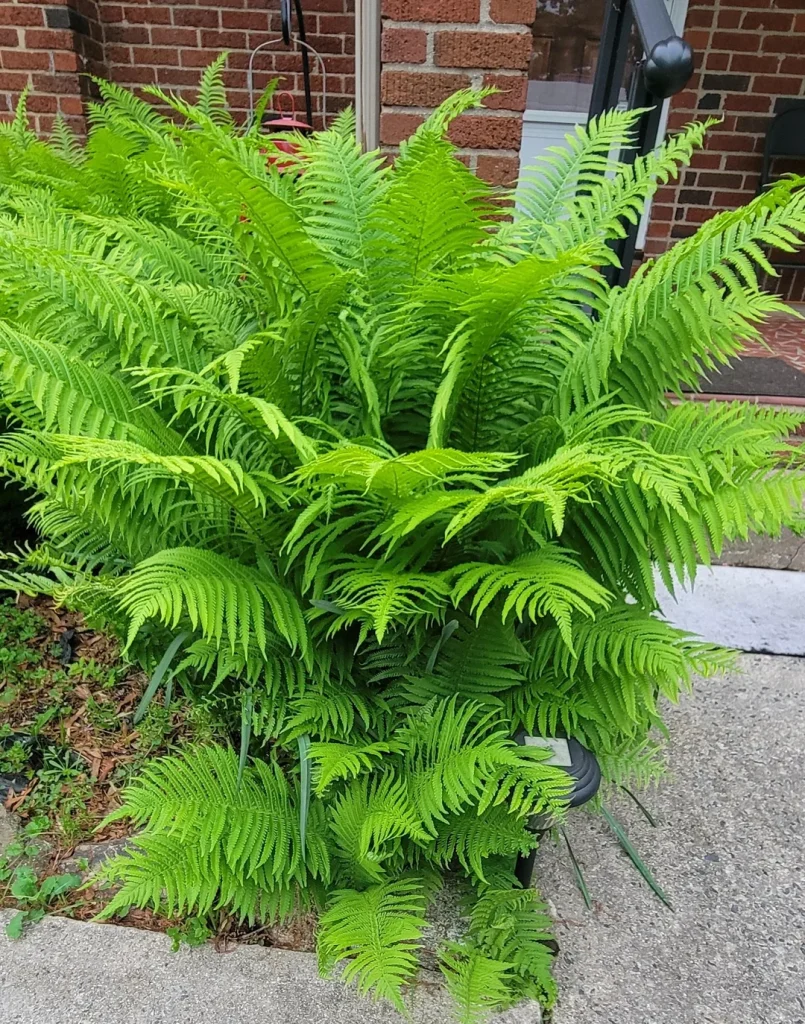
River Fern makes a shaded Texas garden feel cooler almost instantly. Its soft green fronds bring that woodland look that says, “Yes, this corner has its life together,” even if the rest of the yard disagrees.
I like River Fern in moist shade, especially near low spots, shaded borders, or areas that get a little extra water. It looks best when you group several together instead of planting one lonely fern and expecting magic.
This plant does need more moisture than tougher dry-shade plants. So, don’t put it under a thirsty live oak and then act shocked. Give it decent soil and steady moisture, and it rewards you with lush texture.
- Height/Width: 1–3 feet tall and 1–3 feet wide
- Bloom Color/Season: Non-flowering
- Water Needs: Moderate to high
10. Coralberry
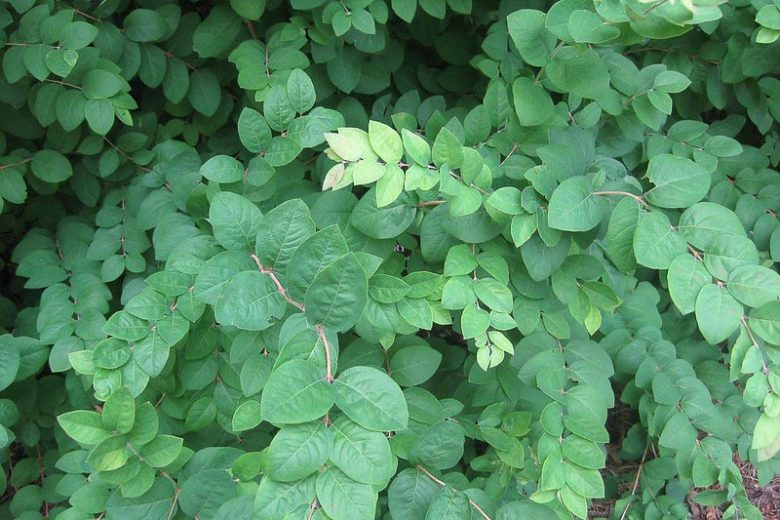
Coralberry gives you a native shrub with quiet charm. It does not shout for attention, but it adds soft greenery, small flowers, and pretty berries that help a shade garden feel layered and natural.
I like Coralberry under trees or along woodland edges where you want a relaxed, wildlife-friendly look. Birds enjoy the berries, and the plant handles part shade better than many ornamental shrubs that look great at the store and sad by August.
This shrub works well when you want something informal. It will not give you a clipped, luxury-hotel hedge vibe. It gives you a “Texas nature knows what it’s doing” vibe, which I honestly prefer.
- Height/Width: 2–4 feet tall and 3–5 feet wide
- Bloom Color/Season: Small pinkish-white flowers in spring to summer; coral-pink berries in fall
- Water Needs: Low to moderate once established
11. Southern Wood Fern
Southern Wood Fern brings dependable texture to shaded Texas gardens. It has that soft, leafy look people want from ferns, but it handles warm Southern gardens better than many delicate options.
I like it in shaded beds, woodland borders, and north-side planting areas. It pairs beautifully with sedges, columbine, and beautyberry because it fills the middle layer without stealing the whole show. Some plants understand teamwork. Shocking, I know.
Give Southern Wood Fern decent moisture and protection from harsh afternoon sun. It looks especially good near patios or shaded walkways where you can actually enjoy the detail up close.
- Height/Width: 2–4 feet tall and 2–3 feet wide
- Bloom Color/Season: Non-flowering
- Water Needs: Moderate
12. White Mistflower
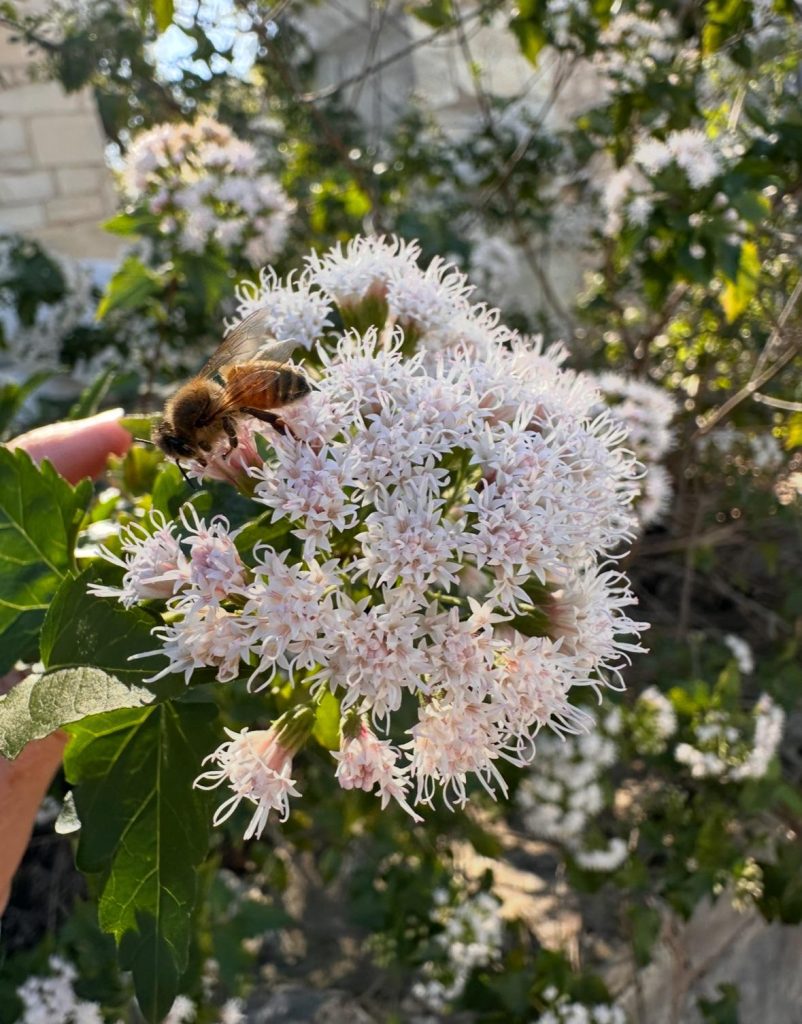
White Mistflower earns its place if you want shade-friendly blooms that also help pollinators. Its fluffy white flowers look light and airy, and they bring butterflies into the garden like you sent out invitations.
This plant prefers part shade, especially where it gets some gentle morning light.
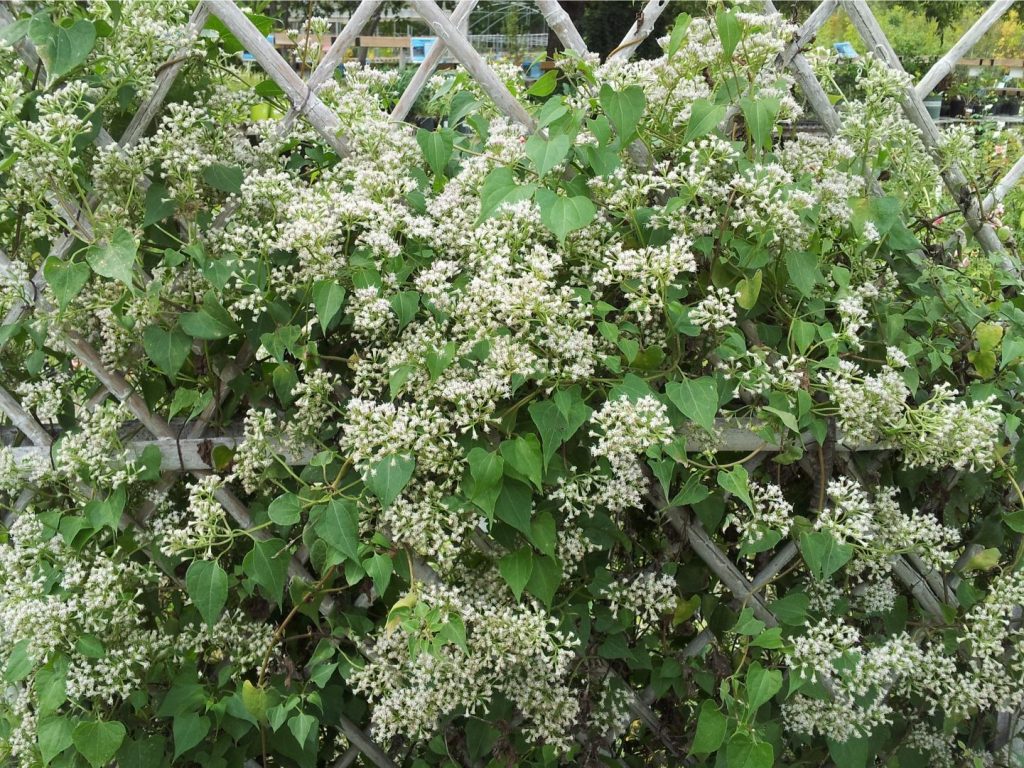
I like it near garden edges, informal borders, or areas where you want late-season interest. It can spread, so give it space and don’t panic when it acts confident.
White Mistflower also works nicely in fall garden scenes. Pair it with berries, grasses, or natural mulch, and you get a softer version of outdoor fall decor ideas without buying another fake pumpkin.
- Height/Width: 2–3 feet tall and 2–3 feet wide
- Bloom Color/Season: White blooms in late summer to fall
- Water Needs: Moderate
13. Gregg’s Mistflower
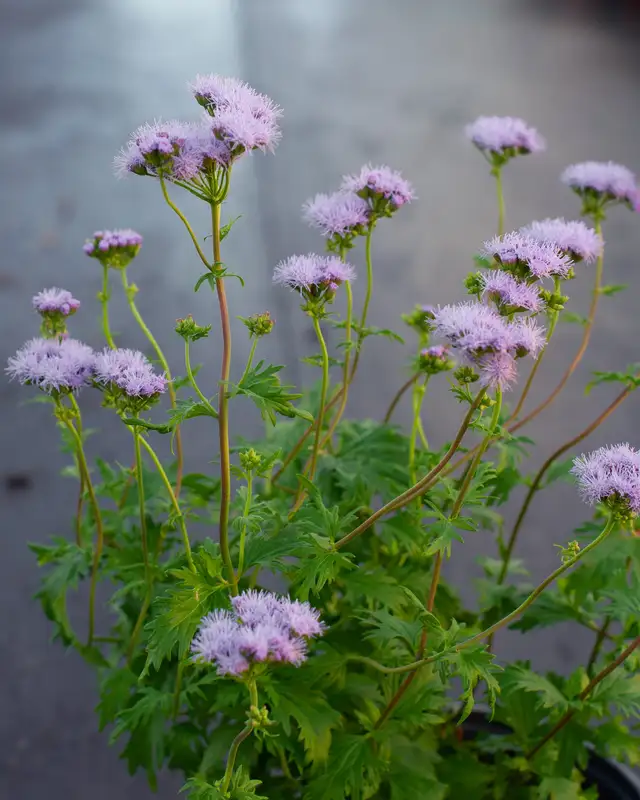
Gregg’s Mistflower brings soft purple-blue color to part-shade gardens, and butterflies absolutely show up for it. If your garden needs movement, this plant helps turn a quiet corner into a tiny pollinator café.
I like it near walkways, fence lines, or mixed borders where it can spread a little. It has a relaxed habit, so don’t plant it if you want everything standing like soldiers in a parade. Let it mingle.
Gregg’s Mistflower works especially well when you want late-season color. It also pairs nicely with outdoor fall decor ideas because the blooms add a natural autumn mood without looking forced.
- Height/Width: 1–2 feet tall and 2–3 feet wide
- Bloom Color/Season: Lavender-blue blooms from summer to fall
- Water Needs: Low to moderate once established
14. Gulf Coast Penstemon
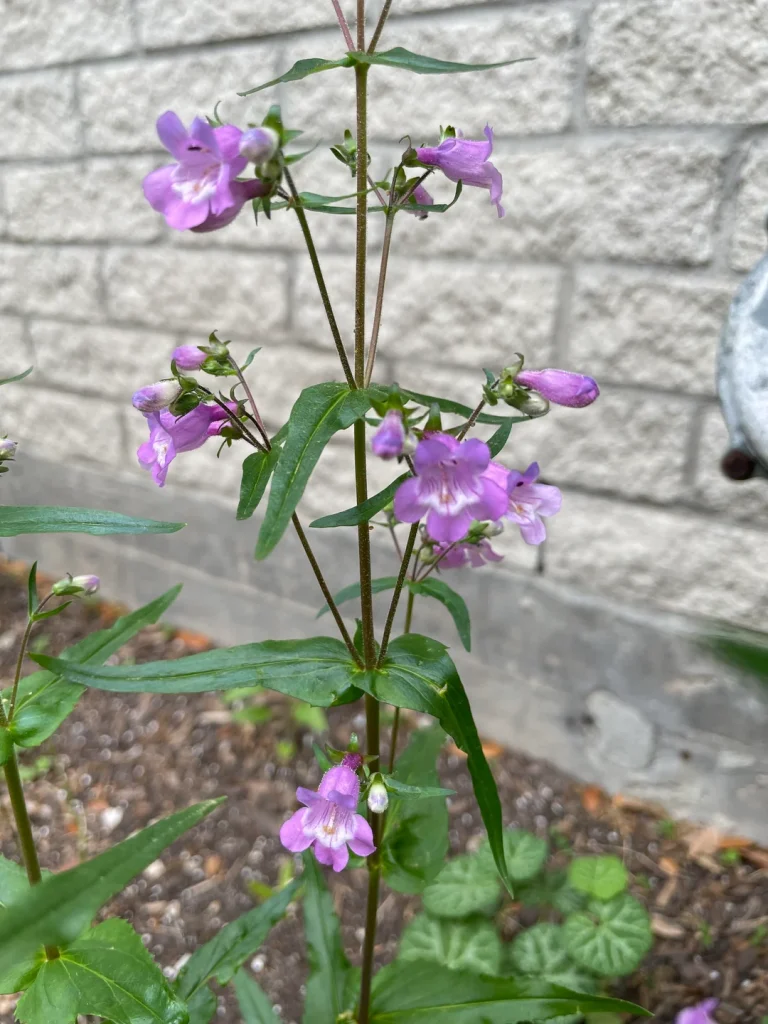
Gulf Coast Penstemon adds spring color with tall flower spikes that look elegant but not fussy. I like plants that bring style without making me read a care manual the size of a novel.
This plant grows well in part shade, especially with morning sun and decent drainage. It brings in hummingbirds and pollinators, so it gives your shaded bed more energy early in the season.
Use Gulf Coast Penstemon in cottage-style beds, native borders, or near patios where you want flowers at eye level. It also mixes well with sedges and ferns because the upright blooms create contrast. That contrast keeps a shade garden from looking flat.
- Height/Width: 1–3 feet tall and 1–2 feet wide
- Bloom Color/Season: Pink to lavender blooms in spring
- Water Needs: Moderate
15. Dwarf Palmetto
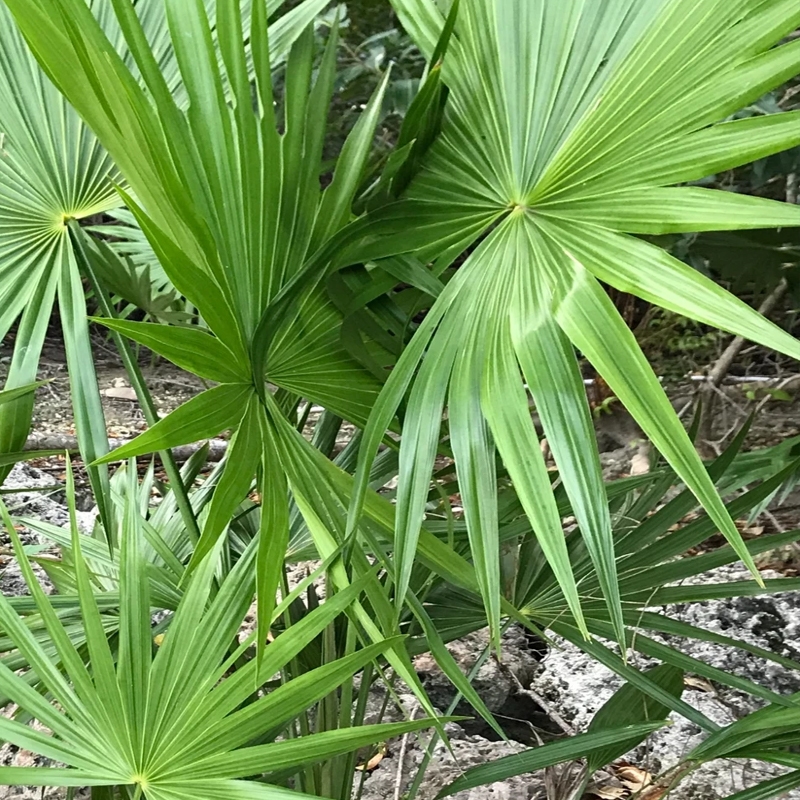
Dwarf Palmetto gives a Texas shade garden a bold, almost tropical feel. It has fan-shaped leaves that make shady corners look intentional instead of forgotten. Honestly, that alone earns it a place on this list.
I like Dwarf Palmetto in larger shade beds, woodland edges, and damp areas where smaller plants might disappear visually. It brings strong structure, so you can use it as a focal point instead of another background plant.
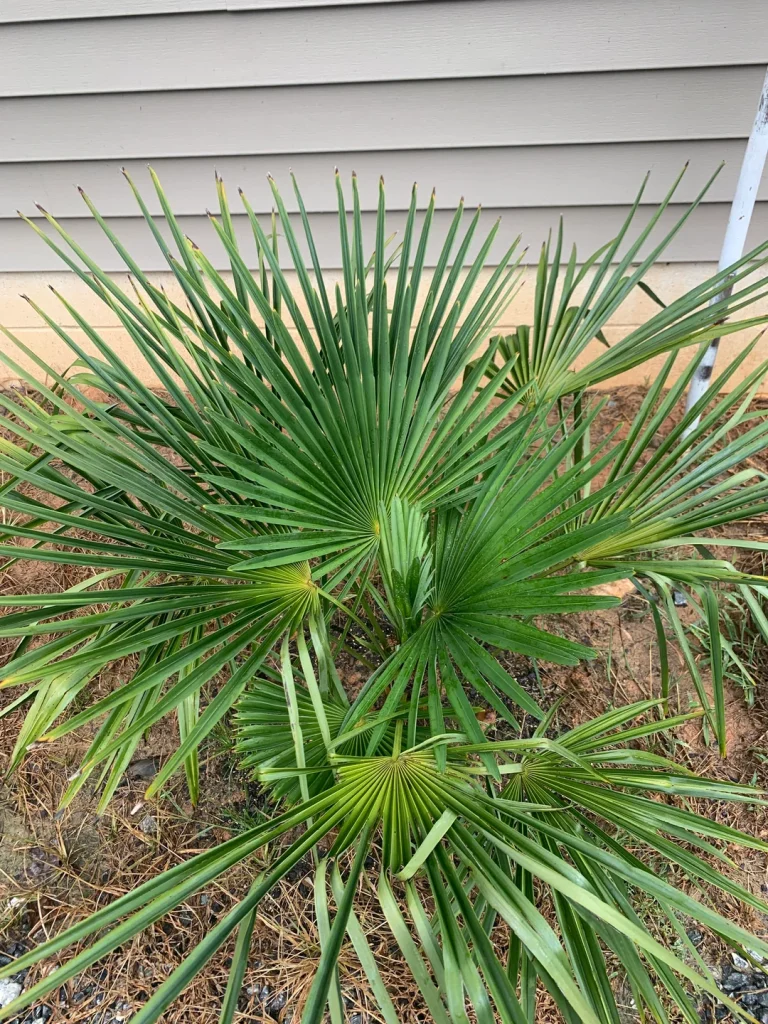
This plant works best when you want evergreen texture and a little drama. It does need space, though. Don’t squeeze it into a tiny bed and then blame the plant for having ambition.
- Height/Width: 3–6 feet tall and 3–6 feet wide
- Bloom Color/Season: Creamy white flowers in spring to summer
- Water Needs: Moderate
Conclusion: Build Shade That Actually Works in Texas
Texas shade gardening gets easier when you stop fighting the yard and start choosing plants that fit the space. Turk’s Cap, Texas Sedge, Inland Sea Oats, American Beautyberry, and Dwarf Palmetto all bring something useful to the table.
Some give color. Some cover bare ground. Some feed birds, butterflies, and hummingbirds. The best part? They handle Texas conditions better than those “pretty for three weeks” plants we all regret buying.
So start with your shade level, check your soil moisture, and choose plants that match the spot. Your garden does not need perfection. It just needs the right plants, a little patience, and maybe fewer arguments with live oak roots.