10 Most Effective Tomato Trellis Ideas to Provide Support and Style

We’ve all been there: spending hours nurturing those gorgeous tomato plants, only for them to fall over in the wind, get too heavy with fruit, or get tangled in a mess of vines.
The truth is, if you want your tomatoes to thrive and produce all season, a good trellis system is essential.
But choosing the right one can feel like picking the perfect pair of jeans—do you go with something sturdy and reliable, or do you go for style with a dash of flair?
Whatever you choose, it’s important to find the system that works best for your garden’s size, your tomato variety, and—let’s be honest—your patience level.
So, I’m here to help! Whether you’re growing determinate or indeterminate tomatoes, I’ve got the perfect trellis ideas to help your plants grow tall, strong, and fruitful.
Reasons to Use a Tomato Trellis
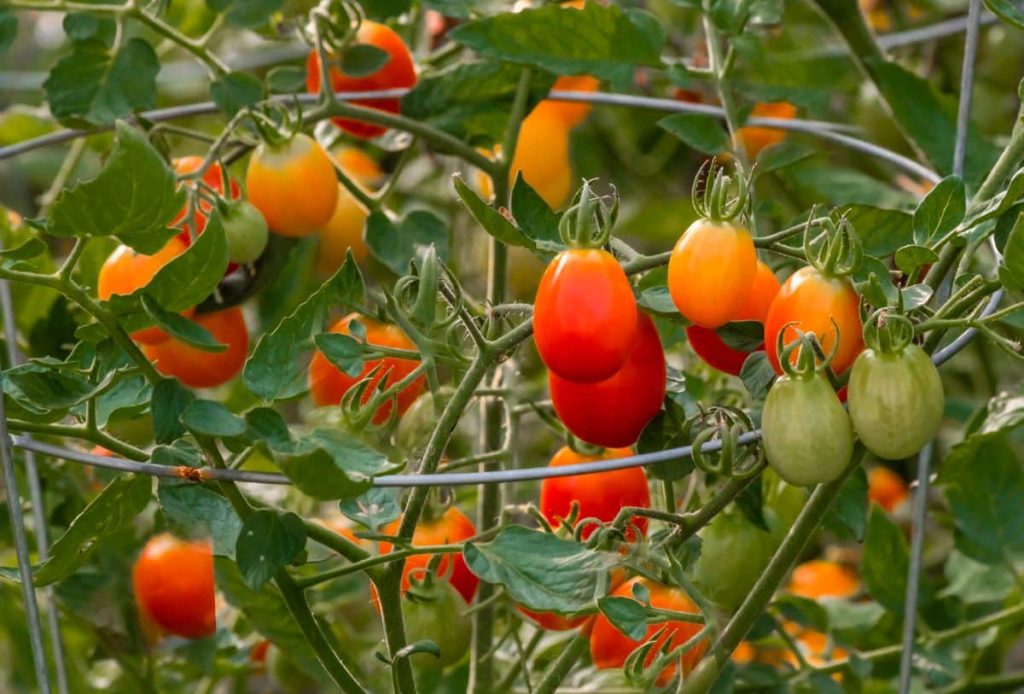
Tomato trellises are more than just fancy garden accessories. They offer a range of practical benefits that will make your tomato-growing experience smoother and more productive.
Here are 4 key reasons to use a tomato trellis:
Supports Healthy Growth:
A trellis gives your tomatoes the support they need to grow upright. Without it, plants can sprawl across the ground, making it harder for them to get the nutrients they need.
Trellises help the plant stay organized, with more access to sunlight, air, and water.
Increases Air Circulation:
Tomatoes need good air circulation to stay healthy. A trellis elevates the plant, keeping leaves and stems off the soil.
This prevents excess moisture, which can lead to diseases like blight. Better airflow means healthier plants and fewer pest problems.
Easier Harvesting
Ever tried picking tomatoes off a tangled mess of vines? It’s a hassle. Trellises keep the tomatoes off the ground and within easy reach.
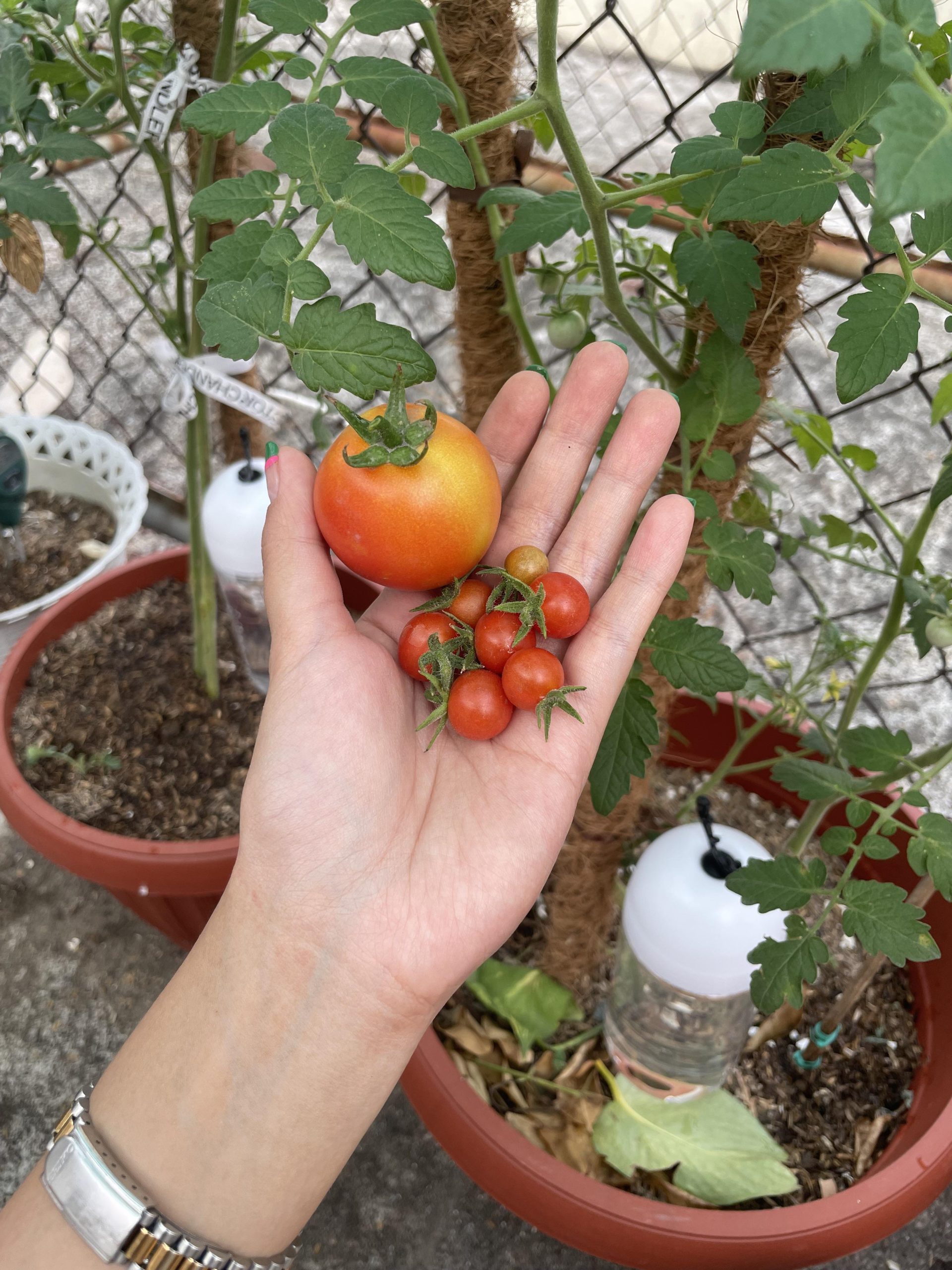
You won’t have to bend down or wade through a jungle of leaves to gather your crop. Less back pain, more tomatoes!
Prevents Disease and Pests
Tomatoes that sit on the ground are more vulnerable to pests and diseases. A trellis lifts the plant off the soil, reducing the risk of rotting or pest infestations.
The height and structure of the trellis act as a barrier, keeping your tomatoes cleaner and healthier throughout the growing season.
Maximizes Space
A trellis allows you to grow vertically, which saves valuable garden space. Instead of letting your tomatoes spread out across the ground, you can train them to grow upward.
This is a real game-changer if you have limited space. More tomatoes in less space!
In short, using a trellis not only keeps your plants in check, but it also leads to a bigger harvest and healthier tomatoes. What’s not to love?
Understanding Determinate vs. Indeterminate Tomatoes
When choosing a tomato trellis system, understanding the difference between determinate and indeterminate tomatoes is crucial.
The type of tomato you grow will influence the kind of trellis you need and how you’ll support your plants.
Determinate Tomatoes
These tomatoes, often called “bushy” varieties, grow to a fixed size. They set all their fruit at once and stop growing.
You’ll typically see them at around 2–4 feet tall. Common varieties include Roma and Bush Early Girl. Since determinate tomatoes stop growing once they’ve set fruit, they don’t need a huge amount of support.
A simple cage or low stake system will work well for these varieties. They’re great for smaller spaces and produce a more concentrated harvest.
Indeterminate Tomatoes
Indeterminate tomatoes, like Beefsteak and Cherry tomatoes, grow continuously throughout the season.
They can reach 10–12 feet tall, especially when properly supported. These tomatoes produce fruit over a longer period, requiring stronger support as they continue to grow.
Trellises are ideal for indeterminate tomatoes, as they help manage the plant’s height and provide much-needed support for the long vines.
Why It Matters
The type of tomato you grow determines how much space and support you’ll need. Indeterminate varieties will need taller trellises with robust vertical support because they keep growing and producing fruit all season.
Determinate varieties, on the other hand, don’t need as much height or constant support, making them easier to manage with shorter or simpler trellis systems.
Knowing your tomato type will help you choose the right trellis, ensuring your plants grow properly, stay healthy, and yield the best possible harvest.
10 Best Tomato Trellis Ideas for Massive Harvests
1. The Classic Stake-and-Twine Method
What’s it all about?
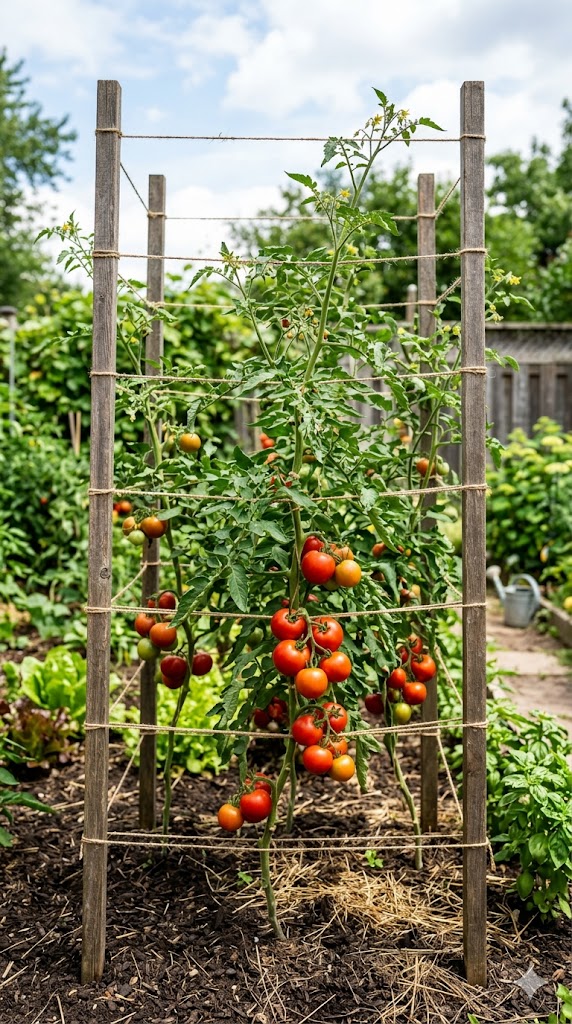
If you’re looking for simplicity, look no further than the stake-and-twine method. This is the classic setup that every gardener has probably tried at least once.
It’s exactly what it sounds like—stakes (usually wooden or metal) are driven into the ground next to each plant, and twine or garden string is tied from stake to stake to create a vertical grid.
The tomatoes are then gently trained to grow upward, with their branches supported along the twine.
Why it works:
This setup is cost-effective, customizable, and works wonders for indeterminate varieties, which love to sprawl.
Not to mention, it’s relatively easy to set up and maintain. Seriously, you’ll be amazed at how quickly your tomatoes will start climbing, giving you a neat and organized garden. No more tripping over messy vines!
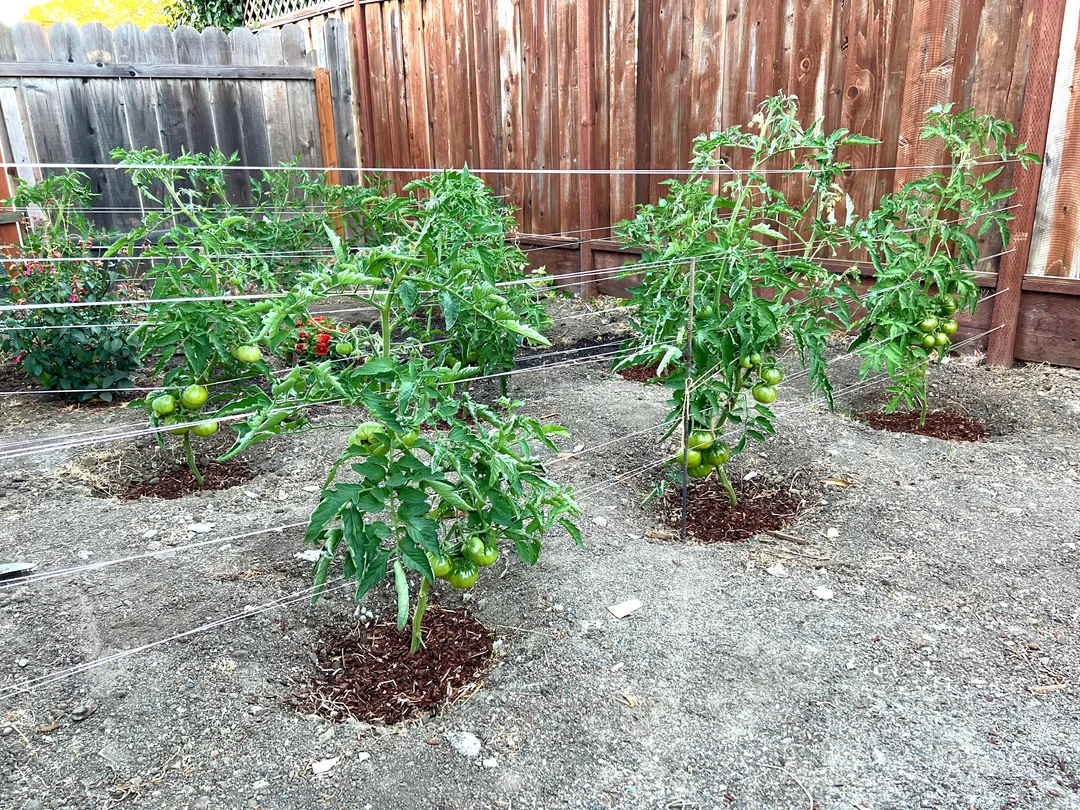
2. Florida Weave Trellis: A Tomato’s Best Friend
What’s it all about?
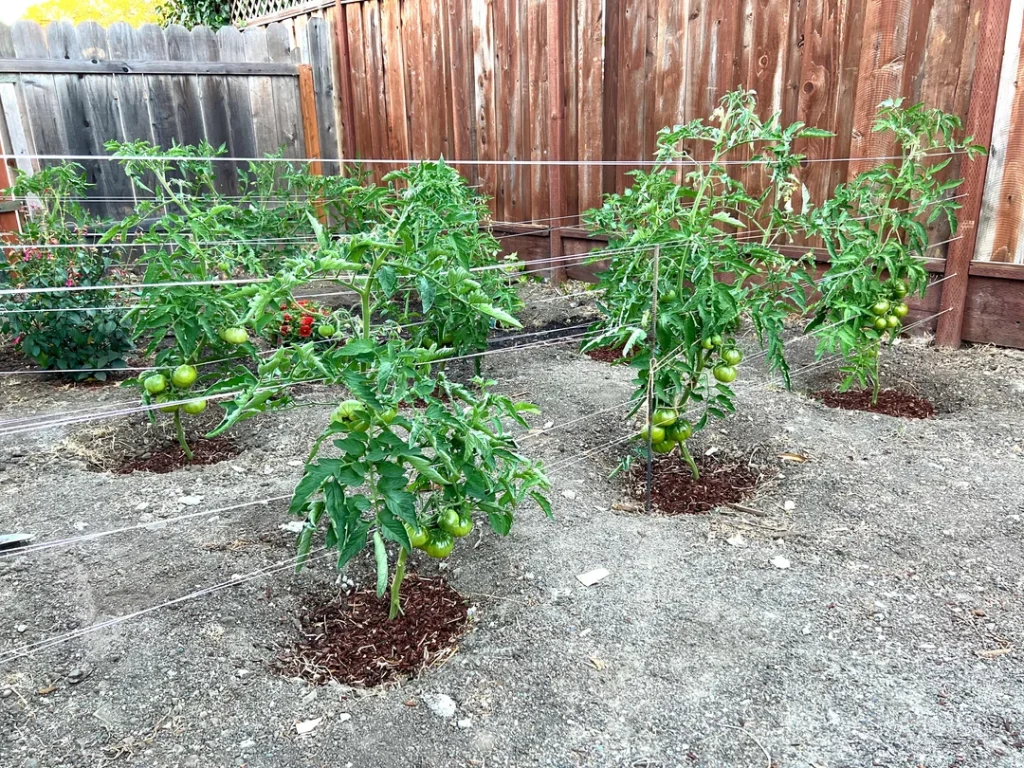
The Florida weave is a bit like a party for your tomatoes. It involves setting up tall stakes (usually around 5–6 feet) and weaving string horizontally around the plants every few inches.
As the plants grow, you continue weaving more twine around them to help keep them upright.
Why it works:
The Florida weave system is ideal for row planting and works particularly well with indeterminate tomatoes.
It’s great for those of us with limited space—this method grows tomatoes vertically, so you get more fruit in a smaller footprint.
Plus, it’s like giving your plants a hug; they feel supported, and the twine keeps them in place through any weather.
3. DIY Bamboo Trellis: Chic and Green
What’s it all about?
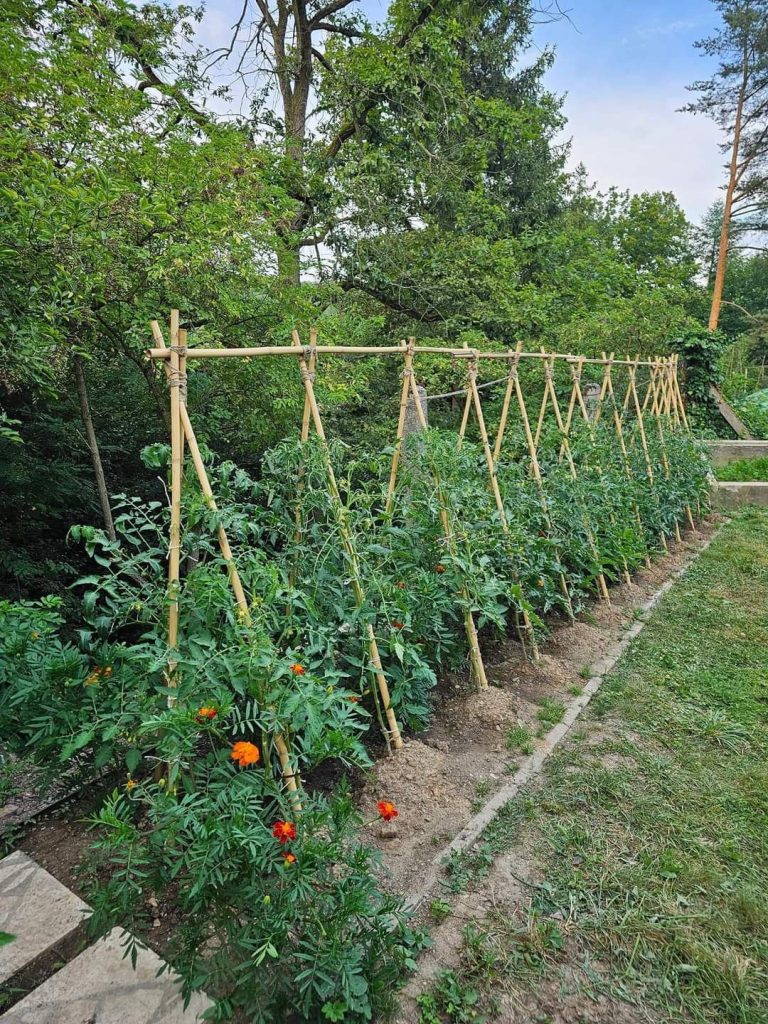
Bamboo is a super sustainable material, and it just so happens to make a fabulous trellis for tomatoes! You can make a simple A-frame trellis by securing bamboo poles at an angle to form a triangular shape.
Alternatively, go for a grid design by staking bamboo poles in the ground and connecting them horizontally with more bamboo.
Here’s a quick video guide of making A-frame trellis:
Why it works:
It’s eco-friendly, stylish, and surprisingly sturdy for how light bamboo is. If you’re going for a rustic vibe in your garden (who isn’t?), this trellis will do wonders.
Plus, it’s easy to assemble, and your tomatoes will appreciate the vertical space to grow. FYI, bamboo can grow just about anywhere, so you’re basically giving your garden a little piece of nature.
4. Cattle Panel Trellis: Strong and Stable
What’s it all about?
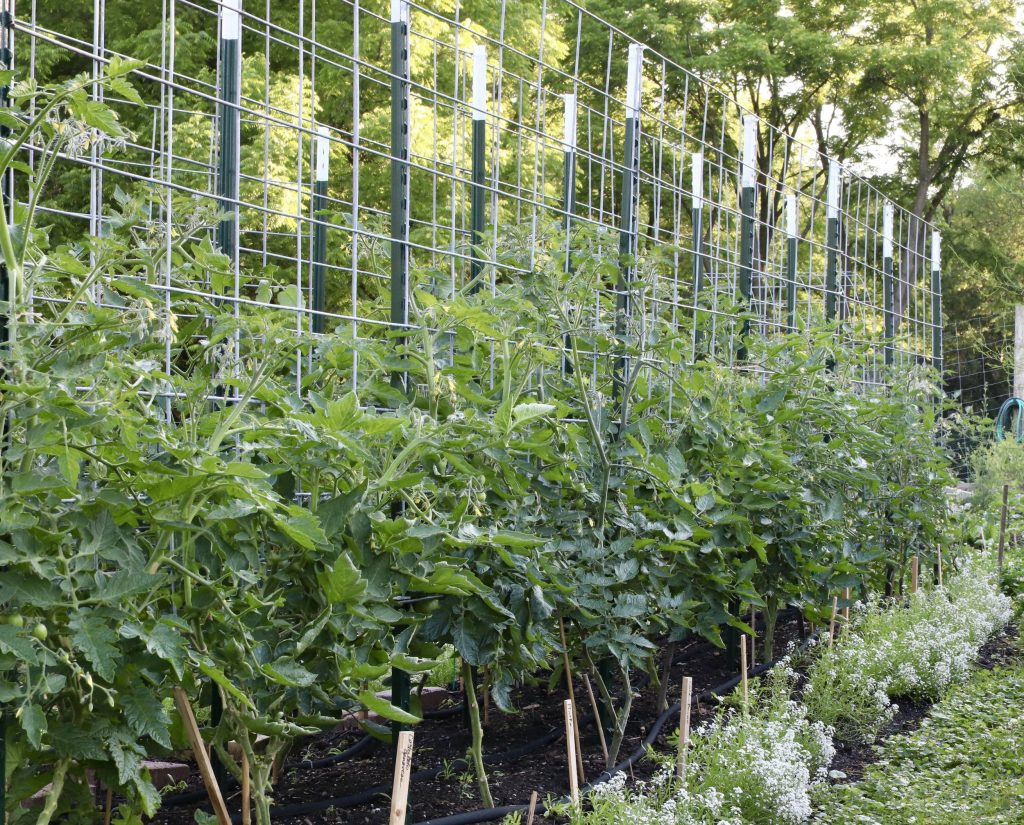
Got a big garden and a lot of tomatoes to support? The cattle panel trellis is the solution for you. These heavy-duty, wire panels (often used for livestock fencing) are surprisingly perfect for tomatoes.
You can bend the panel into an arch or secure it vertically against a sturdy frame to give your plants ample space to climb.
Why it works:
Cattle panels are incredibly strong, so they can handle the weight of indeterminate tomatoes as they grow taller and heavier with fruit.
They also allow for lots of airflow around your plants, which is a bonus for preventing disease.
Plus, the wire grid is large enough that it makes harvesting super easy—your tomatoes practically fall right into your hands!
5. Vertical String Trellis: Lean and Green
What’s it all about?
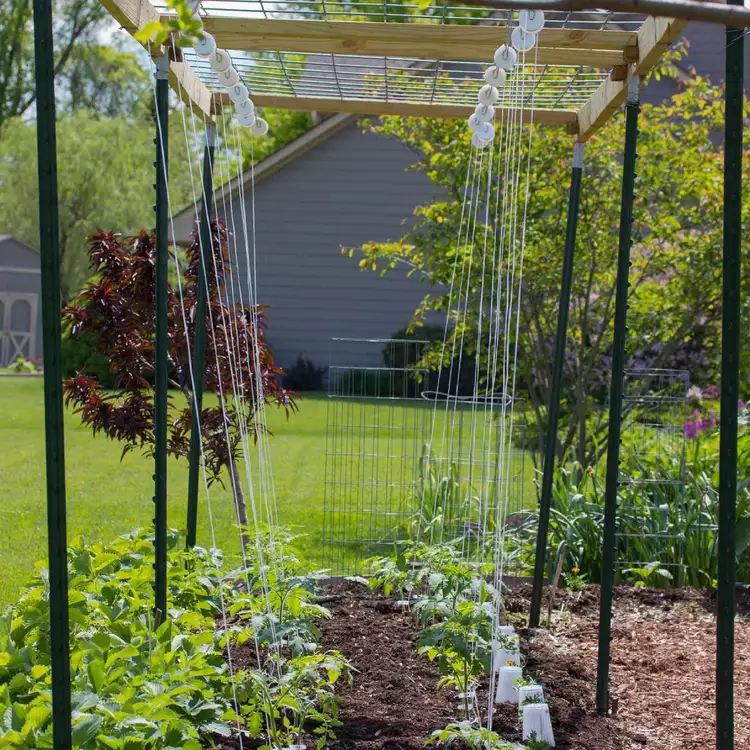
This method is one of the simplest but surprisingly effective ways to support tomato plants.
Essentially, it involves setting up a frame (wooden posts or a sturdy trellis) and running vertical strings down to support the plants.
You’ll tie the tomatoes to the strings as they grow, keeping them upright and tangle-free.
Why it works:
It’s super affordable and doesn’t take up much space—great if you’re gardening in a small area.
If you’re a beginner gardener, this is a wonderful place to start.
It’s low-maintenance, and the system can be expanded to accommodate more plants as you gain experience.
6. Tomato Cage Trellis: Classic and Reliable
What’s it all about?
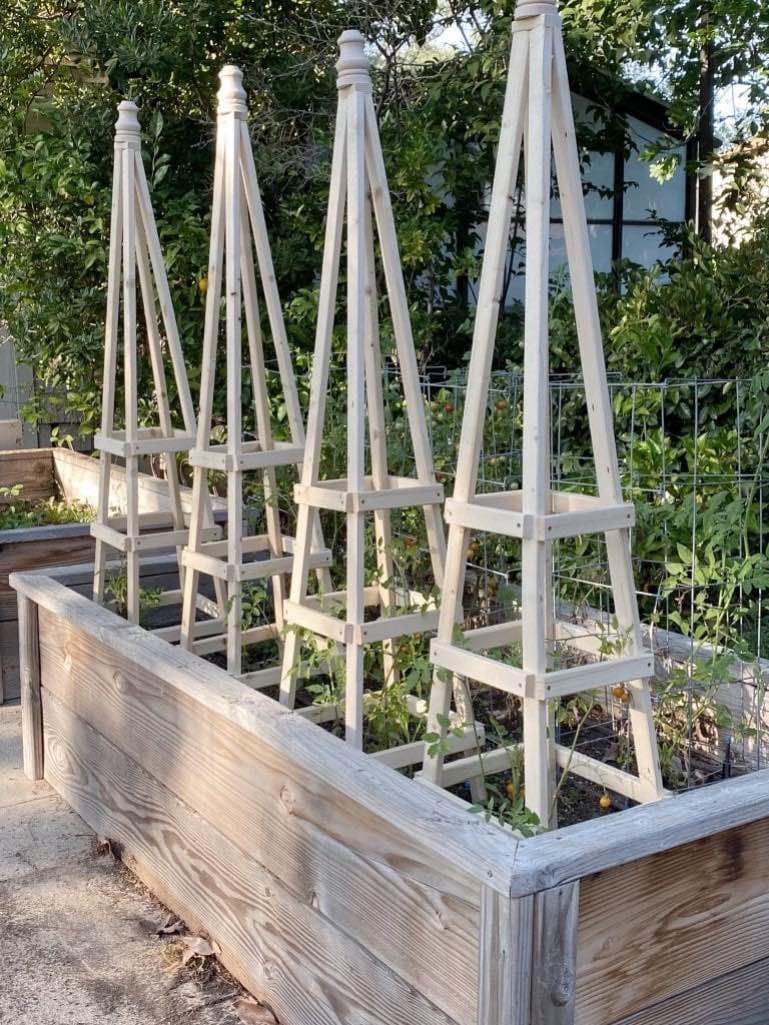
Sometimes the classics just work, and the tomato cage is one of those classics.
These round, wire cages are designed to fit around tomato plants, giving them support from all sides. For extra height, you can stack multiple cages together.
Why it works:
Cages are easy to find at most garden stores, and they provide consistent, all-around support for tomatoes. Plus, they keep your plants contained and organized, reducing the chances of them sprawling out of control.
If you’re growing determinate tomatoes (those bushy varieties), this is the way to go. It’s reliable, and if you need something quick and simple, tomato cages will never let you down.
7. The Arched Trellis: For Maximum Drama
What’s it all about?
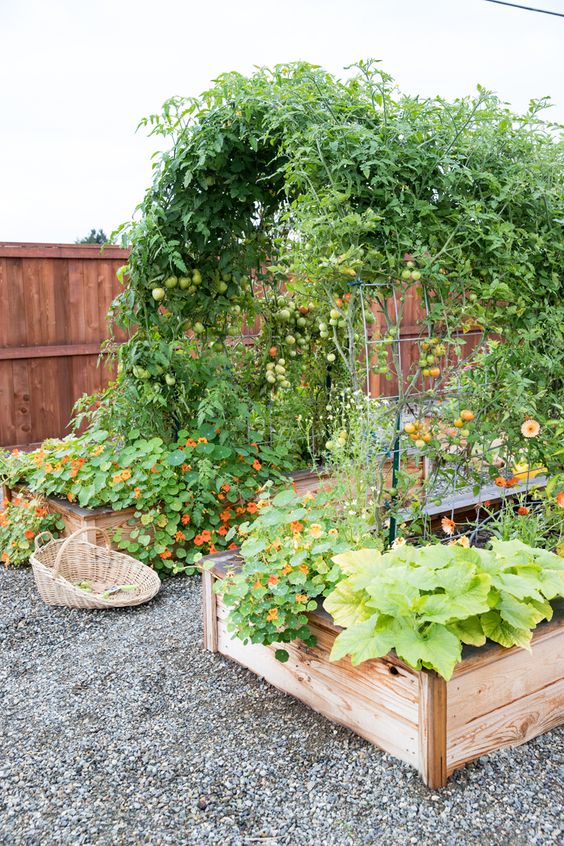
Want a trellis that looks like it belongs in a fairy tale garden? Consider the arched trellis.
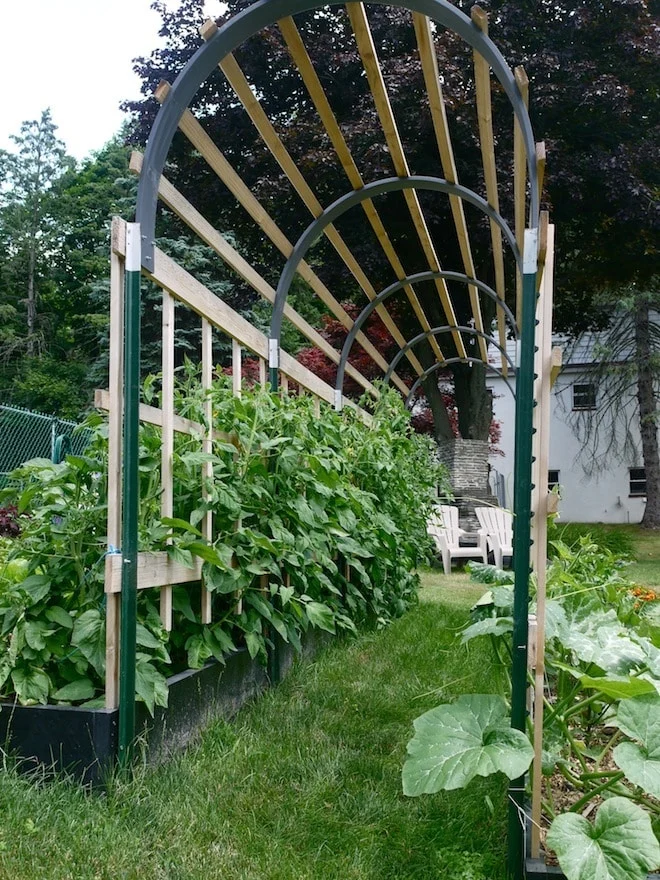
This arch is made from wood, PVC, or even metal and is installed across the top of your tomato plants. Tomatoes are trained to grow up and over the arch, creating a striking, vertical effect.
Why it works:
Not only does this trellis add a dramatic, garden-centerpiece vibe, but it also provides strong vertical support for your plants.
The arch creates a sense of elegance in your garden while giving your tomatoes ample space to grow.
If you’re into aesthetic gardening (guilty), this one’s a winner.
8. Recycled Materials Trellis: Sustainability Meets Creativity
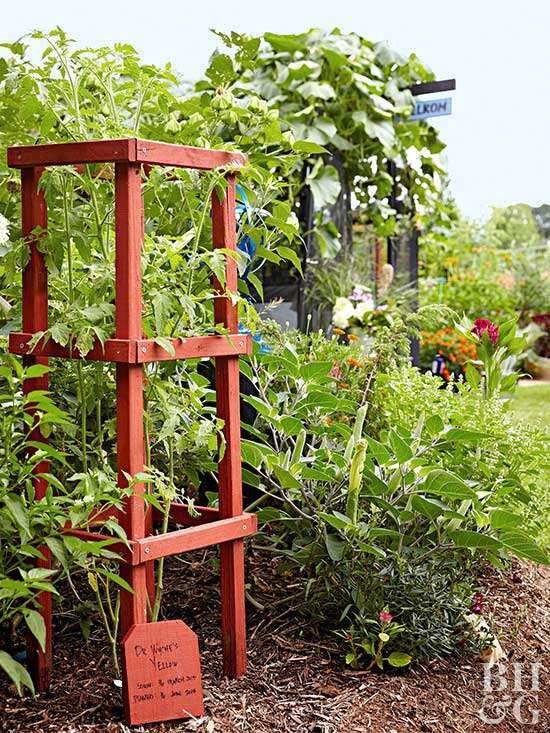
What’s it all about?
Who says your trellis has to be bought from a store?
Repurpose old materials like wooden pallets, ladders, or even fencing to create a unique, eco-friendly trellis.
The beauty of this option is that you get to get creative with what you have laying around the house.
Why it works:
This is the perfect trellis for DIY lovers and those who want to cut down on waste. Not only is it cost-effective, but it’s also highly customizable.
Whether it’s a weathered ladder or an old pallet, you can give your materials new life in the garden.
9. PVC Pipe Trellis: Light, Strong, and Easy to Assemble
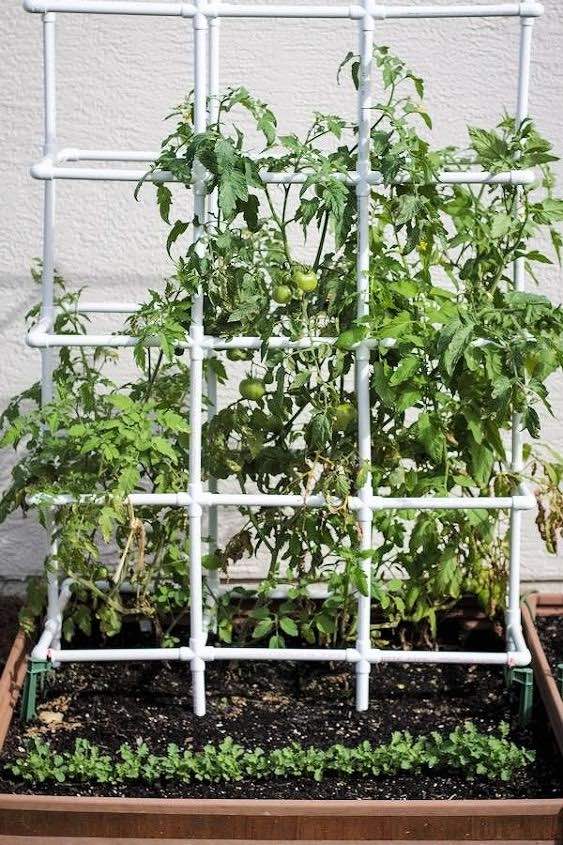
What’s it all about?
PVC pipe trellises are lightweight, easy to assemble, and surprisingly sturdy. You can build a simple frame using PVC pipes and support the plants with twine or strings.
The pipes can be cut to different lengths, making it easy to adjust for your garden’s needs.
Why it works:
PVC is affordable, durable, and weather-resistant, making it an excellent choice for a long-lasting trellis system.
Plus, PVC is incredibly easy to work with, so you won’t need special tools to get started. If you’re after a modern, minimalist look, this trellis fits right in.
How to Secure Your Trellis Against Wind
Wind can be a serious threat to your tomato trellis, especially if you live in a gusty area. A sturdy trellis is only effective if it’s properly secured.
Here are three of the most secure and effective ways to keep your trellis from toppling over:
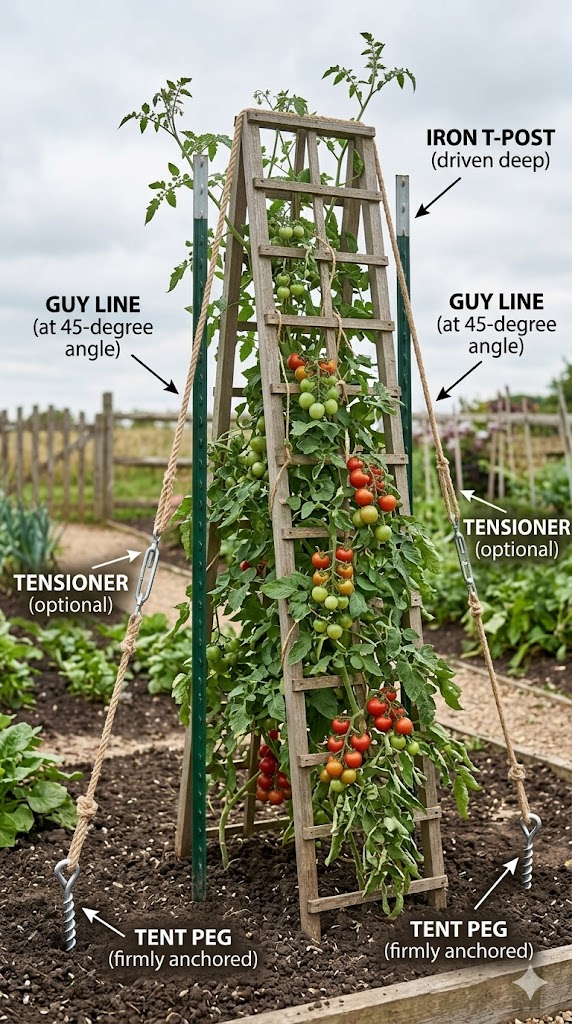
Anchor Trellis with Stakes
One of the easiest ways to secure your trellis is by anchoring it to the ground with extra stakes.
For larger trellis systems, such as an A-frame or Florida weave, drive metal or wooden stakes into the soil at the base of the trellis.
Attach the trellis to these stakes with strong garden twine or zip ties. This ensures the trellis stays firmly in place, even in strong winds.
N.B. You can invest in a high quality Wire Trellis to secure your plant.
Use Guy Wires or Cables
For added stability, consider using guy wires or cables. These are tensioned wires attached at the top or sides of the trellis and anchored to the ground or nearby structures.
You can attach the wire to sturdy posts or ground anchors to provide extra support, keeping the trellis upright during storms.
Guy wires are especially effective for tall or heavy trellis systems.
Weight the Base
Another simple yet effective method is to add weight to the base of the trellis.
You can place large stones, bricks, or even sandbags around the bottom of the trellis to add extra weight and prevent it from tipping.
This works well for lighter trellis systems, like PVC pipe or bamboo frames, that may not have the natural weight of a metal or wooden structure.
By using these methods, you can protect your trellis from wind damage and ensure your tomato plants stay secure, healthy, and thriving all season long.
Why Pruning is Essential for Trellis Success
Pruning is more than just a way to tidy up your plants—it’s a key factor in ensuring your trellis system works efficiently.
Here’s why pruning is essential for trellis success:
Encourages Vertical Growth
Pruning helps direct your plant’s energy upward, rather than letting it spread out too much.
By removing excess branches and leaves, you force the plant to focus on growing taller and filling out the trellis, instead of sprawling uncontrollably.
Improves Airflow
When you prune your tomato plant, you create more space between the stems and leaves, which improves air circulation.
Better airflow means fewer diseases, as it reduces the risk of fungal infections and mold growth.
Maximizes Sunlight Exposure
Pruning opens up the plant, allowing sunlight to reach more parts of the plant. With proper pruning, your tomatoes will receive more light, leading to healthier growth and better fruit production.
In short, regular pruning keeps your tomatoes neat, encourages healthy growth, and helps your trellis system do its job more effectively.
Without pruning, your plants could get too unruly, making it harder for them to thrive and produce fruit.
Final Words
In conclusion, using a trellis for your tomatoes is a game-changer for healthier, more productive plants.
Whether you go for a simple stake-and-twine system or a sturdy cattle panel, the right trellis can support your tomatoes as they grow and help prevent common gardening problems like disease and pests.
Don’t forget the importance of pruning, securing your trellis against wind, and understanding the difference between determinate and indeterminate varieties.
With the right setup, you’ll enjoy a bountiful tomato harvest all season long. Happy gardening, and may your tomatoes grow tall and strong!