How & When to Prune Your Christmas Cactus Plant

Pruning a Christmas cactus feels wrong at first. You spend months keeping it alive. Then someone tells you to snap pieces off.
I understand the worry. But I’ve seen what happens when you skip it. The plant grows long and stringy. The flowers sit only at the far tips.
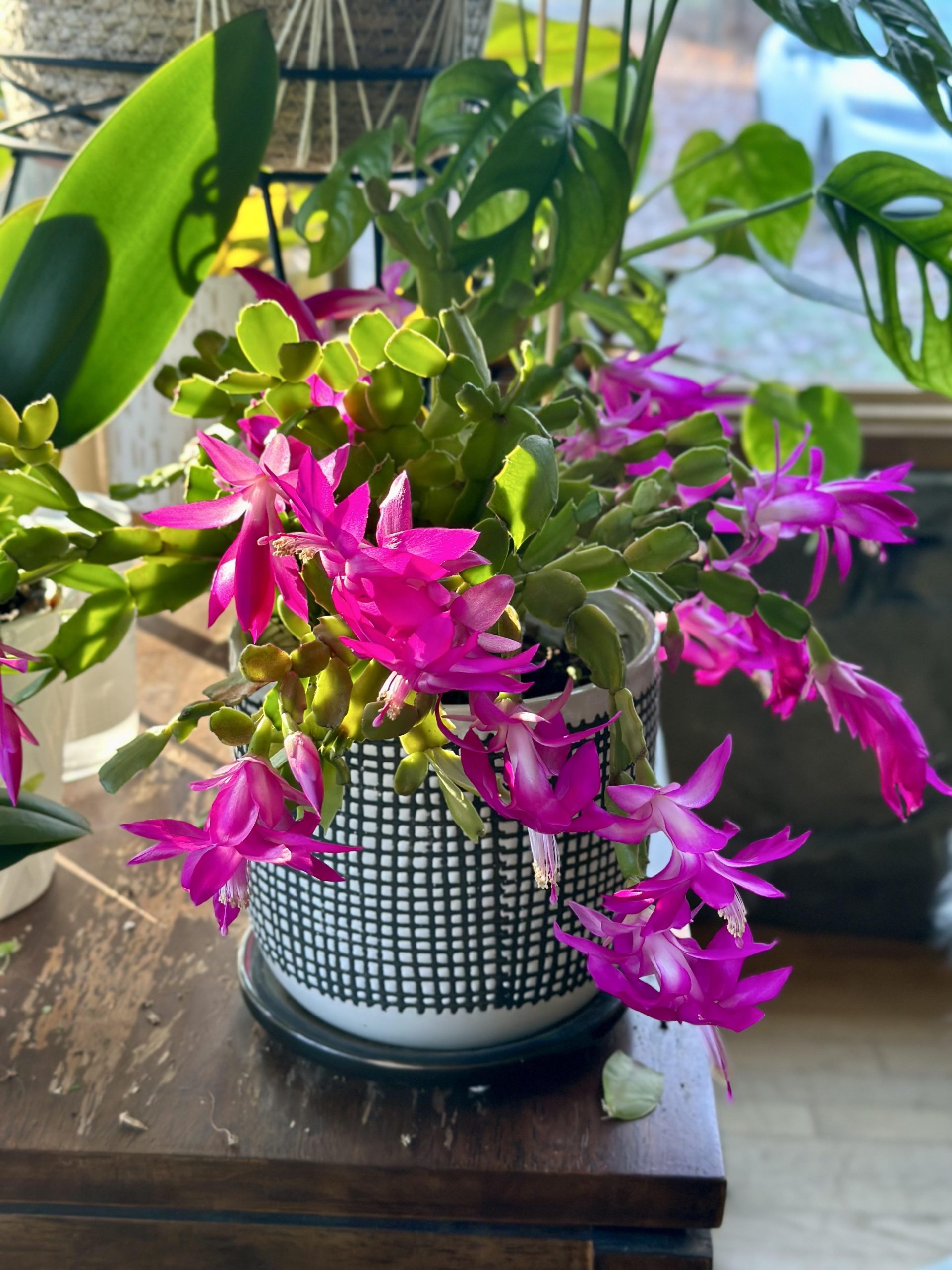
A pruned plant looks completely different. It grows full and bushy. It carries flowers all over.
In this guide, I’ll show you when to prune, where to cut and how much to take.
I’ll also show you how to match your cuts to your plant’s problem. That’s the part most guides skip.
Also read: How to Repot a Christmas Cactus Without Killing the Blooms
Why Pruning Gives You More Flowers
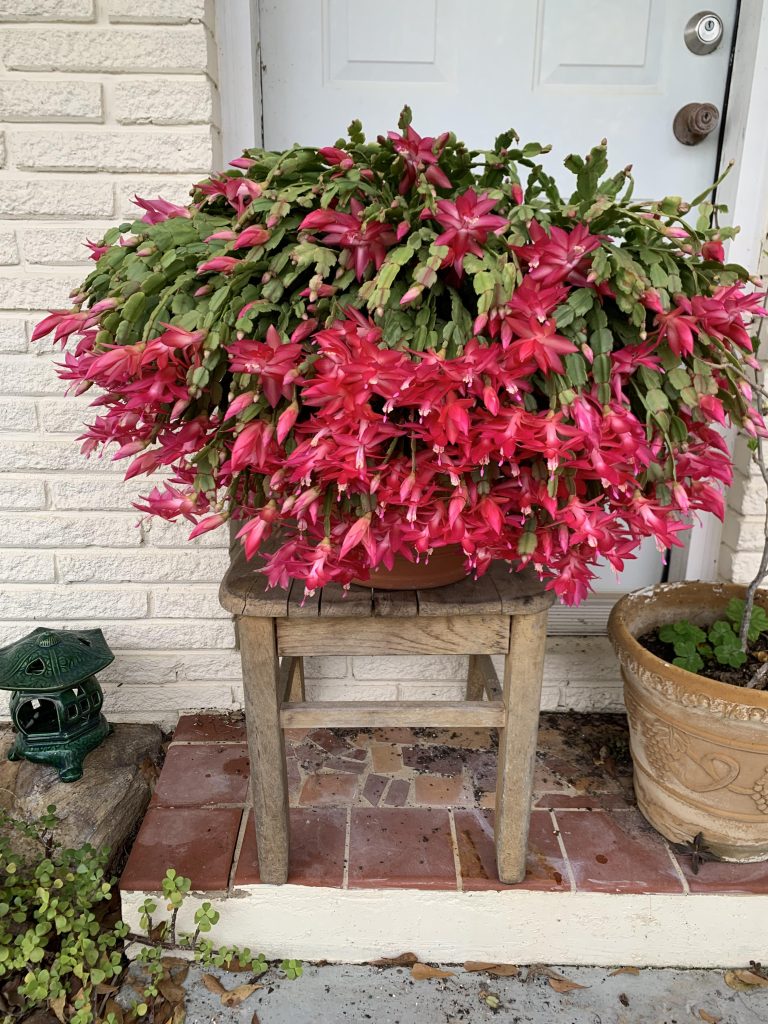
Flowers form at the tips of the stems. Each tip can make a bloom.
When you remove a segment, the plant grows new branches from that spot. One tip becomes two. Two become four. So more branching means more tips.
And more tips mean more flowers.
Pruning helps in other ways too.
- Better airflow. Air moves through the stems instead of getting trapped inside.
- Better light. Sun reaches the inner parts of the plant.
- Less weight. Older stems turn woody over time. Trimming the top takes strain off them.
- A fresh start. A leggy plant fills in and looks healthier.
You don’t have to prune. An unpruned plant can still live for years. But if you want a fuller plant and more blooms, pruning is the easiest fix.
Read more: How to Propagate Christmas Cactus in Water
The Best Time to Prune (Your Pruning Calendar)
Timing is where most people get confused. You’ll read “prune after blooming” in one place. Another says “prune in spring.” A third says “prune in late summer.”
They all have a point. Your plant follows a yearly cycle. You can prune at more than one stage. What matters is that you finish before the plant starts making buds.
I use two windows.
Window 1: After Blooming and Into Early Spring (Best for Real Pruning)
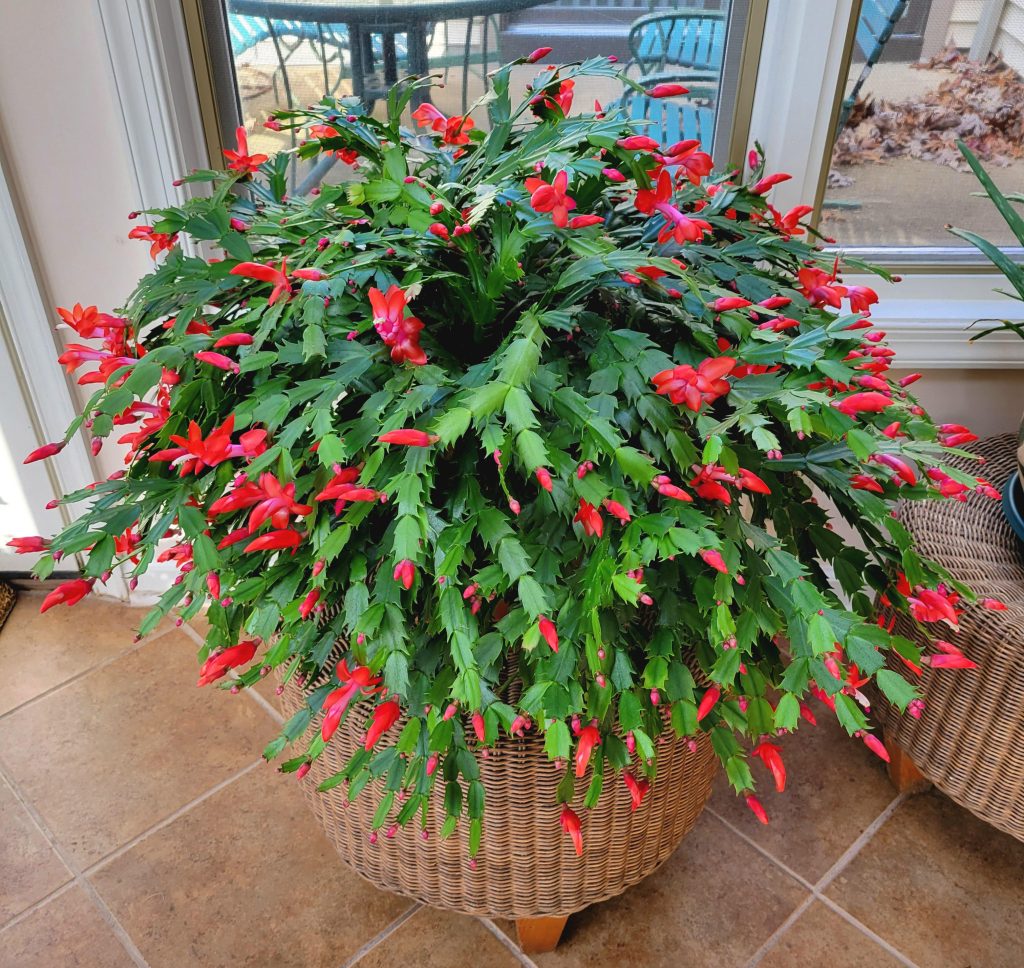
Your plant rests after it flowers. Then it starts growing again in early spring. Prune at the end of that rest, just before the growth burst. New branches then sprout right where you cut.
This is the best time for bigger cuts. Use it if your plant is leggy, crowded or overgrown.
Window 2: Late Summer (Light Trimming Only)
Some growers tidy their plants in early September. This works if you only shorten long chains of segments. It also pushes the flowers into a smaller, fuller shape.
Keep it light. The plant needs time to recover before bud season starts.
The No-Prune Zone: Fall Until Bloom Time
Buds start forming in fall. If you cut now, you cut off flowers. Spot buds on your plant? Wait until spring.
Here’s a simple way to remember it.
| Season | Should You Prune? |
|---|---|
| After blooming | Yes |
| Early spring | Yes (best time for bigger cuts) |
| Summer | Light trims only |
| Early September | Light trims only |
| Fall, with buds forming | No |
| Winter, while blooming | No |
Read Your Plant First: Prune by Problem
Don’t grab your scissors yet. Look at your cactus first. Turn it slowly. Then match it to one of these four problems.
The Leggy Plant
You see long chains of single segments. Few side branches. The plant looks stretched and thin.
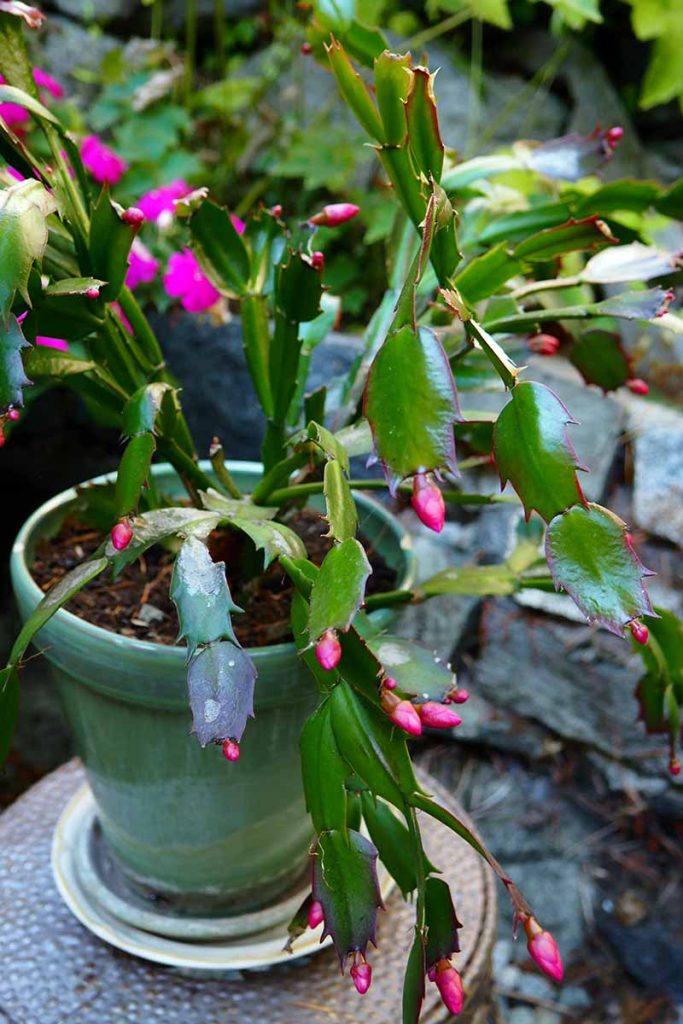
The fix: Cut each long chain back. Aim for a spot where two segments grow from one joint. This forces the plant to branch. Over time, it fills in.
The Crowded Plant
The middle looks dense. Lots of small, weak stems are tangled together. Air can’t reach the soil.
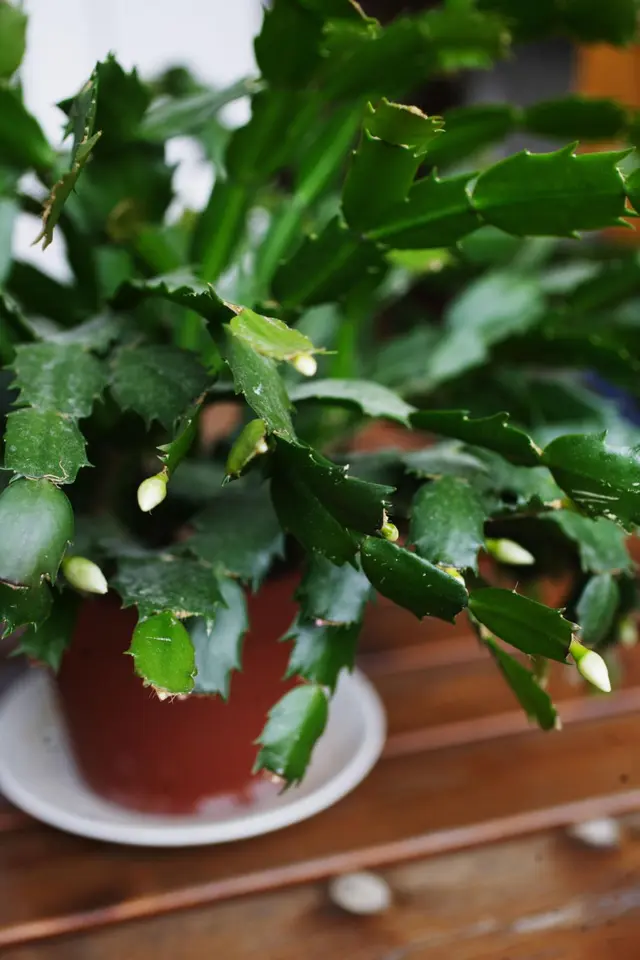
The fix: Thin the inside. Remove the small, weak segments first. Leave the strong ones. This opens up the plant and lowers the risk of rot.
The Lopsided Plant
One side is huge. The other side looks bare.
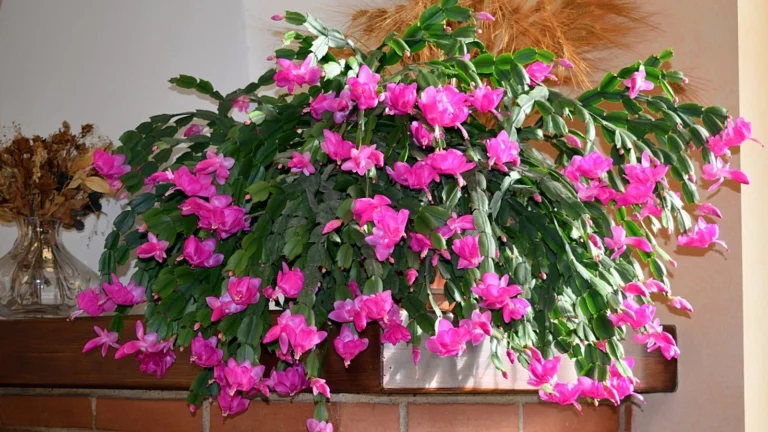
The fix: Trim the long side lightly. Then turn the pot a quarter turn each week. All sides get equal light, and the plant grows more evenly.
The Old, Woody Plant
The base has thick, brown stems. They look tough and bark-like.
The fix: Don’t cut into the woody parts. Trim only the soft green growth on top. This lightens the load and keeps the plant from cracking under its own weight.
How to Prune Christmas Cactus ( Step By Step)
Tools You’ll Need
You don’t need much. Here’s my short list.
- Your clean hands
- Sharp scissors or small pruning snips
- Rubbing alcohol
- A small tray for the cuttings
Sharp tools matter. Dull blades crush the stems. Crushed stems invite rot.
Wipe your blades with rubbing alcohol before you start. This keeps disease away from the fresh cuts.
How to Prune a Christmas Cactus, Step by Step
Pruning takes about ten minutes. Here’s exactly how I do it.
Step 1: Wash your hands and clean your tools. Clean hands and clean blades protect your plant from disease.
Step 2: Plan your cuts. Turn the plant slowly. Find the problem spots. Start with the long, leggy chains.
Step 3: Twist off thin segments. Hold the stem just below a joint. Grip the segment above it. Give a gentle twist. It pops off cleanly. No tools needed.
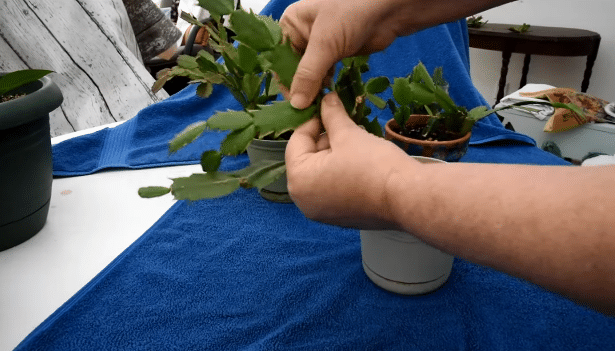
Step 4: Cut thick stems with scissors. Thick stems don’t twist well. You might pull the whole stem out of the soil. Use clean scissors instead. Cut right at the joint.
Step 5: Stop at one third. It’s tempting to keep cutting. Don’t. Removing too much stresses the plant.
Never pruned before? Start small. Shorten the long chains by about half. You can do more next year.
What to Do After Pruning
The cutting is quick. The care afterward matters more. Here’s my routine.
- Wait a few days before you water. The cuts need time to scar over.
- Water when the top inch of soil feels dry. Christmas cactus hates soggy roots.
- Give it bright, indirect light. Direct sun can burn the stems.
- Feed it once a month during the growing season. Use a balanced fertilizer from spring through summer.
- Skip the bigger pot. This plant likes to be a little root-bound. A snug pot is fine.
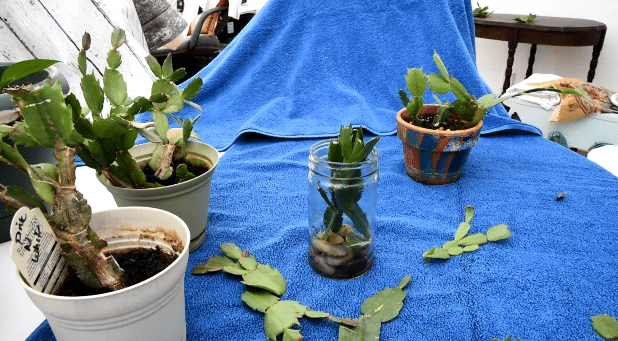
You’ll see new growth in a few weeks. Tiny new segments appear right at your cuts. That’s your sign it worked.
Don’t Toss the Cuttings
Those pieces you removed are free plants. Each one can grow into a new cactus. Here’s how.
- Choose pieces with two or three segments.
- Let them dry for a day. The cut end forms a callus.
- Plant them in well-draining potting mix. Keep the right end up.
- Keep the soil lightly moist. Give them bright, indirect light.
Roots form in a few weeks. New segments mean the cutting took. You can also root cuttings in water if you prefer.
Help Your Pruned Plant Set Buds
Pruning builds branches. Fall conditions build flowers. Your plant needs both.
Here’s what your cactus needs to set buds.
- Long nights. Aim for 12 to 14 hours of complete darkness. Even a lamp or a TV glow can interrupt the process.
- Cool nights. Temperatures around 50 to 55°F help a lot. Warm rooms delay buds.
- A steady spot. Keep the plant away from vents, drafts and heaters.
Give it this routine for about six to eight weeks. Start in early fall.
Once buds appear, leave the plant alone. Don’t move it around. Sudden changes make buds drop. Don’t let the soil dry out completely either.
Final Thoughts
Pruning is the easiest way to improve a holiday cactus. Snip a little each year. Give it long, cool nights in fall. Then enjoy the flowers.
Start small this year. I promise your plant will thank you.