10 Plants to Prune in October Before It’s Too Late for Next Year’s Blooms

Your garden still has a few chores left before it settles in for winter, and pruning is at the top of that list.
Get the timing wrong, and you risk losing next year’s flowers or leaving your plants vulnerable to disease all winter long.
Here are 10 plants that actually need a trim this month, and exactly how to do it right.
Common Pruning Mistakes to Avoid in October
A few small missteps can undo all your hard work. Watch for these before you pick up the shears.
Cutting spring bloomers by mistake. Lilacs, forsythia, azaleas, and rhododendrons set next year’s buds right after they finish flowering. Prune them now, and you’ll cut off next spring’s show before it even starts.
Composting diseased trimmings. If foliage shows powdery mildew, botrytis, or leaf spot, toss it in the trash or burn pile instead.
Home compost piles rarely get hot enough to kill fungal spores, so diseased material just reinfects your garden next year.
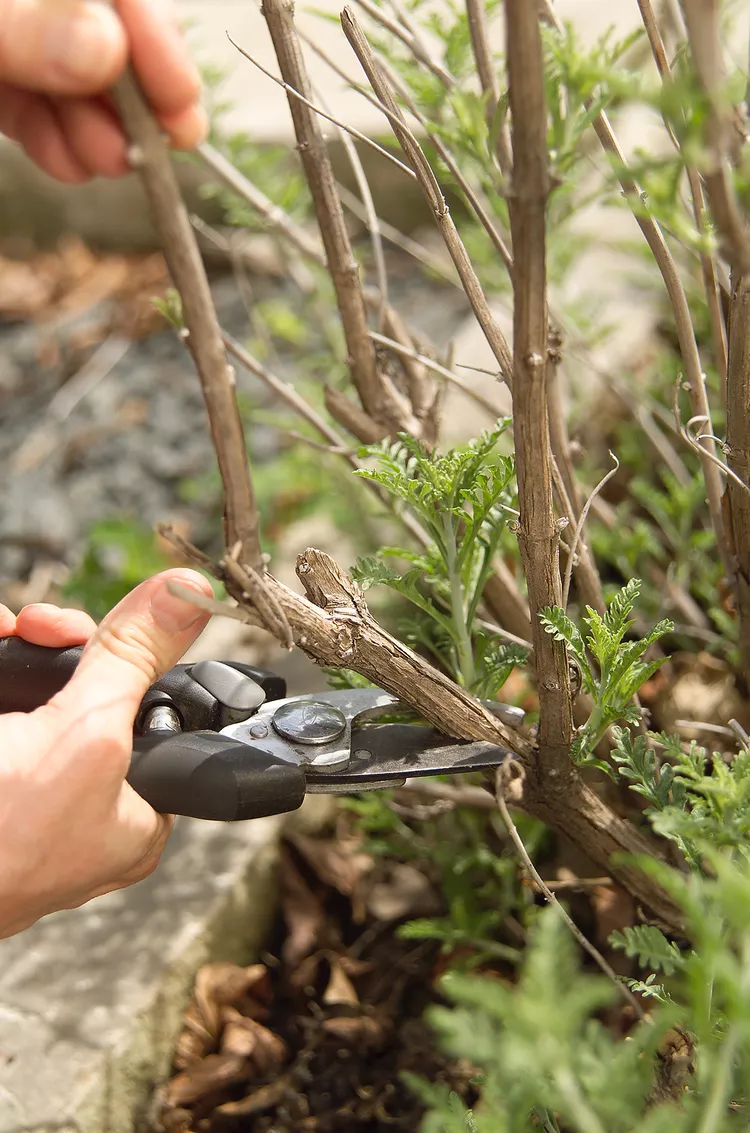
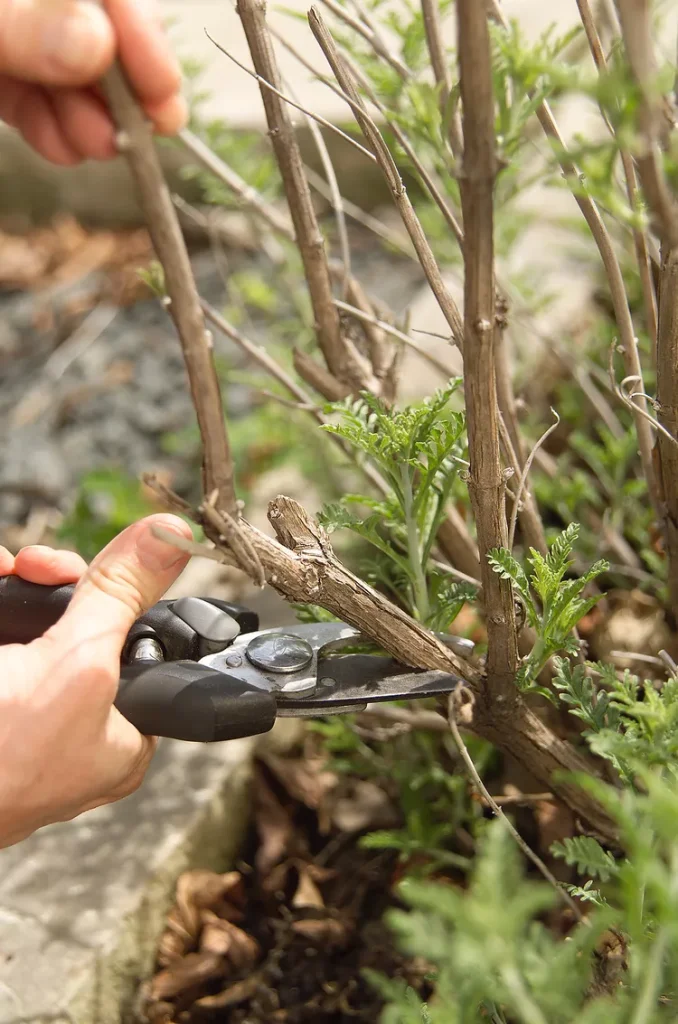
Using dull or dirty tools. A clean cut heals faster than a ragged one, and disinfecting your blades between plants keeps you from spreading disease around the yard.
Wipe them down with rubbing alcohol every few cuts, especially when working on anything showing signs of fungus.
Going too hard, too soon. October is for cleanup and light shaping, not the hard, one-third-off pruning that belongs in late winter. Cutting too aggressively now can push out tender new growth that frost will kill.
When Exactly to Prune This Month, by Region
Timing shifts depending on where you garden.
In cooler zones like Minnesota or the Northeast, get your pruning done in early October so cuts have time to heal before the first hard frost.
In milder zones like the Pacific Northwest or the Mid-Atlantic, you’ve got more breathing room and can wait until mid or late October.
In the warmest zones, like the Gulf Coast or Florida, some of these plants (roses, lavender) may not need pruning until November, once nighttime temperatures actually cool down.
A good rule of thumb: aim to finish pruning at least four weeks before your area’s average first frost date. That gives any new growth enough time to toughen up before winter arrives.
10 Plants to Cut Back in October Before Winter Undoes Your Garden
1. Peonies
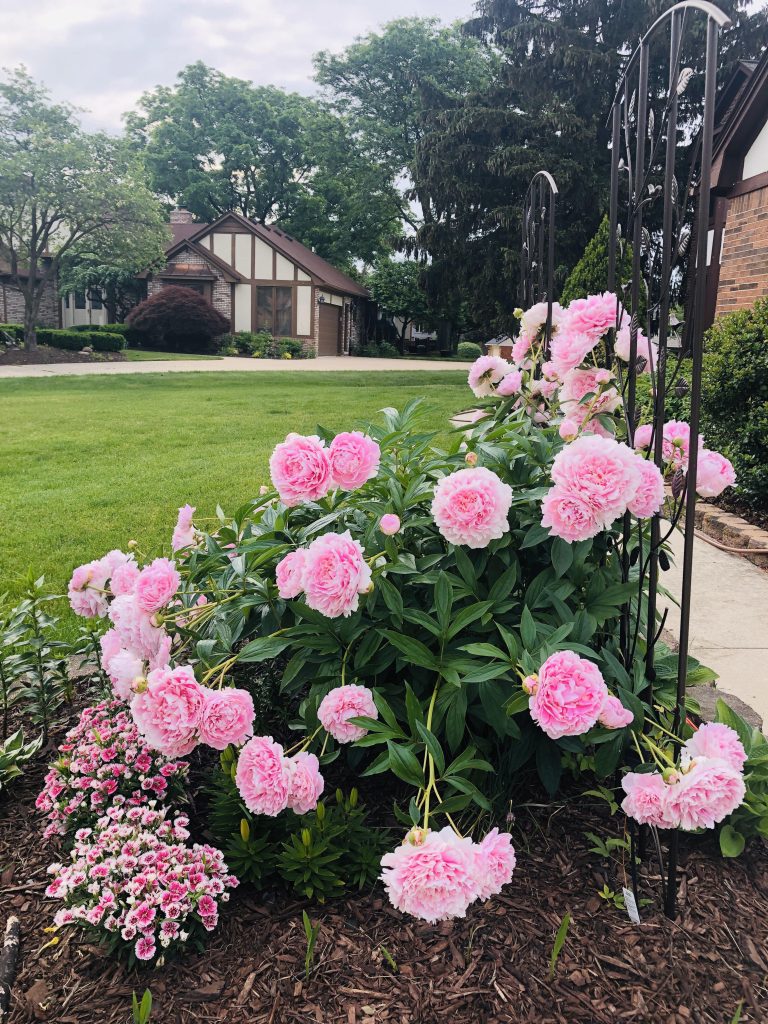
Peonies are stunning in June, but by October, their foliage is often tired, floppy, and prone to disease.
Botrytis blight, a fungus that causes gray mold and blackened stems, survives the winter in old peony debris left on the ground.
Cut the stems down to ground level once the foliage starts to yellow or die back. Rake up and discard all the cut material rather than composting it, since the fungal spores can linger in your pile.
Disease prevention tip: Good airflow matters as much as the fall cutback. If your peonies are planted close together, this is also a good time to note where they need more breathing room next spring.
2. Bearded Iris
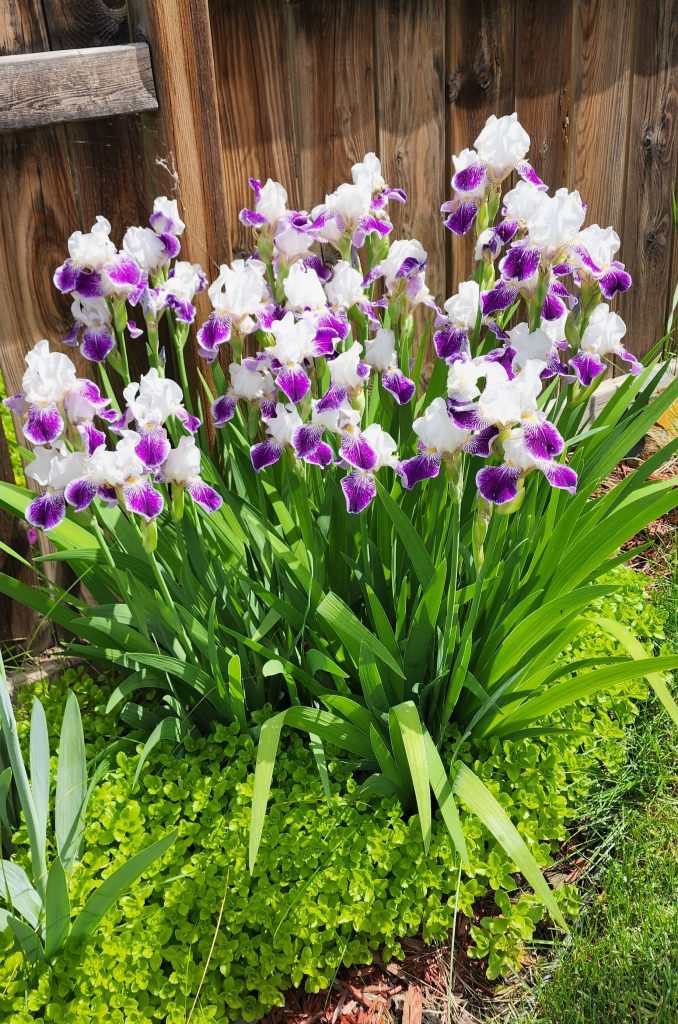
Bearded iris foliage tends to flop over by fall, and once it’s lying on the ground, it becomes the perfect hiding spot for fungal spores and iris borer eggs.
Both can overwinter in the leaves and cause problems the moment new growth starts next spring.
Cut the leaves back to about 4 to 6 inches from the ground. Clear away all the debris around the rhizomes so nothing is left for pests or disease to hide in.
Common mistake to avoid: Don’t wait until the leaves turn completely brown and mushy. Cutting them back while they’re still mostly green but past their prime keeps borers from settling in for winter.
3. Panicle and Smooth Hydrangeas
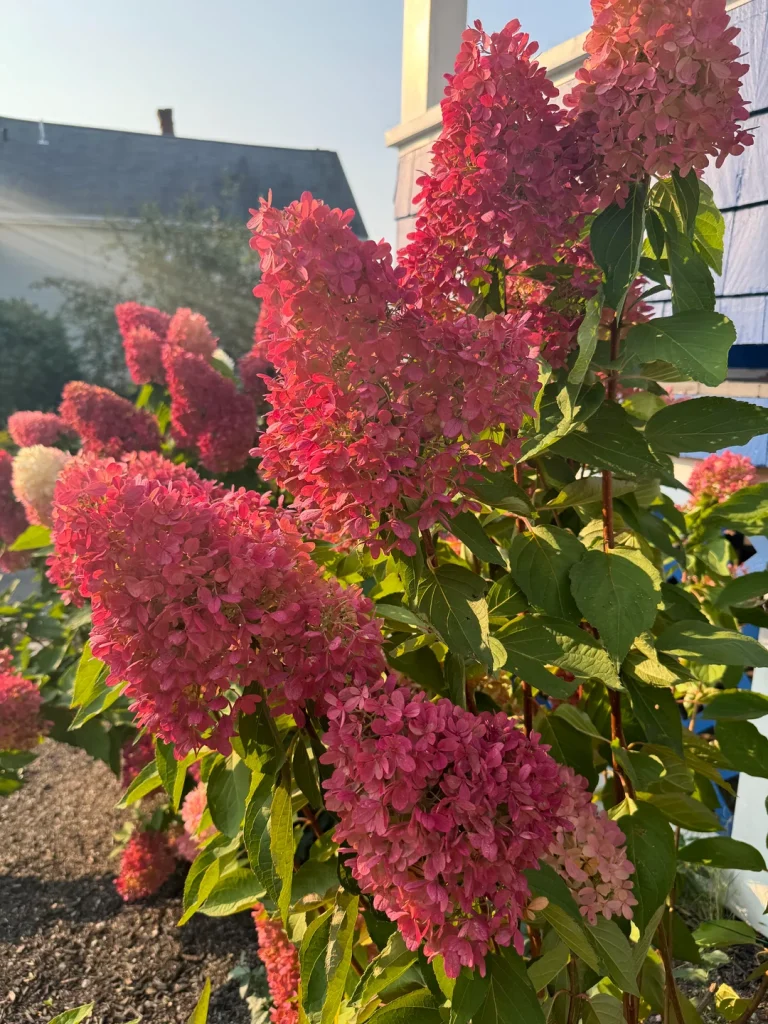
Not every hydrangea belongs on this list, and knowing the difference matters.
Panicle and smooth hydrangeas bloom on new wood each year, which means pruning them now won’t cost you next year’s flowers.
Bigleaf and oakleaf hydrangeas are the opposite. They set buds on old wood, so pruning them in fall removes next year’s blooms entirely and should wait until after they flower in summer.
For panicle and smooth types, start by deadheading spent flower clusters and trimming out any dead, damaged, or crossing branches.
Save the harder, one-third-off pruning for late winter or early spring while the plant is still dormant.
Quick ID tip: If your hydrangea’s flowers grow in cone-shaped clusters (panicle) or round white domes (smooth, like Annabelle), you’re safe to prune now. Round, mophead-style blooms mean hands off until summer.
4. Climbing and Rambling Roses
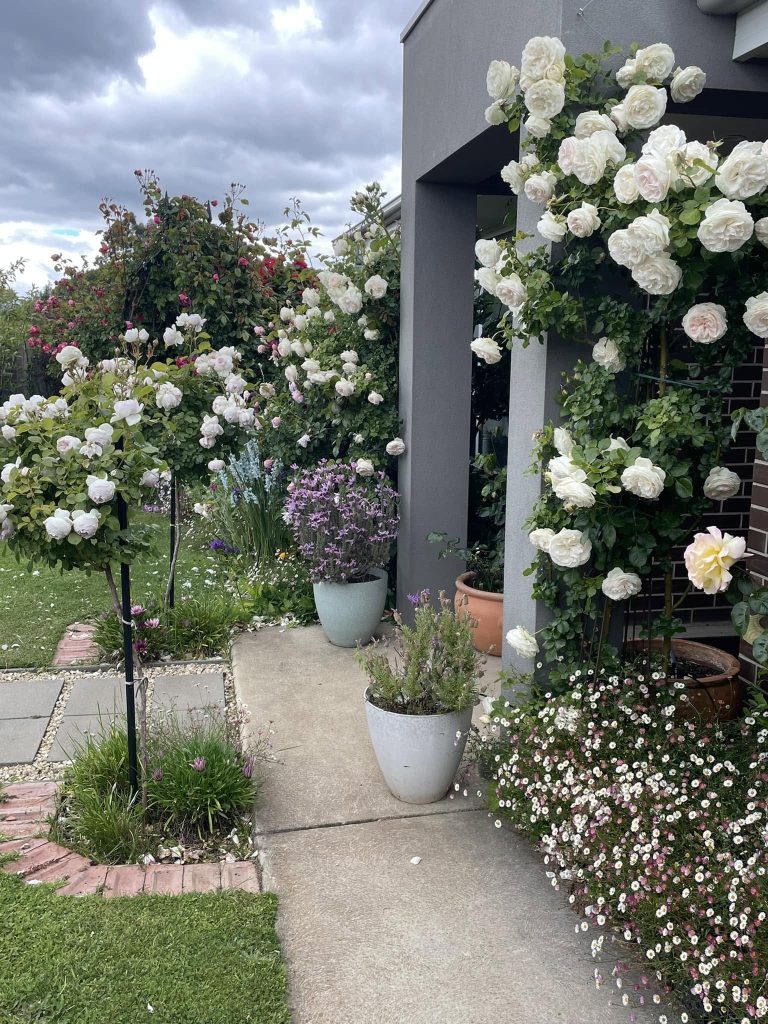
Climbing roses can be pruned in fall while the plant is dormant, but this isn’t the moment for a hard cutback. Focus on removing dead, damaged, or crossing stems, and trim back any side shoots that are sticking out awkwardly.
Leave the main framework of canes alone. Climbing roses bloom on that older wood, so cutting it back now sets you up for a bare, flowerless summer.
If your rose is younger than two years old, it’s best to skip pruning altogether this fall and let it keep building structure.
Age matters here: Established climbers (3+ years) can handle light fall shaping. Young plants need their energy for root and cane growth, not recovery from a trim.
5. Summer-Fruiting Raspberries and Blackberries
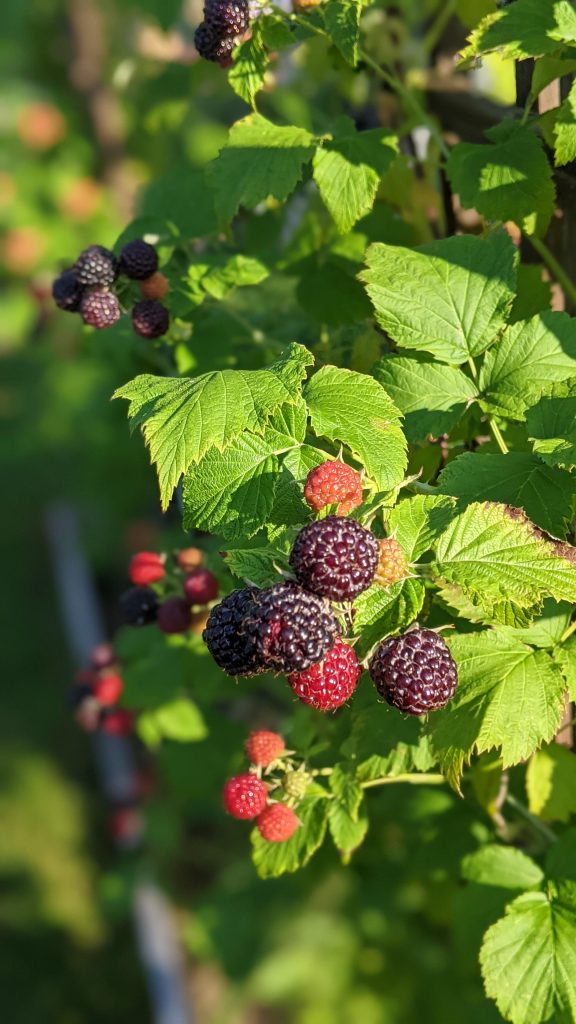
If your raspberries or blackberries fruited this summer, October is the month to cut those canes down.
Summer-fruiting varieties produce berries on the previous year’s growth, and once a cane has fruited, it won’t produce again.
Cut the fruited canes all the way down to ground level. Leave this year’s new, green canes standing since those are the ones that will bear fruit next summer.
Removing the old wood also clears out a common hiding spot for pests and disease over winter.
Know your variety first: Fall-fruiting (everbearing) raspberries get pruned differently, usually cut back entirely in late winter.
Check your variety before you start cutting so you don’t remove the wrong canes.
6. Lavender and Rosemary
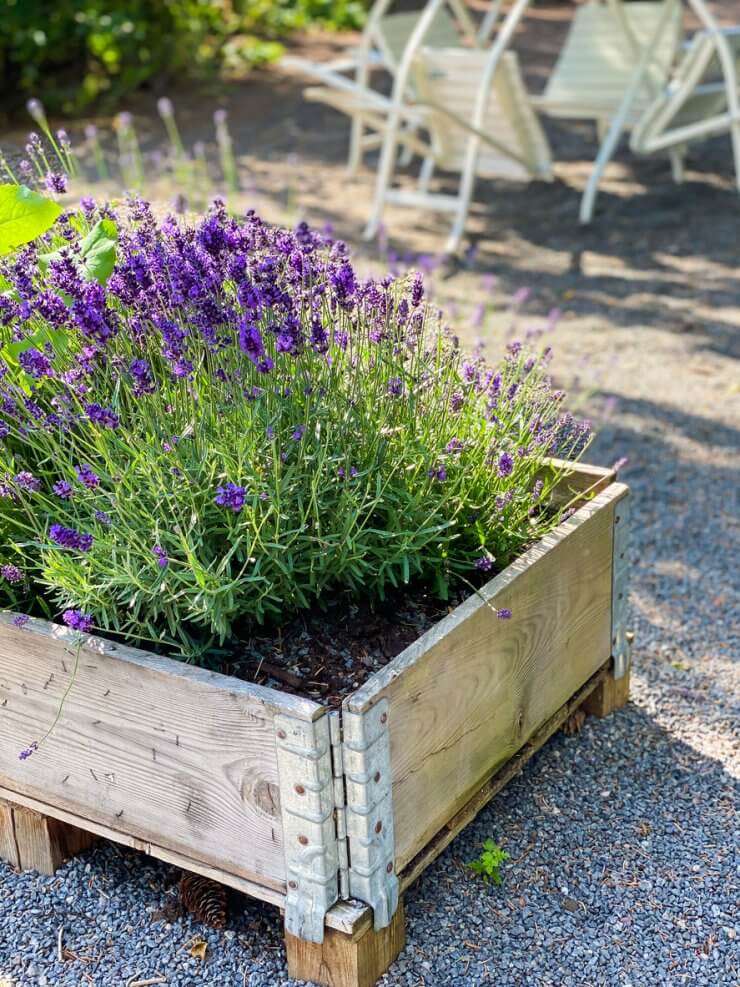
Both lavender and rosemary are woody, Mediterranean natives that turn straggly and unproductive if you skip fall pruning.
Trim them once the last blooms have faded, but well before the first hard freeze sets in.
Cut back the spent flower spikes along with a couple inches of soft growth, shaping the plant into a neat mound as you go.
The one rule that matters most here: never cut into the old, woody stems.
Unlike most shrubs, lavender and rosemary struggle to resprout from bare wood, and an overly hard cut can kill the whole plant.
Cold-climate note: If you garden somewhere with harsh winters, leave a little extra foliage on for insulation and save the harder shaping cut for spring once new growth appears.
7. Dahlias
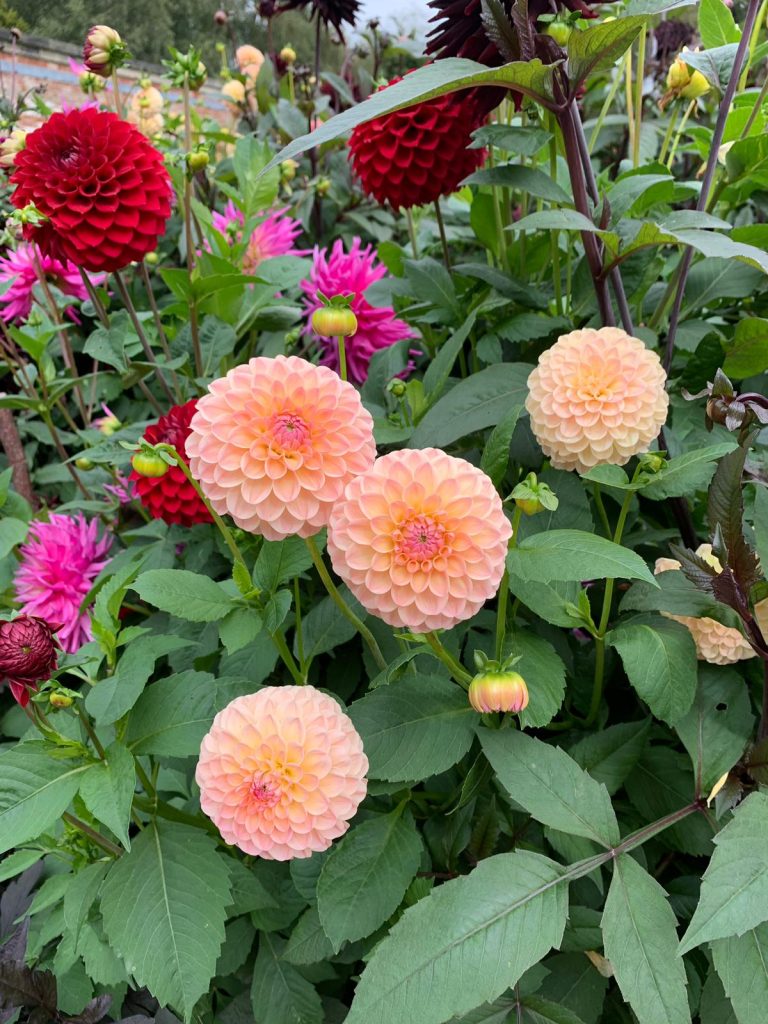
Dahlias put on one of the biggest shows of the growing season, but their tubers can’t handle a hard frost. Before you lift and store them for winter, cut the stems down to about 4 to 6 inches above the soil line.
This shorter stem gives you something to grip when you dig up the tuber clump, and it helps prevent moisture from collecting in hollow stems and causing rot in storage.
Wait until after the first light frost blackens the foliage; that’s usually a sign the plant has finished pushing energy down into the tubers for the season.
Storage tip: Let the cut tubers air dry for a day or two before packing them away. Storing them damp is one of the most common reasons gardeners lose their dahlias over winter.
8. Bee Balm (Monarda)
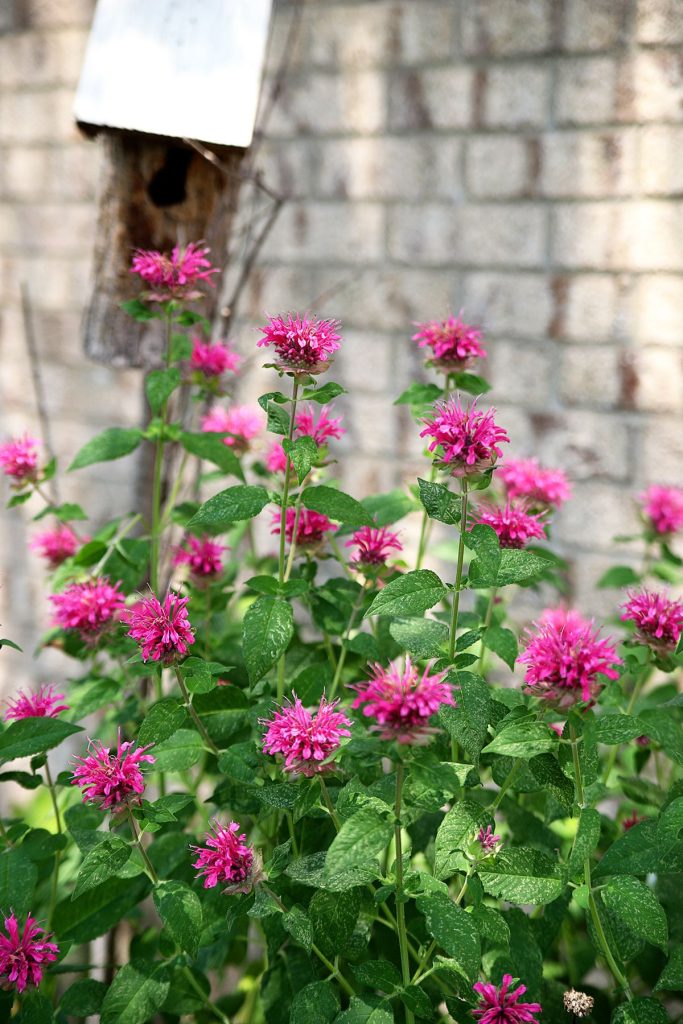
Bee balm is a pollinator magnet all summer, but it’s also one of the most mildew-prone perennials in the garden.
By October, plants that struggled with powdery mildew usually show it clearly: a dusty white coating across the leaves.
Cut the stems back to a few inches above the ground, and don’t compost any material that shows signs of mildew. The spores can survive in a home compost pile and spread right back into your beds next year.
Common mistake to avoid: Don’t assume all bee balm needs cutting. If your plants stayed clean and mildew-free all season, you can leave the stems standing for winter interest and early pollinator habitat.
9. Deciduous Hedges
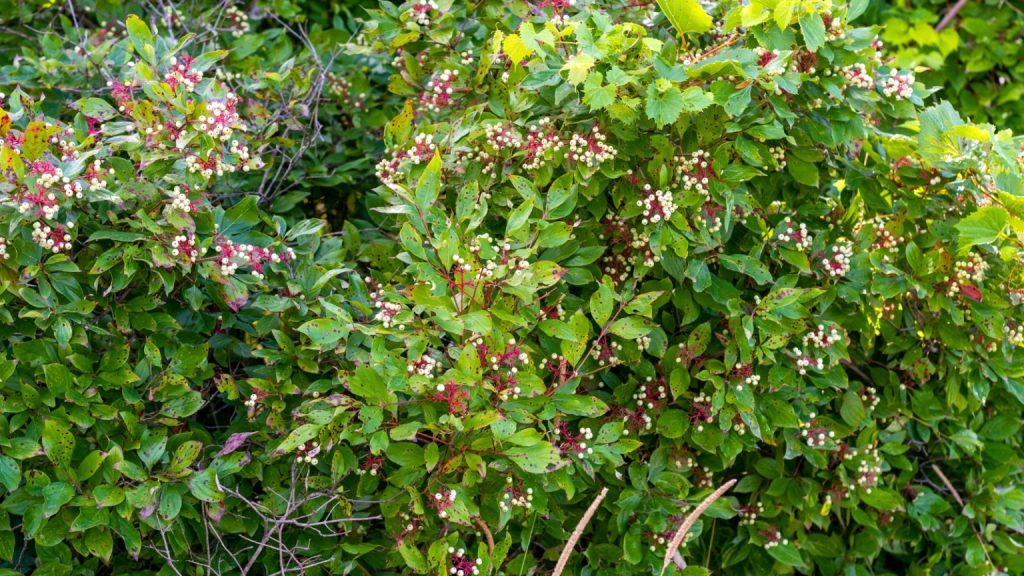
Hedges made from hawthorn, beech, or hornbeam benefit from one last shaping trim before they go dormant for winter.
Unlike a light summer touch-up, this fall cut can be a bit more substantial since the plant won’t be pushing out tender new growth that frost could damage.
Trim the hedge into a slightly tapered shape, narrower at the top than the base, so sunlight reaches the lower branches instead of just the crown.
This keeps the whole hedge dense and full instead of thin and leggy near the bottom.
Timing tip: Aim for a stretch of mild, dry weather. Wet cuts are more prone to disease, and freshly trimmed hedges need a few weeks to settle before a hard freeze hits.
10. Yew
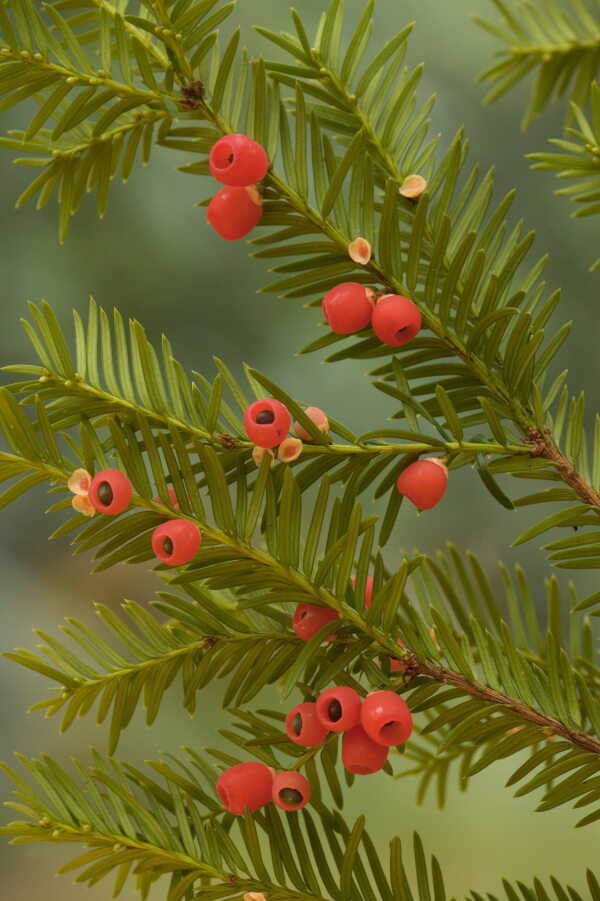
Yew is a slow, forgiving evergreen that only really needs one good shaping session a year, and October is the last realistic window to get it done.
Whether you’re maintaining a hedge or a piece of topiary, this cut sets the shape that will hold through winter and into spring.
Trim the outer growth back to maintain your desired shape, tapering the sides slightly so light reaches the lower branches.
The one thing to avoid: cutting into old, bare wood. Yew is slow to resprout from mature growth, and a too-aggressive cut can leave a permanent gap in your hedge.
Patience pays off: If your yew has gotten overgrown, resist the urge to fix it all in one session. Reshape gradually over a couple of seasons instead of removing too much growth at once.
Frequently Asked Questions
What if I missed the October pruning window?
Most of these plants can still be lightly cleaned up in early November if you’re in a milder climate.
For anything you miss entirely, wait until late winter or early spring rather than pruning in the depths of a hard freeze.
Should I compost my pruning trimmings?
Only if the plant material is healthy. Anything showing mildew, blight, or leaf spot should go in the trash or a burn pile instead, since most home compost setups don’t get hot enough to kill fungal spores.
Should I do a hard prune or just a light trim?
Stick to a light shaping cut in October. Save the harder, more aggressive pruning for late winter or early spring, when plants are fully dormant and better able to recover.
What tools do I actually need?
A sharp pair of bypass pruners handles most of this list. Add hedge shears for the deciduous hedges and yew, plus rubbing alcohol to disinfect blades between plants, especially anything showing disease.
What happens if I prune the wrong plant in fall?
For spring bloomers like lilac or forsythia, you’ll likely lose next year’s flowers since you’re cutting off buds that already formed. It won’t kill the plant, but you’ll be looking at a flower-free season next year.
Final Thoughts
A little October pruning goes a long way toward a healthier garden come spring.
Focus on the plants that actually need it, leave the rest for wildlife and winter structure, and you’ll head into the colder months with less cleanup waiting for you later.
Grab your pruners, pick a mild afternoon, and work through this list at your own pace.