13 Best Plants to Grow Indoors in Winter: Picks That Bloom or Feed You

Winter can make your home feel flat. The windows are gray. The days are short. Most houseplants just sit there and wait for spring.
These 13 plants do the opposite. Some burst into bloom. Some fill a room with scent. Others give you fresh greens for dinner.
I picked each one because it earns its spot on a winter windowsill.
You’ll also get a quick window guide and a start-by calendar, so you know what to plant now and what can wait.
Which Window Do You Have?
Winter light is weak. So your window matters as much as your plant.
Use this quick match. (I wrote it for the Northern Hemisphere. Flip north and south if you live below the equator.)
South window (brightest): Winter jasmine, dwarf Meyer lemon, lettuce, and chives all want this spot. Give them every bit of sun you can.
East or west window: Clivia, amaryllis, and Christmas cactus do well here. Skip hot, direct sun for the cactus.
North window: Cyclamen and African violets handle it best. They like bright light, not baking sun.
No good window: Add a grow light. Microgreens and green onions grow happily under one.
Hang the light 6 to 12 inches above the leaves. Plug it into a timer and run it 12 to 16 hours a day. Pink LED bulbs and plain white full-spectrum bulbs both work.
Two more rules. Keep leaves off cold glass, especially on single-pane windows. And keep pots away from heat vents and radiators. Hot, dry blasts stress most of these plants.
When to Start Each Plant
Timing makes or breaks winter bloomers. Here’s your plan from now until January.
Mid-October: Start chilling hyacinth bulbs, or buy pre-chilled ones. Begin the long-night routine for your Christmas cactus. It takes about 8 weeks to set buds.
Bring a dwarf Meyer lemon inside before the first frost. Give potted chives a frost, or a week in the fridge, before they come in.
November: Pot an amaryllis bulb. Start your first bowl of paperwhites. Shop for cyclamen and a jasmine with buds. Begin the clivia’s cool rest.
December: Sow lettuce and microgreens under lights. Plant a second bowl of paperwhites.
January: Pull the hyacinths out of the fridge. Wake the clivia with warmth and water.
Anytime: African violets, microgreens, and green onions.
13 Stunning Winter Plants for Indoor
1. Amaryllis
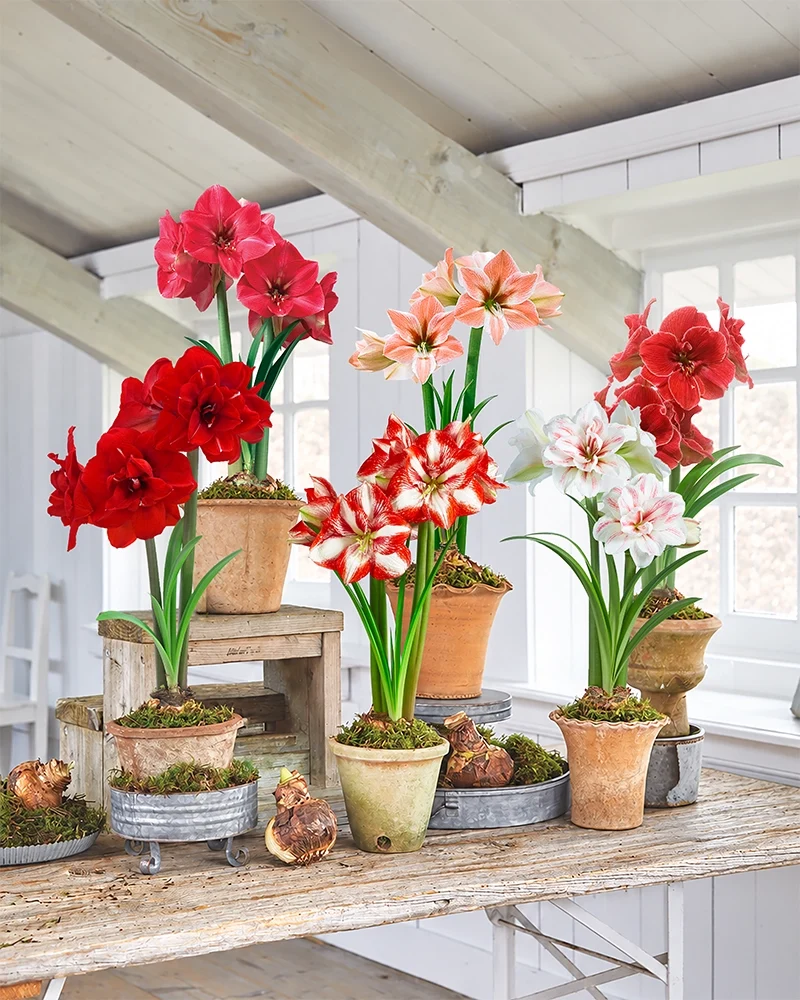
Nothing beats a flower this big in January. One bulb sends up thick stalks topped with huge trumpet blooms.
You can get a full show in 4 to 8 weeks. That makes it a perfect late-fall project.
Pick a pot just 1 to 2 inches wider than the bulb. Plant it so the top third sits above the soil. Water it in, then keep the soil lightly moist.
Keep the top of the bulb dry. Wet bulbs rot fast.
The tall stalks lean toward the light. Turn the pot every few days. That keeps them straight.
Best window: Bright and indirect. East or west works well.
Winter care: When the flowers open, move the pot somewhere cooler with softer light. Mid-60s°F is ideal. The blooms last longer.
Pet note: Toxic to dogs and cats. The bulb is the most dangerous part.
Make it last: When the last flower fades, cut the stalk 1 to 2 inches above the bulb. Leave the leaves on and keep feeding the plant. Let the bulb rest for 8 to 10 weeks before the next round.
2. Paperwhites
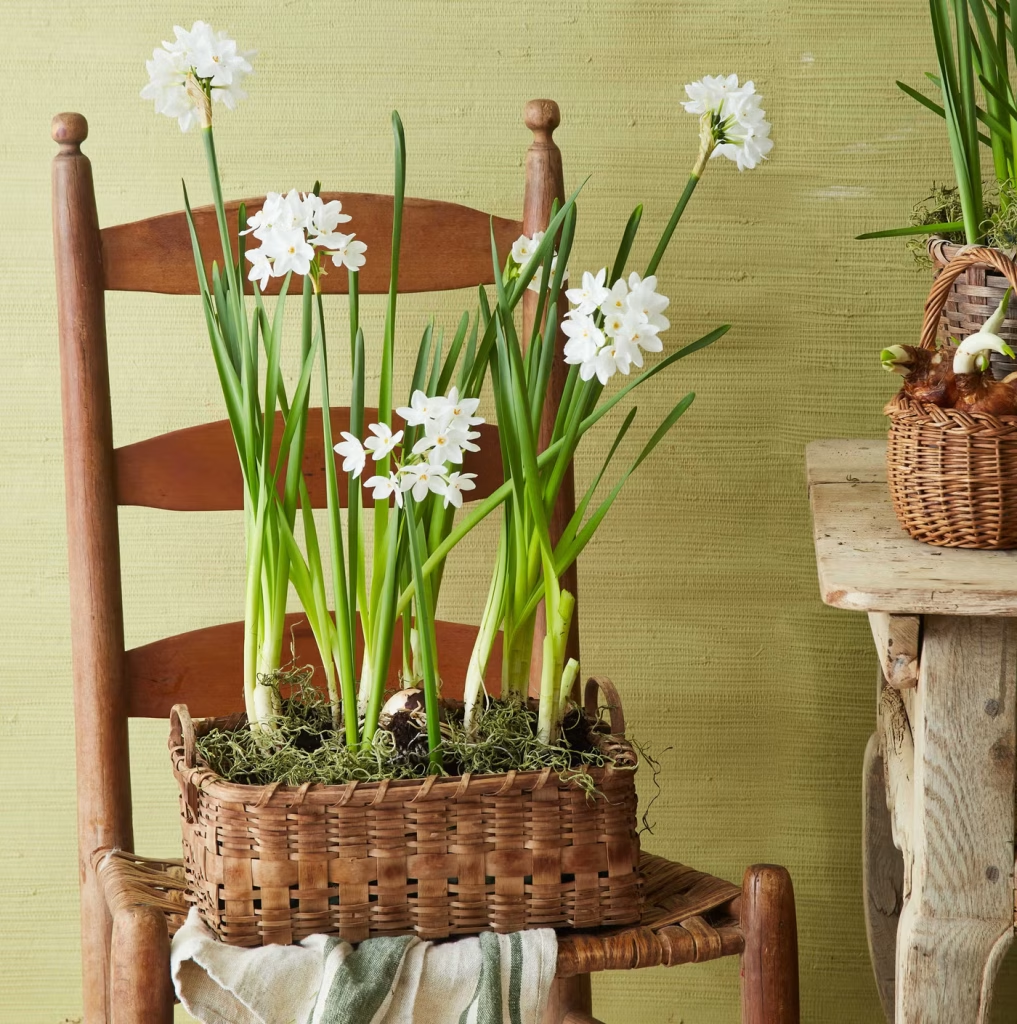
Here’s the easiest bloom on this list. You don’t need soil. You don’t need a chill. You need bulbs, pebbles, and water. The scent is strong and sweet, so one bowl can fill a room.
Pick a clear bowl with no drainage holes. Add a few inches of pebbles. Set the bulbs on top with the pointed ends up.
Pour in water until it just touches the bulb bottoms. Keep it at that level.
Blooms arrive in about 4 to 8 weeks. The stems can reach 18 to 20 inches and flop.
Stake them or tie them with a ribbon. Plant a fresh bowl every two weeks for nonstop flowers.
Best window: Bright and warm. A sunny sill works.
Winter care: You can skip the cold, dark start. Still, 2 to 3 weeks at 45 to 50°F builds stronger roots.
Pet note: Toxic to dogs and cats. The bulbs are the most dangerous part.
Skip this mistake: Don’t save the bulbs. They can’t bloom again. They won’t survive outdoors either.
3. Hyacinth in a Vase
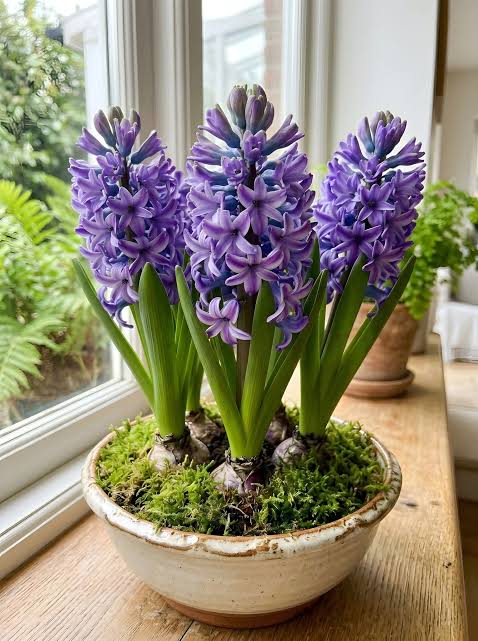
Want a spring flower in midwinter? A single hyacinth in a glass vase looks like living art. You can watch the roots grow. The scent is sweet and strong.
This one needs a cold head start. Buy pre-chilled bulbs, or chill your own in the fridge for about 12 to 14 weeks.
Start this week and you can expect blooms in late January or February. Keep the bulbs away from ripening fruit.
Set the bulb in a forcing vase so the base hovers just above the water. The bulb itself should never touch the water. It will rot. Once shoots appear, move the vase into brighter light over about a week.
Best window: Bright and cool. Skip hot, direct sun.
Winter care: Keep the water just under the bulb. Swap it out if it turns cloudy.
Pet note: Toxic to dogs and cats. Keep the vase out of reach.
Handle with care: The bulb’s powdery coat can irritate skin. Wear gloves. Water forcing wears the bulb out, so plan to toss it after the show.
4. Winter Jasmine
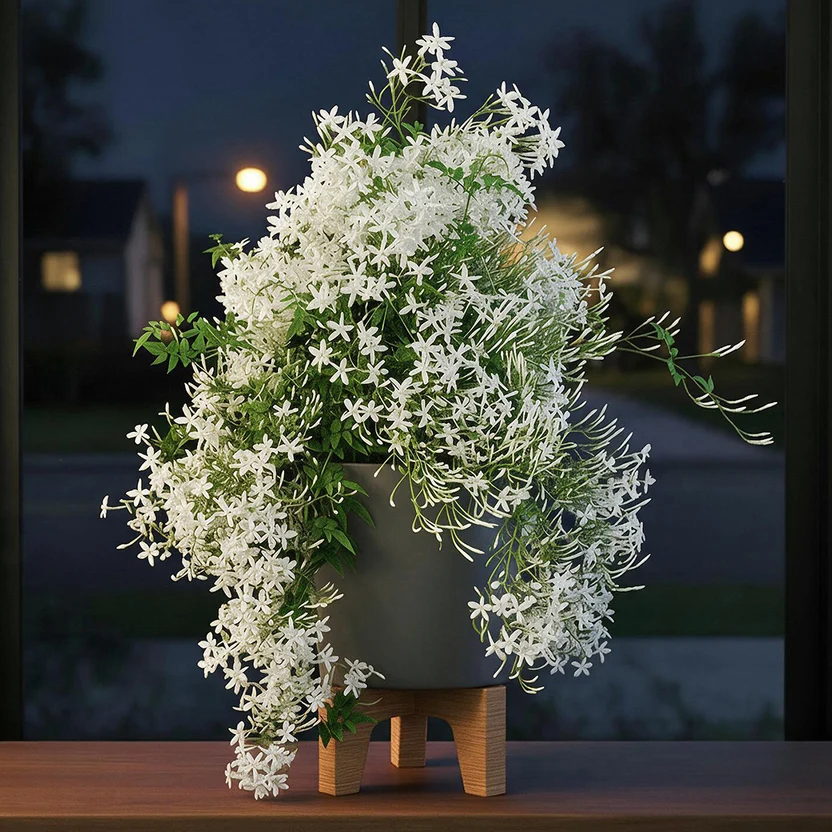
Want your home to smell like a summer night in January? This vine can do it. Pink buds open into clusters of small white stars. The scent is strongest at night. Blooms arrive from late winter into spring.
Cool nights set the buds. The plant wants nights below 60°F but above freezing. Buy one with buds already formed.
Park it in a cool, bright room. Cool air also keeps the flowers fresh longer.
Give it the most light you have. Water when the top half inch of soil feels dry. Never let it sit soggy. The vine climbs fast, so add a small trellis or hoop.
Best window: Very bright. South, east, or west all work. Keep the room cool.
Winter care: Water only when the top half inch dries out. Don’t feed it until spring.
Pet note: True jasmine (Jasminum) is non-toxic to dogs and cats. Look for Jasminum polyanthum on the tag. Some plants sold as “jasmine” aren’t true jasmine.
Make it last: Many growers treat it as a winter-only bloomer. To try again, give it cool fall nights above freezing before the buds form.
5. Cyclamen
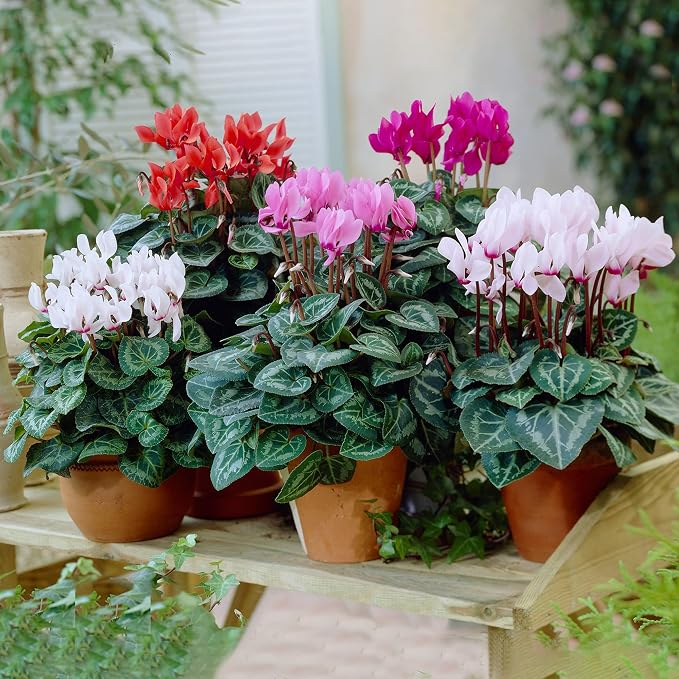
Most houseplants hate a cool room. This one loves it. Cyclamen blooms in winter, when the garden sleeps. Its flowers sweep back like tiny butterflies. They sit above heart-shaped, marbled leaves.
Keep it cool. Daytime temps of 60 to 65°F and nights near 50°F are ideal. Cool rooms stretch the bloom from a few weeks to a few months. Stay away from heat vents.
Water when the soil surface feels dry. Pour slowly around the edge of the pot. Keep the crown in the center dry.
Use room-temperature water. Yellow leaves usually mean too much water, too little water, or too much heat.
Best window: Bright but indirect. East is ideal. North works too.
Winter care: Pinch off faded flowers and old leaves. Set the pot on a pebble tray for humidity. Skip the mist.
Pet note: Toxic to dogs and cats. The tuber is the most dangerous part.
Make it last: Leaves that yellow in spring mean dormancy, not death. Let the plant rest in a cool, dry spot over summer. Repot it in fresh mix around July and water again. It’s a long shot, so enjoy the first show.
6. Clivia
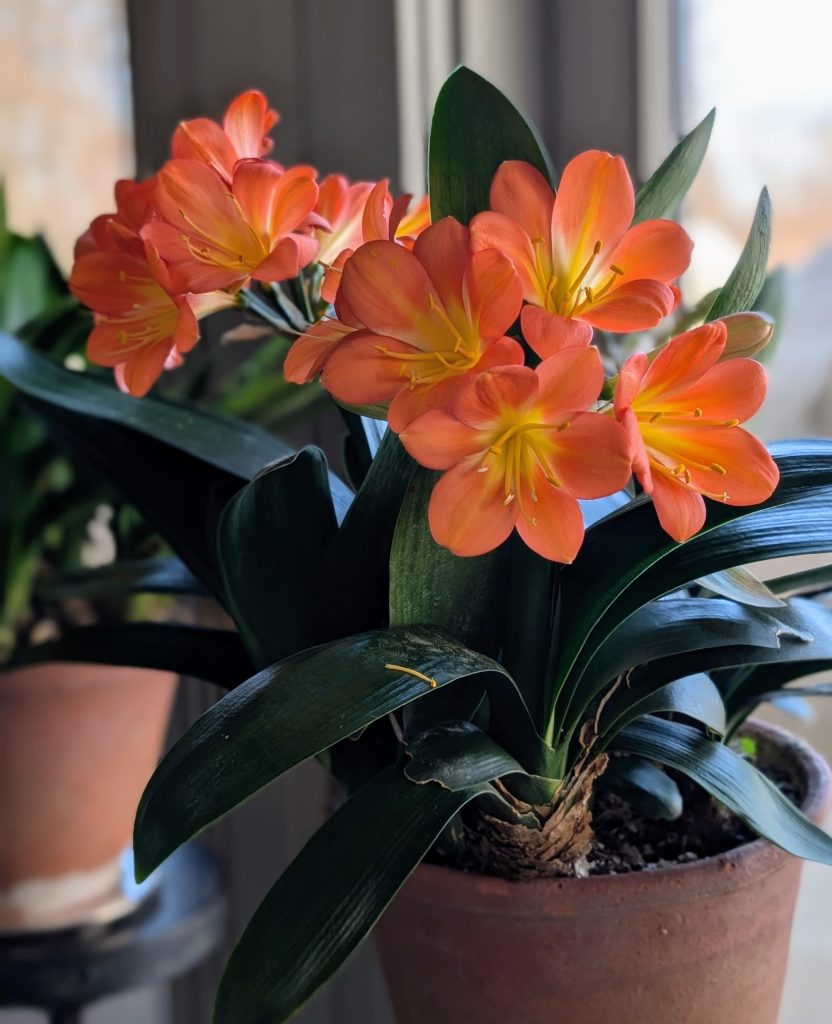
Here’s a winter bloomer that rewards patience. Clusters of bright orange trumpets open in late winter. The dark, strap-like leaves look good all year. Buy a mature plant, because seedlings can take years to flower.
This plant needs a rest to bloom. In late fall, move it somewhere cool, near 50°F. Water lightly and skip fertilizer for about 6 to 8 weeks.
Bring it back to normal warmth in mid-January. A flower stalk should follow in a month or two.
Clivia likes tight roots. Don’t repot until the roots fill the pot. Every 3 years or so is plenty. Crowding helps it bloom.
Best window: Bright light with no harsh midday sun. An east window works well.
Winter care: During the rest, water just enough to keep the leaves from shriveling. Never mist.
Pet note: Toxic to dogs and cats. Keep it out of reach.
Skip this mistake: Don’t keep it warm and well watered all winter. You’ll get lots of leaves and no flowers.
7. African Violet
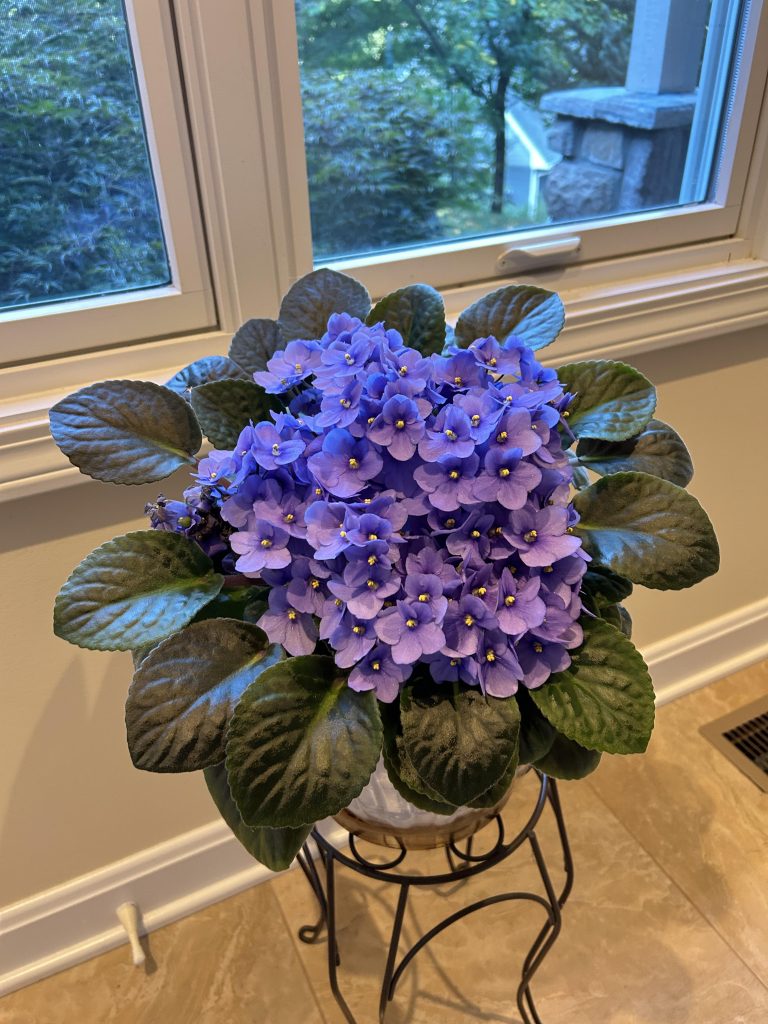
Small plant. Big color. African violets bloom almost nonstop when they’re happy. The flowers come in purple, pink, white, and blue shades. Fuzzy leaves form a soft, round rosette.
Light is the secret. Give it bright, indirect light. Dark leaves with no blooms mean too little light. Pale leaves with blooms mean too much.
Water is the tricky part. Cold water and wet leaves cause ugly spots. Use room-temperature water. Pour it onto the soil only, or let the pot soak up water from the bottom. Never leave it standing in water.
Best window: East or north. A spot a few feet back from a south window works too.
Winter care: Keep it warm, between 65 and 80°F. Avoid drafts and sudden temperature swings.
Pet note: Non-toxic to dogs and cats, per ASPCA. A chewed leaf can still upset a stomach.
Make it last: Keep the pot snug, since these plants like slightly crowded roots. Feed every two weeks with violet food while the plant is growing.
8. Christmas Cactus
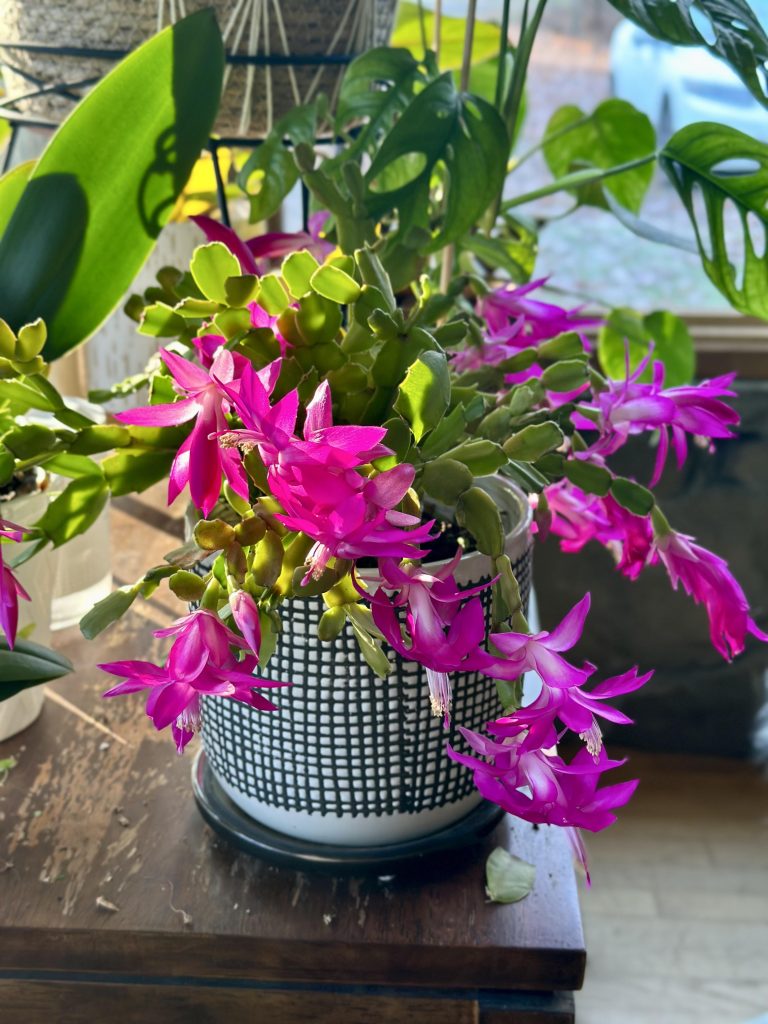
Pink, red, or white blooms show up right on time for the holidays. The arching stems spill over the pot like a soft green waterfall. But this plant needs a nudge to bloom.
Long nights and cool air set the buds. Give it 13 hours of full darkness each night. Or keep nights at 50 to 55°F. Start about 8 weeks before you want flowers. Even lamp light can break the cycle. Use a closet or cover the plant.
Once buds show, stop moving the pot. Keep watering steady. Too much water or a new spot can make buds drop. The blooms last about 4 to 6 weeks.
Best window: East or west, with no hot direct sun.
Winter care: Water when the top of the soil dries out. Set the pot on a pebble tray if your air is dry.
Pet note: Non-toxic to dogs and cats, per ASPCA.
Make it last: After the show, give it a rest. Water much less for about six weeks. Start feeding again in spring.
Read more: Christmas Cactus Care: A Year-Round Calendar for Blooms Every December
9. Microgreens
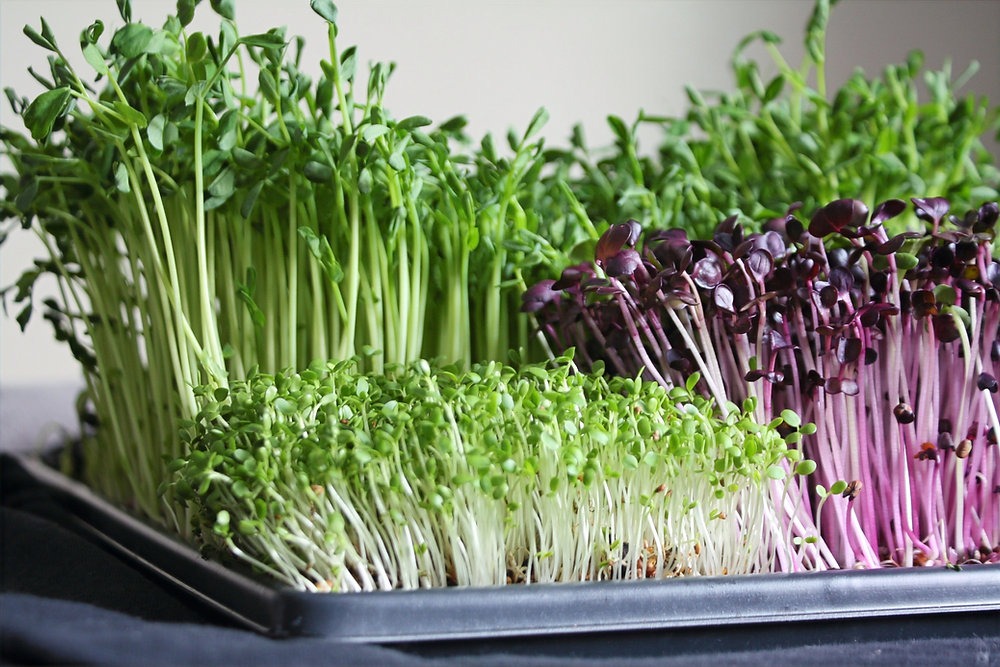
Need something green, fast? Microgreens go from seed to snack in 1 to 2 weeks. All you need is a shallow tray. You get fresh, crunchy greens without a grocery run.
Fill the tray 1 to 2 inches deep with moist seed-starting mix. Sprinkle seeds thickly and evenly. Mist the surface and cover the tray for the first few days. Then uncover it and move it into the light.
Radish, broccoli, sunflower, and pea are great starters. Soak big seeds, like pea and sunflower, for 6 to 12 hours first. Skip tomato, pepper, and eggplant seeds.
Harvest when the sprouts stand 2 to 3 inches tall and show their first leaves. Snip them at the base. Radish and broccoli are often ready in 8 to 12 days. Sow a new tray every week for steady harvests.
Best window: Any bright spot, or a grow light. Six to eight hours of light is plenty.
Winter care: Keep the mix moist, not soaked. Aim for about 70°F. Turn the tray so the stems grow straight.
Pet note: If pets share your home, keep onion-family seeds (onion, leek, chive) out of your tray. Those plants can be toxic to dogs and cats.
Use up old seed: Leftover packets from past seasons often work great. Test a few as microgreens first.
10. Baby Lettuce Under a Grow Light
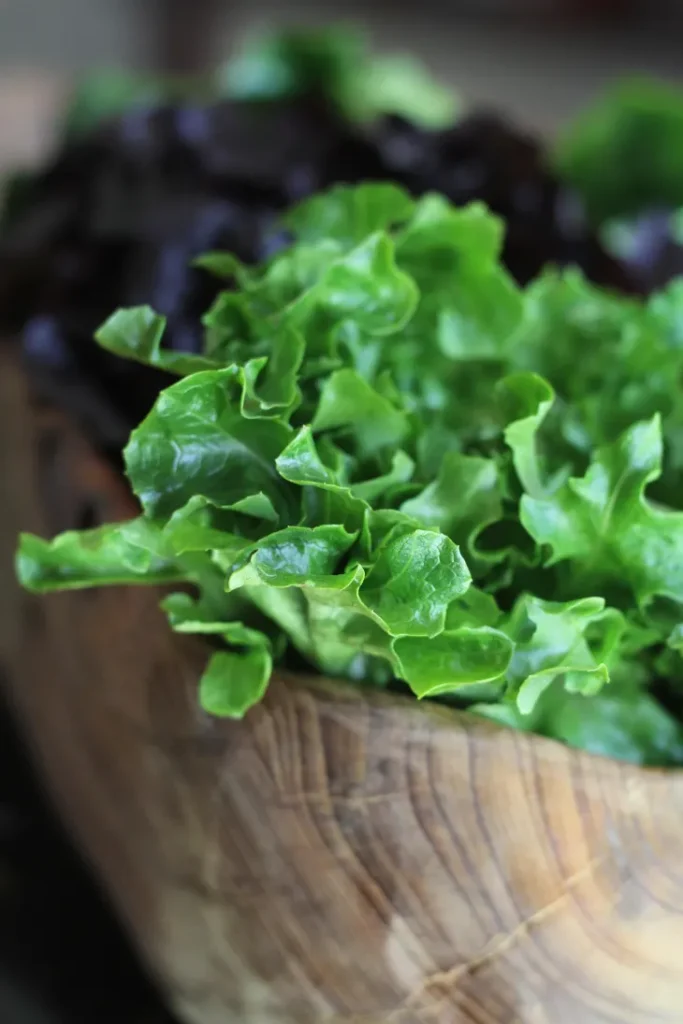
Fresh salad in January? Yes, you can grow it. Loose-leaf lettuce grows fast under a light. You can cut your first leaves in 3 to 4 weeks.
Choose the right type. Loose-leaf and baby greens work best. Winter varieties like ‘Arctic King’, ‘Winter Marvel’, and ‘Winter Density’ handle low light well. Arugula and spinach work too. Skip head lettuce. It struggles indoors.
Lettuce wants about 12 hours of light a day. A winter window won’t give it that. Put a grow light on a timer.
Don’t hang it too close, because lettuce dislikes harsh light. Keep the soil evenly moist. Pots dry out fast under lights.
Best window: A south window plus a grow light. Or skip the window and use the light alone.
Winter care: Skip terracotta pots. They dry out quickly under lights.
Pet note: Check any greens you add against the ASPCA list. Even safe plants can upset a pet’s stomach if they eat a lot.
Make it last: Cut only what you need. Leave the rest to keep growing. Sow a new batch every two weeks.
11. Green Onions Regrown From Scraps
Your grocery bag already holds this plant. Save the white root ends from your next bunch of green onions. Cut about 1 to 2 inches above the roots. Stand them in a glass with just enough water to cover the roots. Park the glass on a bright windowsill.
New green shoots can show up within days. Change the water every 2 to 3 days. Fresh water keeps the roots clean. Snip the tops as you need them. Leave about an inch behind so the plant keeps growing.
Water works fast, but it runs out of steam. Expect about 2 to 5 harvests from each scrap. Want bigger plants and longer harvests? Move the rooted ends into a pot of soil and keep it lightly moist.
Best window: A sunny south or east sill. A grow light works too.
Winter care: Refresh the water every 2 to 3 days. In soil, water when the top inch feels dry.
Pet note: Onion-family plants are toxic to dogs and cats. Keep the glass out of reach.
Make it last: Choose scraps with plenty of roots. They regrow faster.
12. Chives
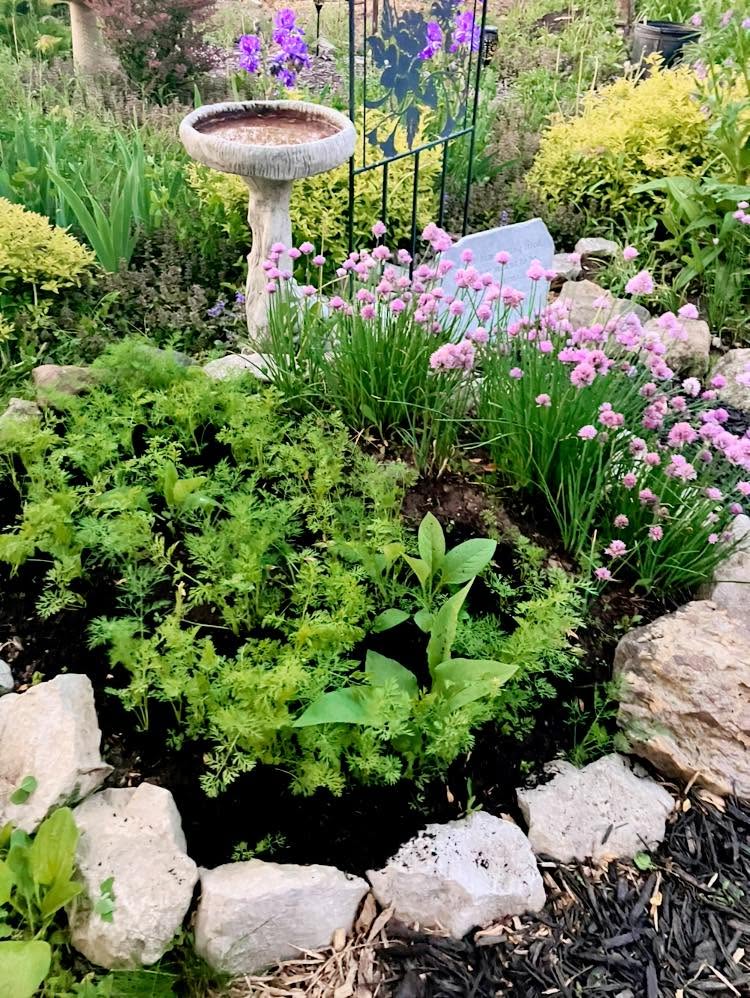
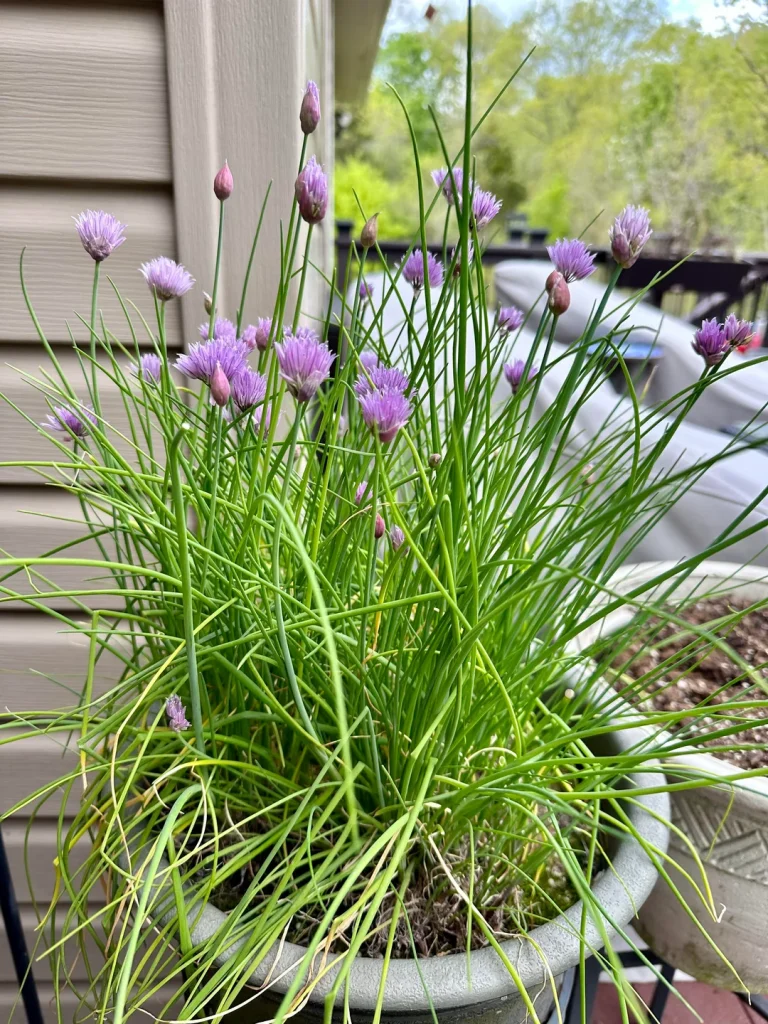
Ever bought a pot of chives in fall and watched it sulk? It’s not your fault. Chives expect a cold winter. Indoors, they need a little trick.
Give the pot a frost or two outside first. Then bring it in. No frost where you live? Put the pot in the fridge for about a week. The plant thinks winter has passed and starts fresh growth.
After that, treat it like a sun lover. Give it your brightest window. Add a grow light on gloomy days. Water regularly.
Growth stays thinner than in the garden, and flowers are rare. You still get plenty of snips for eggs, soup, and baked potatoes.
Harvest once the leaves reach 3 to 4 inches. Cut them near the base, and the plant regrows.
Best window: South-facing, or any spot with 4 to 6 hours of direct light.
Winter care: Keep it off cold glass and away from heat vents.
Pet note: Toxic to dogs and cats, per ASPCA. Keep the pot up high.
Skip this mistake: Don’t skip the cold treatment. A warm, pampered pot often just sulks.
13. Dwarf Meyer Lemon
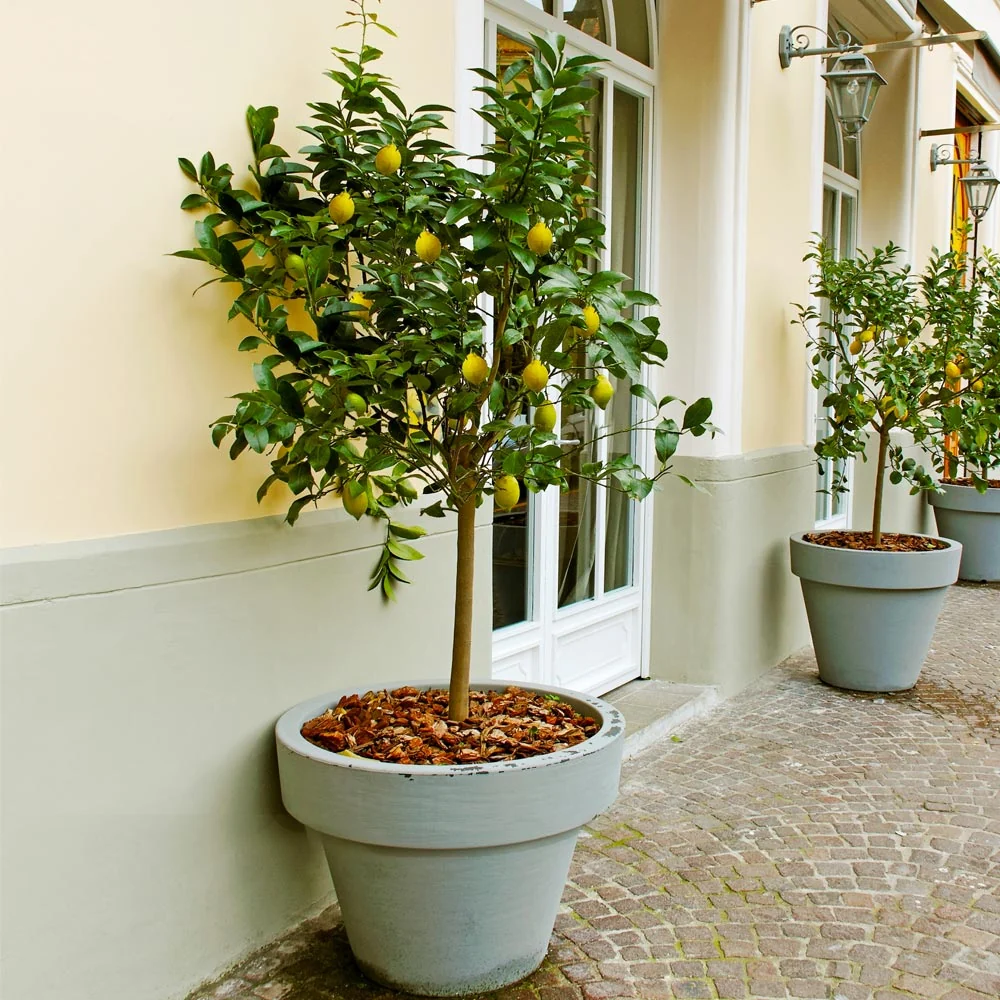
Picture a small tree dripping with sweet-smelling blossoms in January. That’s a dwarf Meyer lemon. It stays about 3 to 4 feet tall in a pot. And yes, it can give you real lemons.
Bring it inside before the first frost. Wash the leaves first to rinse off pests. Give it at least 6 hours of direct sun. Add a grow light if your window falls short. Keep days around 65 to 75°F and nights a bit cooler.
Indoor air is dry, so add humidity. A pebble tray or a small humidifier helps. Water when the top inch or two of soil feels dry. Skip fertilizer in winter.
Expect some leaf drop in the first weeks. That’s normal. The tree is adjusting. When flowers open, play bee. Use a small, dry paintbrush to move pollen from bloom to bloom. Young trees can take a few years to fruit, so be patient.
Best window: Your sunniest south window.
Winter care: Keep it away from heat vents. Water only when the soil dries on top.
Pet note: Toxic to dogs and cats. The oils in the leaves and peel can cause vomiting and skin irritation.
Make it last: Heavy fruit drop is common. Don’t panic. Stay steady with light, water, and humidity.
FAQs About Growing Plants Indoors in Winter
Do I need a grow light to grow plants indoors in winter?
Not for every plant. Amaryllis, paperwhites, African violets, and cyclamen do fine in a bright window. Lettuce, chives, and lemon trees do much better with a light.
Why is my plant dropping leaves or buds after I move it?
A new spot means new light, new air, and new temperatures. Some leaf drop is normal for the first few weeks. Christmas cactus buds also drop if you move the pot or overwater it.
Which plants on this list are safe for cats and dogs?
African violet, Christmas cactus, and true jasmine are listed as non-toxic by the ASPCA. Amaryllis, paperwhites, hyacinth, cyclamen, clivia, chives, green onions, and Meyer lemon are toxic. Keep those in a room your pets can’t reach.
Can I keep my bulbs after they bloom?
Amaryllis and clivia can bloom again with the right rest. Paperwhites and forced hyacinths can’t. Add them to the compost when the flowers fade.
What is the easiest plant for a beginner?
Start with paperwhites or green onion scraps. Both need only water and a bright window. Add an African violet when you want a plant that lasts for years.
Your Winter Windowsill Plan
Winter doesn’t have to mean bare windowsills. Pick one plant that blooms and one that feeds you. Start this week, since some of these need weeks of lead time. By January, your home will look and smell like spring.