Best Foundation Plants for Front Yard: 13 Picks for Every Spot Around Your House

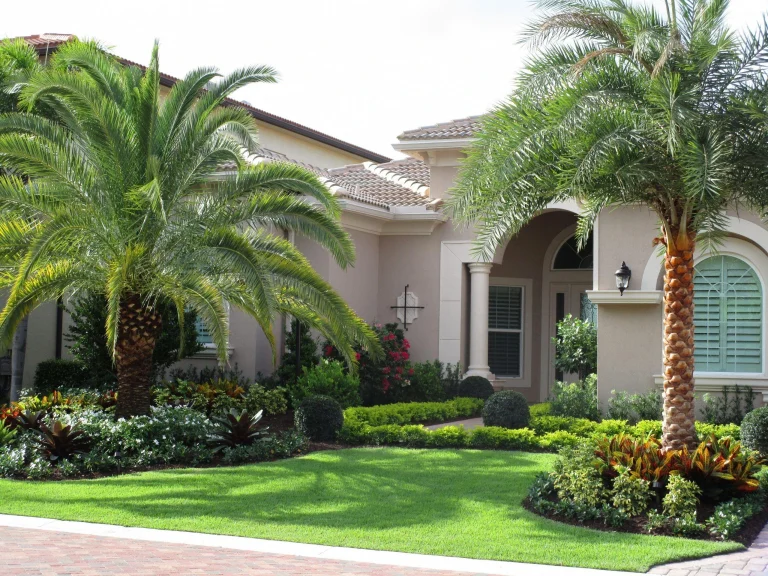
Foundation plants can make a house look polished or messy. The difference usually comes down to one mistake.
People buy for how a plant looks in the pot, not how big it grows. This guide fixes that.
You’ll find 13 shrubs, conifers, and perennials sorted by where they belong: corners, windows, the front door, and the bed edge.
Each pick lists its mature size and hardiness zones. You plant once and skip the hacking back later.
Match the Plant to the Spot
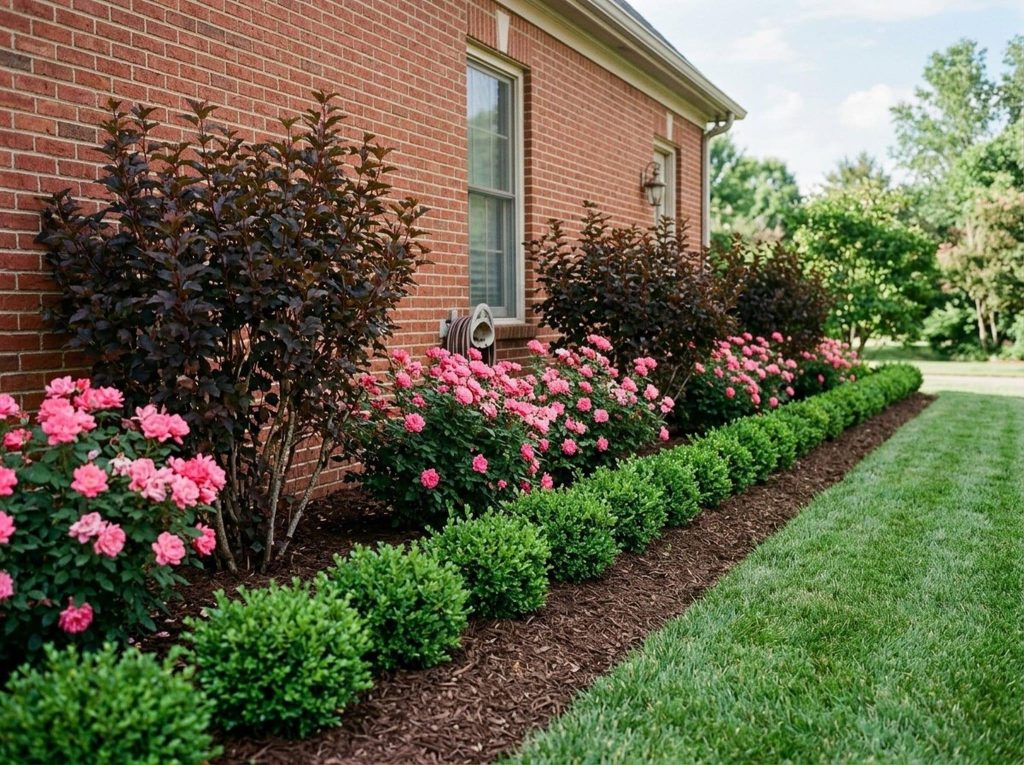
Every spot around your house has a different job. Decide the job first. Then pick the plant.
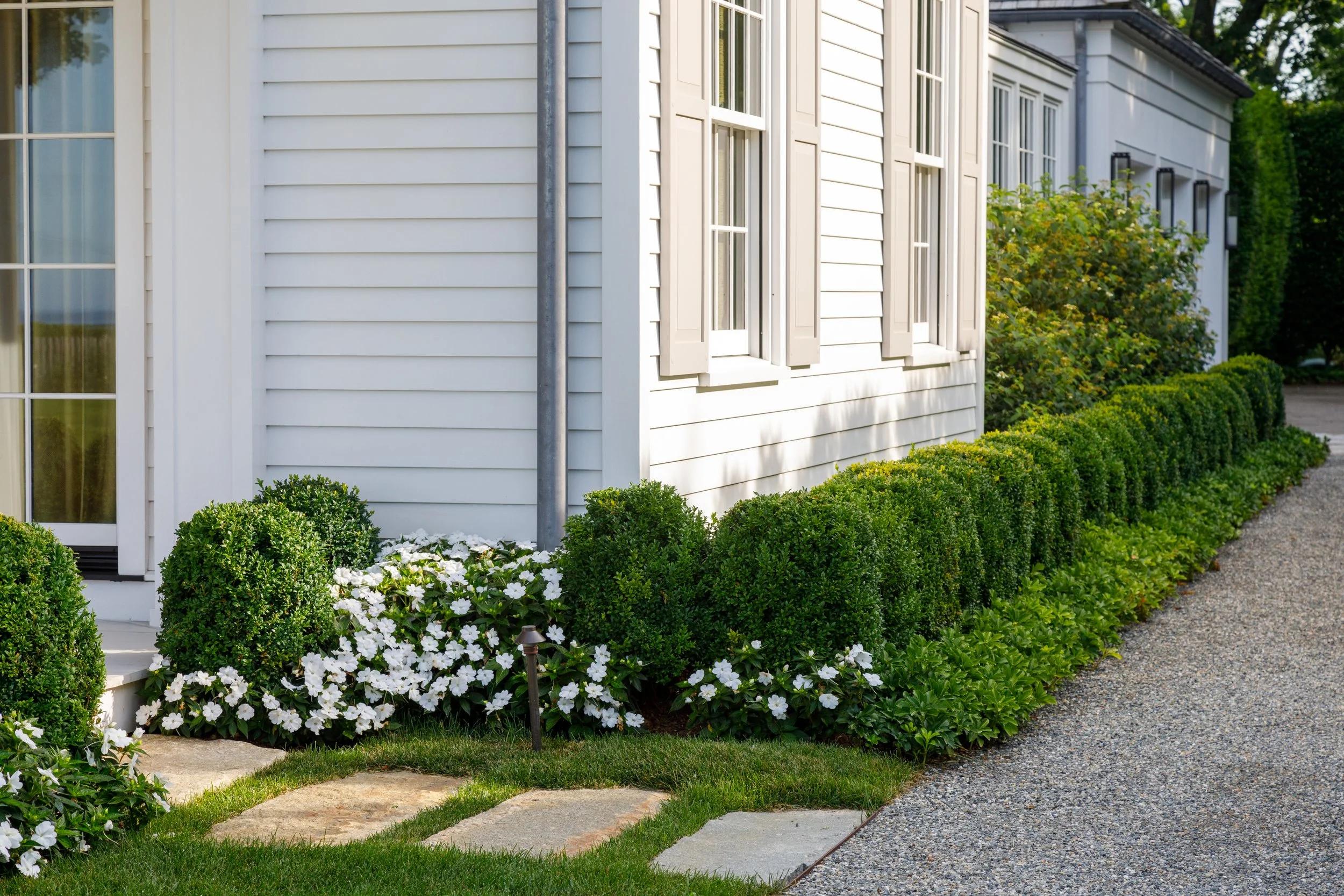
Corners: Taller shrubs go here. They tie the house into the yard and soften the sharp edge of the walls. (Picks 1 to 3)
Under windows: Stay low here. Choose shrubs that finish below the sill, so you never fight them with pruners. (Picks 4 to 7)
Entry: Pick neat, evergreen plants that look good up close all year. Keep them low enough that the door never feels hemmed in. (Picks 8 to 10)
Front edge: Low perennials and grasses fill the gap between the bed and the lawn. (Picks 11 to 13)
One more rule for the entry. Add one standout plant near the door, not five. Too many stars confuse the eye.
How Far From the House Should You Plant?
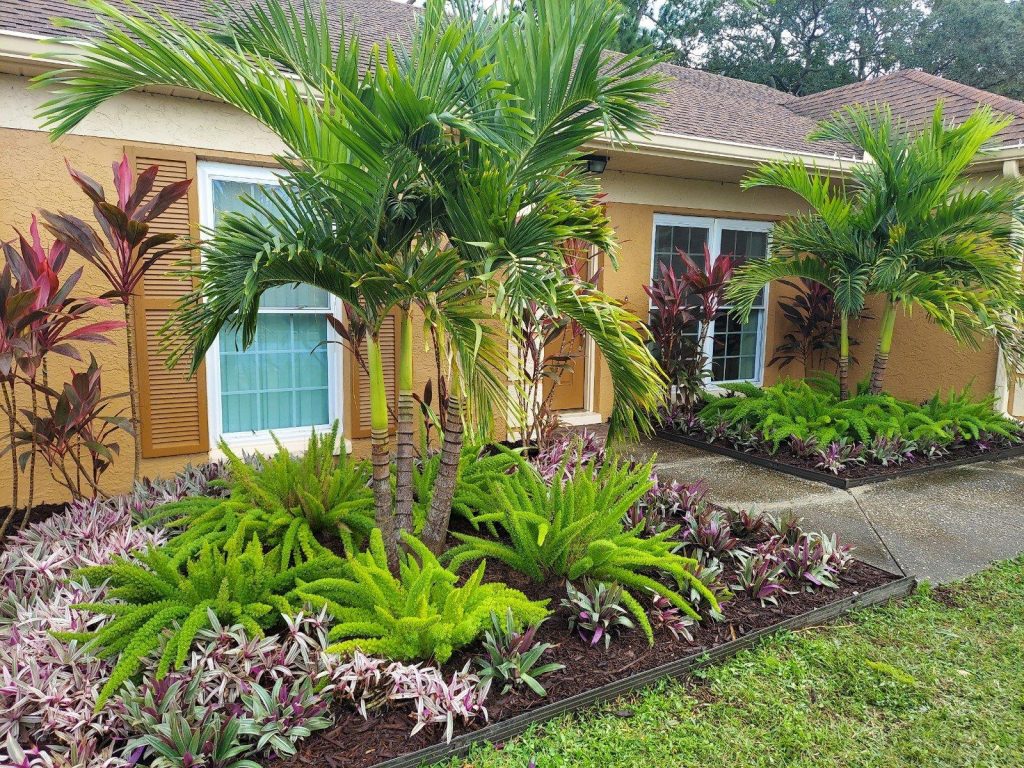
Distance matters as much as plant choice. Plants set too close trap moisture against your walls. They also block airflow and make repairs hard. These three rules keep you safe:
- Tall shrubs: If a shrub grows taller than 6 feet, keep its foliage at least 5 feet from the wall.
- Shorter shrubs: Leave at least 3 feet of clearance.
- Mulch and groundcovers: Pull them back about 12 inches from the foundation.
Measure to the edge of the plant at full size, not to the trunk. These rules matter most in humid climates, where trapped moisture does the most damage. In those areas, skip planting under roof eaves.
Choose drought-tolerant plants for the strip closest to the house, so you rarely need to water near the foundation.
Also read: Bare House Walls? 15 Front Yard Foundation Planting Ideas That Fix It Fast
The Mistake That Ruins Most Beds
Overplanting. Everyone wants a full bed on day one. So they pack in small, cheap shrubs. Three years later, those shrubs cover the windows and crowd each other out.
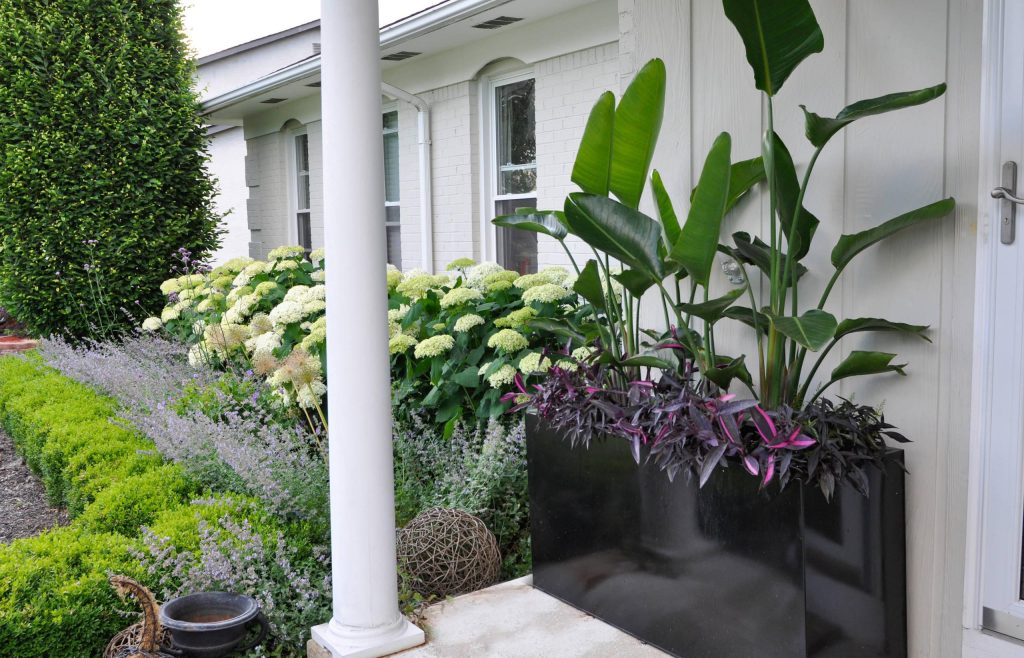
Plant fewer, and space them by the mature spread on the tag. Lay a garden hose on the ground to outline each plant’s full width before you dig.
Then step back and check the view from the street. A few well-placed shrubs beat a crowded row every time.
Read more: 17 Landscape Ideas for Small House Front Yards That Boost Curb Appeal
13 Best Foundation Plants for Front Yard
1. Sky Pencil Holly
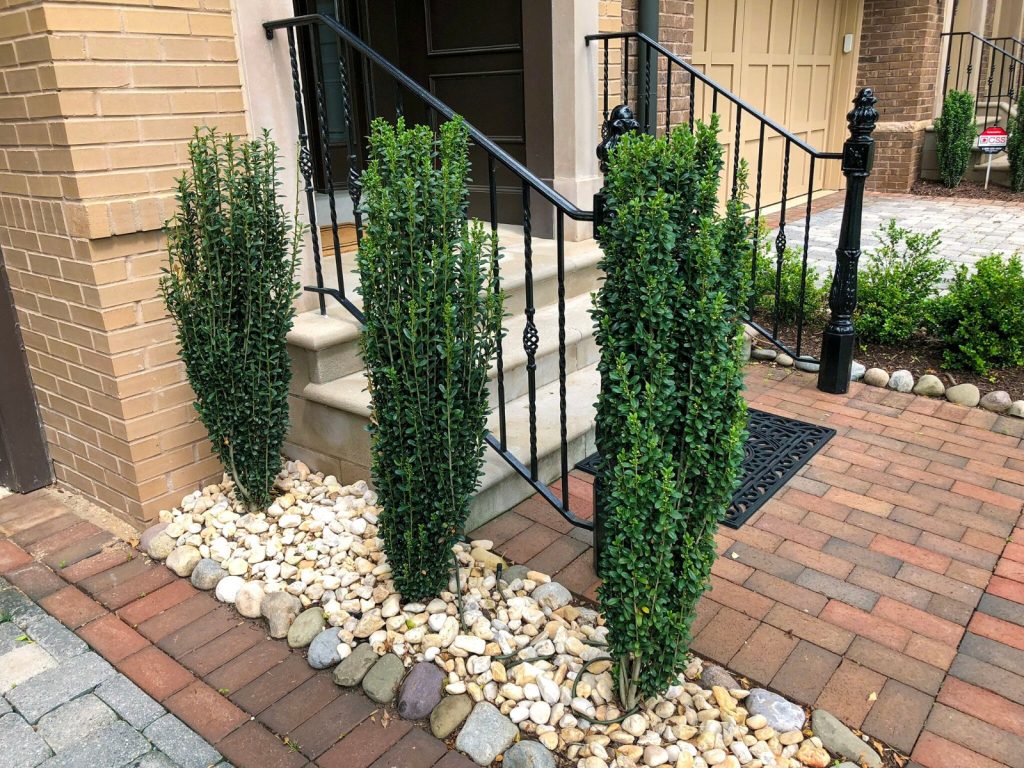
Need height without bulk? This narrow evergreen delivers. It grows into a slim, upright column of glossy, dark green leaves that look a lot like boxwood.
It holds its shape with almost no pruning. Growth is slow, so it won’t outrun its spot.
Plant it in a group of three or more, with lower shrubs at its feet. A lone tall column at a corner can look stiff. A cluster looks planned.
Best spot: Corners of a two-story home or a large, formal house.
Size and zones: Usually 6 to 8 feet tall and just 2 to 3 feet wide. Older plants can reach 10 feet. Hardy in zones 5 to 9.
Watch out: Hot, humid summers in zones 8 and 9 can stress it. Give it well-drained soil and skip wet spots.
2. Mount Airy Fothergilla
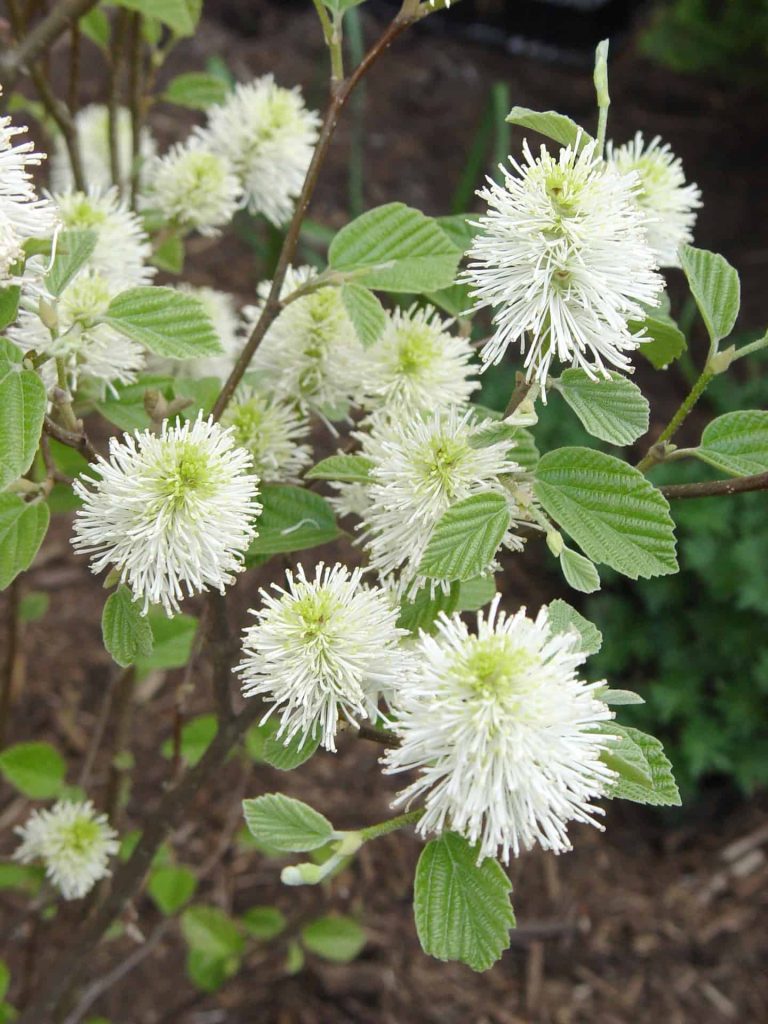
Few shrubs earn four seasons of interest. This one does. Honey-scented, white bottlebrush flowers open in spring, before the leaves show up. Dark green foliage fills out the summer. Then fall arrives, and the leaves turn yellow, orange, and red.
Give it sun. Flowers and fall color both improve in full sun, though it tolerates part shade. Work compost into the bed, since it likes moist, slightly acidic soil. Pruning is minimal.
Best spot: A front corner, or the point where the corner bed meets the entry bed.
Size and zones: About 4 to 5 feet tall and 3 to 4 feet wide. Hardy in zones 5 to 8.
Pair it with: Evergreens behind it. Their dark green makes the fall color pop.
3. Dwarf Burford Holly
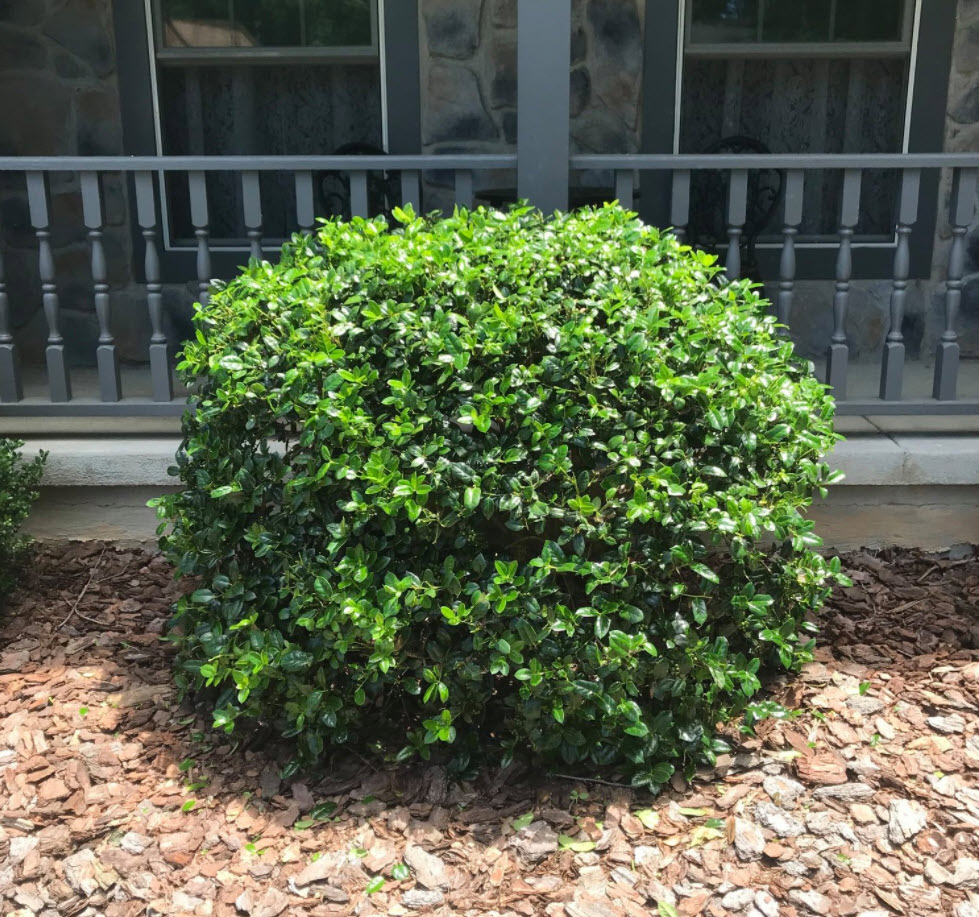
Don’t let the name fool you. This “dwarf” still grows into a big, rounded mound of glossy, deep green leaves.
That makes it a strong corner shrub for a large house, where small plants disappear. Bright red berries often show up in fall and winter.
It needs room. Mature plants spread 8 to 10 feet wide. Following the 5-foot rule, the center belongs roughly 9 to 10 feet from the wall. That means a deep bed.
If your bed is narrow, jump to Soft Touch holly below. This one grows in full sun or part shade and handles most soils with good drainage.
Best spot: Corners of large homes with deep front beds.
Size and zones: 6 to 8 feet tall and 8 to 10 feet wide. Hardy in zones 7 to 9.
Care tip: Water new plants well through the first growing season. Then feed once each spring with a fertilizer made for acid-loving plants.
4. Bobo Hydrangea
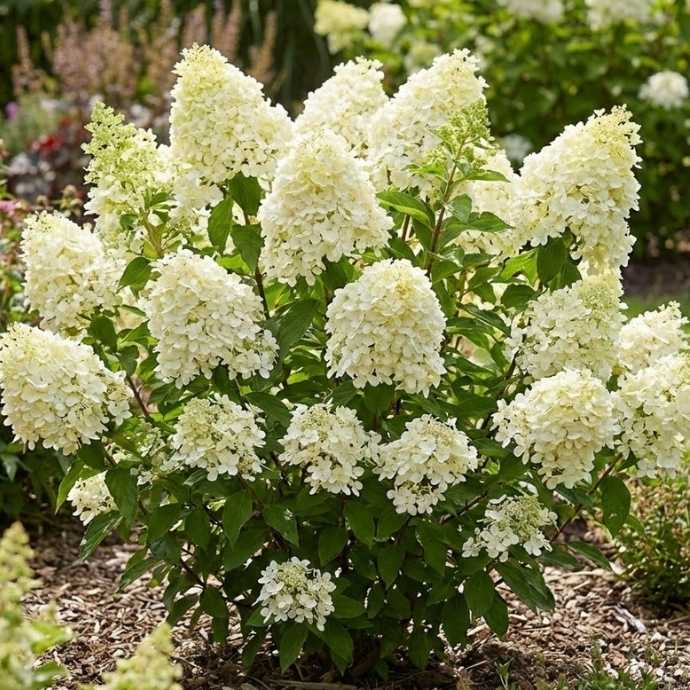
Big blooms, small footprint. This compact panicle hydrangea packs huge white flower cones onto a mounded shrub that tops out around 3 feet.
Blooms open in midsummer and last into fall. They age to pink. Sturdy stems hold them upright, even after rain.
Care is easy. Panicle hydrangeas bloom on new growth, so late winter pruning won’t cost you flowers. Cut the plant back by about a third. It likes full sun in cooler regions and part sun in hot ones.
Best spot: Under front windows, or along a low wall.
Size and zones: 30 to 36 inches tall and 36 to 48 inches wide. Hardy in zones 3 to 8.
Pair it with: Evergreen shrubs like Soft Touch holly. The green backdrop makes the white blooms stand out.
5. Soft Touch Holly
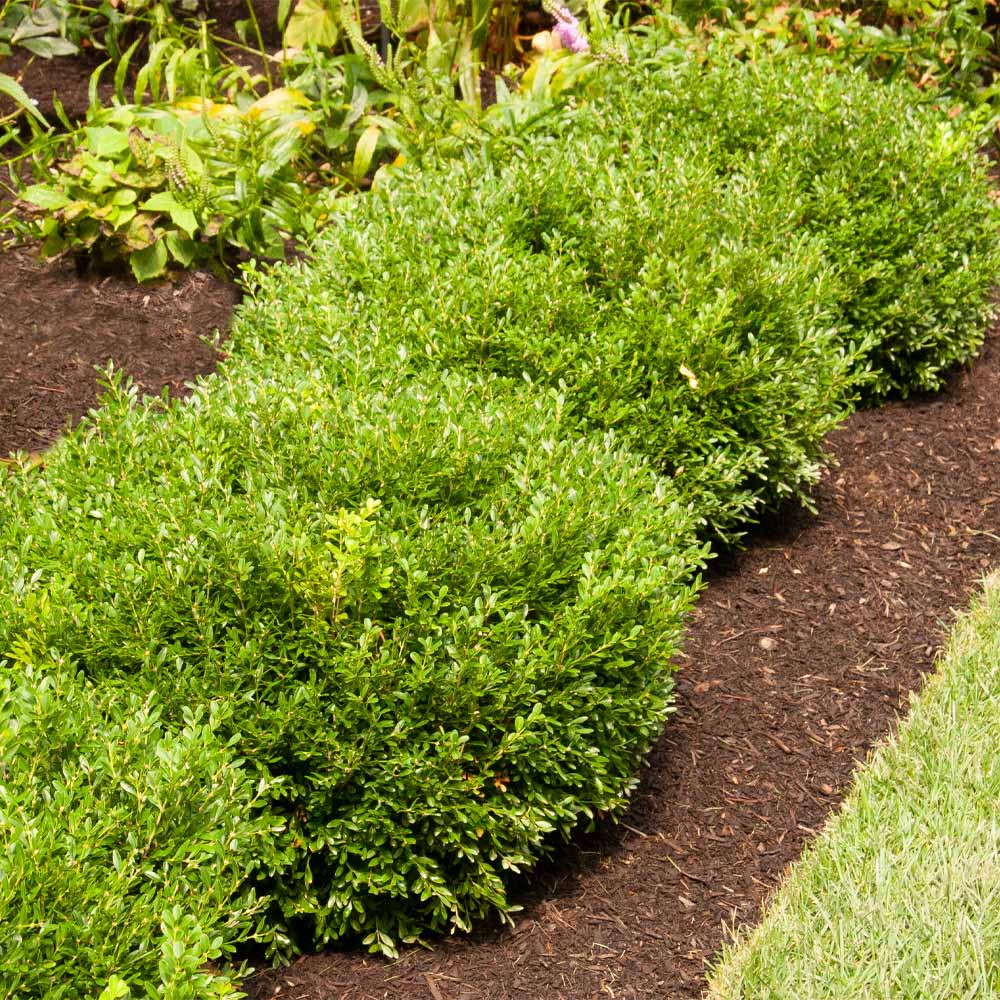
Prickly shrubs and walkways don’t mix. This Japanese holly has soft, spineless leaves, so it’s easy to brush past. It forms a dense, rounded mound that looks like a small boxwood.
It stays compact too, which makes it a smart fit under windows.
It grows in full sun or part shade. Give it well-drained soil and you’re set. Evergreen leaves keep the bed looking full through winter.
Best spot: Under windows and beside walkways.
Size and zones: About 2 to 4 feet tall and wide. Hardy in zones 6 to 9.
Pair it with: Bold-leaved plants for contrast. Its fine texture looks best next to bigger, coarser foliage.
6. Blue Cascade Distylium
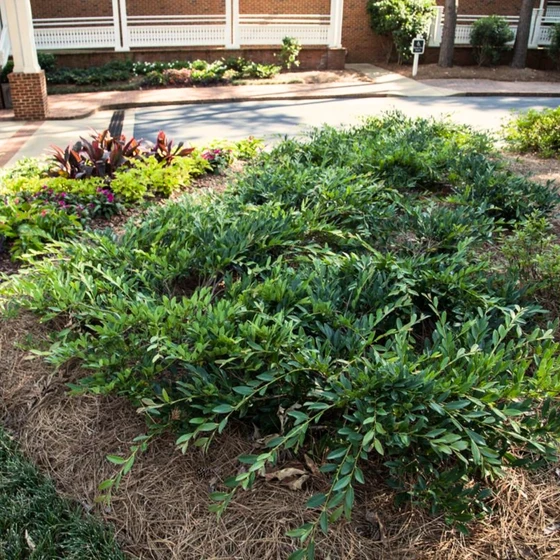
Tired of replacing sick boxwood and Indian hawthorn? I’d try this tough evergreen instead. It grows layered, arching branches covered in blue-green leaves.
The color holds all year. Small red-maroon flowers open in late winter, when almost nothing else is blooming. Pests and diseases rarely bother it. Heat and dry spells don’t faze it either.
Check the plant tag before you buy. Some listings say 3 to 4 feet wide. Others say it spreads much wider. Give it at least 4 feet of room and you’re safe.
Best spot: Under windows, or as a low hedge along the front of the house.
Size and zones: About 3 to 4 feet tall. Hardy in zones 7 to 9.
Watch out: In cooler zones, it may drop some leaves during a harsh winter.
7. Phenomenal Lavender
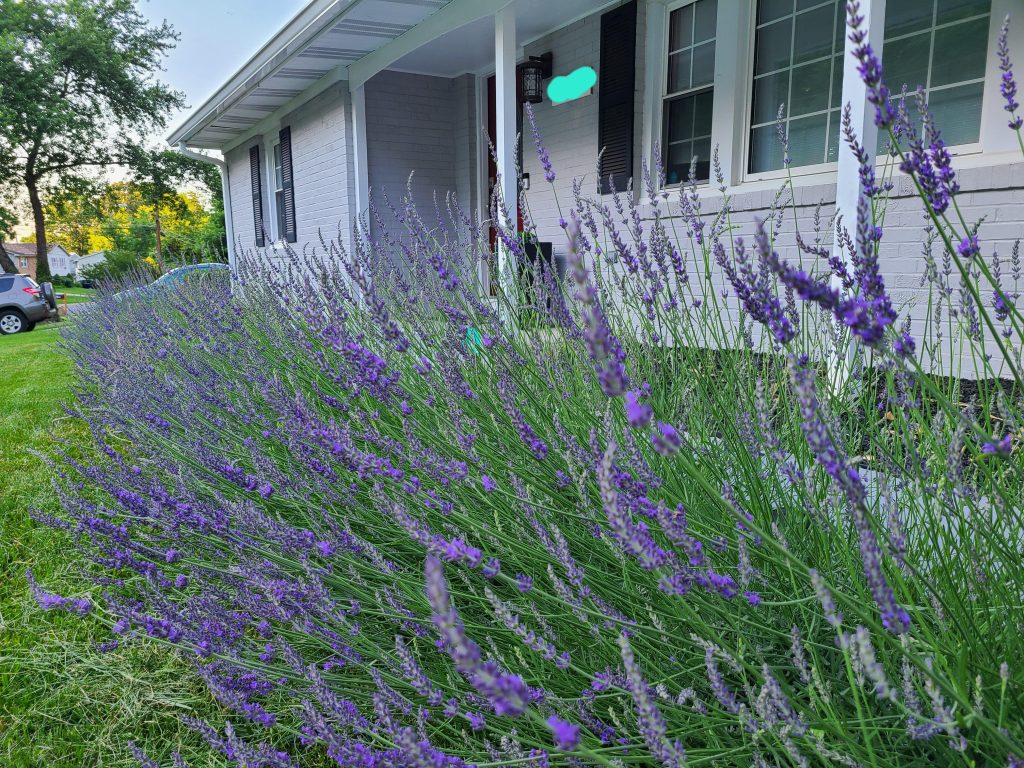
Want fragrance drifting through your open windows? Plant lavender right beneath them. Most lavender hates humid summers. This one doesn’t. It handles heat, humidity, and cold better than the classic types.
Silvery leaves form a neat mound. Violet-blue flower spikes rise in midsummer. Bees love them. Deer leave them alone.
Drainage decides everything. Wet soil in summer is the one thing that kills it. Skip spots under roof eaves and downspouts. Shear it lightly in early spring. Shear it again after it blooms.
Best spot: A sunny strip below a window you open often.
Size and zones: 2 to 3 feet tall and wide. Hardy in zones 5 to 9.
Pair it with: Stella de Oro daylily. Both love full sun and tolerate dry spells.
8. Little Giant Arborvitae
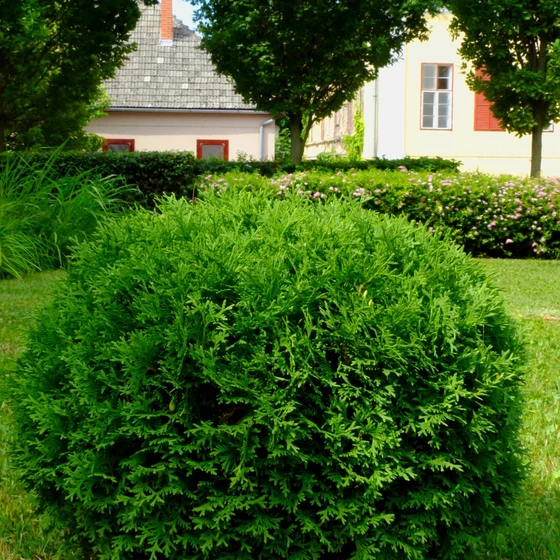
Picture a perfect green ball beside your front door. That’s this shrub. It grows into a tidy globe of deep green foliage. The color stays rich through winter. Growth is slow, so you’ll rarely pick up the pruners.
Plant one at a corner for a simple accent. Or set a pair on either side of the door for a formal look. Formal pairs suit traditional homes best.
Keep one thing in mind. Deer often nibble arborvitae. Skip this one if they roam your yard.
Best spot: Flanking the front door, or at a corner of the bed.
Size and zones: About 4 to 5 feet tall and wide over time. Hardy in zones 3 to 8.
Care tip: Give it full sun and steady moisture. Shield it from harsh wind. In hot regions, afternoon shade helps. Planting several? Space them 3 to 4 feet apart.
9. NewGen Independence Boxwood
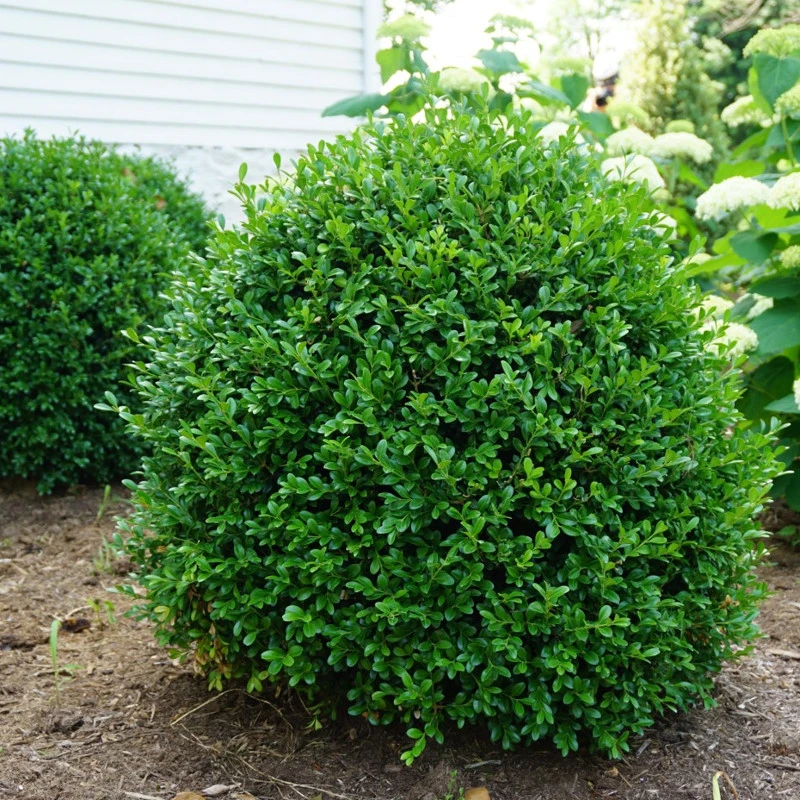
Love boxwood but fear blight? I get it. Blight spreads fast and can wipe out a hedge. This newer selection fights back. It resists boxwood blight, leafminer, and psyllid.
You still get the classic look. The leaves are dense and dark green. The shape is naturally round.
A few habits help it thrive. Mulch the roots. Water at the base, never overhead. Wet leaves invite fungus.
Keep the top of the root ball slightly above the soil line when you plant. Deep planting weakens boxwood.
Best spot: Beside the front steps, or as a low hedge under windows.
Size and zones: About 3 feet tall and wide. Hardy in zones 5 to 9.
Pair it with: Hameln fountain grass. Soft, airy plumes loosen its formal shape.
10. Gold Mop Cypress
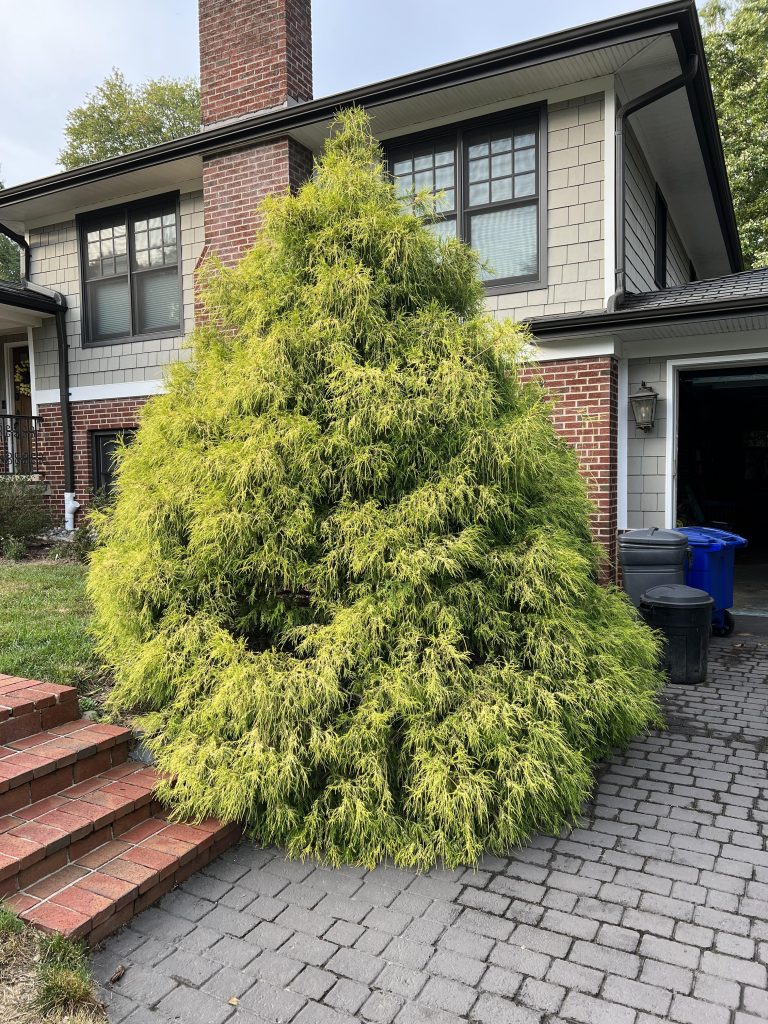
Want one bright spot at your entry? Pick this one. Thread-like golden foliage spills into a soft mound. It glows even on gray winter days. Let it be your single star.
A little bright color goes a long way. Keep the plants around it calm and green.
Growth is slow, about 3 to 6 inches a year. It stays low for years. You won’t need to prune it.
Best spot: Beside the front steps, surrounded by darker green shrubs.
Size and zones: 3 to 5 feet tall and wide after many years. Hardy in zones 4 to 8.
Care tip: Mulch well and keep the soil evenly moist. Hot, dry summers can scorch it. Afternoon shade helps in warm regions.
11. Stella de Oro Daylily
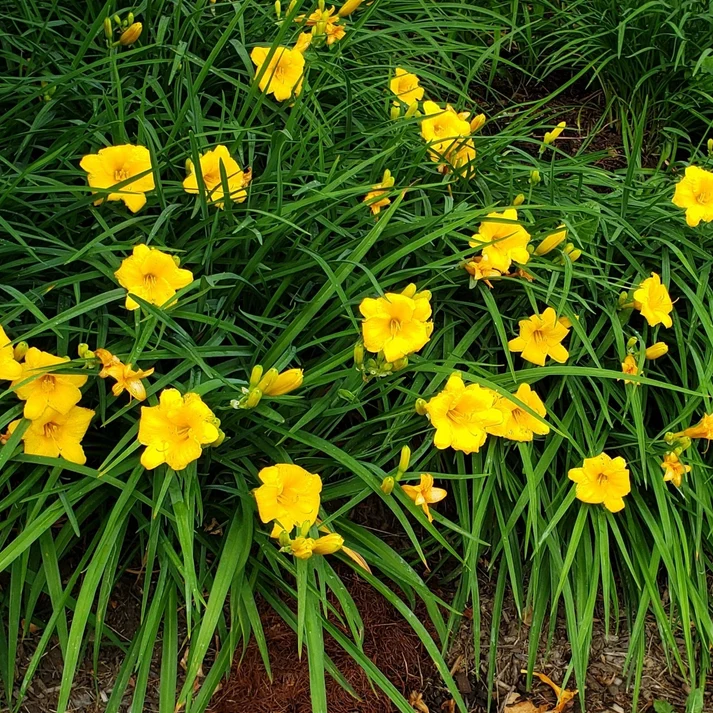
Need color that won’t quit? Meet the hardest-working daylily around. Golden-yellow, lightly fragrant flowers open from early summer into fall.
Deadhead the spent blooms and it keeps going. Grassy leaves form neat mounds. They hide bare soil along the edge of your bed.
It’s tough, too. Once it settles in, it handles dry spells with ease. Rabbits mostly ignore it.
Best spot: The front edge of sunny beds, or along the walkway.
Size and zones: About 1 foot tall, and up to 18 inches with flower stalks. Hardy in zones 3 to 9.
Care tip: Plant clumps 12 inches apart. Snip spent flower stems. Divide crowded clumps in fall or early spring. Clear old leaves in late fall.
12. Hameln Dwarf Fountain Grass
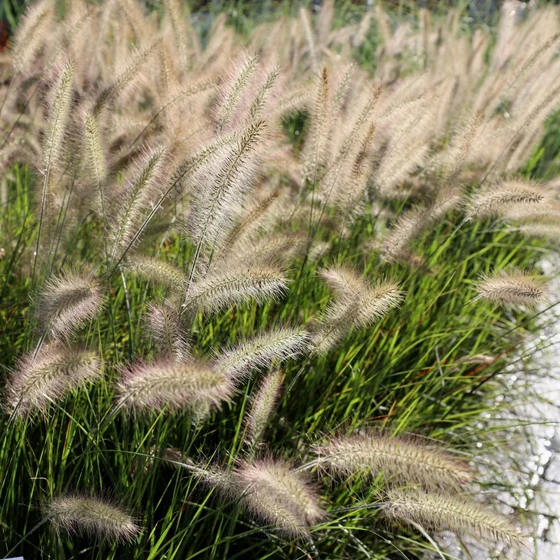
Add movement to a still bed. This fine-textured grass forms a graceful fountain of green leaves. Fluffy, bottlebrush plumes appear in late summer.
In fall, the leaves turn gold and bronze. The plumes often hang on into winter.
It runs taller than the other edge plants. Use it where your bed is deep. Or tuck it at the front of a sunny corner. Don’t panic in spring. It’s a warm-season grass, so it wakes up late.
Best spot: The front of deep, sunny beds.
Size and zones: 2 to 3 feet tall and wide. Hardy in zones 5 to 9.
Care tip: Cut it down to 4 to 6 inches in early spring. Fresh growth follows fast.
13. Lenten Rose
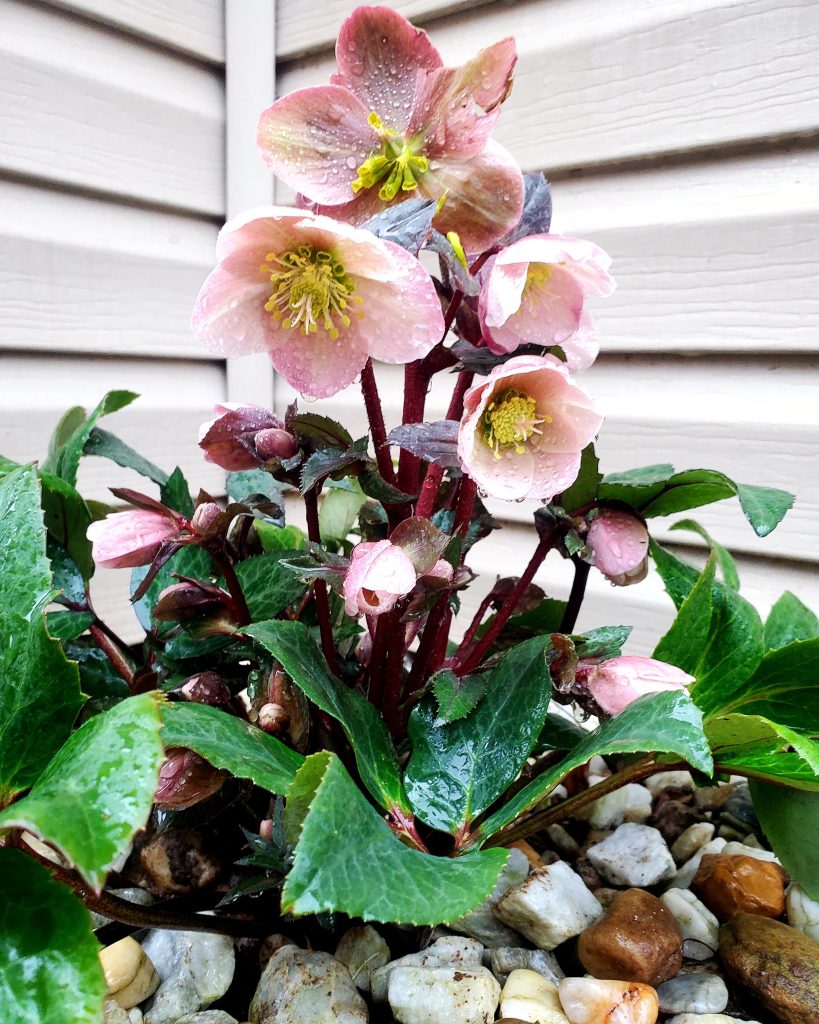
Got a shady north side? Here’s your winner. This evergreen perennial blooms when almost nothing else does. Nodding, rose-like flowers open in late winter and last for weeks.
Colors run from white to pink to deep purple. The glossy leaves stay green all year. Deer and rabbits leave it alone.
Patience pays off here. It’s slow to settle in. But a happy clump lives for years. Plant it where it can stay. It hates being moved.
Best spot: Shady beds, especially on the north side of the house.
Size and zones: 15 to 18 inches tall. Hardy in zones 4 to 9.
Care tip: Plant in rich, moist, well-drained soil. Trim old leaves to the ground in late winter, before the buds rise.
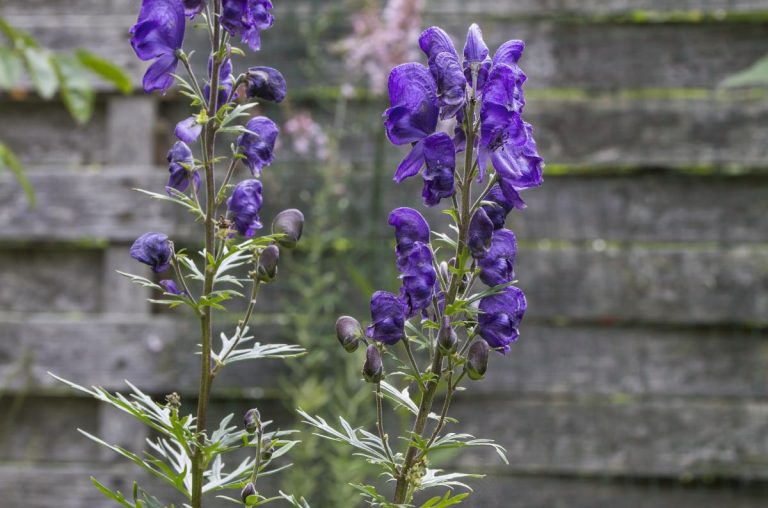
Heads up: Every part is toxic if eaten. The sap can irritate skin. Wear gloves when you trim it.
FAQs
How far from the house should I plant foundation shrubs?
Shrubs that grow taller than 6 feet should sit at least 5 feet from the wall. Shorter shrubs need at least 3 feet. Keep mulch and groundcovers about 12 inches back from the foundation.
How many evergreens should I include?
Aim for about a third to half of your plants. Evergreens give the bed structure when everything else goes dormant. Fill in the rest with flowering shrubs and perennials for color.
Can foundation plants damage my house?
Small shrubs rarely do. The real trouble comes from crowding. Plants packed against the wall trap moisture and block airflow. Big trees need far more room, and I’d keep aggressive vines like ivy off the walls.
What can I plant on a shady front side?
Lenten rose is my top pick for deep shade. Soft Touch holly, Gold Mop cypress, and Mount Airy fothergilla all tolerate part shade. Save the sun lovers, like lavender and daylily, for the bright side of the house.
When is the best time to plant?
Fall works well for most shrubs. Roots grow while the weather stays cool. In cold regions, plant evergreens early in fall so roots settle before the ground freezes. Warm regions can plant from fall through early spring.
Ready to Plant Your Foundation Bed?
Start with the spot, then pick the plant. Measure the space and check the mature size on every tag. Choose fewer plants and give each one room to grow. Do that, and your front yard will look better every year.