Small Trees With Non-Invasive Roots: 13 Safe Picks for Patios, Front Yards & Tight Spaces

You want a tree. You also want to keep your patio, pipes, and foundation safe. That worry is fair.
Some trees send thick roots everywhere. Others stay polite.
I picked 13 small trees from the polite group. Each one has gentle, shallow, or slow-growing roots.
You will also see how far to plant each one from your house, your walkways, and your pipes.
Start with the root basics below. Then pick the tree that fits your spot.
What “Non-Invasive” Really Means
Here is the part most guides skip. Every tree sends roots well past its branches. Experts often find them two to three times as wide as the crown.
A tree with a 10-foot crown can have roots 20 to 30 feet out.
So what does non-invasive mean? It means the roots stay thin, shallow, and slow.
They do not thicken fast enough to lift paving or crush a pipe. Most of them sit in the top 12 to 24 inches of soil.
Do roots break foundations? Rarely. Roots do not usually punch through solid concrete. The real trouble comes from two things.
First, thirsty roots can dry out clay soil under a house. The soil shrinks, and the foundation shifts. Second, roots can grow into cracks that already exist.
Thick roots stay close to the trunk and taper fast. A small tree planted at a smart distance has little chance to cause either problem.
Pick a small, slow tree. Give it room. That is the whole secret.
Read more: Small Trees for Flower Beds: 13 Showstoppers That Won’t Crowd Your Perennials
How Far to Plant: A Simple Distance Guide
These numbers use the tree’s mature size, not the size you buy at the nursery.
From your house: At least half the tree’s mature width. For most small trees, that means about 10 feet.
From walkways, patios, and driveways: 3 to 4 feet for trees under 30 feet tall. Go farther if you can.
From sewer and water lines: More than 10 feet. Thirsty trees need 20 to 30 feet.
From a septic drain field: Plant 10 feet beyond the tree’s mature root spread.
Before you dig: Call 811 so someone can mark your underground lines.
Short on space? Pick a tree from the smaller end of its size range. A few extra feet now beats a costly repair later.
15 Small Trees with Non Invasive Roots
1. Japanese Maple
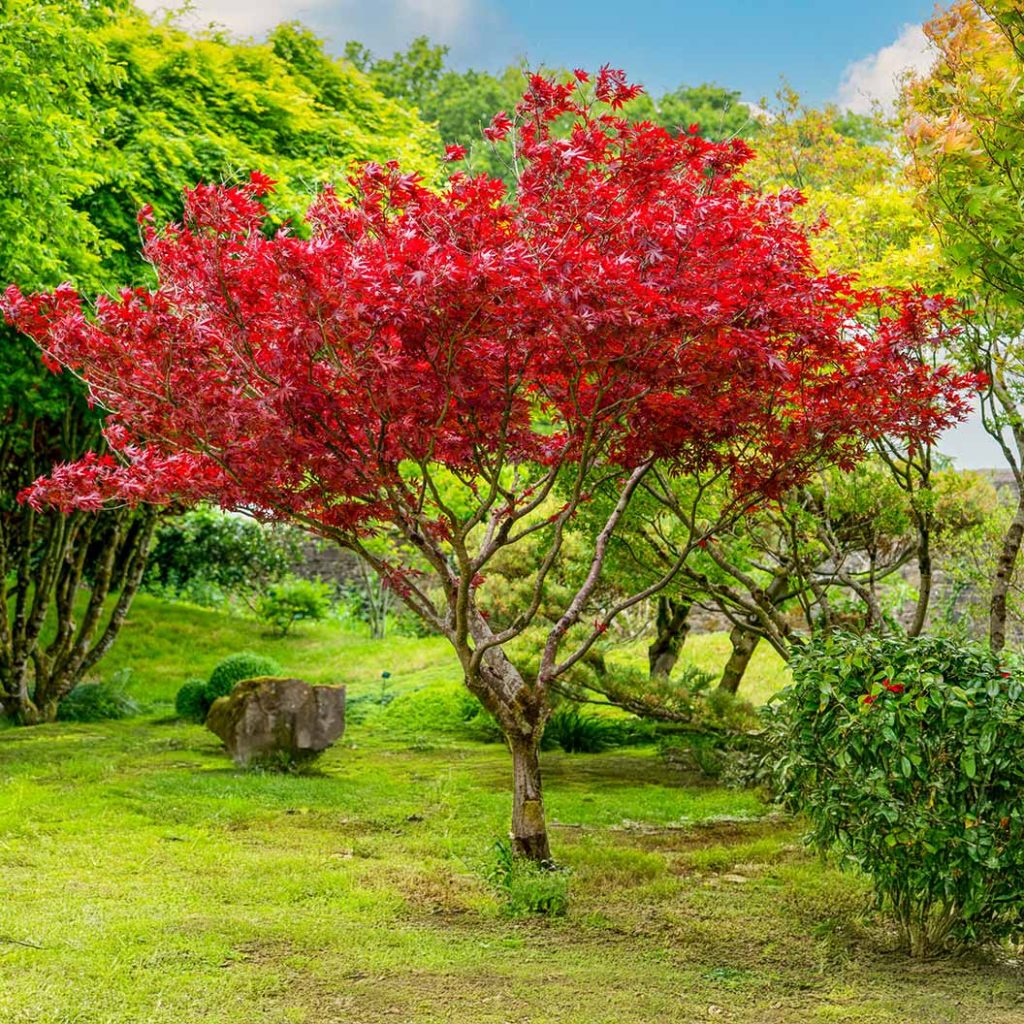
Few small trees look as graceful as this one. The leaves are fine and lacy, and the fall color glows red or orange.
Many types stay around 8 feet tall, so they tuck into corners and beds with ease.
The roots are shallow, fine, and fibrous. They spread sideways in the top 12 to 24 inches of soil. That habit rarely threatens a foundation.
It does mean the roots hate competition. Skip the lawn under the canopy. Cover the soil with 2 to 3 inches of mulch instead.
Heat matters too. White walls, patios, and sidewalks bounce heat onto the leaves and can scorch them. Give your maple afternoon shade. Water it deeply, but not too often.
Size and zones: 8 to 25 feet tall, depending on the type. Zones 5 to 8.
Plant it: Compact types can sit closer to the house. Full-size trees need about 10 feet. Keep any maple 3 to 4 feet from paving.
Watch out for: Roots that circle the trunk. If you spot one, ask an arborist to take a look.
2. Fringe Tree
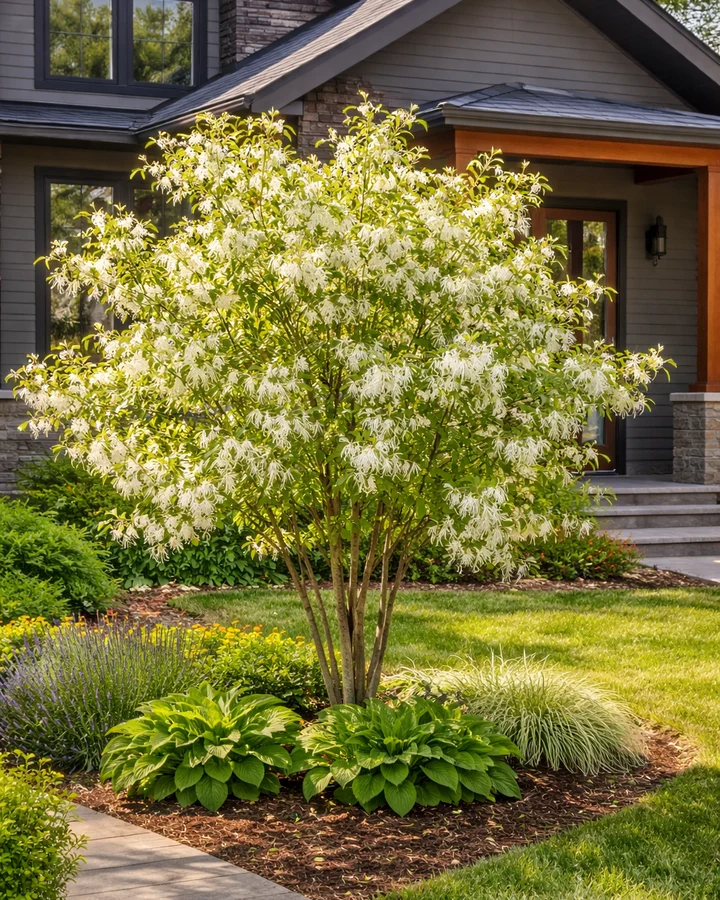
Spring turns this tree into a cloud of white. Long, fluffy flower clusters hang from every branch for about two weeks. They show up just as dogwoods finish. The look is soft, and the scent is light.
It stays small and grows slowly. Most reach 12 to 20 feet tall and wide. Experts rate its roots as no problem.
It works near patios, in big pots, and even in strips beside a sidewalk that are just 3 to 4 feet wide. That makes it one of the most flexible picks on this list.
You can train it two ways. Leave it multi-stemmed for a rounded, shrubby shape. Or remove the lower branches to build a single trunk.
Size and zones: 12 to 20 feet tall. Zones 3 to 9 for the native type.
Light and soil: It blooms best in full sun. It handles clay and likes moist, well-drained soil.
Good to know: Male and female flowers grow on separate trees. Females make dark blue fruit that birds love.
3. Japanese Snowbell
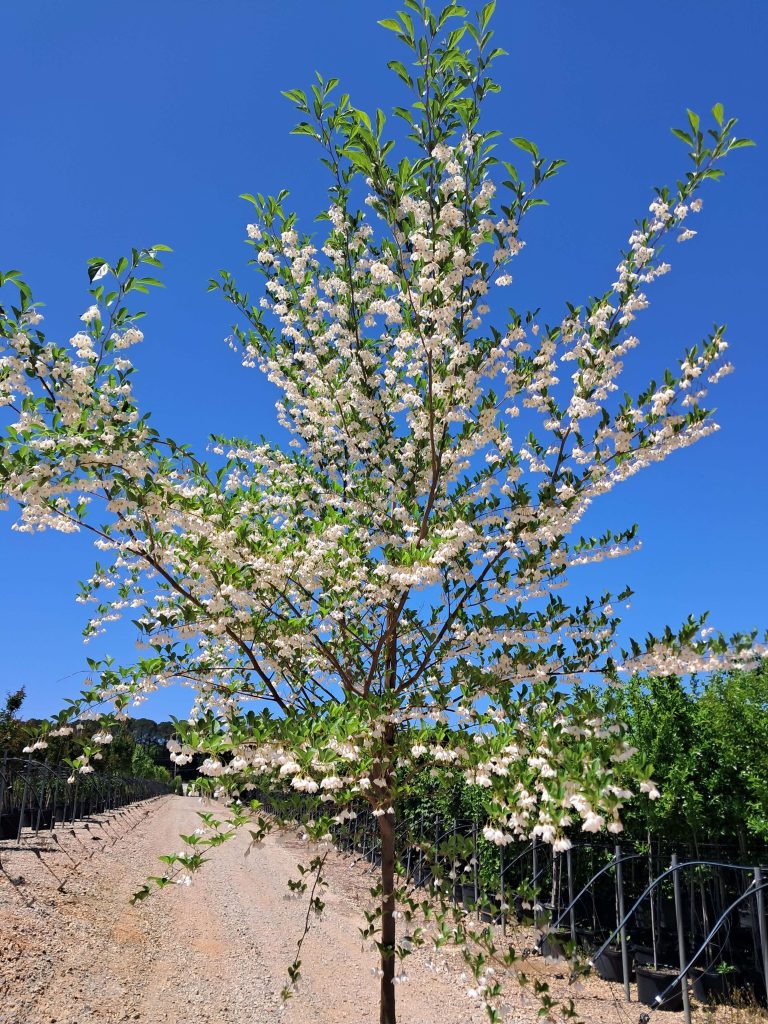
Sit on a bench under this tree, and you will see why people love it. White, bell-shaped flowers dangle in neat rows along horizontal branches in late spring.
Up close, the bark shows orange-brown ridges you can enjoy all winter.
It grows slowly to 20 or 30 feet. Prune off the lower branches, and it becomes a vase-shaped patio shade tree. The roots are not a problem near patios.
The fruit may drop for a short time in fall, but the mess is small.
Bees adore the flowers. Expect a buzzing crowd at bloom time, so place your seating a few steps away.
Size and zones: 20 to 30 feet tall. Zones 6 to 8.
Soil: Moist, acidic, and well drained. Soggy ground is a no.
Try this variety: ‘Pink Chimes’ has pink flowers. ‘Carillon’ has a weeping shape.
Cold-zone tip: In the chilliest part of its range, shelter it from winter wind.
4. Star Magnolia
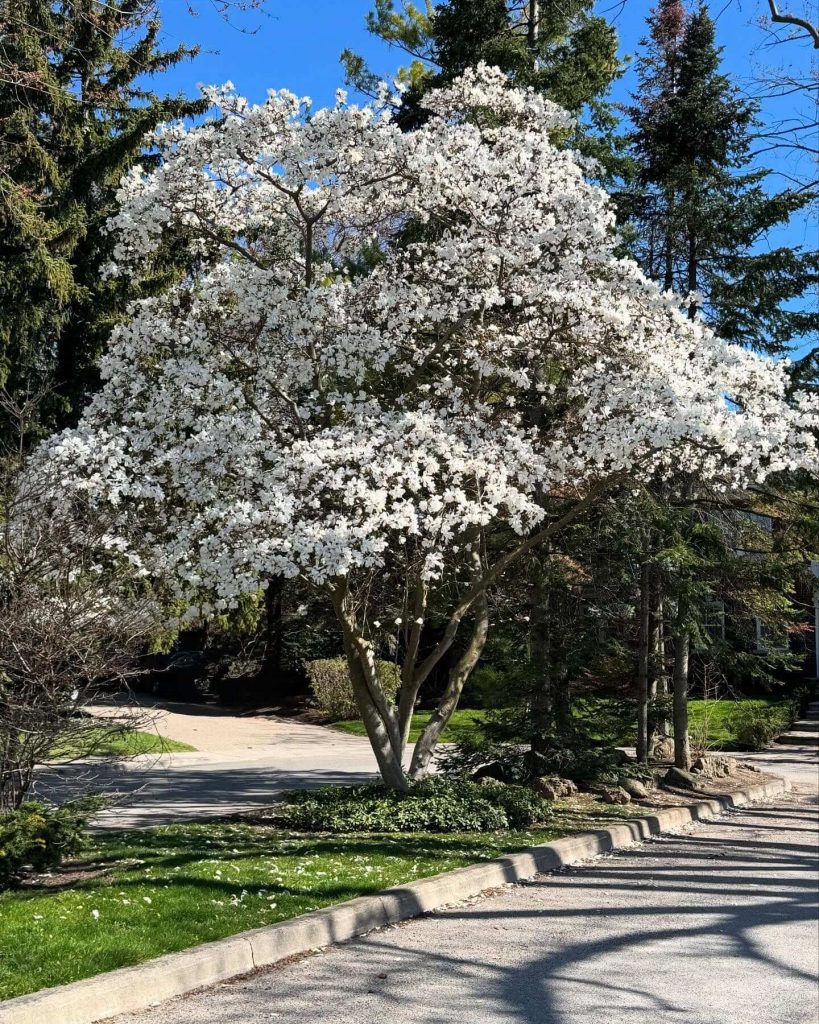
Winter is barely over, and this tree is already blooming. Fuzzy silver buds open into fragrant, star-shaped white flowers on bare branches. That early show is why gardeners wait for it every year.
Here is the catch. The roots are not aggressive, but they are shallow, thick, and fleshy. They also reach wider than the branches. They hate disturbance.
Skip digging, tilling, and underplanting around it. Cover the soil with bark mulch and leave it alone.
Pick a sheltered spot. A late frost can damage open flowers. A dark evergreen backdrop makes the white blooms pop.
Size and zones: Usually 10 to 15 feet tall, and slow. Zones 5 to 8.
Plant it: Keep the root flare at soil level. Never bury it deeper. Give it steady moisture, since it handles dry soil poorly.
Best for: Quiet corners where nobody will dig.
5. Serviceberry
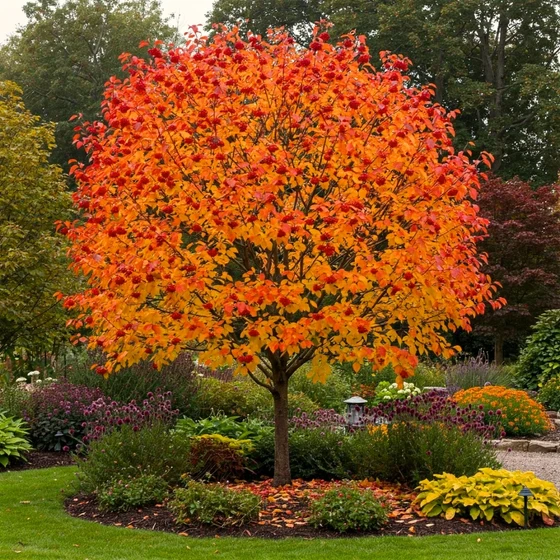
Four seasons of interest come in one small tree. White flowers open in spring. Edible berries follow in early summer. Then the leaves turn orange and red in fall.
The roots are not invasive. That means you can plant it near a walkway and even tuck perennials under its branches.
The shade is light, so shade-loving plants grow well below. Most types reach 15 to 25 feet tall with several stems and a natural, rounded shape.
You will share the berries with the birds. That is part of the charm.
Size and zones: 15 to 25 feet tall. Most types grow in zones 4 to 9.
Light: Full sun to part shade.
Popular pick: ‘Autumn Brilliance’ is a well-known cultivar.
Watch out for: Fire blight and cedar-serviceberry rust. Ask your local extension office which cultivar suits your area.
6. Kousa Dogwood
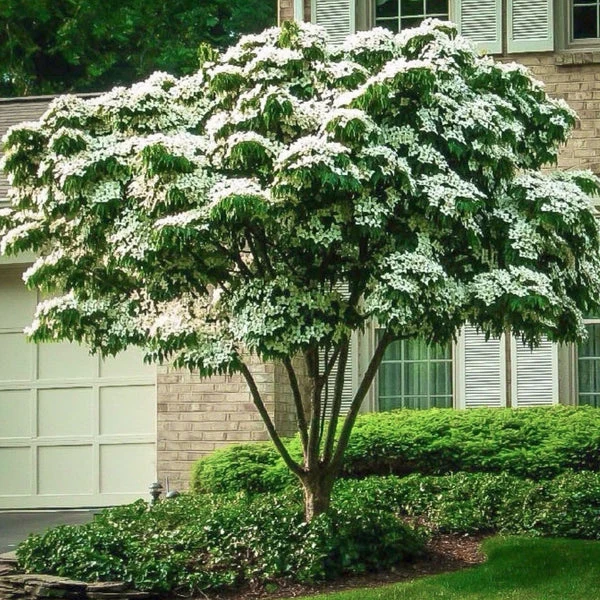
Just when spring blooms start to fade, this tree takes over. Pointed white bracts cover the branches about a month after flowering dogwoods finish.
They glow for weeks. Later, round red fruits that look like raspberries hang from the stems.
The roots are shallow and fibrous. Experts rate them as no problem. That makes this tree a smart pick for a front yard near the house.
The bark peels into a mosaic of gray, tan, and brown. Thin the lower branches, and you can show it off all winter.
Give it good soil and a thick mulch blanket. It likes moist, loamy ground that drains well. Heavy clay and long dry spells make it sulk, so water it during summer droughts.
Size and zones: 15 to 25 feet tall and wide. Zones 5 to 8.
Why it beats the native dogwood: It handles dogwood anthracnose far better than flowering dogwood does.
Fun fact: The red fruit is edible. Birds usually win that race.
7. Paperbark Maple
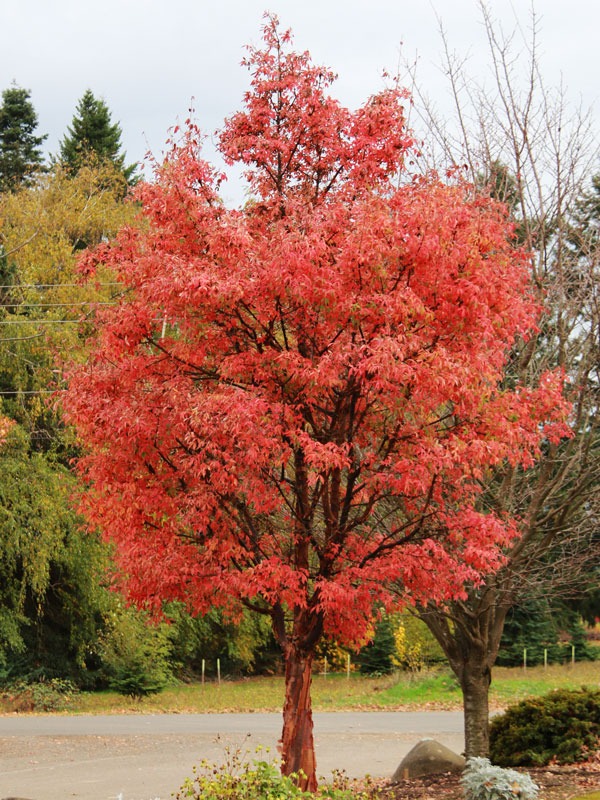
Winter is when this tree shows off. Cinnamon-colored bark curls away in thin, papery sheets, and snow makes the color glow. In summer, blue-green leaves split into three leaflets. In fall, they may turn red or orange.
I would plant it for the bark first. Fall color changes from year to year, so treat it as a bonus.
The roots are not a problem, and the tree grows slowly. Expect a higher price tag. It is slow to grow and hard to propagate. A larger nursery tree gives you a head start.
It adapts well. It handles clay, alkaline soil, and road salt. It prefers moist, well-drained ground and dislikes long droughts.
Give it space, too. People often plant this tree too close to buildings.
Size and zones: 20 to 30 feet tall and about 15 to 25 feet wide. Zones 4 to 8.
Plant it: At least 10 feet from the house, in sun or part shade.
Pruning: Rarely needed.
8. Eastern Redbud
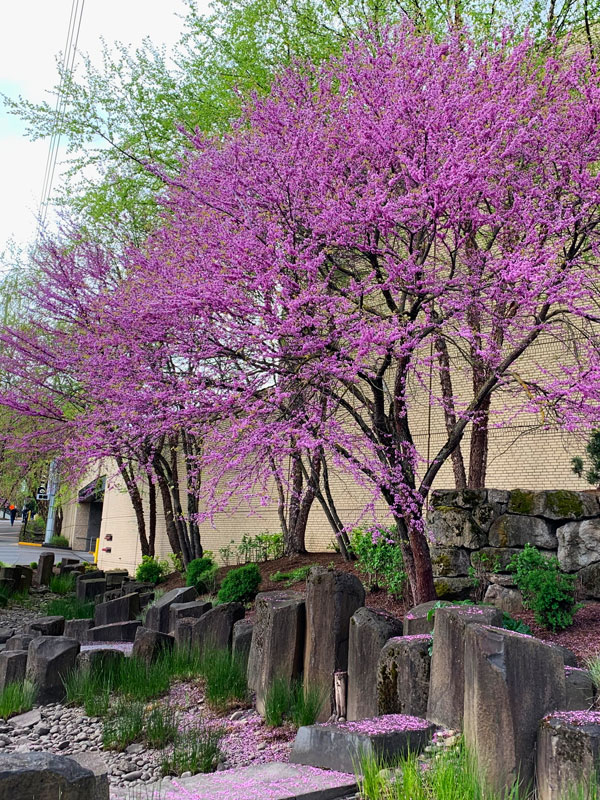
Before most trees even think about leafing out, this one covers itself in pink-purple flowers. The blooms cling to the branches and even the trunk. Heart-shaped leaves follow. Bees and hummingbirds drop by for the show.
It sends a deep taproot down early. Experts still rate the roots as no problem, so you can use it near patios and walkways.
It grows fast when young. Then it settles into a graceful, flat-topped vase shape.
Want a twist? ‘Forest Pansy’ has purple leaves. ‘Hearts of Gold’ has chartreuse ones.
Size and zones: 20 to 30 feet tall. Zones 4 to 9.
Soil: It adapts to many types, even sandy or alkaline. Light, rich, moist soil is best.
Plant it: About 10 feet from the house.
Watch out for: Canker and verticillium wilt. Ask your local nursery which problems show up in your area.
9. Japanese Tree Lilac
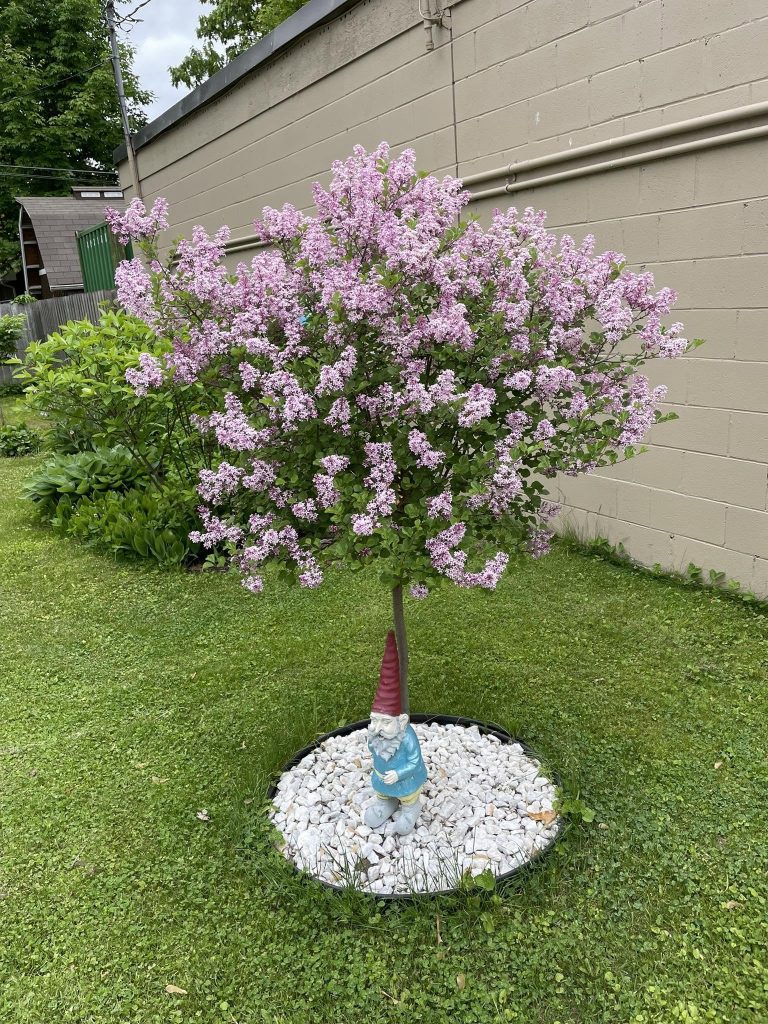
Late spring brings a second lilac season. Big, creamy white clusters, up to a foot long, open after the common lilacs finish.
They smell sweet. Some people find the scent a bit like privet. I would sniff one before you buy.
This is a true city tree. It handles poor soil, dry spells, alkaline ground, and road salt. The roots are no problem, and cities plant it in narrow strips along streets.
‘Ivory Silk’ stays around 20 to 25 feet. ‘Summer Snow’ is more compact. The shiny reddish bark looks a lot like cherry bark.
Fall color is poor, so enjoy it for the flowers and bark. In humid summers, powdery mildew can show up.
Size and zones: 20 to 30 feet tall. Zones 3 to 7. It prefers cooler summers.
Plant it: Cities suggest 15 feet from buildings, 7½ to 10 feet from driveways, and 5 feet from underground utility lines.
Light: Full sun for the best flowers.
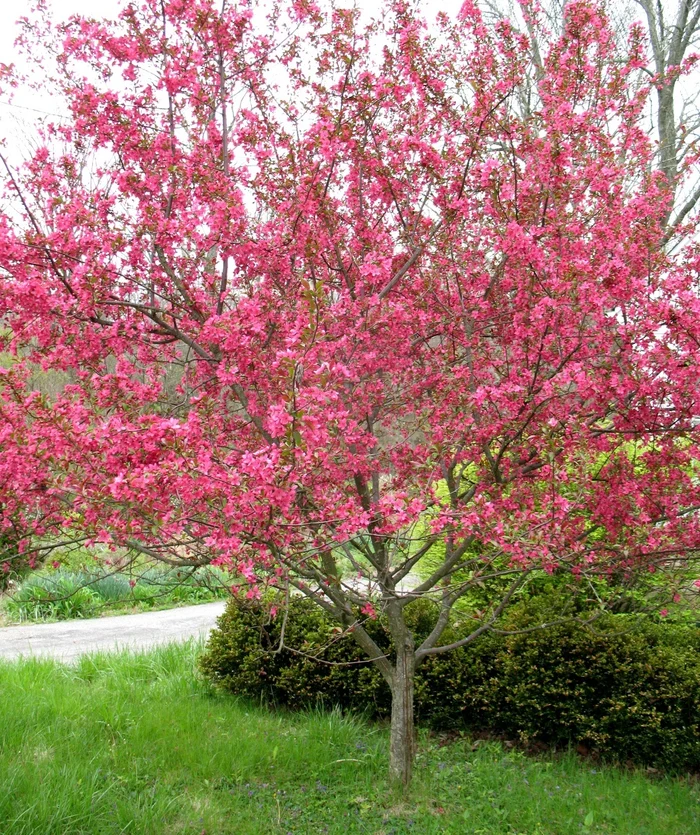
10. Flowering Crabapple
Spring color does not get much more generous than this. Clouds of pink, rose, or white blooms cover the branches. Tiny fruits follow and feed the birds into winter.
Here is the honest part. Many older crabapples get apple scab. Leaves turn yellow and drop by midsummer. Others catch fire blight. So pick a disease-resistant cultivar.
‘Donald Wyman,’ ‘Adams,’ ‘Prairifire,’ and ‘Silver Drift’ are good names to ask for. Resistant does not mean immune, so expect a few spots in a wet year.
The roots are manageable. Extension guides place small flowering crabapples about 10 feet from a foundation. That makes this tree a fair match for a front yard or a driveway edge.
Size and zones: 15 to 25 feet tall, depending on the cultivar. Most grow in zones 4 to 7.
Light: Full sun and good drainage.
Watch out for: Suckers at the base. Pull them while they are small. Ask your local extension office which cultivars do best near you.
11. Pagoda Dogwood
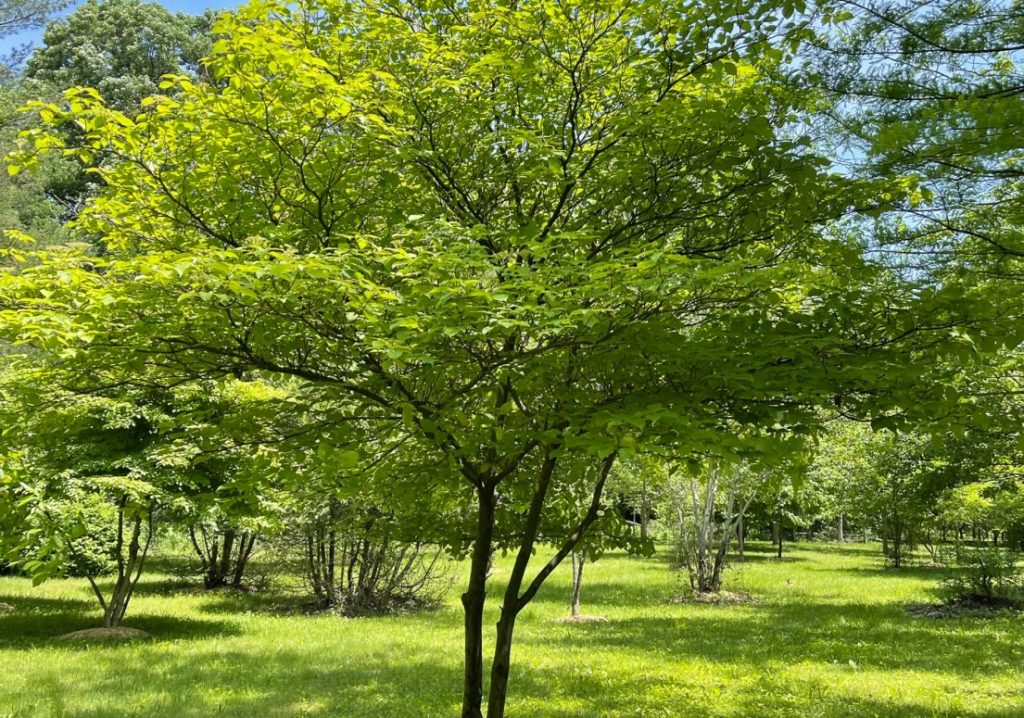
Look at the branches, and you will see how it got its name. They grow in flat, horizontal tiers, like the roofs of a pagoda.
In late spring, creamy white flower clusters sit on top of each layer. They smell sweet. Blue-black berries on red stalks follow, and birds go for them fast.
This one is for shade. It does well in part shade, and the north or east side of a house suits it.
The roots are fibrous and spread wide, not deep. Keep a 3-inch layer of mulch over them. It keeps them cool and moist.
It is not a tough-as-nails tree. Dry soil stresses it, and canker can shorten its life. Water it in dry spells, and give it a spot out of strong wind.
Size and zones: 15 to 25 feet tall and 20 to 30 feet wide. Zones 3 to 7.
Plant it: At least 10 to 15 feet from the house, since it spreads wide.
Small-space option: ‘Gold Bullion’ stays 8 to 10 feet tall and wide, with golden-yellow leaves.
12. Crape Myrtle
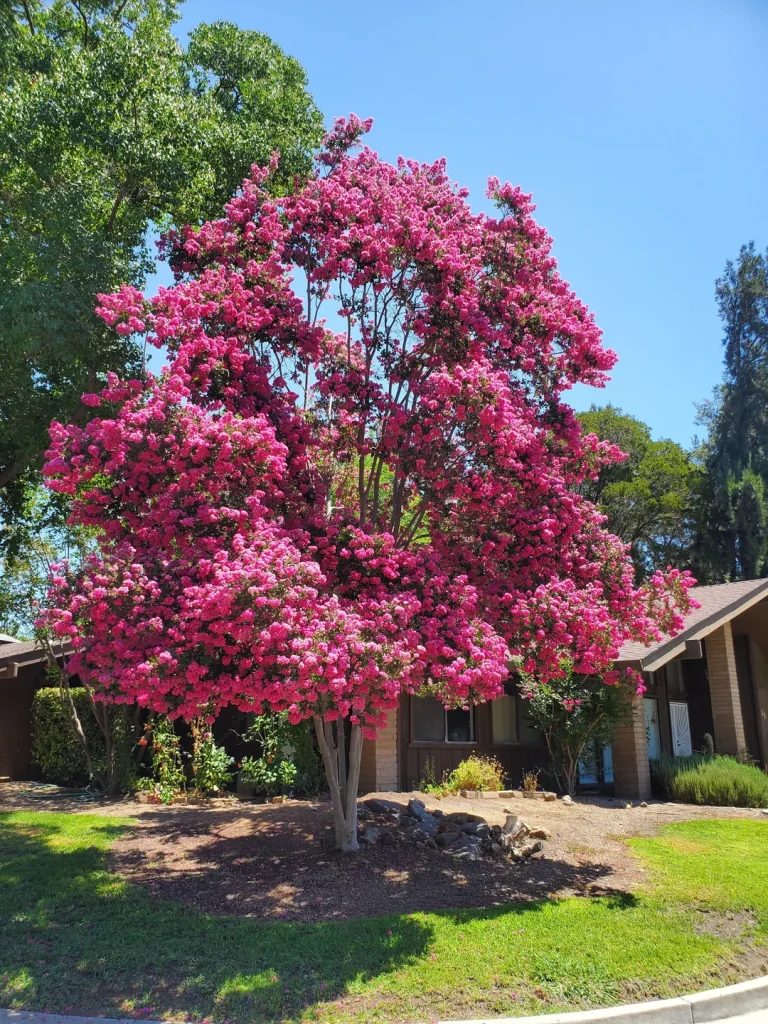
Summer is when most trees are done blooming. This one is just getting started. Ruffled flowers cover the branches from July through September. Then smooth, peeling bark takes over and keeps the tree interesting all winter.
The roots are not a problem near patios and walkways. They do stay shallow, though. Thirsty plants under the canopy will struggle, so skip underplanting.
Size is the big choice. Crape myrtles range from 6 to 30 feet. Read the tag before you buy. ‘Tuscarora’ reaches about 16 feet. ‘Muskogee’ reaches about 24.
‘Natchez’ hits 30. Please do not chop the top off to shrink it. A right-sized variety needs no heavy cutting.
Size and zones: 6 to 30 feet, depending on the variety. Zones 7 to 9.
Light: Full sun. It tolerates tougher spots once it settles in.
Watch out for: Powdery mildew. ‘Muskogee’ and ‘Tuscarora’ resist it better.
13. Desert Willow
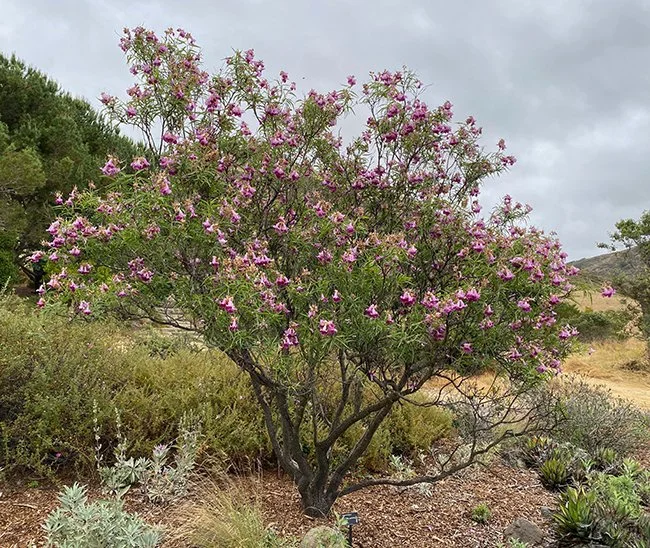
It is not a willow at all. This tough Southwest native wears trumpet-shaped flowers in white, pink, or lavender. They bloom from late spring into early fall and smell sweet. Hummingbirds love them.
The roots are not a problem, so it suits a patio or courtyard. It also grows in a large pot. The branches are loose and open, with several trunks. That gives it a relaxed, airy look.
It wants hot sun and sharp drainage. Heavy, wet soil will kill it, and a lawn is the wrong home. Water it while it settles in.
After that, back off. In fall and winter, skip the extra water while the branches are bare.
Size and zones: 15 to 30 feet tall. Zones 7 to 10.
Cleaner choice: Seedless types, like ‘Art’s Seedless,’ cut down on pod litter.
Good to know: Tip dieback is normal. Just prune it out.
5 Planting Mistakes That Cause Root Trouble
Most root problems start on planting day. Avoid these five, and your tree will behave for years.
1. Burying the root flare. The root flare is the wider spot where the trunk meets the roots. It should sit at or just above the soil line.
Bury it, and roots can circle and choke the trunk. Nursery trees often come with soil piled over the flare. Brush it away before you plant.
2. Digging a deep, narrow hole. Dig two to three times as wide as the root ball. Do not dig deeper than the root ball is tall.
Wide, loose soil helps roots spread out. A deep hole lets the tree sink.
3. Piling mulch against the trunk. Think donut, not volcano. Spread 2 to 3 inches of mulch in a wide ring. Keep it a few inches away from the bark. Mulch against the trunk traps moisture and invites rot.
4. Watering a little every day. Light sprinkles keep roots near the surface. Water slowly and deeply about once a week for the first two years. Let the water soak well past the planting hole.
5. Ignoring the mature size. That cute 5-foot tree will not stay that size. Check the mature width and height on the tag. Then use the distance guide above. Call 811 before you dig.
FAQs
Can a small tree damage my foundation?
It is rare. Roots seldom break through solid concrete. Trouble starts when thirsty roots dry out clay soil or follow an existing crack.
Plant small trees about 10 feet from the house, and fix any leaks quickly.
How close can I plant a small tree to a patio or sidewalk?
For trees under 30 feet tall, keep them 3 to 4 feet from paving. More space is better. Shallow-rooted trees like Japanese maple do best with a little extra room.
Are these trees safe near sewer or septic lines?
No tree is risk-free. Roots usually enter pipes through cracks or leaks that already exist. Keep small trees more than 10 feet from sewer lines. Give a septic drain field even more space.
Can I plant flowers under these trees?
It depends on the tree. Serviceberry has light shade and gentle roots, so perennials grow well under it. Star magnolia and Japanese maple hate disturbance. Use mulch there and skip the digging.
How long do I need to water a new tree?
Plan on two full years. Water deeply about once a week when rain is scarce. After that, most of these trees need far less help.
Pick the Tree That Fits Your Space
A small tree can bring flowers, shade, and structure without wrecking your patio. Choose one that fits your spot. Plant it at a smart distance, and give it a good start. A little planning now keeps your yard safe for years.